Therapy dogs CEP library

Featured Image. Credit CC BY-SA 3.0, via Wikimedia Commons

April Joy Jovita

Therapy Dogs Provide Comfort and Healing for Domestic Abuse Survivors

canine-assisted therapy, domestic abuse recovery, emotional support animals, therapy dogs, trauma-informed care

April Joy Jovita

Therapy dogs are playing an important role in helping domestic abuse survivors rebuild trust and emotional stability. Studies show that these specially trained animals trust emotional stability. Studies show that these specially trained animals provide nonjudgmental support, reducing anxiety and fostering a sense of safety in counseling sessions, educational programs, and courtroom settings.

How Therapy Dogs Help Survivors
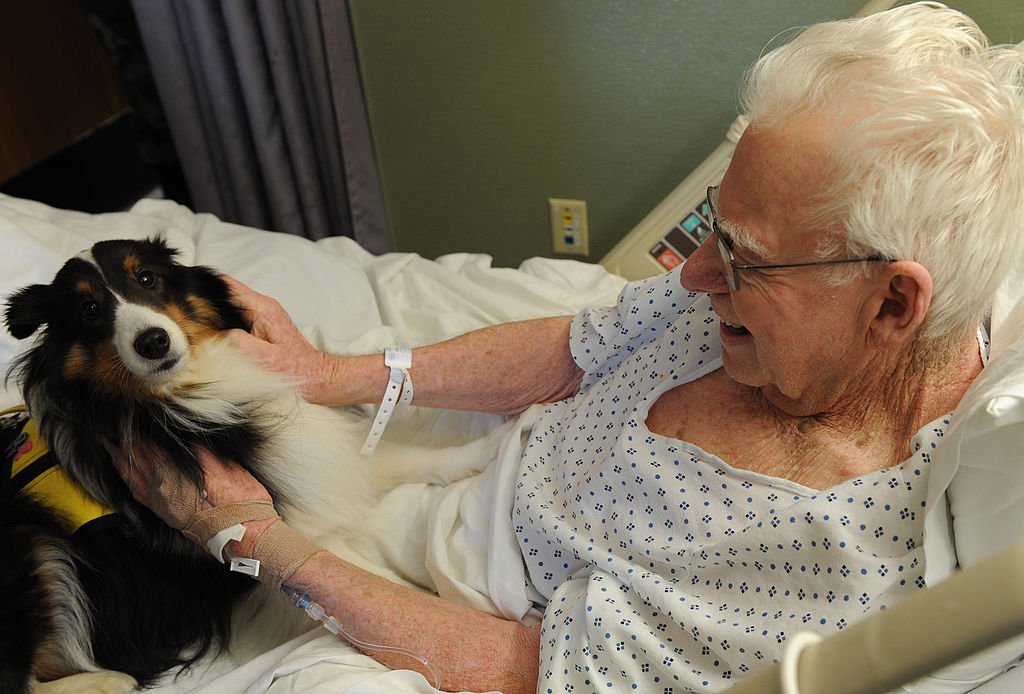
LANGLEY AIR FORCE BASE, Va. -- Gene Mohr, a retired technical sergeant, pets Molly, a 3-year-old Sheltie at Langley Hospital Jan. 30. Mollie does about 10 animal assisted therapy visits throughout the Hampton Roads Area. She has been visiting Langley Air Force Base weekly since January
LANGLEY AIR FORCE BASE, Va. — Gene Mohr, a retired technical sergeant, pets Molly, a 3-year-old Sheltie at Langley Hospital Jan. 30. Mollie does about 10 animal assisted therapy visits throughout the Hampton Roads Area. She has been visiting Langley Air Force Base weekly since January. U.S. Air Force photo/Airman 1st Class Zachary Wolf, Public domain, via Wikimedia Commons

Survivors of domestic abuse often struggle with trust, anxiety, and emotional distress. Therapy dogs create a calming presence, helping individuals feel more comfortable opening up during counseling. Research indicates that survivors who interact with therapy dogs experience lower stress levels and greater emotional resilience.

Therapy Dogs in Courtroom Settings

Facing an abuser in court can be overwhelming, but therapy dogs help survivors feel more confident and secure during legal proceedings. Studies show that individuals accompanied by therapy dogs are more likely to attend hearings and express themselves more openly, leading to better legal outcomes.

The Psychological Benefits of Therapy Dogs

Beyond immediate comfort, therapy dogs contribute to long-term emotional healing. Survivors who engage with therapy dogs report improved coping skills, reduced symptoms of PTSD, and greater willingness to seek help. These findings highlight the powerful bond between humans and animals in trauma recovery.

Conclusion
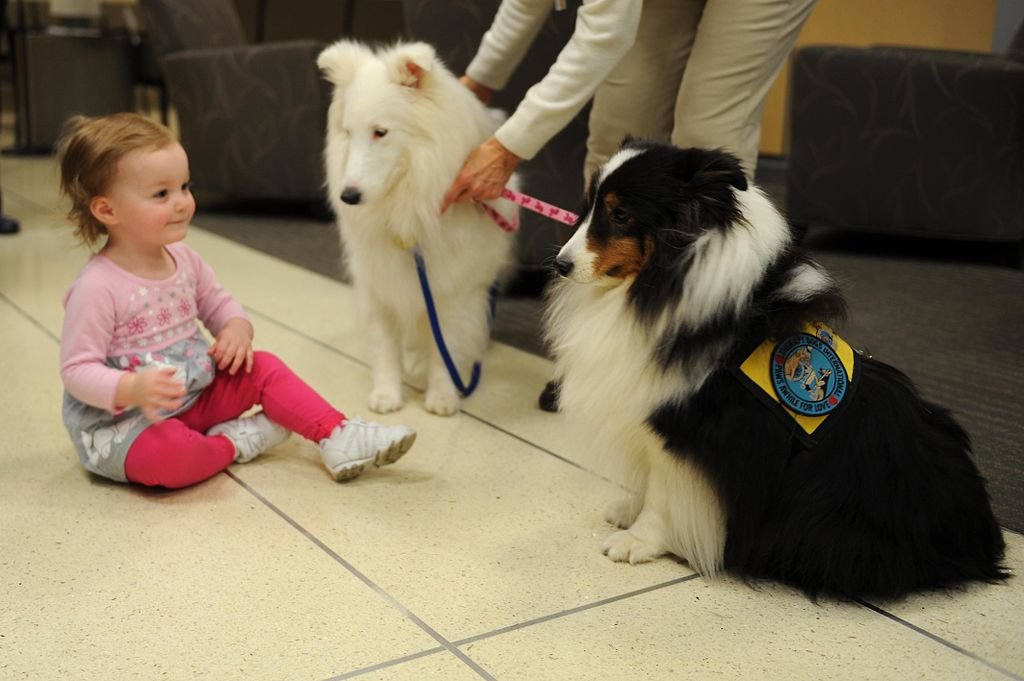
Briella Cose, a patient, visits with Lothair and Molly, American Red Cross certified therapy dogs at Langley Air Force Base, Va., Feb. 14, 2014. Lothair and Molly visit the U.S. Air Force Hospital Langley every Wednesday to brighten the spirits of patients and hospital staff members. (U.S. Air Force photo by Senior Airman Brittany Paerschke-O’Brien/Released)
Briella Cose, a patient, visits with Lothair and Molly, American Red Cross certified therapy dogs at Langley Air Force Base, Va., Feb. 14, 2014. Lothair and Molly visit the U.S. Air Force Hospital Langley every Wednesday to brighten the spirits of patients and hospital staff members. (U.S. Air Force photo by Senior Airman Brittany Paerschke-O’Brien/Released). Senior Airman Brittany Paerschke-O’Brien, Public domain, via Wikimedia Commons

Therapy dogs are proving to be invaluable allies in the recovery process for domestic abuse survivors. By providing comfort, stability, and emotional support, these animals help individuals regain confidence, trust, and resilience. As research continues to highlight their benefits, therapy dogs may become an essential part of trauma-informed care.

Source:

Phys.org

Purdue University

Leave a Comment