
You do not often get to watch a brand‑new piece of Earth being born in real time, but off Japan, that is exactly what you are seeing. In late 2023, an undersea volcano near Iwoto (better known as Iwo Jima) in the remote Ogasawara Islands blasted so much ash and rock into the Pacific that a fresh island punched through the waves and started climbing skyward. Since then, satellites and aircraft have kept catching it in the act of growing, like a time‑lapse of planetary construction that somehow escaped the cutting‑room floor.
As you follow this story, you are really watching three things at once: raw geology, unfolding in the present; a natural laboratory for how islands like Hawaii or Iceland might have started; and a subtle reminder that coastlines are not fixed lines on a map. The new islet might erode away, merge with a neighbor, or stabilize and stay, but right now it is a rare chance for you to see how restless the Earth’s crust actually is. Once you zoom in on this tiny dot of land, you start to realize it connects to big questions about hazards, life, and even how you think about “permanent” ground beneath your feet.
How a Hidden Volcano Suddenly Broke the Surface
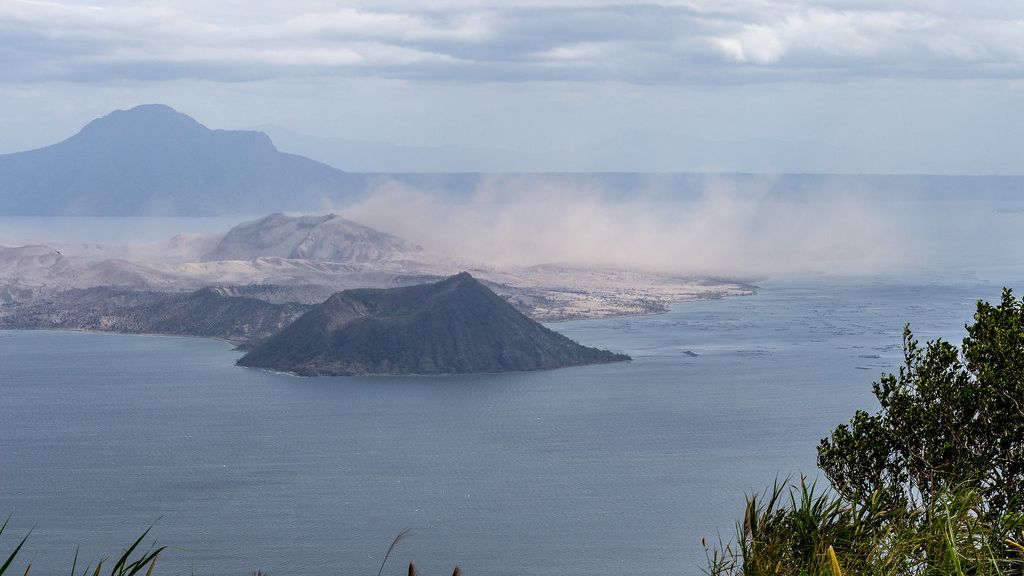
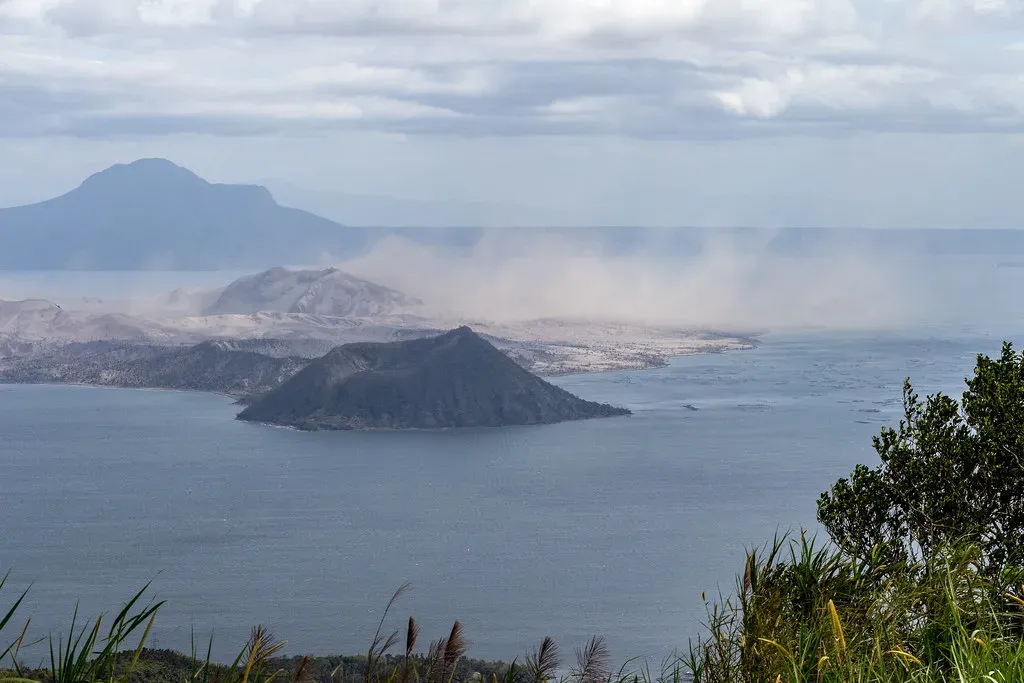
If you had flown over this stretch of ocean in early October 2023, you would have seen only open water and maybe a faint discoloration on the waves. Beneath you, though, a submarine volcano along the Izu–Ogasawara arc was already waking up, driven by the slow grinding of the Pacific Plate diving under the Philippine Sea Plate far below. Eruptions began to push hot magma upward, flashing seawater into steam, and churning the surface with explosive plumes that pilots could spot from kilometers away.
Over the next days, that hidden vent started vomiting out dense, solid material: ash, lapilli, and chunks of lava that piled up on the seafloor like an underwater construction site working overtime. As the debris cone grew taller, it eventually broke through the ocean’s surface near Iwoto, roughly a thousand kilometers south of Tokyo. You can picture it almost like a submarine volcano trying to keep its head above water; each blast hurled more building blocks onto the summit until, suddenly, there was no more sea to cover it. At that moment, what had been “just ocean” on every map turned into a brand‑new patch of Japan.
From Fleck to Footprint: Watching the Island Keep Growing
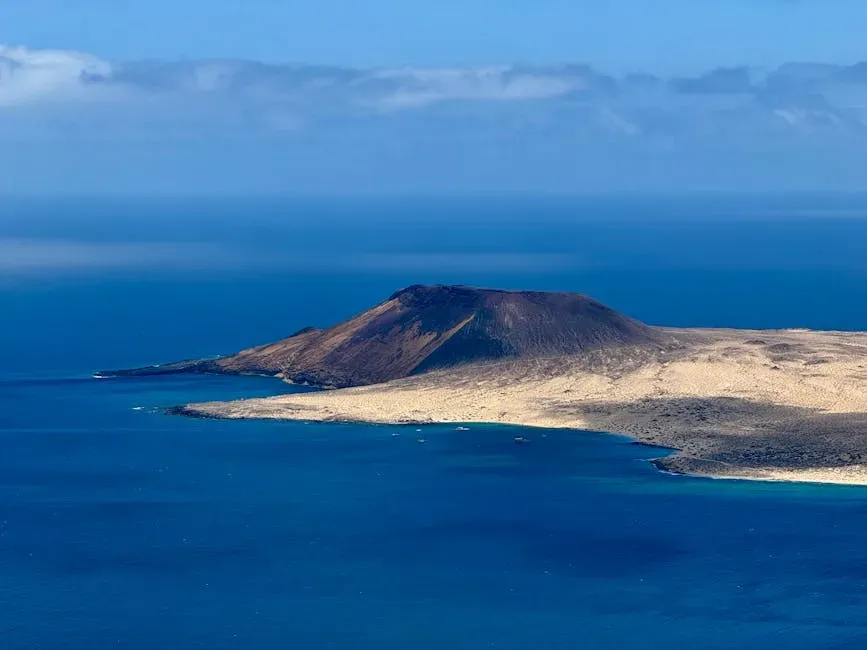
When you first hear that a new island popped up off Japan, you might imagine a sizeable chunk of land, but in the beginning this one was tiny. Early November reports described a roughly hundred‑meter‑wide islet rising some tens of meters above sea level, basically a rocky pimple on the ocean’s face. That could have been the end of the story if the eruption had faded, because young volcanic islands often vanish as quickly as they appear when waves start attacking their loose, unstable flanks.
Instead, you keep seeing evidence that the volcano has not finished. Satellite images taken over subsequent weeks showed the island expanding outward as more lava and ash accumulated, especially along its northern side. You can think of it like someone slowly pouring wet concrete around a central mound: each new splash thickens and widens the platform. The fact that space‑based sensors still see changes in shape and area well after the initial appearance tells you that this is not just a fossil blister; it is an active construction project that has not yet closed for business.
Why This Tiny Speck Matters for Understanding Earth
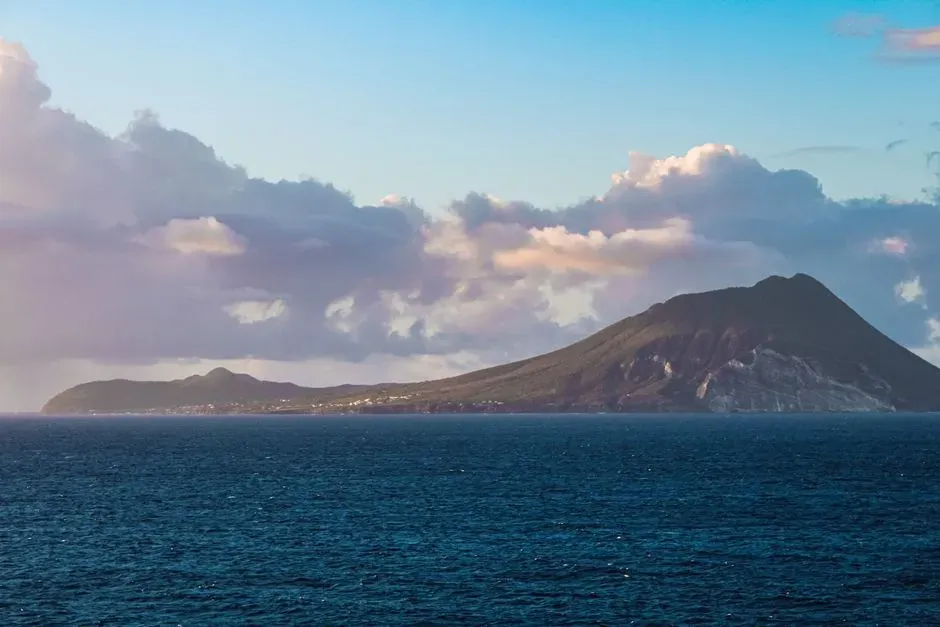
At first glance, a small, remote island might feel like a geological curiosity rather than something that actually affects you. But if you zoom out, this newborn land is a living diagram of how whole chains of islands, from the Bonins to the Marianas and beyond, have been stitched together over millions of years. You are watching the same processes – subduction, magma ascent, seafloor building – that created long arcs of volcanoes and shaped the Pacific “Ring of Fire.”
Because this eruption is happening now, with modern tools watching, you also get a research opportunity you almost never have. Scientists can combine aerial photos, ship surveys, and satellite data to track how fast the island grows, how quickly it compacts or collapses, and how the surrounding ocean responds. In a sense, you are running an experiment on island birth in real time, instead of trying to reverse‑engineer everything from old rocks and guesses. If you care about hazards, sea‑level change, or even how volcanic arcs evolve, this is exactly the kind of natural lab you want.
Will the Island Last, or Will the Sea Take It Back?
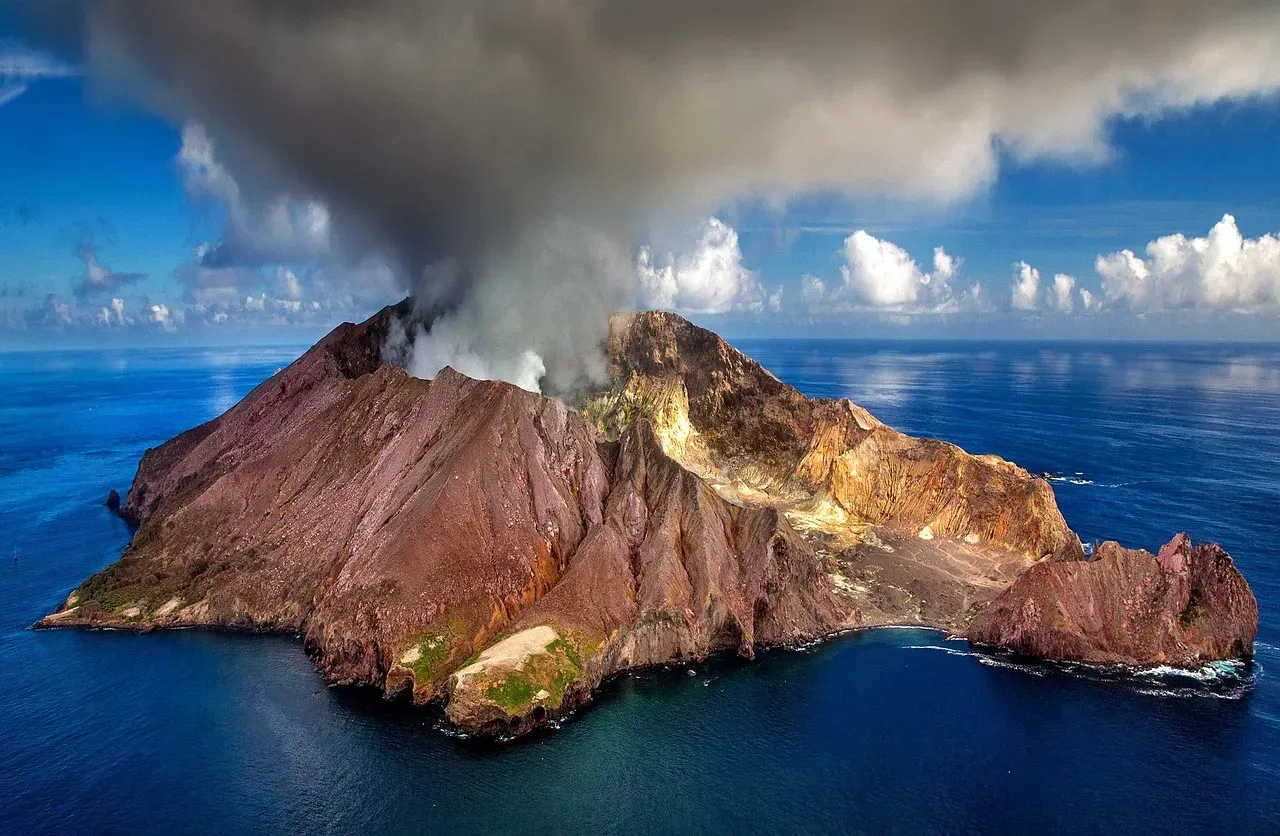
Here is the catch you have to keep in mind: just because an island appears does not mean it is here to stay. Fresh volcanic islands are often made of loose, easily eroded ash and fragmented rock, with steep sides that waves love to chew through. You have seen this pattern before around Japan, where small volcanic islets have popped up, only to shrink or vanish once the eruption that built them fizzled and the ocean had time to do its work.
In this case, experts have been cautious, pointing out that the island’s long‑term survival depends on whether the eruption keeps supplying sturdy, coherent lava and whether that lava can weld into a more resilient cap. If the volcano continues to erupt and lay down thicker lava flows that cool into hard rock, the islet has a better shot at enduring, possibly by merging with Iwoto the way a 2013 island merged with Nishinoshima farther up the arc. If the activity slows and the material stays soft and fragmental, you should expect the sea to gradually plane it down, maybe leaving only a shallow shoal that ships will need to avoid but you will never see above the waves.
Living With a Restless Arc: Hazards You Do Not See on Postcards
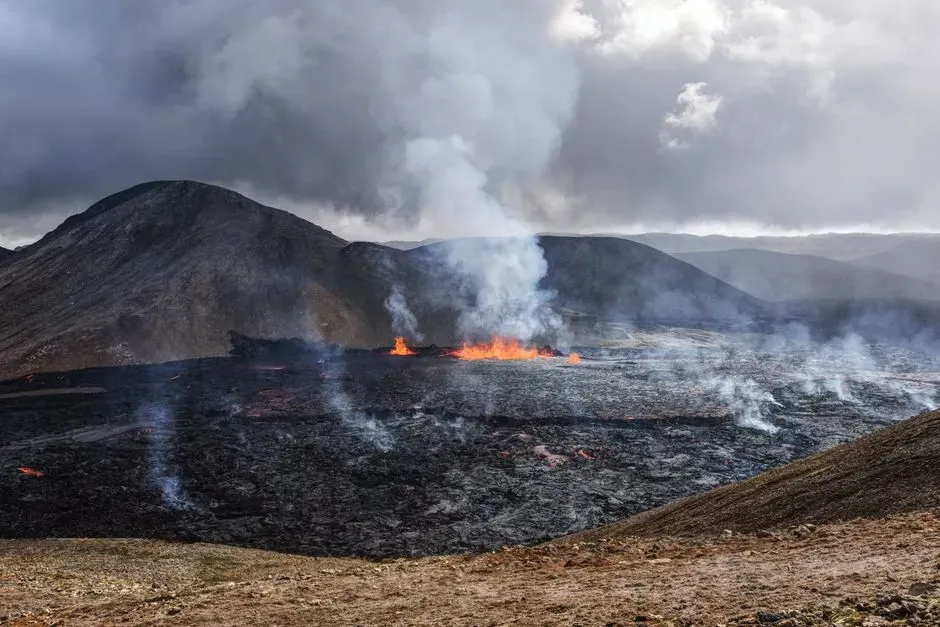
When you think of volcanic danger, you probably picture towering cones spewing lava near big cities, not a far‑off dot in the Pacific. Yet this new island sits on the same restless arc that has produced tsunamis, ash clouds, and gas emissions that can reach far from their source. For people living in the Ogasawara region, or for ships and aircraft passing through, the volcano’s behavior is not just a scientific curiosity; it is part of their risk landscape, even if the nearest large population center is hundreds of kilometers away.
You also have to remember that undersea eruptions bring their own set of issues. Explosive interaction between magma and seawater can generate shock waves and send blocks flying, while underwater slides along the growing cone may disturb the seafloor and, in extreme cases, contribute to local tsunamis. Add in discolored, ash‑laden water that can clog cooling systems or damage hulls, and you see why maritime authorities and Japan’s Meteorological Agency keep such a close eye on the place. You might never visit this island, but the aviation alerts and navigation warnings it triggers are part of the hidden infrastructure that keeps modern travel safe.
From Bare Rock to First Life: How an Island Starts to Breathe
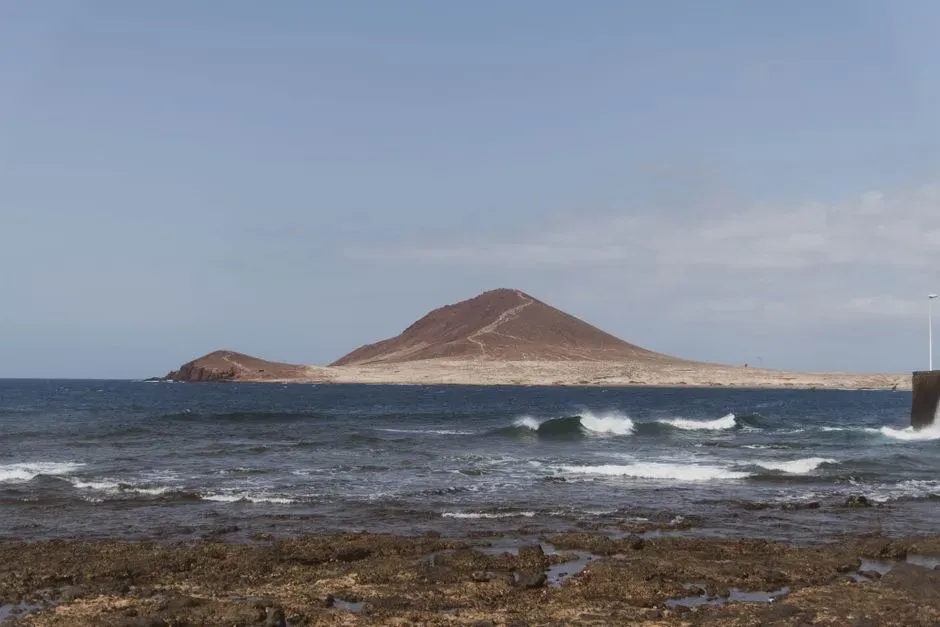
Right now, if you could stand safely on the new island – which you cannot, both for legal and volcanic reasons – you would see mostly bare, sharp rock and ash under your boots. It looks sterile at first, almost like the surface of another planet. But you know from other young islands in the region that this emptiness is temporary. The moment new land rises out of the sea, wind, waves, birds, and currents start delivering the raw ingredients of an ecosystem: seeds, spores, insects, and nutrients.
You can think of it like an empty apartment that slowly fills up even if no one intentionally moves in. Sea spray brings salt and minerals, storm‑blown plant fragments get stuck in cracks, and seabirds eventually show up, leaving droppings that act as potent fertilizer. On older Japanese volcanic islands, you can trace a clear succession from bare lava to hardy lichens and grasses, then to shrubs and, eventually, more complex communities. The fresh 2023 island is still at the very first step of that journey, but if it survives wave attack, you will be watching a new ecological story unfold almost from page one.
Conclusion: A Front‑Row Seat to Earth’s Ongoing Experiment
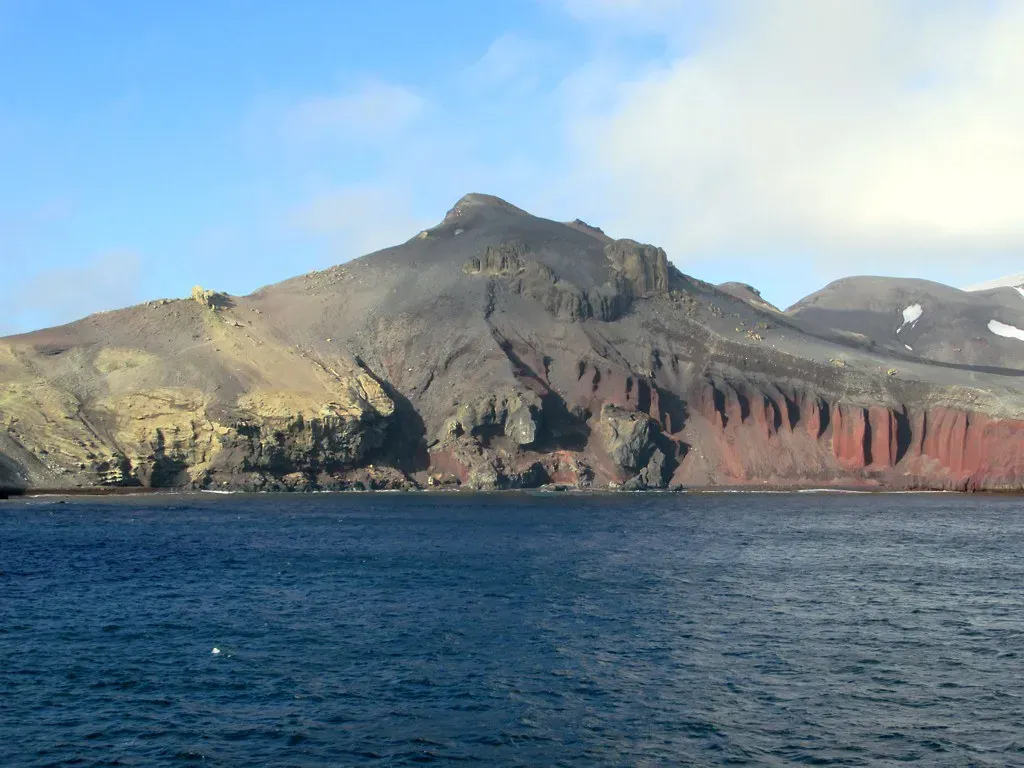
If you step back from the technical details, the story of this volcanic island is really about you getting a front‑row seat to something that usually happens far out of sight. In a remote corner of the Pacific, pressure has built, magma has surged, and a new piece of Earth has shoved its way into the daylight, still rising and reshaping itself as you read. Maybe the sea will grind it down, maybe it will harden and merge with its older neighbors, but either way you are catching the planet in a rare candid moment.
The next time you look at a map of Japan’s scattered southern islands, you can remember that one of those tiny dots is practically a newborn, still smelling of sulfur and steam in geological terms. You are used to thinking of land as something ancient and unchanging, yet here is proof that coastlines can grow overnight and that the ground under the ocean is just waiting for an opportunity to reach the sky. When you realize how alive the crust beneath you really is, does it change how solid the world feels under your feet?