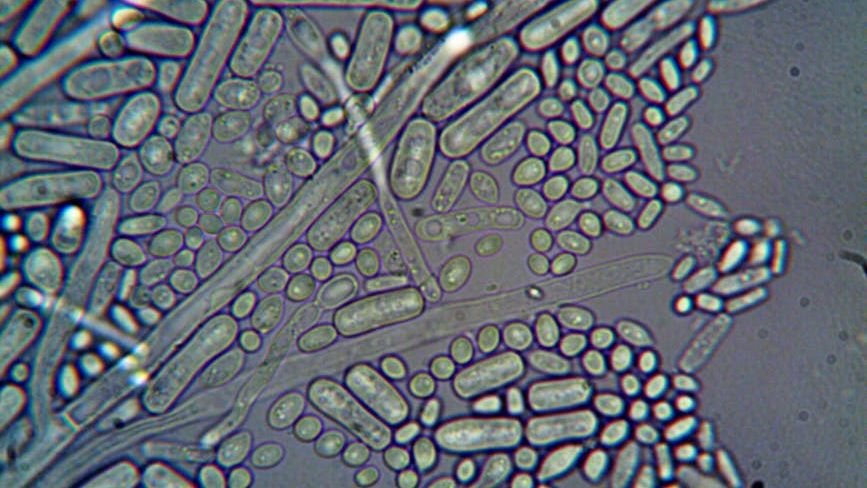

You probably picture mountains, oceans, and storms when you think about the forces that shape the planet. But some of the most powerful shapers of Earth are so small you’ll never see them without a microscope. Microbes quietly run core planetary systems, especially in places where almost nothing else survives: boiling vents, toxic lakes, polar ice, and deep rock far below your feet.
Once you start to see these tiny organisms as engineers rather than background noise, the planet looks very different. You realize that extreme environments are not lifeless wastelands but busy construction sites where microscopic workers rebuild minerals, cycle gases, and even influence climate. By the end of this article, you may never look at “inhospitable” places the same way again.
Life Where Water Boils: Microbes in Hydrothermal Vents
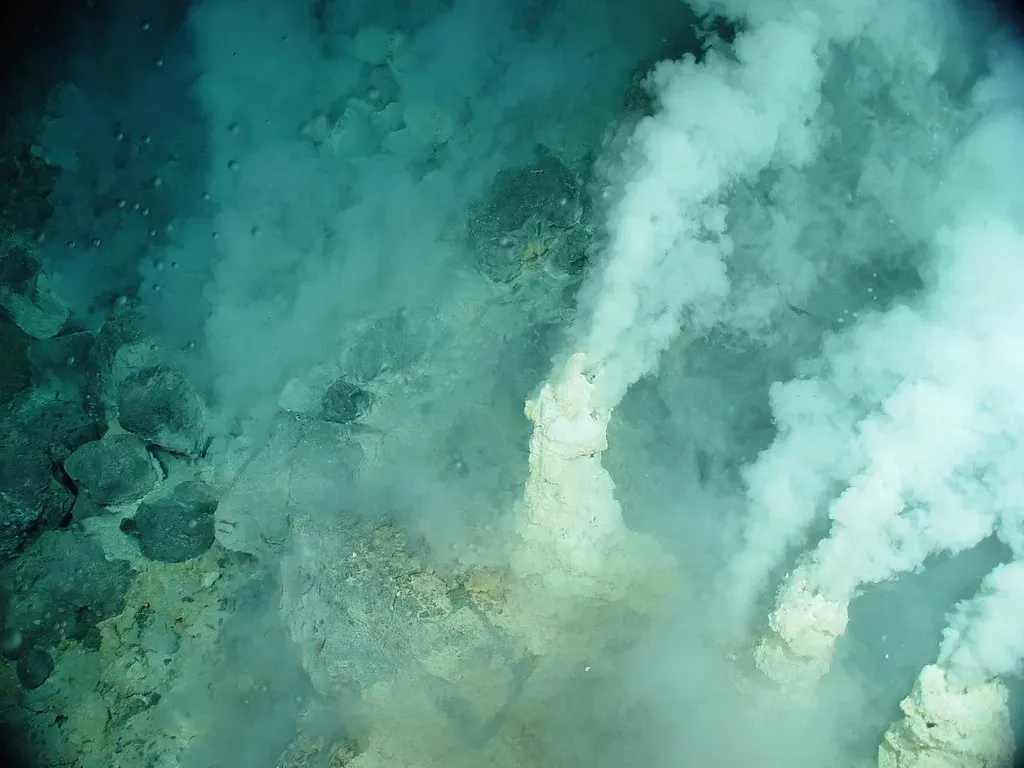
Imagine standing on the deep ocean floor where it’s pitch dark, the pressure could crush a submarine, and water gushes out of the crust at temperatures hotter than boiling. You might assume nothing could possibly live there, yet microbes are thriving right at the edge of what life can handle. Around these black smokers and white smokers, you find communities of bacteria and archaea that use chemicals like hydrogen sulfide, methane, and hydrogen for energy instead of sunlight.
Here’s the wild part: these microbes act like tiny chemical factories, building organic matter in total darkness. You can think of them as the “plants” of the deep sea, except they don’t need photosynthesis. They feed entire ecosystems of worms, crabs, clams, and shrimp that cluster around the vents, depending on microbial partners for food. In a very real sense, if you turn off the microbes, the whole hydrothermal vent city goes dark.
Salt, Acid, and Toxic Brine: Microbes in Deadly Waters
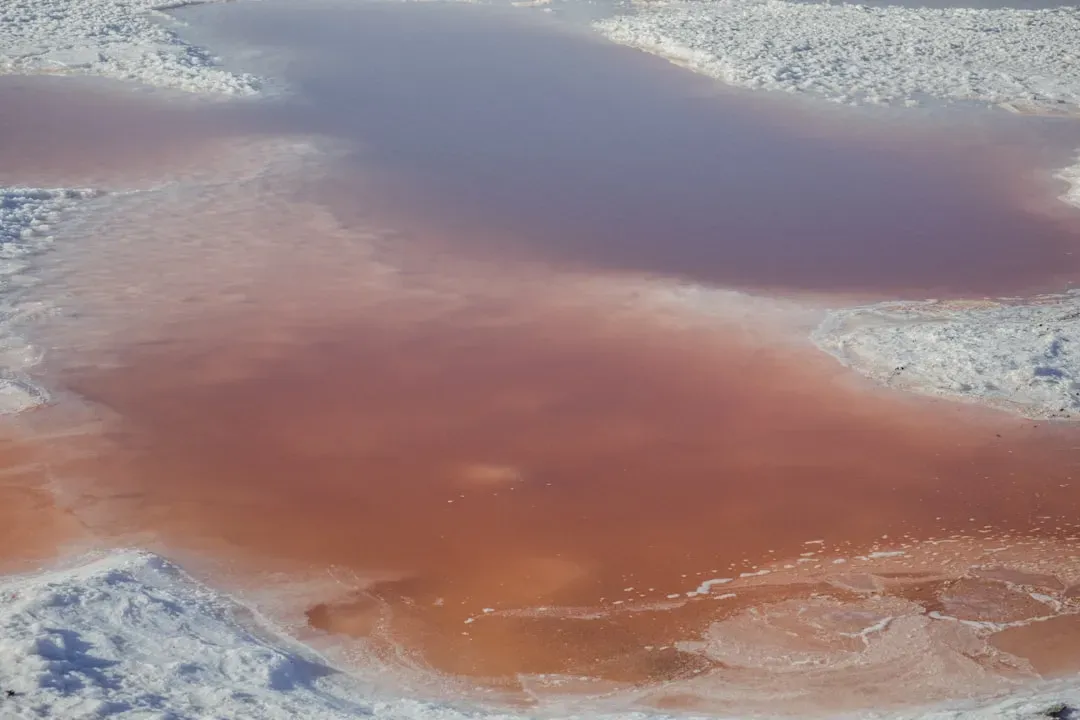
When you look at hyper-salty lakes or pools so acidic they can dissolve metal, your instincts tell you these places shouldn’t support life. Yet microbial communities have evolved to not only tolerate but actually require these extreme conditions. In hypersaline lakes, some microbes protect themselves with specialized proteins and pumps that keep their cells from drying out or exploding under osmotic stress.
In acidic or toxic waters, you find microbes that transform metals and sulfur compounds, turning dangerous chemistry into an energy source. By doing this, they reshape minerals, stain rocks in vivid colors, and influence how metals move through the environment. If you walk past a bright orange or neon green stream near an abandoned mine, you’re probably seeing the fingerprints of these extremophile microbes at work, quietly rewriting the chemistry of the landscape.
Frozen Architects: Microbes in Ice, Snow, and Permafrost
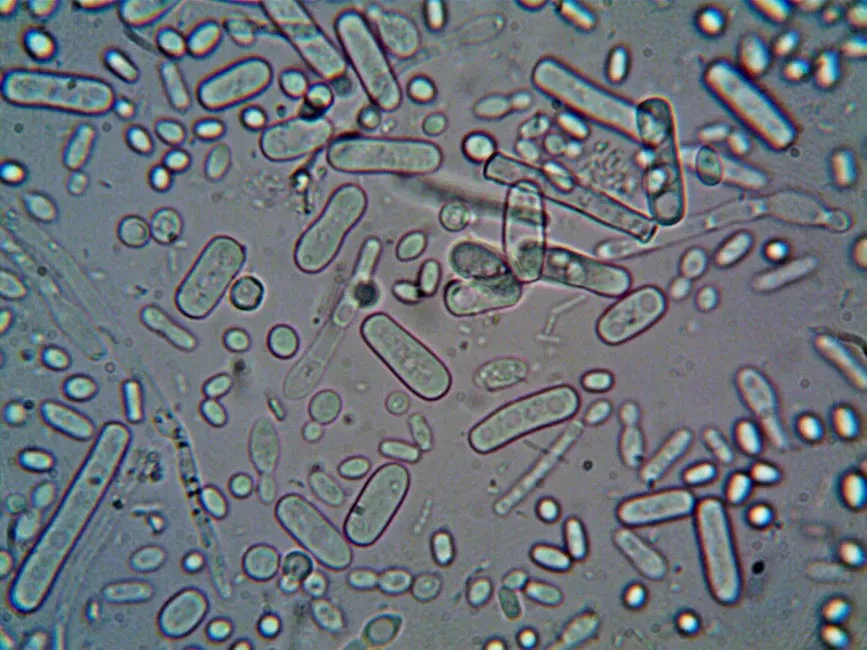
You might think ice is just frozen water, but if you look closely at glaciers, polar sea ice, or permafrost, you’re peeking into a hidden microbial archive. Tiny pockets of liquid brine inside ice crystals can host communities of bacteria and algae that keep metabolizing at subzero temperatures. They grow slowly, but over long timescales, they help cycle nutrients like carbon, nitrogen, and sulfur even in frozen worlds.
In permafrost, microbes are time travelers. Some have been trapped for thousands of years, only to wake up when the ground thaws. As permafrost melts, these microbes begin breaking down old organic matter and releasing greenhouse gases like carbon dioxide and methane. That means you’re not just looking at frozen dirt; you’re looking at a climate feedback system powered by microbes, with real consequences for the atmosphere you breathe.
Invisible Miners: Microbes in Rocks and Deep Subsurface
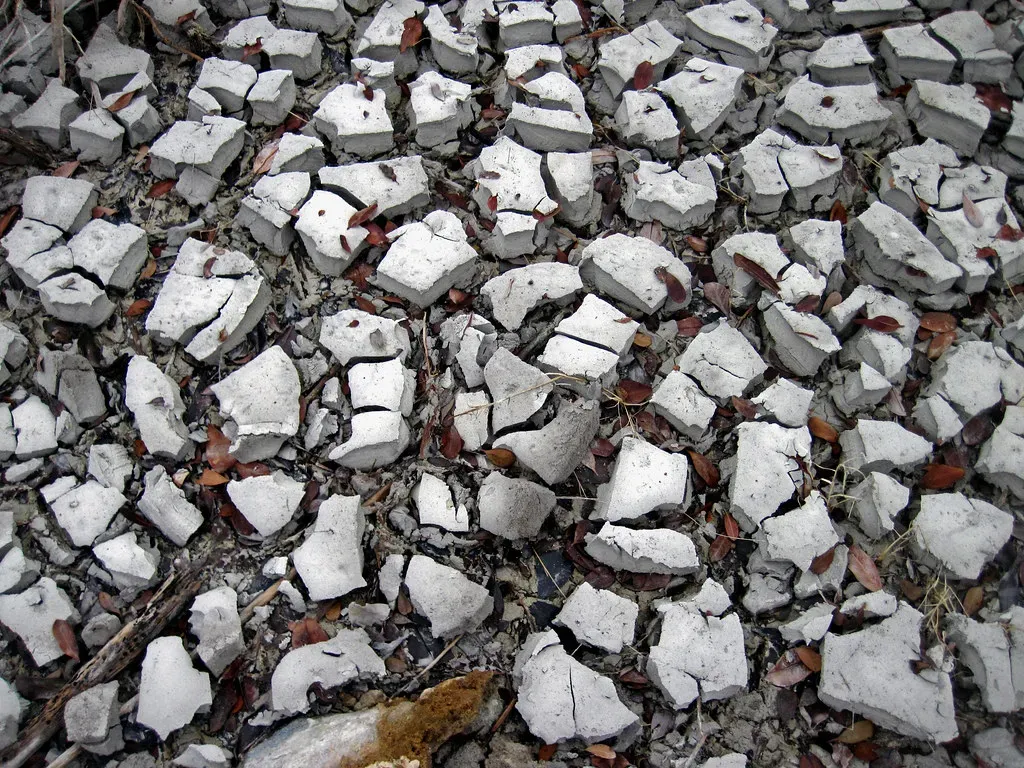
If you drill deep into Earth’s crust, far below plant roots and groundwater, you still find life. Down there, microbes carve out a living in tiny fractures in rocks, sometimes kilometers beneath the surface. Instead of feeding on sunlight or fresh organic matter, they tap into chemical energy from minerals, hydrogen gas, or ancient trapped carbon compounds. It’s like they’ve built a slow, quiet underground city powered by geology.
These subsurface microbes act like invisible miners and masons. As they oxidize or reduce metals and other elements, they change the structure of rocks and help form new minerals. Over millions of years, their activity can influence everything from the composition of groundwater to the formation of ore deposits. When you look at certain mineral veins or strange rock textures, you might be staring at the long-term handiwork of microbial communities you never knew existed.
Breathing Rocks: Microbial Weathering and Soil Creation
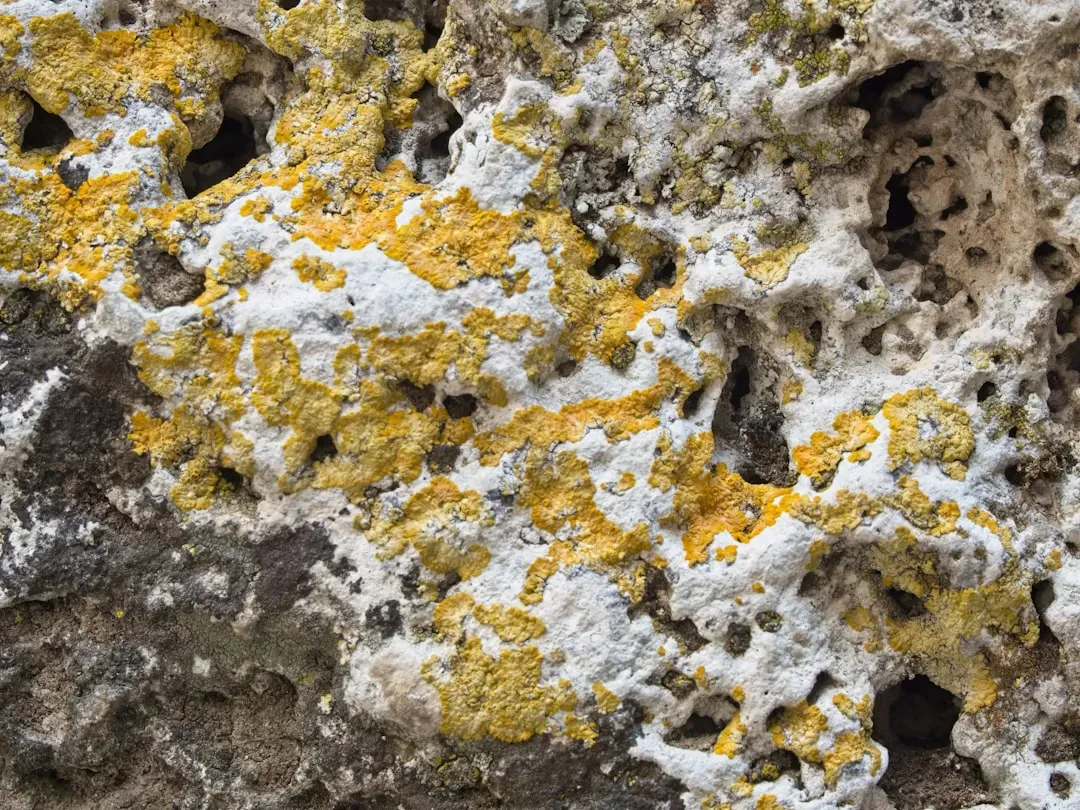
You usually think of weathering as a job for wind, rain, and ice, but microbes are some of the most persistent rock-breakers on the planet. When they attach to mineral surfaces, they release acids and other compounds that dissolve or alter the rock. In this way, they free up elements like phosphorus, iron, and magnesium, which are essential nutrients for plants and other life forms.
As rock turns into soil, microbes keep working as recyclers and builders. They help bind soil particles into stable crumbs, influence how water moves through the ground, and break down dead material into forms other organisms can use. If you scoop up a handful of soil and let it crumble through your fingers, you’re holding a living scaffold largely constructed and maintained by microbial communities. Without them, rich, fertile soils simply wouldn’t exist in the way you know them.
Gas Balancers: Microbes and Global Climate Cycles
![Gas Balancers: Microbes and Global Climate Cycles ([1] doi:10.3390/su10030869, CC BY-SA 4.0)](https://nvmwebsites-budwg5g9avh3epea.z03.azurefd.net/dws/dede90d83c7d840f57a2978de35e63ec.webp)
When you hear about climate, you probably think of factories, cars, and forests, but microbes are quietly running a big part of the global thermostat. In the oceans, for example, microscopic phytoplankton and bacteria help absorb carbon dioxide from the atmosphere, convert it into organic matter, and eventually send some of it sinking into the deep sea. In wetlands, rice paddies, and animal guts, other microbes produce methane, a powerful greenhouse gas, as they digest organic material without oxygen.
Meanwhile, still other microbes consume methane before it reaches the atmosphere, acting as a kind of planetary safety valve. You can think of all these microscopic processes as knobs and dials on Earth’s climate machine. When you change temperature, moisture, or nutrient availability, you’re not just altering physical conditions; you’re nudging microbial communities to speed up or slow down, which can ripple outward and affect the climate patterns you experience every day.
Lessons for Space and the Future: Extremophiles as Guides
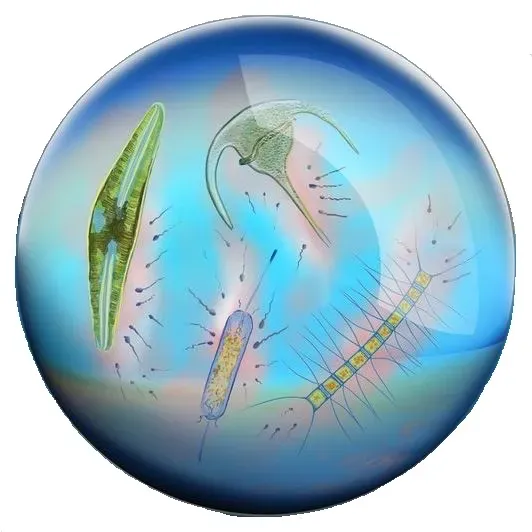
Once you realize microbes can thrive in boiling vents, acidic pools, deep rock, and polar ice, your idea of where life could exist starts to stretch. If microbes can adapt to those extremes on Earth, environments on Mars, icy moons like Europa or Enceladus, or even the clouds of Venus start to look a little more plausible as habitats. When scientists design instruments to search for life beyond Earth, they often use extremophiles as their reference point for what to look for and which chemical signatures might hint at biology.
These same microbes are also giving you ideas for future technologies on your own planet. Enzymes from heat-loving or salt-tolerant microbes can be used in industrial processes, medicine, and environmental cleanup where ordinary proteins would fall apart. By studying how these organisms protect themselves, harvest energy, and repair damage, you’re essentially borrowing survival strategies that evolved over billions of years. In a way, extremophiles are not just relics of ancient Earth; they’re mentors for how you might solve some of tomorrow’s toughest problems.
Conclusion: Seeing the Planet Through Microbial Eyes
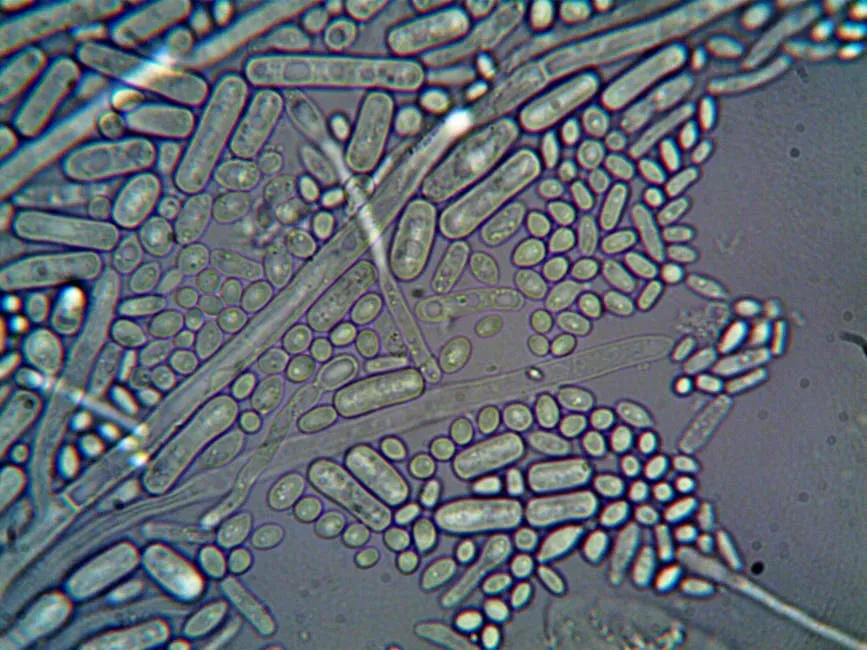
When you step back and look at all these extreme environments together, a pattern jumps out at you: wherever physical and chemical conditions push toward the limits of what seems possible, microbes are there first, setting up shop and quietly rewriting the rules. They build food webs in the deep sea, sculpt rocks into soils, breathe life into frozen landscapes, and tweak the balance of greenhouse gases in the air. The big, charismatic creatures you’re used to seeing are more like tenants moving into a building whose foundations were poured long ago by microbial engineers.
If you start to see Earth through microbial eyes, your definition of “habitable” radically expands, and so does your respect for the hidden systems that keep your world running. The next time you hear about a scorching vent, a toxic mine, a thawing permafrost slope, or an icy moon far away, you can ask yourself a new question: not whether life could exist there, but what kinds of microbial architects might already be at work. Did you ever imagine that the smallest residents of your planet would turn out to be its boldest builders?