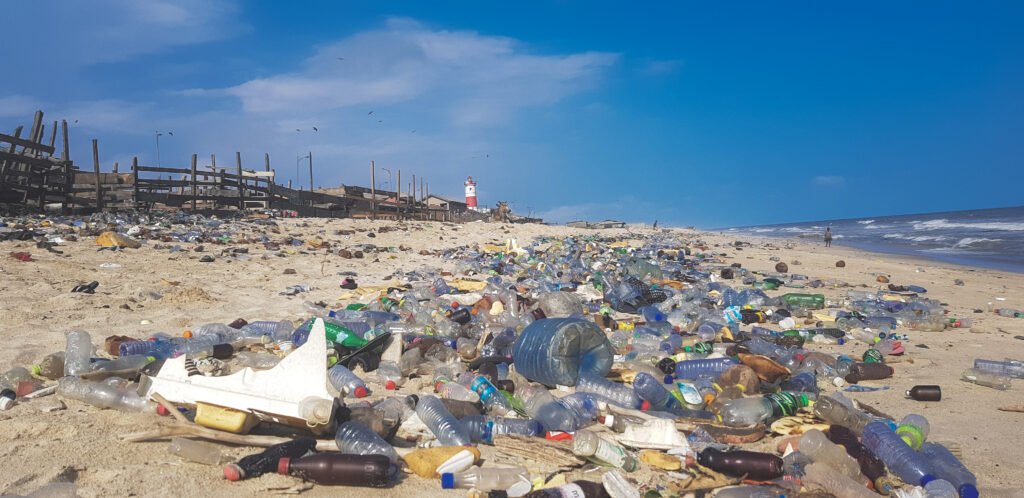

In recent years, ocean pollution has garnered significant attention as a critical environmental issue. The UK, an island nation, is particularly invested in addressing this challenge. As plastic waste accumulates in the world’s oceans, it not only threatens marine life but also impacts human health and the global ecosystem. This article examines the UK’s strategies for combating plastic pollution and explores the broader implications of these efforts.
The Growing Plastic Waste Problem

Plastic waste has become a pervasive issue, with an estimated eight million metric tons entering oceans annually. The UK, with its extensive coastline, is particularly vulnerable to this pollution. Plastics find their way into oceans through various means, including inefficient waste management systems, littering, and stormwater runoff.
The Impact on Marine Life

Marine animals such as turtles, seabirds, and fish often mistake plastic debris for food, leading to ingestion and, frequently, death. Additionally, microplastics—tiny plastic particles—have been found in a wide array of marine organisms, affecting reproductive and digestive systems.
UK Government Policies and Legislation

The UK government has implemented several initiatives aimed at reducing plastic waste. Key among these is the ban on single-use plastic items such as straws, stirrers, and cotton buds. Furthermore, the UK has committed to eliminating avoidable plastic waste by 2042, as part of its 25-Year Environment Plan.
Innovative Solutions and Technologies

Britain is home to numerous technological innovations designed to tackle plastic pollution. Companies are developing biodegradable alternatives to traditional plastics, while others focus on advanced recycling technologies that enhance the efficiency of waste processing.
Community and Grassroots Efforts

Grassroots movements and local community initiatives play a crucial role in addressing plastic pollution. Beach clean-ups, educational programs, and awareness campaigns are some of the ways communities in the UK are actively contributing to cleaner oceans.
Business and Corporate Responsibility

Increasingly, UK businesses are recognizing their role in reducing plastic pollution. Many companies are committing to more sustainable packaging solutions, and some are even investing in technology that reduces their overall environmental footprint.
International Collaboration

Plastic pollution is not confined to national borders; hence, the UK is working with other nations to tackle the global plastic crisis. Through international agreements and partnerships, the UK contributes to worldwide efforts to reduce ocean plastic waste.
The Role of Education

Education is a key component in the fight against plastic pollution. By incorporating sustainability and environmental science into school curricula, the UK aims to foster a generation that is more conscious of ecological impacts and committed to creating sustainable solutions.
Future Challenges and Opportunities

While significant progress has been made, challenges remain. Innovations in recycling and biodegradable materials need to be more widely adopted, and a cultural shift towards reduced consumption of single-use plastics is essential. However, these challenges also present opportunities for ingenuity and collaborative efforts.
Conclusion: A Path Forward
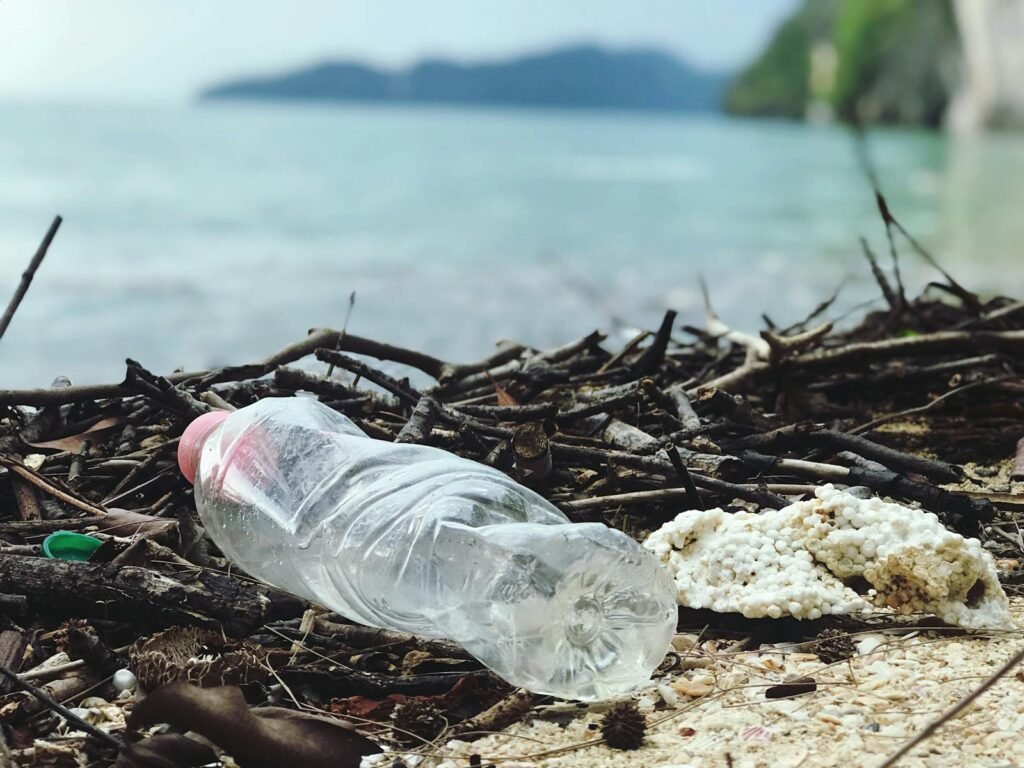
Britain’s approach to tackling ocean pollution is multi-faceted and involves government policy, technological innovation, and community engagement. While challenges remain, the UK is making strides toward creating a more sustainable environment. By continuing to invest in innovative solutions and encouraging behavioral changes, the UK can lead the way in mitigating the plastic waste crisis not just nationally, but globally.
By addressing plastic pollution with comprehensive strategies and solutions, the UK is not only protecting its marine ecosystems but also setting a precedent for global environmental stewardship. The journey to eliminate plastic waste is long and complex, but with continued collaboration and innovation, a cleaner, healthier ocean is within reach.