Imagine stepping into a place where cars are strangers, highways are myths, and silence is only broken by the whisper of wind through ancient forests. In a world obsessed with speed, convenience, and constant connection, there exists an American village so remote, so untouched, that no paved road dares to reach it. Here, time seems to linger, and life unfolds at a pace dictated by seasons and nature’s moods. This is not a fantasy or a relic from the past—it is the real, living world of America’s most isolated village, a place where survival and community are redefined every single day.
Where Roads End and Wilderness Begins
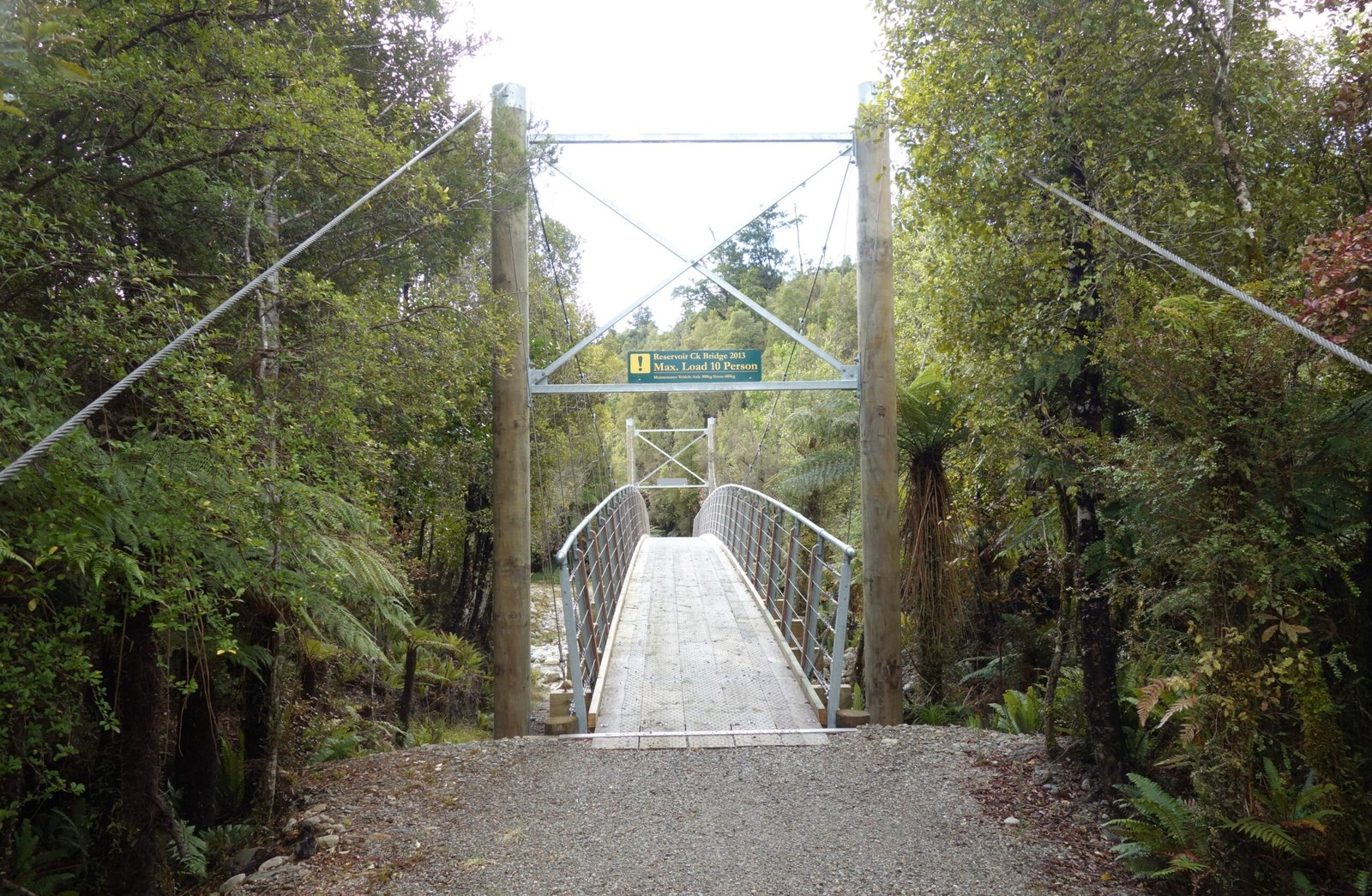
Nestled deep within the Adirondack Mountains, the village of Beaver River stands as a testament to human resilience and the enduring allure of the wild. With no roads leading in or out, access is possible only by hiking, boating, or taking a seasonal train that winds through miles of dense forests. In the harsh winter months, snowmobiles become the lifeline, carving temporary trails across the frozen landscape. The absence of conventional roads means that every journey, whether for supplies or social visits, becomes an adventure and a challenge, fostering a deep connection with the land.
A Community Shaped by Isolation
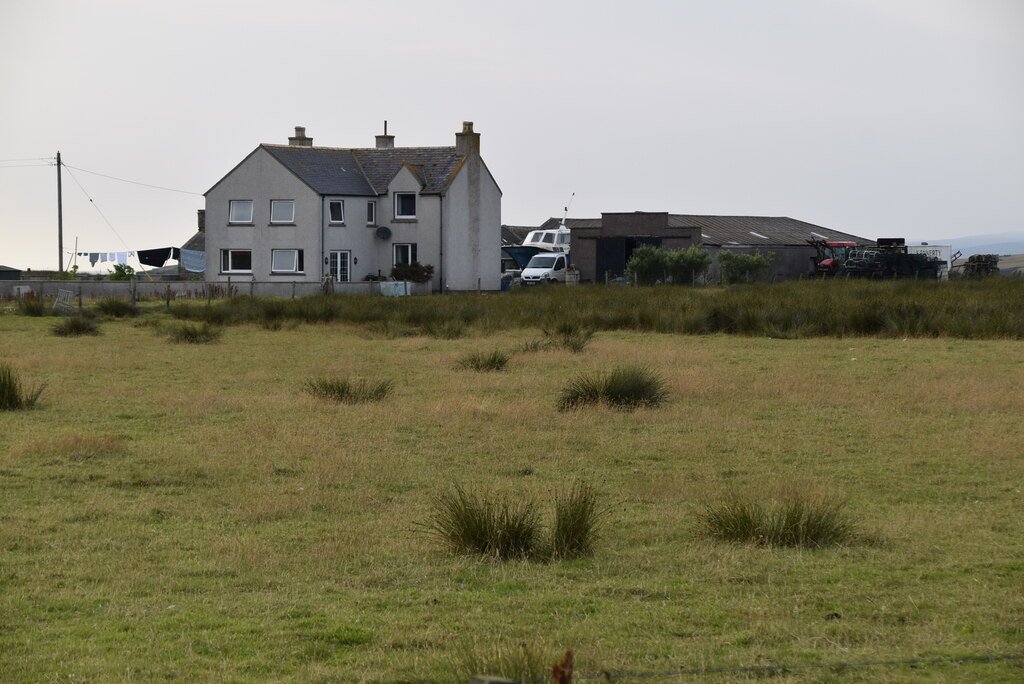
Isolation here is not just physical—it is woven into the very fabric of daily life. The population fluctuates with the seasons, sometimes shrinking to just a handful of hardy souls who brave the elements year-round. The sense of community is profound, born from necessity and trust. Neighbors become extended family, always ready to lend a hand in emergencies or share a meal on long winter nights. Celebrations are cherished, and news travels by word of mouth, often over steaming mugs of coffee in the cozy warmth of the local inn.
Nature as Neighbor and Provider
Living without roads means living with nature as both a neighbor and a provider. Towering pines and crystal-clear lakes surround every home, offering breathtaking beauty and essential resources. Residents rely on fishing, hunting, and gardening to supplement their food supplies, respecting the delicate balance that sustains them. Wildlife sightings are daily occurrences—moose, deer, and even the elusive bobcat roam the woods freely, reminding everyone that humans are visitors here. The changing seasons bring both bounty and hardship, teaching patience and gratitude.
Adapting to the Rhythm of the Seasons
In Beaver River, the seasons dictate the rhythm of life in ways most Americans have never experienced. Spring brings muddy trails and the promise of new growth, while summer is a time for repair, gathering, and celebration. Autumn’s fiery foliage signals the frantic preparation for winter: splitting firewood, preserving food, and checking snowmobile engines. When winter arrives, it transforms the village into a silent, white wonderland—beautiful but unforgiving. Each season tests the ingenuity and endurance of those who call this place home.
Life Without Modern Conveniences
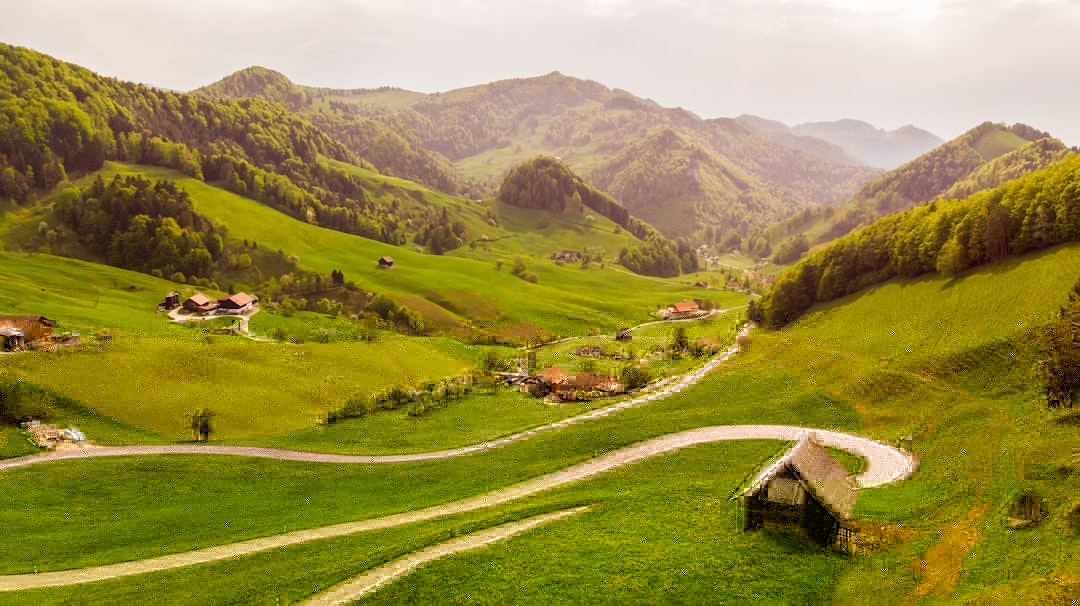
Without roads, many modern conveniences fade into the background. There are no delivery trucks, no fast-food chains, and certainly no drive-thrus. Supplies must be carefully planned and brought in by train or boat, and any forgotten item means a long wait or a creative workaround. Internet and phone service are spotty at best, leading to a life less distracted by screens and more attuned to the immediate world. Residents learn the value of resourcefulness, repairing and repurposing instead of replacing.
The Enduring Power of Tradition
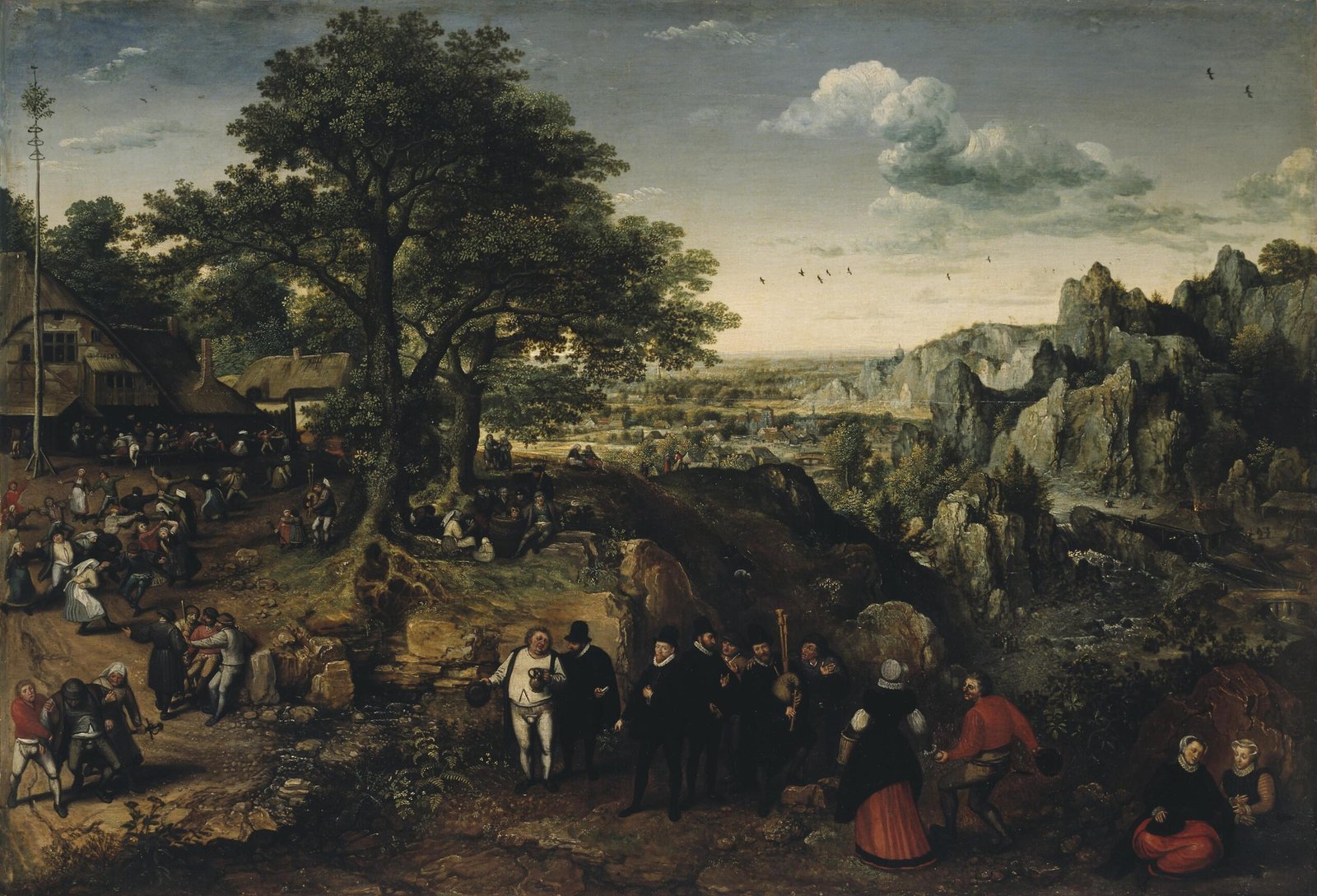
Traditions thrive in Beaver River, passed down through generations and adapted to the unique demands of isolation. The annual arrival of the train is celebrated like a holiday, and community gatherings are eagerly anticipated events. Storytelling, music, and crafts fill the long evenings, preserving a rich heritage that connects past and present. Even as the outside world races forward, the people here hold fast to customs that honor their history and the land that sustains them.
Scientific Insights Into Isolation and Resilience
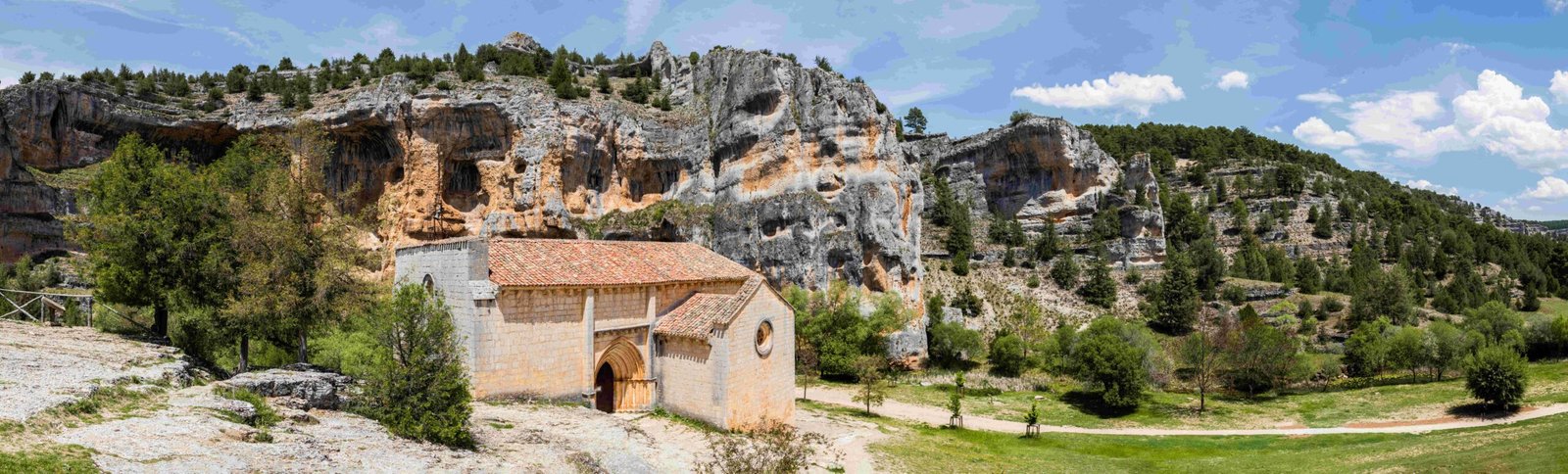
Scientists studying remote communities like Beaver River have found that isolation can foster remarkable resilience and creativity. The challenges of limited access force residents to develop problem-solving skills and a strong sense of self-reliance. Social bonds are often stronger, as cooperation is essential for survival. Researchers also note that proximity to nature can have profound effects on mental and physical health, reducing stress and encouraging active, engaged living. Beaver River is a living laboratory for understanding the human capacity to adapt and thrive in extreme circumstances.
Challenges of Healthcare and Emergency Services

One of the greatest challenges of life without roads is access to healthcare and emergency services. Medical emergencies require swift thinking and sometimes risky journeys by boat, snowmobile, or even floatplane. The community relies on basic first aid knowledge and the generosity of visiting doctors or nurses. In winter, heavy snow can cut off even these limited options, making self-sufficiency and mutual aid critical. Despite these hardships, residents express a deep sense of autonomy and pride in their ability to care for one another.
Education in the Heart of the Forest

Education in Beaver River is as unique as the village itself. With no school buses or nearby schools, children often learn at home or travel long distances to attend classes in neighboring towns. Technology helps bridge the gap, but lessons are frequently drawn from the surrounding environment—identifying animal tracks, learning to fish, or understanding the weather. This hands-on approach fosters a deep appreciation for the natural world and equips young people with survival skills rarely taught elsewhere.
Tourism: A Double-Edged Sword
While isolation is central to Beaver River’s identity, curious visitors are drawn to its mystery and beauty. Tourism provides a crucial source of income during the warmer months, supporting local businesses and artisans. However, the influx of outsiders can strain resources and challenge the delicate balance between preservation and progress. Residents walk a fine line, welcoming respectful guests but fiercely protecting the peace and traditions that define their way of life.
The Quiet Magic of Nightfall
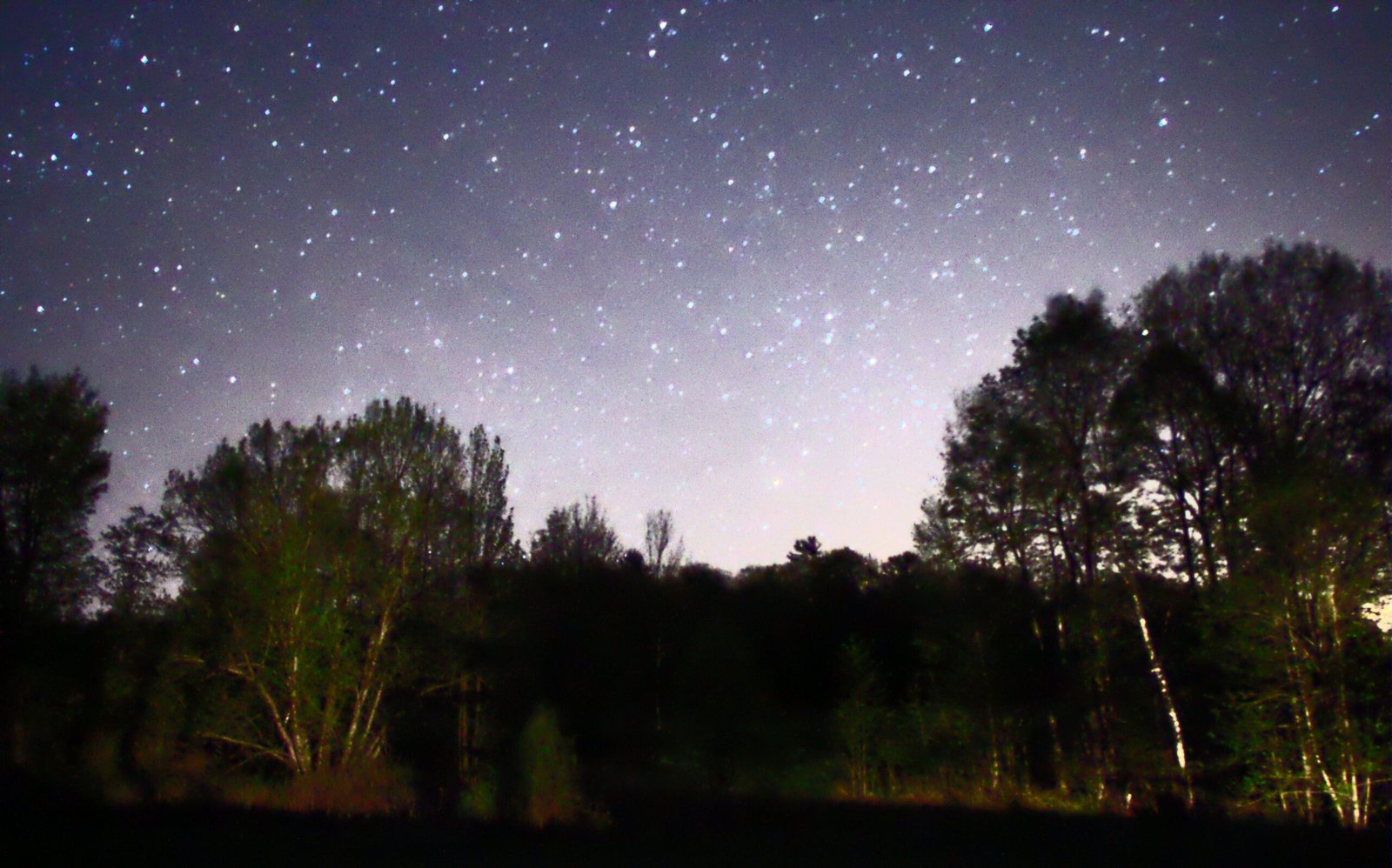
When night descends on Beaver River, a kind of magic settles over the village. Without the glare of streetlights or the roar of traffic, the sky explodes with stars, and the sounds of nature fill the air. Residents gather on porches or by woodstoves, sharing stories and laughter as the world outside fades into shadow. In these moments, the isolation that once seemed daunting is transformed into something sacred—a rare opportunity to experience life in its purest, simplest form.
Reflections on America’s Last Roadless Village
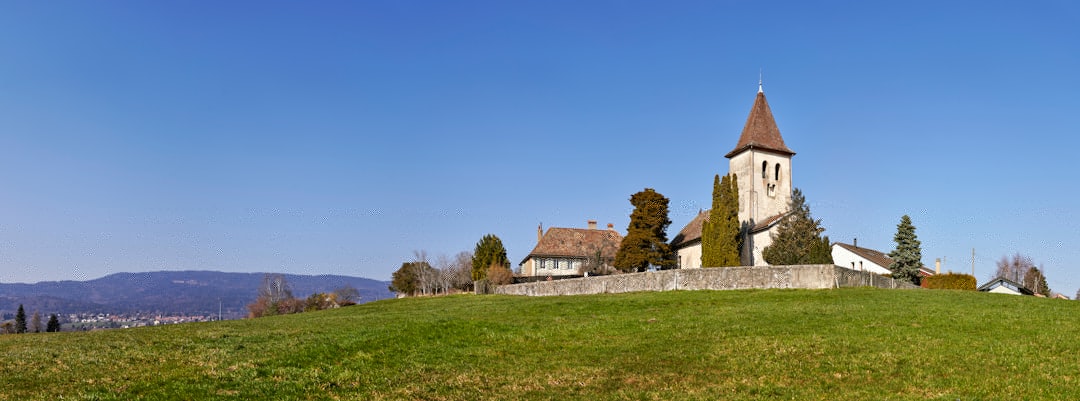
Beaver River stands as a living reminder that it is still possible to build a life apart from the relentless pace of modernity. Its people have crafted a community defined not by what it lacks, but by what it cherishes: connection, resilience, and respect for the land. In an era where convenience often trumps meaning, the village offers a different path—a chance to rediscover the joy of simplicity and the strength that comes from facing challenges together. Would you dare to live where the road ends?