

Think about this: the “you” who started this sentence is already gone. By the time you reach this full stop, your brain has updated, edited, and quietly replaced that earlier version with a slightly newer one. Yet it feels like one smooth, unbroken stream of being you. The temporal binding hypothesis takes that feeling and flips it on its head, arguing that your sense of a continuous self is not an objective fact about reality, but a clever construction your brain fabricates from separate, momentary flashes of awareness.
This idea sounds unsettling at first, like someone telling you your whole life is a movie made of frames you never noticed. But when you look at how perception, memory, and time actually work in the brain, the “movie” metaphor becomes hard to escape. Your brain is less a live broadcast of reality and more like a super fast editor, stitching together disconnected clips into a story that feels seamless. Once you start seeing the seams, your everyday experience of being a solid, continuous “me” begins to look surprisingly fragile.
What Temporal Binding Actually Means
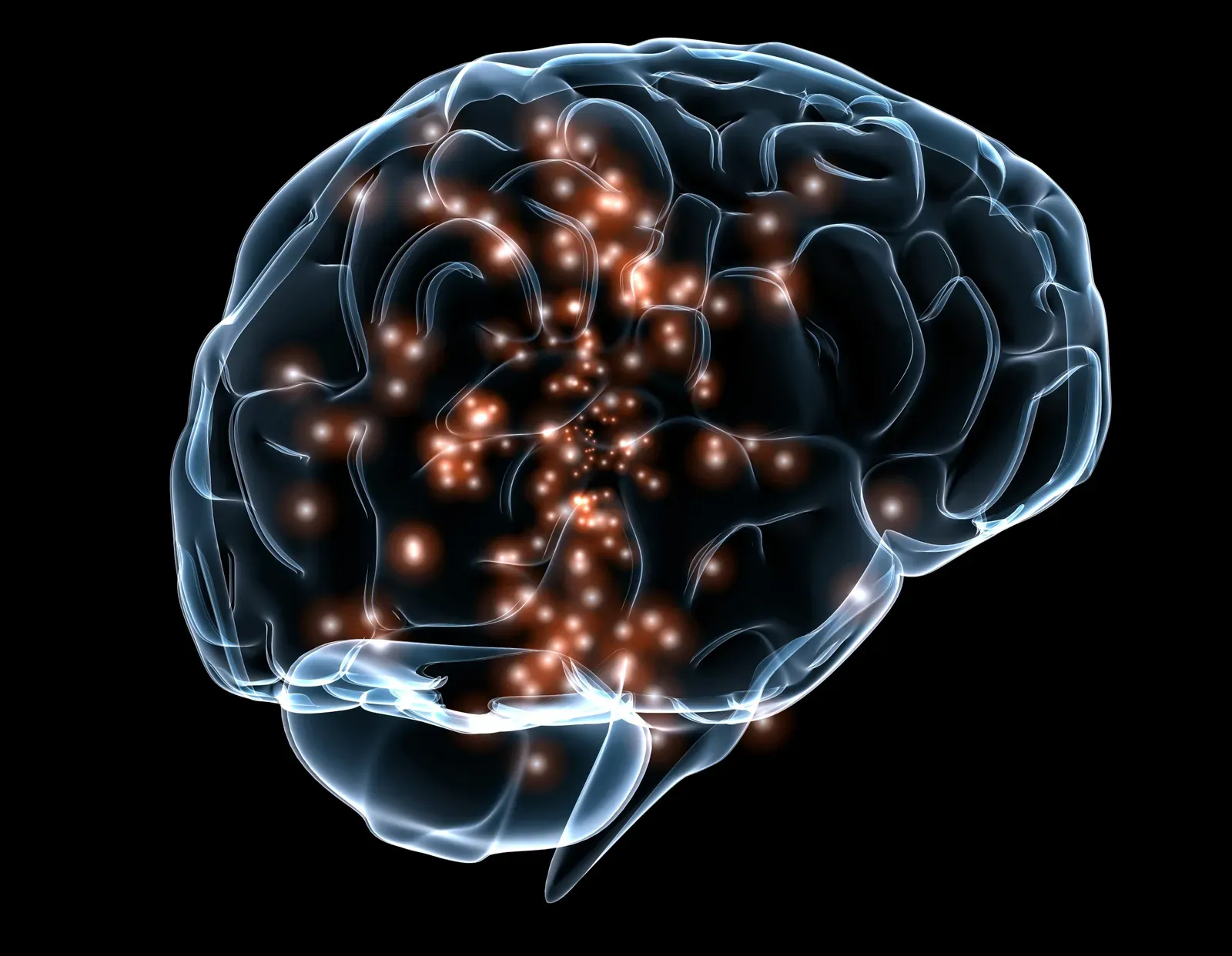
Temporal binding is the idea that your brain groups events that happen close together in time into a single, unified experience. Instead of handling every micro-moment as a separate thing, it collects them into a chunk and presents that chunk to you as one coherent “now.” On a conscious level, you experience the chunk, not the raw, tiny slices. The self you feel is riding on top of those chunks, not living inside each millisecond.
In practice, this means your brain waits a short window of time, silently collecting information, before deciding what you just perceived and how it fits together. It then delivers that finished product as your current experience. You feel like you are living in real time, but there is always a tiny delay and a lot of behind-the-scenes editing. The shocking part is that this editing is what gives you the very sense of being a single, ongoing subject at all.
Your Brain Is Not a Camera, It’s an Editor
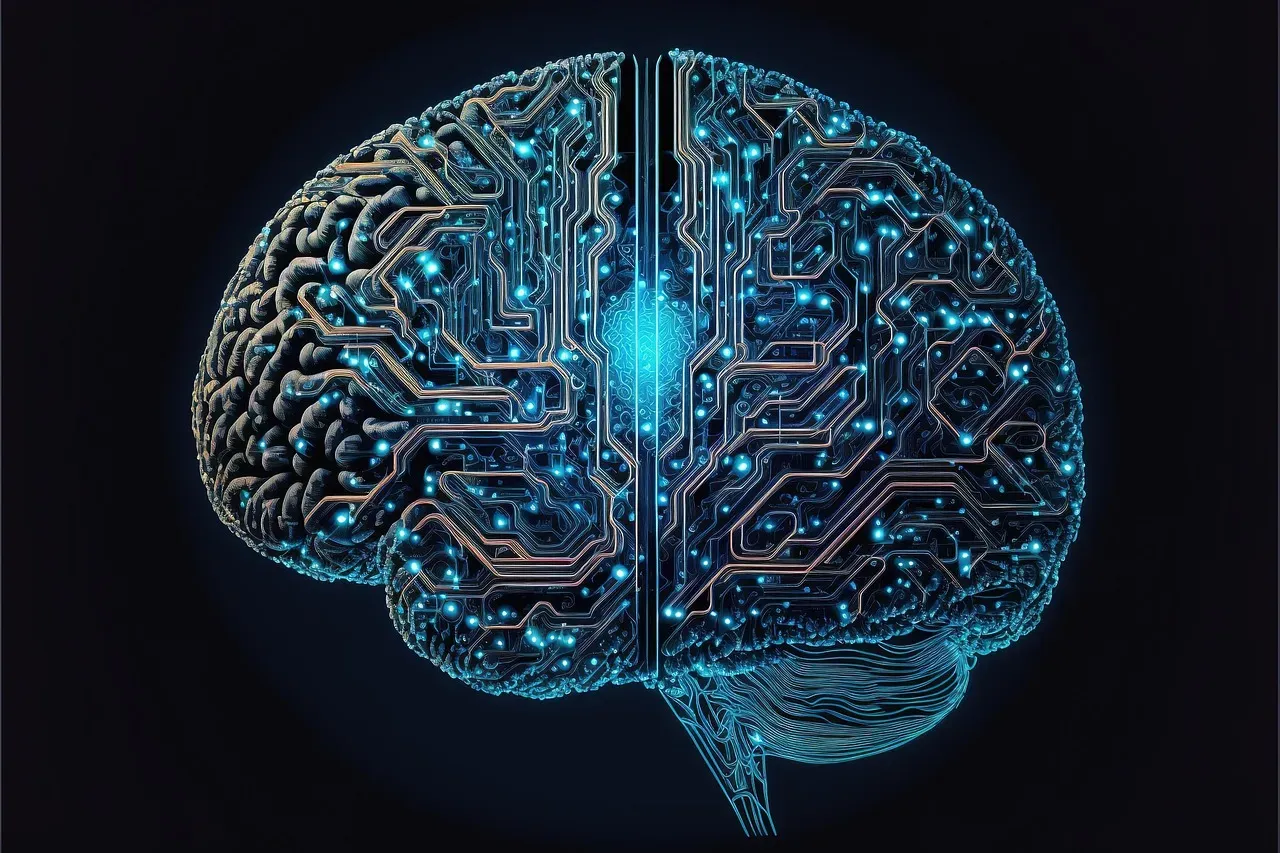
Most people assume consciousness works like a camera: every instant is faithfully recorded and streamed to your awareness exactly as it happens. In reality, the brain is more like a film editor that takes out-of-order clips and rapid snapshots, then rearranges, trims, and blends them to make a watchable story. What you experience as “the present moment” is already a processed, cleaned-up version of messy neural events.
This editorial work is what creates the illusion of smooth continuity. Just like a well-edited movie hides the cuts so you only see the story, your brain hides its internal temporal stitching. You get a narrative that makes sense and flows from one moment to the next, but the raw neurological activity behind it is choppy, distributed, and full of gaps. That gap-filled process is not a bug; it is the mechanism that keeps you from feeling like you are flickering in and out of existence hundreds of times each second.
Time Windows: How the Brain Groups Moments Into “Now”
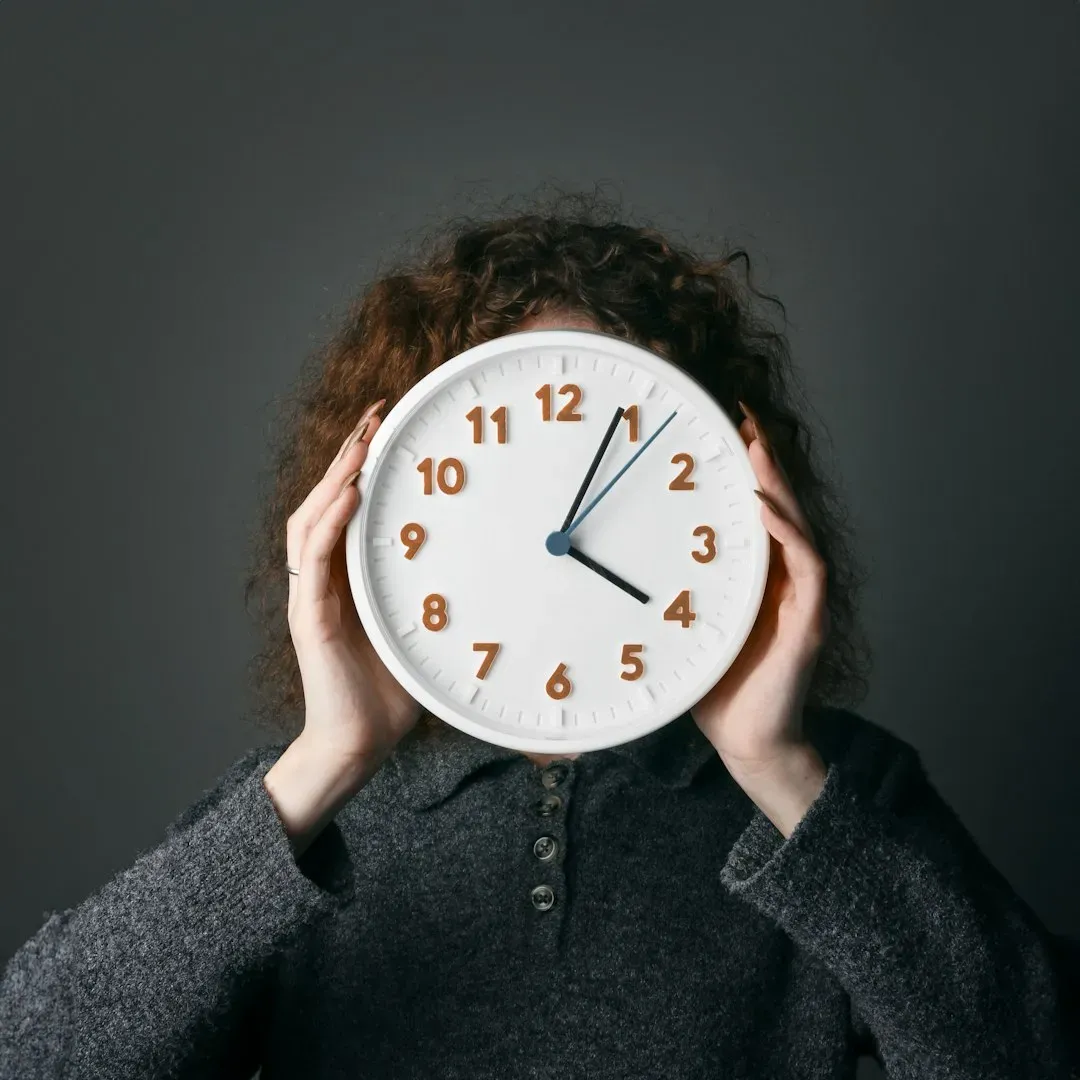
Neuroscience suggests that your brain operates with short time windows, roughly on the order of fractions of a second, within which it merges separate events into a single experience. During these windows, the brain is constantly integrating sensory input, body signals, and internal expectations into a unified snapshot. By the time that snapshot surfaces into consciousness, it already contains a blend of what just happened, what is happening, and what your brain predicted would happen.
This is why you do not experience the world as jerky or delayed, even though neural processing takes time. Your brain makes a bet: it slightly delays your awareness so it can assemble a coherent “now” out of a rapidly changing stream of data. That bet mostly pays off, so the world feels smooth. But it also means your sense of being a continuous self is tied to these integration windows. You are not a single unbroken line; you are a sequence of overlapping, stitched-together segments that only feel like a line once the brain has done its binding work.
Illusions That Expose the Trick
Certain psychological and perceptual illusions reveal how deeply your brain relies on temporal binding to make sense of reality. In some timing experiments, what you consciously experience appears to be shifted backward or forward in time compared to when the underlying events actually occurred. Your brain retrospectively adjusts the timing of sensations to make them line up with its best guess about causes and effects, even if that means you end up experiencing something slightly “out of order.”
These illusions are not just party tricks; they are windows into the machinery that keeps your self-story running. When timing is manipulated, the illusion of a stable, continuous observer starts to wobble. You realize that consciousness is not simply reading off a timeline of events, but actively rewriting that timeline on the fly to keep the narrative consistent. That constant rewriting is exactly what you mistake for a rock-solid, unbroken identity.
Memory: The Story Engine Behind Your “Self”
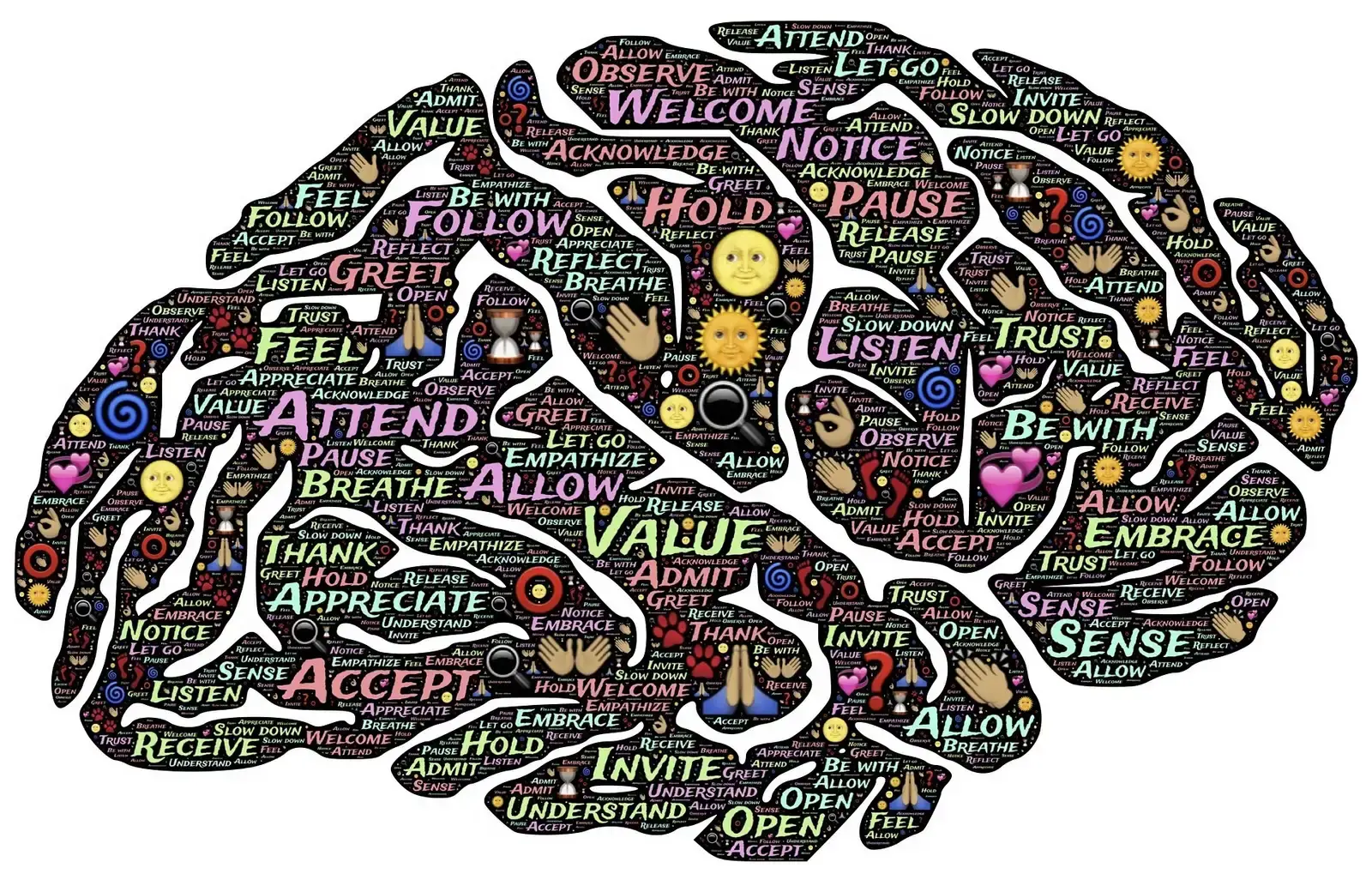
If temporal binding glues moments into a present, memory glues those bound moments into a life. Your sense of being the same person over years depends heavily on how your brain stores, edits, and retrieves memories. But memory is not a neutral archive; it is a dynamic story machine. Every time you recall something, you are subtly rewriting it to better fit your current beliefs, emotions, and self-image.
In this sense, the “self” that feels continuous is a narrative character supported by an ever-edited memory record, not a fixed entity traveling smoothly through time. When people experience memory loss or radical personality change, we instinctively say they are “not the same person,” which shows how tightly we link continuity of self to continuity of a particular story. Temporal binding in the moment, plus narrative editing over time, together create a feeling of “I have always been me,” even though both layers are full of gaps and revisions.
The Self as a Convenient Fiction
The temporal binding hypothesis does not say you are literally nonexistent or that your experiences are meaningless. Instead, it suggests that the “continuous self” you feel is more like a useful shortcut or a user interface your brain builds. It packages countless discrete brain states into the simple icon called “me,” because tracking every micro-change would be overwhelming. The fiction is not that experiences happen, but that there is a single, unchanging owner sitting behind them.
This fiction is extremely convenient. It simplifies decision-making, social interaction, and long-term planning. You can commit to a relationship, a career, or a personal value because your brain assumes that the “you” who will exist in a year is meaningfully the same as the “you” right now. That assumption is not literally true at a fine-grained level, but it works well enough for practical life. The continuous self is like a brand name slapped on a constantly changing product line: the label is stable, even if what is inside the box keeps subtly shifting.
What This Means for Free Will and Responsibility

Once you see your self as stitched together, it is tempting to throw up your hands and declare that nothing is real and nothing matters. But that reaction is more dramatic than accurate. Even if consciousness is a constructed timeline, the construction has real consequences. Decisions, habits, and character traits still shape future brain states, relationships, and societies, whether or not there is a metaphysical, unbroken soul behind them.
At the same time, viewing the self as a temporal fabrication can soften harsh, rigid ideas about blame and virtue. If who you are is the outcome of evolving brain processes, shaped by genetics, environment, luck, and time, then moral judgments become less about condemning an eternal essence and more about understanding and guiding a changing system. You can still hold people accountable, but you might also feel more room for compassion – for others and for yourself – knowing that everyone is surfing a wave of momentary selves, not steering from some timeless control room.
How to Live Knowing Your Continuity Is an Illusion

Learning that your sense of a continuous self is stitched together can be disorienting, but it can also be strangely liberating. If the “you” of five minutes ago and the “you” right now are different snapshots bound into a story, then change is not a betrayal of who you really are; it is literally how you exist at all. You are already a sequence of shifting frames, so growth is not something that happens to a fixed you, it is what you are made of.
This perspective can nudge you toward a more present-focused way of living. Instead of clinging to some rigid idea of your past or future self, you can pay attention to how this particular window of awareness feels and what choices it opens. The narrative of “my life” still matters, but you can hold it more lightly, aware that it is a story assembled after the fact. In a world where everyone is quietly being stitched together moment by moment, kindness, curiosity, and flexibility start to look less like optional virtues and more like the most rational way to navigate the illusion.
Conclusion: The Self Is a Beautiful Lie Worth Examining
In my view, the temporal binding hypothesis does not destroy the self; it exposes it as a beautiful lie your brain tells to keep you functional and sane. The continuous “I” that seems to stretch from childhood to old age is not a literal thread but a story woven from brief pulses of awareness, bound together into a convincing whole. That story can be confused, distorted, and even dangerous when taken as absolute truth, but it can also be meaningful, creative, and deeply human when seen for what it is.
Recognizing the illusion does not mean you have to stop saying “me” or caring about your life; it just means you can see the scaffolding behind the scenes. You are a process, not a thing, a constantly updated narrative rather than a timeless core. To me, that makes responsibility more nuanced, change more possible, and existence more astonishing. If your self is a stitched-together story, the real question is not whether it is perfectly continuous, but what kind of story you choose to tell with the moments you get – what would you want those stitched-together selves to stand for, even if they never truly were one unbroken you?