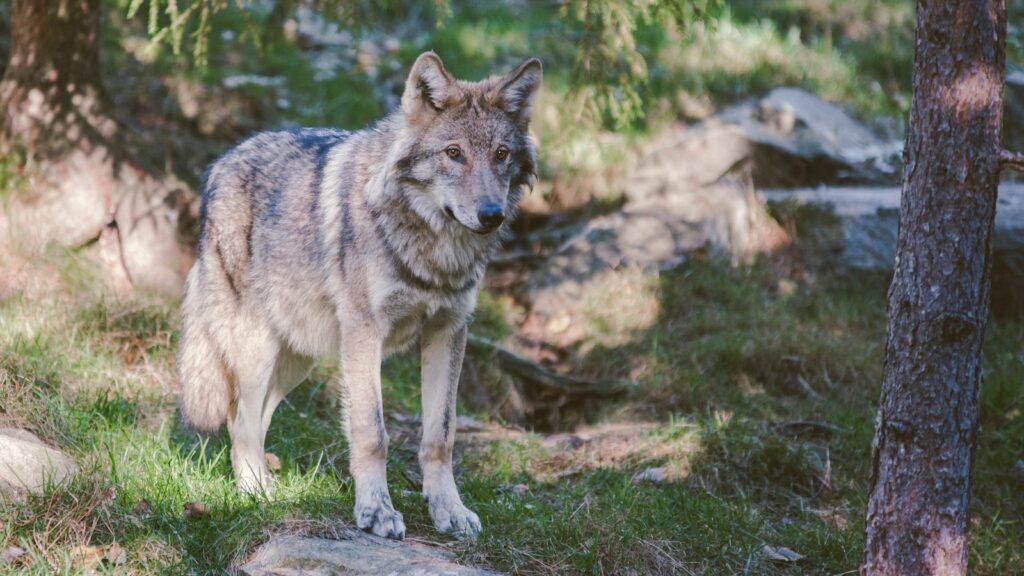

Across the American landscape, few animals evoke as much passion and controversy as the gray wolf. Once nearly exterminated from the lower 48 states, wolves have made a remarkable comeback in several regions thanks to protection under the Endangered Species Act and reintroduction efforts. However, in states where wolf hunting has resumed following federal delisting, these iconic predators face significant challenges to their survival and social structures. The reintroduction of hunting seasons has sparked intense debates between conservationists, ranchers, hunters, and wildlife managers about the appropriate way to manage wolf populations. Beyond the polarizing headlines lie complex ecological, cultural, and ethical questions about how humans and wolves can coexist in modern America.
The Historical Persecution of Wolves in America
The systematic elimination of wolves from the American landscape began with European colonization and continued well into the 20th century. Government-sponsored eradication programs used bounties, poisoning, and trapping to eliminate wolves from most of their native range. By the 1960s, only small populations remained in northern Minnesota and Michigan’s Isle Royale. This campaign was driven by fears about livestock predation, competition for game animals, and deeply ingrained cultural myths about wolves as menacing villains. The near-eradication of wolves represents one of America’s most comprehensive campaigns against a native species, leaving ecological voids that persisted for generations as deer populations exploded unchecked by natural predators. This historical context is crucial for understanding both the remarkable recovery of wolves and the continuing controversies surrounding their management today.
Wolf Recovery and Federal Protection
The tide began to turn for wolves with the passage of the Endangered Species Act in 1973, which granted them federal protection throughout the contiguous United States. This protection prohibited hunting and harassment, allowing remnant populations in Minnesota to gradually expand their range. The most dramatic chapter in wolf recovery came with the reintroduction of Canadian wolves to Yellowstone National Park and central Idaho in 1995 and 1996, creating new populations that expanded throughout the Northern Rockies. Scientists documented remarkable ecological benefits as wolves returned, including healthier elk herds, recovering vegetation along streams, and even changes in river morphology as the landscape responded to the renewed presence of this apex predator. The recovery represented one of conservation’s greatest success stories, bringing wolves back from the brink of extinction in the lower 48 states.
The Political Battle Over Wolf Management
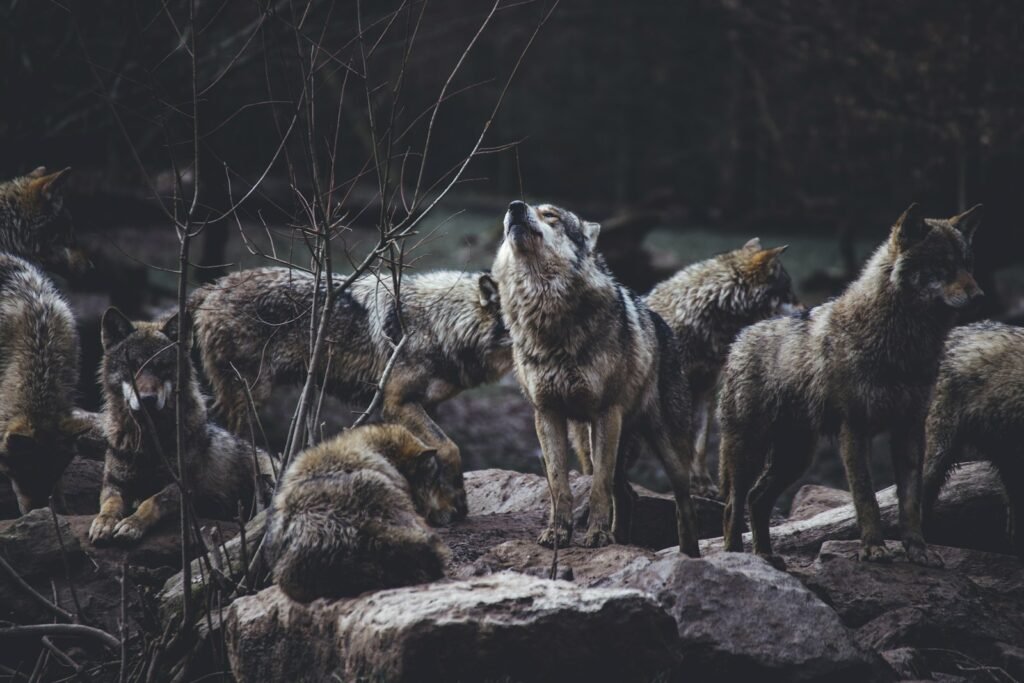
As wolf populations recovered in various regions, intense political pressure mounted to return management authority to the states and allow hunting seasons. Beginning in 2011, a series of congressional actions and federal decisions removed wolves from endangered species protection in Idaho, Montana, Wyoming, and parts of the Great Lakes states. These decisions were frequently challenged in court by conservation organizations concerned about the premature removal of protections. The management of wolves has become one of the most litigated wildlife issues in American history, with wolves repeatedly gaining and losing protection through various court rulings and legislative actions. This legal ping-pong has created a confusing patchwork of management regimes that varies dramatically from state to state, with some maintaining total protection while others implement aggressive hunting and trapping seasons.
The Ecological Impact of Wolf Hunting
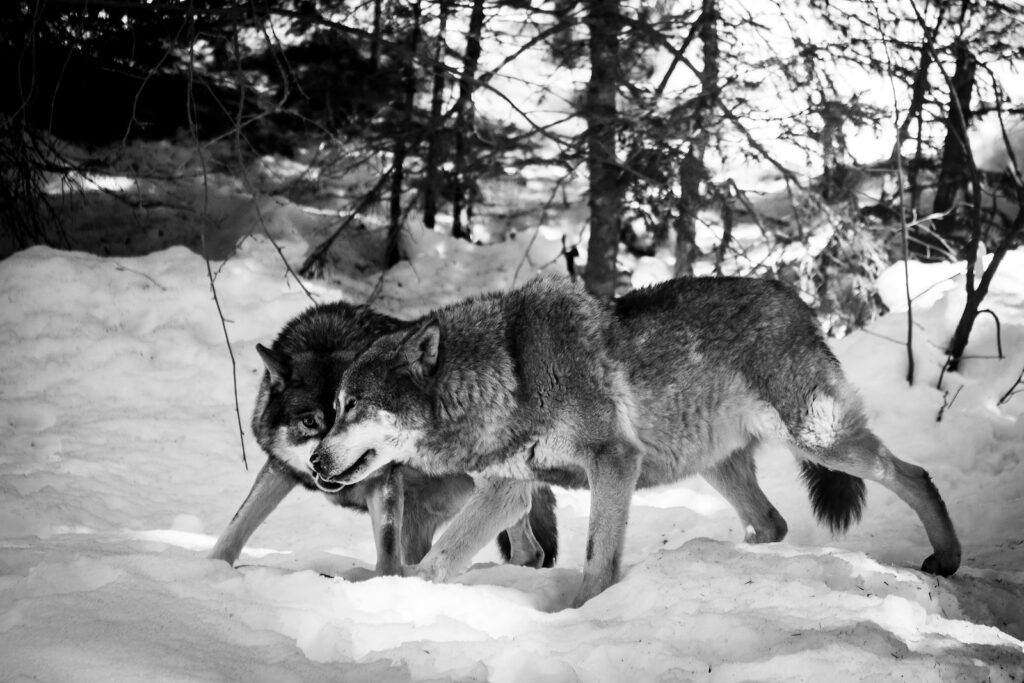
When wolves are heavily hunted, the ecological consequences extend far beyond simple population numbers. Research in Yellowstone and elsewhere has shown that wolves play crucial roles as apex predators, influencing everything from ungulate behavior to scavenger communities and vegetation patterns. Hunting can disrupt wolf pack social structures, which typically consist of a breeding pair and their offspring of various ages. When experienced wolves, particularly alpha individuals, are killed, packs may fragment, leading to decreased hunting efficiency and survival of remaining wolves. Scientists have documented cases where pack disruption can actually increase conflicts with livestock as inexperienced wolves may turn to easier prey. The cascading ecological effects of wolf removal can include changes in elk and deer behavior, impacts on smaller predators like coyotes, and ultimately alterations to vegetation patterns and even stream health.
The Disruption of Wolf Social Structure

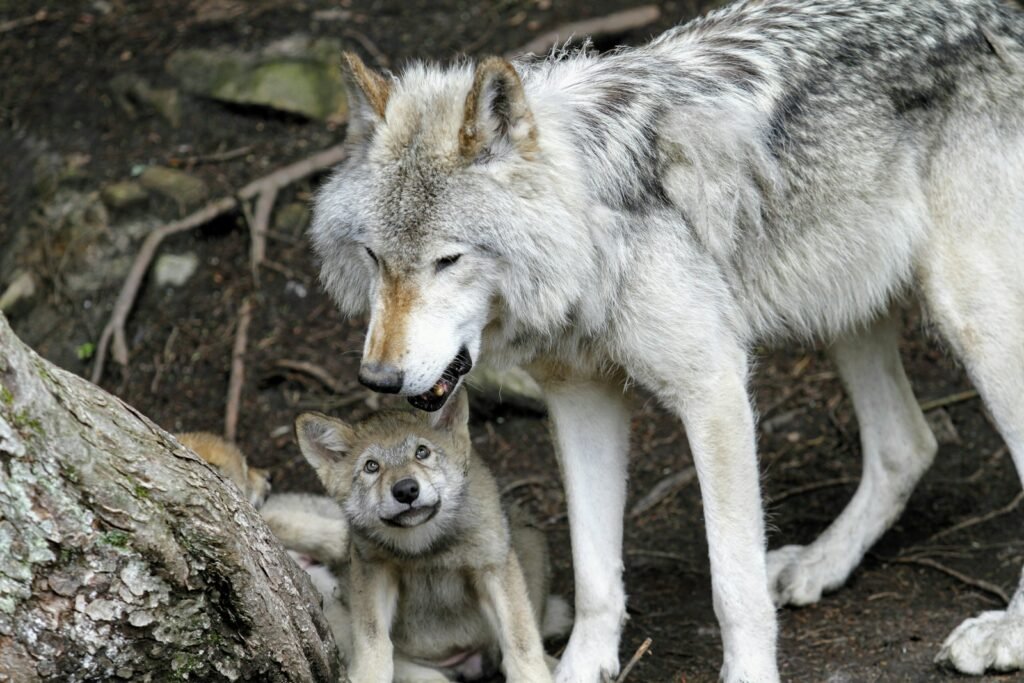
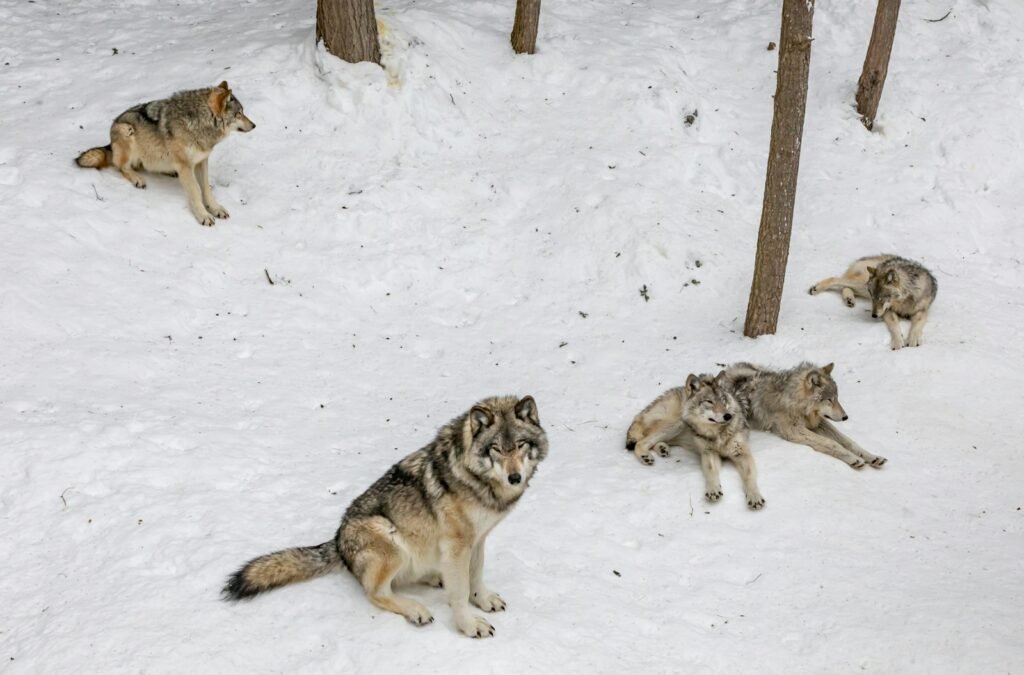
Wolves are highly social animals with complex pack dynamics that can be severely disrupted by hunting. Wolf packs typically consist of a mated pair and their offspring of multiple generations, creating family groups that hunt cooperatively and defend territories together. When key individuals, particularly breeding adults, are killed through hunting, these carefully balanced social units can collapse. Research has shown that the loss of experienced hunters within a pack can reduce hunting success for surviving members and limit knowledge transfer between generations. Younger, inexperienced wolves may struggle to take down natural prey like elk and deer, potentially leading them to target easier prey like livestock. Studies in areas with heavy hunting pressure have documented smaller pack sizes, higher turnover rates, and elevated stress levels in surviving wolves, all of which can compromise population health beyond simple numbers.
Livestock Conflicts and Predator Control
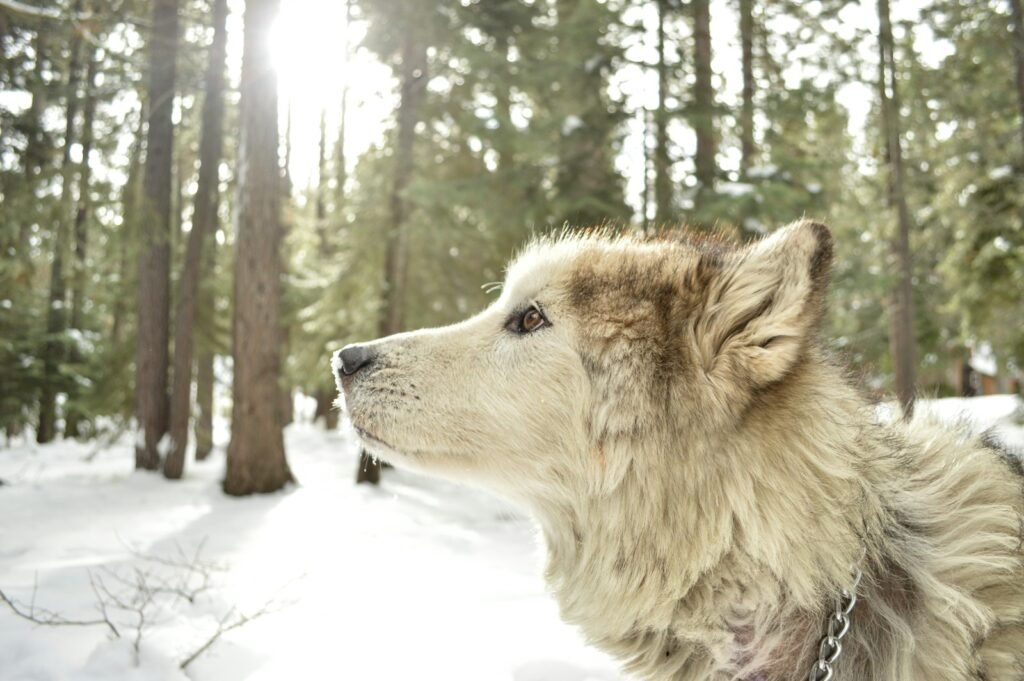
One of the primary justifications for wolf hunting is reducing conflicts with livestock, yet research suggests hunting may not achieve this goal and could even exacerbate problems. While wolves do occasionally prey on cattle and sheep, actual losses to wolves represent a tiny fraction of overall livestock mortality compared to disease, weather, and other factors. Studies in some regions have shown that intensive hunting and pack disruption can lead to more livestock conflicts, not fewer, as fragmented packs lose the cohesion needed to take down wild prey. More effective approaches include non-lethal deterrents such as range riders, guard dogs, fladry (flag barriers), and improved animal husbandry practices. In areas where these techniques have been implemented, such as in parts of Idaho and Montana, livestock losses have dropped significantly without relying on lethal control or public hunting seasons.
The Ethics of Trophy Hunting Wolves
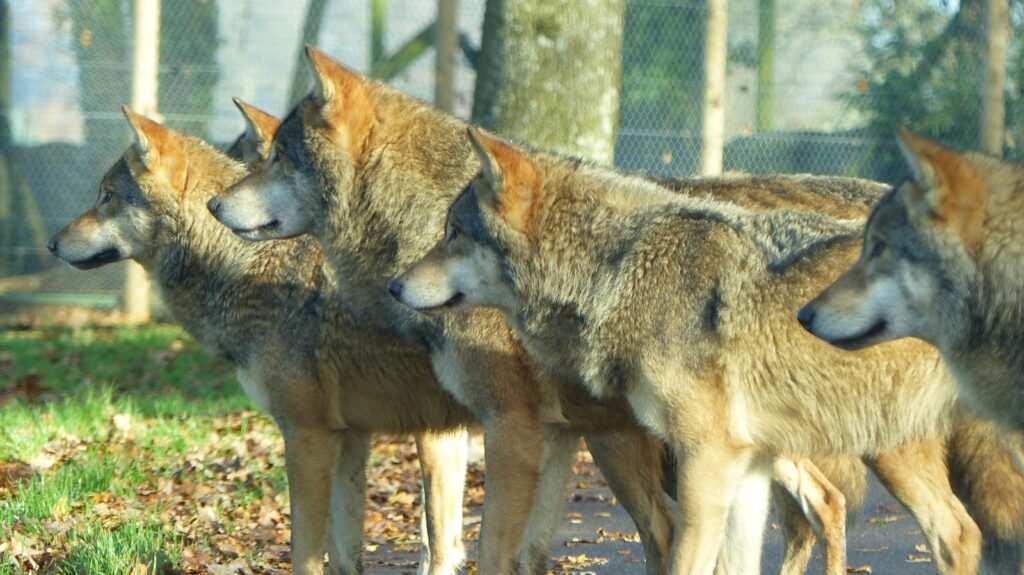
The practice of trophy hunting wolves raises difficult ethical questions that extend beyond simple wildlife management concerns. Unlike hunting deer or elk for meat, wolf hunting is primarily conducted for recreational purposes or to obtain a trophy, with the meat rarely consumed. Many wildlife ethicists and conservation biologists question whether it’s appropriate to kill highly intelligent, social carnivores simply for sport or trophies. Indigenous perspectives often emphasize respectful coexistence with wolves rather than recreational killing, viewing wolves as teachers and ecological partners rather than competitors. The technological advantages of modern hunters using high-powered rifles, electronic calls, and even aircraft in some areas create hunting scenarios that many view as fundamentally unfair pursuit of a species that already faces numerous human-caused challenges. These ethical dimensions add complexity to management decisions that are often framed solely in terms of population numbers.
Extreme Management in Idaho and Montana
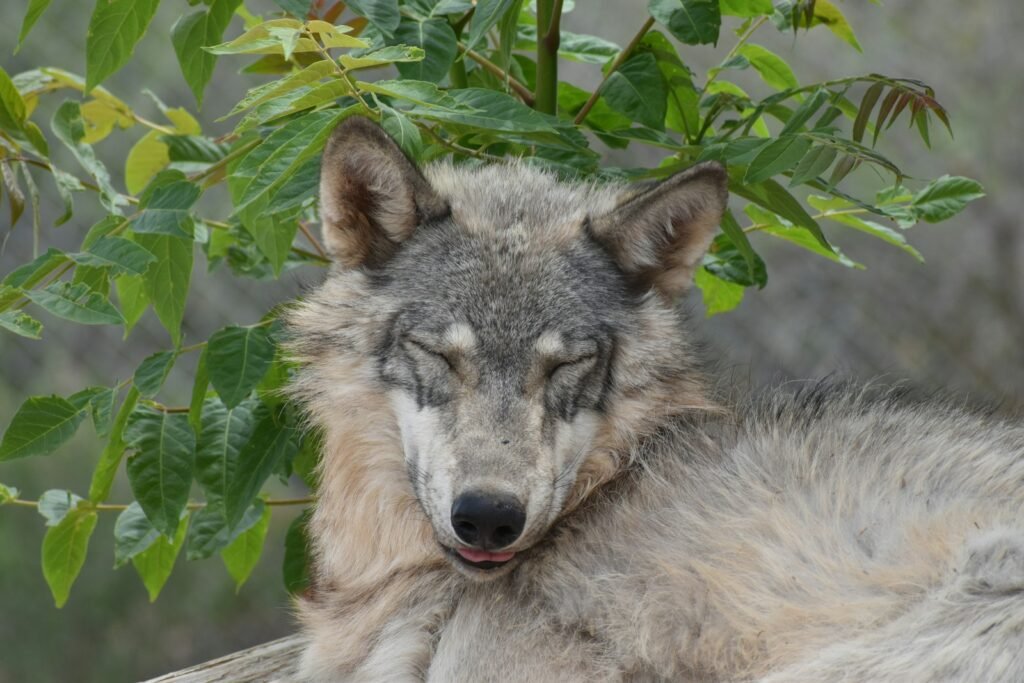
Idaho and Montana have implemented some of the most aggressive wolf hunting and trapping policies in the country, raising serious concerns among scientists and conservationists. In 2021, Idaho passed legislation aiming to reduce the state’s wolf population by up to 90%, allowing year-round hunting on private land, unlimited wolf tags per hunter, and methods such as hunting with ATVs, snowmobiles, and even helicopter-assisted hunting in some circumstances. Montana similarly expanded wolf hunting, extending the season, allowing night hunting, and permitting baiting and snaring. These policies go far beyond traditional wildlife management approaches and have been criticized by numerous wildlife professionals, including former state biologists. The aggressive reduction targets threaten to undo decades of recovery work and potentially trigger genetic isolation of remaining wolves, with unknown consequences for long-term population health and adaptability in the face of climate change.
The Unique Struggles of Border Wolves
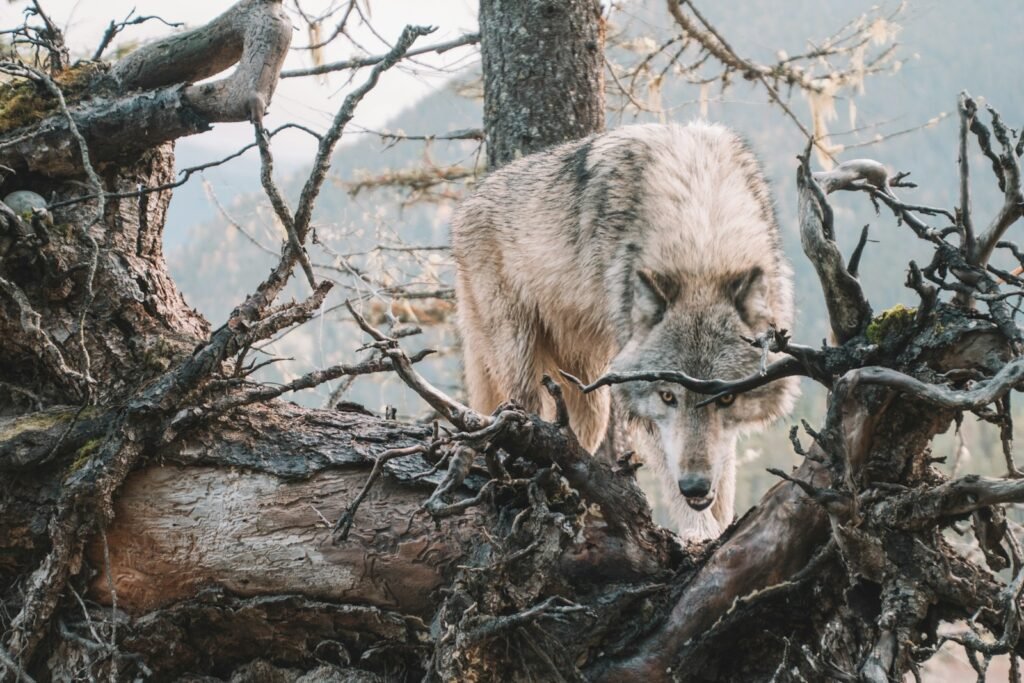
Wolves that live near boundaries between protected and hunted areas face particularly precarious existence, as demonstrated by the fate of wolves that wander outside Yellowstone National Park. Wolves that have lived their entire lives without negative human interactions inside park boundaries often lack fear of humans when they cross into hunted areas of Wyoming, Montana, or Idaho. Studies tracking radio-collared wolves have shown that park wolves are killed at much higher rates when they leave protected areas compared to wolves that have always lived in hunted landscapes. This phenomenon has repeatedly decimated Yellowstone’s border packs and killed numerous wolves that were subjects of long-term research studies, including several famous packs that were primary attractions for the park’s wolf-watching tourism industry. The loss of these habituated wolves represents not only a blow to research efforts but also damages the regional economy that has developed around wolf tourism.
Economic Impacts of Wolf Tourism vs. Hunting
The economic implications of wolf management extend far beyond the direct revenue from hunting licenses and present a stark contrast between consumptive and non-consumptive wildlife uses. In the Greater Yellowstone Ecosystem, wolf watching has developed into a major tourism draw, with economic analyses estimating that wolves generate over $35 million annually for local economies through wildlife watching tourism. Visitors from around the world travel specifically to glimpse wolves in places like Yellowstone’s Lamar Valley, supporting lodging, restaurants, guide services, and equipment rentals throughout the region. By comparison, revenue from wolf hunting tags represents a tiny fraction of this amount, even in states with the most aggressive hunting programs. The killing of well-known wolves that regularly appear in viewable areas has sparked tension between the tourism industry and state wildlife agencies, highlighting competing economic interests at stake in wolf management decisions.
Indigenous Perspectives on Wolf Management
Native American tribes have often been powerful advocates for wolf protection, bringing cultural and spiritual dimensions to conservation efforts that contrast sharply with many state management approaches. For numerous tribes, wolves hold deep cultural significance as relatives, teachers, and spiritual beings rather than as game animals or competitors for resources. The Ojibwe people of the Great Lakes region, for example, consider wolves (ma’iingan) as brothers whose fate is intertwined with their own, and have established wolf sanctuaries on tribal lands. In the Northern Rockies, tribes including the Nez Perce played crucial roles in wolf reintroduction efforts and have repeatedly objected to aggressive hunting policies implemented by states. These Indigenous perspectives challenge utilitarian approaches to wildlife management and remind us that decisions about predator conservation are not merely scientific but deeply cultural, involving diverse value systems and worldviews that often go unacknowledged in state management plans.
Public Opinion and the Urban-Rural Divide

The management of wolves reflects one of the starkest urban-rural divides in American conservation politics, with dramatically different viewpoints between metropolitan residents and those in rural communities where wolves actually live. Polling consistently shows that a majority of Americans, particularly urban and suburban residents, favor wolf protection and oppose aggressive hunting. However, in rural communities where wolves are present, attitudes are often more negative, influenced by concerns about livestock depredation, perceived competition for game animals, and cultural traditions of predator control. This geographic split creates significant political tensions, as wildlife management decisions are increasingly influenced by rural-dominated state legislatures despite broader public support for protection. The divide is further complicated by the fact that wildlife legally belongs to all citizens, not just those who live near wolf habitat, raising questions about how to balance local concerns with national public interest in species conservation.
The Future of Wolf Conservation in Hunted Landscapes
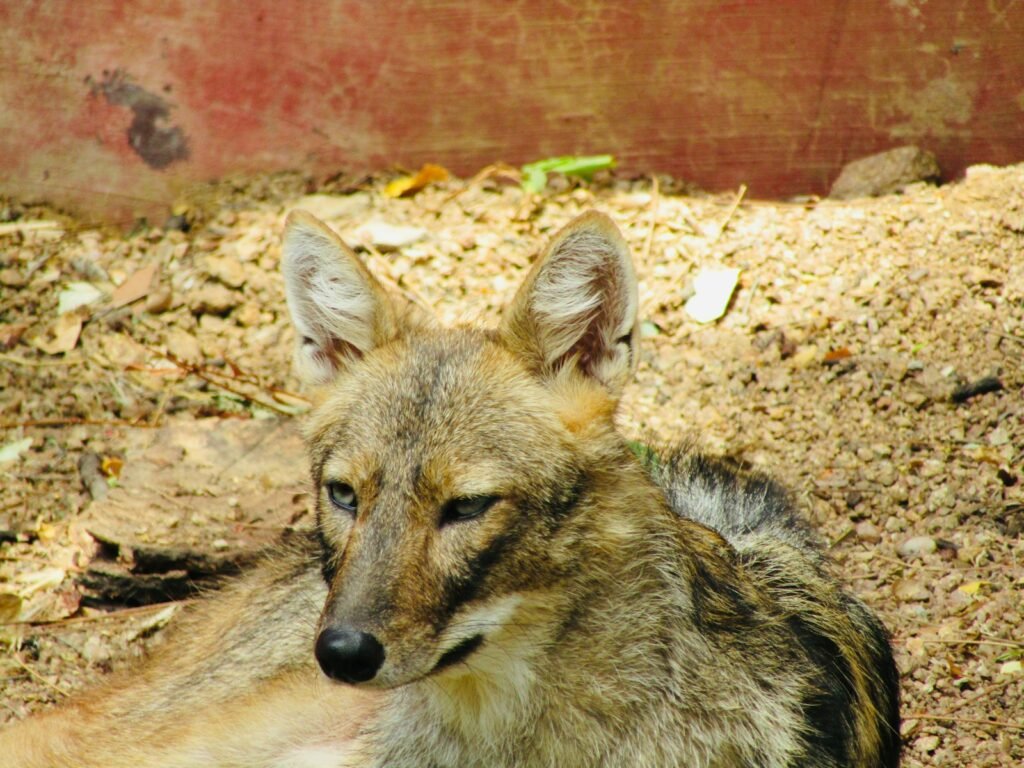
The path forward for wolves in states where hunting is permitted will require finding sustainable compromises that allow for both wolf persistence and human activities. More moderate hunting approaches that target specific problem animals rather than seeking population reductions could potentially reduce conflicts while maintaining ecological functions. Expanding the use of proven non-lethal techniques for reducing livestock conflicts could decrease justifications for aggressive wolf control. Implementing buffer zones around protected areas like Yellowstone could help preserve viewable wolf populations that support tourism economies while still allowing hunting in other areas. Perhaps most importantly, management decisions need to be guided by the best available science rather than political pressure or outdated views of predators as vermin. The remarkable recovery of wolves represents one of conservation’s greatest successes, but ensuring their long-term future in a human-dominated landscape remains an unfinished challenge that will require moving beyond the polarized debates that have characterized wolf management for decades.
Conclusion

As wolves continue their tenuous existence in states where hunting is permitted, their future remains uncertain. These intelligent, family-oriented predators face challenges not just from bullets and traps, but from fragmented habitats, genetic isolation, and persistent cultural hostilities. Yet there are also reasons for hope. Growing public appreciation for wolves’ ecological importance and increasing recognition of their intrinsic value may eventually lead to more balanced management approaches. The ongoing struggles of wolves in hunted landscapes remind us that conservation success requires not just biological recovery but also evolving human attitudes and policies that make space for predators in our shared environment. The question is not whether wolves can survive alongside humans—they’ve proven they can—but whether we will allow them to fulfill their ecological roles while respecting their nature as wild, social beings worthy of ethical consideration beyond their utility to human interests.