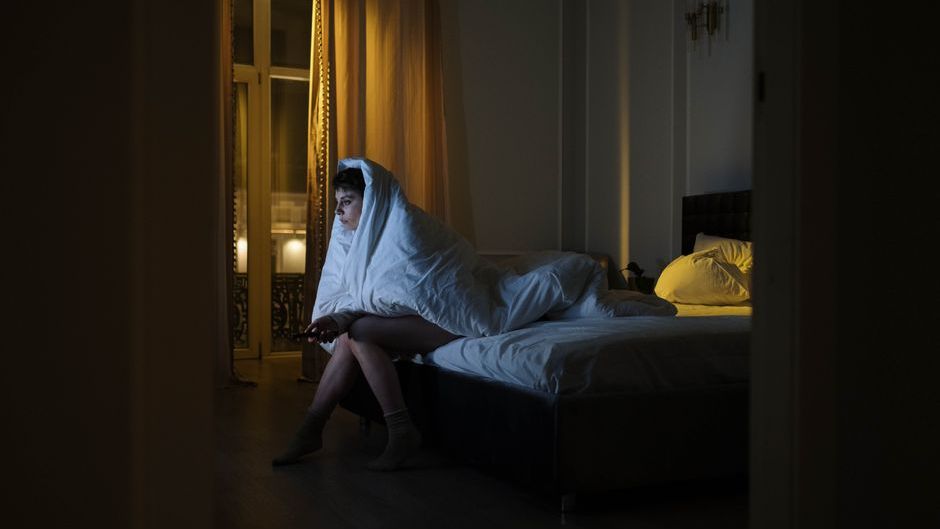

You know that feeling when you catch your reflection after a bad night’s sleep and think, “Whoa… what happened to me?” Your face looks just a bit off, people seem colder, and suddenly it feels like the whole world woke up irritated with you. It sounds dramatic, but there is something deeply strange and very real that happens to the way we look at faces – including our own – when we skip sleep.
Scientists have actually studied this, and the findings are weirdly personal. When you’re sleep deprived, your brain literally starts misreading faces, shrinking your emotional “bandwidth,” and quietly convincing you that other people are annoyed, angry, or rejecting you. At the same time, your own face sends out slightly different social signals, from droopy features to dulled expressions, that can change how others respond to you without anyone realizing why. Let’s dig into what’s actually going on under your skin and inside your skull when you miss sleep – and why a few lost hours can turn everyday social life into a distorted funhouse mirror.
The Silent Makeover: How Sleep Loss Quietly Reshapes Your Face
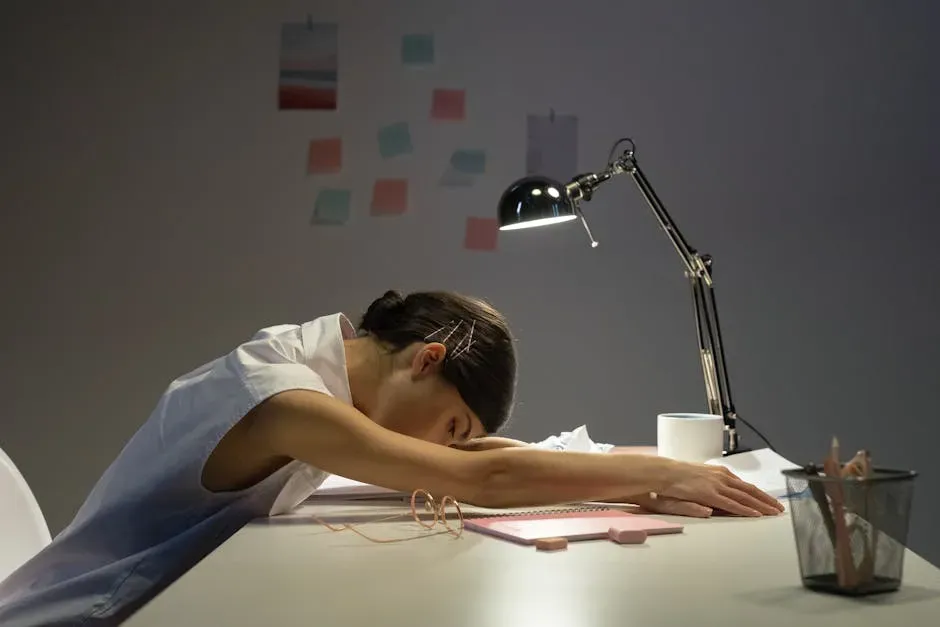
Here’s the uncomfortable truth: your face is basically a billboard for how well you slept last night. When you skip sleep, your body shifts into stress mode, and that shows up in your skin, the tiny blood vessels on your face, and even the way your muscles naturally hold your features. Darker circles, puffier eyelids, a duller or more uneven skin tone, and a slightly drawn or sagging appearance around the mouth and cheeks tend to show up fast when sleep is in short supply. You might not consciously register each detail, but others often do in a subtle, automatic way.
On top of that, your facial expressions themselves become less animated and less responsive when you’re tired. Micro-expressions – those tiny, rapid, emotional flickers that usually dance across your face – can flatten out, so you look more blank, shut down, or even slightly sad without meaning to. Think of your facial muscles like a phone on low battery: they still work, but everything is slower and less bright. The result is a face that looks a bit less open, less energetic, and less approachable, which can change how people react to you before a single word is spoken.
The Brain’s Glitch: Why Tired Minds See More Angry Faces
One of the strangest effects of sleep loss is what it does to the part of your brain that reads emotions: your emotional “radar” becomes distorted. When you’re well rested, your brain is pretty good at telling the difference between a neutral face and an angry one, or a mildly annoyed face and a truly threatening expression. But when you’re sleep deprived, that calibration gets thrown off. Neutral or ambiguous faces can suddenly look more hostile, more disapproving, or just “off,” as if people are subtly upset with you.
This happens because key emotion-processing areas in the brain, especially those involved in detecting threat, become more reactive when you lack sleep, while the higher-level areas that usually calm and regulate those reactions become less effective. It’s like turning up the volume on your alarm system while turning down the volume on your reasoning. So a co-worker’s resting face or your friend’s distracted look can register as cold, angry, or unfriendly, even when nothing has changed on their end. Your brain is not trying to mess with you; it is simply overprotective and on edge, which makes the world look harsher than it really is.
The “Everyone Hates Me” Effect: Sleep Deprivation and Social Paranoia
Lack of sleep does not just change how you see faces; it changes how you interpret people’s intentions. When you are exhausted, you become more sensitive to signs of rejection, criticism, or distance. A delayed text, a short reply, a partner’s quiet mood – all of it can suddenly feel personal and loaded. This is partly because tired brains have a harder time holding nuance. Instead of thinking, “They’re probably busy,” your mind jumps faster to, “They’re annoyed with me,” or “I must have done something wrong.”
Over time, this creates a subtle but powerful loop. You feel more rejected and misunderstood, which makes you withdraw a bit, sound sharper, or look less engaged. Other people sense that shift and might pull back slightly themselves, which then confirms the story your tired brain has already started writing. It is a self-fulfilling spiral: the less you sleep, the more you feel like people are upset with you, and the more strained your social world starts to feel, even if nobody is actually mad at you.
Your Tired Face as a Social Signal: How Others Read You Differently
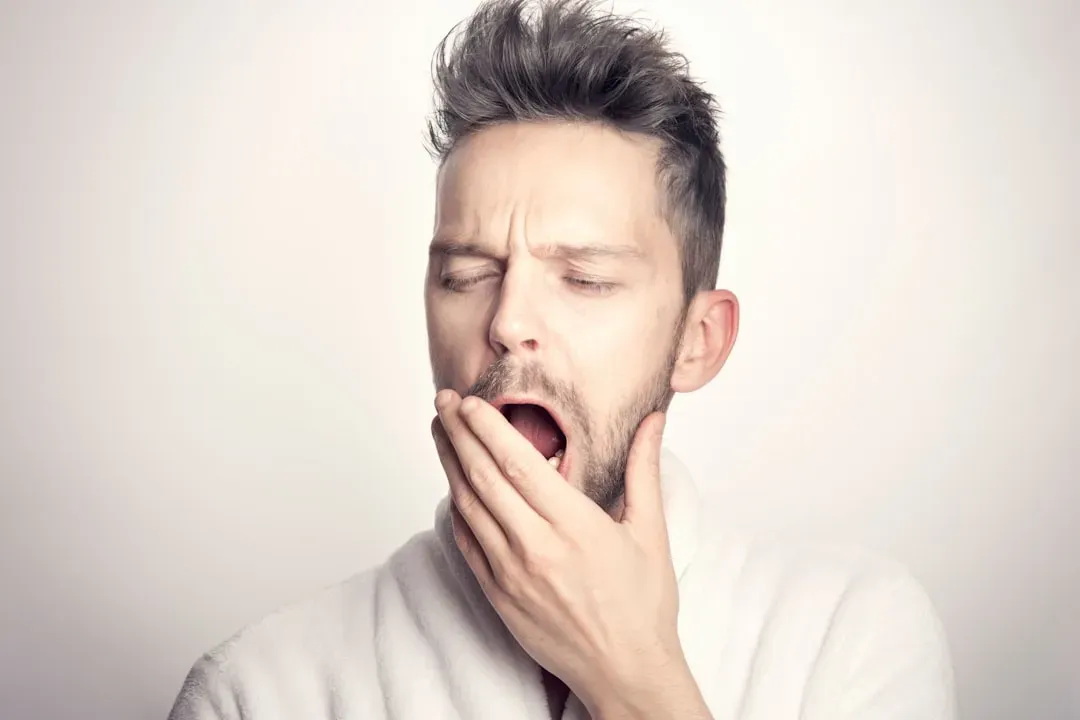
Here’s the other side of the coin: while you are busy misreading everyone else’s faces, they are also quietly reading yours. When you show up with that distinct “no sleep” look – heavy eyelids, less eye contact, slower reactions, a flatter voice – people instinctively form impressions. Research suggests that sleep-deprived faces are often perceived as less healthy, less attractive, and, importantly, less trustworthy or less socially desirable. That sounds harsh, but it is really your brain’s ancient survival algorithms at work, scanning for who seems energetic, reliable, and safe to be around.
On a smaller, everyday level, a sleep-deprived face can simply come across as irritated or checked out, even when you are just exhausted. Your resting expression might tilt slightly more toward boredom or frustration, and your reactions to jokes, stories, or small talk might be a split-second slower. People notice those tiny shifts. They might think you are disinterested, annoyed, or distant and respond with less warmth or enthusiasm. So you end up in this odd situation where your face is broadcasting “Leave me alone,” while you internally feel confused that no one seems especially warm or friendly today.
When Emotions Blur: How Sleep Loss Mutes Joy and Amplifies Negativity

Sleep is like emotional color correction: it helps you see the full spectrum of human feeling and respond appropriately. When you are well rested, your brain can separate minor annoyances from real problems and tell the difference between a mildly tense moment and a genuine conflict. But when you are running on fumes, everything shifts. Positive emotions lose some of their intensity, while negative ones feel heavier and more persistent. That means a normal, slightly serious face can take on a much darker tone in your perception, as if the saturation has been turned up on gloom and down on warmth.
This emotional blurring makes your social world feel more threatening without anything actually changing on the outside. A friend who is just busy looks like they are pulling away. A colleague who is quiet in a meeting feels like a critic. Even your own reflection can seem more defeated or less likeable. You may not consciously think, “I am misreading everything because I am tired,” but your reactions give it away: you snap faster, withdraw sooner, and second-guess people’s motives more often. From the outside, it can look like you are overreacting; from the inside, it feels like everyone really is a bit colder than usual.
The Vicious Cycle: Bad Sleep, Awkward Interactions, More Bad Sleep
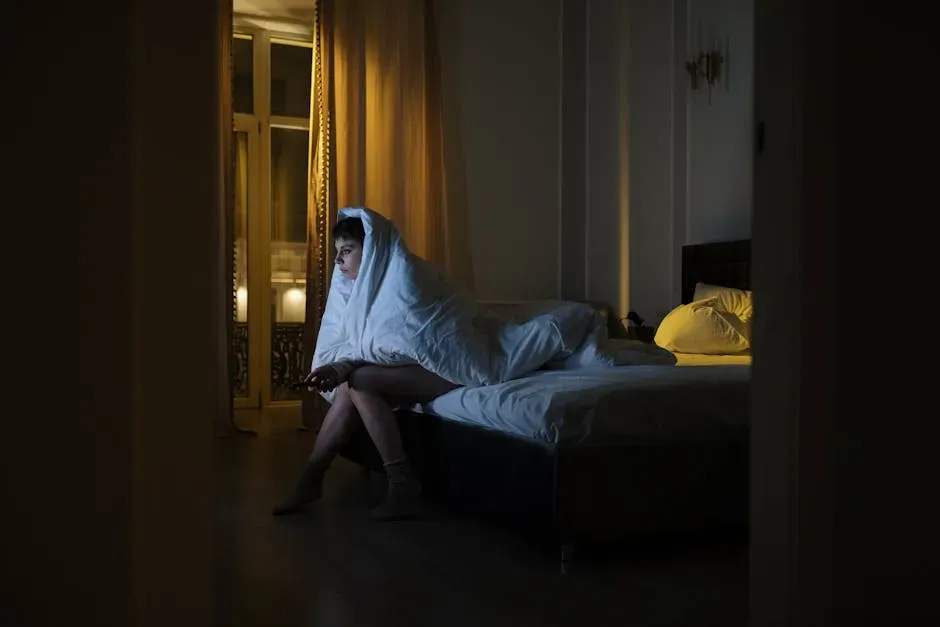
What makes all of this especially tricky is how circular it becomes. You sleep badly, so your face looks more tired and your brain starts interpreting more faces as unfriendly or annoyed. That makes social interactions feel strained and painful, so you worry more about what people think, replay conversations in your head, or dread the next day at work or school. All of that worry ramps up stress, and that stress, in turn, makes it even harder to fall asleep or stay asleep the following night. Before you know it, you are trapped in a loop where tired days feed anxious nights, and anxious nights feed even more tired days.
I have fallen into that loop myself: a few late nights, a rough week, and suddenly every slightly flat text message feels like a judgment. It is wild how quickly your mind invents stories to explain that heavy, foggy feeling. You start thinking, “Maybe they are pulling away,” when really your brain is just running low on sleep and overreacting to protect you from imaginary threats. Breaking that cycle usually starts with a simple, unglamorous truth: your social life might not be falling apart, your nervous system is just exhausted and overfiring. Once you see it for what it is, the whole situation feels less personal and a bit more manageable.
Reclaiming Your Face (and Your Sanity): Why Protecting Your Sleep Is a Social Skill
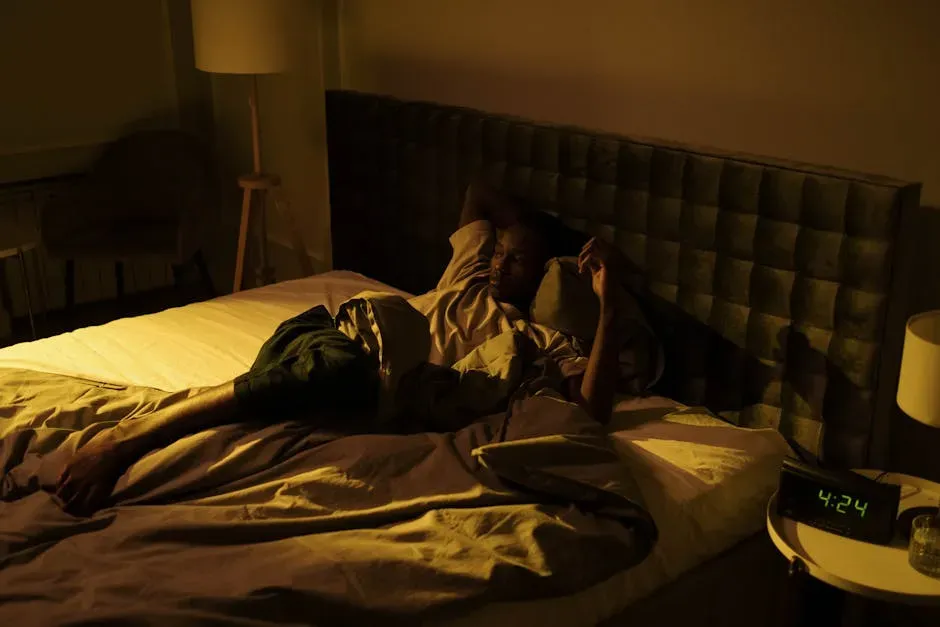
It is easy to treat sleep like a private, individual problem: you are tired, you drink coffee, you push through. But when you understand how deeply sleep shapes the way your face looks and the way your brain reads other people’s faces, it becomes clear that sleep is also a social skill. Getting enough of it is not just about preventing eye bags; it is about giving your brain the chance to reset its emotional filters so you do not go through your day secretly convinced that everyone is judging you. In a sense, a good night’s sleep is quiet armor against unnecessary social pain.
That does not mean you need perfect sleep every night or some elaborate wellness routine. It means recognizing that chronic sleep deprivation will almost always come with a cost: more misunderstandings, more tension, more feeling like you do not belong when you actually do. In my view, treating sleep as optional is a bit like trying to maintain close relationships while wearing earplugs and sunglasses all the time – you are just not getting the full signal. Protecting your sleep is not selfish or lazy; it is one of the simplest ways to be kinder to your future self and fairer to the people around you. The next time your brain whispers that everyone is mad at you after a short night, it might be worth asking a quieter question: do they really look different – or am I just too tired to see clearly?