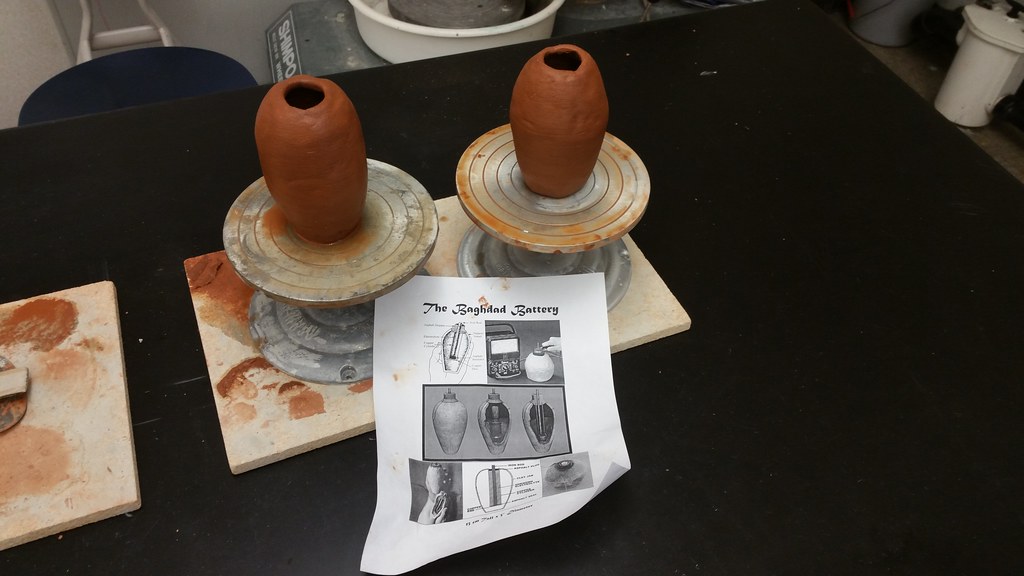

Imagine digging into the dust of ancient Mesopotamia and pulling out something that looks suspiciously like a DIY science fair project: a clay jar, a copper cylinder, and an iron rod. That, in a nutshell, is the mystery of the so‑called Baghdad Battery, an object that some people insist proves ancient people mastered electricity long before modern textbooks say they did. Others argue it is nothing more than a humble storage jar that got wildly overhyped in the twentieth century. The truth, as usual, sits in a messy, fascinating space between excitement, skepticism, and the limits of what the evidence can really tell us.
The story of the Baghdad Battery hits a nerve because it pokes at two very human impulses at once: our love of secret histories and our need for solid proof. On one side, you get the thrill of thinking ancient artisans might have been quietly experimenting with electrochemistry. On the other, you have careful archaeologists and historians, arms crossed, asking where the hard data is. The result is a debate that has refused to die for decades, and if anything, the internet era has made it louder, stranger, and more emotional than ever.
A Clay Jar, Some Metal, and a Big Question

The object usually called the Baghdad Battery was reportedly discovered in the 1930s near modern‑day Baghdad, in the area of ancient Ctesiphon. What we actually have is a small, undecorated clay vessel, roughly the size of a hand, containing a rolled copper sheet that forms a cylinder, and an iron rod that fits inside that cylinder. The copper piece is isolated from the jar with bitumen or pitch, which works as a kind of sealant and insulator. At first glance, it looks oddly similar to the components of a basic galvanic cell, the kind of simple battery you might build in a school lab.
Right away, this physical resemblance kicked open the door to speculation. If someone poured an acidic liquid, like vinegar or fermented grape juice, into the jar, the setup could in theory generate a small electrical potential between the copper and the iron. That possibility is what has kept the object in the public imagination. But here’s the catch: the jar was found without careful, modern-style excavation notes, and its original context is poorly documented. We don’t have a clear, step‑by‑step record of exactly where it was in the ground, what sat next to it, or how many similar jars might have been nearby. For archaeologists, that missing context is like tearing the index out of a history book.
Did It Really Work Like a Battery?
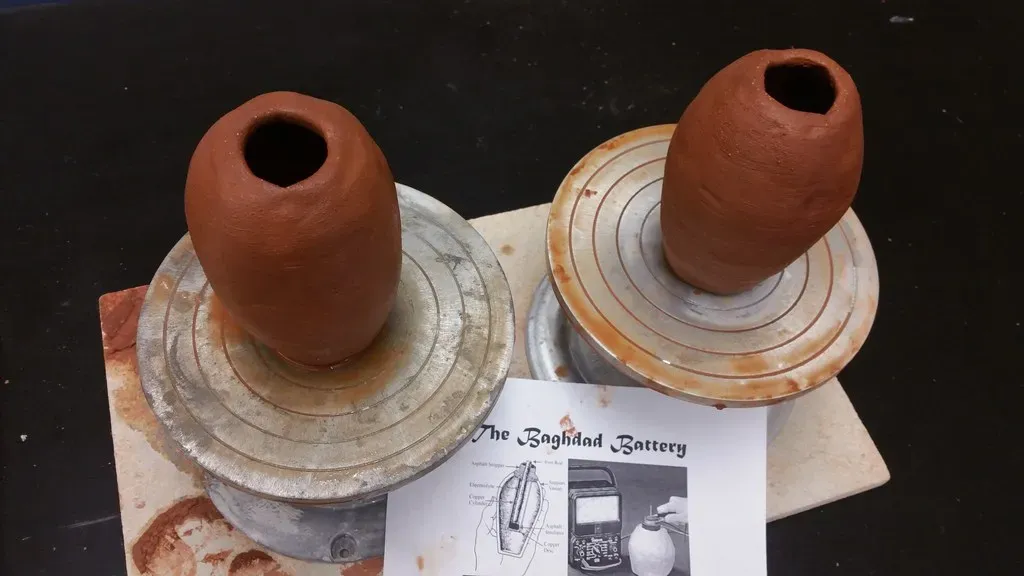
Experiments over the years have shown that replicas of the Baghdad jar can, under the right conditions, produce a small electric voltage when filled with acidic fluids. You can think of it like a very underpowered lemon battery: it can make a measurable difference on a voltmeter, just enough to say, yes, this configuration is capable of acting like a battery. That experimental success is part of why the story refuses to fade; it is not pure fantasy. The materials and layout really can create electricity, at least in controlled modern tests.
But here is where things get slippery. Just because something can act like a battery, that doesn’t mean it was designed to be one. A lot of everyday objects can be used in ways their makers never intended. A ceramic mug can become a pencil holder, but that does not mean the potter secretly invented office supplies. Likewise, the Baghdad jar may have accidentally mimicked a simple cell without anyone in the ancient world thinking in terms of volts, electrons, or circuits. The gap between “it can work” and “they meant it to work this way” is exactly where skeptics dig their heels in.
The Seductive Myth of Lost High Technology
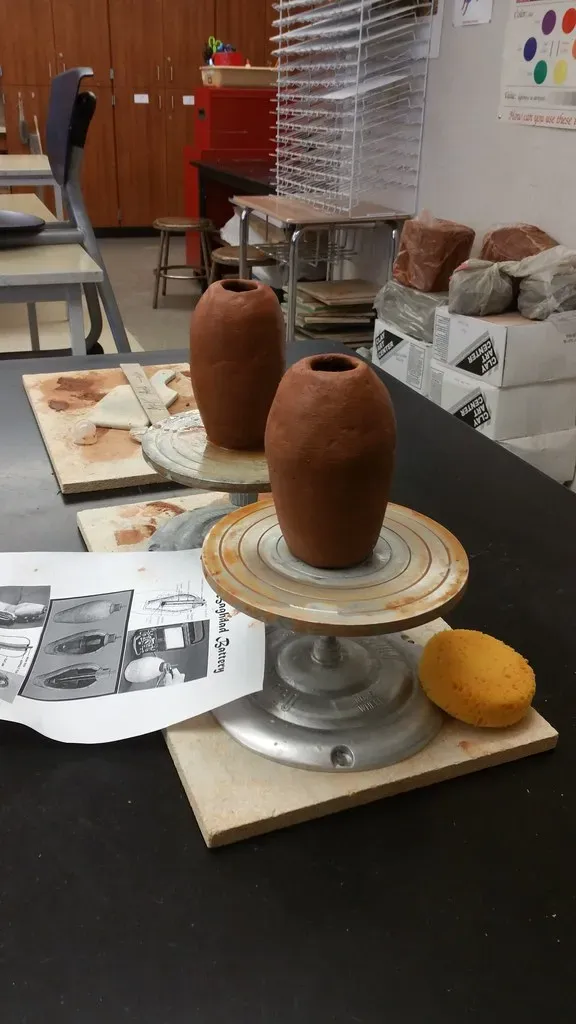
The Baghdad Battery hit popular culture at a moment when people were hungry for evidence of lost golden ages and hidden knowledge. Books and TV shows loved to pair the jar with other mysterious artifacts to suggest that ancient civilizations had a kind of forgotten tech we barely understand now. The narrative is seductive: what if history is not a steady climb, but a messy story where advanced knowledge appears, vanishes, and gets rediscovered centuries later? In that light, the little clay jar starts to look like a smoking gun.
The problem is that this style of storytelling tends to sprint far ahead of what the evidence can support. It smooths out all the boring uncertainty and turns every rough guess into a dramatic revelation. I remember first running into the Baghdad Battery as a teenager in a sensational documentary, and it genuinely blew my mind. It took years, and some exposure to more careful scholarship, to realize how much that show cherry‑picked and exaggerated. Once you see how easily a mystery can be inflated for entertainment, you get a lot more cautious about accepting claims that hinge on a single ambiguous artifact.
Conservative Explanations: Storage Jar, Scroll Container, or Something Else?

More cautious researchers tend to see the Baghdad Battery not as proof of a hidden science, but as an example of how everyday objects can be misread when they are ripped from their context. Some suggest the jar might have been used simply as a container for papyrus, scrolls, or other delicate materials, with the metals there for strength or closure rather than for any electrical purpose. Others see it as a ritual or votive object, where the function might be symbolic rather than technological, something that held offerings, charms, or remains. None of these explanations are dramatic, but they do fit what we know about the region’s material culture.
There is also the blunt reality that we have not found convincing evidence of a wider electrical infrastructure in that ancient world. We do not see copper wires running through walls, no insulators, no systematically repeated devices clearly set up as cells or batteries. It would be like finding one lone gear in a ruin and concluding that the society built cars, computers, and wristwatches. That kind of leap might feel exciting, but it ignores how advanced technologies usually leave thick archaeological footprints: standardized parts, mass production, clear patterns of use. With the Baghdad jar, we just do not have that broader pattern.
Could It Have Been Used for Electroplating or Healing Rituals?
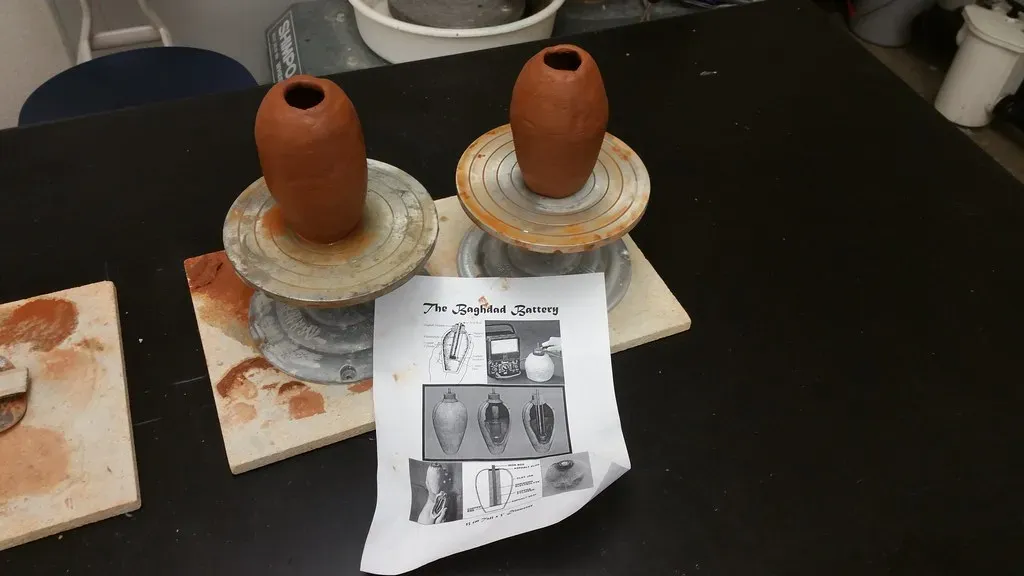
Supporters of the battery idea sometimes argue that even a weak electric cell could be used for electroplating thin layers of metal onto objects, such as giving jewelry a gold or silver coating. It is a creative proposal, and technically small currents can drive electroplating in the right conditions. If ancient artisans stumbled on this by trial and error, they might have used a handful of such jars without ever formalizing an understanding of electricity as we define it today. The mental image of careful craftspeople hunched over dim workshops, experimenting with fizzing solutions, is hard not to love.
Others have floated the possibility of mild shocks being used in religious or healing contexts, creating a sense of awe or perceived power when an object tingled or stung the skin. Ancient cultures did sometimes associate strange physical sensations with divine presence or spiritual force. Still, these ideas remain speculative. We do not have written records describing electroplating with jars, no clear ritual instructions mentioning controlled shocks, and no repeated find spots that clearly point to these uses. Right now, these explanations are more like thoughtful stories built over patchy evidence than solid conclusions we can lean on with confidence.
Why Historians Are So Stubborn About Evidence

From the outside, it can seem like historians and archaeologists are being unreasonably grumpy when they push back against bold claims about the Baghdad Battery. But their caution is shaped by a long history of spectacular mistakes, where exciting interpretations were eagerly embraced and later had to be quietly walked back. Every time an artifact is overhyped, it erodes trust in the field. So professionals have learned to demand multiple lines of evidence: consistent dating, reliable excavation notes, parallels in other sites, and ideally texts or images that tie the object to a specific use.
There is also a philosophical point here: science and history both work best when they are willing to say “we do not know yet” instead of forcing every puzzle into a clean story. As frustrating as that can feel, especially when the mystery is this tantalizing, it is a sign of intellectual honesty. Personally, I find that kind of rigorous humility way more impressive than any slick documentary claim. Admitting uncertainty does not kill the magic; if anything, it keeps the mystery alive in a healthier, more grounded way. The Baghdad Battery sits right at that boundary: fascinating enough to keep us talking, but not clear enough to close the case.
What This Mystery Really Says About Us
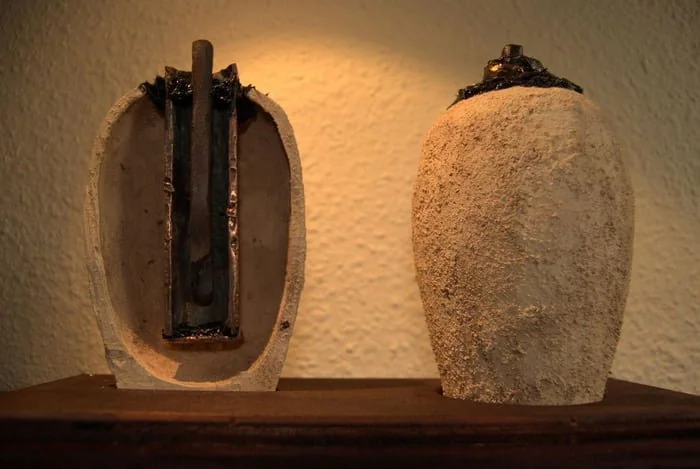
In the end, the strange story of the Baghdad Battery might say more about modern people than about ancient ones. Our urge to see it as a lost piece of advanced tech reveals how much we want history to be full of secret chapters, hidden geniuses, and buried breakthroughs. It is the same instinct that drives theories about vanished continents and forgotten star maps. When we look at that small clay jar, we are not just examining an object; we are also projecting our own hopes, fears, and fantasies onto it.
My own view is that the most honest position is a kind of curious agnosticism: acknowledge that the jar can function as a crude battery, accept that we do not yet have enough evidence to say that was its purpose, and stay open to future finds that could tilt the balance one way or the other. That stance is less dramatic than declaring ancient power grids or laughing the whole thing off as nonsense, but it respects both the artifact and the method. Maybe the real value of the Baghdad Battery is not in proving a wild theory, but in nudging us to ask better questions about how we build knowledge, why we crave mysteries, and how easily storytelling can outrun the facts. When you look at it that way, which explanation feels more powerful to you: the flashy myth, or the slow, careful work of not pretending to know more than we do?