
You live every day as if your mind is obvious and familiar, yet the moment you try to pin it down, it slips through your fingers. Consciousness feels like the most intimate thing you have, but when you place it next to the brute fact of death, something unsettling happens: the two pull against each other, raising questions you cannot easily shake off. Why does something that feels so vivid, so intensely “you,” have to end at all? And what does it even mean for awareness itself to stop?
As you look more closely, you realize that the relationship between your conscious experience and your own mortality is not just a philosophical curiosity. It shapes how you love, how you fear, how you choose, and how you make sense of your limited time. You do not need a lab coat or a meditation cushion to feel this tension; it is there in quiet insomnia at 3 a.m., in the shock of losing someone you love, and in those odd moments when you suddenly see your life from the outside and think: this is all going to disappear. That realization can terrify you, but it can also wake you up.
The Shock Of Knowing You Will Die
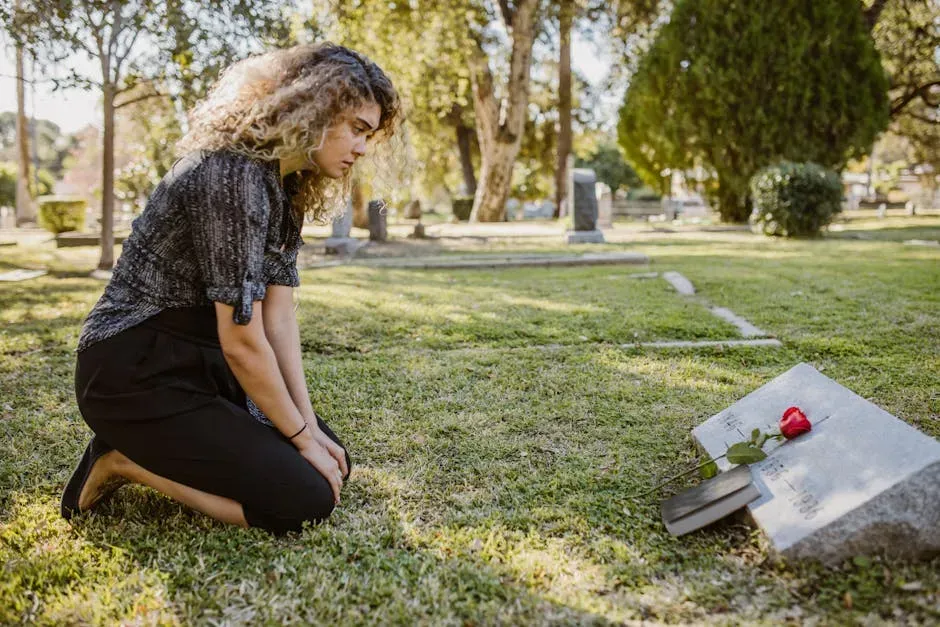
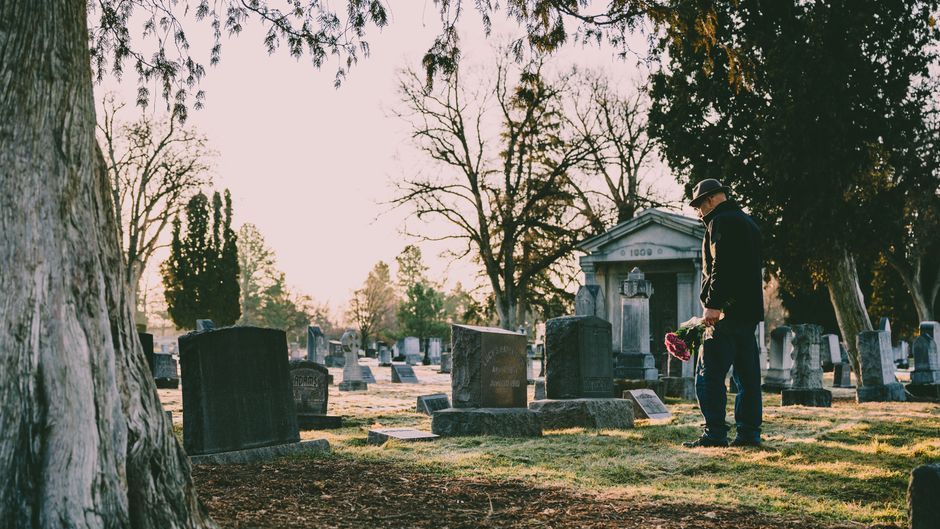
At some point, usually in childhood, you discover a fact that changes everything: one day, you will die, and the stream of “you” will stop. Many animals show fear and self-preservation, but you seem to be one of the few creatures that can look far ahead, imagine your own absence, and understand that every heartbeat is counting down. That realization can hit you like a cold wave, leaving you with a feeling that something about the world is deeply unfair or out of place.
Once you know you are mortal, you cannot unknow it, so your mind starts building ways to live with this knowledge. You might push the thought away, bury it under busyness, or distract yourself with screens and routines. Or you might turn toward it and start asking difficult questions about what really matters if everything ends. In both cases, your awareness of death quietly shapes your choices, like background music you eventually forget you are hearing, even though it is guiding the mood of your entire life.
How Your Brain Builds A Self That Can End
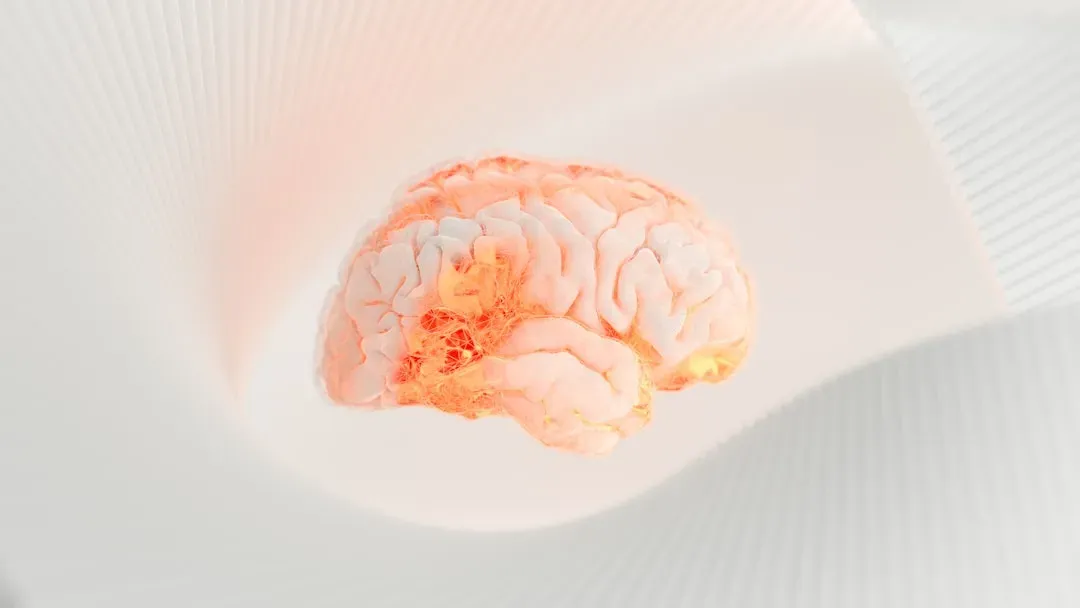
When you say “I,” it feels like you are pointing to something solid and continuous, a single subject behind your eyes. Yet modern neuroscience suggests that what you call “you” is more like a constantly updated process than a fixed thing. Your brain pulls together memory, emotion, sensation, and expectation into a story that feels unified. This story is what you experience as your conscious self, even though it is being constructed anew every moment.
Seeing yourself as a process has a strange impact on how you think about death. If your sense of “I” is a dynamic pattern generated by the brain, then mortality begins to look like the breakdown of that pattern, not the vanishing of a mysterious substance. That can be sobering but also clarifying: it suggests that while you are alive, you have some influence over the story your brain is telling. You may not control when the pattern ends, but you can shape how it unfolds and what kind of character you decide to be while the narrative is still running.
Why The Fear Of Death Can Quietly Run Your Life

Even when you are not thinking about death directly, the fear of not existing can leak into everything from your ambitions to your anxieties. You might chase achievements, recognition, or legacy, partly because you want some part of you to outlast your body. You might cling to routines or relationships, not only out of comfort, but because they give you a sense that your life has structure and meaning in the face of uncertainty. Your mind tends to rebel against the idea that all of this could simply stop.
Psychologists have suggested that when you are reminded of your mortality, you often double down on your beliefs, your identity, and the groups you belong to. You defend your worldview more fiercely because it acts like a shield against the terror of impermanence. If you look closely at moments when you feel unusually defensive, angry, or desperate for validation, you may sometimes find a quieter fear hiding underneath: the dread that you are small, temporary, and ultimately fragile. Recognizing that pattern does not make death less real, but it can help you understand why you react the way you do.
The Strange Calm Of Accepting Impermanence

Interestingly, facing mortality directly does not always increase fear; sometimes, it softens it. When you allow yourself to truly feel that your days are numbered, the present moment can become more vivid. A simple cup of coffee, a conversation with a friend, or a walk outside can take on a kind of quiet significance, precisely because you know none of it is guaranteed to happen again. Instead of making life meaningless, the temporary nature of experience can make each moment feel more precious.
Many contemplative traditions invite you to reflect on death, not as a morbid obsession, but as a way to cut through distraction. If you sit with the fact that your time is limited, you are pushed to ask whether your current priorities are actually yours, or just habits you drifted into. You might realize that some grudges are not worth carrying, some anxieties are not worth feeding, and some dreams are worth pursuing now instead of “someday.” In this way, mortality can act less like a threat and more like a tough but honest teacher.
Near-Death Experiences And The Edges Of Consciousness
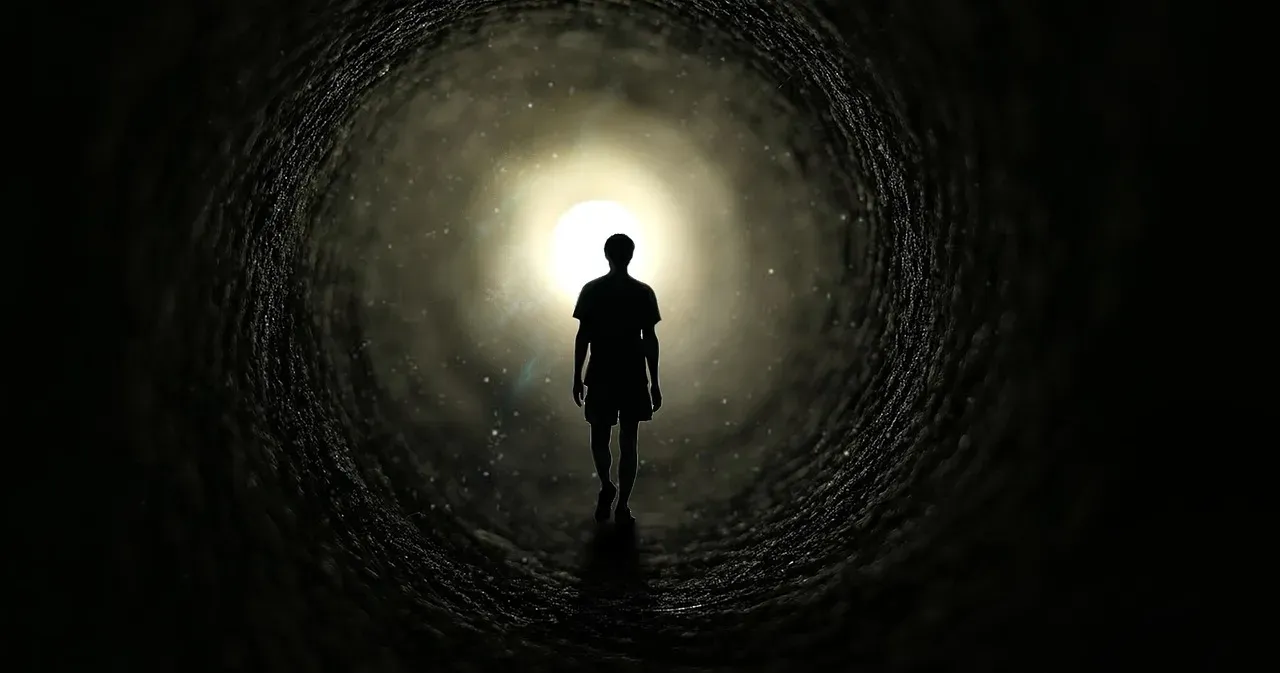
Stories from people who have come close to death often capture your attention because they sit right at the border between consciousness and its apparent end. Some describe tunnels, lights, overwhelming peace, or a sense of leaving the body. These accounts are intensely meaningful to those who have them, and they naturally raise questions about whether consciousness might continue beyond brain activity, or whether these are powerful, last-ditch brain events as the system fails. The truth is that, scientifically, this area is still very much under active investigation.
Researchers have observed that under conditions like cardiac arrest, certain patterns of brain activity can surge or behave unusually, which might help explain some of these vivid experiences. At the same time, the subjective feeling of being outside your body or encountering something beyond yourself is hard to map neatly onto brain signals. When you listen to such stories, you are confronted with the limits of what current science can confidently say about the exact moment where awareness fades. You are left holding something both unsettling and fascinating: a mystery that lives right on the boundary of what you can measure and what you can only feel.
How Beliefs About Death Shape The Way You Live
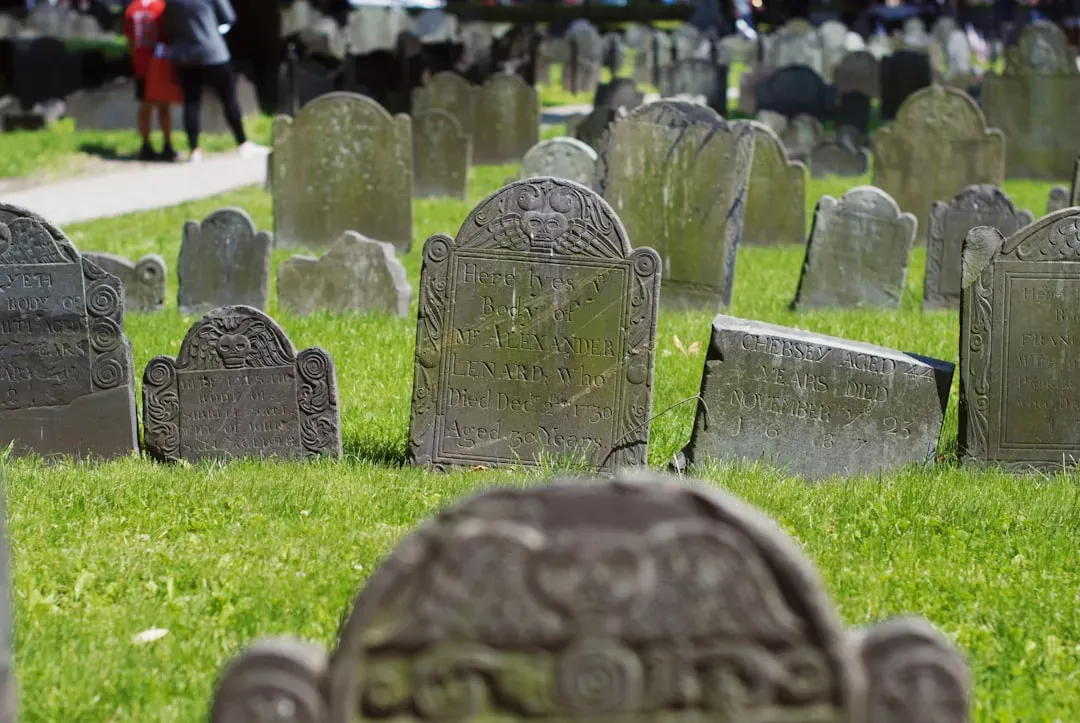
Whatever you believe about what happens after you die – whether you expect an afterlife, a rebirth, or simple nonexistence – deeply colors how you move through the world. If you see this life as a temporary stage before something eternal, you might focus on living in alignment with spiritual principles or preparing for a reality beyond the physical. If you think consciousness ends with the body, you might focus more intensely on making this one life as honest, kind, and meaningful as possible. In either case, your view of death becomes a quiet compass.
These beliefs also influence how you handle grief, risk, and conflict. The idea that you will never see someone again can make loss feel brutally final, while the hope of some form of ongoing existence can soften that edge, even if it does not remove the pain. Your stance on mortality can also affect how willing you are to change your life: if you feel you have endless time or infinite chances, you might postpone crucial decisions; if you feel this is your only window, you may be more willing to act now. Without always realizing it, you live inside a story about death, and that story often writes your daily script.
Finding Meaning In A Finite Conscious Life

When you accept that your conscious life is limited, a natural question appears: what makes any of this matter if it all ends? For many people, meaning arises less from cosmic guarantees and more from the quality of connections, contributions, and moments they create while they are here. You might find deep purpose in raising a child, caring for a friend, expressing something through art, helping a stranger, or simply being fully present with the ordinary beauty around you. These things do not erase death, but they change how the time before it feels.
You do not need an ultimate answer to the universe to live a meaningful life within your own small corner of it. In fact, the absence of guaranteed answers can push you to take responsibility for shaping your values and your actions. Instead of waiting for life to hand you meaning, you begin to notice the ways you are already weaving it through your choices. Mortality, then, becomes the frame around the picture rather than a stain across it: it defines the boundaries, but it does not dictate the content.
Living With The Question Rather Than Solving It
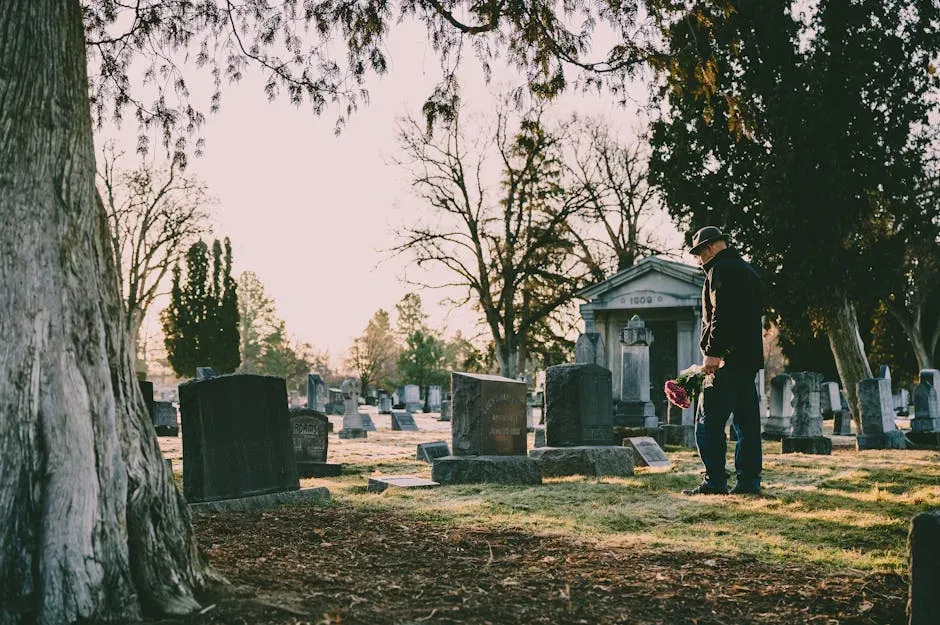
The may never be fully solved in a way that satisfies every part of you. Science can tell you a lot about brain processes, and philosophy can map arguments about identity and time, but the felt experience of being a conscious, finite being remains stubbornly personal. You have to navigate the tension between knowing you will die and still having to decide what to do with your afternoon. That gap between big questions and daily life is where you actually live.
Instead of waiting for a final theory that explains everything, you can learn to live alongside the mystery. You can let the awareness of death keep you honest about what really matters, without letting it paralyze you. You can savor consciousness as something fleeting and astonishing, rather than demanding that it be permanent in order to be worthwhile. In the end, perhaps the strangest part is not that awareness ends, but that it was ever here at all. How differently might you live if you treated every moment of being awake to your own existence as an improbable and temporary gift?
In the end, you stand in a peculiar place: you know you are conscious, and you know you are mortal, and you have to build a life in the space between those two facts. You do not choose when the story starts or ends, but you do influence how the middle unfolds – how deeply you love, how honestly you face fear, and how bravely you spend your limited attention. The puzzle of why awareness arises at all, and why it does not last, may remain unsolved, but it can still guide you toward a more vivid, deliberate way of living. When you look at your own life through this lens, what do you want the next chapter of your finite, conscious story to be about?