
You probably imagine dying as pure chaos: panic, pain, people shouting, machines beeping. It is unsettling, then, to learn that many people actually seem to slip into a kind of quiet, almost peaceful calm shortly before they die. Nurses, doctors, hospice workers, and families describe it again and again: agitation and confusion give way, and suddenly the person seems settled, lucid, or even serene.
You might wonder if that calm is just a comforting story people tell themselves. The reality is more complicated. Some patterns around dying show up so often that they are hard to ignore, yet science still cannot fully explain them. When you look closely at what is known about the body, the brain, and the psychology of letting go, the idea of a final calm starts to make a strange kind of sense – without needing anything mystical or dramatic to be true.
The Final Calm: What People Actually Report

If you spend much time around people who are dying, you notice something that statistics and charts do not show you: a surprising number of people become peaceful shortly before they go. You see someone who has been restless, in pain, or gasping for air suddenly relax, breathe more quietly, and seem almost relieved. You might see their facial muscles soften, their shoulders drop, their hands unclench. It can look like the way you finally exhale after holding your breath for far too long.
Families often describe these moments as a gift. You might hear that a person who was confused for days suddenly became clear enough to say something simple like that they feel ready, or that they are not afraid. And even when there are no words, the atmosphere in the room can shift from tense and frantic to strangely gentle. Not everyone experiences this, and it is not always dramatic, but when it does happen you can feel it. It is as if a long internal struggle has quietly ended.
How Your Brain May Protect You At The Edge

Your brain is not just a thinking machine; it is a survival machine, and part of survival is managing overwhelming stress. As your body shuts down, your brain may start to protect you from the full force of what is happening. You have probably felt smaller versions of this before: you freeze during a terrifying event, feel oddly detached in an accident, or report that everything felt unreal during a crisis. That distance can be your brain’s way of numbing you so you can cope.
Near death, that same numbing may grow stronger. Certain chemicals linked with stress and pain can spike, but your brain also releases substances that can create calm, euphoria, or even a sense of floating above your own body. You may not be aware of the details, but you might sense a narrowing of focus and a fading of fear. From the outside, that can look like deep peace. From the inside, it might simply feel like the noise in your head has finally gone quiet.
What Your Body Is Doing In The Last Hours
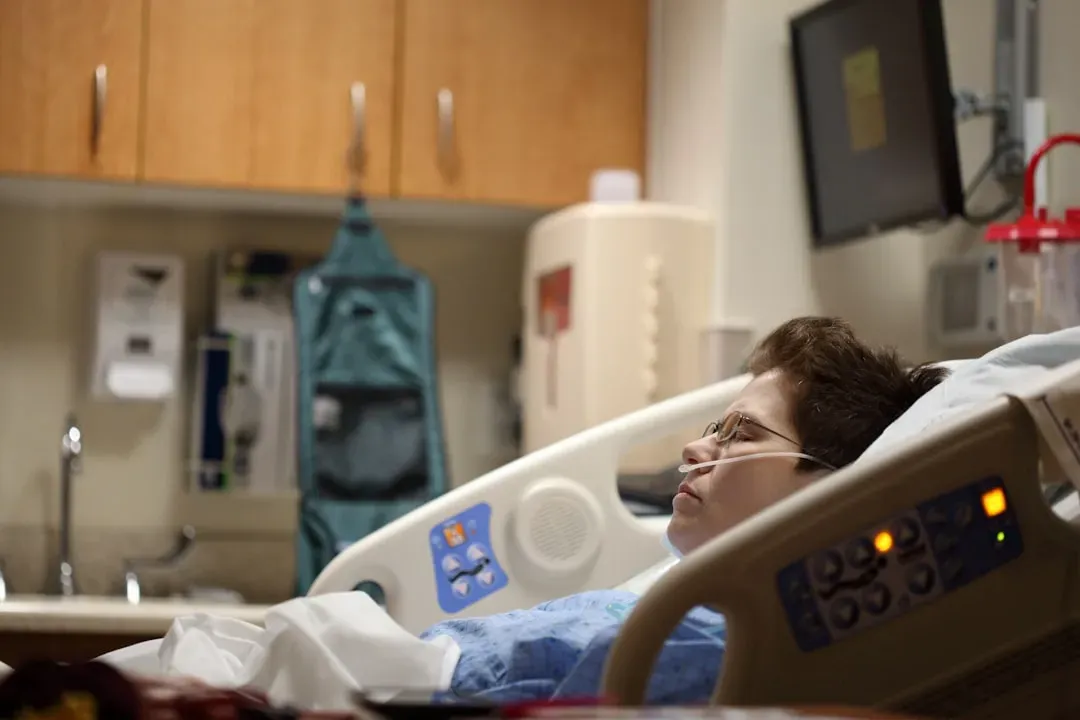
In your final stretch of life, your body starts conserving energy in a very systematic way. Blood flow and oxygen are directed away from things that are not essential for survival and toward the organs that matter most. That shift can leave you drowsy or less responsive, but it can also mean less energy available for panic, movement, or fighting what is happening. The body that once tensed against pain or struggled for control now often lacks the strength to resist.
As your nervous system winds down, your senses can dull, and your awareness can narrow. Pain medications, lower oxygen levels, and changes in circulation to the brain can all soften the sharpness of fear. You might move less, talk less, and withdraw from the outside world, not because you do not care, but because your body quite literally cannot keep up. That inward turning can look like calm acceptance, even when it is mostly a biological slowing of everything you once did automatically.
The Role Of Pain Relief And Modern Hospice Care

If you die in a hospital or under hospice care today, the calm you experience may owe a lot to something very down‑to‑earth: good symptom management. You are more likely than people in the past to receive medications for pain, for shortness of breath, for agitation, and for anxiety. When those are carefully adjusted, you can become more comfortable without being completely sedated. As your physical distress eases, your emotional grip often eases too. It is hard to be serene when your chest feels like it is on fire; it is easier when your breathing is supported and your pain is under control.
For you, that might feel like finally getting a break from a long, exhausting struggle with illness. If you have been suffering for months or years, simply not hurting as much can feel almost like happiness. Hospice teams also focus on quiet environments, gentle touch, soft lighting, and familiar objects. All of that can signal to your nervous system that you are safe. When your body is no longer constantly screaming that something is wrong, your mind has room to relax – even as life itself is slipping away.
Psychological Letting Go: When You Stop Fighting

Long before your last breath, you start making psychological adjustments to the idea that you are not going to get better. At first, you might deny it, bargain, or stay focused on every new treatment option. Over time, especially if you are very ill, you may find that your priorities change. You care less about plans decades away and more about a good conversation today or one more afternoon without severe pain. That shift can be subtle, but it sets the stage for acceptance.
When death is clearly close, something else sometimes happens: you may simply stop fighting. You might decide you have had enough of invasive procedures or hospital stays. You might feel more curious than terrified about what comes next, or you might just feel ready for the effort to be over. The calm others see in you may come from this inner decision. You are no longer pouring your remaining energy into resisting what you cannot control. Instead, you are allowing yourself to rest in the truth of where you are.
Spiritual Meaning, Visions, And The Stories You Tell Yourself

In your last days or hours, you may begin to talk about seeing loved ones who have already died, hearing voices, or sensing a presence in the room. Some people describe bright light, beautiful landscapes, or a feeling of being welcomed. Others simply say that they feel held, guided, or not alone. Whether you interpret these experiences as spiritual, psychological, or as brain activity under stress, they can be profoundly calming from your point of view. You may feel that you are being prepared to go somewhere rather than falling into nothing.
The beliefs you held during life shape how this feels. If you believe in an afterlife or some kind of continuation, you may interpret these experiences as proof that you are about to transition rather than end. Even if you do not hold religious beliefs, you might still create a personal story that makes sense to you: that you are returning to nature, reuniting with the universe, or simply ending a long and difficult chapter. Having a story that fits your values and worldview can ease your fear and help you accept what is happening, turning terror into a kind of quiet resignation or even trust.
When The Calm Never Comes

It is important for you to know that not every death is peaceful. Some people remain agitated, frightened, or in distress until very close to the end, and some families carry a lot of pain from witnessing that. Severe symptoms, sudden catastrophic events, untreated pain, and certain medical conditions can all interfere with any sense of calm. In emergency situations especially, the focus is usually on saving your life, not on providing comfort, and the experience can be intense, confusing, and frightening.
Knowing this helps you keep a realistic view: the strange calm you hear about is common, but it is not guaranteed. That is one reason why planning for your own care, talking with loved ones, and considering palliative or hospice services when appropriate can matter so much. By making your wishes known and prioritizing comfort, you improve your chances of experiencing a gentler ending. You cannot script every moment, but you can tilt the odds away from chaos and toward care that honors your dignity.
How Thinking About This Now Can Change How You Live

Facing the idea of your own last moments is uncomfortable, but it can also be oddly liberating. When you realize that the end may not be a frantic horror movie scene, you might feel less paralysed by fear. If the body and brain are capable of softening the edge, and if good care can further ease that transition, then death begins to look a little more like a difficult but natural step than an unspeakable catastrophe. That shift can free you to focus less on dreading the end and more on using the time you have.
Thinking realistically about your death also pushes you to make practical choices now: advance directives, conversations with people you love, and honest talks with your doctors if you become seriously ill. You can say out loud that you value comfort, clarity, and connection more than one more frantic attempt at treatment at any cost. By doing that, you give your future self a better chance at that strange calm you have been reading about – a calm rooted not just in biology or luck, but in choices you made when you still had the power to choose.
Conclusion: A Quiet Ending To A Very Loud Story
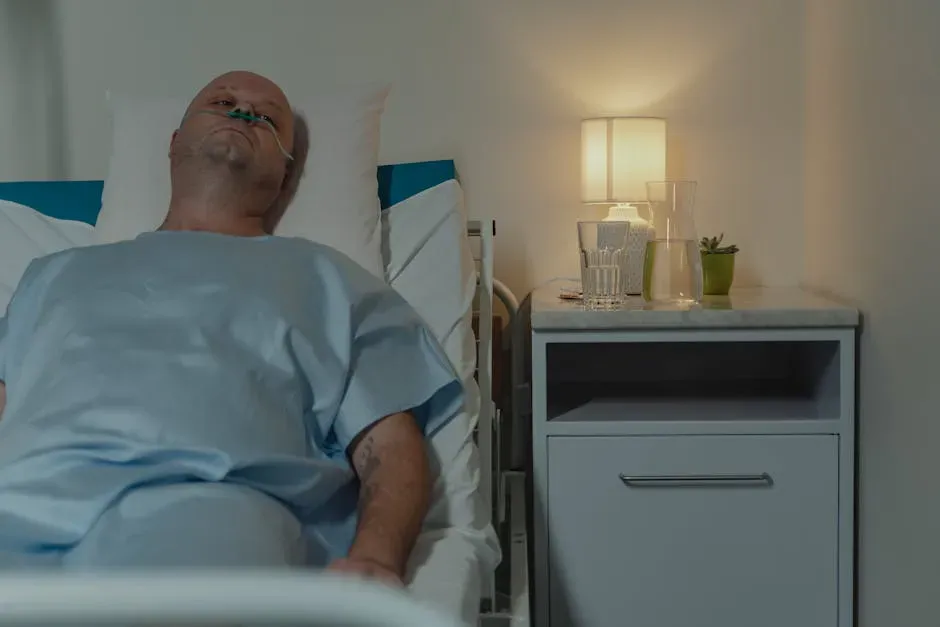
When you zoom out, the idea of a strange calm before death is not as mysterious as it first sounds. Your body slows down, your brain shields you, your caregivers ease your suffering, and your mind gradually loosens its grip on the need to control everything. Sometimes, all those pieces line up and create a moment that feels almost peaceful, even holy, in its simplicity. Other times, they do not, and the end is messier than anyone would wish. Both realities are part of the human story.
Knowing that a gentle exit is possible – and that there are concrete, human reasons for it – can soften the fear that tends to sit in the back of your mind. You may not get to choose the timing or circumstances of your death, but you can shape your values, your preparations, and the way you show up for others when their time comes. In the end, the question is not just how you will die, but how you will live while you are still here, knowing that a strange, unexpected calm may be waiting for you at the edge. What might you do differently today, now that you know that?