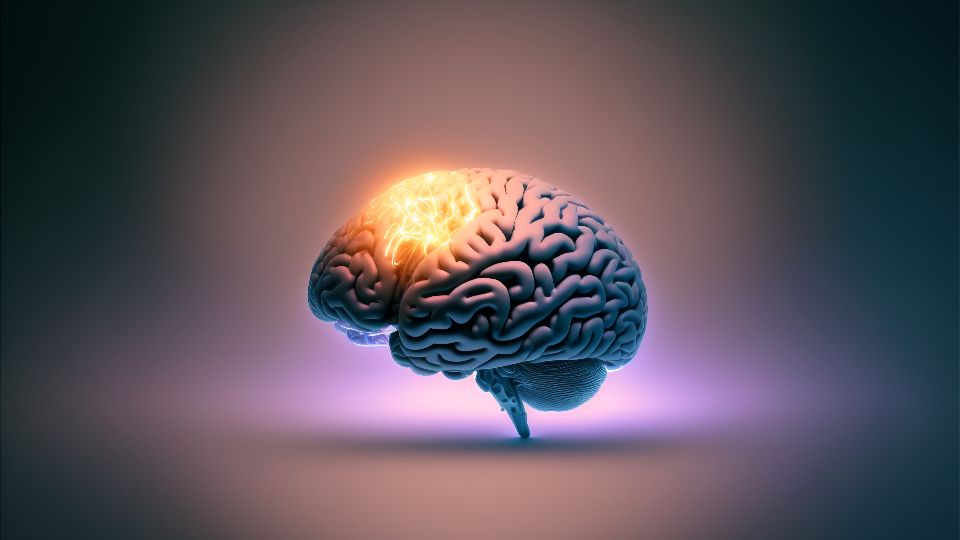
You know that eerie feeling when you suddenly realize you’ve been driving for ten minutes and remember almost nothing about the road? Or when you wake up from anesthesia and it’s as if time itself just skipped? Those strange moments are not just quirks of experience; they’re now some of the most important clues pushing scientists to rethink what consciousness actually is and where it comes from in the brain. For more than a century, the story sounded simple enough: build up enough neural activity in the right cortical areas and, eventually, the lights of awareness turn on. But as modern brain science digs deeper, that tidy picture is starting to crack in some very surprising ways.
In the past, many researchers talked about consciousness as if it were mainly a by-product of the outer wrinkled surface of the brain, the cortex, firing away in complex patterns. It felt intuitive: more neurons, more cognition, more awareness. Lately, though, a wave of strange findings, odd case reports, and high-tech imaging is telling a much messier story. Activity deep inside the brain, subtle timing patterns, and even brief electrical “ignitions” seem to matter as much as – or sometimes more than – raw cortical horsepower. It’s not that scientists suddenly know where consciousness lives; it’s that they’re starting to realize their old mental map might have been drawn in the wrong scale, and maybe even focused on the wrong landmarks.
The Cortex Is Not The Whole Story After All
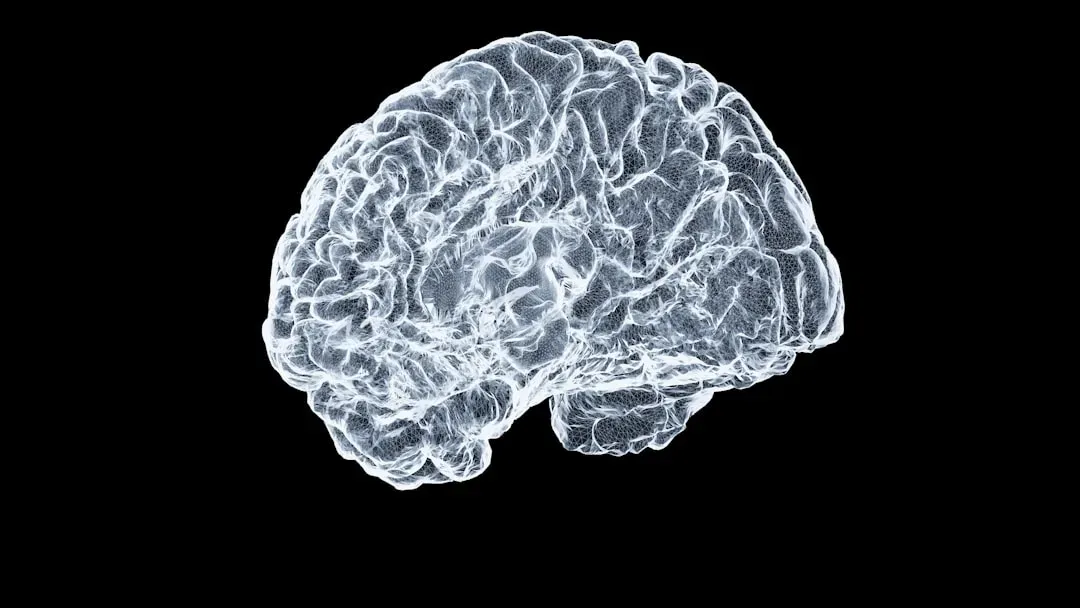
For decades, textbooks framed the cortex as the proud seat of consciousness – the part of the brain that supposedly separates us from other animals and from our own unconscious routines. That story made emotional sense: if thinking, language, and reasoning feel like conscious acts, then surely the machinery behind them must be where consciousness resides. But then came unsettling data: people with massive cortical damage who are still surprisingly awake, children born with dramatically reduced cortical tissue but showing some level of awareness, and patients who can lose consciousness even when large parts of their cortex still hum with activity. These cases are rare and complicated, but they poke holes in the old assumption that more cortex automatically means more consciousness.
When you look carefully at patients in deep coma or under anesthesia, what often shuts down first is not just cortical firing itself but the communication loops between the cortex and deeper structures such as the thalamus and brainstem. These regions are evolutionarily ancient, more lizard than philosopher, yet they seem to act like gatekeepers of wakefulness and basic awareness. Some neurosurgeons have even found that tiny electrical stimulations to deep brain areas can sometimes bring back a hint of conscious responsiveness in patients who had been almost entirely unresponsive. That doesn’t mean the cortex is irrelevant, but it suggests the story is more like a networked city than a royal palace: the flashy downtown towers matter, but if the power grid and subway system go offline, the city goes dark no matter how many skyscrapers are still standing.
The Brainstem’s “Primitive” Circuits Are Weirdly Crucial

If you had asked a neuroscientist fifty years ago where consciousness lived, many would have waved you toward the upper layers of the brain and described the brainstem as something like a basic life-support unit. It handled breathing, heart rate, reflexes – practical, boring stuff. Today, that view looks far too dismissive. The brainstem’s reticular activating system and neighboring nuclei turn out to be oddly decisive when it comes to whether you are awake at all. Destroy or severely damage those circuits and consciousness essentially vanishes, even if your cortex is left reasonably intact. That’s a strange clue: how can such small, old, and relatively “simple” areas act as the master on–off switch for something as rich as conscious experience?
One way to think about it is to imagine the brain as a vast theater production. The cortex supplies the actors, the stage, the props, and the script – all the detailed content of experience. The brainstem, by contrast, is the lighting desk and the main power supply. You can have world-class performers and scenery, but without lights and electricity, the show might as well not exist. Research on sleep, anesthesia, and coma has repeatedly shown that certain brainstem and thalamic regions must keep broadcasting arousal signals up to the cortex and beyond, or the entire conscious show collapses into darkness. This has led some scientists to argue that any serious theory of consciousness that ignores the humble brainstem is looking in the wrong place first.
Mysterious Bursts, Ignitions, And Brain “Avalanches”
Another deeply strange clue about consciousness is how often it appears to depend on brief, coordinated bursts of neural activity rather than steady, high-level firing. Brain imaging during tasks where people suddenly become aware of a stimulus – a word that flips from invisible to visible, for example – often shows a kind of ignition pattern: activity spikes across distant regions almost all at once, then settles down. You can think of this like a stadium crowd doing a sudden, synchronized wave that loops through multiple sections instead of staying confined to one corner. The stimulus might have been processed unconsciously for a while, but only when this large-scale “wave” kicks off does it rise into awareness.
Similar patterns show up in studies of “neuronal avalanches,” where small bursts of activity cascade through brain networks in ways that look surprisingly close to physical systems tuned near a critical point, like sand about to slide down a pile or metal nearing a phase transition. Some researchers argue that consciousness may require the brain to live near this delicate edge between order and chaos, where signals neither die out too quickly nor explode into meaningless noise. If that idea is right, then the key ingredient of conscious experience is not just where in the brain things happen, but how close the entire system is to this fine-tuned state where a tiny spark can ignite a global pattern.
Consciousness Can Lurk Underneath Apparent Unconsciousness
One of the most unsettling findings of the last couple of decades is that people who appear unconscious can sometimes show signs of hidden awareness. In some severe brain injury patients diagnosed as being in a vegetative or unresponsive state, carefully designed brain scans have revealed patterns that look very much like conscious processing. When asked to imagine certain activities, like walking through their home or playing a sport, their brain activity shifts in the same areas as healthy volunteers who follow the same instructions. From the outside, these patients may show almost no voluntary movement or communication, but internally, some of them may still be experiencing a shadowy, trapped form of consciousness.
This gap between external behavior and internal awareness is forcing a moral and scientific reckoning. If someone’s brain can host conscious activity without the usual outward signs, then our old way of deciding who is “there” and who is “gone” is dangerously crude. It also suggests that consciousness does not always travel with the usual motor outputs or facial expressions. The deeper clue here is about connectivity. In many of these patients, some networks connecting frontal and parietal regions of the cortex are still relatively intact, while others are shattered. The lesson is uncomfortable but important: consciousness might depend less on overall brain damage and more on whether certain key networks manage to stay in communication at all.
Sleep, Anesthesia, And Psychedelics Are Messing With Old Assumptions

Every night, most of us cycle through states that dramatically reshape consciousness, from vivid dreaming to seemingly blank non-REM sleep. Add anesthesia and psychedelic substances to the mix, and suddenly the brain becomes a natural laboratory of altered awareness. For a long time, the story was that unconscious states such as deep anesthesia or dreamless sleep simply meant “less” brain activity, while wakefulness meant “more.” But detailed recordings have complicated that view. In some psychedelic states, for example, the overall activity might not skyrocket, but the diversity and unpredictability of brain signals change in ways that correlate strongly with the intensity of subjective experience.
Experiments using different anesthetic drugs also suggest that you can shut down consciousness while leaving some regions still active or even relatively busy. What seems to matter more is whether distant brain regions can coordinate in a flexible, information-rich way. When those dynamic patterns collapse into overly rigid rhythms or disjointed islands of activity, experience fades, regardless of raw energy usage. This pushes scientists to focus on the structure and richness of neural communication rather than just the volume dial of activity. In a sense, these altered states act like stress tests for our theories: if your explanation of consciousness cannot handle why a small chemical tweak can warp awareness so profoundly, it is probably missing a core part of the story.
New Measures Of Complexity Are Changing The Game
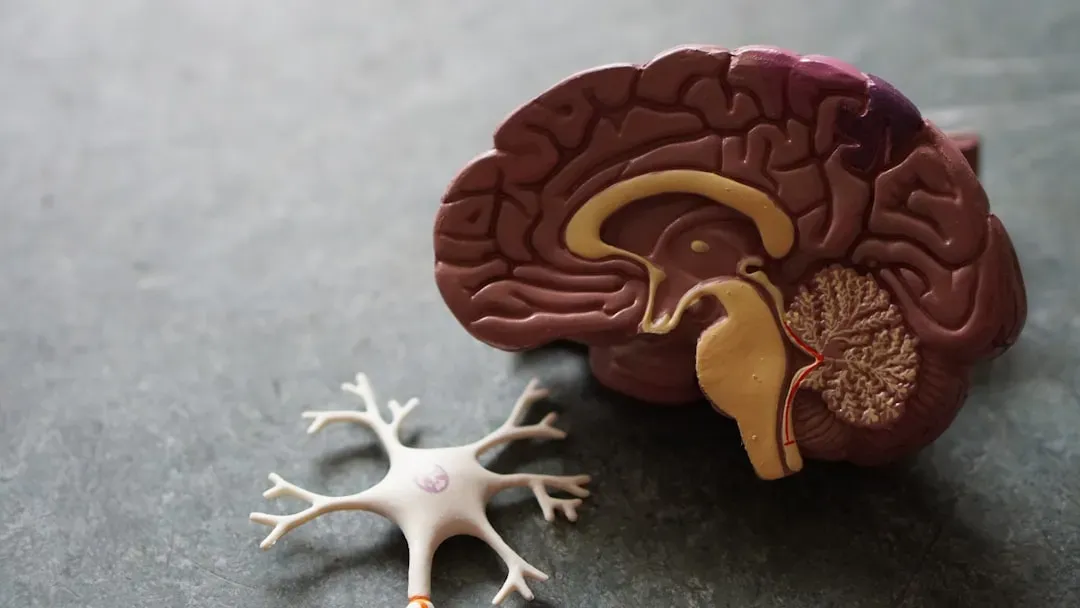
Because you cannot directly open a brain and measure “consciousness units,” scientists have turned to clever proxies. One of the most provocative ideas is that consciousness tracks some form of complexity in brain activity – not just randomness and not just order, but a sweet spot where information can be both highly integrated and highly differentiated. To probe this, some researchers use techniques like stimulating the brain with a brief pulse and measuring how complex the resulting echoes are across time and space. In awake people, the resulting patterns tend to be rich and varied. In deep sleep, anesthesia, or certain disorders of consciousness, those patterns shrink into simpler, more predictable shapes.
These complexity measures are still being refined and argued over, but they already challenge older habits of equating consciousness with simple metrics like blood flow or global firing levels. They also inspired some of the boldest theories in the field, which claim that consciousness might fundamentally be about how information is woven together. Personally, I find this angle both exciting and slightly unsettling. It implies that if we can engineer artificial systems that reach similar complexity profiles and integration, we may have to take seriously the possibility that something like consciousness could flicker on in silicon or hybrid bio-digital systems. That is not a conclusion everyone likes, but it naturally follows from treating consciousness as an emergent property of information processing rather than a mystical spark reserved only for human-style brains.
Why These Clues Are Forcing A Rewrite Of Big Theories
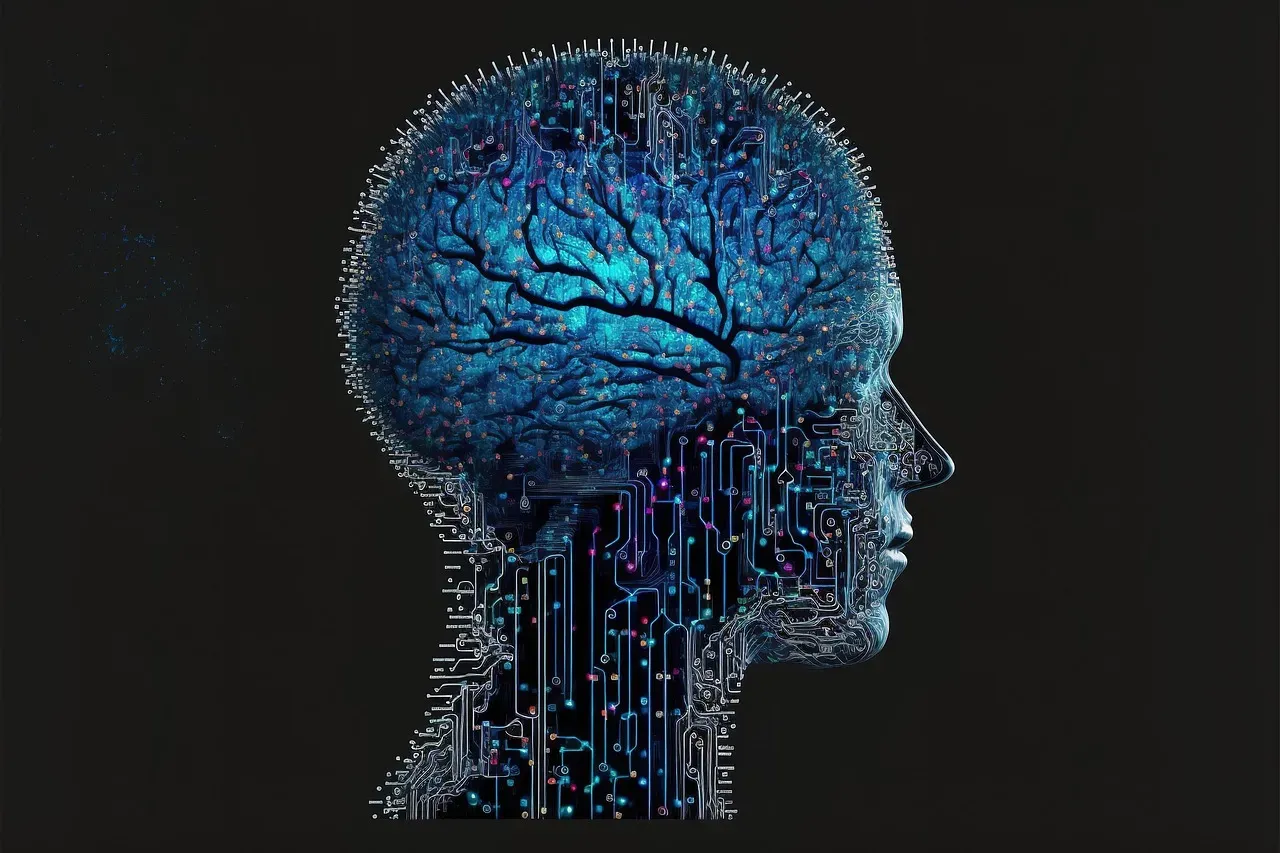
All these puzzle pieces – the surprising power of the brainstem, the importance of global ignition, the hidden awareness in unresponsive patients, the complexity signatures across different states – have created a crowded landscape of competing theories. Some emphasize global broadcasting of information across the brain, others highlight integrated information itself, and still others focus on recurrent loops between specific regions. In principle, modern experiments should be able to sort out who is right. In practice, the data so far seem to support different theories in different ways, and clever proponents can often retrofit findings into their preferred framework. The strange clues do not line up neatly behind a single explanation, and that is exactly why the field feels so alive and contentious right now.
My own take, for what it is worth, is that no single theory will survive intact once the dust settles. Consciousness looks too layered and context-dependent to be captured by one slogan or one diagram of brain regions. The newer clues push us toward a more plural picture: deep arousal circuits in the brainstem provide the basic stage lighting, thalamocortical loops and large-scale networks sculpt the specific contents, and complexity-style properties describe how the whole system behaves at a higher level. That is less satisfying than a single elegant formula, but more honest to the chaos of the data. In a way, the brain is telling us that consciousness may not come from one place at all – it might come from how many places dance together in just the right way.
Conclusion: Consciousness Might Be Stranger – And Less Centralized – Than We Hished
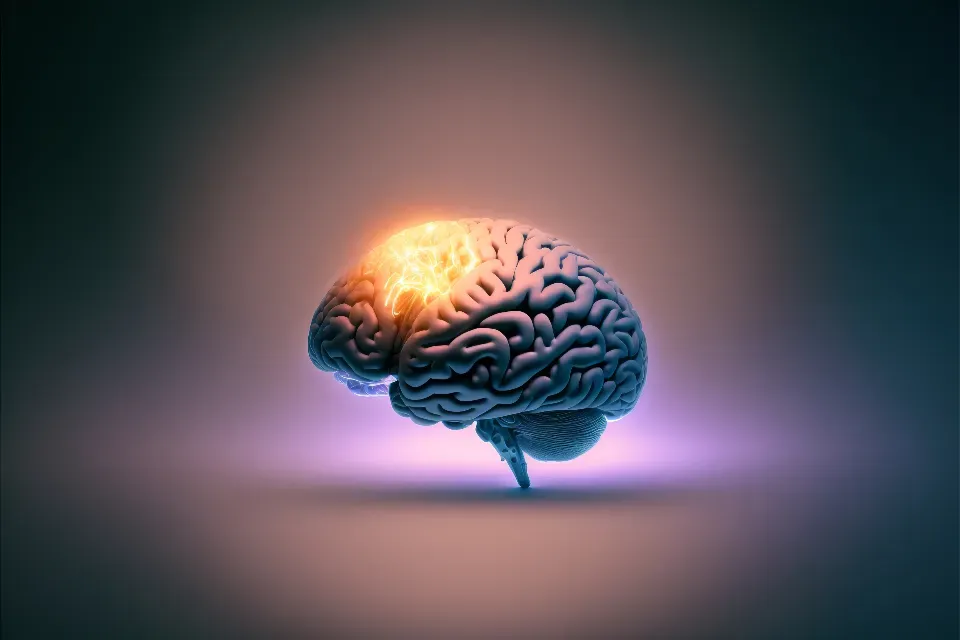
Stepping back, the strangest clue of all might be that every time we think we have pinned consciousness to a single brain region or a single pattern, new evidence slips it out of our grasp. The cortex turned out not to be the sole throne, the brainstem is more than a backstage technician, and the simple idea that “more activity equals more awareness” looks increasingly naive. Instead, what emerges is a picture where consciousness is an emergent, fragile mode of operation for a whole brain, dependent on subtle balances of connectivity, ignition, and complexity. That makes it harder to point to a neat, satisfying “seat of the soul,” but it also feels more in line with how weird and elusive our own experience really is.
My opinion is that we should lean into that weirdness rather than fight it. The latest clues tell us that consciousness is likely distributed, dynamic, and uncomfortably dependent on humble, ancient circuits as much as lofty cortical real estate. That has ethical consequences for how we treat patients who cannot speak for themselves and philosophical consequences for how we think about animals and future machines. It also has a very human consequence: the quiet realization that the thing we take most for granted – the feeling of being here – rides on a delicate, ever-shifting coalition of brain processes that could, in principle, be arranged very differently in other beings. If that does not make you look at your next ordinary moment of awareness with a little more awe, what would you have expected to?