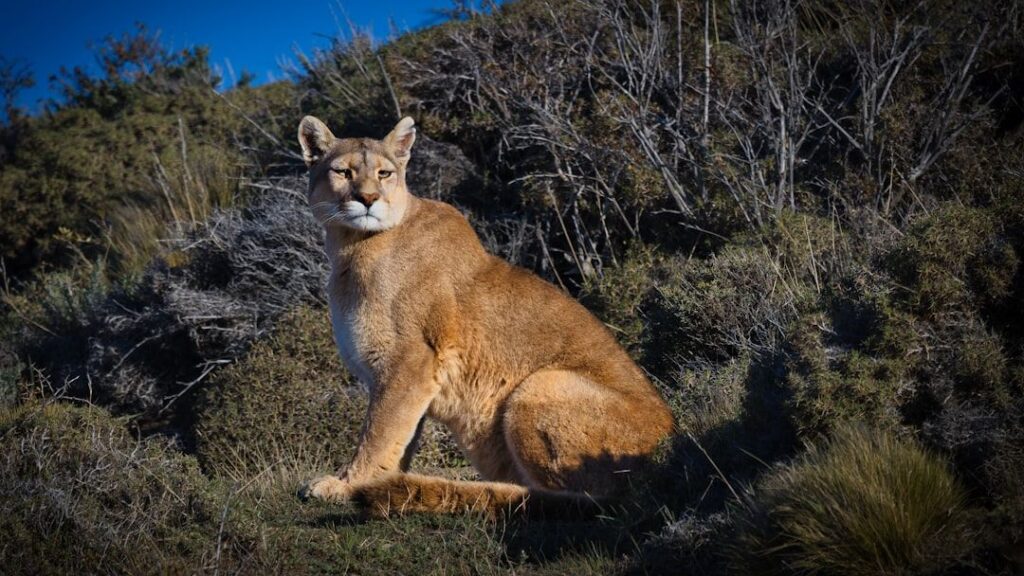

If you live in a small town and suddenly hear that a mountain lion has been spotted nearby, your stomach probably drops a little. Your brain jumps straight to worst-case scenarios: kids at bus stops, dogs in backyards, hikers on local trails. It feels like the wild is suddenly pressing right up against your front porch, and that can be both fascinating and deeply unsettling at the same time.
But a sighting does not automatically mean disaster is about to strike. It is a signal, a piece of ecological information that says a lot about the land, the animals, and even the choices people in that area have been making for years. Once you unpack what a mountain lion visit really means, the story becomes less about horror and more about habitat, behavior, and how we decide to live on the edge of wild country.
Why Mountain Lions Come Close To Towns In The First Place
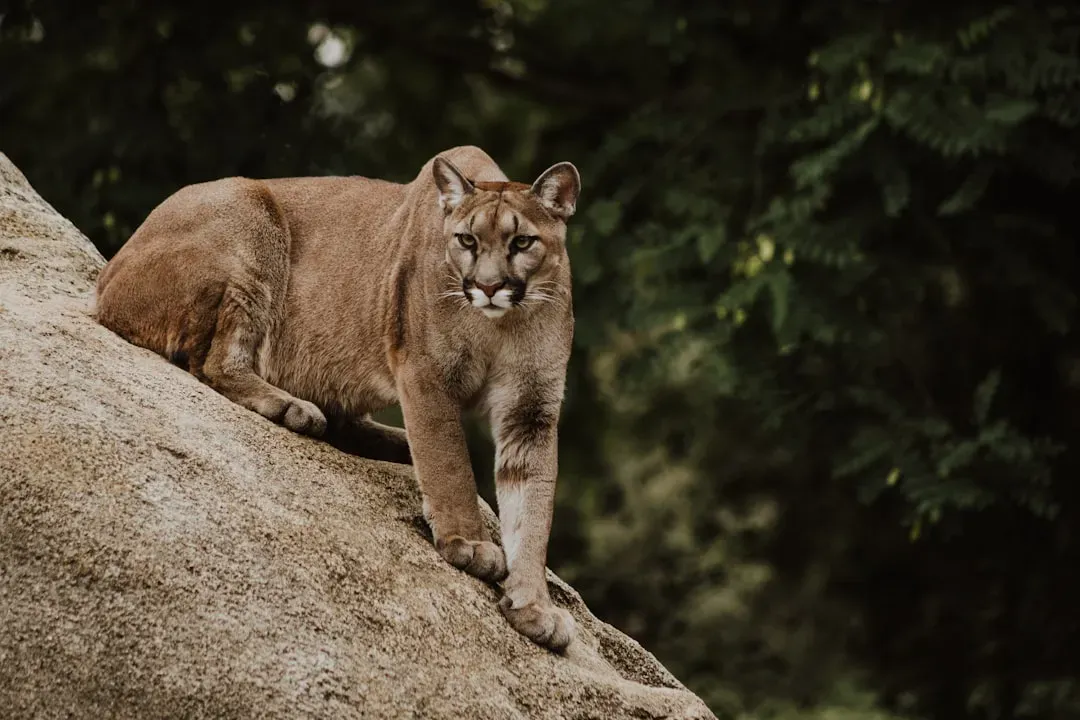
One of the most surprising truths is that mountain lions are not usually drawn to people; they are drawn to opportunity. They follow food, safe travel routes, and cover, and if those happen to line up near a subdivision or a small-town edge, they will pass through. When deer, raccoons, and even feral cats are thriving in greenbelts, golf courses, and brushy lots, a big predator simply follows the buffet line.
Development also creates a kind of patchwork across the landscape, and mountain lions use the seams between those patches. Rail corridors, creek beds, irrigation ditches, and overgrown back fences can form natural highways for a cat that prefers to move unseen. To a human, a town might look like a hard border between nature and civilization; to a mountain lion, it is more like a leaky edge where prey, cover, and darkness all mix.
What A Single Sighting Really Tells You (And What It Doesn’t)
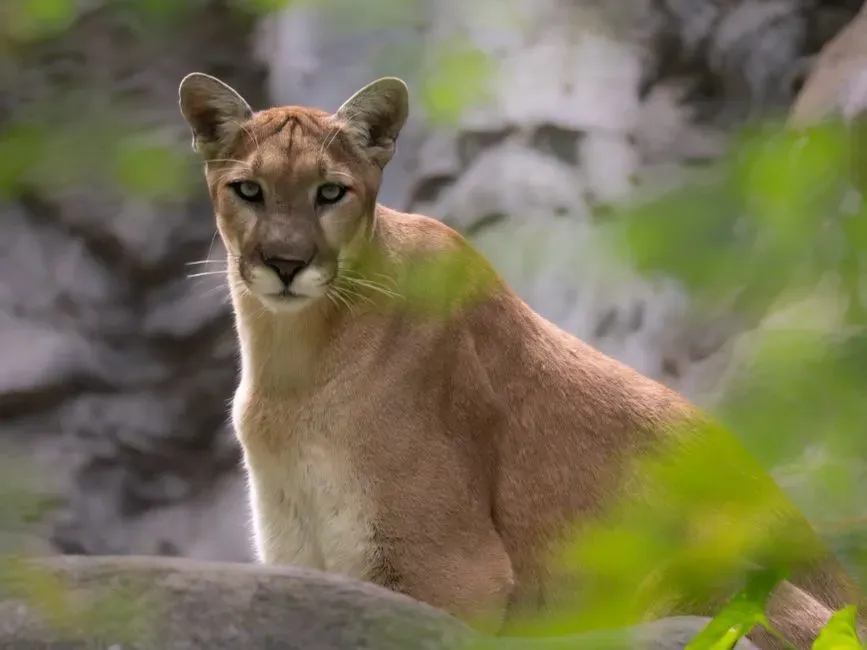
When someone spots a mountain lion once, the human mind tends to leap straight to the idea that the town is now “infested” or about to be surrounded. In reality, one verified sighting often just means that an individual cat is moving through its territory or dispersing to find a new one. These animals are built to travel long distances, so a brief appearance can be more like a passing freight train than a permanent new neighbor.
At the same time, even a single sighting is worth taking seriously because it reveals you are firmly inside a functioning wild landscape, not separate from it. If the same cat or multiple cats are spotted repeatedly in a small area, that can point to consistent attractants like easy prey or livestock. Understanding the pattern is far more important than panicking over the snapshot, because it helps communities decide whether they are dealing with a quick visit or a predictable new routine.
What It Says About Local Wildlife And Habitat Health
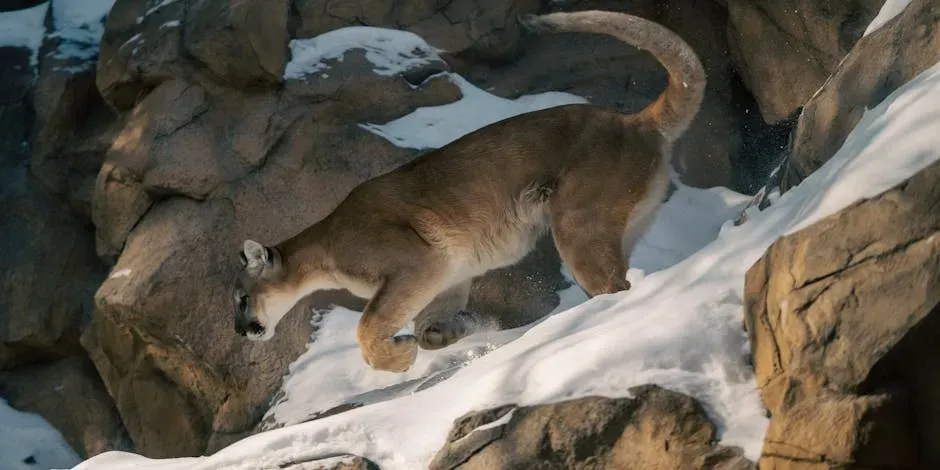
A lot of ecologists quietly celebrate confirmed mountain lion presence because it means something powerful: the ecosystem still has room for a top predator. For a big carnivore to be around at all, there usually has to be enough open space, enough prey, and enough cover for it to survive. In a world where so many big animals have been pushed out, a nearby lion can actually be a backhanded compliment to the land around your town.
That does not mean it feels comforting if you are the one walking your dog at night, but it is worth recognizing what it represents. A functioning predator at the top of the local food web helps keep deer numbers in check, influences where they browse, and indirectly affects plants, birds, and even stream health. In that sense, a mountain lion near town is not just a threat to manage, but also a sign that nature has not yet been completely squeezed out by asphalt and lawn.
How Human Development And Sprawl Shape Lion Behavior
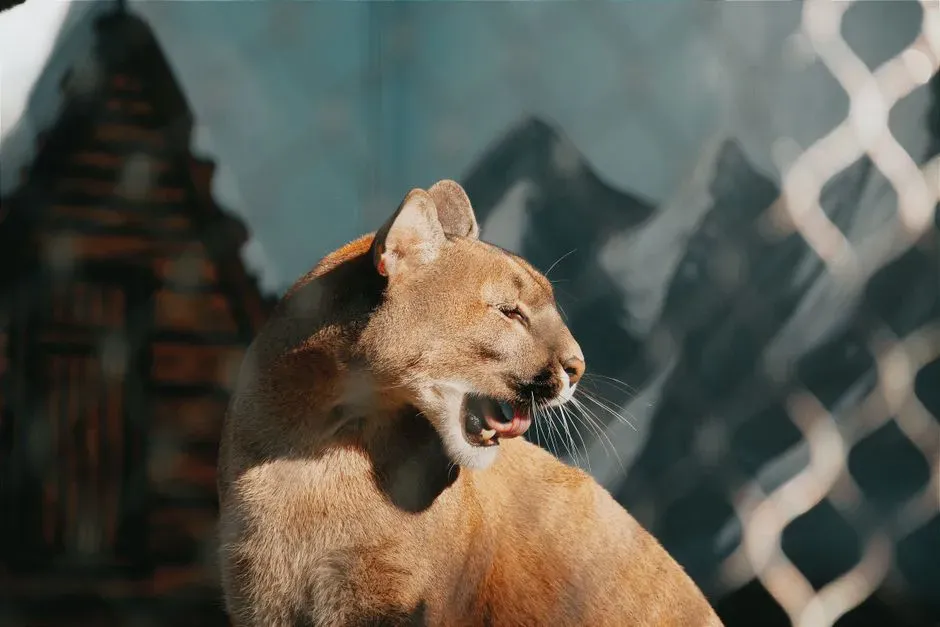
As small towns sprawl outward, they often push right into the kind of terrain mountain lions prefer: brushy hillsides, canyons, riparian corridors with thickets and tall grass. Houses, roads, and hobby farms slip into these spaces piece by piece, until you get a messy overlap rather than a clean line between “town” and “wild.” Lions do not suddenly change who they are just because a cul-de-sac appears; they adapt around the edges if they can.
Over time, this can squeeze them into narrower movement corridors and force them into bolder patterns, like crossing roads more often or skirting behind new fences. From a human perspective, it can look like the cats are “invading,” but often they are simply trying to navigate around ever-growing pockets of light and noise. When people clear native vegetation, leave trash or pet food out, and encourage dense deer populations in landscaped yards, they accidentally reshape the local predator map with every little choice.
The Real Risk To People: Fear Versus Facts
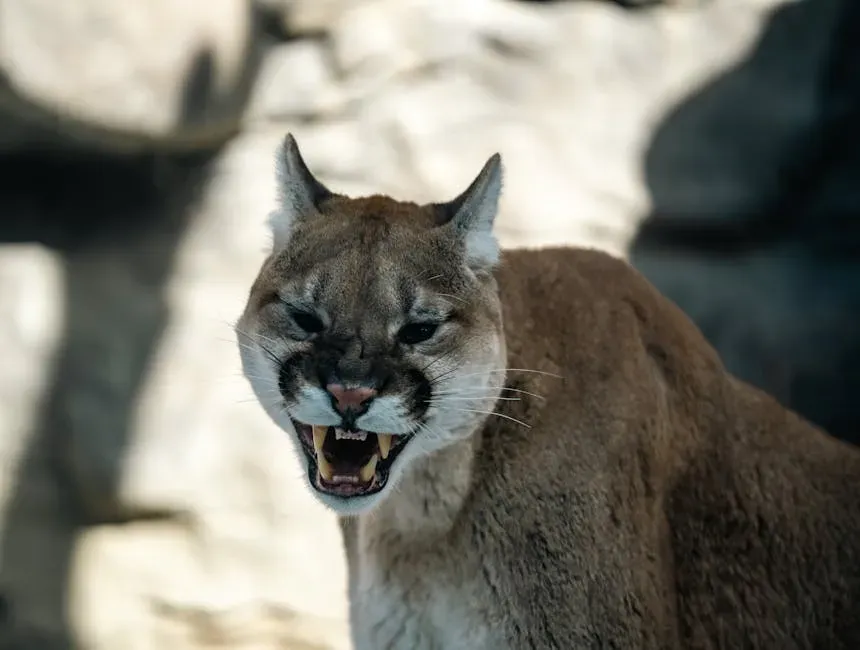
Mountain lion attacks on humans are rare, especially compared with everyday risks we accept without thinking, like driving on busy highways. Still, the idea of being watched by a large, stealthy predator taps into a very old human fear, so the emotional impact can be much bigger than the statistical danger. That fear is not silly; it is hardwired, and pretending otherwise usually just makes people feel unheard.
The important thing is to keep a clear head about proportions. Most lions go their entire lives without making contact with a person, and many may pass near towns at night without anyone noticing. Serious incidents are more likely when lions are cornered, sick, starving, or have lost their natural fear of humans because of easy access to food in yards or barns. So while caution is smart, assuming that any sighting means open season on residents is simply not supported by how these animals usually behave.
Why Pets, Livestock, And Backyard Habits Matter So Much
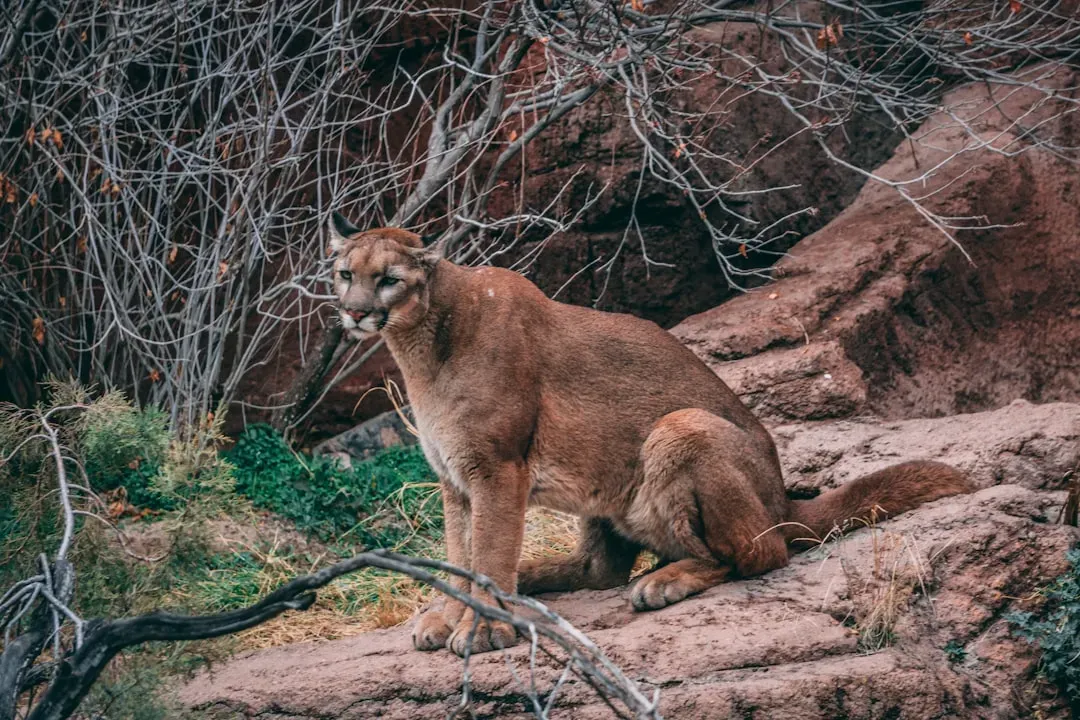
If there is a weak link in small towns when lions show up, it is often pets and small livestock. Outdoor cats, free-roaming small dogs, backyard chickens, and young goats can look a lot like prey to a hungry predator moving through at night. When those animals are unprotected, a lion may learn that human spaces come with easy meals, and that is when the risk of ongoing conflict ramps up fast.
The flip side is that small changes in backyard behavior can make a huge difference. Bringing pets indoors after dark, using motion-activated lights, building secure enclosures, and properly disposing of animal carcasses or feed can break that chain. When a town consistently makes itself a lousy hunting ground, most lions will simply keep passing through. It is less about winning a battle against a single big cat and more about removing the rewards that teach any predator to linger.
How Wildlife Agencies Interpret And Respond To Sightings
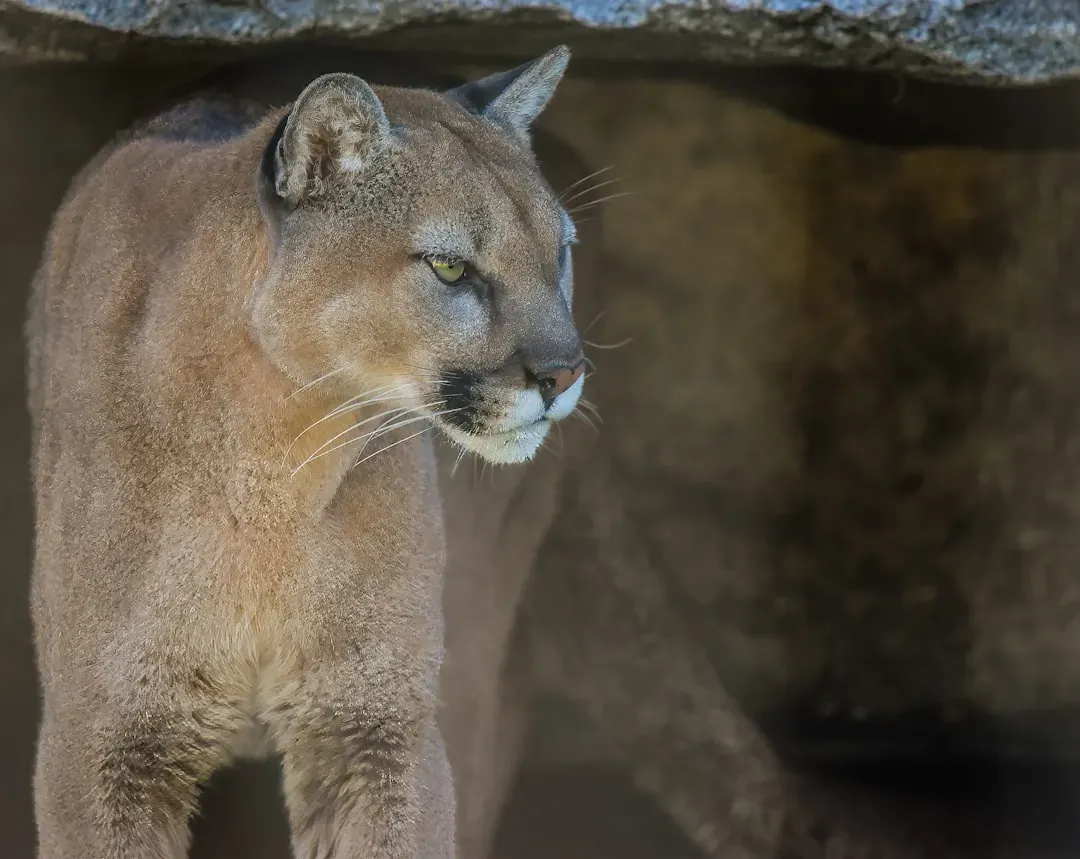
When mountain lions are reported near a small town, wildlife officers are usually trying to answer a few key questions: Is this a healthy wild animal behaving normally, or is it showing signs of boldness, illness, or desperation? Is it just passing through, or repeatedly targeting specific areas and easy prey? The answers shape whether they choose to monitor, haze, relocate, or in rare cases, kill the animal.
From the outside, that process can look frustratingly slow or, conversely, too harsh, depending on which side of the risk spectrum you stand. Agencies often try to balance public safety, animal welfare, and the long-term health of the local lion population all at once, which is rarely neat. A single high-profile incident can swing public opinion toward extreme responses, even when calmer options exist. The more a community understands that decision-making, the less likely it is to demand simple answers to complicated wildlife problems.
How Communities Adapt: From Panic To Practical Coexistence
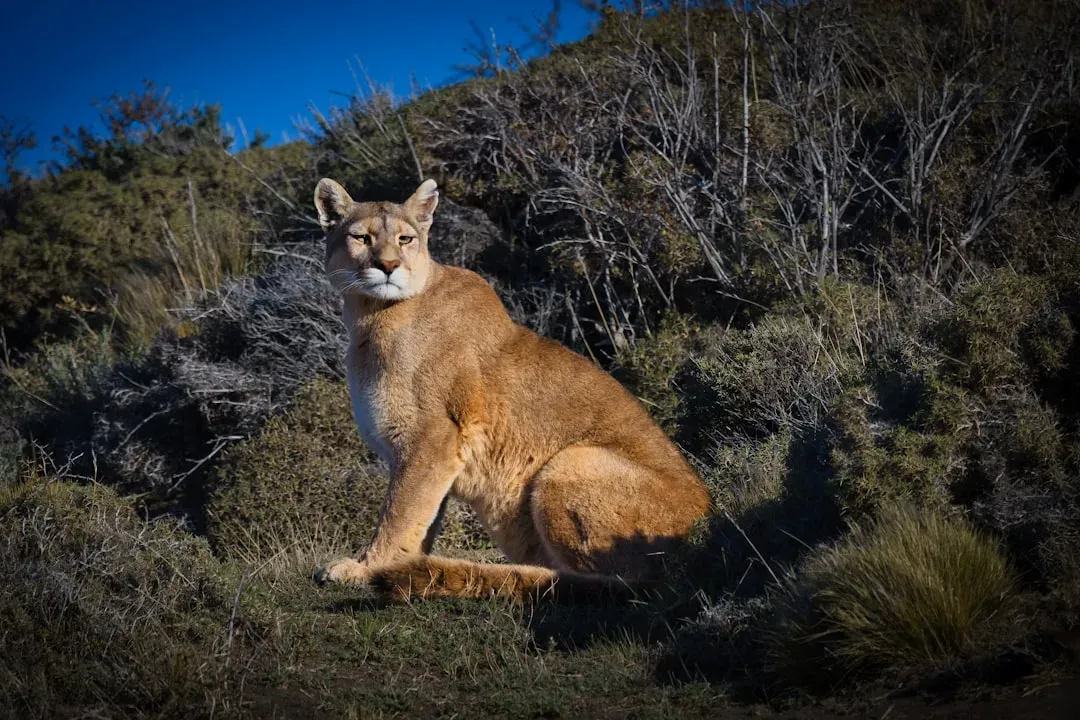
Every small town that suddenly starts seeing mountain lions seems to go through a similar emotional arc: shock, fear, heated arguments, and eventually a kind of uneasy truce. At first, rumors explode on social media, blurry photos get passed around, and half-true stories ripple through school pick-up lines. It feels like the entire town gets pulled into one big campfire horror story, whether they like it or not.
Over time, though, communities often settle into more practical routines. They organize public meetings with biologists, set up text alerts for sightings, share tips on pet safety, and adjust trail rules at dawn and dusk. School districts update bus stop procedures, and local papers or Facebook groups start posting actual guidance instead of only fear. It is not that the risk disappears; it is that the town learns how to live with it instead of letting it control the whole conversation.
What Sightings Reveal About Our Relationship With The Wild
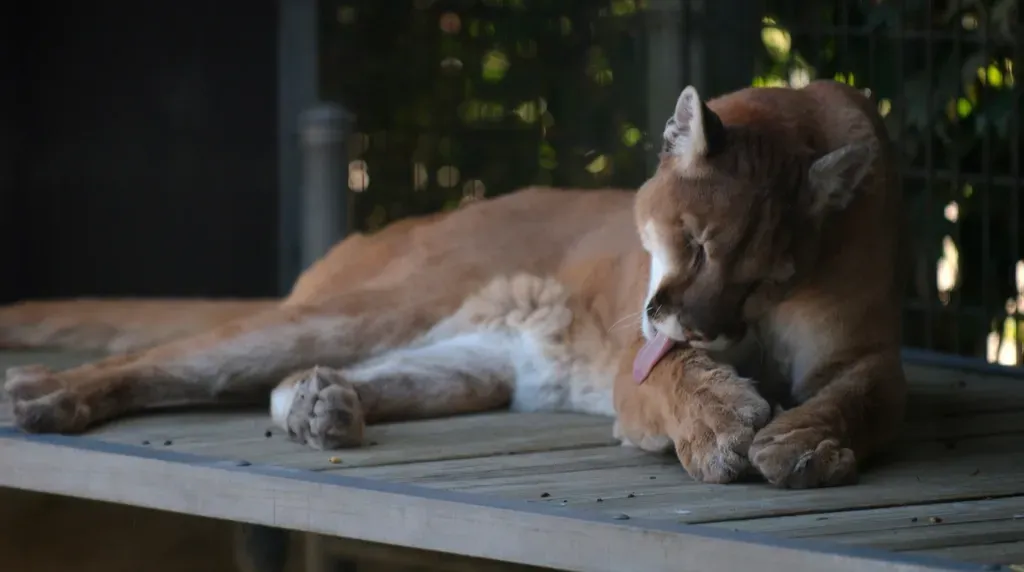
When a mountain lion appears near a small town, it throws an uncomfortable mirror in front of us. Many people say they want to live “close to nature,” but what they really mean is close to birds, sunsets, and maybe deer in the yard, not a muscular cat that can jump a fence without trying. The lion’s presence exposes how selective we often are about which parts of nature we are willing to tolerate.
At the same time, there is something undeniably awe-inspiring about knowing that a big, wary predator still moves through the same hills where kids ride their bikes. It reminds us that our towns are not floating above the landscape but firmly stitched into it, part of a larger, wilder story. I have noticed that some people, once they move past the initial fear, end up feeling oddly proud that their town is still wild enough to host a mountain lion. That mix of anxiety and admiration might be exactly what we need to keep our choices humble.
Conclusion: Living With Lions Means Admitting We’re Not The Only Ones Here
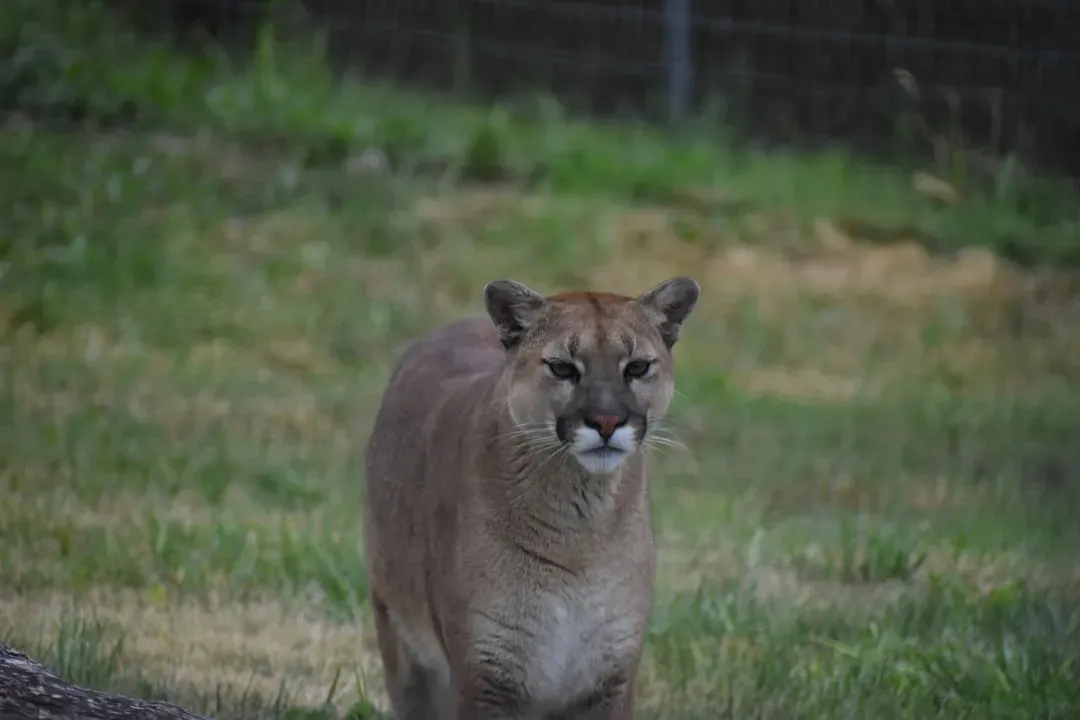
When mountain lions show up near small towns, it is tempting to frame the whole situation as a simple threat: us versus them, humans versus predators. But that story misses the deeper truth that these sightings are symptoms of how we have built, expanded, and managed our communities on shared ground. A lion in the headlines is just the sharp edge of a much bigger reality in which our roads, pets, yards, and habits constantly send invitations or warnings to the wild animals around us.
Personally, I think the most honest response is not to demand absolute safety or total wilderness, but to accept the messy middle. That means taking real precautions, holding agencies accountable, and still refusing to turn every big cat into a villain by default. If we insist on living at the edge of wild country, then we owe it to ourselves – and to the land – to act like thoughtful neighbors, not conquerors. In the end, the question is not whether mountain lions belong near small towns; it is whether we are willing to behave as if we still belong to the landscape too. Did you expect it to be that much about us, and not just about them?