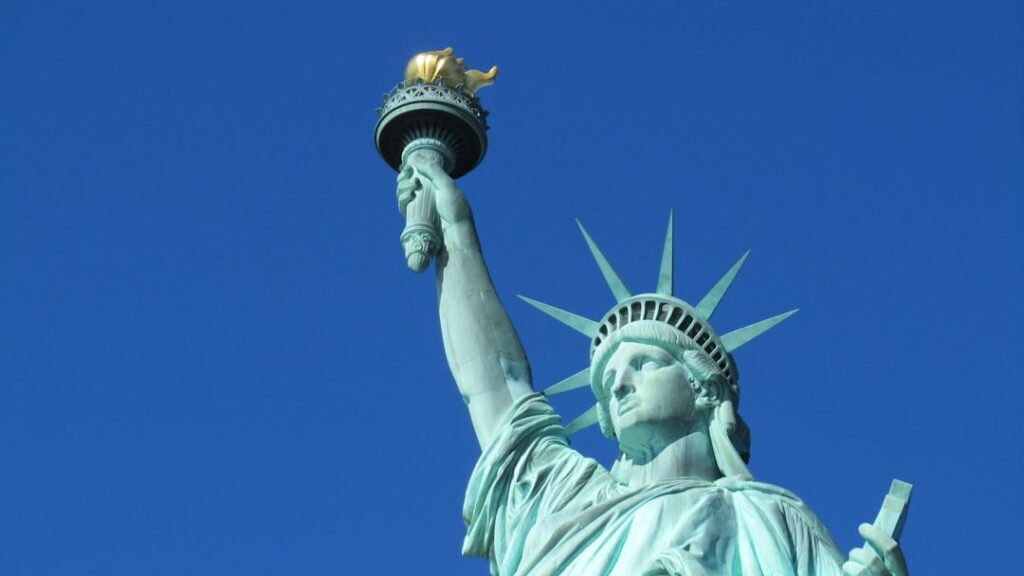

You can stand at the base of the Statue of Liberty, stare up at that glowing golden torch, and feel like you’re looking at the very symbol of American welcome and hope. What most people do not realize is that the part of the statue that seems the most inviting is the one place you absolutely cannot go. The torch has been off-limits to visitors for more than a century, and no, it’s not just because of vague “safety reasons” or elevator issues.
The real story behind that closure is stranger, sadder, and more complicated than most tourist brochures ever mention. It mixes wartime sabotage, structural damage, evolving safety standards, bureaucratic caution, and a bit of stubborn myth. Once you understand what actually happened, the torch stops being just a photo backdrop and becomes a kind of time capsule, frozen at the exact moment the modern age crashed into Lady Liberty. And honestly, once you hear the full story, you might agree it should probably stay that way.
A Wartime Explosion That Almost No One Talks About
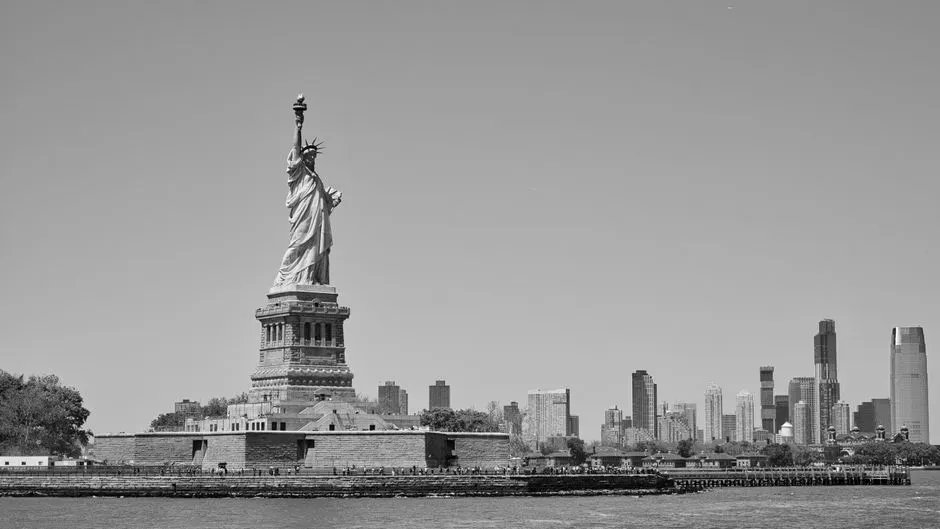
If you had to guess why the Statue of Liberty’s torch closed, you might think of wear and tear, funding cuts, or some obscure building code. In reality, the decisive moment came from something much more dramatic: an explosion in New York Harbor during the First World War. In 1916, long before the United States fully stepped into the global spotlight, saboteurs targeted a munitions depot on Black Tom Island, near Liberty Island. The blast was powerful enough to rattle windows across the city and even damage the statue itself.
The explosion showered fragments and shockwaves that cracked, warped, and stressed parts of the statue, especially around the torch and the raised arm. Engineers later found structural issues that just could not be ignored. The torch, once an accessible vantage point with a narrow stairway leading into it, suddenly became a risky place to send curious visitors. It is almost surreal to think that an act of wartime sabotage over a century ago still quietly shapes the experience of millions of tourists today.
Structural Damage in the Torch and Arm: The Hidden Vulnerabilities
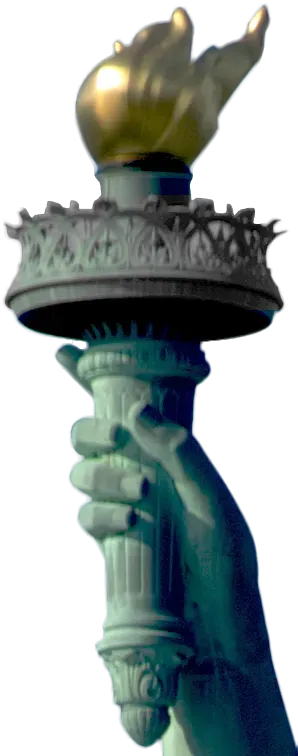
From the outside, the statue’s arm holding the torch looks solid and heroic, like a single unbreakable piece. Inside, though, it is a delicate balance of iron framework and copper skin, carefully designed by Gustave Eiffel’s team long before modern computer simulations. The Black Tom explosion did not cause the statue to collapse or dramatically bend, but it introduced tiny misalignments and stresses that made engineers uneasy. When you are dealing with a monument that tall, even small shifts can grow into big problems over time.
As inspections continued, experts realized the torch and upper arm simply were not robust enough to handle regular foot traffic safely anymore. The narrow staircase, twisting through that arm like a metal spine, sat inside a structure that had been shaken hard, then left to age in salt air and wind. Between the explosion damage, natural corrosion, and the original design limits, the verdict became increasingly clear. It is not just that the public was banned to be cautious; it is that the whole geometry of that arm turned into a story of hidden vulnerability.
From Open Symbol to Off-Limits Space: How Safety Standards Evolved
One thing people often forget is that safety standards in the early twentieth century were almost nothing like what we expect now. Back then, the idea of letting small groups slowly climb a cramped, steep staircase inside a statue did not raise many eyebrows. There were fewer regulations, fewer liability fears, and much less detailed structural science guiding decisions. The torch was just another daring place adventurous visitors could squeeze into for a thrilling view.
As decades passed, the world changed and so did attitudes toward risk. Building codes became stricter, evacuation plans more detailed, and acceptable hazard levels much lower. What may have been seen as an exciting, slightly risky climb in 1910 starts to look like a complete nightmare scenario when viewed through a modern safety lens. Imagine trying to get a panicked crowd back down that narrow, spiraling route in an emergency. Once you see it that way, the permanent closure of the torch feels less like overprotective bureaucracy and more like a reluctant, practical necessity.
The Torch Was Rebuilt – But Not For Your Feet
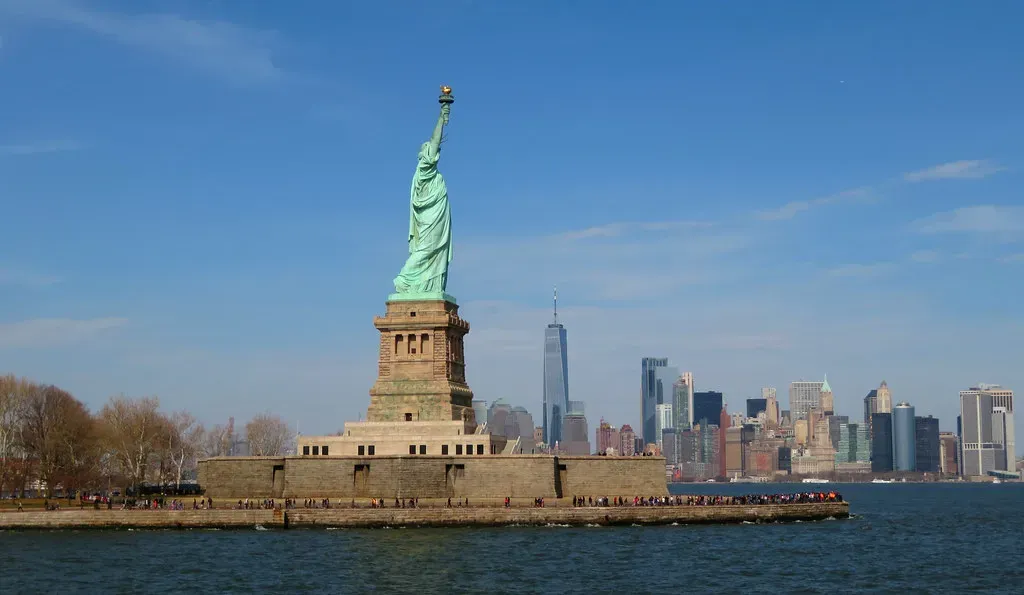
Here is one twist that surprises a lot of people: the torch you see today is not the original. During a major restoration in the 1980s, the old torch, which had been modified and patched over the years, was replaced with a new copper version covered in gold leaf. The goal was to better match the artist’s original vision and to modernize the lighting so it would shine more consistently and dramatically over the harbor. In other words, the torch was updated as a beacon, not as a balcony.
When that new torch was installed, engineers had a fresh opportunity to rethink how it would be used. They could have tried to reinforce the arm and design a safer access route, but they did not. Instead, they treated it as an ornamental, symbolic endpoint rather than a space for human occupation. The interior access up into the flame effectively became obsolete. The restoration made the torch more impressive to look at from the outside, while quietly doubling down on the idea that nobody would ever climb into it again.
A View You Can Never Have: Why the Torch Platform Stays Empty
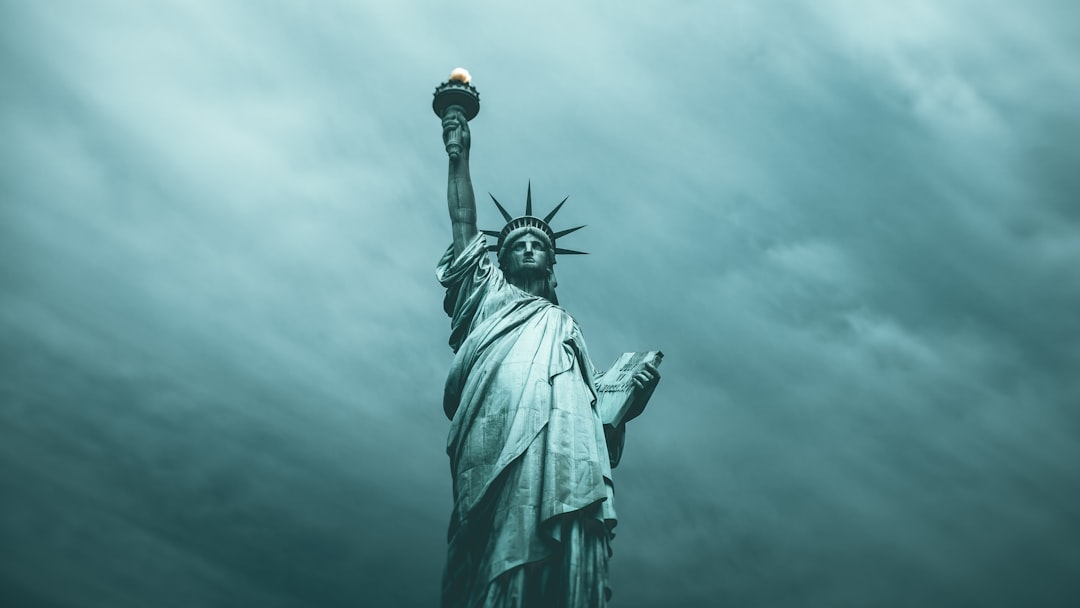
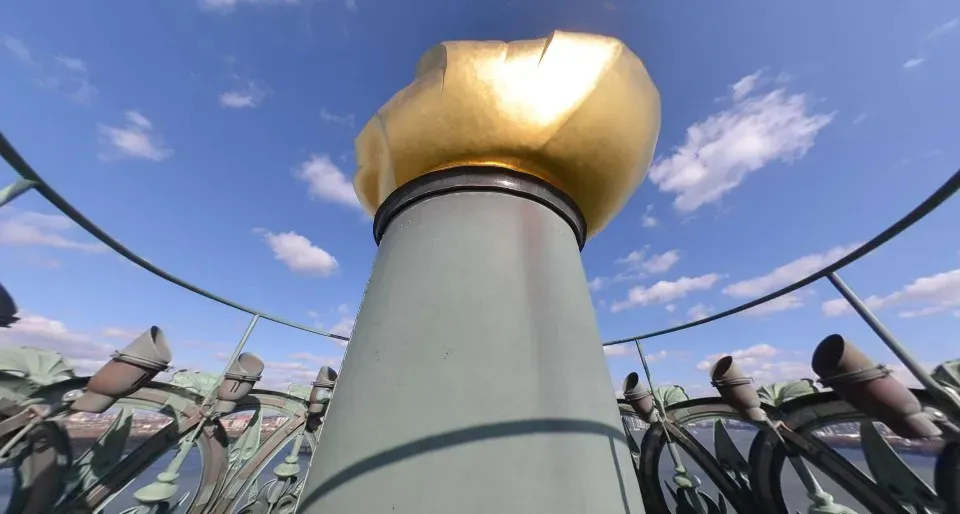
There is something strangely haunting about the idea of that tiny torch platform sitting empty above the harbor. At one time, people actually stood there, looking out across the water, feeling the wind and the sway of the statue beneath their feet. Today, the closest you can get is the crown, which is already a narrow, tightly controlled, reservation-only experience. The torch is one level beyond that, not just physically but also psychologically, like a line the National Park Service refuses to cross.
Part of the reason is pure logistics. The space is incredibly tight, the access route is convoluted, and any emergency situation up there would be a nightmare to manage. Another part, though, seems almost philosophical. The torch has become less of a place and more of a symbol, almost sacred in its inaccessibility. In a world where everything is supposed to be Instagrammable, there is a strange power in knowing that this one iconic vantage point is no longer for human eyes, only for imagination.
Myth vs. Reality: Clearing Up the Biggest Misconceptions
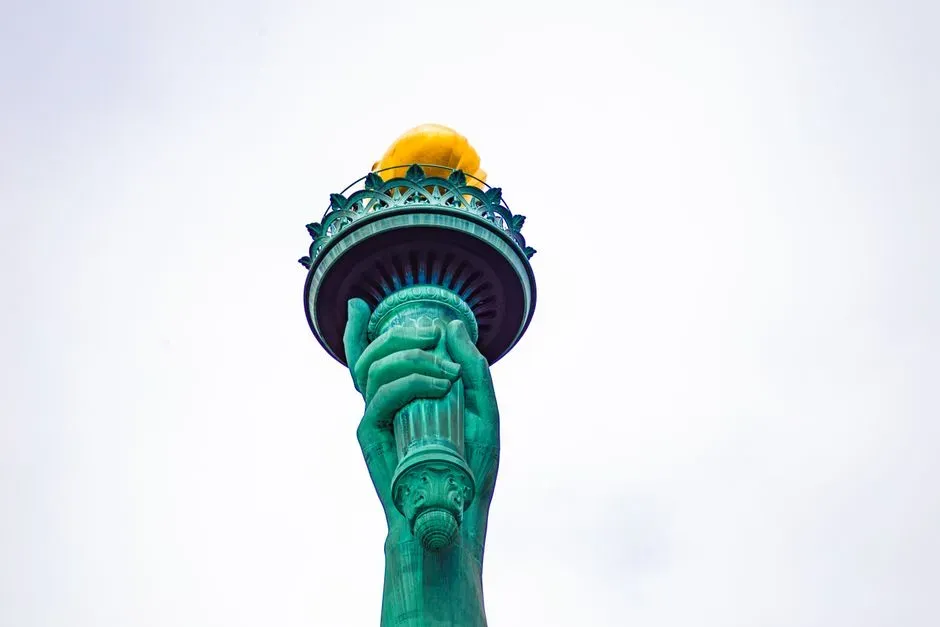
Because visitors cannot go up there and see it for themselves, rumors about the torch have grown like ivy. Some people assume it is closed only because the staircase is too narrow or there was a random accident long ago. Others think it is just temporary, believing that one day new technology will make it easy to reopen. There is also a common misconception that the torch was closed solely for maintenance and never fully reopened, as if someone just forgot about it.
The reality is less dramatic on the surface and more serious underneath. The closure ties back directly to the structural damage and evolving safety concerns that followed the Black Tom explosion and years of aging. It is not a quick fix situation or a matter of throwing money at a renovation. To truly reopen the torch safely, you would probably have to fundamentally change the statue’s arm and internal framework, which would risk damaging the very thing that makes the monument authentic. In that light, the myths are comforting stories; the truth is that the price of reopening might be far too high.
Could Modern Engineering Reopen the Torch Today?
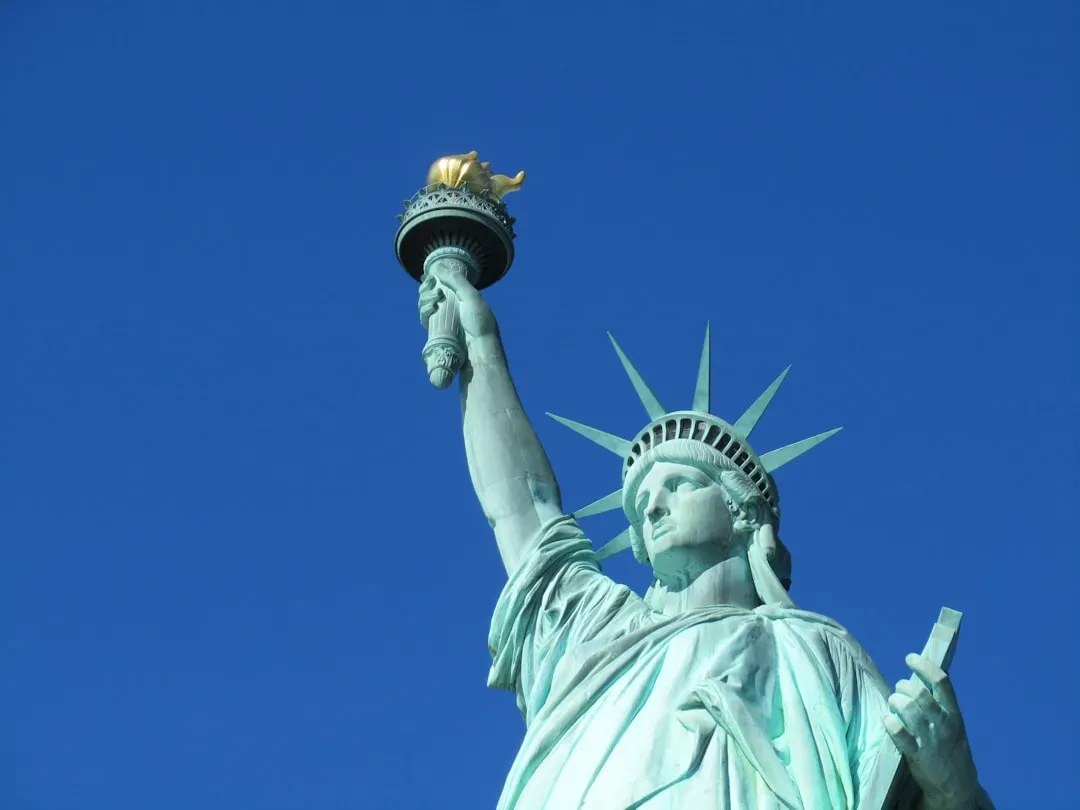
With all the engineering marvels of our era, from glass observation decks on skyscrapers to sky bridges suspended over canyons, it is natural to wonder why we cannot just “fix” the torch. Technically, modern engineers could likely design reinforcements, hidden supports, or even external stabilization to make the space more structurally forgiving. But there is a catch: every major intervention risks altering the statue’s historical fabric and visual character. When a monument is also a piece of art, you cannot treat it like just another renovation project.
On top of that, there is the challenge of access and evacuation. Modern codes demand clear escape routes, adequate capacity, and manageable risk in worst-case scenarios like fire or medical emergencies. Trying to retrofit all those requirements into a nineteenth-century iron skeleton inside a narrow arm is like trying to install a full modern subway system inside a historic cathedral without changing the walls. It might be possible on paper, but the trade-offs in authenticity and feasibility make it hard to justify. In a sense, modern engineering is powerful enough to help us understand precisely why the torch should probably stay closed.
The Symbolism of a Locked Torch in a Changing America
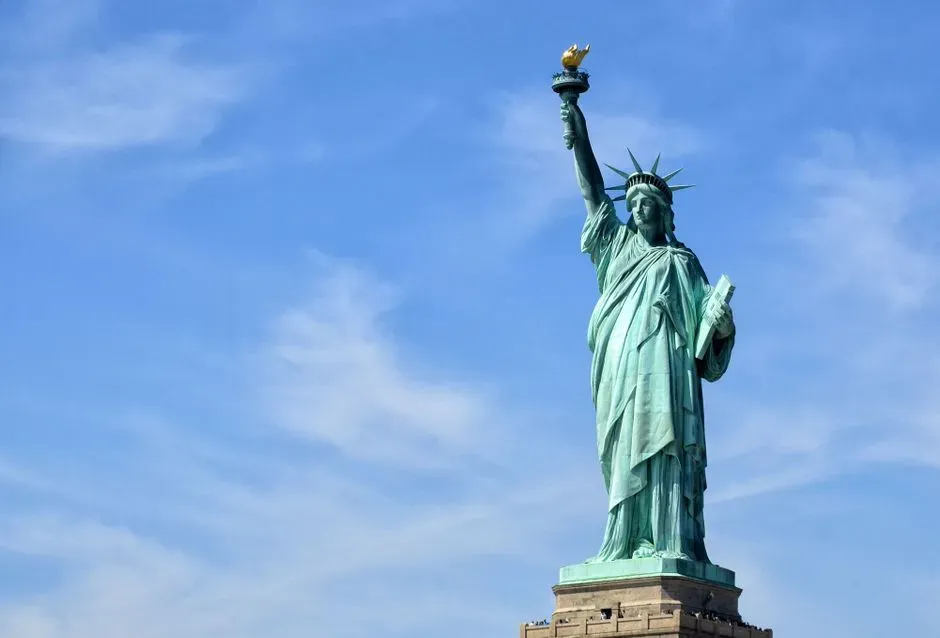
There is an irony that is hard to ignore: the Statue of Liberty’s torch stands for enlightenment, welcome, and guidance, yet the door to it is permanently shut. To me, that locked torch feels like an honest reflection of America itself. The ideals are huge and luminous, but the practical realities are messy, constrained, and shaped by history’s scars. A wartime explosion, a cautious bureaucracy, and the limitations of old metal quietly limit how close we can get to that glowing symbol.
At the same time, the torch’s inaccessibility gives it a kind of mystique that many modern attractions lack. Not everything needs to be turned into a ticketed experience with a selfie spot at the end. Knowing that the torch is off-limits invites you to see it less as a thrill ride and more as a story etched in copper and iron. It forces you to step back, look up from the ground, and connect the dots between past sabotage, present safety, and the future of how we treat our most cherished symbols.
Conclusion: Why I Think the Torch Should Stay Closed
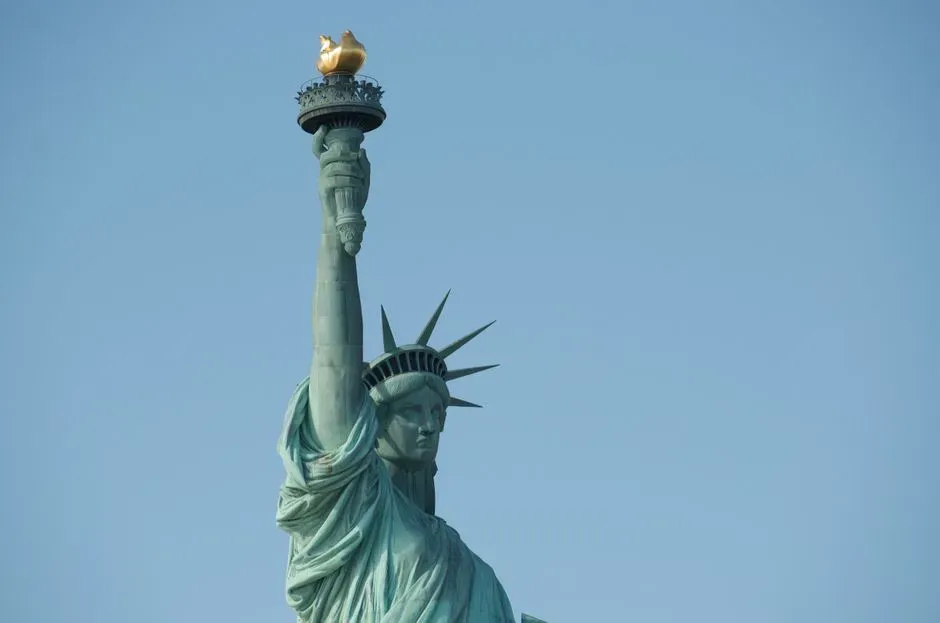
I will admit this plainly: as much as I love the idea of climbing into that torch and looking out over New York Harbor, I do not think we should ever reopen it. The mix of structural vulnerability, cramped access, and the risk of losing authenticity is just too much to ignore. Every time we push a historic monument to behave like a modern attraction, we gamble with something irreplaceable. In the case of the Statue of Liberty, that gamble is tied to a literal act of wartime sabotage that already pushed the structure closer to its limits than most people realize.
In a strange way, keeping the torch closed honors both its history and its symbolism. It reminds us that actions taken over a century ago still echo today, and that sometimes the most responsible thing we can do with the past is to preserve it, not upgrade it. We still get to climb into the crown, feel the statue move beneath us, and look out from the level of her gaze, which is already a rare privilege. The torch can remain what it has quietly become: a glowing promise you can see but never touch, asking a simple question every time you look up at it. How close do you really need to get to a symbol for it to mean something to you?