
The roar of rocket engines, the trembling earth beneath your feet, and a pillar of fire slicing through the sky—few human achievements have captured our imagination quite like the launch of a space shuttle. But as millions gazed upward in awe, something remarkable unfolded quietly on the ground below. The story of the space shuttle is not just one of technological marvel and exploration, but also of unexpected environmental consequences—both harmful and healing. From the potent chemicals that fueled its ascent to the surprising sanctuaries left behind for wildlife, the shuttle’s ecological legacy is complex, inspiring, and full of surprises. Let’s journey from the heart of the launch pad to the hidden havens that now flourish in its shadow.
The Birth of the Space Shuttle and Environmental Concerns
When the space shuttle program was conceived in the 1970s, environmental awareness was just beginning to enter the mainstream. Many worried that launching such massive vehicles would leave scars on the planet. The shuttle’s solid rocket boosters used a propellant mix containing ammonium perchlorate, a substance with the power to propel humans to orbit—and the potential to pollute air, soil, and water. As the engines ignited, clouds of exhaust billowed skyward, carrying not just steam but also acidic compounds and trace metals. Engineers and scientists scrambled to understand what these emissions would mean for the delicate ecosystems surrounding Cape Canaveral. Their findings would shape both rocket science and environmental stewardship for decades.
Rocket Fuel: Power and Pollution
The shuttle’s primary and solid rocket engines burned through staggering amounts of fuel. Liquid hydrogen and liquid oxygen powered the main engines, producing mostly water vapor. But the solid rocket boosters relied on a cocktail of chemicals, including aluminum powder and perchlorate, that produced hydrochloric acid as a byproduct. This acid rain occasionally scorched the immediate area, bleaching vegetation and altering the pH of local waters. Environmental monitoring teams measured spikes in acidity after launches, leading to new mitigation strategies. Over time, NASA adjusted launch procedures and developed cleanup protocols, striving to balance the need for exploration with the responsibility of environmental care.
The Impact on Air and Water Quality
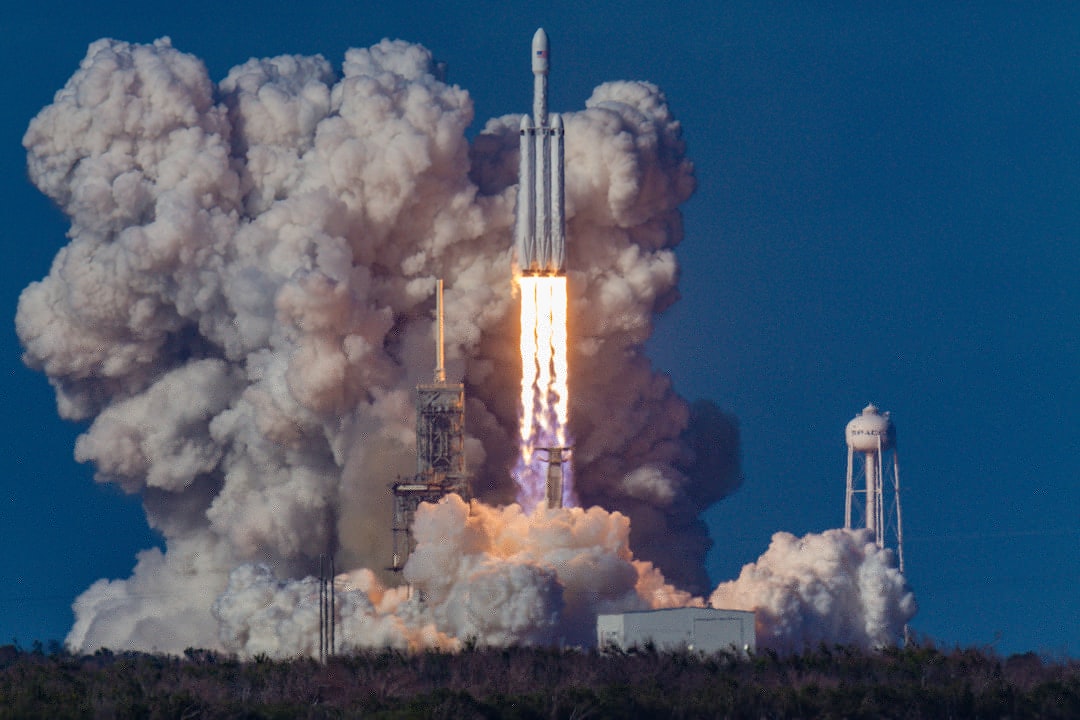
Each shuttle launch unleashed a sudden surge of emissions, temporarily altering air quality for miles around. Winds carried fine particles and gases, sometimes creating short-lived but intense “chemical weather” events. Rainfall after launches often showed higher concentrations of chlorine and metals. Scientists tracked these changes, collecting soil and water samples before and after launches to assess the impact. While most pollutants dissipated quickly, some lingered, settling in wetlands and waterways. This close monitoring helped guide future rocket programs and inspired stricter environmental standards for launches worldwide.
A Haven for Wildlife: The Paradox of the Launch Pad
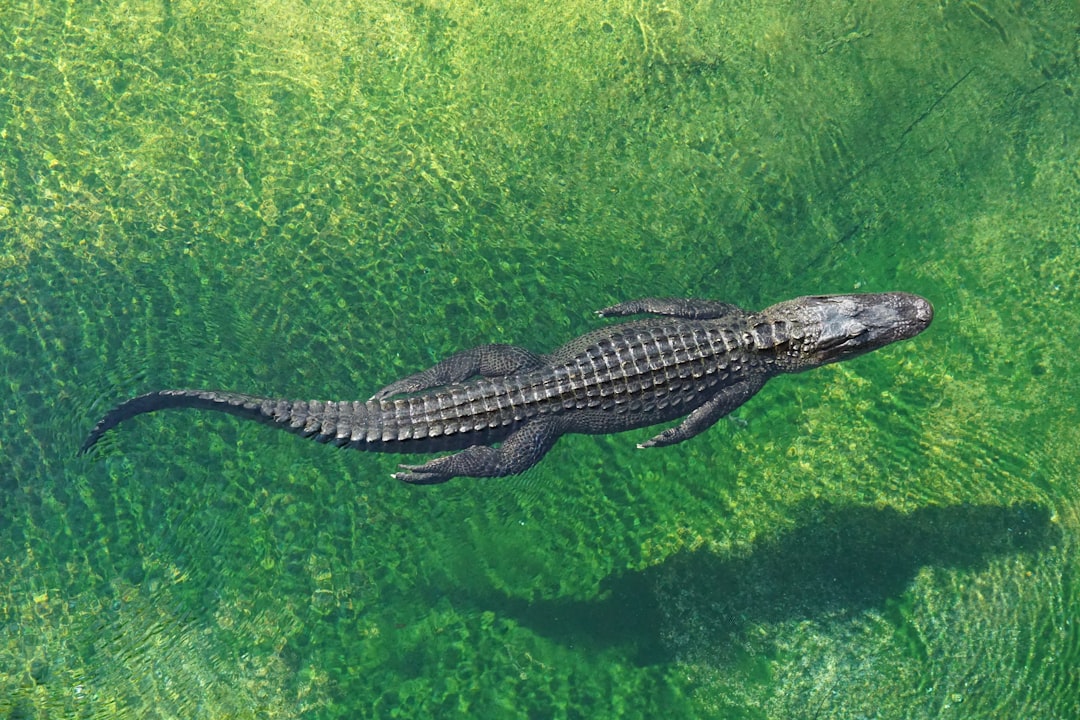
Perhaps the most astonishing twist in the shuttle’s story is what happened around the launch pads themselves. The vast safety zones, established to protect people from explosive accidents, also created an unintentional refuge for wildlife. With public access severely restricted, thousands of acres of Florida wetlands and coastal dunes were left undisturbed. Alligators basked in the sun beside launch towers. Endangered sea turtles nested on protected beaches. Migratory birds flocked to marshes that, for decades, remained untouched by development. This paradox—where the machinery of spaceflight preserved pockets of wild nature—remains one of the shuttle’s most surprising legacies.
The Creation of the Merritt Island National Wildlife Refuge
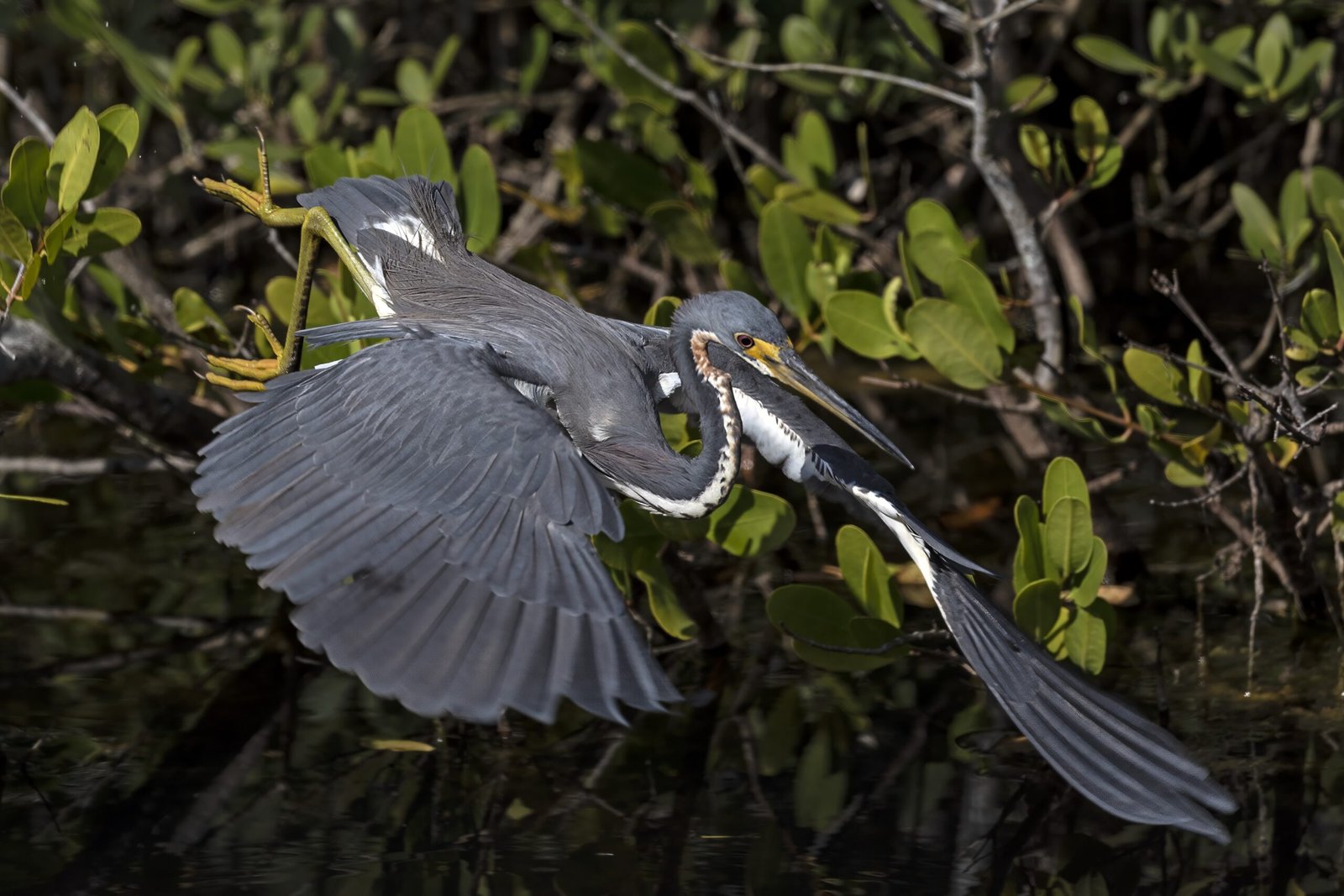
In 1963, years before the first shuttle ever flew, NASA set aside a massive expanse of land around Kennedy Space Center. This became the Merritt Island National Wildlife Refuge—a sanctuary now spanning over 140,000 acres. Here, more than 1,500 species of plants and animals thrive, from manatees gliding through lagoons to rare Florida panthers roaming the woods. The refuge is a living example of how technological progress and nature conservation can, against all odds, intersect. Its creation helped preserve vital habitats in a state where development often threatens wild spaces. Today, the refuge stands as a beacon of hope and a testament to the unexpected benefits of space exploration.
Endangered Species and Shuttle Launches
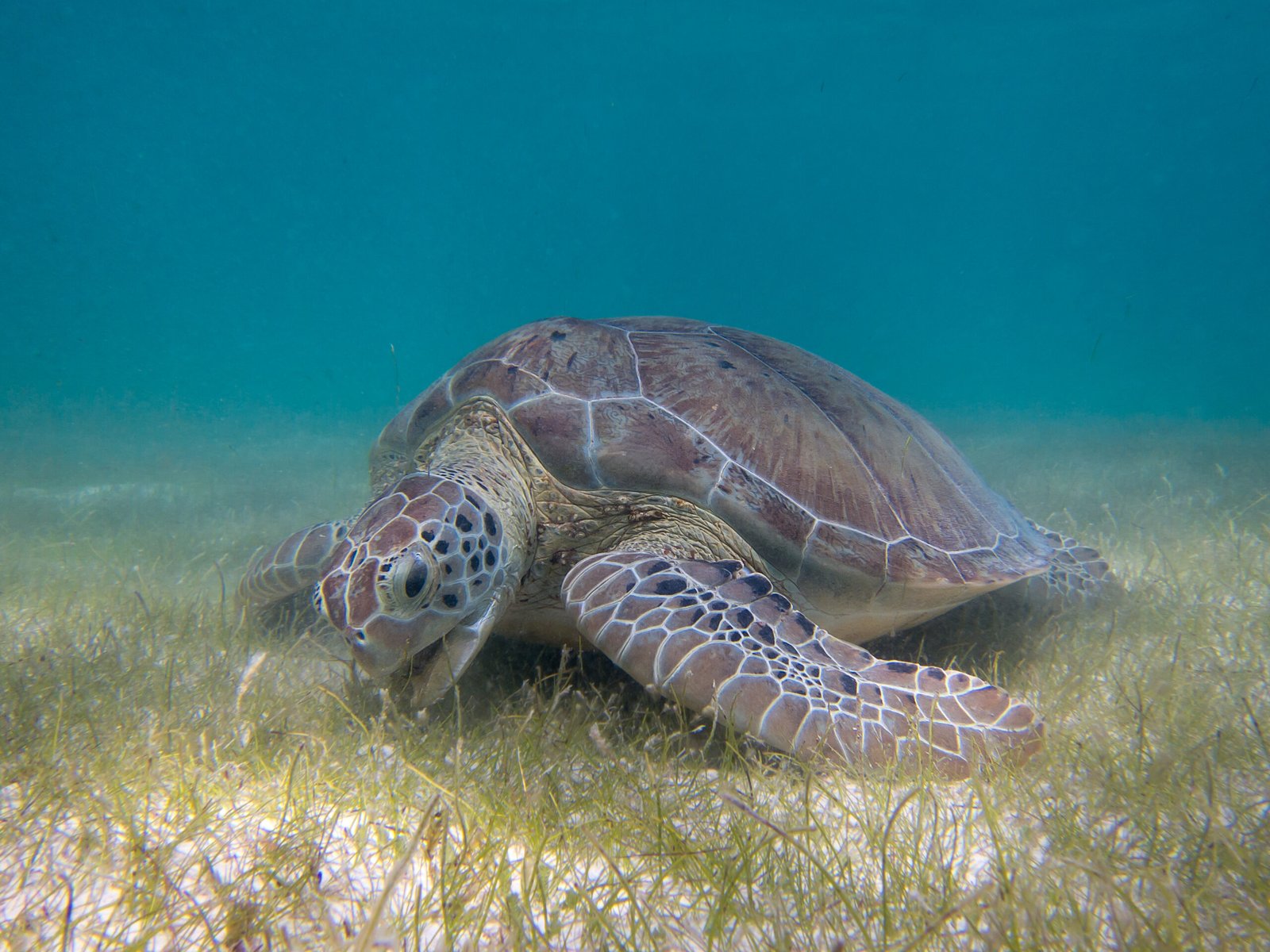
The shuttle’s presence brought new challenges for endangered species but also new protections. Loggerhead and green sea turtles, for example, nest on the very beaches adjacent to launch pads. Biologists and NASA worked hand-in-hand to minimize disturbance—timing launches outside of nesting seasons and using special lighting to avoid confusing hatchlings. The Florida scrub-jay, a rare and charismatic bird, found sanctuary in the refuge’s oak scrub. By restricting human access and managing habitats, shuttle operations inadvertently gave these vulnerable creatures a fighting chance. The shuttle program became a catalyst for innovative conservation techniques that continue to benefit wildlife today.
Mitigation Efforts and Environmental Monitoring

As awareness of environmental impacts grew, NASA ramped up efforts to monitor and mitigate harm. Specialized teams analyzed air, water, and soil samples after every launch, searching for traces of fuel residues and acid fallout. Buffer zones and water treatment systems were installed to reduce runoff. Controlled burns and habitat management kept invasive species at bay. These efforts were not always perfect, but they demonstrated a growing commitment to environmental responsibility. The lessons learned at Kennedy Space Center informed policies at other launch sites around the world, setting new standards for sustainable space exploration.
Lessons Learned for Future Space Missions
The ecological legacy of the space shuttle has become a blueprint for future space endeavors. As commercial rockets and new government programs take flight, the environmental lessons of the shuttle era are more relevant than ever. Today’s engineers design rockets with cleaner fuels and reusable technologies, aiming to reduce the footprint of every launch. Environmental impact assessments are now routine, not just in Florida but at launch sites globally. The shuttle program’s blend of caution, adaptation, and innovation offers a powerful reminder: exploration and stewardship must go hand in hand if we are to reach for the stars without losing our roots on Earth.
Public Awareness and the Power of Science Communication
Stories from the shuttle era have sparked a wider conversation about the relationship between science, technology, and the environment. Documentaries, museum exhibits, and educational programs bring these lessons to new generations. Visitors to Kennedy Space Center today are just as likely to marvel at the resident bald eagles and alligators as they are at retired shuttles. The blending of space history with natural history inspires curiosity and respect for both our technological achievements and the fragile ecosystems that surround them. This dialogue is vital for building a future where progress does not come at the expense of the planet.
Spaceports as Surprising Sanctuaries
The phenomenon witnessed at Kennedy Space Center is not unique. Across the globe, other spaceports have also become accidental wildlife refuges. In Kazakhstan, the Baikonur Cosmodrome’s vast steppes shelter rare antelope. In French Guiana, the European spaceport sits amid tropical rainforest teeming with life. Each site tells a similar story: the very zones set aside to keep people safe from rockets end up protecting animals and plants from the encroachment of modern life. Spaceports, it turns out, can be unlikely allies in the fight for biodiversity.
The Enduring Message: Balancing Progress and Preservation
The story of the space shuttle’s ecological legacy is ultimately one of balance—of fiery ambition tempered by humility before nature’s resilience. It reminds us that our greatest leaps forward can have consequences that ripple far beyond what we imagine. Yet, with foresight, science, and a willingness to adapt, even the most audacious human projects can leave behind a legacy of healing and hope. As we look to the future of space exploration, the lessons learned on the launch pads of Florida urge us to ask: How can we reach for the stars while also nurturing the wild beauty of Earth?