
At the frozen edge of our solar system, far beyond Pluto’s dim orbit, a quiet mystery is tugging at the paths of icy worlds – and at the imagination of astronomers. For more than a decade, strange patterns in the motions of distant objects have hinted that something massive may be lurking out there, unseen. This hypothetical world, often called Planet Nine, has never been photographed, yet its gravitational fingerprint keeps resurfacing in the data. Some scientists argue the case is now too strong to ignore; others insist the cosmos is simply tricking us with small-number statistics and observational bias. Caught between these possibilities, the search for Planet Nine has become one of the most gripping detective stories in modern astronomy.
The Hidden Clues at the Edge of the Solar System
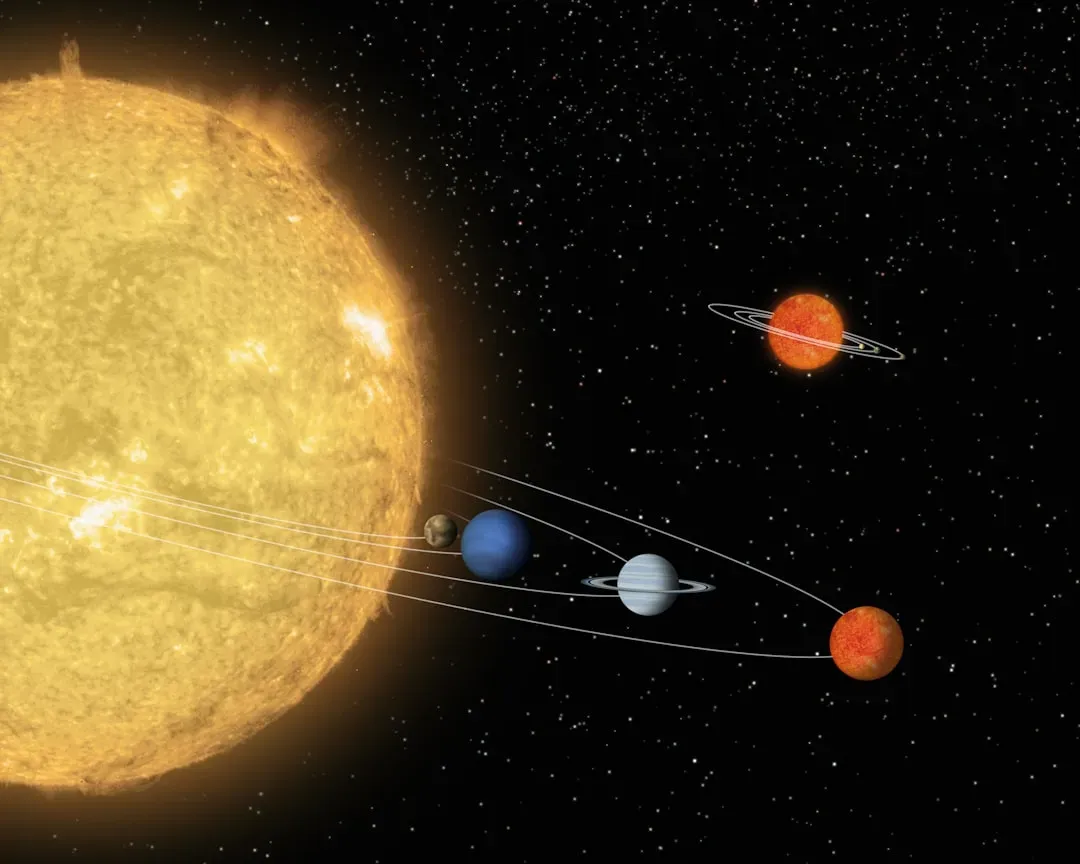
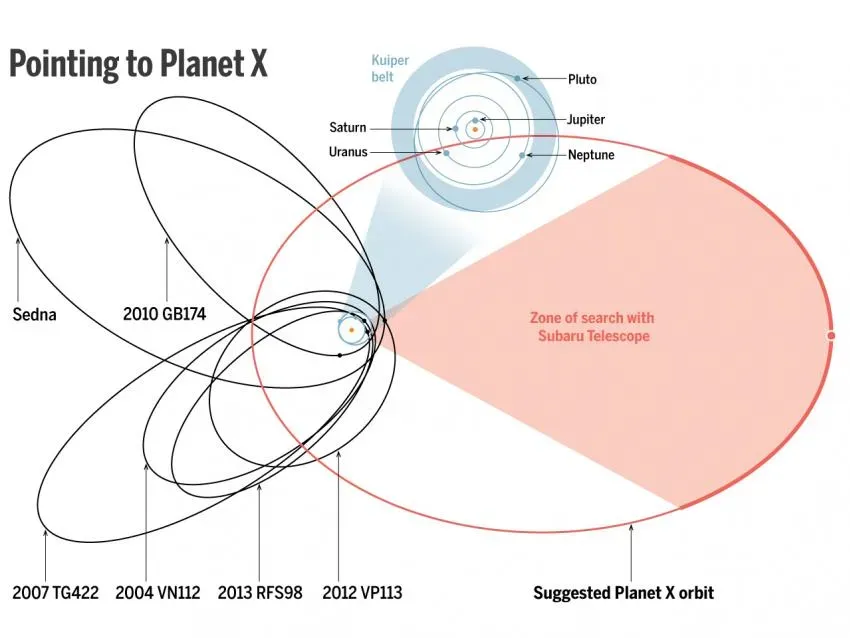
Picture a crime scene where the suspect never appears, but the furniture is clearly out of place – that is roughly how Planet Nine entered the conversation. Astronomers studying a small group of distant icy bodies, known as extreme trans-Neptunian objects, noticed that many of their elongated orbits seemed mysteriously clustered in space. This kind of alignment is not what you would expect if they were only being jostled by the known giant planets like Jupiter and Neptune. Instead, the pattern looked as if some unseen heavyweight was pulling the strings from far beyond. The effect is subtle, but in orbital dynamics, even a subtle pattern can be a smoking gun.
These clues sparked a wave of follow-up work, as research teams cross-checked catalogs and combed through data from sky surveys. Some studies strengthened the case that the orbits really are unusually aligned, while others argued that the pattern might arise from where and how we have looked so far. Astronomers have had to confront uncomfortable questions about their own blind spots: Are we seeing a real gravitational signal, or just the echo of incomplete data? The tension between those interpretations is exactly what makes the Planet Nine mystery so compelling. It is a puzzle sitting right on the boundary between discovery and illusion.
From Mathematical Ghost to Hypothetical Giant
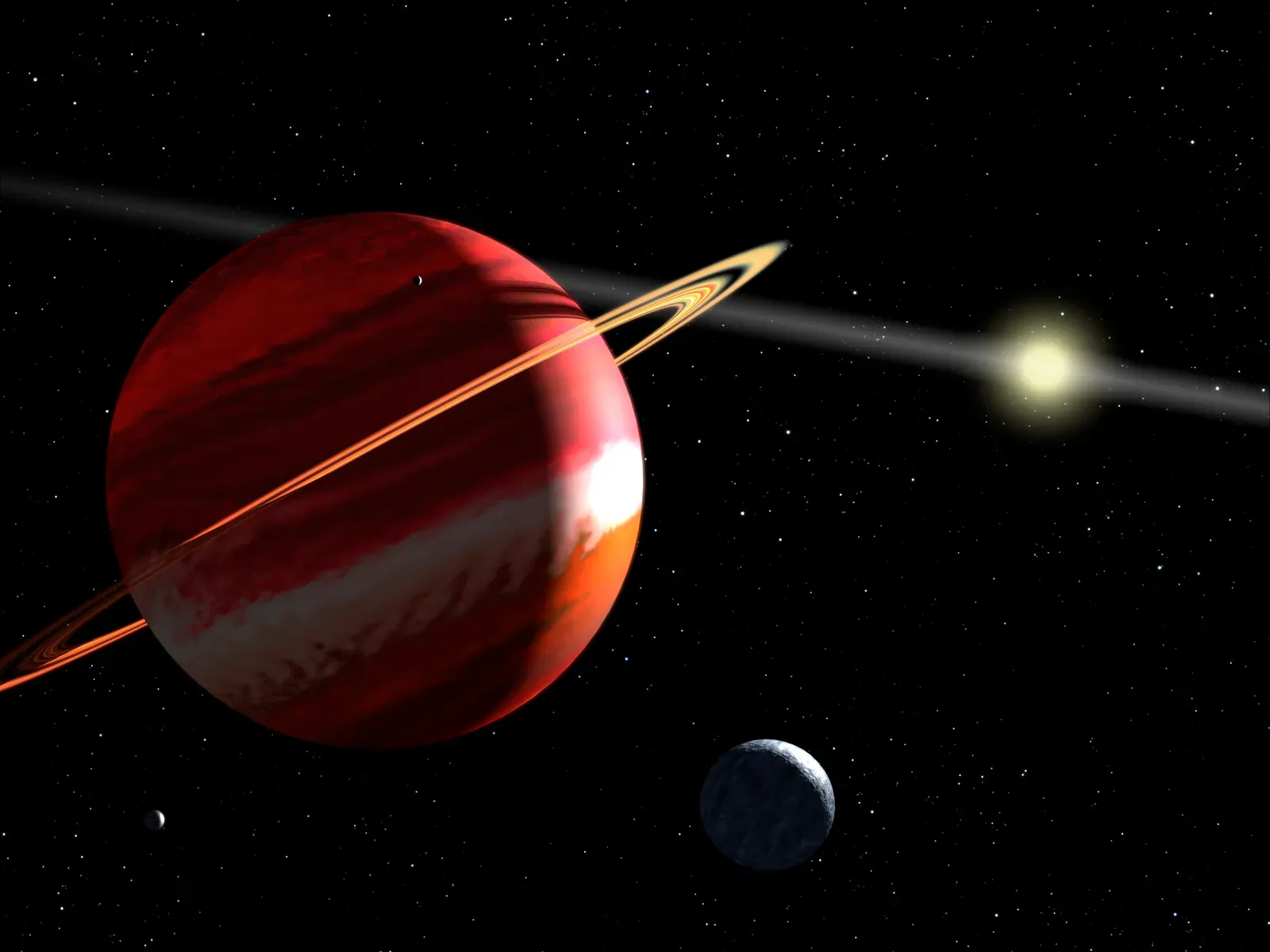
Unlike the early twentieth-century hunt that famously led to Pluto, the search for Planet Nine began on paper rather than through a telescope. Researchers used detailed computer simulations to ask what kind of distant planet could sculpt the observed orbits into their strange patterns. The best-fitting models suggested an object several times more massive than Earth, following an elongated, off-center path hundreds of times farther from the Sun than our planet. This is not a gentle tweak to the solar system but a profound reshaping of its outer architecture. On human timescales, such a world would crawl so slowly around the Sun that its position barely shifts over centuries.
In many ways, Planet Nine is a mathematical ghost: its properties are inferred, not observed. Astronomers debate how dense it might be, whether it would resemble a mini–Neptune with a thick atmosphere or a cold, stripped core. Some scenarios propose that it may have once formed alongside Uranus and Neptune before being flung outward by gravitational scuffles. Others suggest it could be a captured rogue planet, a wanderer from another star system that the Sun’s gravity trapped long ago. Each possibility reimagines a different version of our solar system’s childhood, and each one hangs on whether this ghost turns out to be real.
How We Are Actually Looking for Planet Nine
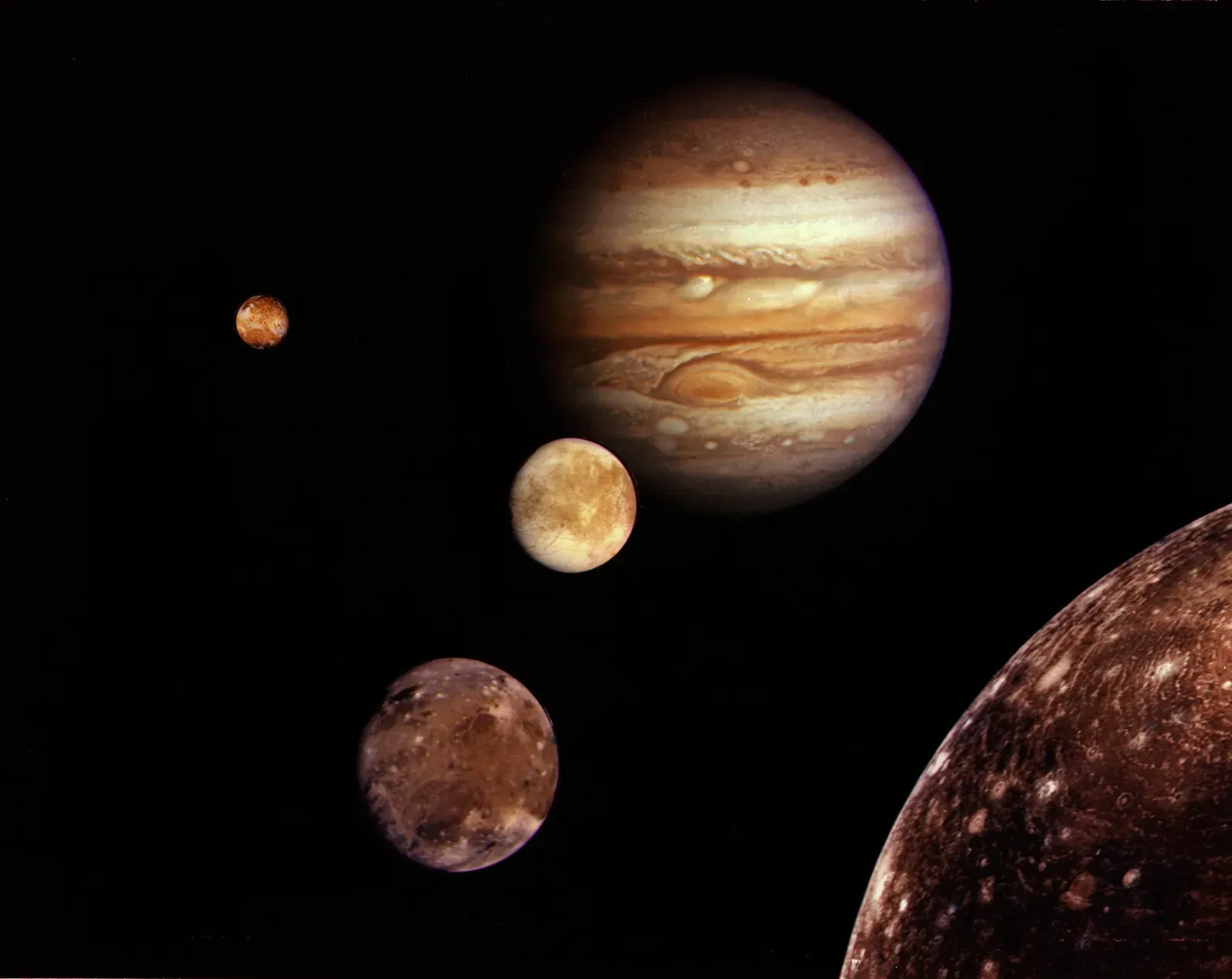
Searching for a hidden world in the outer solar system is not as simple as pointing a telescope and hoping for the best. If Planet Nine exists, it would be incredibly faint, shining only by reflected sunlight that is weakened by enormous distance. Astronomers have to sift through huge swaths of the sky, pixel by pixel, looking for tiny, slow-moving points of light. Many of the same surveys that were designed to find near-Earth asteroids or distant supernovae are now being repurposed, in part, for this deeper, colder quarry. It is a bit like searching for a firefly in a stadium that only lights up for a split second every few hours.
To make matters trickier, the region where Planet Nine might hide is crowded with background stars and distant galaxies. Astronomers often rely on repeated imaging, comparing pictures of the same patch of sky taken days, weeks, or months apart to see what has moved. Sophisticated software flags candidate objects, but humans still have to vet the results, rejecting artifacts, cosmic rays, and ordinary asteroids. Large telescopes in Chile and Hawaii have already ruled out Planet Nine in some parts of the sky, gradually shrinking the space where it could be lurking. Future surveys will sharpen this process even further, but for now, the search remains a slow, methodical sweep through cosmic darkness.
What If Planet Nine Does Not Exist?
The most uncomfortable possibility in any scientific hunt is that the quarry simply is not there. Some astronomers argue that the clustering of distant orbits could be explained by observational bias: we are more likely to find objects in certain regions of the sky, so the apparent pattern is a reflection of where we have looked, not of what the universe truly looks like. Others have proposed that the gravitational influence of the wider galaxy, or past stellar flybys, could subtly shape the outer solar system without requiring a hidden planet. These alternative explanations might feel less romantic, but they are a healthy reminder that nature often prefers messy complexity over tidy narratives. In this view, Planet Nine becomes a cautionary tale about falling in love with elegant theories.
If Planet Nine is ultimately ruled out, the story will still matter, just in a different way. The debate has pushed astronomers to gather better data on the distant solar system than ever before, improving models of how icy bodies move and evolve. It has forced the community to examine their detection biases and test new statistical methods. Even a non-detection can sharpen tools that will be used in other contexts, from studying exoplanets to mapping dark matter. The absence of a hidden world would not mean the mystery was wasted effort; it would simply mean the universe chose a different, more complicated solution.
Why It Matters Far Beyond One Mystery Planet
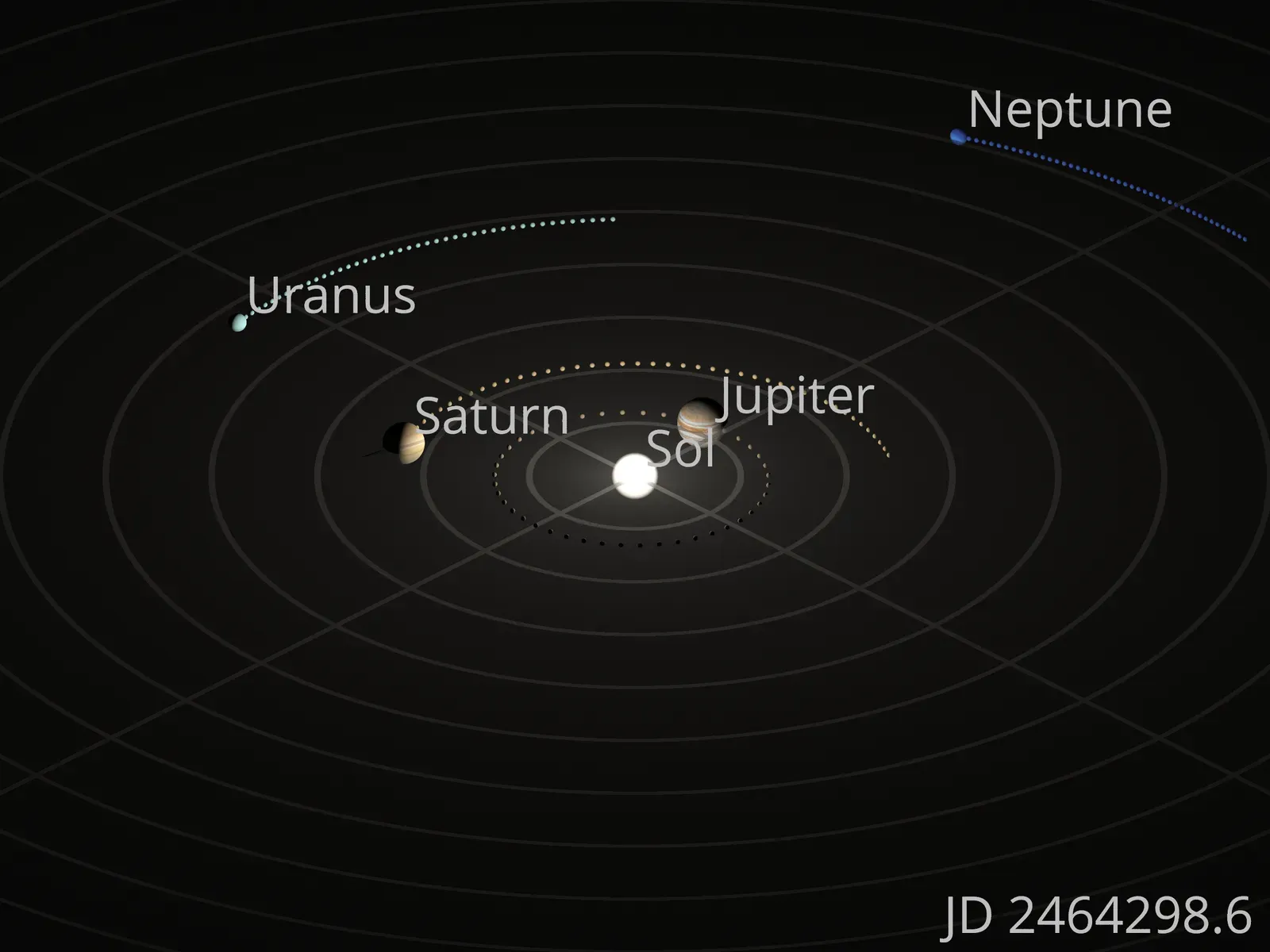
At first glance, whether there is an extra planet lurking far beyond Neptune might sound like a niche question. But the implications touch on some of the biggest themes in planetary science: how solar systems form, how they evolve, and how common certain architectures might be around other stars. Many exoplanet systems discovered in recent decades host so-called super-Earths and mini-Neptunes, planets a few times more massive than our own, orbiting surprisingly close to their stars. If Planet Nine exists and turns out to be a similar type of world, it would suggest our solar system secretly shares a trait with many of its neighbors. That would blow a hole in the idea that our planetary lineup is uniquely odd.
There is also a deeper psychological element to why Planet Nine matters. The discovery of Uranus, then Neptune, then Pluto each stretched the boundary of the known solar system and reshaped our sense of place. The recent reclassification of Pluto as a dwarf planet reminded the public that scientific categories are not fixed; they evolve with evidence and understanding. Finding – or definitively not finding – Planet Nine would be another such pivot point. It would either reveal that we missed a major world right under our cosmic nose or confirm that we have finally mapped the major players. In both cases, our mental picture of home would change a little, and that change is part of the story of science itself.
The Future Landscape of the Planet Nine Hunt
The next decade promises to be decisive for the Planet Nine question, thanks to a new generation of sky surveys. One of the most anticipated is the Vera C. Rubin Observatory’s Legacy Survey of Space and Time, expected to begin full operations in the late 2020s. It will scan the southern sky again and again over many years, building a dynamic movie of faint, moving objects. If a Planet Nine–like world is out there within its detection limits, this survey has a strong chance of spotting it. Even if it does not, the resulting catalog of distant icy bodies will make tests of the orbital clustering argument far more robust than today.
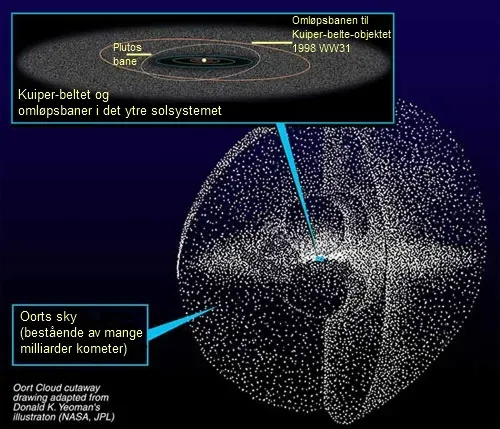
Other telescopes, from infrared observatories in space to specialized instruments on the ground, will join the effort by probing wavelengths where a cold, distant planet might stand out. Theoretical work will also continue, refining models of how such a planet would have influenced the Kuiper Belt and the inner Oort Cloud over billions of years. Alongside Planet Nine, researchers are exploring more exotic possibilities, such as smaller multiple planets or entirely different mass distributions in the outer solar system. Each new dataset will either tighten the noose around the idea or breathe new life into it. One way or another, the era of vague hints is likely to give way to a clearer verdict.
The Human Side of a Cosmic Treasure Hunt
Behind every news headline about a possible hidden planet is a small army of people pulling late nights over noisy data. Graduate students write code that combs through millions of images, hoping their algorithm will be the one that flags something truly strange. Senior scientists argue in conferences and journal articles, sometimes passionately, about the strengths and weaknesses of the evidence. Careers are partly staked on interpreting a handful of icy orbits correctly, which adds a very human tension to what can sound like an abstract celestial puzzle. The search is not just about numbers; it is about the thrill and risk of chasing something that might not exist.
I remember the first time I zoomed in on a digital sky image where an astronomer pointed out a faint, moving dot that might be a distant world. It looked utterly unimpressive, just a speck among specks, and yet the excitement in the room was almost electric. That is the paradox of this kind of work: the emotional stakes are huge, but the evidence is painfully subtle. Whether Planet Nine is eventually confirmed or disproved, the process is already shaping how a generation of researchers thinks about uncertainty and bold ideas. In that sense, the hunt itself is a kind of training ground for future discoveries we cannot yet imagine.
How You Can Follow and Support the Search
The search for Planet Nine may unfold in distant observatories, but it is surprisingly easy to follow – and even support – from home. Many observatories and survey projects share updates, animations, and images through public-facing websites and social platforms, offering a window into the process as it happens. Some citizen science platforms occasionally host projects that invite volunteers to help spot moving objects in archival sky images, turning the hunt into a kind of global treasure game. Even a casual habit of checking in on new results can give a sense of how slow, cautious, and exciting real discovery can be all at once. It is a reminder that science is not just about final answers; it is about watching the questions evolve in real time.
If you are curious to go a bit deeper, you can explore educational resources on planetary formation, exoplanets, and the Kuiper Belt to see how Planet Nine fits into the larger puzzle. Supporting science journalism, museums, and public observatories helps keep these stories accessible and well explained, especially for younger audiences who might grow up to lead the next big search. And perhaps most simply, you can keep the conversation alive – by asking skeptical questions, sharing new findings responsibly, and embracing uncertainty as part of the adventure rather than a flaw. Our map of the solar system is still being drawn, and public curiosity is one of the quiet forces that keeps that work moving. Somewhere beyond Neptune, the sky holds its secrets whether we look or not; the choice to keep looking is the part that is up to us.
Suhail Ahmed is a passionate digital professional and nature enthusiast with over 8 years of experience in content strategy, SEO, web development, and digital operations. Alongside his freelance journey, Suhail actively contributes to nature and wildlife platforms like Discover Wildlife, where he channels his curiosity for the planet into engaging, educational storytelling.
With a strong background in managing digital ecosystems — from ecommerce stores and WordPress websites to social media and automation — Suhail merges technical precision with creative insight. His content reflects a rare balance: SEO-friendly yet deeply human, data-informed yet emotionally resonant.
Driven by a love for discovery and storytelling, Suhail believes in using digital platforms to amplify causes that matter — especially those protecting Earth’s biodiversity and inspiring sustainable living. Whether he’s managing online projects or crafting wildlife content, his goal remains the same: to inform, inspire, and leave a positive digital footprint.