Whiskers twitch in the twilight. A shadow melts into heather and bracken, vanishing as quickly as it appeared. For centuries, people of the Scottish Highlands have whispered about this elusive creature—the Scottish wildcat. Is it a true phantom of wild places, an untamed spirit clinging to the last scraps of wilderness? Or is it, heartbreakingly, a fading relic—its bloodline diluted by domestic cats, its very identity slipping through our fingers? The story of the Scottish wildcat is as much about mystery and legend as it is about hard science and urgent conservation. Let’s step into the misty glens and tangled woods to unravel the secrets of Britain’s rarest mammal.
The Ancient Lineage: A Feline Older Than the Highlands
The Scottish wildcat’s roots run deeper than the hills it prowls. It belongs to a lineage stretching back more than 10,000 years, descending from the European wildcat (Felis silvestris silvestris) that roamed across Ice Age landscapes. When glaciers retreated and forests spread, these fierce little predators established themselves in Britain, long before humans arrived in any number. Over centuries, they adapted to the rugged, rain-soaked world of Scotland, growing bushier tails and thicker fur to survive the harsh climate. Their presence is not just a quirk of evolution—it’s a living link to ancient wildness, a reminder of a time when great forests blanketed the land.
Appearance: More Than Just a Striped Tabby
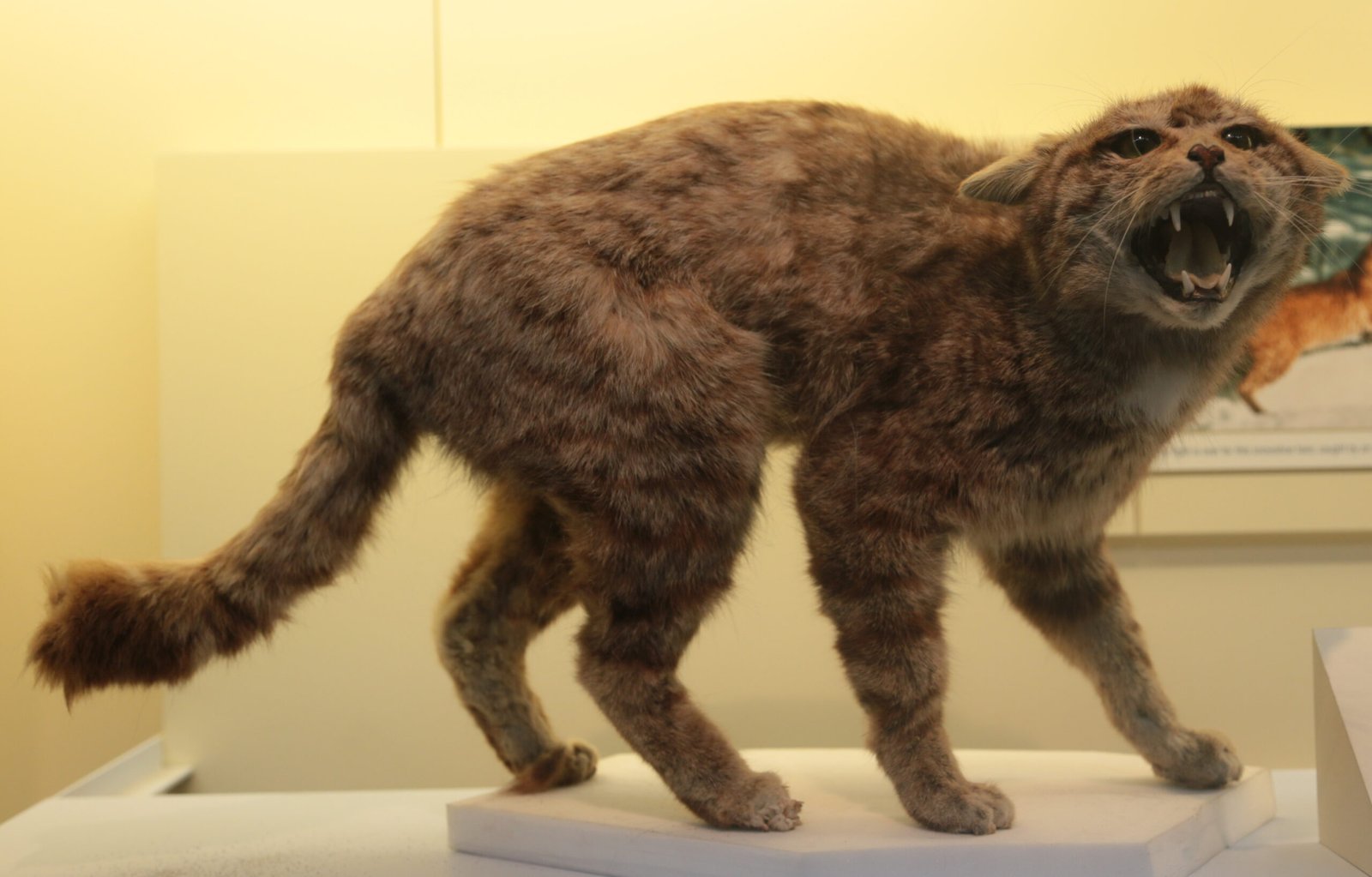
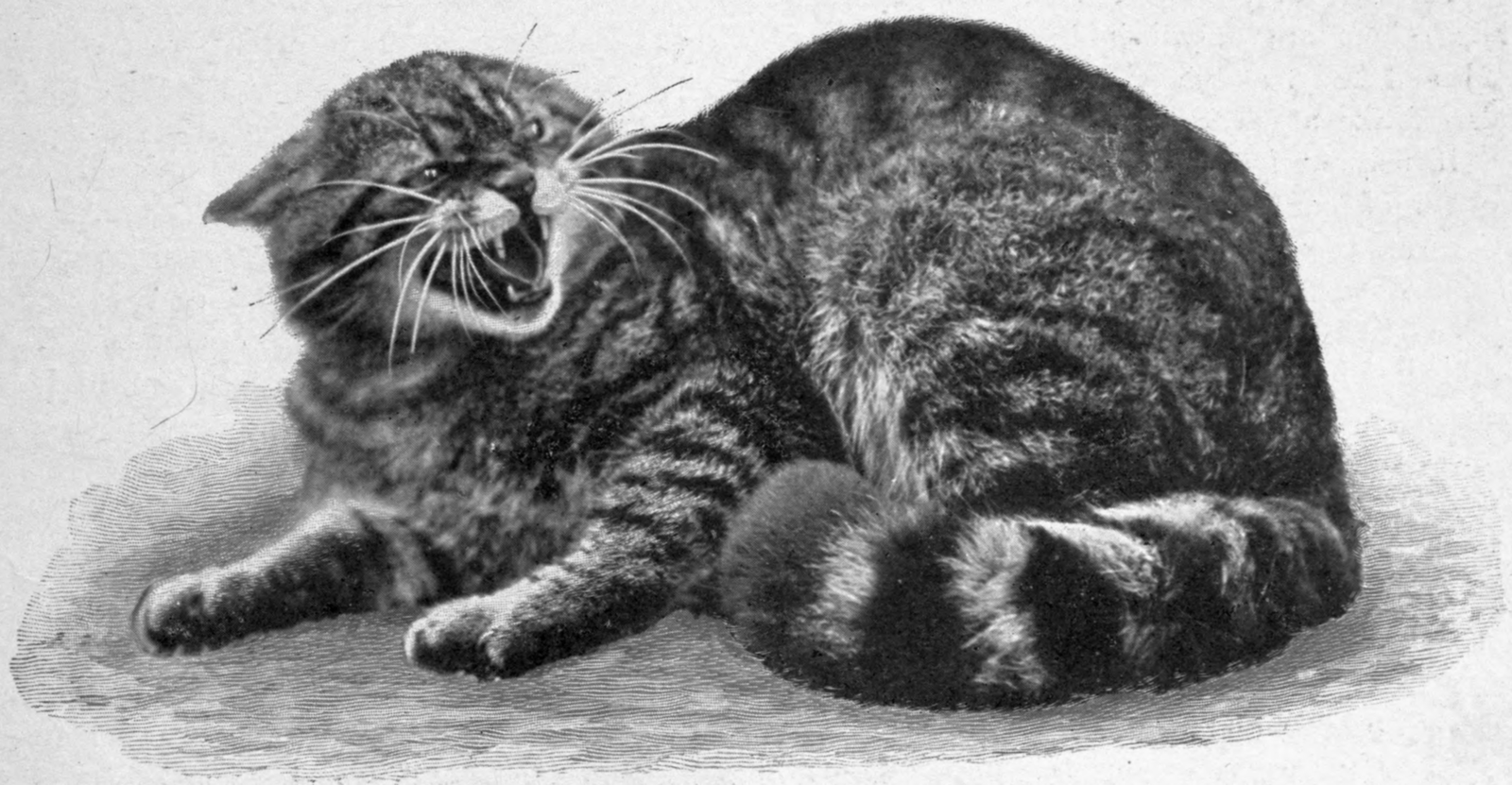
At first glance, a Scottish wildcat might look like a large, muscular tabby cat. But look again, and the differences leap out. Its bushy, blunt-tipped tail is boldly ringed and capped with black, unlike the thin, tapering tail of a domestic cat. Its body is powerful, legs thick, and its face broad with a fierce, almost scowling expression. The fur is dense, with rich brown and grey stripes—no white anywhere except under the chin. These features are more than cosmetic. They’re the wildcat’s armor against cold winters and the camouflage that keeps it hidden from both prey and human eyes.
Ghost Cat Legends: Folklore and Fear
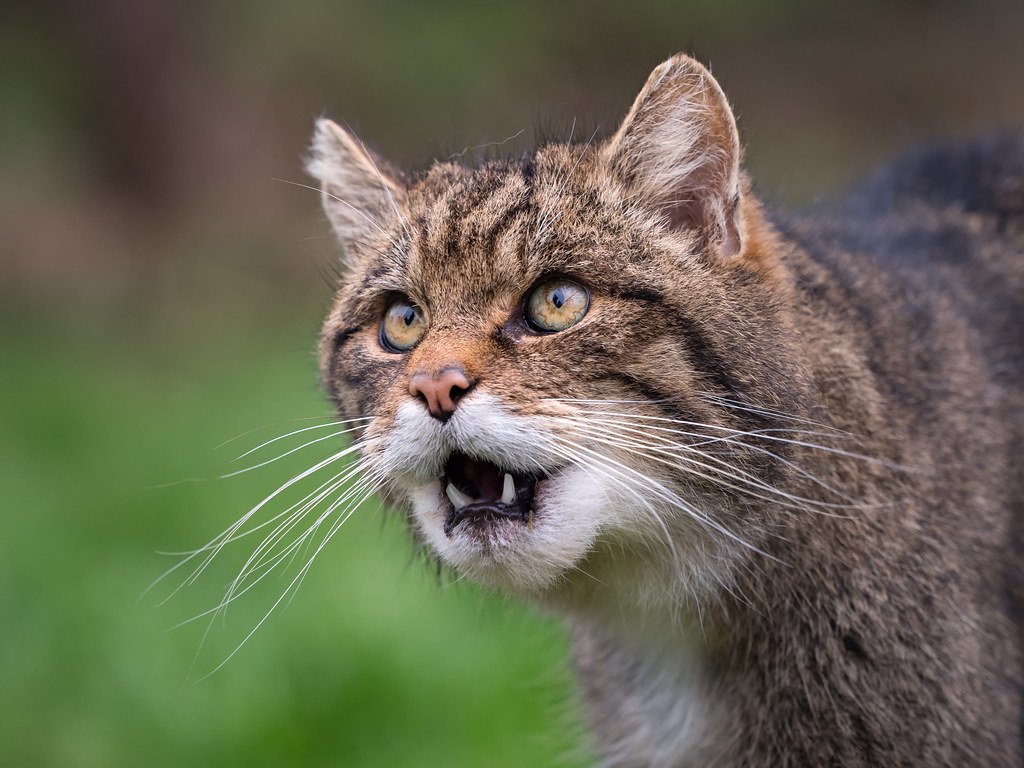
For generations, the Scottish wildcat has haunted the imagination of Highlanders. Known as the “Highland tiger,” it was both respected and feared—a creature of myth as much as reality. Old tales tell of wildcats that could not be tamed, beasts that would fight to the death if cornered. Some stories claim a wildcat’s fury could curse a hunter’s luck or bring storms. Even today, some locals swear by sightings of cats as big as dogs, eyes glowing in the dusk. Whether these tales are exaggeration or truth, they show the wildcat’s power as a symbol of untamed nature in a tamed world.
Habitat: Hidden in the Heart of the Highlands
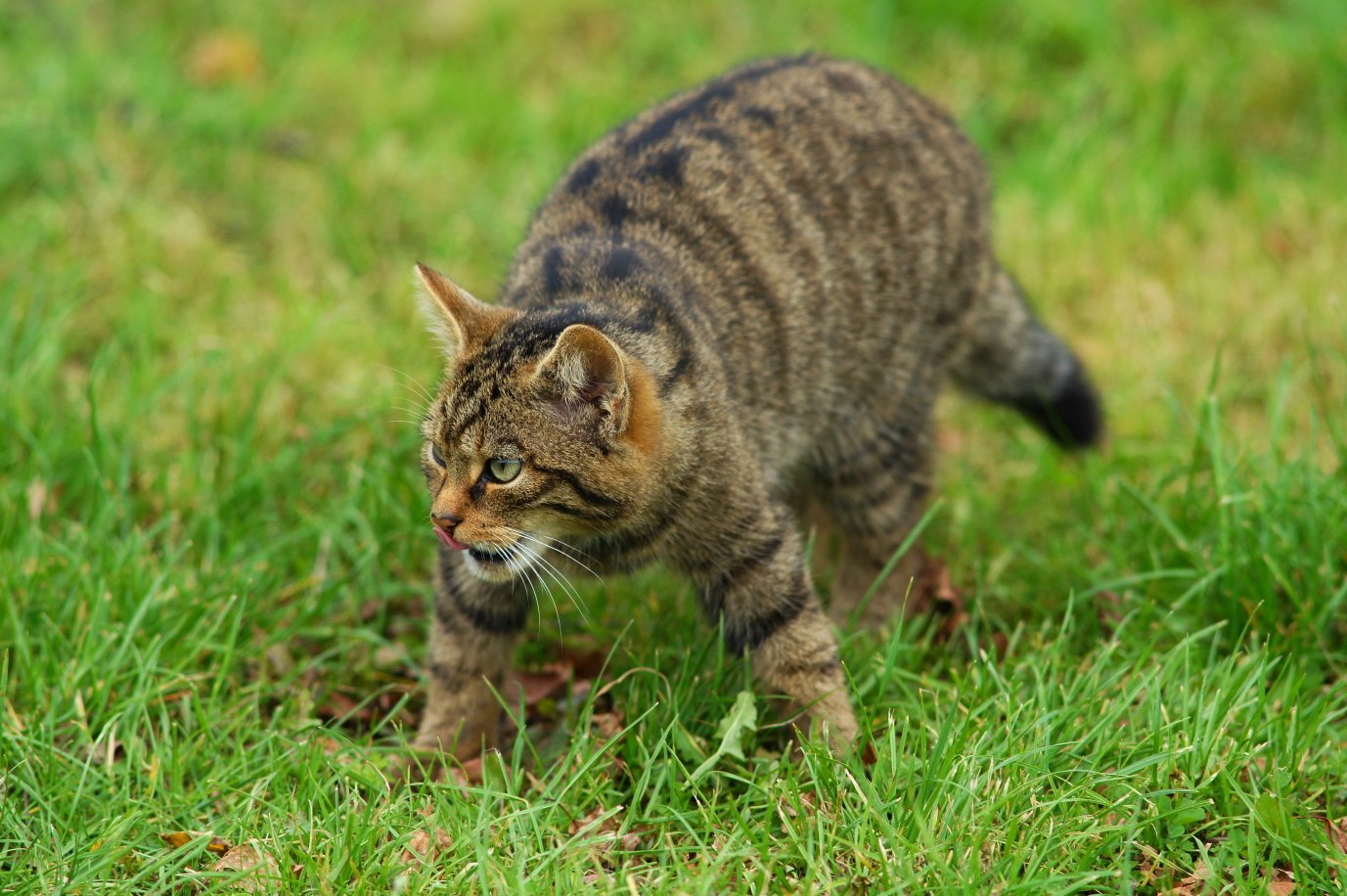
Scottish wildcats are creatures of deep cover. They favor dense woodlands, tangled scrub, and rocky outcrops—places where human feet rarely tread. Their remaining strongholds are the remote glens and forests of northern and eastern Scotland, especially the Cairngorms and the wild stretches of Sutherland. Here, they hunt rabbits, voles, and birds, stalking silently through the undergrowth. Their territories are vast—up to several square miles—because food is scarce and competition is fierce. The wildcat’s need for solitude and secrecy is both its shield and, in a shrinking world, its curse.
Diet and Hunting: The Perfect Predator
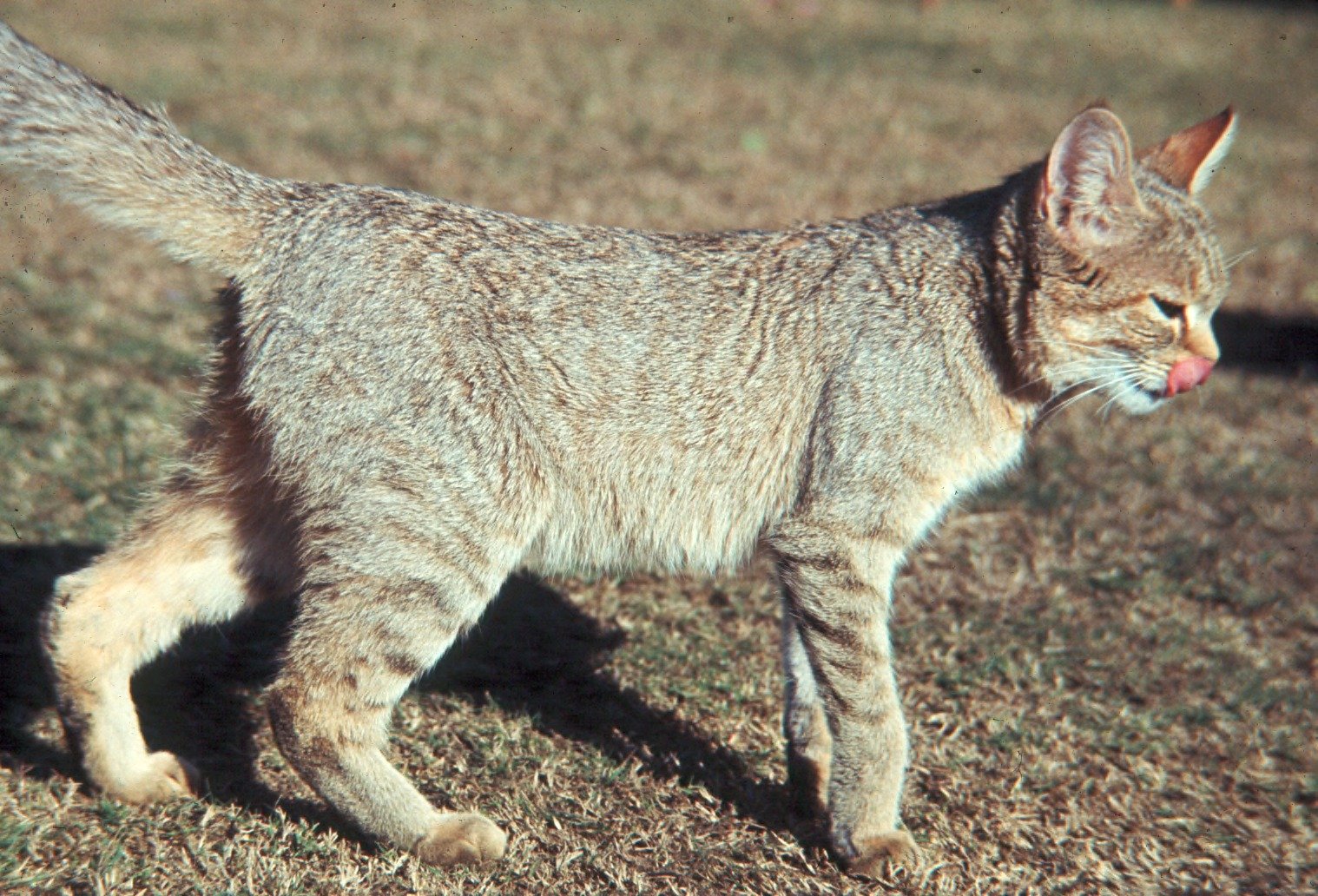
The Scottish wildcat is a master hunter. Unlike domestic cats that may play with their food, wildcats are all business. They rely on stealth and explosive speed, creeping close before pouncing on unsuspecting rabbits or rodents. In times of hunger, they’ll take birds, frogs, even insects. Their diet shifts with the seasons and the whims of nature—when rabbits are scarce, they’ll scavenge or hunt whatever they can find. This flexibility is a testament to their wildness, but it also means they’re especially vulnerable when prey populations crash or habitats are disturbed.
Reproduction and Family Life: Raising the Next Generation
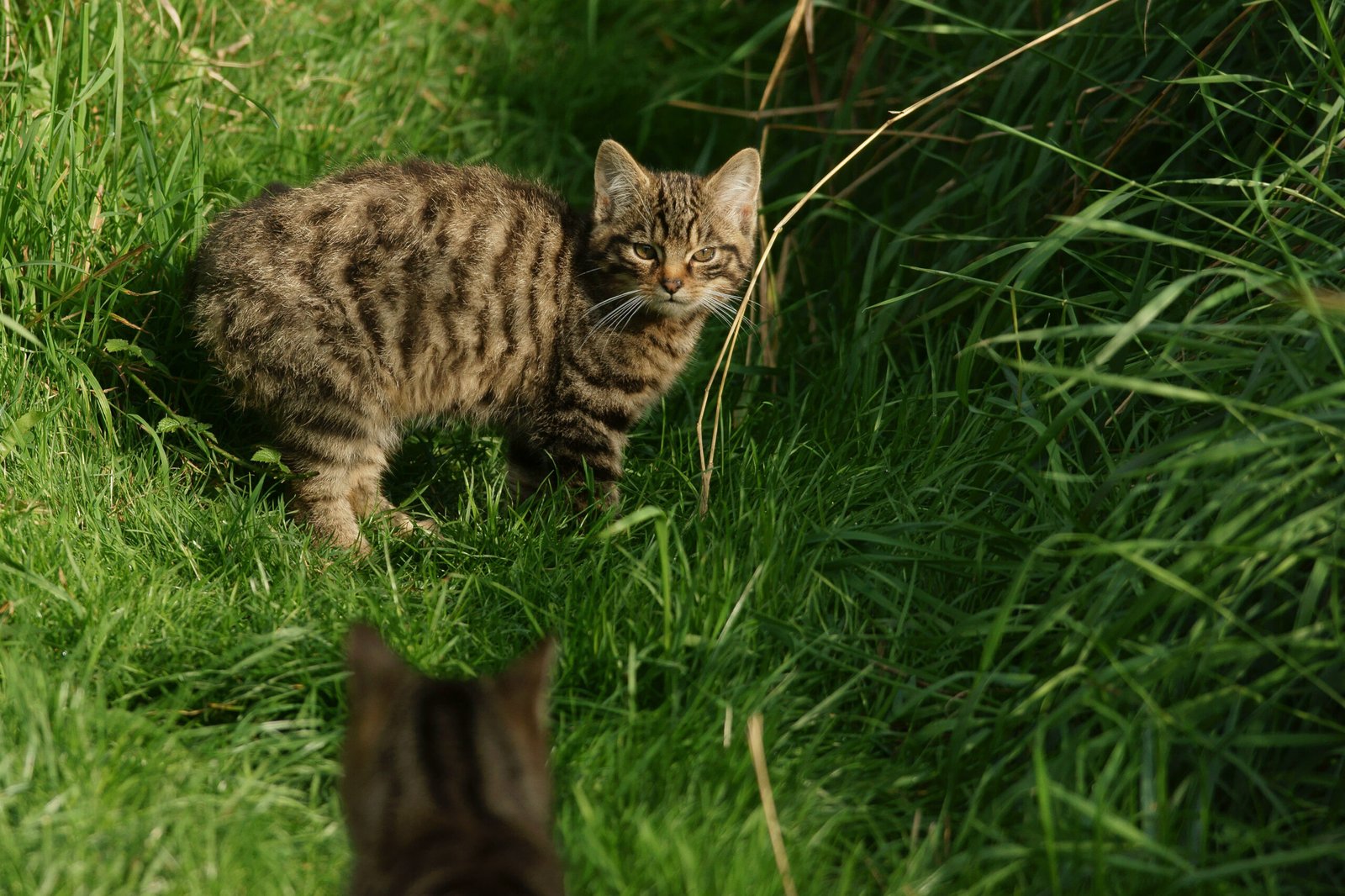
Spring brings a frenzy of activity to the wildcat’s world. Mating season is a time of fierce competition, with males roaming miles to find a mate. Females give birth in hidden dens—often hollow logs, rocky crevices, or abandoned burrows. Litters are usually two to four kittens, born blind and helpless. For weeks, the mother guards them fiercely, teaching them the skills needed to survive in a world full of threats. By autumn, young wildcats venture out on their own, learning the hard lessons of independence. Few survive their first year, but those that do are tough as the mountains themselves.
Human Encounters: From Persecution to Protection
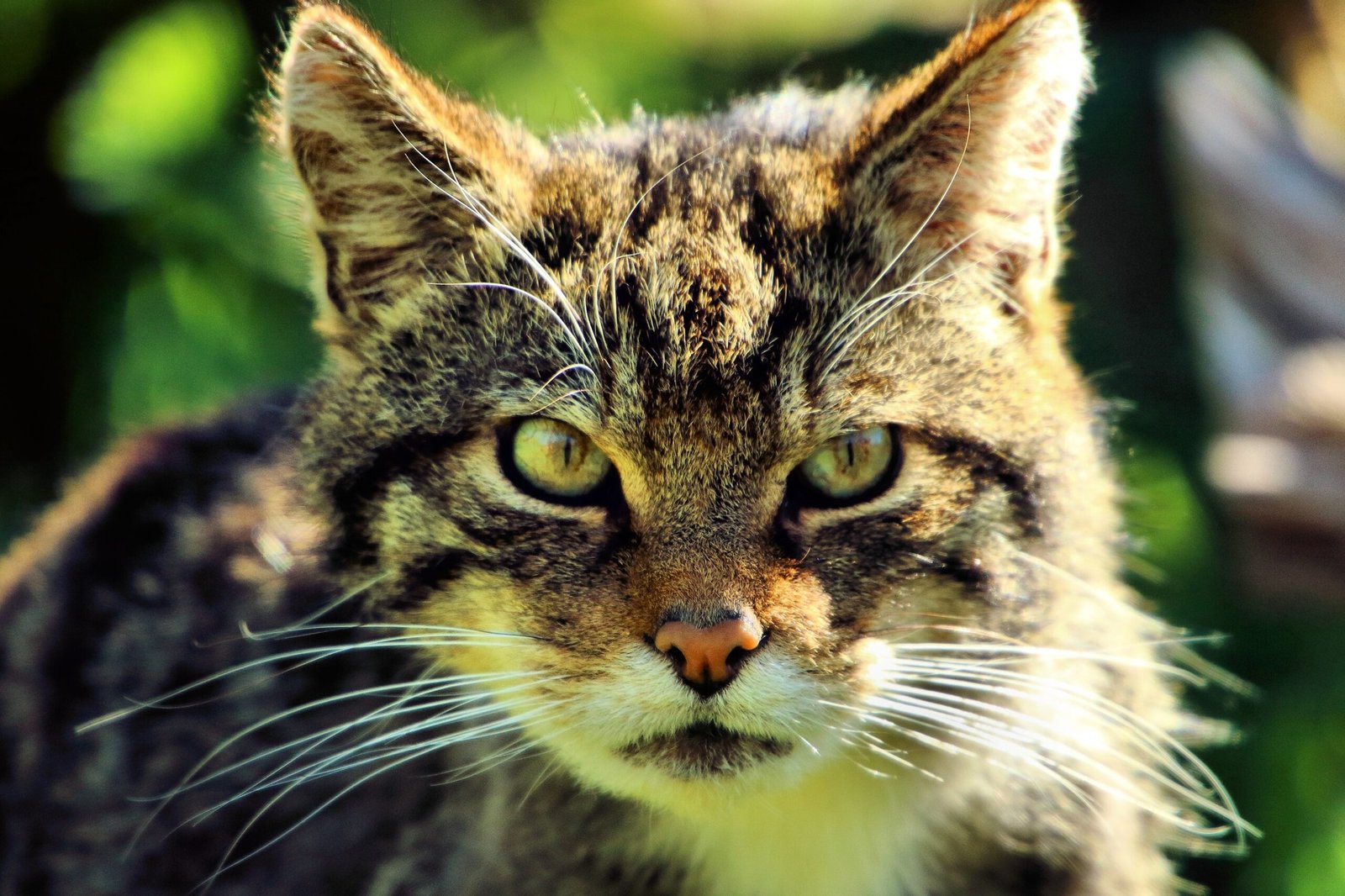
Historically, Scottish wildcats were hunted as vermin. Gamekeepers and farmers saw them as threats to livestock and game birds, and bounties were paid for their pelts. By the early 20th century, wildcat numbers had plummeted. Attitudes have since changed dramatically. Today, many Scots regard the wildcat as a national treasure—an emblem of untamed spirit. Conservation groups and government agencies have rallied to protect remaining populations, but old fears die hard. Despite legal protection, illegal trapping and accidental killing by snares still threaten these elusive cats.
Genetic Threats: The Hybridization Crisis
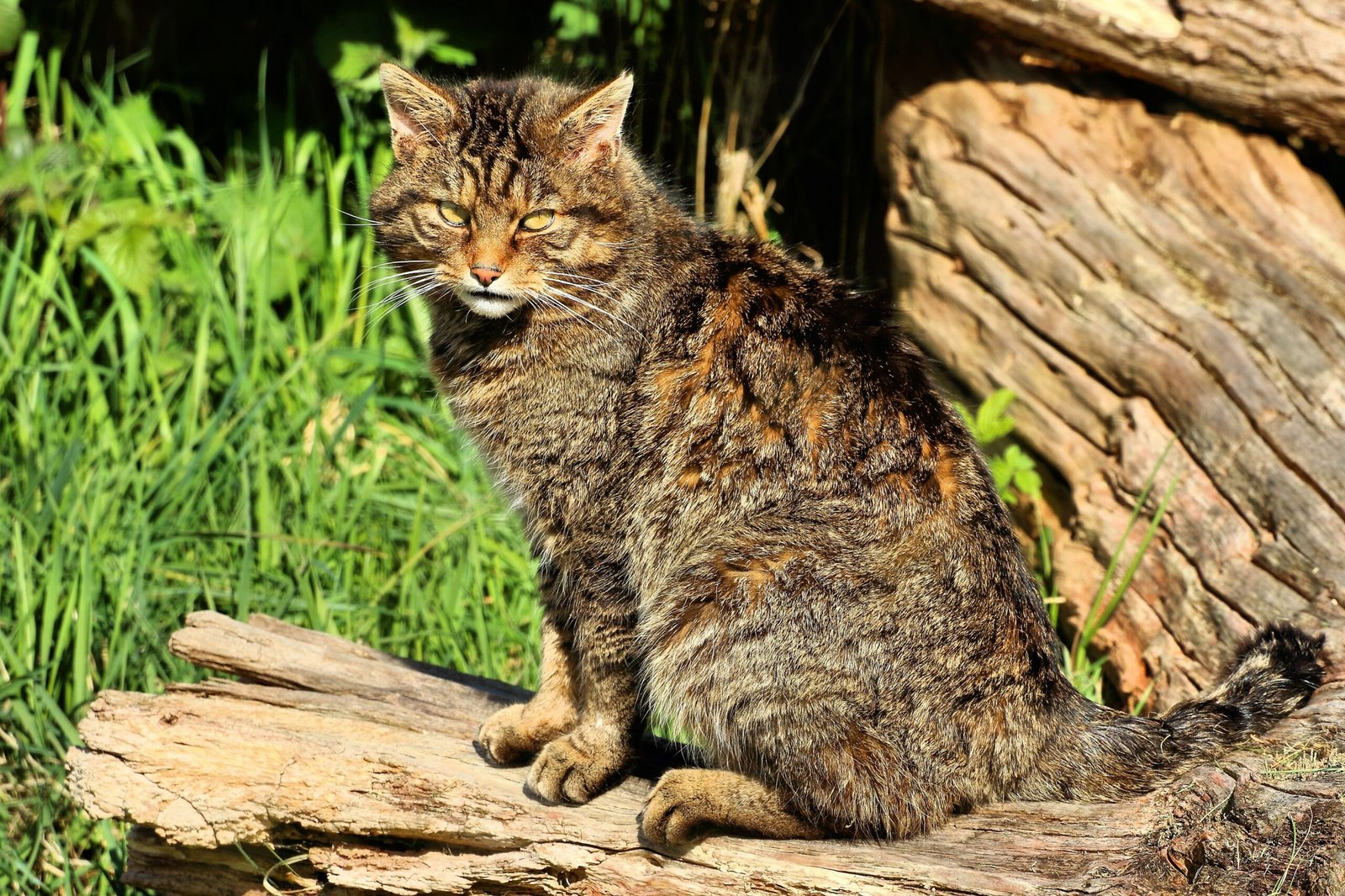
The greatest danger facing the Scottish wildcat is not habitat loss or hunting, but something far subtler—hybridization with domestic cats. As rural areas became more settled and feral cats spread, wildcats began to interbreed with their tamer cousins. This mixing of genes blurs the boundaries between wild and domestic, making it increasingly hard to tell a “true” wildcat from a hybrid. Scientists now believe that almost all wildcats in Scotland carry some domestic cat genes. It’s a genetic puzzle with no easy answers, and it raises the haunting question: can we save the wildcat, or only its memory?
Conservation Efforts: Racing Against Time
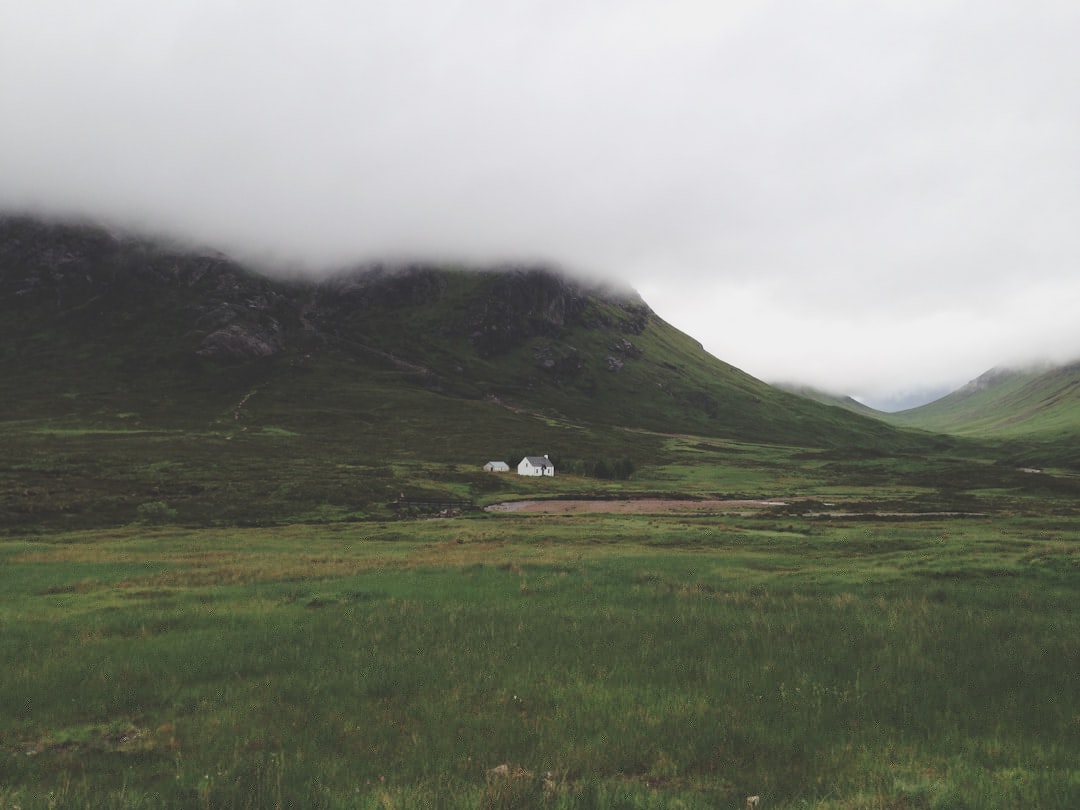
Conservationists are working desperately to save the Scottish wildcat. Projects like “Saving Wildcats” have set up captive breeding programs, carefully selecting individuals with the least domestic ancestry. These cats are bred in secure enclosures, away from the threat of hybridization, with the hope of one day releasing their offspring back into the wild. Field teams work to trap, neuter, and vaccinate feral domestic cats in wildcat habitats to reduce the risk of interbreeding and disease. The clock is ticking, and every kitten born represents both hope and uncertainty for the species’ future.
Science at Work: Detecting the True Wildcat

Identifying a pure Scottish wildcat is harder than it sounds. Scientists use a combination of physical traits and genetic testing to distinguish wildcats from hybrids. They measure tail rings, fur markings, and skull shape, but these features can be misleading. DNA analysis has become the gold standard, revealing the hidden story in each cat’s genes. But even genetics is not foolproof—decades of hybridization mean few, if any, cats are truly “pure.” This scientific detective work is vital not just for conservation but for understanding what it means to be wild in a world full of boundaries.
Captive Breeding: Building a Lifeline
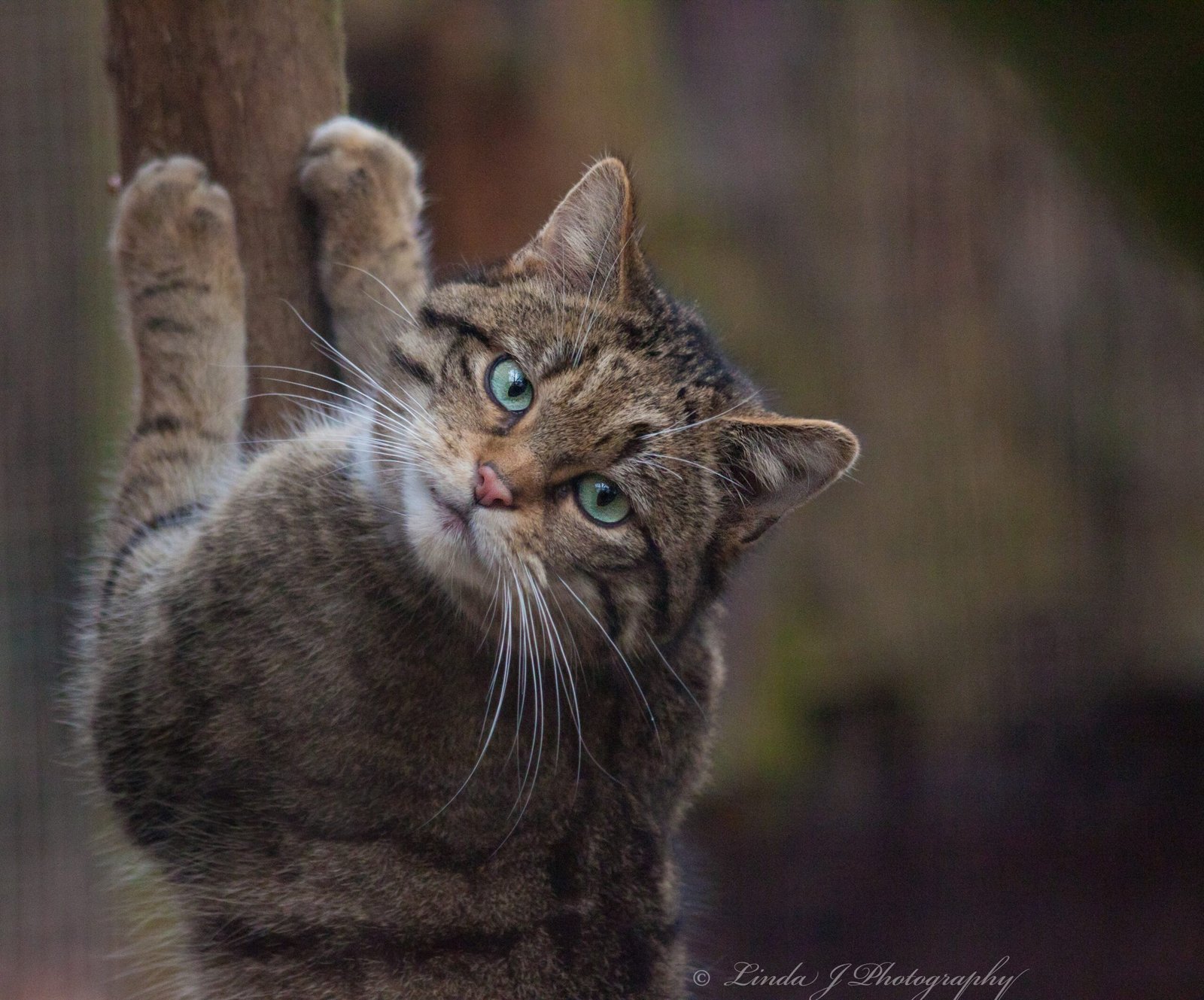
Captive breeding is a double-edged sword. On one hand, it offers a last sanctuary for wildcats, safe from the dangers of hybridization and habitat loss. On the other, it risks creating animals that are less fit for life in the wild or too reliant on humans. Breeders walk a tightrope, striving to maintain genetic diversity and wild behaviors. Kittens are raised with minimal human contact, taught to stalk and hunt, and given the chance to hone their instincts. The hope is that, one day, these captive-born cats will reclaim the forests their ancestors once ruled.
Reintroduction: A Second Chance in the Wild
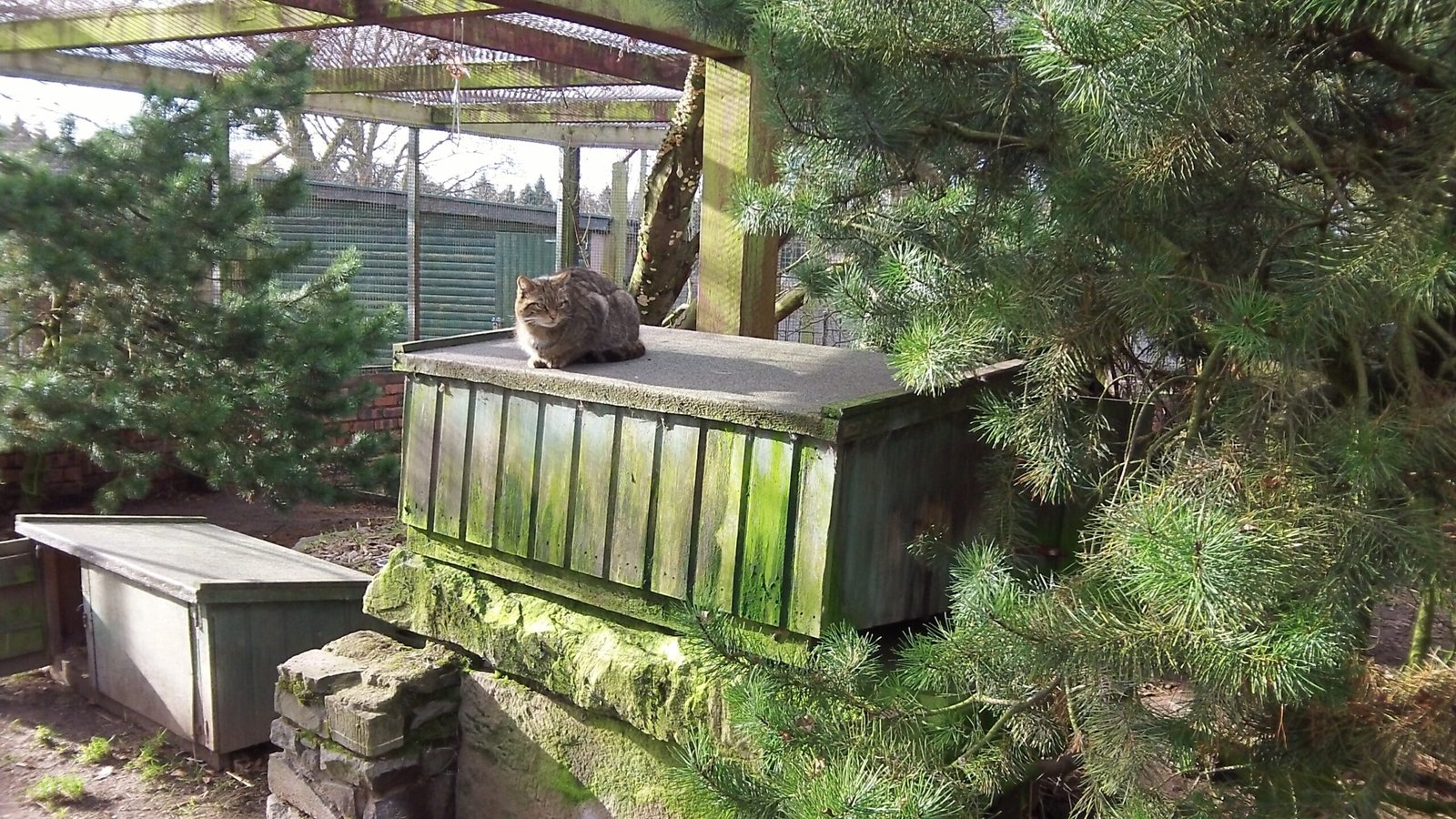
Reintroducing wildcats to the wild is fraught with challenges. Released cats must be able to hunt, avoid humans, and find mates—all without the safety net of captivity. Conservationists carefully choose release sites with plenty of prey and good cover, far from roads and settlements. Before release, wildcats are fitted with radio collars so their movements can be tracked. Early results are promising, with some cats establishing territories and even raising kittens. But survival rates are still low, and the threat of hybridization looms large. Each release is a gamble, but also a leap of faith.
Public Awareness: Turning the Tide
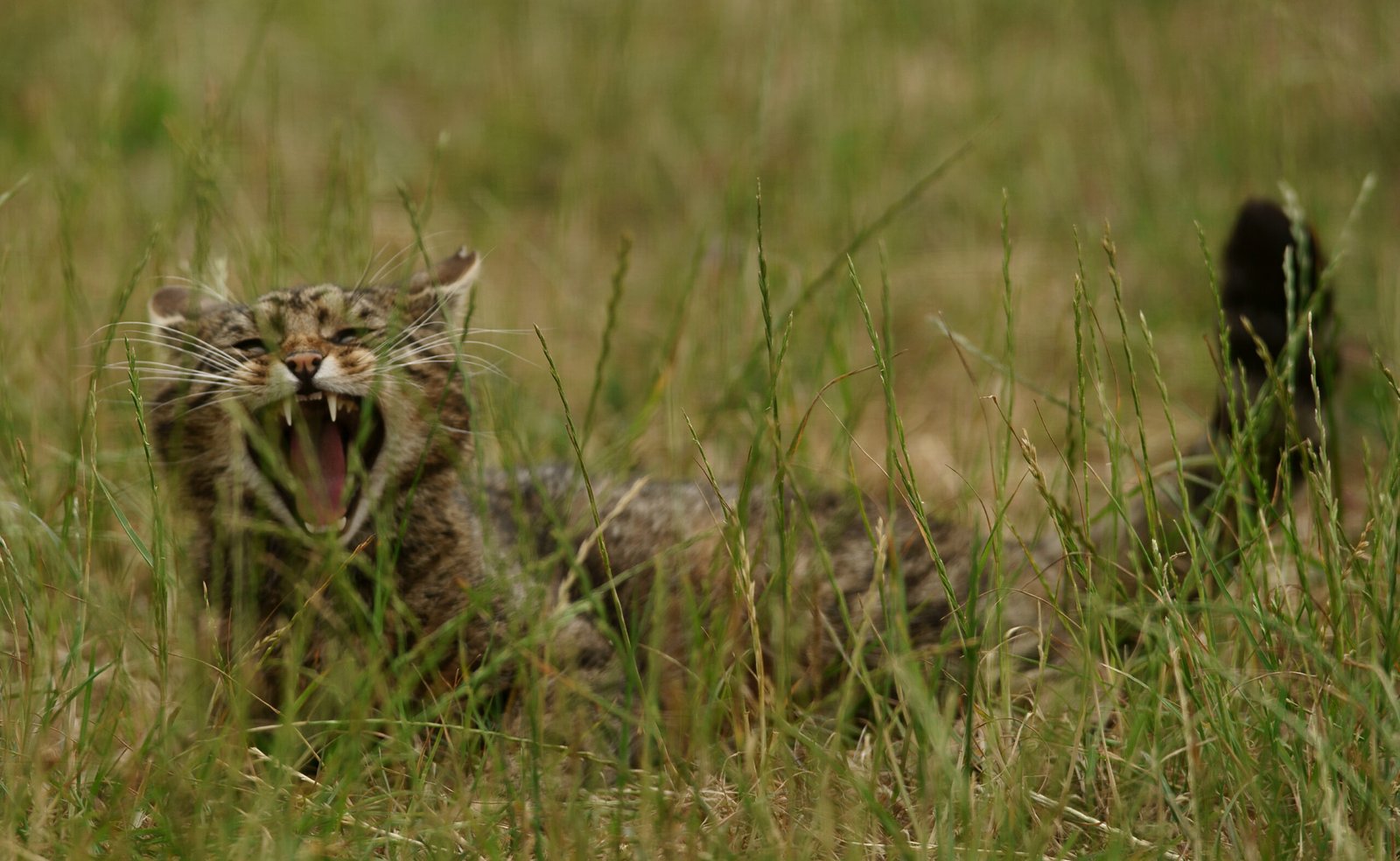
For the Scottish wildcat to survive, it needs more than just scientists and conservationists—it needs everyone. Campaigns have sprung up across Scotland to raise public awareness and foster a sense of pride in this unique animal. Schools teach children about the wildcat’s plight; local communities help monitor sightings and protect habitats. Farmers are encouraged to neuter barn cats and remove old snares. The wildcat’s story is becoming a rallying cry for Scottish identity—proof that even the smallest, most elusive creatures matter in the grand tapestry of life.
Ecological Role: The Wildcat’s Place in Nature
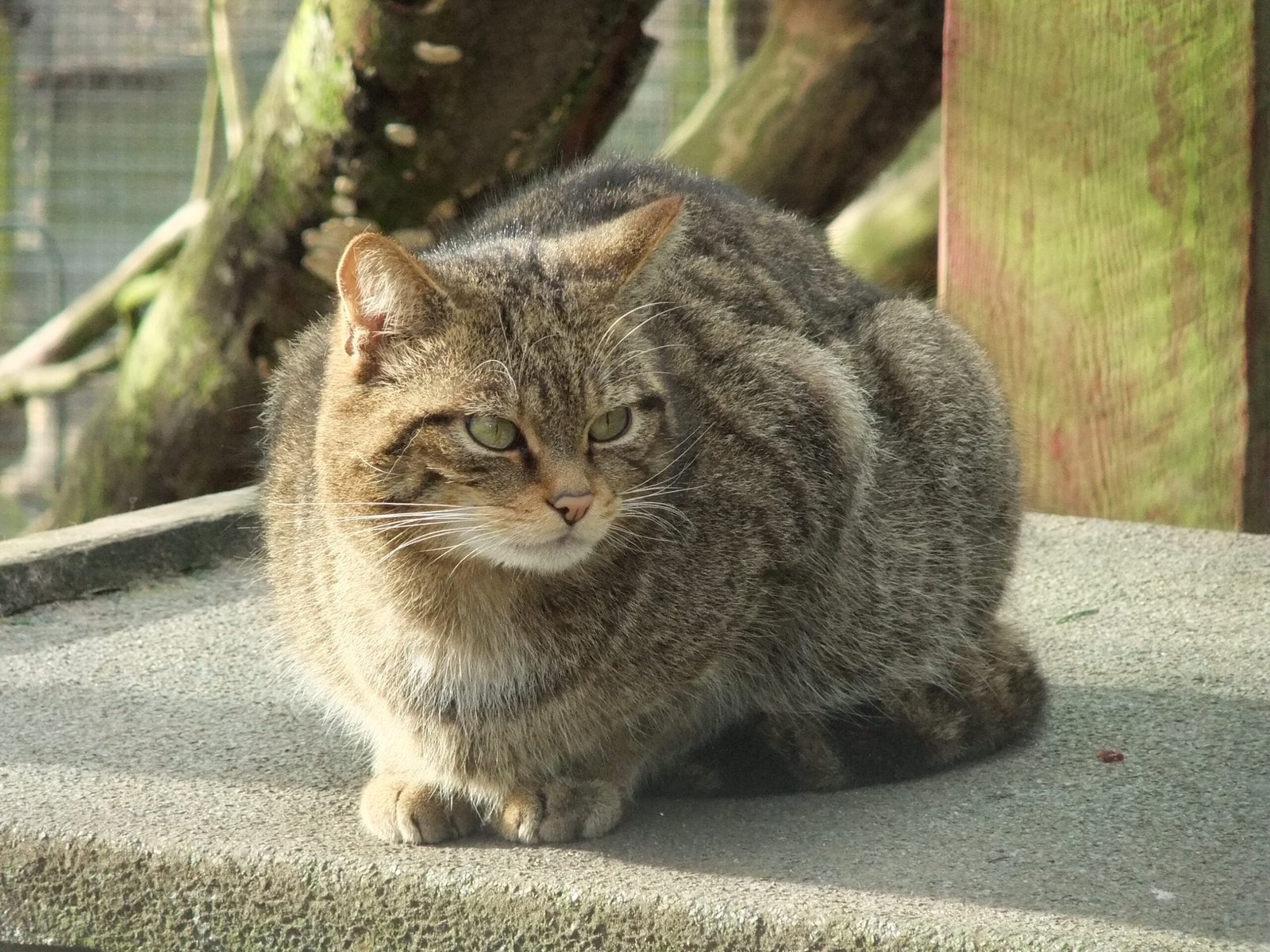
Scottish wildcats are not just symbols—they play a vital role in their ecosystem. As top predators, they help control populations of rabbits, voles, and other small mammals. This keeps ecosystems balanced, preventing overgrazing and supporting healthy plant communities. When wildcats disappear, the effects ripple outward, sometimes in unexpected ways. Their presence is a reminder that even small predators are crucial to the health of wild places. Protecting them means protecting the web of life itself.
International Comparisons: Wildcats Around the World
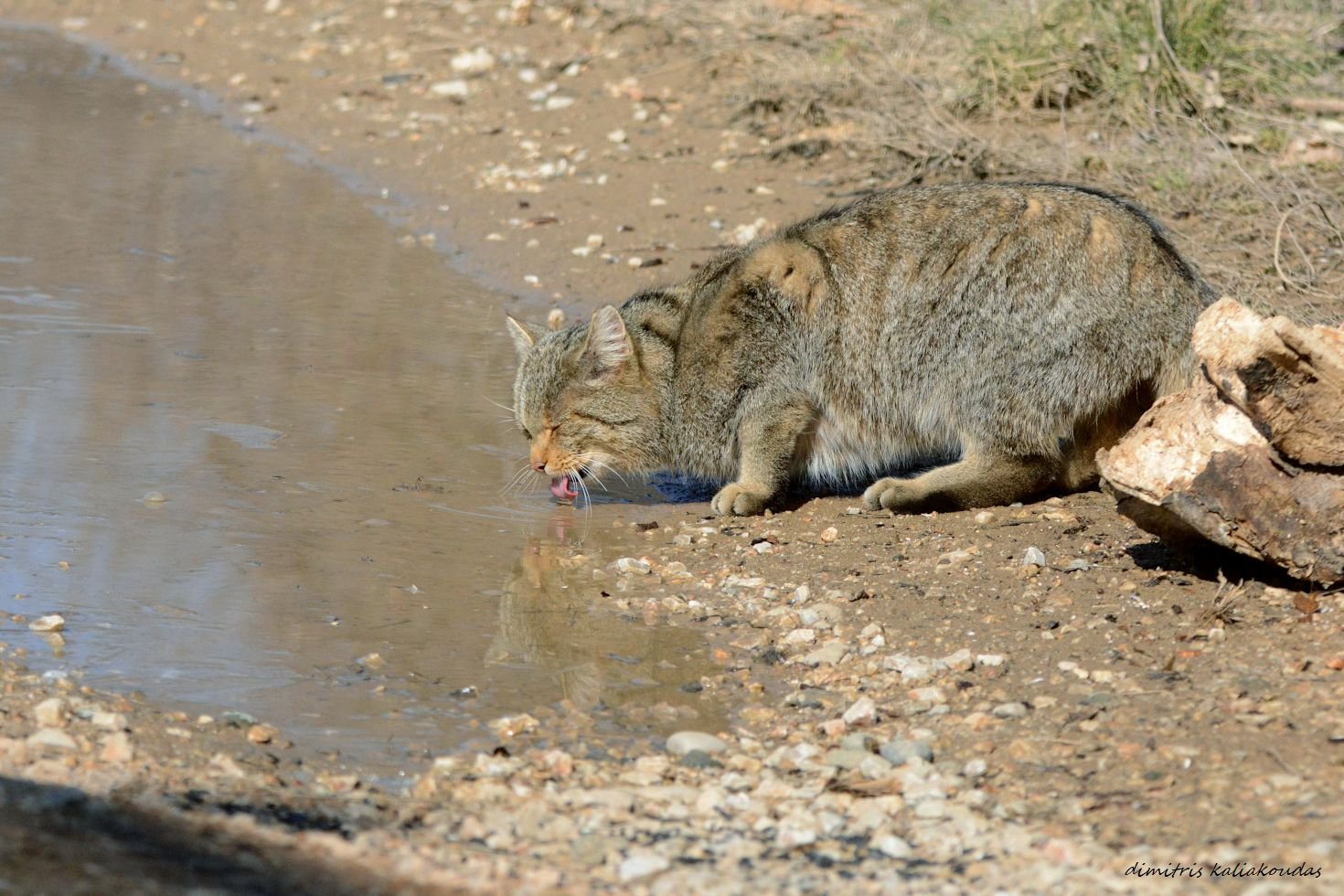
Scotland’s wildcats are part of a global family. European wildcats roam forests from Spain to the Caucasus, while African wildcats—ancestors of our domestic cats—prowl the savannas. Each subspecies has adapted to its own landscape, but all face similar threats: habitat loss, hunting, and hybridization. In some places, wildcats have rebounded thanks to strict protection and public support. Scotland’s experience is both a warning and a lesson, showing how fragile wildness can be and how determined people must be to save it.
Emotional Connections: Why We Care
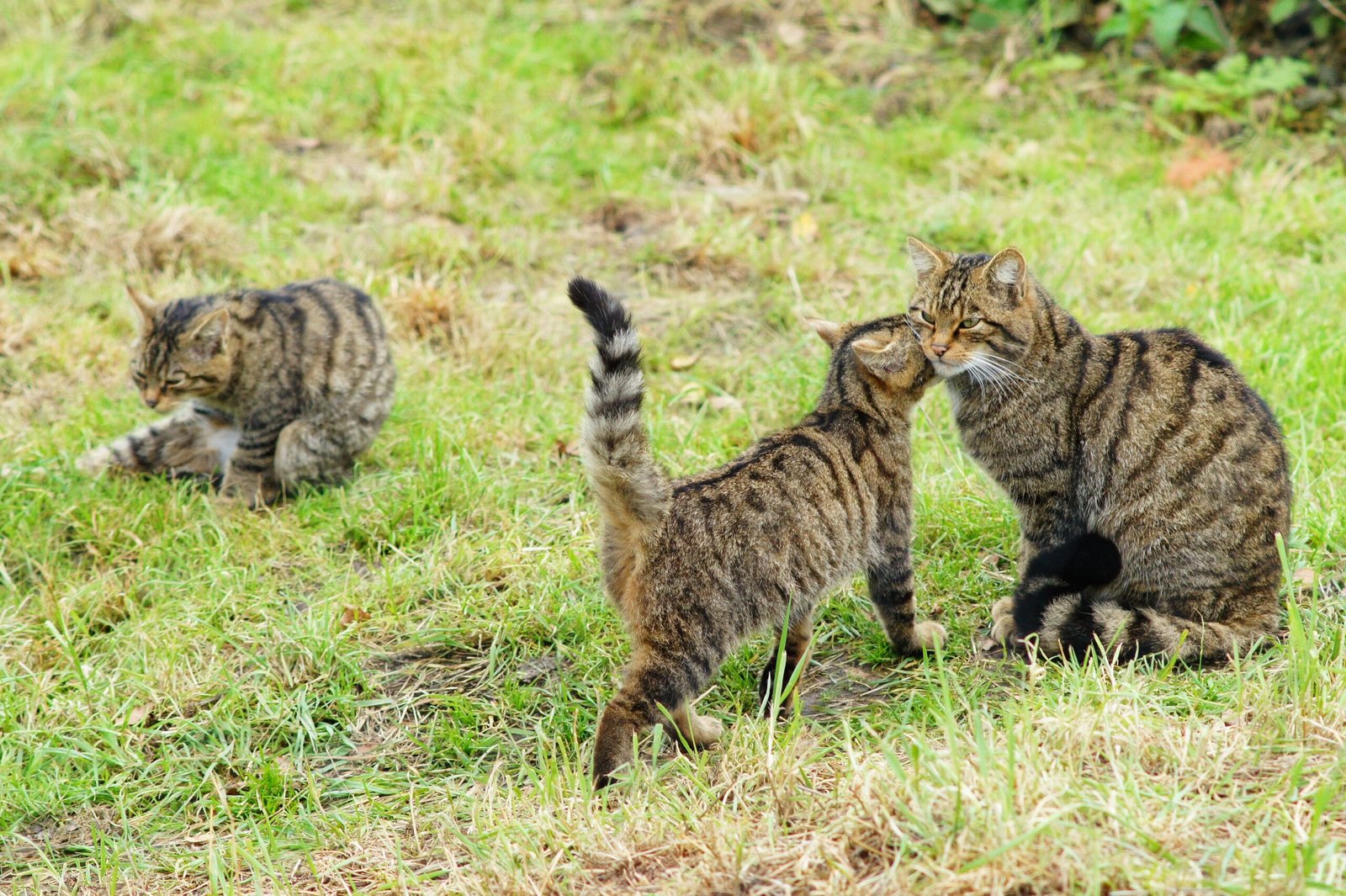
There’s something deeply moving about the Scottish wildcat’s story. It’s not just about genetics or conservation plans—it’s about our relationship with wildness itself. The wildcat stands for all that is untamed and mysterious, a living link to a world we are in danger of losing. For many, the prospect of its disappearance is a personal loss, a wound to the soul of the Highlands. Saving the wildcat isn’t just about science—it’s about hope, identity, and the belief that some wild things are worth fighting for.
The Future: Hope Amid Shadows
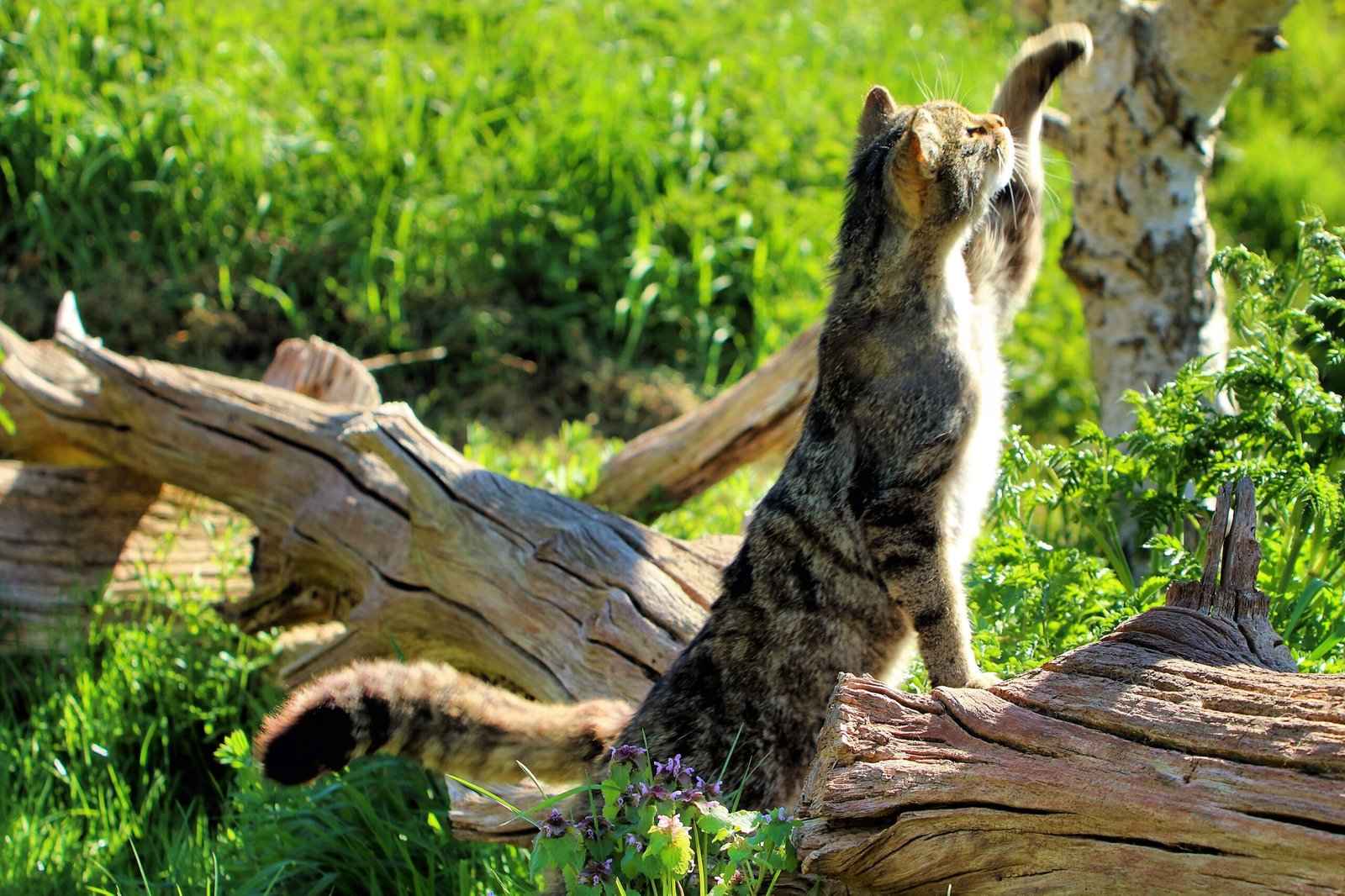
The fate of the Scottish wildcat hangs in the balance. There are no guarantees, and the challenges are immense. Yet, hope endures—in every kitten raised, every hybrid neutered, every acre of forest protected. The wildcat’s struggle is a symbol of the fight to save wildness everywhere. Its story asks us not just what we can save, but what we are willing to become to save it. Will the ghost cat of the Highlands prowl these hills for generations to come, or will it fade into legend—a whispered memory on the wind?