
Have you ever made a split-second choice that just felt right, even when you couldn’t explain why? Maybe you’ve walked into a room and immediately sensed something was off, or perhaps you’ve made a hiring decision based on nothing more than a fleeting impression. We often dismiss these moments as random hunches or irrational impulses. Yet what if your gut feelings aren’t quite as mystical as they seem?
The truth is, scientists have spent decades trying to decode what intuition actually is. For a long time, it remained frustratingly elusive, something philosophers talked about but researchers struggled to measure. That’s changing now. Recent breakthroughs are revealing that your intuition isn’t just emotional noise or wishful thinking. It’s a sophisticated cognitive process with real neurological roots, and understanding it might transform how you make decisions.
What Exactly Is Intuition, Anyway?
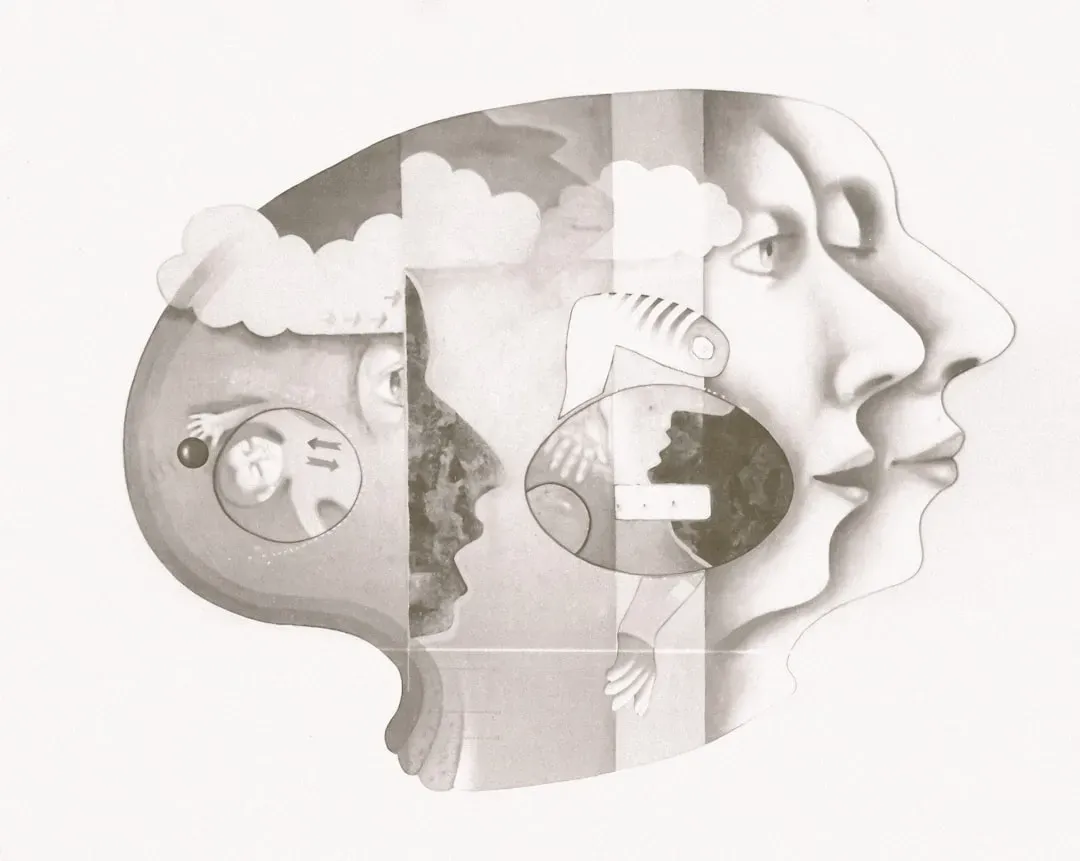
Researchers define intuition as the learned, productive use of unconscious information to help you make better decisions or actions. Think of it as your brain’s way of taking shortcuts. Instead of methodically analyzing every detail, intuition is the result of the brain drawing on past experiences and external cues to make a decision that happens so fast the reaction is at a nonconscious level.
Intuition generally refers to a brain process that gives people the ability to make decisions without the use of analytical reasoning. Here’s the thing though: it’s not magic. The basic sense of intuition might come from neurons firing based on previous assumptions. Your brain has quietly catalogued thousands of patterns throughout your life, from facial expressions to environmental cues. When a new situation arises, it rapidly scans this internal database and delivers a verdict before your conscious mind even gets involved. All you feel is that unmistakable sensation we call a gut feeling.
The Brain Structures Behind Your Hunches
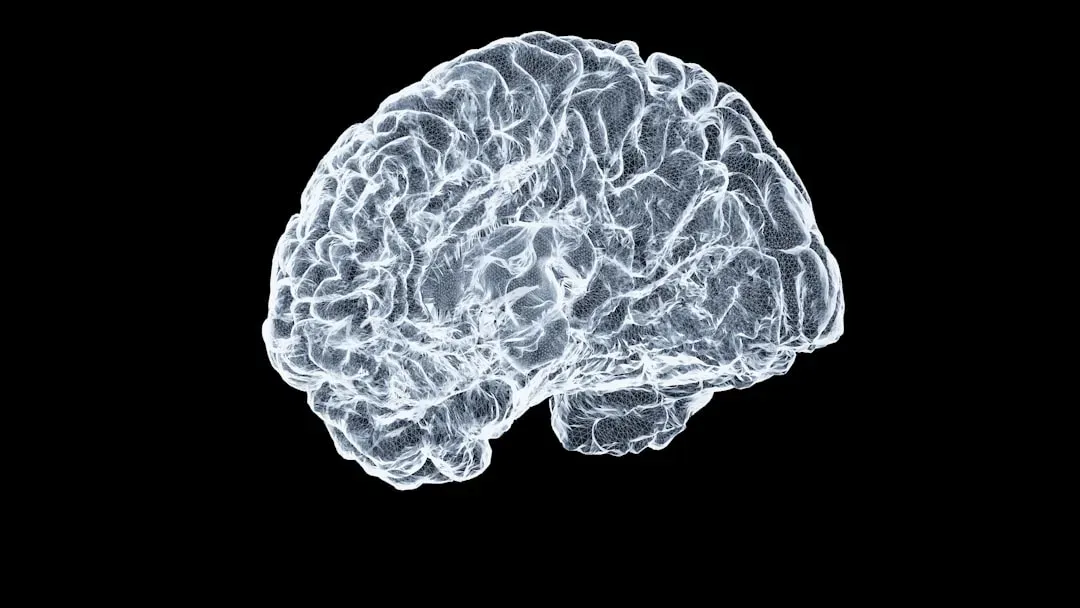
Let’s be real: scientists love pinpointing where things happen in the brain. Intuitive decision-making involves the default mode network, a network of brain regions that are active when the brain is at rest and not focused on external tasks. These regions are believed to be involved in memory recall, self-reflection, and the processing of emotions, all of which are key components of intuition.
There’s more happening beneath the surface too. A tiny piece of the basal ganglia lit up with activity in research studies: the caudate nucleus, which may not be the only source of intuition but appears to be the brain’s intuitive hotspot. The brain structures involved in intuition include the prefrontal cortex, which is responsible for decision-making and cognitive processing, and the amygdala, the emotional center of the brain that processes feelings of fear and pleasure. These aren’t isolated brain regions working alone. They’re constantly communicating, integrating emotional responses with stored memories to generate those sudden flashes of knowing.
How Scientists Finally Measured the Unmeasurable

For the first time, researchers devised a technique to measure intuition. This was groundbreaking because intuition had always been notoriously slippery to study. Earlier studies relied on information from questionnaires that asked people how they were feeling while they made decisions, which is more of a reflection of people’s opinion of their intuition than an actual measurement of it.
The research team designed an experiment in which participants were exposed to emotional images outside conscious awareness as they attempted to make accurate decisions, and the results demonstrated that even when people were unaware of the images, they were still able to use information from the images to make more confident and accurate decisions. When participants were shown positive subliminal images, they were more accurate in determining which way the dots were moving, but they also responded more quickly and reported feeling more confident in their choice. Your body was registering information your conscious mind never even saw.
The Gut-Brain Connection Is Real, Not Just a Metaphor
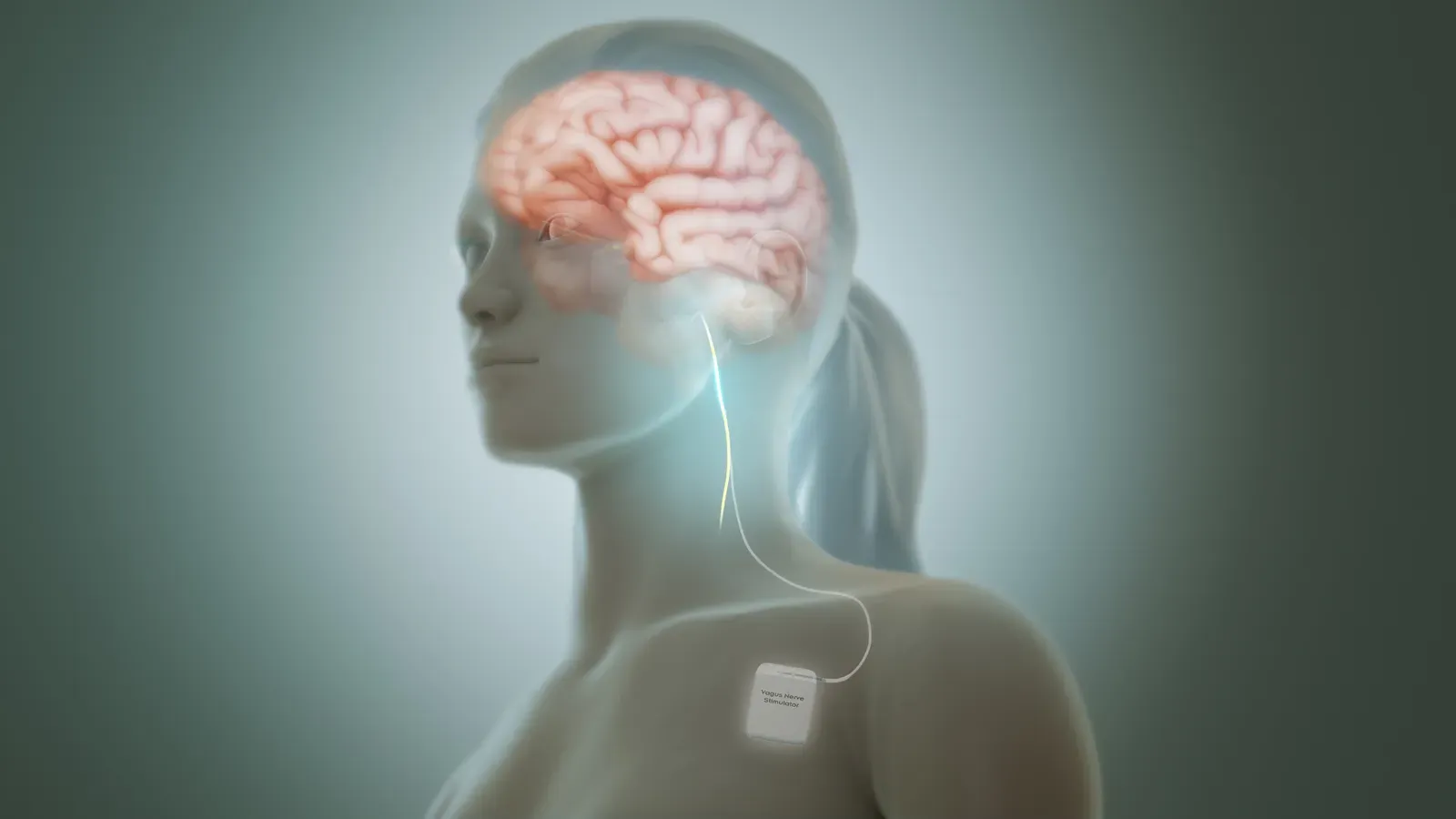
When people say “trust your gut,” they might be onto something more literal than they realize. The gut and brain are connected through the vagus nerve, a neural pathway that transmits information between the two organs, and the gastrointestinal system contains a vast network of neurons, sometimes called the enteric nervous system, which can function independently of the brain.
The concept that the gut and the brain are closely connected plays an important part not only in gastrointestinal function but also in certain feeling states and in intuitive decision making, and recent neurobiological insights into this gut-brain crosstalk have revealed a complex, bidirectional communication system that is likely to have multiple effects on affect, motivation and higher cognitive functions, including intuitive decision making. This happens because of interoception, the ability to sense the body’s internal state, and during our early years we collect and store a lot of interoceptive information in our prefrontal cortex that helps us determine what is good or bad in our environment. Those butterflies in your stomach before a big presentation? That’s your enteric nervous system talking to your brain.
When Your Intuition Gets It Right

Intuition shines brightest under specific conditions. People usually experience true intuition when they are under severe time pressure or in a situation of information overload or acute danger, where conscious analysis of the situation may be difficult or impossible. One study examined emotion-based decision-making with hypothetical cars, and based on the findings, forming decisions based on feelings rather than features resulted in higher choice quality for complex decisions.
People can trust their gut and rely on intuition when making a broad evaluation in an area where they have in-depth knowledge of the subject, also referred to as domain expertise. Think about a seasoned doctor who immediately senses something’s wrong with a patient, or a firefighter who instinctively knows which way a blaze will spread. A study compared the interoceptive abilities of financial traders and non-traders, and results suggest that the traders who have stronger gut feelings exhibit better performance in decision-making, and as a result, these traders were more successful in the trading field. Expertise matters enormously here.
When Intuition Leads You Astray

Let’s not romanticize this too much though. Your intuition isn’t infallible. There are situations in which the use of unconscious information can lead us astray, a scenario coined as misintuition, and the accuracy of intuition can be shaped by our internal state, as feelings of intense emotion such as anxiety or overwhelming happiness can often drown out the more subtle, unconscious cues that would otherwise guide intuition.
If you’re in the middle of a breakup, or you’ve been fired from your job, or you’re just feeling very stressed or unhappy, your responses will be colored by a powerful set of emotions which blind you to the more nuanced information you might have stored in your brain. Another major example of misintuition is a link between an overreliance on intuitive thinking and conspiracy theories. When you’re emotionally flooded or lack relevant experience, that gut feeling might actually be bias, fear, or unprocessed trauma speaking rather than genuine insight.
Training Your Intuition Like a Skill

Here’s something surprising: intuition isn’t fixed. Much as connections in your brain can be weakened or strengthened in a use it or lose it manner, intuition can be either undermined or fostered, and as a method of more strongly linking the caudate nucleus to intuition, researchers trained a group of novice shogi players in the game, and before training, they were unable to successfully predict winning moves and their caudate nucleuses lit up sporadically or not at all.
Training resulted in increased activity in parallel to a player’s improvement, though intuition is task-specific, and strengthening an intuitive understanding of shogi is a different process than strengthening your ability to identify an untrustworthy business partner. The experiments suggested that the participants became better at using their intuition over time, as it’s all about learning to use unconscious information in your brain. Honestly, this challenges the whole idea that intuition is some mystical gift you either have or you don’t. It’s more like a muscle that responds to deliberate practice.
Balancing Your Gut With Your Head

By understanding the limitations of your intuition and supplementing it with analytical thinking, you can ultimately make better decisions. The goal isn’t to choose sides between intuition and logic. Field findings published in 2017 support the view that a mixture of thinking styles can be helpful in decision-making, with researchers considering experience-based and emotional processes as two dimensions of intuitive processing alongside rational analysis.
Trust your intuition when you have high awareness, knowledge, information, and context, and when well-informed about the topic, person, or context, you can trust your intuition to reflect deep levels of processing below your consciousness. The smartest approach? Recognize when each mode of thinking serves you best. In novel situations where you lack expertise, slow down and think analytically. When time is short and you have deep experience, let your intuition guide you. The real skill is knowing which tool to reach for when.
Conclusion

So here we are, standing at the intersection of ancient wisdom and modern neuroscience. Your gut feelings aren’t random impulses or supernatural phenomena. They’re sophisticated computations your brain performs using pattern recognition, emotional memory, and even signals from your digestive system. Science has finally caught up with what humans have sensed all along: intuition is real, measurable, and incredibly useful when applied correctly.
The takeaway isn’t that you should always trust your gut or always ignore it. It’s more nuanced than that. Your intuition is a powerful tool that works best when you’ve developed expertise, when you’re emotionally balanced, and when circumstances demand speed over exhaustive analysis. Paired with analytical thinking rather than replacing it, your intuition can become one of your most valuable decision-making assets. What decisions have you been overthinking lately that might benefit from listening to that quiet inner voice?