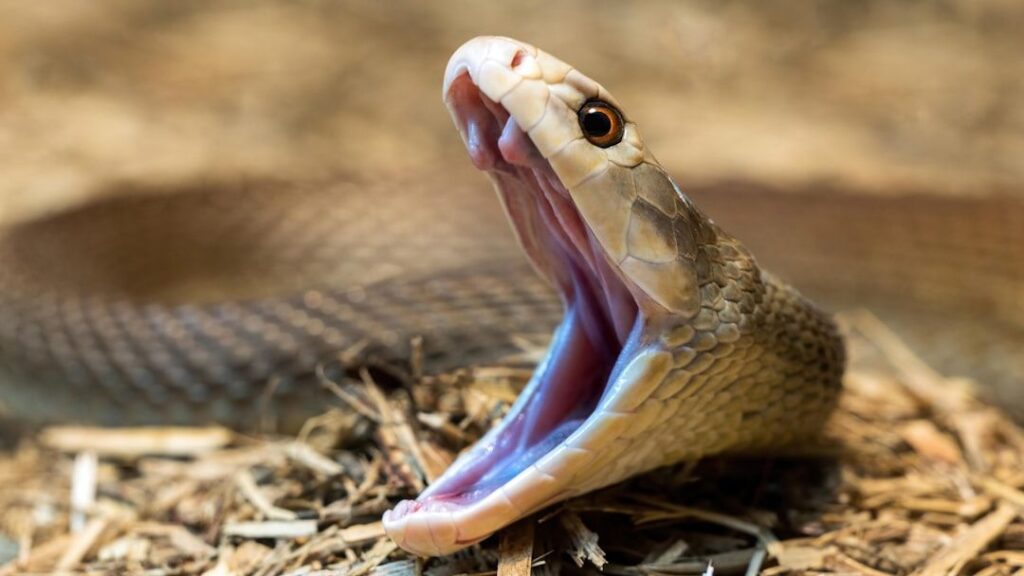

You jolt awake, heart pounding, skin tingling where the snake’s teeth sank in a moment ago. For a few seconds, you’re not entirely sure if you’re still in danger. Then you realize: it was just a dream. But that sinking feeling in your chest lingers, and a quiet question starts to form in the back of your mind: why did my brain choose that?
Dreams of a snake biting you are surprisingly common, and they sit right at the crossroads of biology, psychology, and culture. They are not random horror clips your brain throws up at night; they tend to surface when something about your waking life needs attention, whether that’s stress in your body, a relationship issue, or a deep emotional wound you haven’t fully faced. Let’s break it down in plain language, step by step, and see what science and psychology can actually say about this unnerving dream symbol.
Why Your Brain Loves Snakes: The Evolutionary Backstory

Here’s a wild thought: part of the reason you dream of snakes at all may come from ancient survival wiring in your brain. Humans and primates evolved in environments where venomous snakes were a real threat, and research suggests our visual systems are unusually fast at spotting snake shapes compared to many other objects. That heightened sensitivity can make snakes powerful attention-grabbers in dreams, especially when your brain wants to shout, “Hey, this is important!”
From an evolutionary perspective, dreaming of a snake bite is like your brain using a high-alert danger icon. Instead of a vague signal like a shadow or a noise, the dream gives you a clear, dramatic image of threat and pain. Your nervous system is already tuned to take that seriously. So even if you’ve never seen a real snake up close, your brain still treats the image as a built‑in danger symbol, ready to be loaded with whatever personal meaning your life currently provides.
The Bite As a Stress Alarm: How Anxiety Shows Up in Dreams
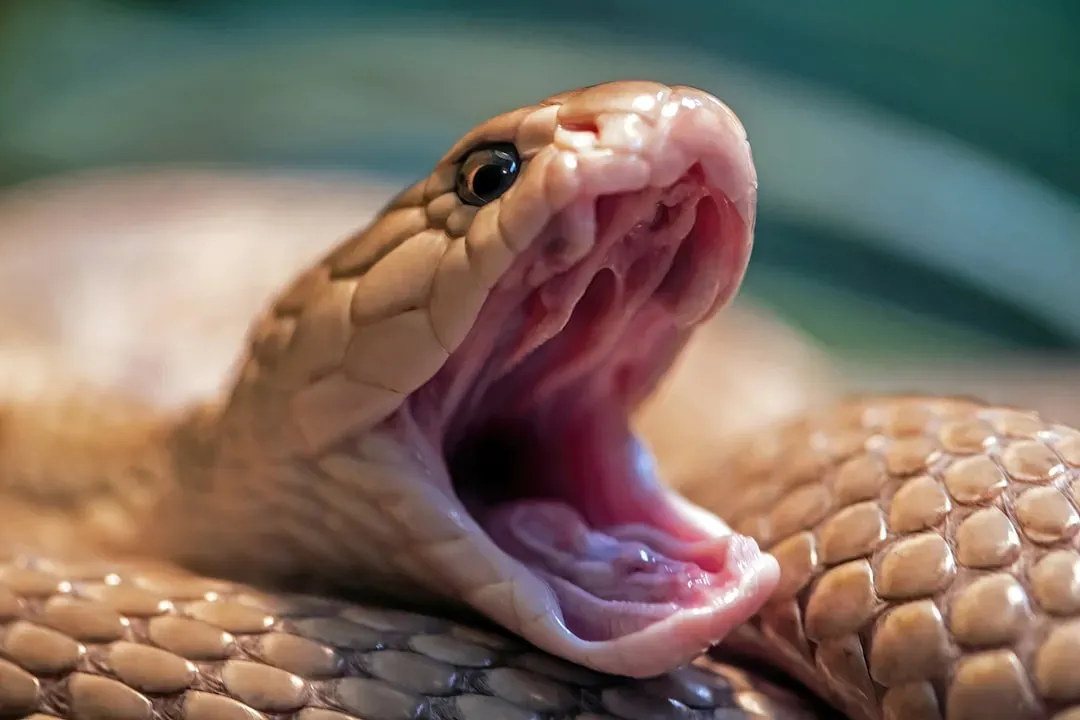
Many people notice that dreams of a snake bite show up during periods of heavy stress: an exam season, a brutal work stretch, a relationship crisis, or a health scare. When your stress hormones are elevated, your sleep architecture changes, and your dreams can become more vivid, emotional, and threat-focused. The snake’s bite can act like a concentrated picture of being overwhelmed, attacked, or cornered by something in your waking life.
If you’ve ever had that dream after a tense argument, a looming deadline, or a wave of bad news, your brain may be trying to process emotional overload in a symbolic way. Instead of saying, “I feel under attack by my responsibilities,” your mind shows you a literal attack. The important part isn’t whether there was a snake in your day, but whether there was a strong feeling of pressure, danger, or vulnerability that your waking self tried to shrug off.
Hidden Threats and Betrayal: When the Snake Represents People or Situations
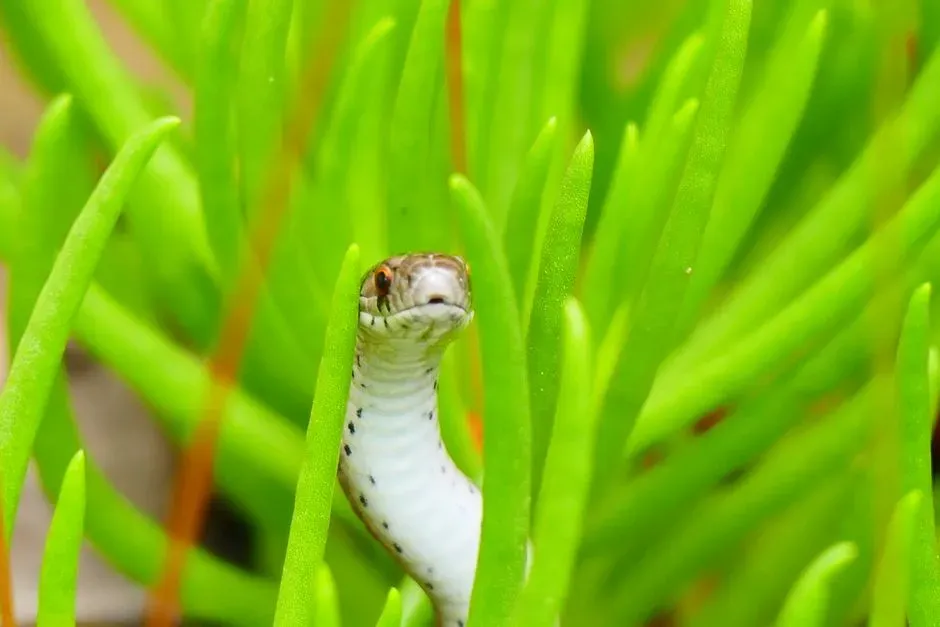
In a lot of dream reports, the snake bite seems tied less to random fear and more to a specific sense of betrayal or hidden danger. Maybe you’re uneasy about a coworker who acts friendly but undercuts you, or you’re in a relationship where something feels “off” but you can’t quite name it. The snake, often known in stories as sneaky or deceptive, becomes the perfect stand‑in for that uneasy gut feeling.
The bite itself can feel like the moment when a disguised threat finally reveals its true nature. In this sense, the dream might be dramatizing a suspicion you already have but keep pushing aside during the day. It doesn’t mean someone is definitely betraying you; dreams are not forensic evidence. But if you wake from a snake‑bite dream with a strong sense of unease about a particular person or situation, it’s worth asking yourself whether you’ve been ignoring warning signs or overriding your instincts for the sake of convenience or comfort.
The Body–Mind Link: Health Anxiety and Physical Sensations
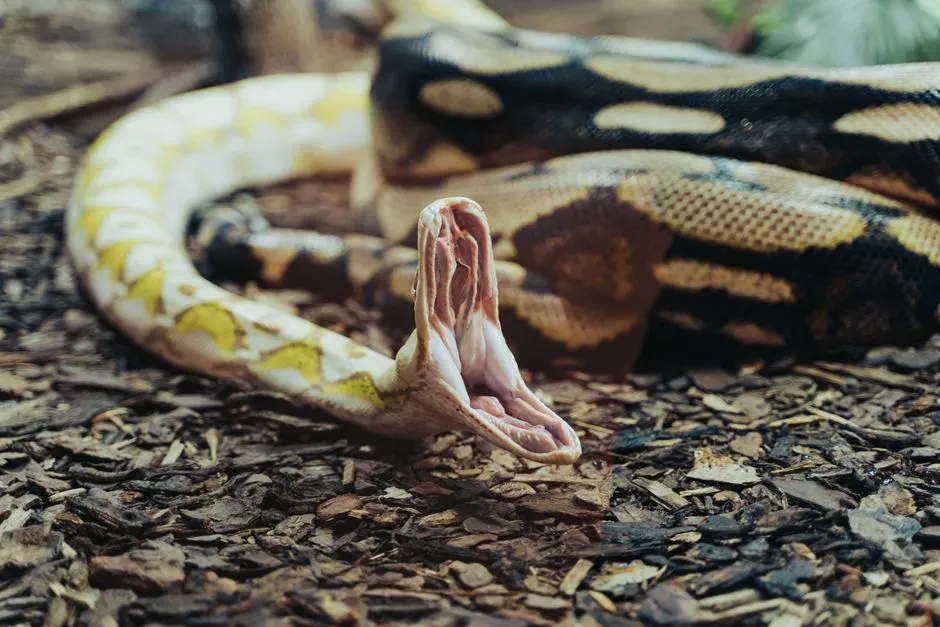
Sometimes, a snake bite dream has less to do with relationships and more to do with your body. When we worry about our health, our brains can translate that concern into imagery of infection, poison, or injury. A snake’s venom is an obvious metaphor for something harmful entering the body, so the dream can mirror fears about illness, medication side effects, chronic pain, or unexplained symptoms.
There’s also the fascinating fact that real physical sensations can shape dream content. If you go to sleep with pins and needles in your leg, an aching jaw, or a racing heart, your brain may weave that discomfort into a storyline. A twinge in your arm becomes the moment the snake strikes. In that sense, the dream can be part warning, part creative explanation: your brain is both reacting to and symbolizing what your body is feeling, especially if you’ve been anxious about health issues lately.
Venom as Emotional Poison: Unprocessed Feelings and Old Wounds
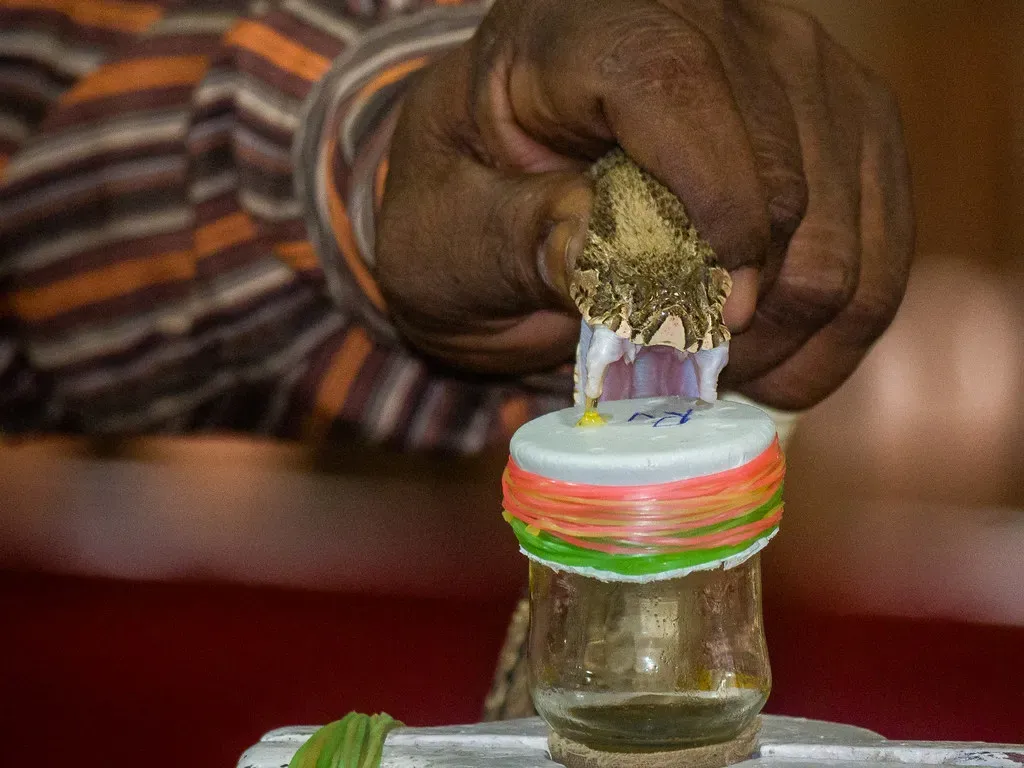
On a psychological level, the venom in a snake bite often lines up with the idea of emotional “poison” you’ve taken in without realizing it. This might be harsh criticism you swallowed as a child, ongoing resentment in a relationship, or self-talk that is quietly attacking you day after day. The dream bite marks the exact point where that poison enters, as if your mind is saying, “Look, this is where it hurts, and this is what’s getting into you.”
If in the dream you feel the venom spreading, or you panic about whether you’ll survive, that can echo the fear that these emotions or experiences are getting bigger than you can handle. Maybe you’ve been storing anger instead of expressing it, or staying in an environment that chips away at your self-worth. The dream is not predicting doom, but it is shining a dramatic spotlight on emotional material that might need to be acknowledged, processed, or finally released.
What Details Matter? Location, Reaction, and Repetition
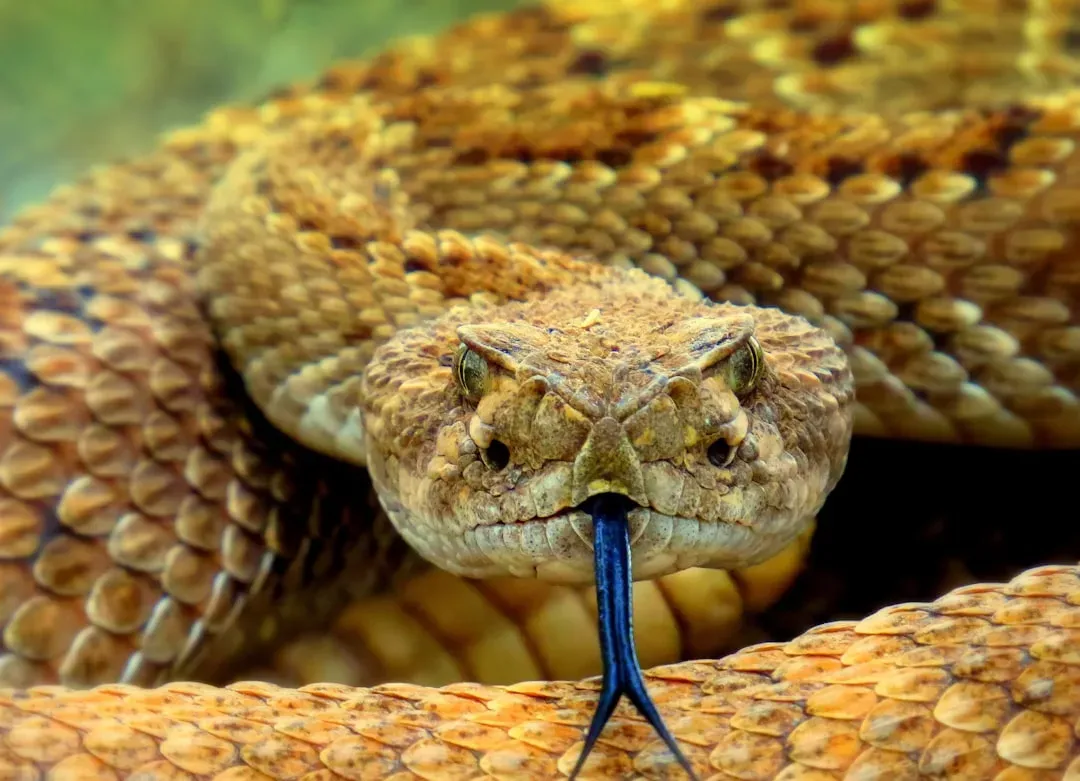
Not every snake‑bite dream carries the same message, and the details can add useful nuance. Where does the snake bite you? A bite to the hand might connect to your actions, work, or how you “handle” things, while a bite to the leg could symbolically point to feeling blocked in moving forward. A bite to the face might be tied to identity or how others see you. These links aren’t rigid rules, but they can spark helpful self‑reflection.
Your reaction in the dream is just as revealing. Do you freeze, fight back, or calmly seek help? Panic might mirror how you deal with conflict or change in waking life, whereas taking charge in the dream may show emerging resilience you haven’t fully recognized. And if the same snake‑bite scenario repeats over weeks or months, that repetition is a big neon sign: something important is not being resolved, and your mind is looping the message until you finally turn and face it.
From Fear to Insight: How To Work With a Snake Bite Dream
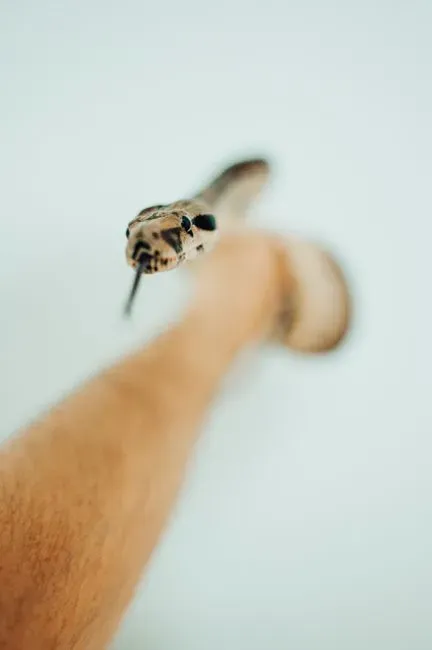
As frightening as these dreams can be, they’re not curses; they are invitations to pay attention. One practical step is to write the dream down as soon as you wake up, then gently ask yourself a few questions: What in my life currently feels dangerous, unfair, or out of control? Where might I feel “poisoned” by stress, criticism, or unhealthy dynamics? You’re not decoding a secret supernatural message, you’re listening to your own mind using symbolic language.
If a snake‑bite dream leaves you shaken, it can also be a cue to take better care of your nervous system. That might mean tackling a difficult conversation you’ve been avoiding, setting boundaries with someone who drains you, or getting medical or psychological support if health or trauma issues are in the mix. When you respond in waking life, the dream often softens or changes. Over time, what started as a terrifying attack scene can transform into a story where you defend yourself, heal, or walk away safely, reflecting real shifts in your sense of power and safety.
So, What Does It Really Mean? A Clear, Opinionated Take
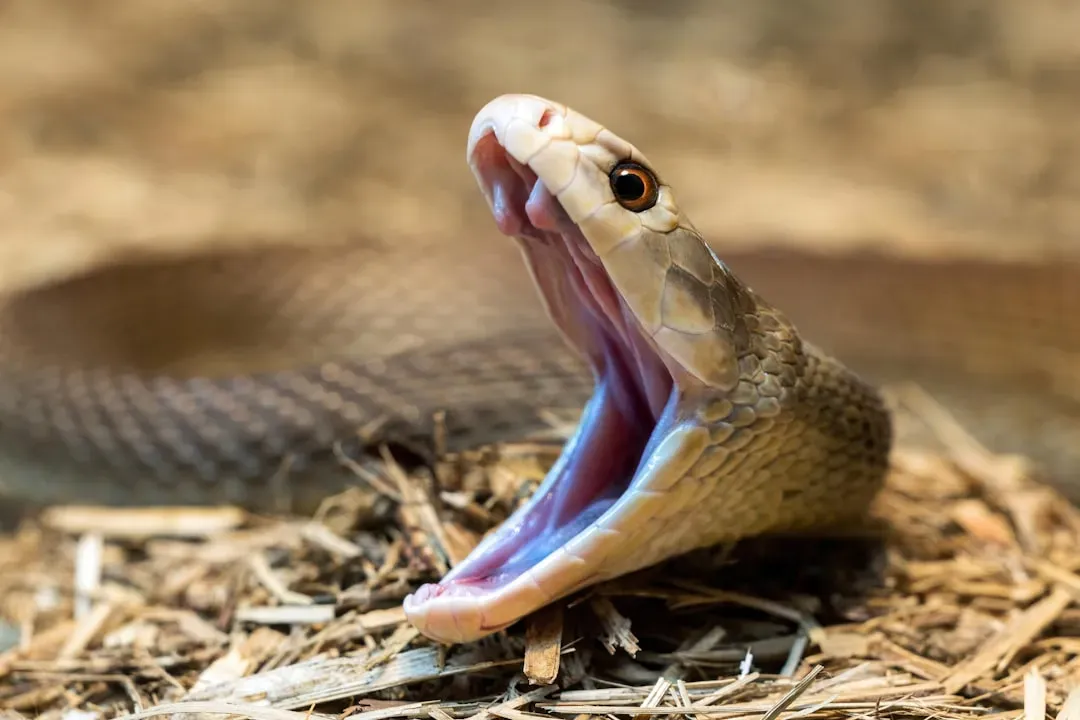
Here’s my honest, science‑leaning opinion: dreaming of a snake biting you is rarely a mystical prophecy and almost always an emotional diagnostic. It is your brain’s dramatic way of saying, “Something in your life feels threatening, toxic, or unresolved, and you can’t keep pretending it’s fine.” The specific meaning comes from your current reality, not from one‑size‑fits‑all dream dictionaries or rigid symbolic codes.
When you strip away superstition and fear, the snake‑bite dream becomes strangely empowering. It forces you to confront questions you might otherwise dodge: Who or what feels unsafe? Where am I ignoring my instincts? What emotional or physical poison am I still carrying? If you treat the dream as a loud internal wake‑up call rather than a curse, it can become a turning point rather than a torment. The real challenge is this: are you willing to listen to what your own mind is trying so hard to show you?