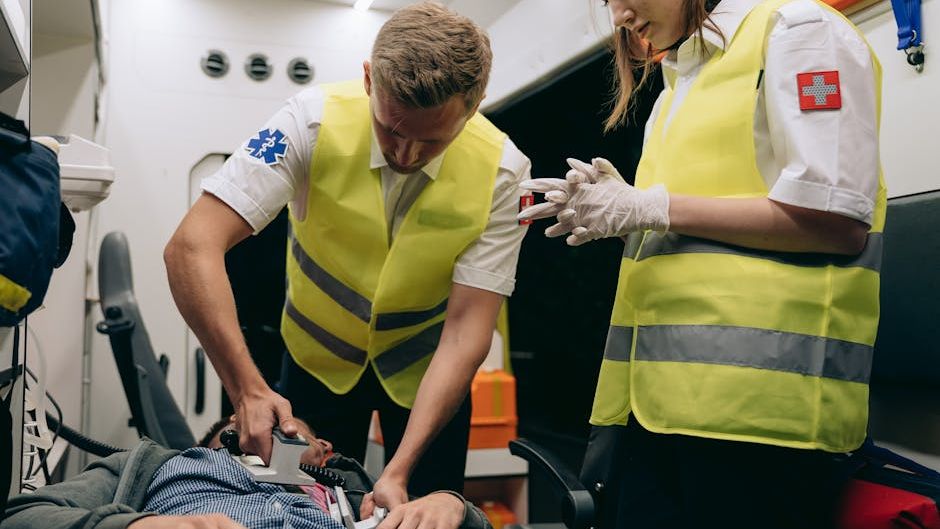
There is something quietly terrifying about realizing that when your heart stops, you don’t just switch off like a light. For a few strange minutes, your body runs on momentum, and your brain may even be trying to make sense of what is happening. Those minutes are where science, mystery, and human fear all collide, and honestly, once you understand them, the idea of death feels both less magical and more unsettling at the same time.
I still remember the first time I read about brain activity continuing after the heart has stopped and feeling a chill I couldn’t quite explain. It made me rethink those stories of near-death experiences, the “tunnel of light,” and the feeling of leaving your body. Are these spiritual events, or is this simply biology hanging on as long as it can? In the next seven minutes of this article, we’re going to walk through those seven minutes of your body’s final effort, step by step.
The Exact Moment the Heart Stops: A Sudden Energy Crisis
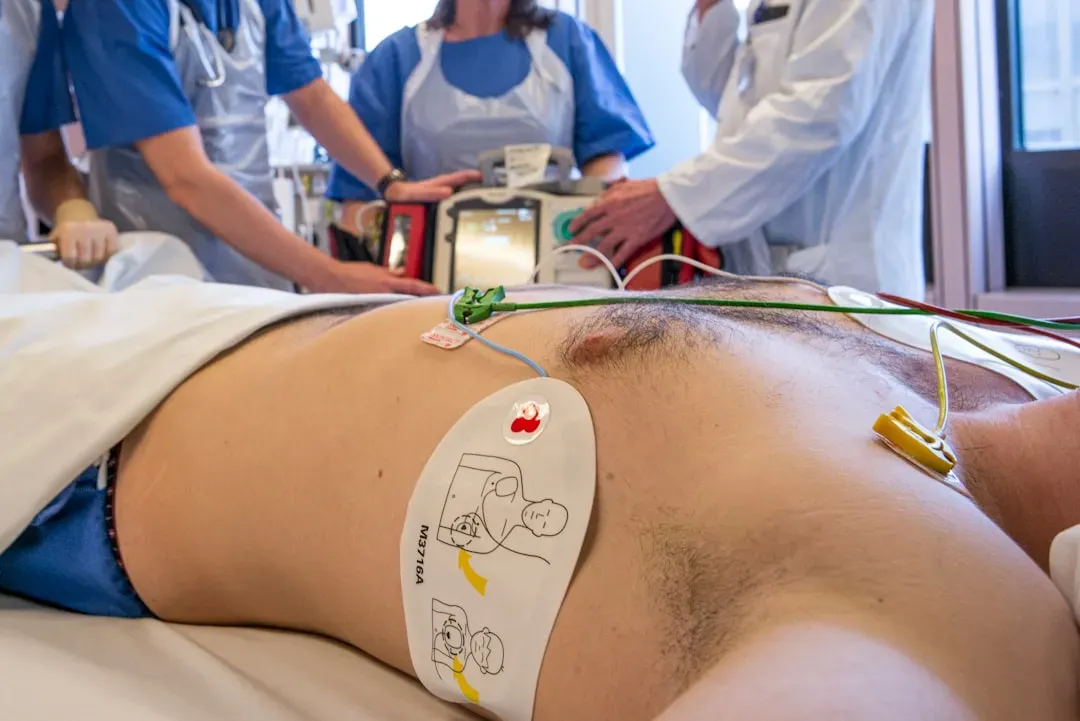
When the heart stops beating, the very first thing that happens is brutally simple: blood flow halts. This is not just about losing consciousness or feeling faint; it is a total shutdown of your body’s delivery system for oxygen and nutrients. Every organ in your body is used to a constant, pulsing river of blood, and in an instant, that river becomes a still pond.
Your blood pressure drops to effectively zero, and cells that were perfectly happy a moment before are suddenly in an energy crisis. The heart has one job, and when it fails, your organs do not die all at once, but they do begin to fail in a predictable order. You can think of it like a city hit by a total blackout – lights do not all flick off at the same microsecond, but one neighborhood after another goes dark as backup systems fail.
Seconds 1–15: Fading Consciousness and the Vanishing Self
In the first several seconds after your heart stops, blood flow to the brain plummets, and with it, consciousness starts to dissolve. Most people who lose circulation, such as during cardiac arrest, lose awareness within a very short window – often under about fifteen to twenty seconds. That spinning feeling, the “going out” sensation, is your brain losing enough oxygen and blood pressure to sustain a coherent sense of self.
Neurons, which are incredibly energy-hungry cells, have almost no reserve. Without oxygen and glucose constantly arriving, they cannot maintain the electrical gradients that keep signals flowing. So your vision starts to narrow, sounds may stretch or warp, and your experience of being “you” begins to slip. If you have ever nearly fainted and felt the world go gray at the edges, that is the rehearsal; cardiac arrest is the full performance.
Seconds 15–60: Brain Activity Without Awareness
What is deeply unsettling is that some brain activity continues even after you are no longer conscious. Researchers have recorded organized electrical activity in the brain for short periods after circulation stops, especially in people who went into cardiac arrest but were later revived. The body may appear still and unresponsive, but inside the skull, the brain is busy trying to cope with the disaster.
During this phase, electrical waves in the brain may surge, reorganize, or briefly spike before declining. Some studies suggest that certain regions, including those involved in memory and sensory integration, may become unusually active for a short time. Imagine a city where the power grid is failing, and for a brief moment the remaining energy surges through a few circuits before everything goes dark – this is roughly what those final bursts of brain activity look like.
Minute 1–3: The Oxygen Debt and the Battle for Cells
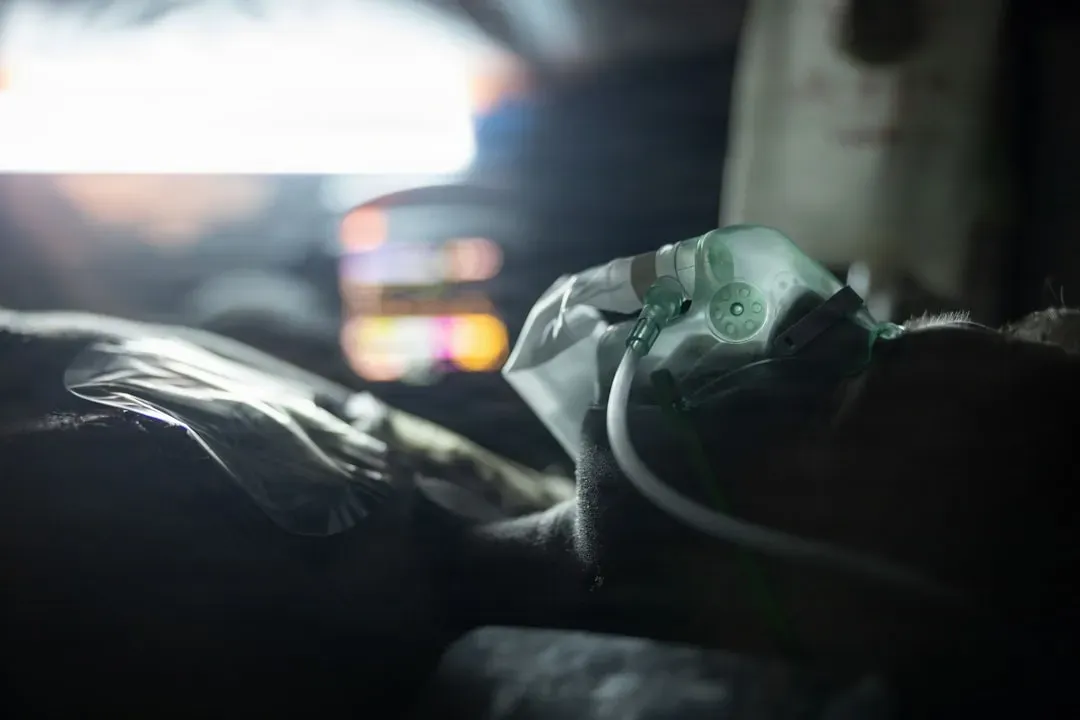
After about a minute, the lack of oxygen and nutrient delivery is no longer just a problem; it is a direct threat to the survival of your brain cells. These cells begin to switch to emergency modes of energy production that are far less efficient and produce damaging byproducts. The environment inside the brain becomes increasingly acidic and unstable, and the machinery that keeps cells alive starts to fail.
At this point, the body is in what you could call an oxygen debt it cannot repay. Cells leak ions, swell with fluid, and start down pathways that will eventually lead to irreversible damage. Yet it is important to stress this: “irreversible” does not happen instantly. For a brief window, especially within the first few minutes, aggressive medical intervention – like CPR and defibrillation – can still restore circulation and pull those cells back from the edge.
Minute 3–5: The Window Where Death Is Technically Negotiable
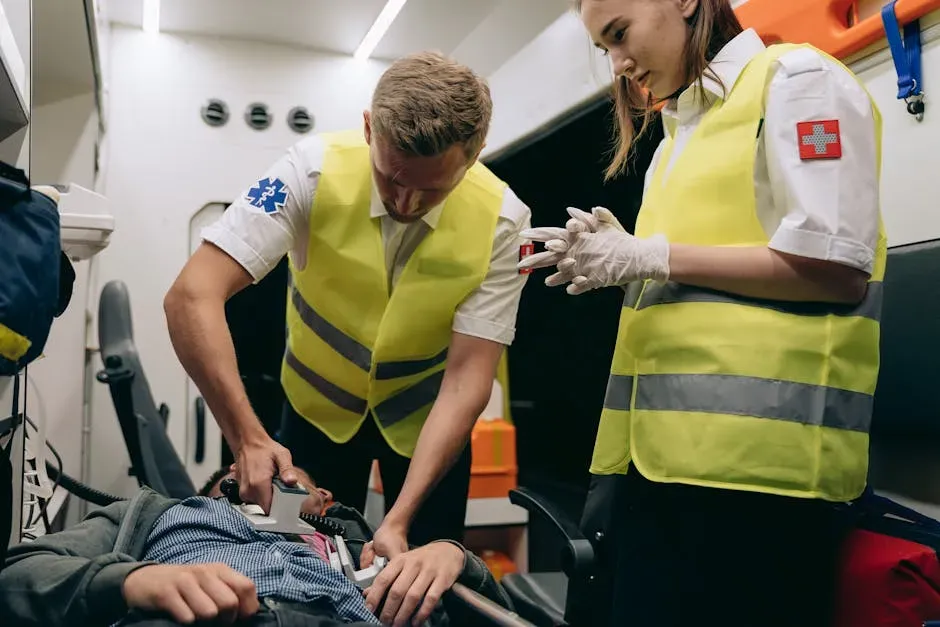
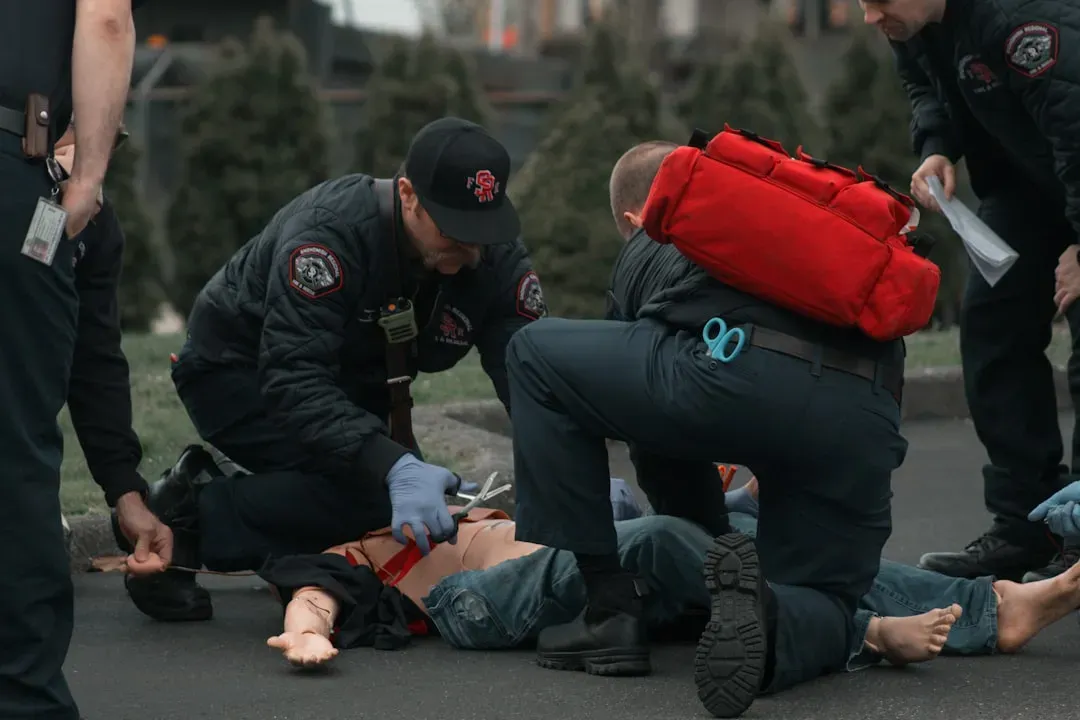
By the third to fifth minute without circulation, many brain cells are in serious trouble, but not all are beyond saving. This is why emergency medicine treats cardiac arrest as a race against time, not as a done deal the moment the heart stops. High-quality CPR, cooling techniques, and rapid defibrillation can sometimes restart the heart and salvage enough brain function for a meaningful recovery, especially if help comes fast.
This period is where medicine and philosophy start wrestling with each other. Biologically, you might be in a critical zone where your chances are shrinking every second, yet you are not necessarily “dead” in a final sense. It is here that our modern definition of death – especially brain death versus cardiac death – starts to look less like a single moment and more like a sliding scale. Personally, I think we underestimate how stubborn the human body is in these minutes; it is still fighting even when it looks like it has lost.
Minute 5–7: Irreversible Brain Injury Takes Hold

Once you move past roughly five minutes without restored circulation, the risk that large parts of the brain have suffered permanent damage rises sharply. Neurons that have been starved of oxygen and energy for this long often cross a threshold from stressed to irreversibly injured. Chemical cascades inside the cells trigger self-destruction pathways, and swelling can damage surrounding tissue as well.
From the outside, nothing dramatic may appear to change at that exact minute mark. The body is still, the chest is not rising, the face may look oddly peaceful. But inside, connections that held memories, personality traits, and learned skills are starting to fail in ways that cannot be undone. This is the point where, even if the heart can be restarted later, the person who returns may not be the same, or may not return in any meaningful sense at all.
Near-Death Experiences: Brain Event or Something More?

One of the most emotionally charged questions about the minutes after the heart stops is what to make of near-death experiences. Many people who have been resuscitated describe vivid sensations: moving through darkness, seeing bright light, feeling a sense of peace, or encountering familiar figures. Scientists have proposed that these experiences may come from the brain’s last intense bursts of activity, combined with the way it processes fading signals from the body.
At the same time, these stories are deeply meaningful to the people who have them and are often interpreted through spiritual or cultural lenses. Personally, I think reducing them to “just random brain firing” misses something human about the way we create meaning out of crisis. Whether they are purely neurological or something beyond our current tools to measure, they are real experiences, happening in those fragile minutes when life and death overlap in a complicated way.
Why Those 7 Minutes Should Change How We Think About Death
When you really sit with the idea that the body and brain do not simply flip off the instant the heart stops, it forces you to rethink what death actually is. For most of history, people treated the last heartbeat or final breath as a clear boundary, but modern science shows it is a process, not a single event. Those seven minutes are a transition zone where the body is still fighting, the brain is still reacting, and in some cases, medicine can still pull someone back.
My own opinion is that we should stop talking about death as a neat line and start acknowledging it as a spectrum. That does not mean we blur ethical boundaries or delay hard decisions forever, but it does mean we respect how messy and gradual this process really is. Maybe the most honest takeaway is this: death is not an instant vanishing but a final, complicated negotiation between biology, chance, and human intervention. Knowing that, how does it change the way you imagine your own last seven minutes?