
When you hear someone calmly describe floating above their own body or moving through a tunnel of light, it can sound almost unreal. Yet if you talk to people who have had a near-death experience, many will tell you the same thing: it felt more vivid than everyday life, and the memory still feels razor-sharp years later. You might wonder why your memory of last Tuesday’s lunch is fuzzy, but a moment on the edge of life and death can stay bright and detailed in someone’s mind.
Scientists have been puzzling over this too. Over the last few decades, research in neurology, psychology, and cardiology has started to piece together a picture of what might be happening in the brain and body when you come so close to dying. The answers are not simple and definitely not complete, but there are some compelling clues: intense emotion, unusual brain activity, altered chemistry, and the way your mind tries to protect you and make sense of a terrifying event. When you put those pieces together, it becomes easier to see why these memories can feel so clear – and why they can change the rest of your life.
The Brain Under Extreme Threat: Why Your Memory Switches Into Overdrive
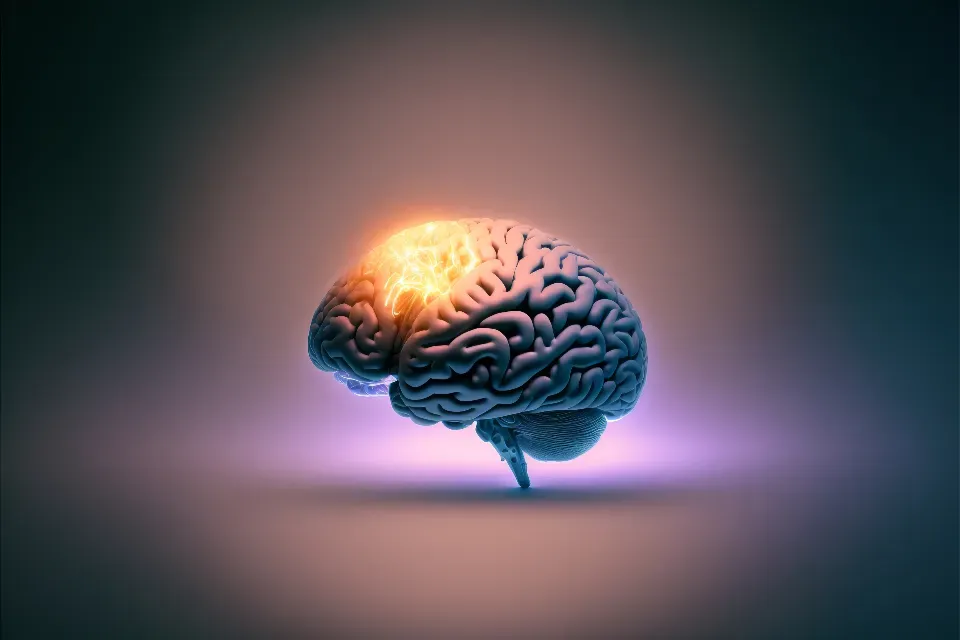
If you have ever had a car accident or a sudden fall, you might remember how everything seemed to slow down, as if time stretched. During a near-death event, your brain is under extreme threat, and that kind of crisis can push your memory systems into overdrive. Parts of your brain that help you survive – like the amygdala, which detects danger, and the hippocampus, which forms new memories – shift into emergency mode to capture every detail that might help you if you somehow make it through.
In those intense moments, your attention narrows in a powerful way. You stop noticing background noise and focus entirely on what feels like the core of what’s happening: the sensations in your body, the sound of medical staff shouting, the feeling of leaving your body, or the deep calm that sometimes appears unexpectedly. Because your brain is so focused, what you experience gets laid down as a kind of “high-priority” memory. Even years later, you may be able to recall the colors, the sounds, or the feeling of absolute clarity like it just happened yesterday.
The Role of Emotion: How Fear, Awe, and Peace Lock In the Memory

You already know that emotional moments tend to stick with you more than ordinary ones: the day you got bad news, your wedding, the birth of a child, a terrifying close call on the highway. Near-death experiences are often loaded with some of the most intense emotions a human can feel – pure fear, deep peace, overwhelming love, or a strange sense of detachment from your own body. Your brain treats those emotional surges like a loud alarm, telling your memory systems: hold on to this.
In emotional situations, your body releases stress hormones like adrenaline and cortisol, and these chemicals interact with brain regions that store memories. That cocktail of biology can make certain moments burn themselves into your mind with unusual sharpness. If your near-death experience involved overwhelming awe or a powerful sense of safety and warmth, that emotional contrast against the threat of death can make the memory feel sacred, untouchable, and crystal clear, even when other memories from that same period feel hazy.
Chemicals and Oxygen: What Happens When Your Brain Is Pushed to the Edge

During a near-death event – whether from cardiac arrest, severe blood loss, or another medical crisis – your brain is not getting what it needs. Oxygen drops, blood flow is disrupted, and that can set off a cascade of unusual electrical and chemical activity. Some studies suggest that in the early stages of losing oxygen, the brain may momentarily fire in a surprisingly organized and intense way, almost like a last surge of energy.
At the same time, your brain may release large amounts of certain neurotransmitters and natural pain-relief chemicals. You might feel separated from your body, experience unusual visions, or sense a powerful calm, not because your mind is “making things up,” but because it is operating in conditions it was never meant to sustain for long. Even though parts of this process are still not fully understood, the combination of abnormal brain activity and sudden chemical shifts can create experiences that feel extremely vivid and meaningful – and those are exactly the types of experiences your brain is most likely to remember with unusual clarity.
Dissociation and Out-of-Body Experiences: Your Mind’s Extreme Defense Mechanism
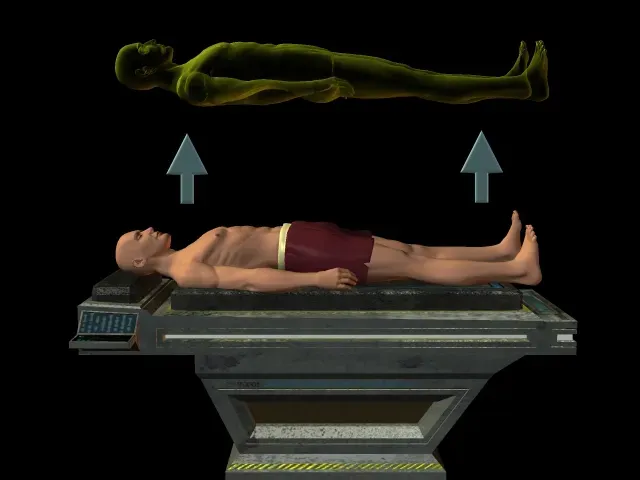
In some near-death experiences, you may feel as if you are floating above your body, watching yourself from the ceiling, or observing the scene like a detached witness. This is often described as an out-of-body experience, and it can feel strangely calm, even when what is happening to your body is chaotic. Psychologically, this kind of detachment is closely related to dissociation, a mental defense mechanism that helps you cope when something is overwhelmingly painful or frightening.
When you dissociate, your mind essentially steps back from the raw terror of the moment, almost like an internal emergency exit. Because you are suddenly observing instead of fully immersed, the scene can take on a cinematic quality. You may remember angles, details, and sequences as if you were watching a movie in high definition. That unusual perspective, combined with the intensity of what is happening, can lock the memory in place. Years later, you might still be able to “replay” it with a level of detail that surprises even you.
Meaning-Making and Identity: Why Your Brain Keeps Rehearsing the Story

What happens after the near-death event is just as important as what happens during it. If you have a powerful experience that seems to brush against death, you will almost certainly keep thinking about it. You might ask yourself why you survived, what you saw, and what it means for how you want to live from now on. Every time you mentally replay that story, you strengthen the memory’s pathways in your brain, like walking the same trail until it becomes a well-worn path.
Over time, the near-death experience can become a central part of how you understand yourself. Maybe it changes your values, makes you less afraid of dying, or pushes you to repair relationships or chase long-delayed dreams. Because you keep returning to the memory, analyzing it, and sometimes sharing it with others, it stays fresh and accessible. Instead of fading the way many memories do, it becomes part of your life narrative, which naturally keeps it sharp and easy to recall.
Why Some People Forget: Medical Variables, Sedation, and Fragmented Memory

It is tempting to assume that everyone who nearly dies will have a clear, story-like memory, but that is not what research finds. Many people remember nothing at all, or only scattered fragments – a sound here, a flash of light there. If you were heavily sedated, deeply unconscious, or your brain was more severely deprived of oxygen for longer, the systems needed to form stable memories may simply not have worked well enough during that time.
Other factors can blur things too: certain medications can interfere with memory formation, intense trauma can leave gaps, and some people may later suppress or downplay what they experienced because it feels too strange or frightening. You might also find that what you remember comes back in bits and pieces over time rather than as one clear story. These differences do not mean your experience was less real or important; they just highlight how many moving parts there are in the biology and psychology of memory when your life is on the line.
Culture, Beliefs, and How You Put the Experience Into Words

Even if two people’s brains go through something very similar during a near-death event, the way they describe it later can sound completely different. Your cultural background, spiritual beliefs, and personal expectations all shape how you make sense of something so far outside normal life. You might interpret a bright presence as a religious figure, a deceased relative, or simply an intense feeling of being loved and not alone, depending on what already lives in your worldview.
Those interpretations influence how you remember the experience. Once you settle on a story that feels meaningful and consistent with your beliefs, you tend to tell it that way again and again. Each retelling reinforces specific details while others quietly fade into the background. Over time, the memory becomes clearer along certain lines, not because you are inventing things, but because your brain is constantly editing and polishing the parts that matter most to you and leaving the rest in the shadows.
Lasting Changes in the Brain and Behavior: When One Memory Reshapes Your Life
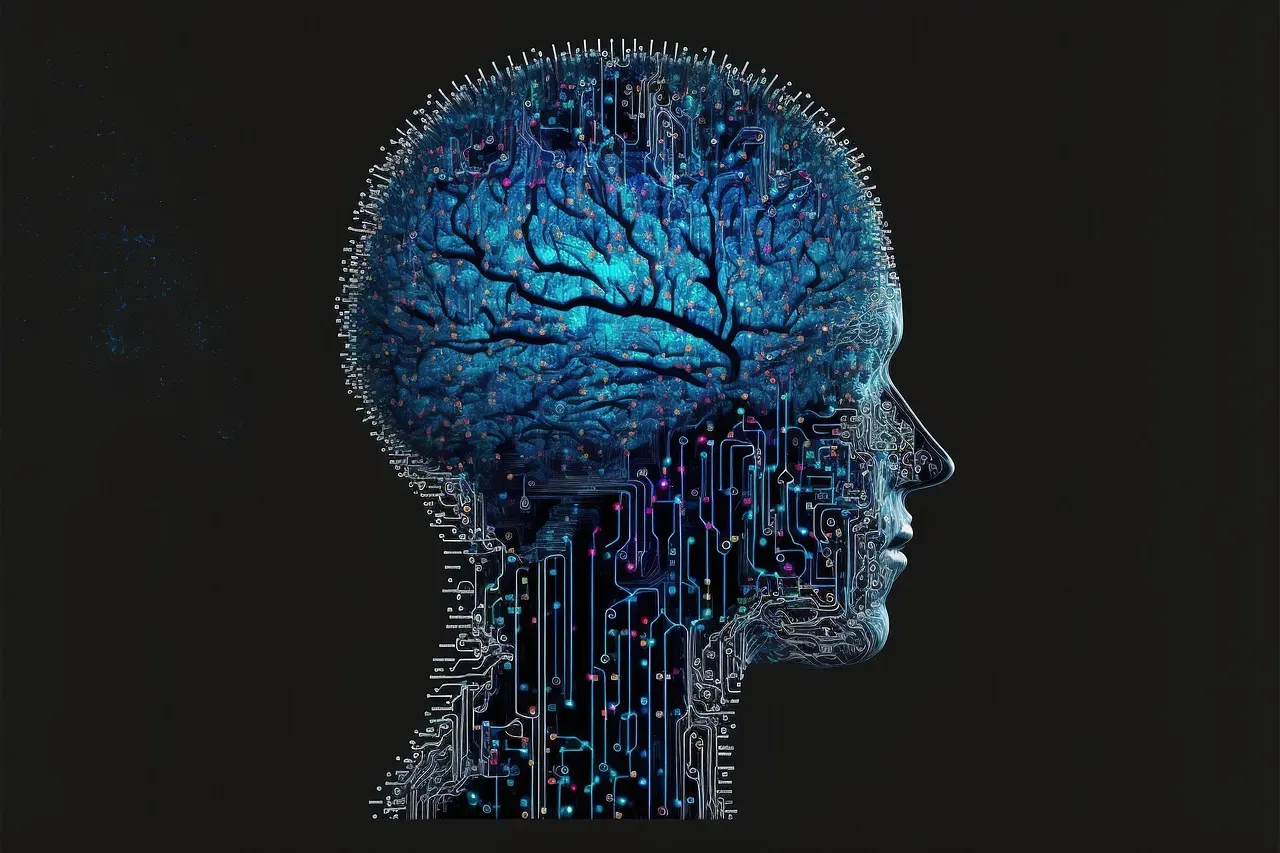
For some people, a near-death experience is not just a vivid memory; it is a turning point that leaves lasting marks on their outlook, behavior, and possibly even their brain. You may find yourself less afraid of death, more focused on relationships, or suddenly driven to help others. Those changes mean you keep revisiting the experience as a source of guidance and perspective, which reinforces how clearly you remember it.
Some researchers suspect that going through such an extreme event might nudge certain neural networks to reorganize, especially those related to self, meaning, and emotion. Even if those changes are subtle, the combination of powerful emotion, repeated reflection, and life decisions built around that memory turns it into a kind of mental landmark. It becomes one of those rare reference points you measure everything else against, which is exactly the kind of memory your brain works very hard to preserve.
Conclusion: A Vivid Edge Between Life and Death

When you pull all these threads together – extreme emotion, unusual brain activity, intense chemicals, psychological defense mechanisms, and the deep human need to find meaning – you start to see why some people remember their near-death experiences with such stunning clarity. These are not casual moments your brain can afford to treat like background noise. They sit at the sharp edge between life and death, and every part of you, from your biology to your beliefs, treats them as something extraordinary.
You may never stand in that space yourself, and most people hope they never do, but understanding the science behind these memories can change how you think about your own mind. It reminds you that your brain is not just a recorder; it is an active storyteller, a protector, and a meaning-maker, especially under pressure. If you were to find yourself on that edge one day, how do you imagine your mind would choose to remember it?