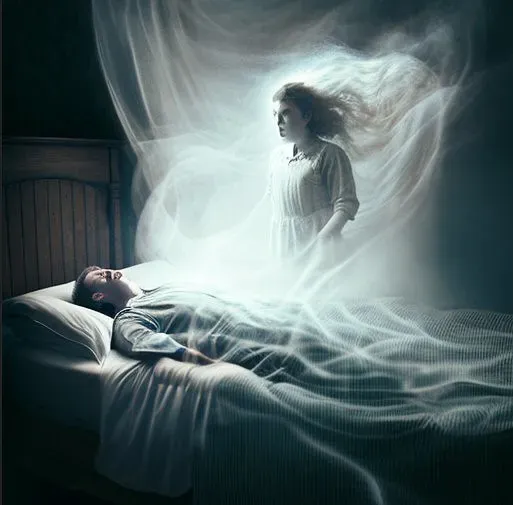

If you have ever heard someone calmly describe watching doctors work on their own lifeless body, you probably felt a mix of awe and skepticism. Stories of floating above the operating table, traveling down a tunnel, or seeing a bright, welcoming light are surprisingly common, especially after cardiac arrest or severe trauma. These are often called out-of-body experiences, and for decades they sat in a strange space between spiritual testimony and medical mystery.
Today, researchers are finally peeking under the hood of these events with brain scans, detailed interviews, and careful resuscitation studies. The picture that is emerging is not simple, and it is not purely mystical or purely mechanical. Instead, it is a messy, fascinating overlap of neurobiology, psychology, culture, and sometimes sheer terror, all playing out at the edge of life. Understanding that intersection does not cheapen the experience; if anything, it makes it more astonishing.
The Strange Consistency of Out-of-Body Accounts
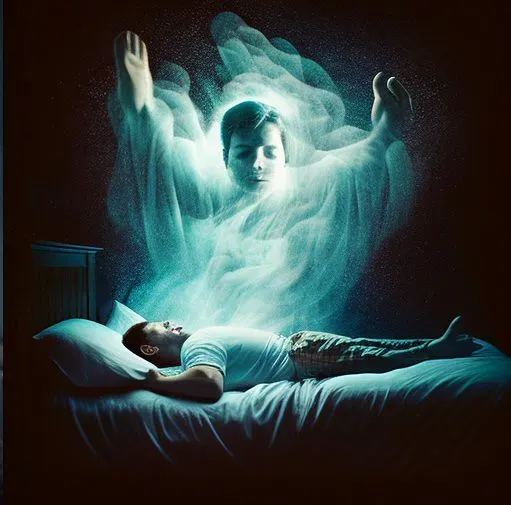
One of the most striking things about is how similar the stories sound, even from people who have never heard of near-death experiences before. Patients often describe floating above their bodies, seeing medical staff working on them, or drifting down a hallway or tunnel toward a distant light. Some report feeling intense calm and detachment, as if their fear simply switched off. Others recall an almost hyper-real clarity, like the world suddenly went from standard definition to ultra-high definition.
These reports are not limited to one country, one religion, or one type of crisis. Cardiac arrest survivors, trauma patients, and people who lost consciousness due to complications in surgery can all describe these events with surprising detail. That consistency is part of what pushed scientists to take the phenomenon more seriously. When a pattern repeats across thousands of people and multiple cultures, it raises a bigger question: what in the brain and body could be producing it, especially when someone is close to death?
What Happens to the Brain in a Medical Emergency?
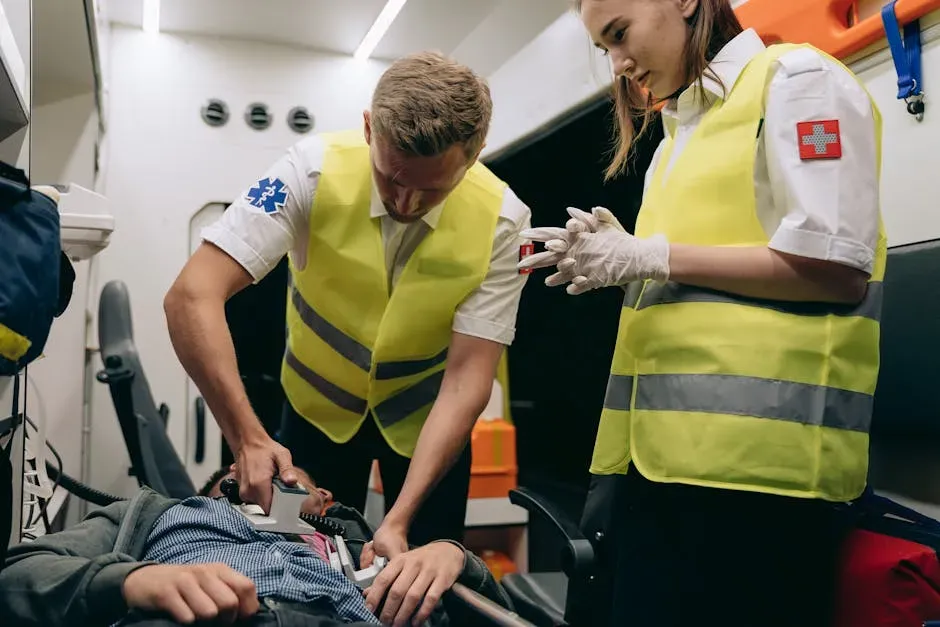
To understand out-of-body experiences, you have to start with what happens when the body crashes. In a cardiac arrest, the heart stops pumping effectively, blood pressure plummets, and oxygen delivery to the brain drops almost immediately. Within seconds, people lose consciousness. Within minutes, if blood flow is not restored, brain cells begin to die. That sounds like a clean cutoff, but in reality, the early stages can be surprisingly active and chaotic inside the skull. Some animal studies suggest a brief surge in highly organized brain activity just after blood flow drops, almost like a last electrical storm.
That short window, before irreversible damage sets in, is where many researchers think the raw material for out-of-body experiences might arise. Neural networks that normally help you track your body in space, form memories, and process sensory input can become unstable under low oxygen. Instead of shutting down smoothly, they may misfire and generate vivid internal experiences. It is a bit like the flickering of a dying light bulb: you get strange, intense bursts of brightness right before everything finally goes dark.
The Brain’s Sense of Self and the Body Map
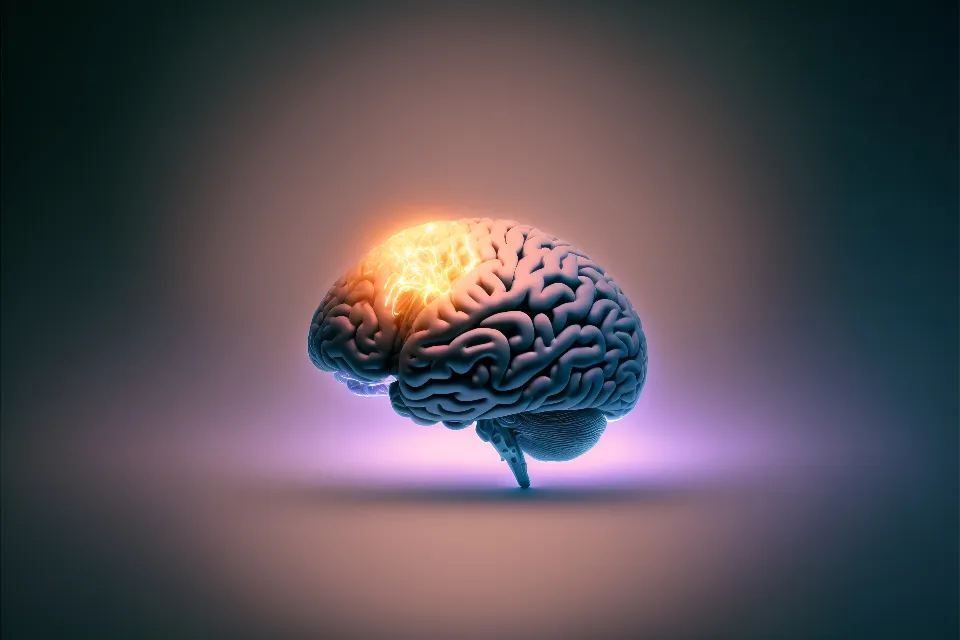
Under everyday conditions, your brain runs a complex “body map” behind the scenes. It constantly combines signals from your eyes, inner ear, skin, and muscles to create a smooth feeling of “me, here, in this body.” This body map is not fixed in stone; it can be fooled. Simple lab experiments have shown that people can feel as if a fake rubber hand is their own, just by synchronizing touches on the fake hand and their hidden real hand. More advanced experiments using virtual reality and gentle electrical stimulation of specific brain regions have even triggered mild out-of-body illusions in awake volunteers.
In a medical emergency, that same fragile body map is under extreme stress. Oxygen deprivation, drugs, anesthesia, or traumatic shock can disrupt the exact brain areas that maintain your sense of location in space and ownership of your body. When that system glitches, the mind can construct a perspective from slightly outside the body, because the usual anchors have been loosened. Instead of thinking of the “soul” leaving, some researchers think of it as a technical error in a very advanced piece of biological software that suddenly starts rendering you from a different camera angle.
Memory, Time Distortion, and the Problem of Recollection
One thing people often forget is that we do not experience emergencies the way we later remember them. Memory is not a video recording; it is more like a constantly edited story. In cardiac arrest or severe trauma, the brain is drenched in stress hormones, starved of oxygen, and often affected by sedative drugs. Later, when the person recovers, the brain tries to make sense of scattered fragments: brief images, flashes of sound, bodily sensations, and emotions. Out-of-body stories can emerge as the mind stitches these fragments into a coherent narrative that feels continuous.
Time also behaves strangely under threat. Many survivors say everything felt slowed down or weirdly stretched, even for events that lasted only a few seconds in real time. That stretching can make moments right before loss of consciousness feel much longer and richer than they were. When these extended, dreamlike sequences get paired with the knowledge that your body was close to death, they take on enormous emotional weight. The result is a memory that feels unshakably real, even if it was built from brief, distorted moments around the medical crisis rather than during full clinical death.
Culture, Belief, and How We Explain the Unexplainable
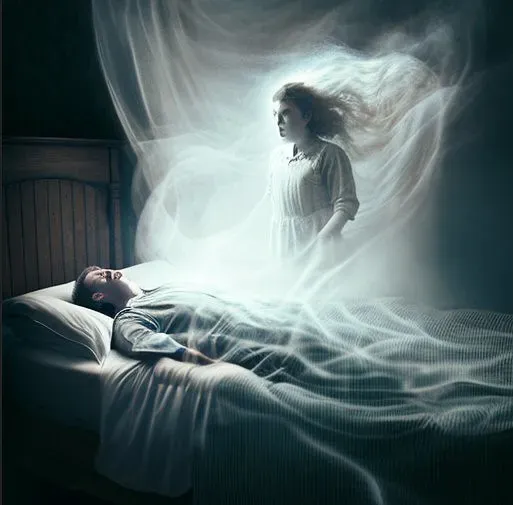
Our brains do not create experiences in a vacuum; they build them using the raw materials of our culture and beliefs. Someone raised hearing stories of tunnels and lights might frame their experience in those terms after waking from a medical emergency. Someone from a different background might describe ancestors, spiritual beings, or symbols unique to their tradition. The core sensations – leaving the body, powerful emotion, altered time – can be filtered through different storylines, producing an experience that feels spiritual, religious, or cosmic, depending on the person’s worldview.
This does not mean the experiences are fake, but it does mean that interpretation matters a lot. After talking to many people who went through medical crises, I have noticed that how they talk about it can change how they live afterward. Some come back with a stronger sense of purpose or less fear of dying. Others feel confused or distressed, especially if their experience clashes with their previous beliefs. Science can explain pieces of what may be happening in the brain, but it cannot tell anyone what their experience should mean to them. That part is deeply personal.
Testing the Limits: Can We Verify Out-of-Body Perception?
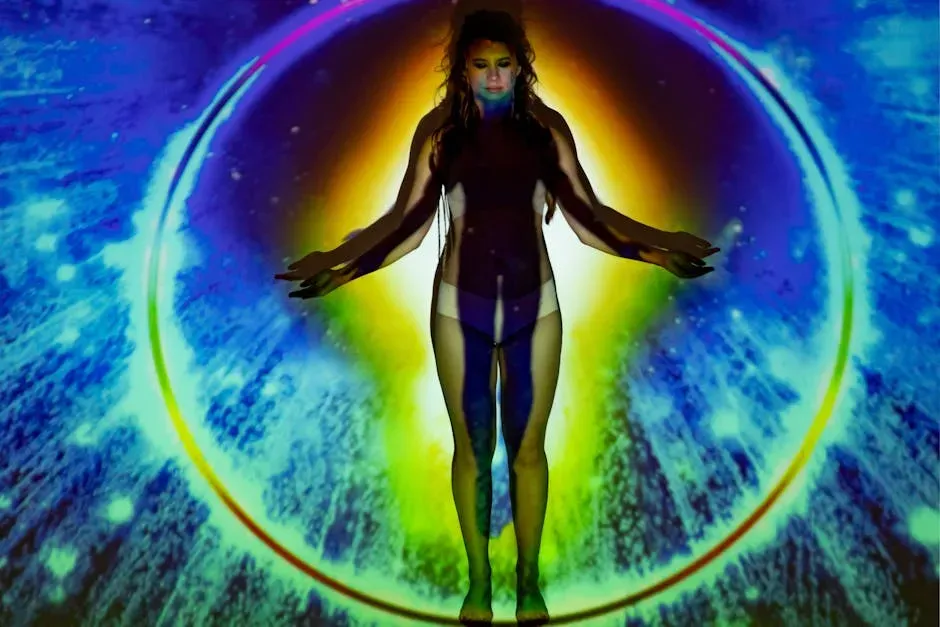
Because some patients report seeing or hearing things during cardiac arrest that they could not have sensed from their physical position, researchers have tried to put this to the test. A few clever studies placed hidden images or signals high up in resuscitation rooms, only visible from an elevated vantage point, and then later asked survivors what they recalled. So far, evidence that patients can reliably report these hidden targets is extremely limited and controversial. Most accurate details in people’s stories can usually be explained by normal hearing, prior knowledge, or coincidence.
That does not completely settle the question, but it does put some brakes on the idea that people are routinely floating above their bodies gathering accurate visual information. The vast majority of data still points back to internal brain processes under extreme stress, not the mind literally leaving the skull. Personally, I think this is where we have to hold two thoughts at once: the current science strongly supports a brain-based explanation, and at the same time, the subjective power of these experiences can feel far larger than the biology we can measure. That tension is uncomfortable, but it is honest.
Why These Experiences Feel More Real Than Reality
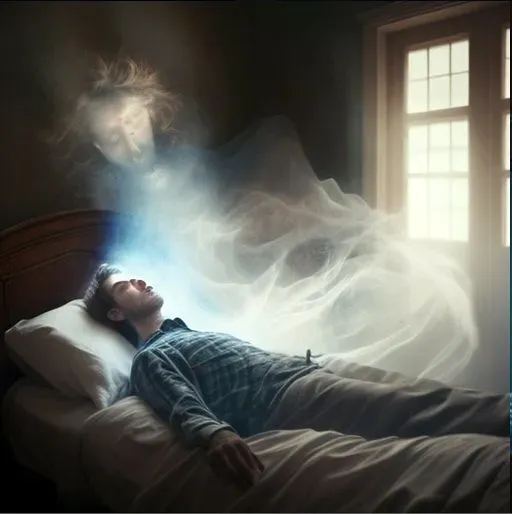
One of the most puzzling things for doctors and researchers is how often patients insist that their out-of-body experience felt more real than ordinary waking life. From a brain perspective, this might happen because the systems that normally help you doubt, question, or compare experiences are offline. Intense emotional circuits can also light up, burning the event into memory with unusual strength. It is a bit like a dream plus a panic attack plus a sense of transcendence, all wrapped into one and then stamped with a giant “this matters” label in the brain.
We see something similar in certain types of seizures, psychedelic drug experiences, and extreme meditation states, where people come back convinced they touched some deeper layer of reality. The fact that many different routes can lead to that feeling suggests it is a built-in capability of the human brain, not proof of any single explanation. To me, that actually makes human consciousness more impressive, not less. The same three pounds of tissue that lets you check your messages can also generate experiences so profound that people spend the rest of their lives trying to make sense of them.
Conclusion: A Brain-Based Mystery That Still Matters
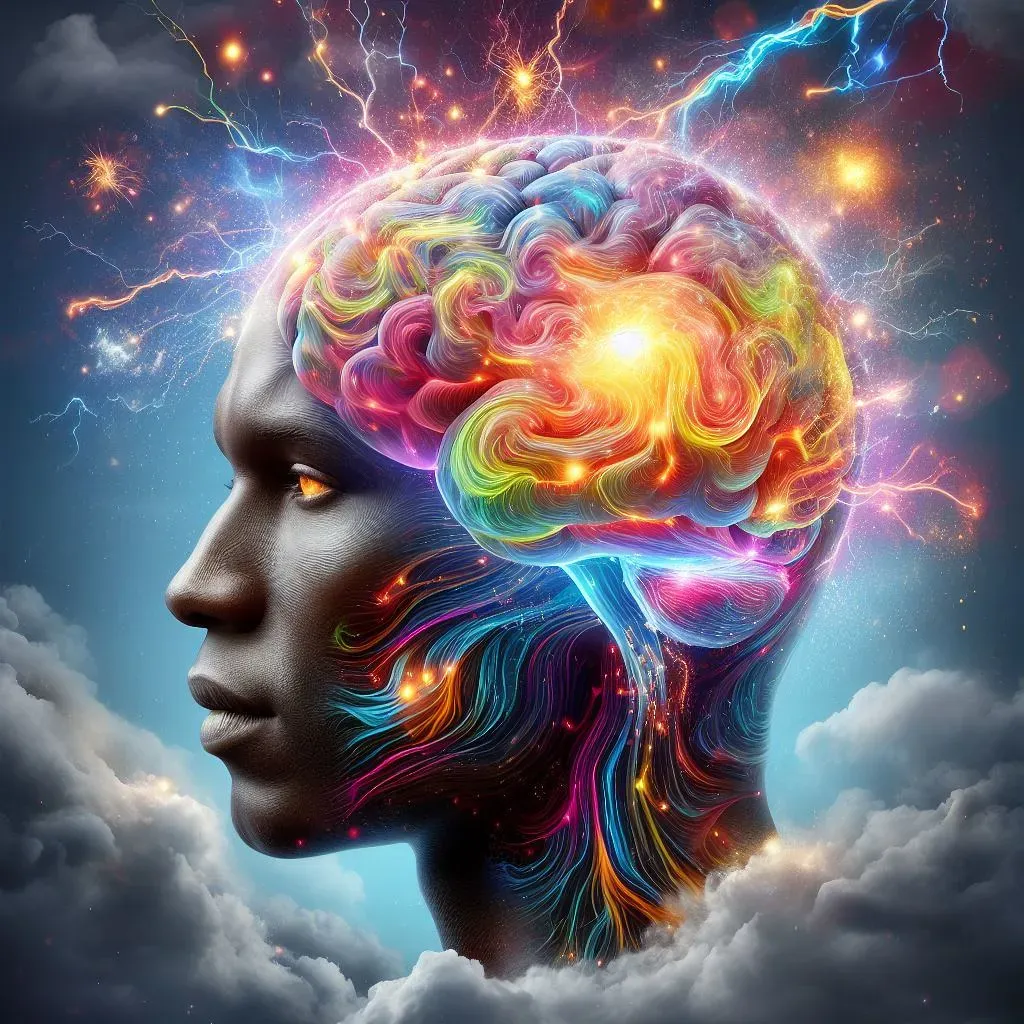
When you line up all the evidence we have in 2026, the most grounded explanation for is this: they are powerful, brain-generated events that emerge when the systems for consciousness, body awareness, and memory are pushed to their limits. Oxygen deprivation, sudden drops in blood flow, medications, and stress hormones can warp perception in dramatic ways. Culture and belief then shape how the experience is remembered and told. That may not satisfy people hoping for proof of life after death, but it does give us a realistic framework that fits what we can actually measure.
At the same time, I do not think a neurobiological explanation makes these experiences trivial. If anything, it underlines how fragile and extraordinary consciousness really is. In my view, the honest stance is a kind of humble curiosity: we should respect what people go through, admit that the brain is capable of more than we fully understand, and keep testing our ideas without pretending we already have all the answers. Whether you see these moments as glimpses of another realm or the brain’s final fireworks, they force you to ask a simple, unsettling question: what, exactly, is this thing we call “being here” in the first place?