
If you imagine going to space, you probably think of the view: blue Earth below, silent stars above, and that dreamy sense of floating freedom. But if you listen carefully to what astronauts actually describe, a very different picture appears. Space is stunning, yes, but it can also be deeply unsettling, sometimes even terrifying in ways you never feel on Earth.
From strange lights and violent sounds to the crushing realization of how fragile your body really is, the scariest things astronauts report are not always what you’d expect. As you step through these stories in your mind, you start to see space less like a calm screensaver and more like an eerie, indifferent ocean that you’re barely equipped to survive in. And that might be the most chilling part of all.
Floating Above a Deadly Void: When You Really Feel the Nothing
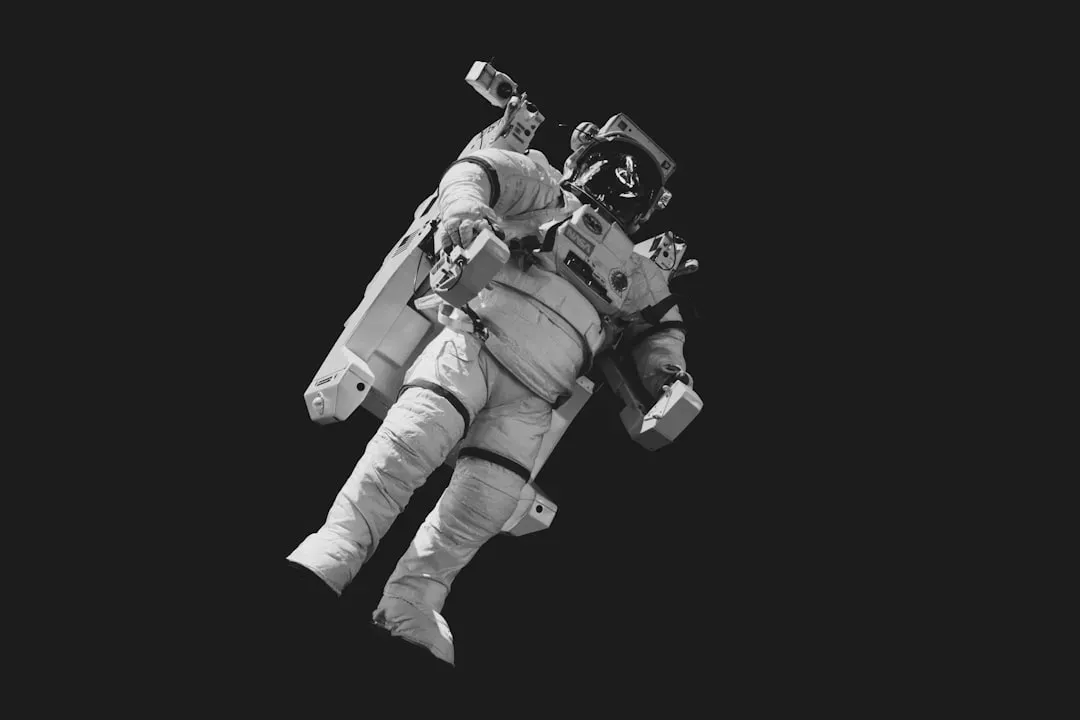
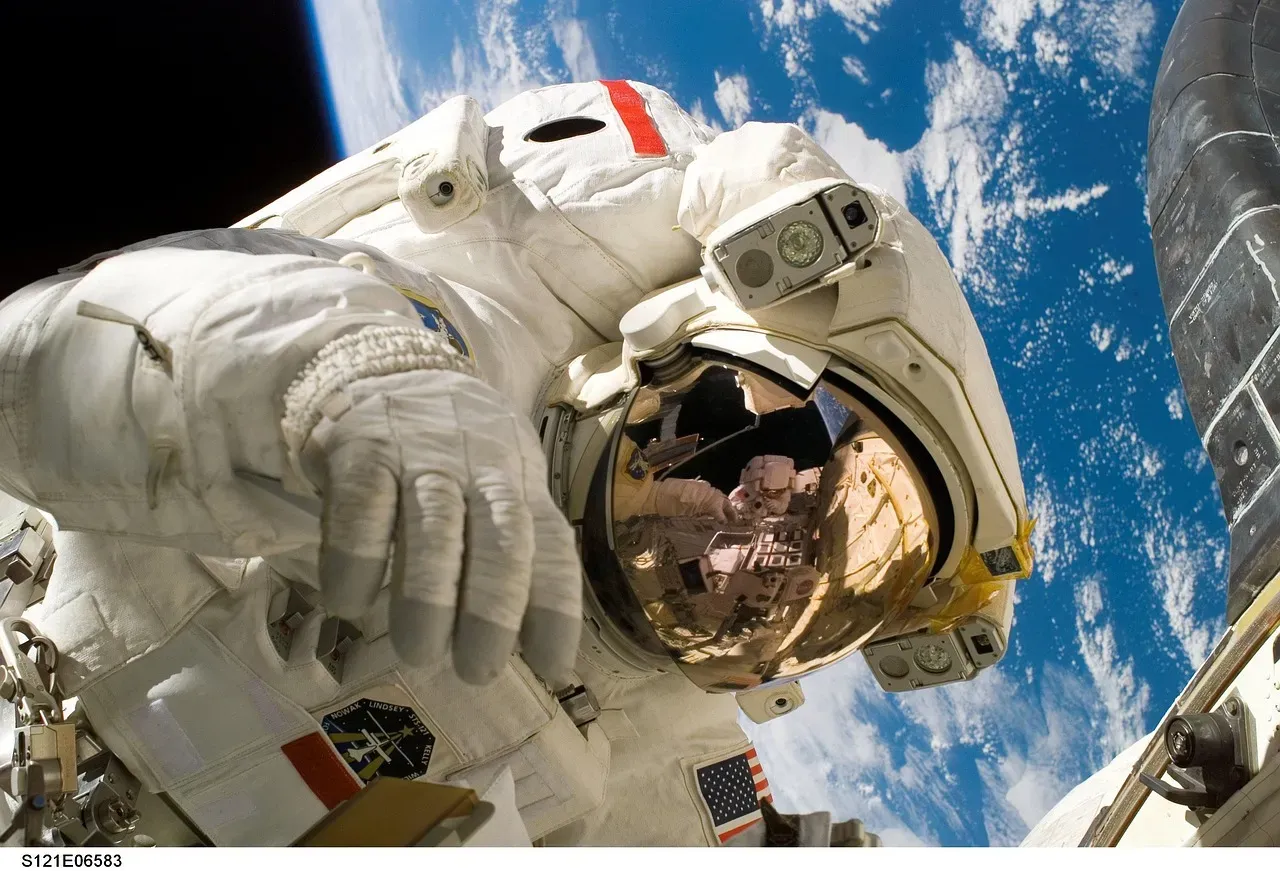
One of the scariest things you’d experience in space is not a monster, not a sound, not even a sight, but a feeling: the moment you truly grasp that there is nothing around you that can keep you alive. When you float outside the station on a spacewalk, there’s just you, a thin suit, and a drop into blackness that goes on forever. You’re not just high up; you’re completely unprotected from an environment that would kill you in seconds if that suit fails.
On Earth, even in dangerous places, you’re still wrapped in air, pressure, and gravity that quietly keep you alive. In orbit, that invisible safety net is gone, and your brain knows it. You can look down and see the entire curve of the planet, but if something goes wrong with your tether, you’re not just falling – you’re drifting away with no natural way back. That mental picture alone can make your heart beat faster, because you suddenly understand how tiny and fragile you really are.
The Crushing Silence Broken by Terrifying Bumps and Bangs
You might expect space to be pure silence, and in the vacuum outside, it is. But inside your spacecraft or station, silence is actually bad news. You rely on a constant hum of fans, pumps, and systems that move air, recycle water, regulate temperature, and keep you alive. When that sound changes – when a fan whines funny, or a pump suddenly stops – you feel a jolt of fear, because in space a simple mechanical issue can escalate into a crisis terrifyingly fast.
Then there are the unexpected bangs and thuds. Tiny bits of space debris or micrometeoroids can hit the outside of the vehicle with sharp, unsettling knocks. You can’t see what hit you. You hear a metallic pop, feel a slight vibration, and instantly your mind runs to worst-case scenarios: Did it puncture something? Is air leaking? Is critical equipment damaged? You’re trapped in a metal bubble, hundreds of kilometers above Earth, hoping that whatever just slammed into your home didn’t compromise your only shield against the vacuum outside.
Seeing Earth on Fire: Lightning, Storms, and Human Destruction
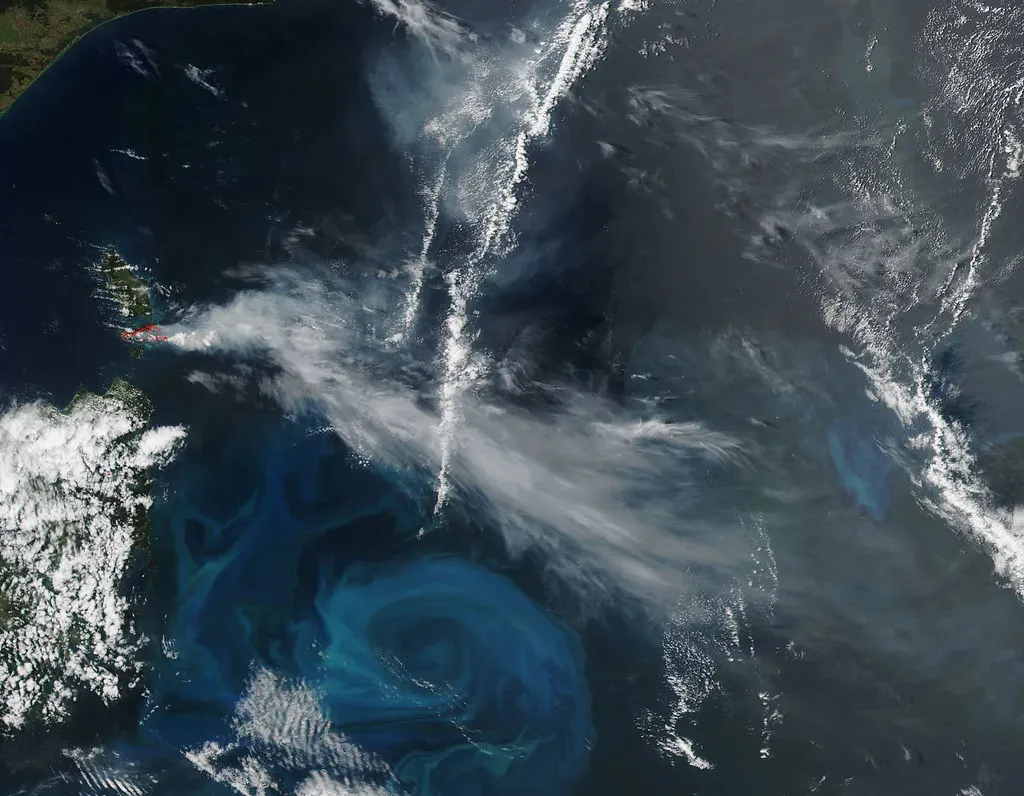
Out the window, you don’t just see a peaceful blue marble. You see Earth alive, violent, and sometimes horrifying. Gigantic thunderstorms sprawl for hundreds of miles, with flashes of lightning that light up entire sections of the planet like a slow, silent strobe. From up there, a storm you’d call “bad weather” on Earth looks like a moving, electric beast, breathing and pulsing over continents and oceans below you.
Then there’s the human side of it. You can see wildfires as glowing scars, smoke plumes from industrial areas, and at night, cities burning electricity like constellations gone wild. You might watch hurricanes spin with perfect, deadly geometry, knowing millions of people are in their path. From orbit, you can’t ignore what your species is doing to the surface. That mix of natural violence and human damage can be deeply unsettling, because you realize how painfully thin and vulnerable that atmosphere really is – and how easily it can all go wrong down there.
Unexplained Lights and Ghostly Glows in the Dark
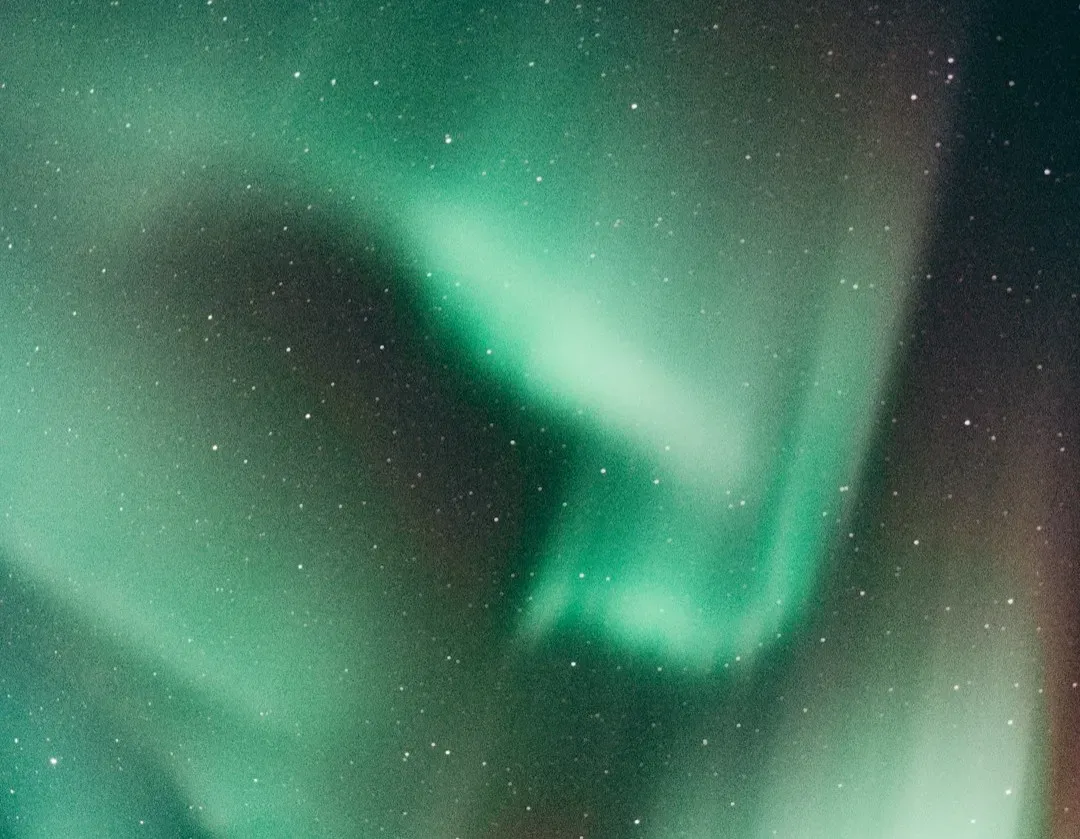
When you think of scary things in space, it’s hard not to land on strange lights. Astronauts have reported odd flashes, eerie glows along the horizon, and faint, moving shapes of light they couldn’t immediately identify. Many of these have later turned out to be explainable – reflections inside windows, city lights bending around the atmosphere, or cosmic rays hitting cameras – but in the moment, you’re seeing something you can’t name, in a place where you really don’t want surprises.
The auroras alone can feel otherworldly. From Earth, you see them as curtains of green or red in the sky; from orbit, you’re flying above and through them. It can look like the planet is wrapped in a shimmering force field or on fire at the edges. When you add in sudden bright flashes caused by high-energy particles affecting your eyes or your cameras, you can end up feeling like space is full of ghostly visitors, even when you rationally know it’s just physics doing its thing.
When Your Own Brain Starts Playing Tricks on You
Space does strange things to your body, and some of those changes can feel scary because they mess with your senses. Without gravity, fluids in your body shift upward, your face puffs, your head feels full, and your inner ear loses its usual reference points. Your balance system was built for walking on a planet, not floating, so your brain starts trying to improvise. That’s when you get motion sickness, disorientation, and sometimes the unnerving sense that the station is rotating when it’s not.
On top of that, you’re sleep-deprived and under constant low-level stress. The sun rises and sets roughly every ninety minutes in low Earth orbit, which can completely scramble your internal clock. Under those conditions, shadows, reflections, and ordinary noises can feel strange and exaggerated. You might catch something in the corner of your eye, turn your head too fast, and for a fraction of a second feel like there’s someone – or something – there with you. Intellectually, you know it’s your mind overreacting. Emotionally, it still spikes your fear.
The Fear of Fire, Leaks, and Invisible Poison
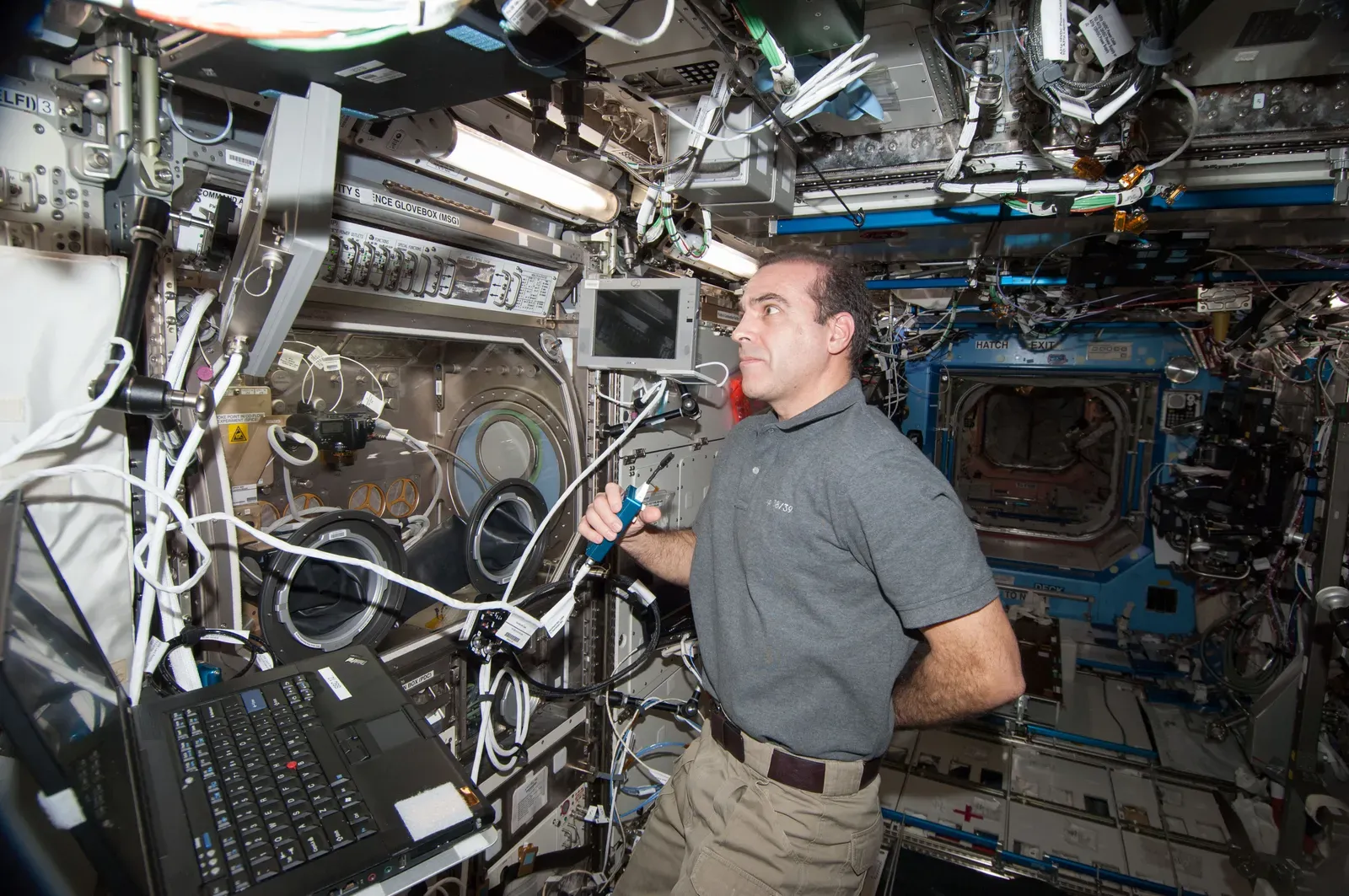
One of the most chilling realizations you face in space is how many ways your environment can suddenly turn against you, often without warning. Fire, for example, behaves differently in microgravity, forming floating, spherical flames that do not rise the way they do on Earth. A small electrical fault can create smoke that just hangs in the air, because there’s no normal convection to pull it upward. If you smell something burning, you don’t just get worried; you react with immediate, trained fear, because there is nowhere to run, only the hope that you can put it out or isolate it in time.
Air leaks and toxic contamination are just as terrifying. Even a slow leak means your breathable air is quietly disappearing into space, and you have to find the source quickly with limited tools. A chemical spill, malfunctioning scrubber, or bacteria blooming in the water system can release invisible threats into your closed loop. You live in a sealed ecosystem where every breath, every drop of water, every surface matters. Knowing that any unseen failure in that loop could slowly suffocate or poison you is the kind of background fear that never completely goes away.
Looking Back at Earth and Realizing How Alone You Really Are
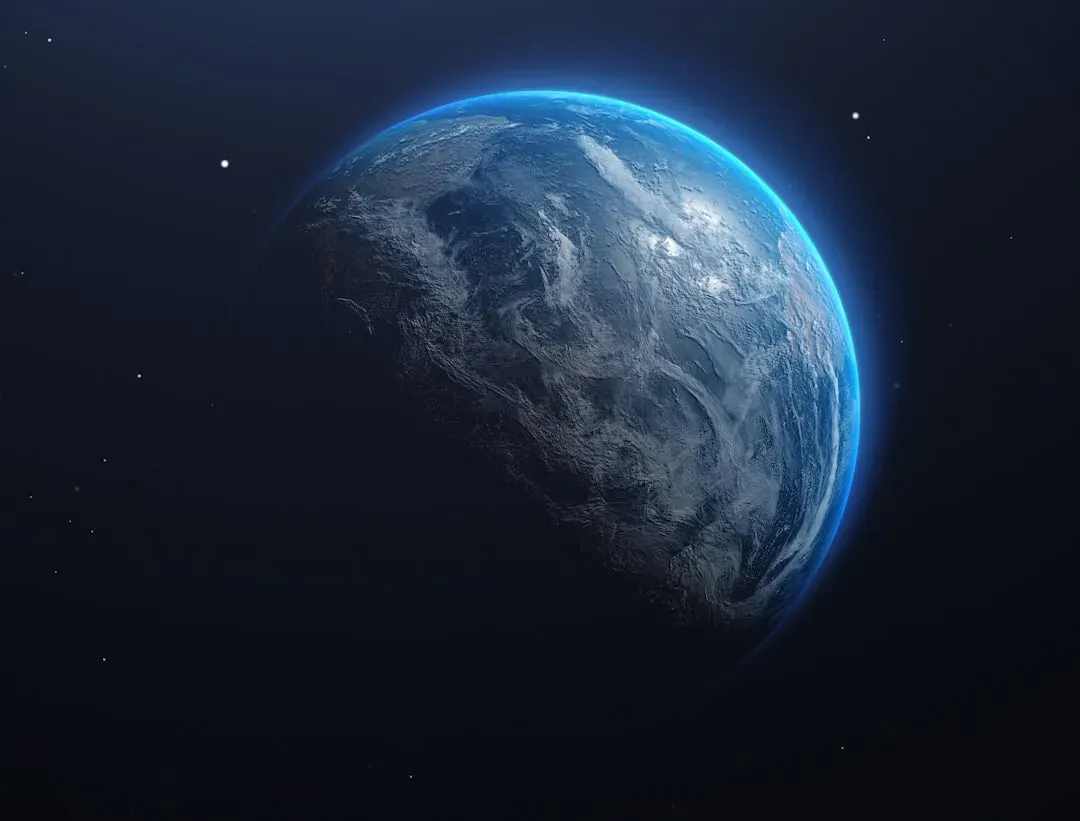
Oddly enough, one of the scariest things you can see out there is also one of the most beautiful: Earth itself. When you first look back and see the whole planet floating in blackness, it can be overwhelming. You can cover it with your thumb at arm’s length, and that simple gesture hits you with a shocking truth: everyone you’ve ever known, every memory, every story, every comfort is on that tiny, glowing ball behind your thumb. You’re not just far from home; you’re removed from everything that feels safe and familiar.
As missions push farther out – to the Moon again and, eventually, to Mars – that feeling only intensifies. Radio signals start to lag, emergency returns become impossible, and the pale blue dot shrinks to a star-like speck in the darkness. You realize that if something goes badly wrong, help is not minutes away; it might be days, weeks, or simply impossible. That awareness can creep over you in quiet moments, when you’re strapped in, looking out, and suddenly feel the full emotional weight of cosmic isolation settled on your chest like a heavy stone.
Conclusion: The Real Horror of Space Is How Real It Is
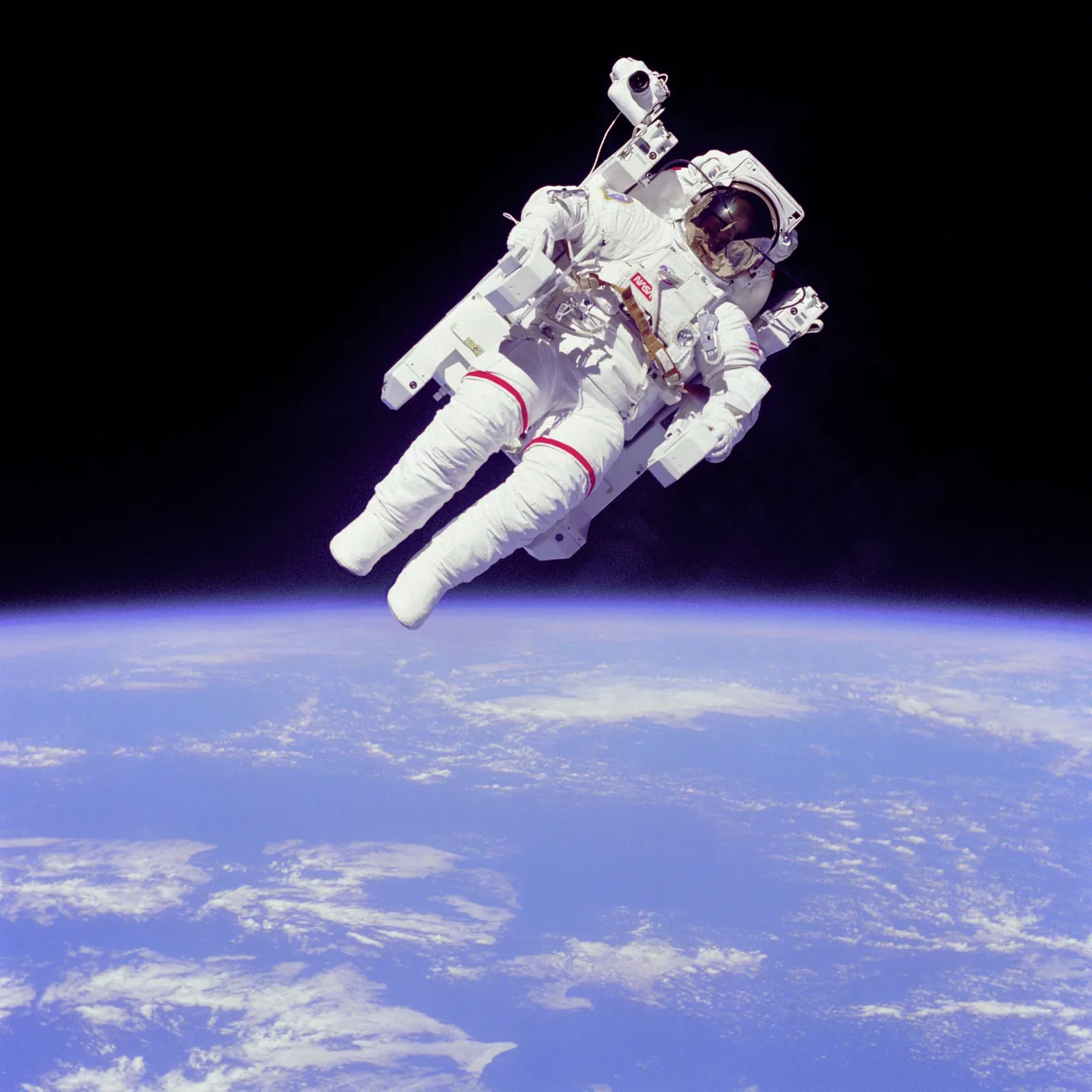
When you peel back the glossy images and heroic headlines, the scariest things astronauts see in space are not fantasy creatures or dramatic movie disasters. They’re the cold realities of physics, biology, and psychology: the deadly vacuum outside your suit, the fragile machinery that keeps you breathing, the storms ravaging your home planet, the tricks your own brain plays when it’s pushed far beyond its comfort zone. Space isn’t evil, but it is absolutely indifferent, and that indifference is what makes every knock, flicker, or strange glow feel so unsettling.
If you ever make it out there, you’ll likely be stunned by the beauty first. But at some point, the fear will slip in around the edges – the awareness that you are one small, soft animal in an environment that gives you nothing for free. That mix of awe and terror is what astronauts carry home and struggle to explain. Maybe that’s the real question to sit with: if you could see what they’ve seen, would the fear stop you, or would you go anyway?