You love your dog like family, so the idea that one everyday habit could quietly be shaving years off their life is honestly a bit gut‑wrenching. Yet for many owners, that habit is so normal it barely even registers: you simply are not giving your dog enough of the right kind of daily exercise. Not wild weekend play, not the occasional sprint at the dog park, but consistent, age‑appropriate movement every single day. When your dog spends most of their life lying on the couch, pacing a small yard, or just going out for quick bathroom breaks, an invisible clock starts ticking faster. Extra weight creeps on, their heart and joints weaken, and their brain gets less stimulation than it needs. Over time, this “quiet” lifestyle can seriously raise the risk of arthritis, diabetes, heart disease, and behavior problems that shorten both lifespan and quality of life. The good news? You have a huge amount of control over this, starting today.
You Think the Backyard Is Enough (But Your Dog’s Body Disagrees)
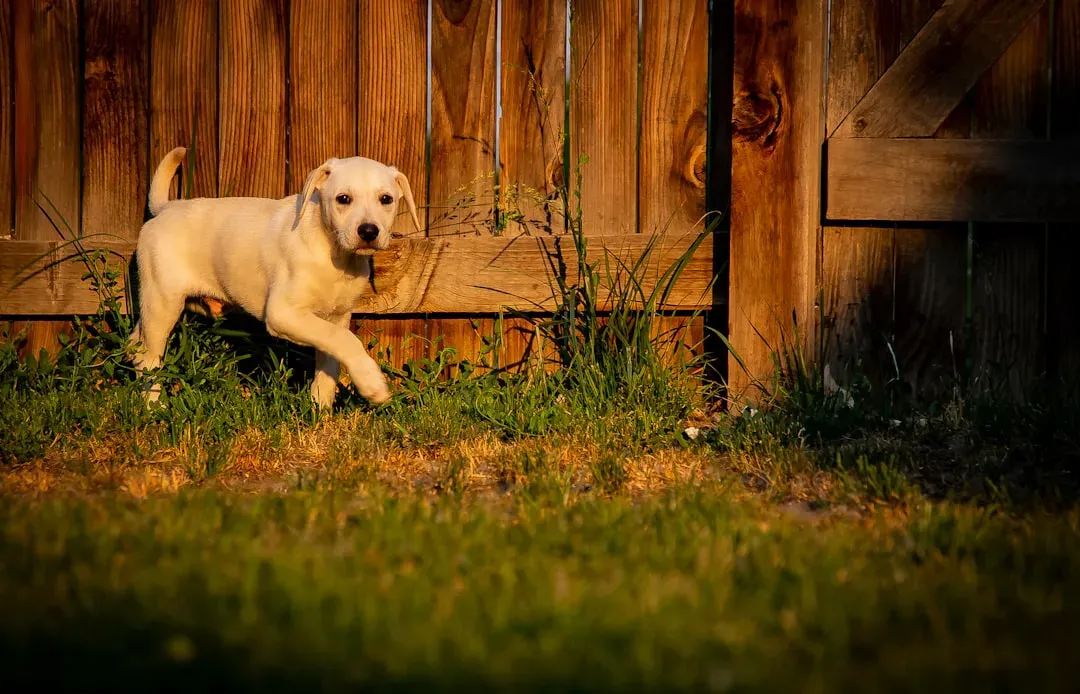
You might feel pretty good about your setup: you have a fenced yard, your dog can wander in and out, and you assume they’re moving plenty. But most dogs do not self‑exercise in a meaningful way. They sniff a bit, stroll the perimeter, then park themselves in the same sunny spot or by the back door waiting to come in. From the outside, it looks like “time outside.” From your dog’s body’s point of view, it barely counts as a workout. If you wore a fitness tracker and only counted the steps you took from the couch to the fridge, you wouldn’t call that an active day. It’s the same for your dog. Without intentional walks, play, or training sessions that actually get their heart rate up and muscles working, their body slowly adapts to a sedentary norm. Over months and years, that norm raises the risk of obesity, weakens the heart, and puts extra strain on joints, which can easily add up to years lost from their natural lifespan.
Under‑Exercise Fuels Weight Gain That Quietly Shortens Life
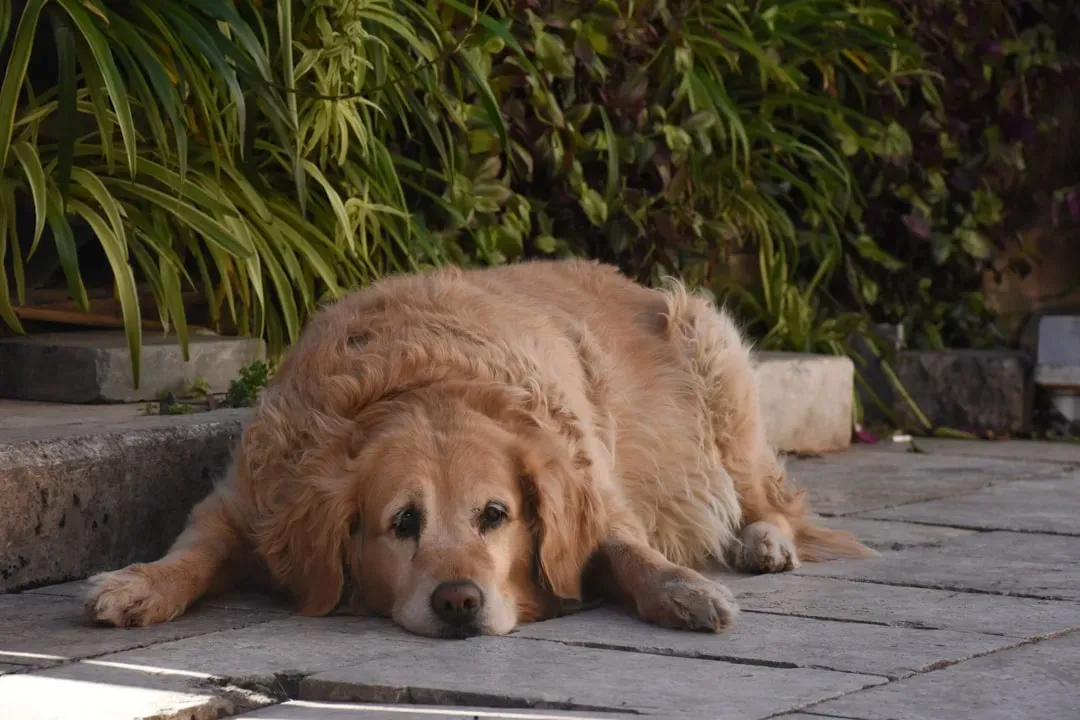
You notice when your dog suddenly limps or vomits, but gradual weight gain sneaks up on you. A pound here, a pound there, and before you know it, your dog has a chubby neck, a rounder belly, and less visible waist. Even a few extra pounds on a medium‑sized dog can be the difference between a healthy body and a body struggling under constant strain. That extra fat is not just “cute” – it acts like an active organ, pumping out inflammatory chemicals that stress joints, heart, and metabolism. You may have heard that lean dogs tend to live noticeably longer than overweight dogs of the same breed. When you under‑exercise your dog but keep feeding the same amount – and throw in a few treats for good measure – you’re accidentally shifting them into the risky category. Over time, that extra weight raises the chances of arthritis, diabetes‑like conditions, breathing trouble, and even some cancers. You cannot control everything that will affect your dog’s lifespan, but you can control whether their body has to haul around unnecessary extra pounds every day.
The Daily Walk You Skip Is a Missed Appointment With Your Dog’s Heart
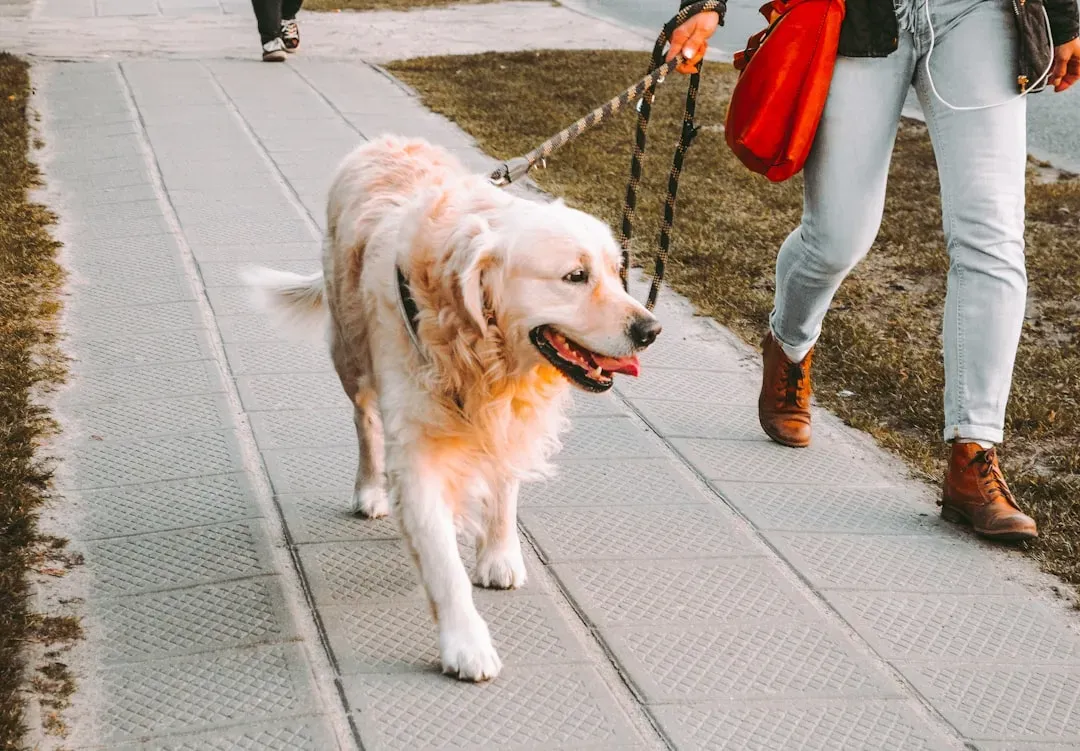
You might tell yourself, “I’ll walk them tomorrow” or “They ran a bit in the yard, that’s fine.” It feels harmless in the moment, especially after a long workday when you’re tired. But for your dog’s cardiovascular system, that missed walk is like skipping a small but important appointment. Regular, moderate cardio – like a brisk walk where your dog is actually moving with purpose – keeps the heart muscle strong, improves circulation, and helps regulate blood pressure. Over weeks and years, dogs that move their bodies daily have hearts that cope better with aging. When movement is rare and inconsistent, the heart has fewer chances to adapt and strengthen. That doesn’t usually show up as a sudden dramatic event; it’s more like steady wear and tear. By protecting your dog’s daily walk as seriously as you protect your own important tasks, you’re giving their heart a fighting chance to perform well into old age instead of giving out early.
Boredom Is a Silent Health Risk You Probably Underestimate
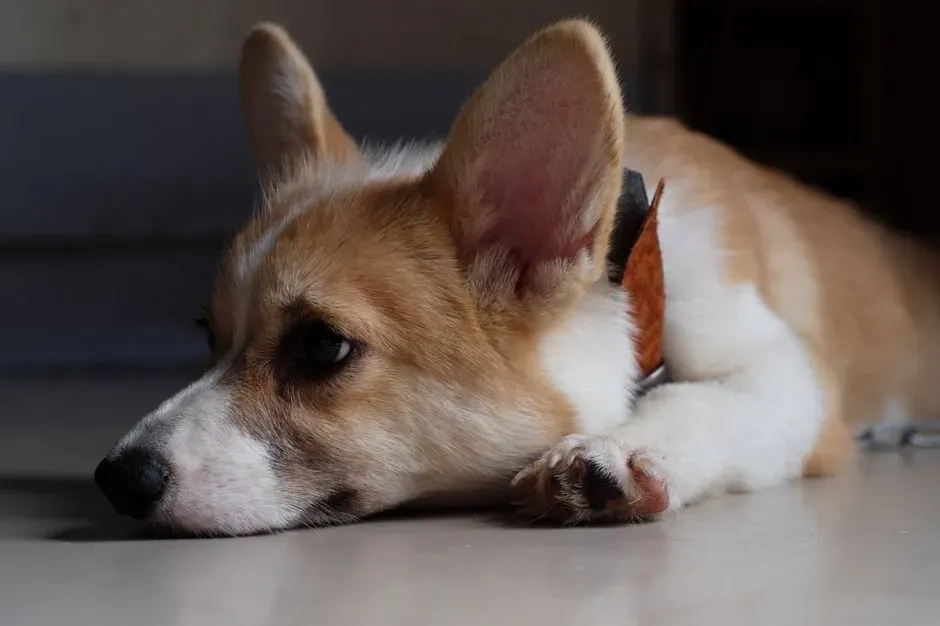
When your dog lies around all day, you might think they’re content, even “chill” or “low‑energy.” In reality, many dogs are bored out of their minds, and boredom in animals has real consequences for both behavior and health. Without enough physical and mental stimulation, your dog can slide into a low‑grade chronic stress: they may chew furniture, bark excessively, lick themselves raw, or seem oddly restless at night. That stress influences hormones that affect everything from immunity to digestion. Exercise is not just about muscles; it’s one of the most powerful natural stress‑relievers your dog has. When you walk, play, or work on training together, your dog gets a cocktail of “feel‑good” brain chemicals that help regulate mood and sleep, and may even protect cognitive function as they age. A stimulated dog tends to be a calmer, more emotionally balanced dog – and chronic emotional stress is the last thing you want if you’re trying to help them live as long and as well as possible.
Too Much Couch Time Worsens Joint and Mobility Problems

If your dog is young and bouncy, it’s tempting to think you can “fix” their activity later when life slows down. But long stretches of under‑use early on mean their muscles never fully support their joints, and that weak foundation can set them up for problems like early arthritis or cruciate ligament tears. Imagine expecting to run a 10K race after spending a year sitting at a desk; your knees and hips would protest loudly. Your dog’s joints work the same way. As dogs age, the cost of a sedentary life gets even higher. Less muscle means less stability for already aging joints, which leads to pain and stiffness, which then makes your dog want to move even less. It’s a vicious cycle that accelerates mobility decline and can easily steal years from their active life. When you commit to daily, gentle, appropriate exercise throughout their life, you’re not just “tiring them out” – you’re building a protective framework that keeps their body functional long after many dogs have started to struggle.
Mental Sharpness Depends on Movement More Than You Think
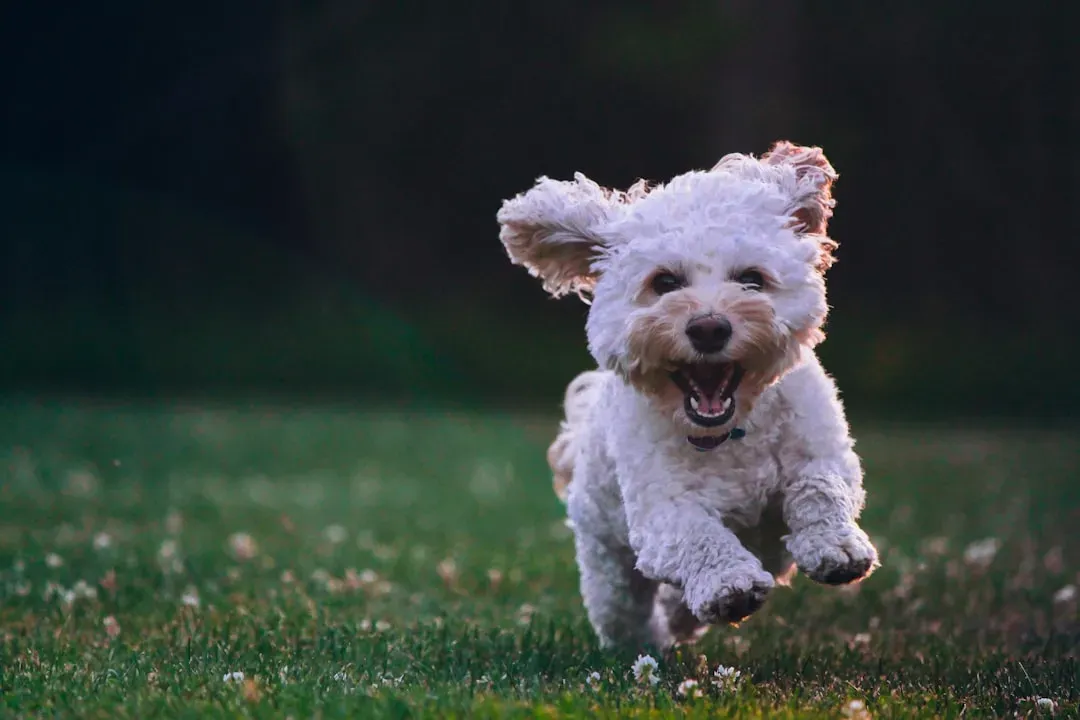
You probably think of exercise as a body thing, not a brain thing. But your dog’s brain thrives on novelty, problem‑solving, and exploration – and daily walks or play are one of the simplest ways to deliver that. Each new scent on a walk, every different route, and every quick training game you weave into your day works like a mini workout for their brain, encouraging connections that keep them sharper for longer. When dogs are under‑exercised and under‑stimulated, age‑related cognitive decline can show up earlier and more intensely. You might notice your dog getting confused, restless at night, or less engaged with their surroundings. While you can’t fully prevent the brain from aging, you can absolutely influence how gracefully it does so. Regular movement acts like a gentle nudge to your dog’s brain, reminding it to stay curious, engaged, and flexible well into their senior years.
What “Enough Exercise” Really Looks Like for Your Dog
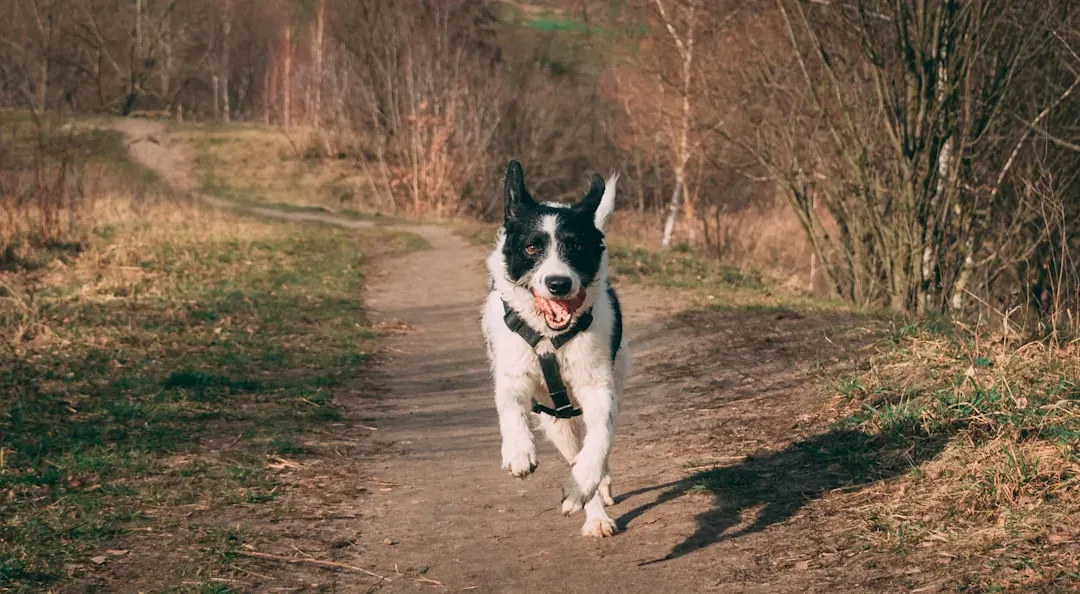
You might be wondering how much exercise is actually enough, because the vague advice to “walk more” is not very helpful. The truth is, it depends on your dog’s age, breed, health, and personality. A young herding breed may thrive on long, brisk walks plus play and training sessions, while an older toy breed might do beautifully with shorter, more frequent strolls and a few lively indoor games. The key is consistent, daily activity that leaves your dog pleasantly tired but not flattened. An easier way to think about it is to ask yourself two questions: does your dog get at least one or two intentional movement sessions every day, and do they ever get to truly stretch their legs and brain? If the answer to both is often no, you’re likely in the under‑exercise danger zone. It might feel overwhelming to change overnight, so start by adding one extra ten‑minute walk or a playful indoor fetch session and build from there. Small, steady changes add up far more over a year than one intense weekend outing.
Designing a Daily Movement Routine That Actually Fits Your Life
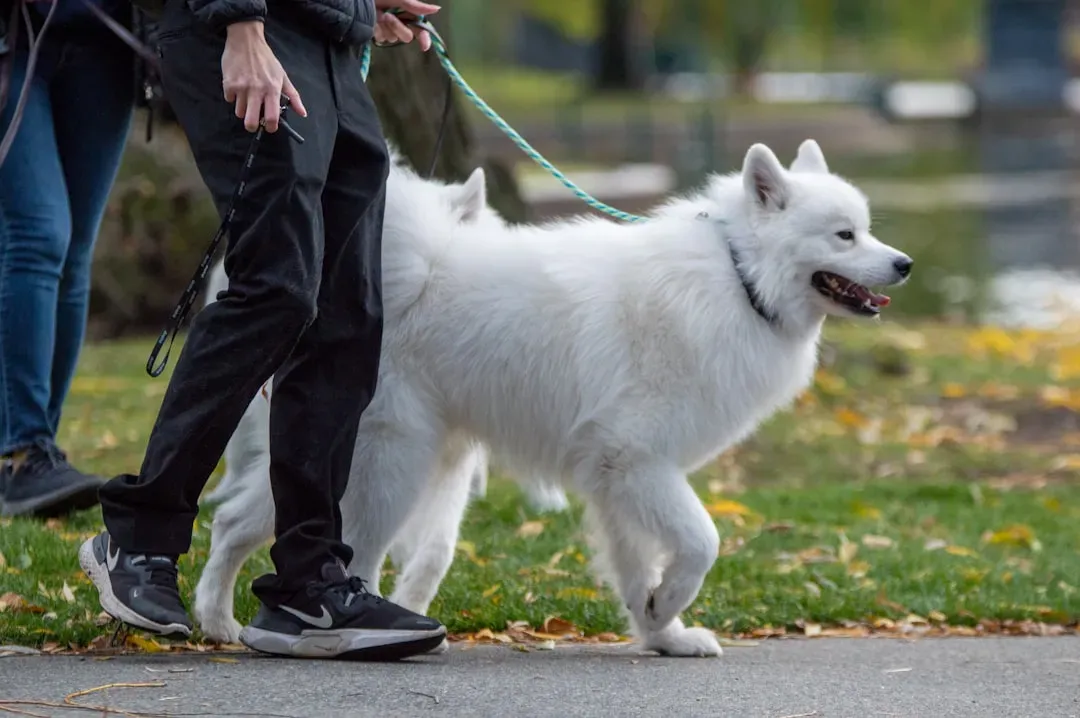
You do not have to become a marathon runner or spend hours at the park to give your dog what they need. You can build a simple routine around the life you already live. For example, you might commit to a short but purposeful morning walk before work, a more relaxed sniff‑focused walk in the evening, and one quick indoor play session at some point during the day. The structure matters less than the consistency: your dog’s body and brain learn to expect and rely on those movement windows. If your schedule is truly packed, you can get creative. Maybe you turn part of your TV time into a gentle tug or fetch session or walk laps around your block while listening to a podcast. On bad weather days, you can use stairs, hallway fetch, food puzzles, scent games, or training drills to keep your dog moving indoors. When you stop seeing exercise as an extra chore and start seeing it as part of how you care for your dog’s entire lifespan, it becomes much easier to protect that time without guilt.
Red Flags That Your Dog Is Not Getting Enough Daily Exercise

You may not realize your dog is under‑exercised until their body or behavior starts waving red flags at you. Common signs include constant restlessness, destructive chewing, nonstop barking, or zoomies that seem to come from nowhere. Physically, you might notice weight creeping up even though you have not changed their food much, or you see your dog getting winded unusually fast during play. These are your early warning lights, not personality flaws. You should also pay attention to the quieter signs: a dog that seems checked‑out, sleeps excessively from boredom rather than true rest, or only perks up when food appears. When you gently increase daily, structured activity, you often see surprising shifts – calmer evenings, fewer behavior issues, more enthusiasm for life. Those changes are not just convenient for you; they are hints that you are nudging your dog back toward a healthier track, one where you are far less likely to look back years later and wonder if inactivity stole time you could have had together.
Conclusion: Adding Years by Adding Movement
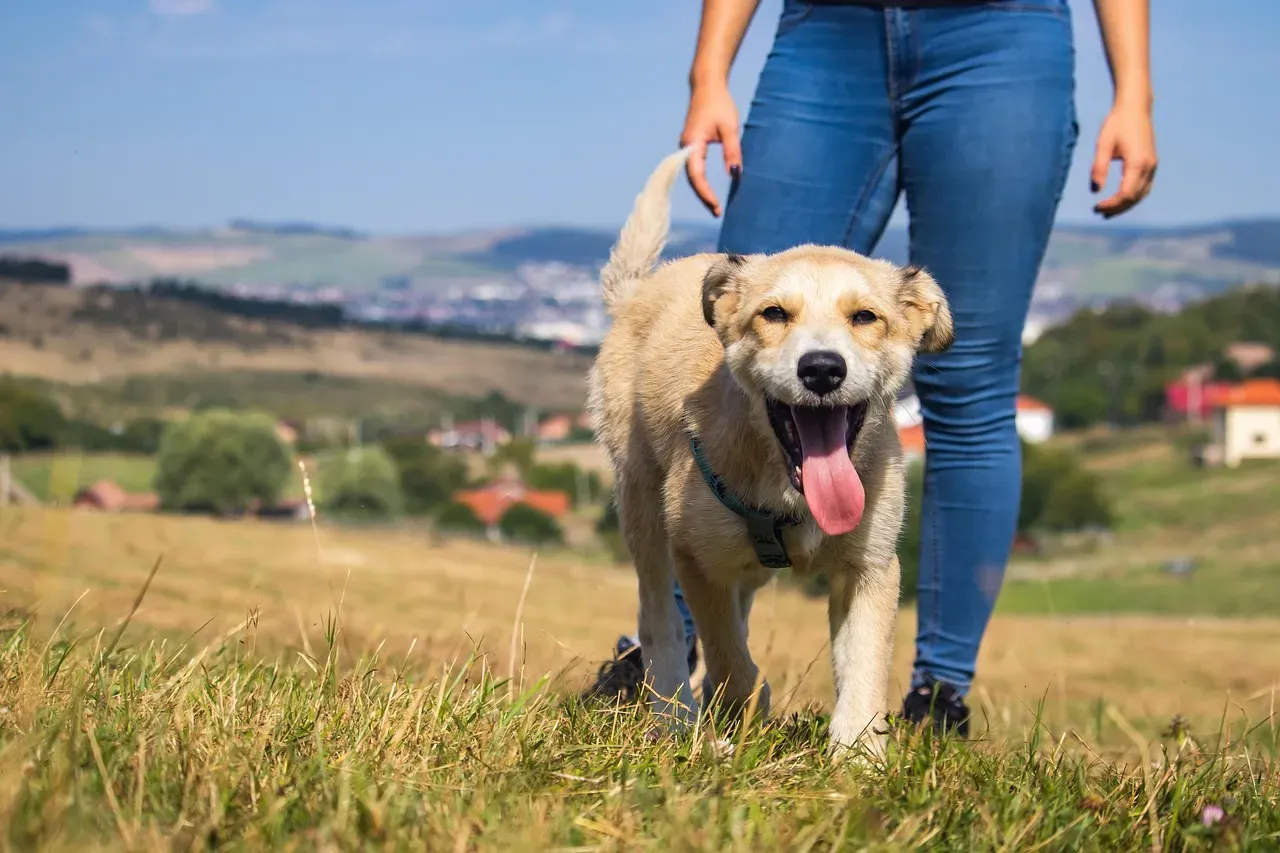
When you zoom out, the picture is both sobering and empowering. The one daily habit of letting your dog drift through mostly inactive days – short potty breaks, a quick toss of a toy, and lots of couch time – seems harmless on the surface, but over years it can act like a slow leak in their lifespan. Under‑exercise feeds weight gain, weakens the heart, stresses joints, dulls the mind, and fuels behavior problems that make life harder for both of you. The flip side is powerful: by choosing to protect a few pockets of daily movement, you are not just “being a good owner,” you are quite literally giving your dog a better chance at more healthy years by your side. You do not have to be perfect, and you do not have to overhaul your life in one day. You just have to start today, with one more walk, one more game, one more little decision in favor of motion over stillness. When you picture your dog’s gray muzzle years from now, do you want to wonder if inactivity stole time – or feel quietly proud that you helped them squeeze every possible day out of the life they were given?