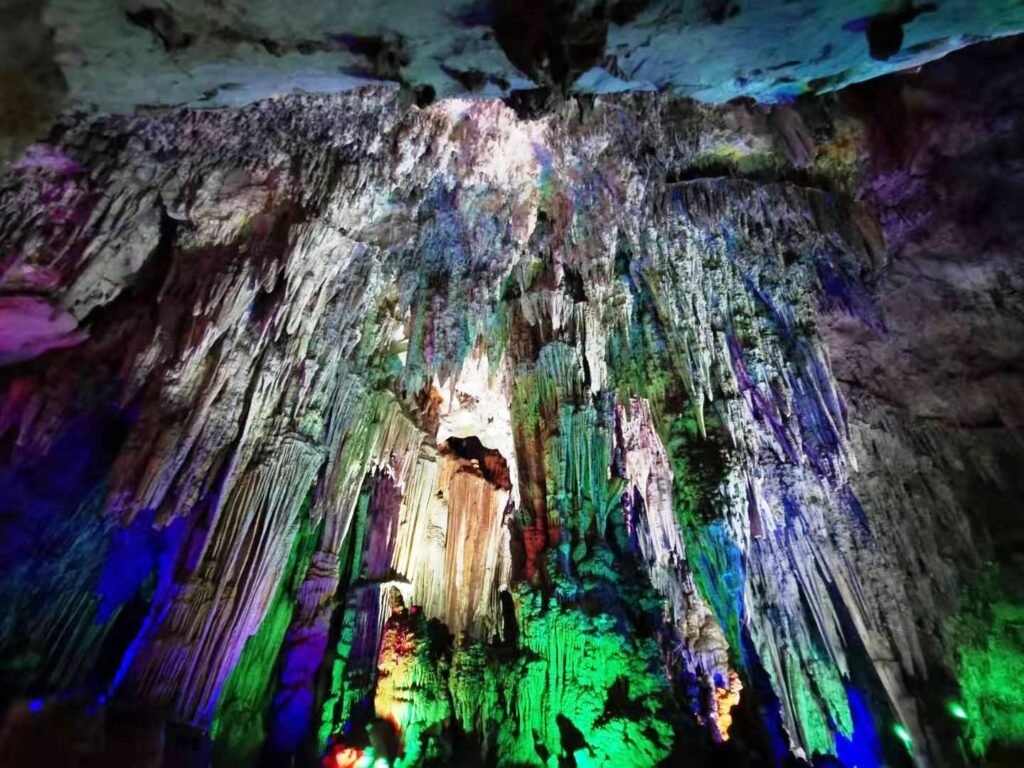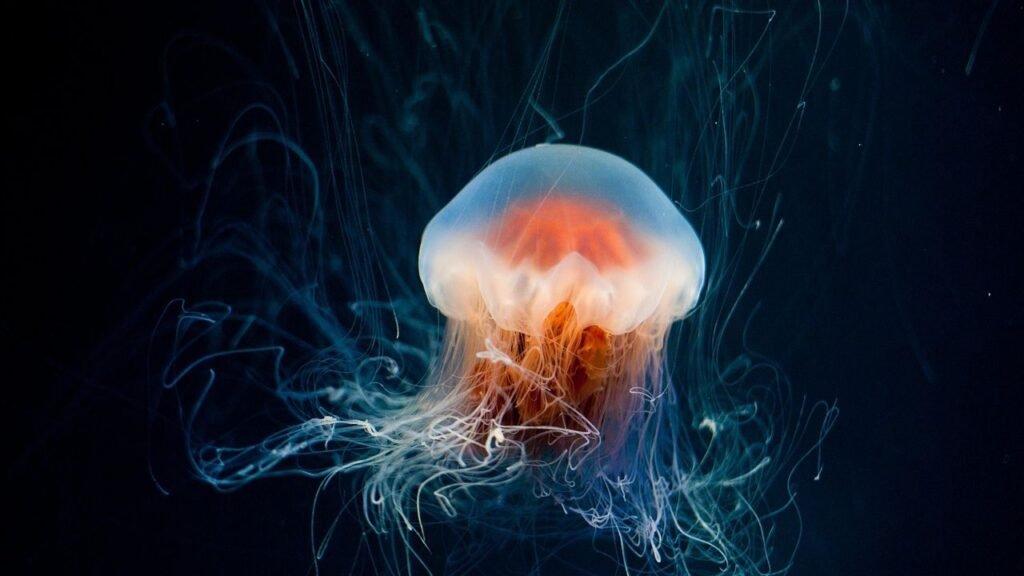

Imagine drifting in absolute blackness, miles from the nearest sunbeam, and suddenly the water around you erupts in electric blues, ghostly greens, and pulsing reds. That isn’t science fiction; it’s what actually happens every night in the deeper layers of our oceans. Bioluminescent creatures turn the dark sea into a living galaxy, with each flicker and flash carrying a message of survival.
Most of what lights up down there remains invisible to us on the surface, hidden under pressure, cold, and darkness that would crush a human in seconds. Yet this unseen world quietly shapes entire marine ecosystems, affects global food webs, and even inspires new technologies and medicines. Dive into it mentally for a moment, and it starts to feel less like Earth and more like an alien planet we’re just beginning to map.
The Dark Ocean That Glows Like a Night Sky
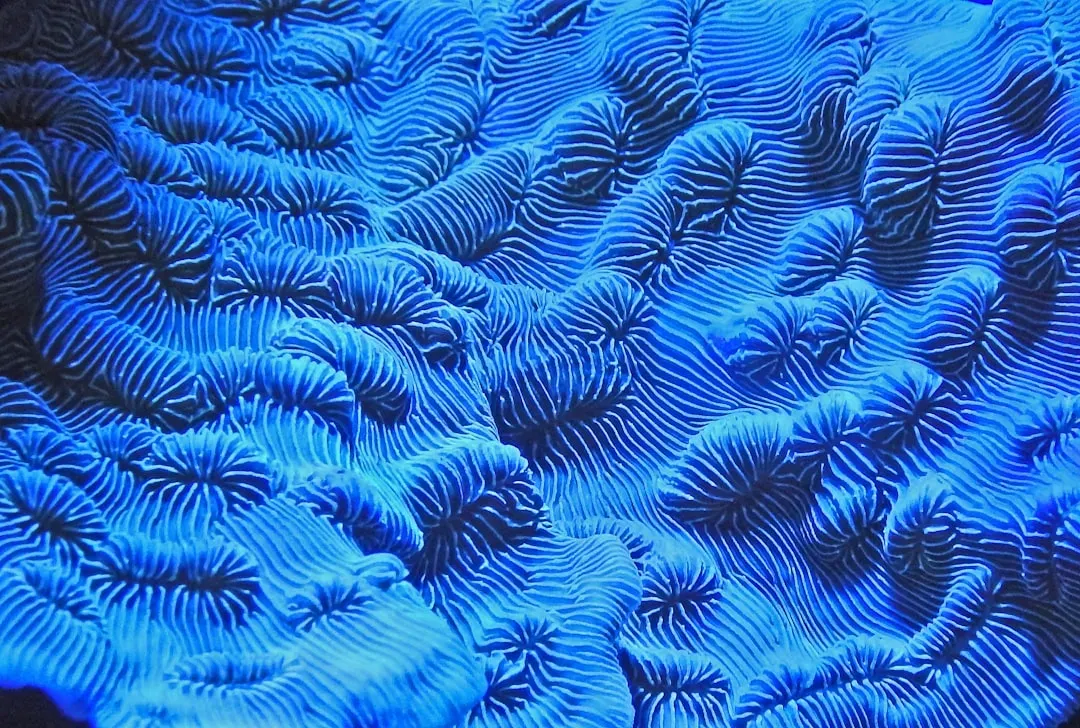
It’s surprisingly easy to forget that most of Earth is not only ocean, but deep, lightless ocean where sunlight never reaches. Below the surface layers, past the dim, blue twilight zone, the sea turns into an endless night. Down there, bioluminescence is not a rare trick; it’s the rule. Researchers estimate that in some deep regions, the vast majority of visible animals can produce light in one form or another.
Seen from a submersible window, this darkness doesn’t look empty at all. It looks like floating through a living Milky Way: single flashes from drifting plankton, slow pulses from jellyfish, rapid strobe bursts from hunting fish. Each glow is a signal, not a decoration. Light in the deep ocean is expensive energy, and no creature wastes it. Every tiny flicker is a decision: attract, warn, confuse, or communicate.
How Living Bodies Create Cold, Ghostly Light
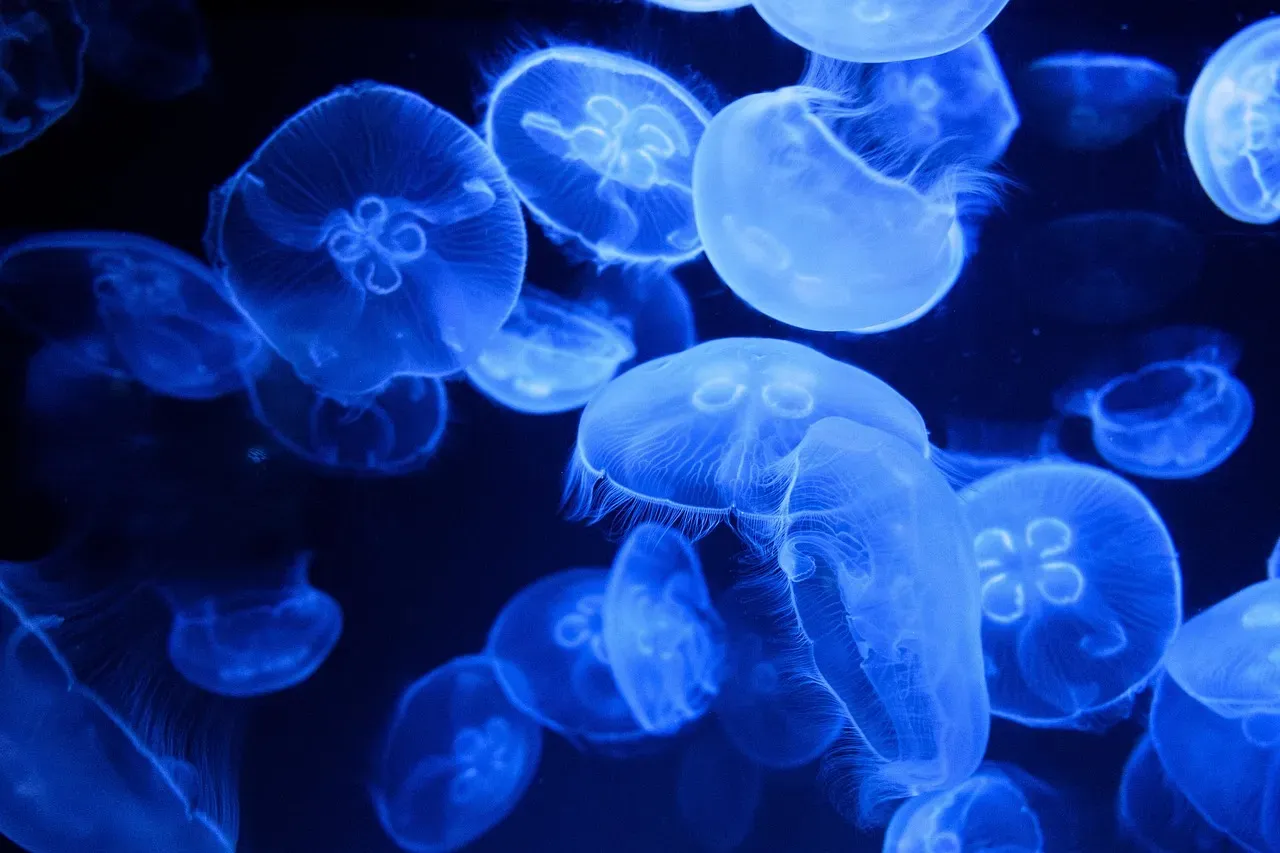
Beneath the beauty, bioluminescence is pure chemistry, running on a reaction between a light-emitting molecule called luciferin and an enzyme known as luciferase. When these two meet in the right conditions, they release energy as visible light instead of heat, which is crucial in the cold, energy-scarce deep sea. Some animals produce their own luciferin; others steal it from prey or form partnerships with glowing bacteria that do the work for them.
Many deep-sea species have fine control over when and how they shine, switching their light on and off like a secret Morse code. Some can adjust brightness, direction, and even use shutters of skin or pigment to hide or reveal glowing spots. To us, it looks like magic; to them, it’s as normal as flexing a muscle. That living control system over light is part of what fascinates scientists who hope to mimic it in technology and medicine.
Predators That Hunt With Living Lanterns
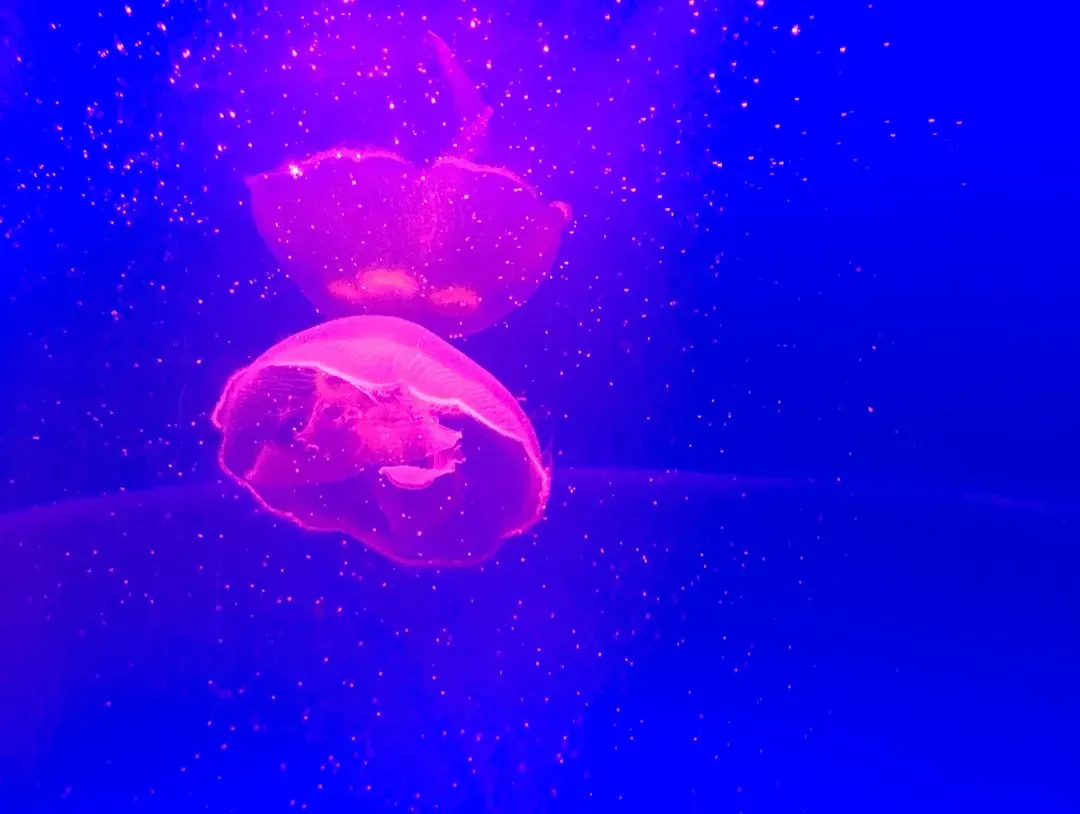
In a world without sunlight, predators have turned light itself into a weapon. The classic example is the deep-sea anglerfish, dangling a glowing lure in front of a mouth full of teeth. Small fish and squid, attracted to what looks like an easy snack, swim closer until they realize too late that the “worm” is attached to a patient, perfectly still hunter. For the anglerfish, every glimmer from that lure can mean the difference between starving and surviving.
Other predators use more subtle tricks. Some dragonscale fish and lanternfish have rows of light organs that help them blend in with the faint glow from above, hiding their silhouette from prey below. A few species can even shift their light slightly toward red, a color that almost no deep-sea animals can see, giving them a kind of invisible spotlight with which they can spot prey without being spotted themselves.
Defensive Fireworks: When Prey Fights Back With Light
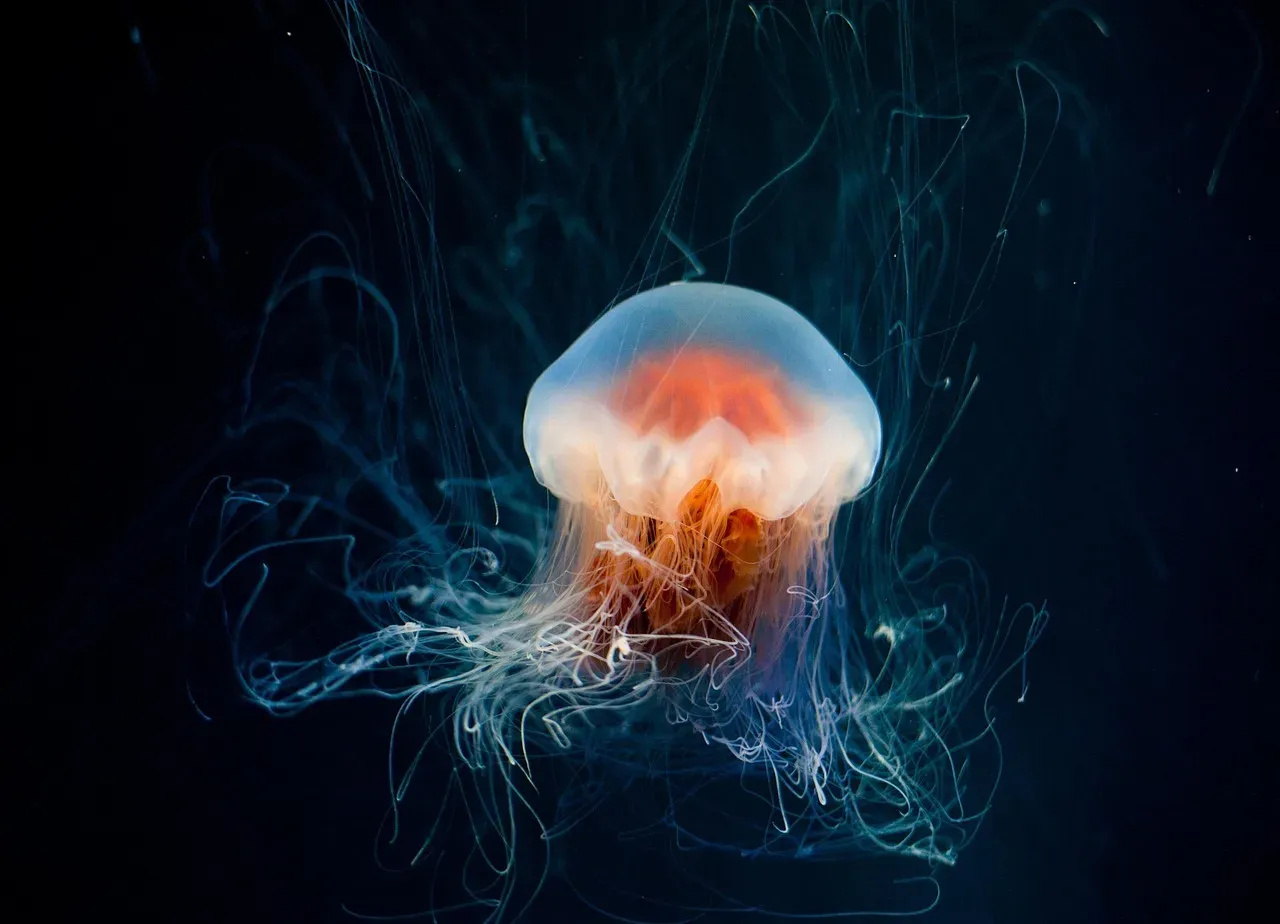
Not all flashes in the deep mean attack; many mean pure panic and self-defense. Small shrimp and squid sometimes release clouds of glowing fluid, like underwater flares or smoke bombs. A predator lunging in gets a face full of glowing cloud, suddenly outlined for every larger hunter nearby, and might think twice about continuing the chase. It’s a strange twist: by lighting up the water, the prey hopes to pass the danger to someone bigger.
Some tiny copepods and ostracods blast out quick, intense flashes when disturbed, like underwater camera flashes that startle everything around them. Others simply light up their own bodies in bright, erratic bursts to confuse a predator’s aim. The message is simple: if you try to eat me, you’ll become the most visible thing in the neighborhood. In the deep, where staying unseen usually means staying alive, that’s a serious threat.
Love Lights: Bioluminescence as a Deep-Sea Dating System
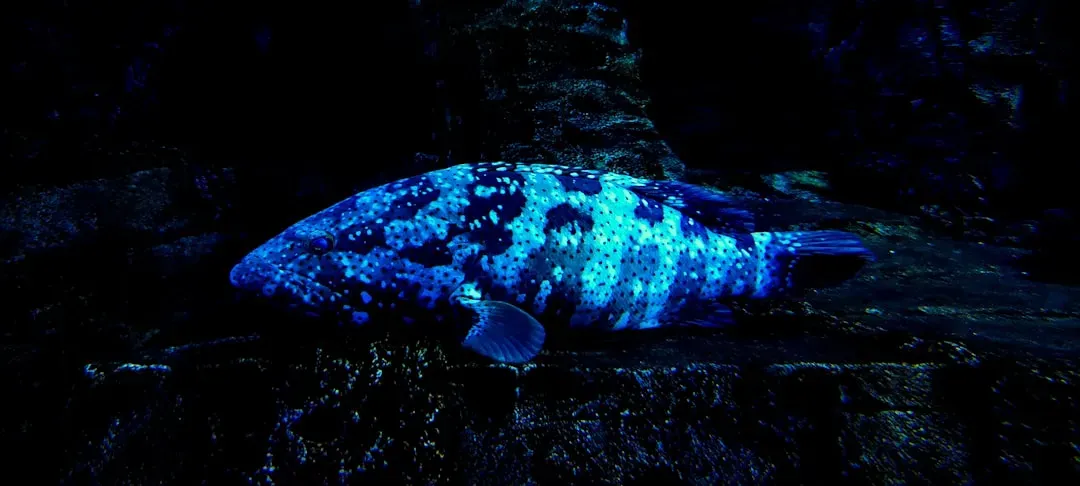
Finding a mate in the deep ocean is like trying to find one specific person in a dark stadium with your eyes closed. Many species use light patterns to solve that problem, turning their bodies into personal beacons and ID tags. Some fish and shrimp carry rows of photophores arranged in unique patterns, almost like barcodes, helping males and females recognize their own kind among the endless darkness.
Certain deep-sea squids create gentle, rhythmic pulses along their arms and bodies, a slow-motion light show that looks almost hypnotic. These patterns may help them approach each other without triggering a defensive response or accidental attack. It’s practical and oddly romantic at the same time: in a harsh environment, glowing signals become love letters written in light, brief but powerful enough to keep a species going.
I remember watching footage from a deep-sea ROV one night and feeling unexpectedly moved by a tiny fish blinking in a specific rhythm, clearly trying to call out to something in the dark. It hit me that these patterns are the only way many of these animals will ever connect with another member of their species. When you think of it that way, those flickers feel less like science and more like the most basic expression of loneliness and hope.
Bioluminescent Plankton: The Sea That Sparks Under Your Feet
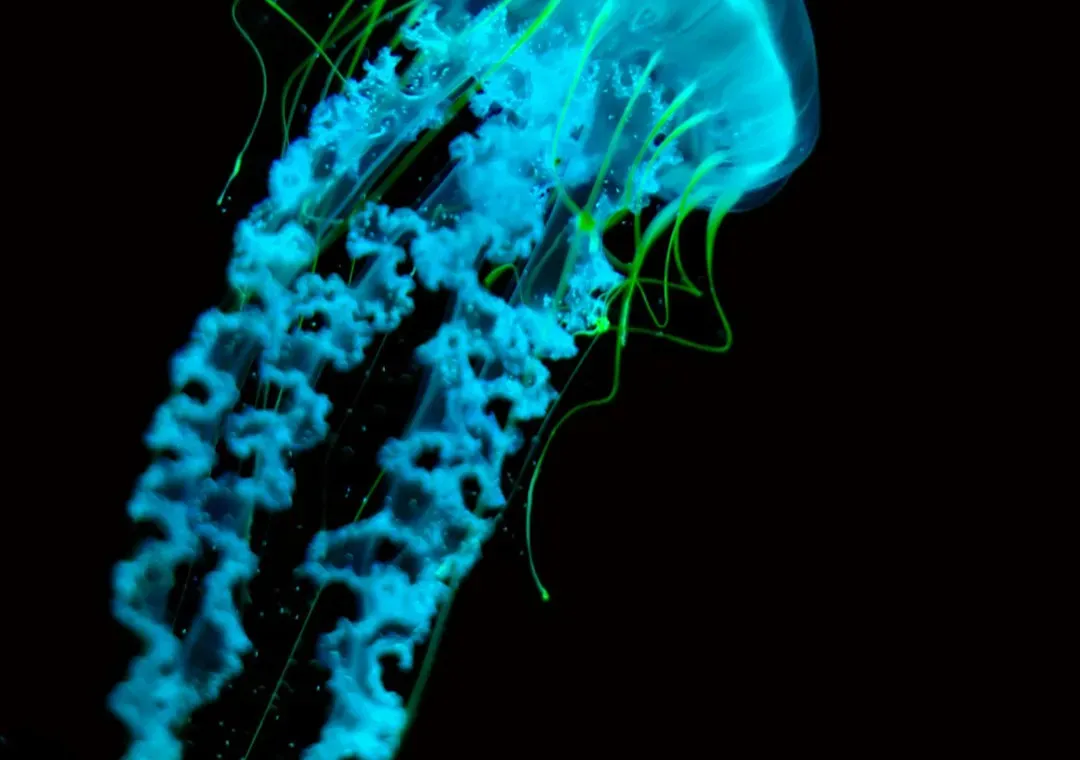
Not all marine light shows are locked in the abyss. In some coastal waters, especially at night in warm seasons, the surface can explode with blue sparks when waves break or when you move your hand through the water. That glow often comes from tiny planktonic organisms that light up when disturbed. For beachgoers, it feels magical; for the plankton, it’s likely a warning system triggered by sudden movement.
In a few places around the world, shallow bays regularly fill with dense blooms of light-producing plankton, turning them into so-called glowing lagoons. Every paddle stroke, every fish, every breeze-stirred ripple sets off shimmering trails, like someone traced the water’s surface with neon ink. These events aren’t just beautiful; they can reveal how nutrient levels, water temperature, and pollution are changing. The brightness and timing of these living lights often mirror what is happening to the local marine environment.
From Deep-Sea Glow to Human Innovation
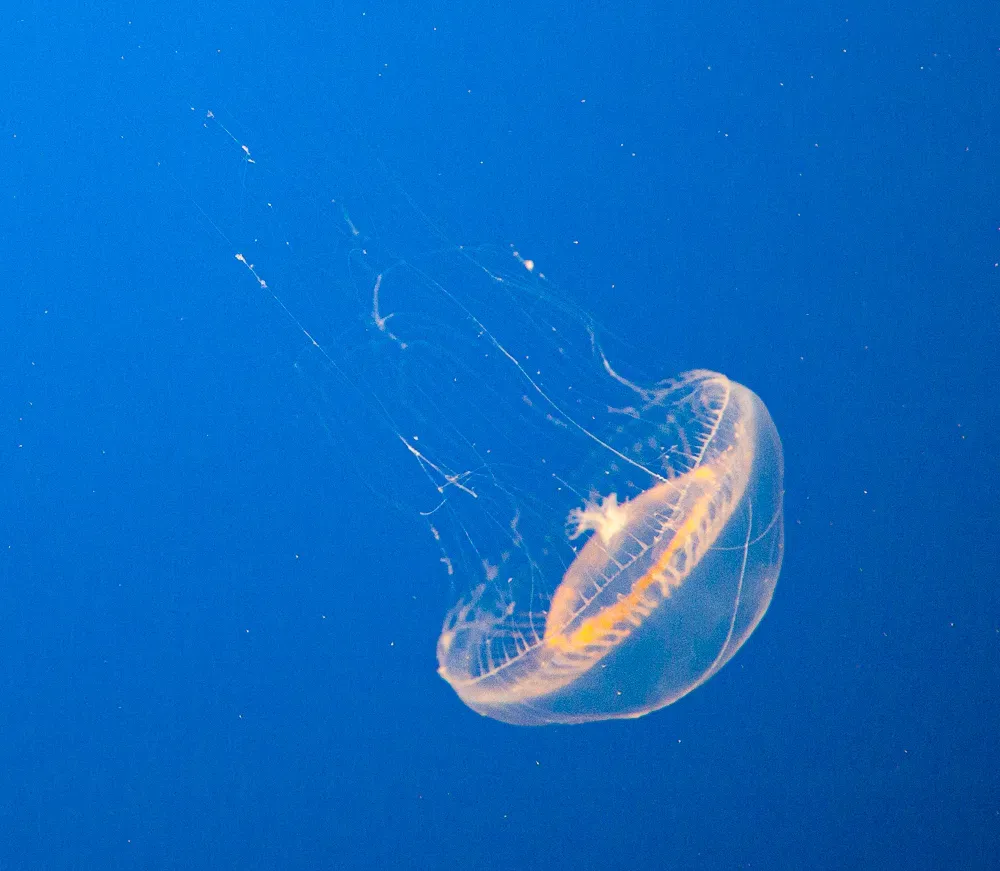
Humans have been quietly borrowing tricks from bioluminescent creatures for decades. One of the biggest breakthroughs happened when scientists began using naturally glowing proteins from jellyfish and other organisms as markers in biomedical research. By attaching these proteins to specific cells, researchers can literally watch processes like cancer growth or nerve development light up under a microscope. That glow has helped map diseases, track infections, and test new treatments in ways that weren’t possible before.
Researchers are also looking at bioluminescence for practical tools, from low-energy lighting ideas to biosensors that glow in the presence of pollutants or dangerous microbes. The way deep-sea creatures control their light with such precision is inspiring new designs for displays and signaling systems. The more we learn about these underwater lanterns, the more we realize their value goes far beyond beauty; they’re blueprints for solving real-world problems on land.
The Hidden Universe Beneath the Waves
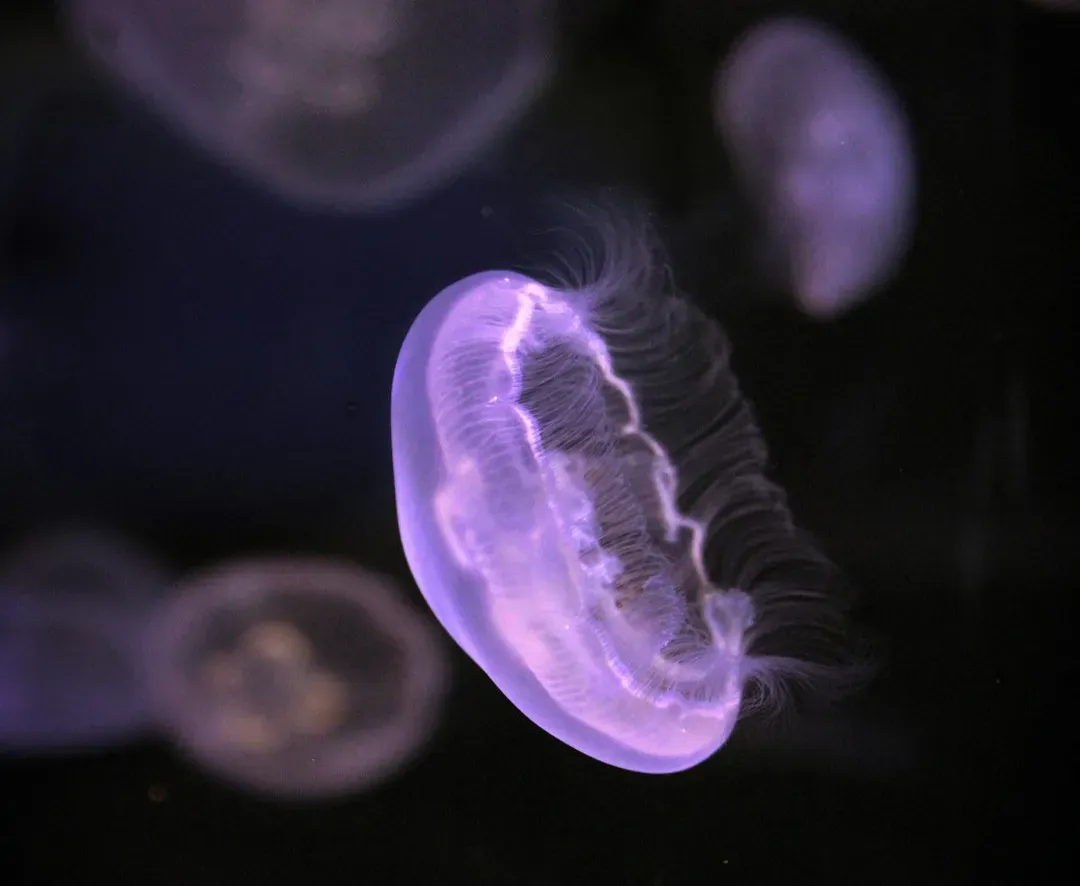
When you step back and think about it, bioluminescent creatures have built an entire hidden universe below us, one we almost never see yet rely on more than we know. Their light helps structure food webs, guides migrations, and even influences how carbon moves through the ocean, which ultimately touches climate and life on land. The fact that so much of this glimmering activity happens far beyond our normal reach makes the ocean feel both familiar and utterly alien at the same time.
As deep-sea exploration slowly advances with better submersibles and remotely operated vehicles, we keep discovering new glowing species and stranger strategies for using light. Each new video of a slowly pulsing jelly, a flashing fish, or a sparkling cloud of plankton is a reminder that Earth still holds secrets that can surprise us. The ocean’s bioluminescent creatures are not just curiosities; they are storytellers in the dark, revealing how life adapts when the sun disappears. Which part of that hidden, glowing world would you most want to see with your own eyes?