
Drive almost anywhere in the eastern half of the United States, and there’s a good chance you’ve unknowingly passed some of the oldest large-scale architecture in North America. Hidden behind farm fields, neighborhoods, and roadside forests are earthworks built centuries to thousands of years before European contact, by cultures that planned, measured, and engineered on a massive scale. These were not random piles of dirt, but carefully shaped monuments tied to the sky, the seasons, and the social lives of the people who built them.
For a long time, these mounds were treated like a mystery nobody really wanted to solve. Early settlers speculated wildly, sometimes insisting they must have been built by a “lost race” rather than Native peoples. Today, archaeologists, tribal historians, and community members are uncovering a truer story: one of scientific knowledge, political power, artistic expression, and spiritual meaning written in earth instead of stone. Once you start seeing the mounds for what they are, the familiar American landscape suddenly feels a lot older, stranger, and more awe-inspiring.
Ancient Earth Architects Long Before Columbus
It often surprises people to learn that large earthen monuments in what’s now the United States are older than many of the famous castles and cathedrals of Europe. Some of the earliest mound-building traditions stretch back more than five thousand years, to cultures archaeologists group under names like Poverty Point and various Archaic mound-building societies along the Gulf Coast and Lower Mississippi Valley. These communities were shaping the land on a monumental scale at a time when stonehenge-like monuments were rising across the Atlantic.
Over many centuries, different Native cultures developed their own versions of mound building, from low rings and platform terraces to sweeping geometric earthworks and enormous conical mounds. These projects weren’t just about size; they required surveying, planning, and coordination of labor over years or even generations. Picture the effort of hauling basket after basket of soil, carefully layering and packing it until it formed a stable, enduring structure that could still impress us millennia later. The result was a landscape that became a kind of memory palace, encoding stories, ceremonies, and social relations directly into the ground.
Who Were the “Mound Builders” Really?
For a long time, the phrase “Mound Builders” was used almost like a label for some vanished, mysterious people. Nineteenth-century writers sometimes claimed that the ancestors of existing Native nations couldn’t possibly have built such complex earthworks, which told you more about those writers’ prejudices than about the actual archaeology. Today, researchers use that phrase more carefully, not as a name for one group, but as shorthand for many different Native cultures over thousands of years that used mounds and earthworks in their lives.
Archaeologists now link specific mound traditions to the ancestors of living Native American nations, especially in the Southeast and Midwest. The Adena and Hopewell cultures in the Ohio Valley, for example, are connected to later Woodland and Mississippian peoples, whose descendants include many tribes across the region today. The Mississippian city at Cahokia has ties to several present-day communities in the Mississippi and Ohio river basins. When tribal historians and archaeologists work together, the mounds stop being relics of some imagined “lost civilization” and become what they are: living heritage, part of ongoing Native histories, languages, and spiritual traditions.
From Cones to Giants: The Many Types of Mounds
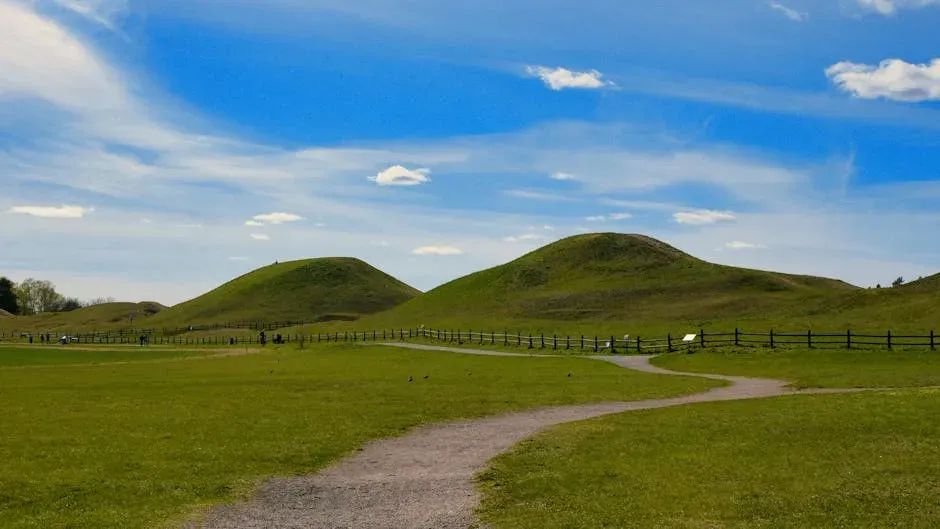
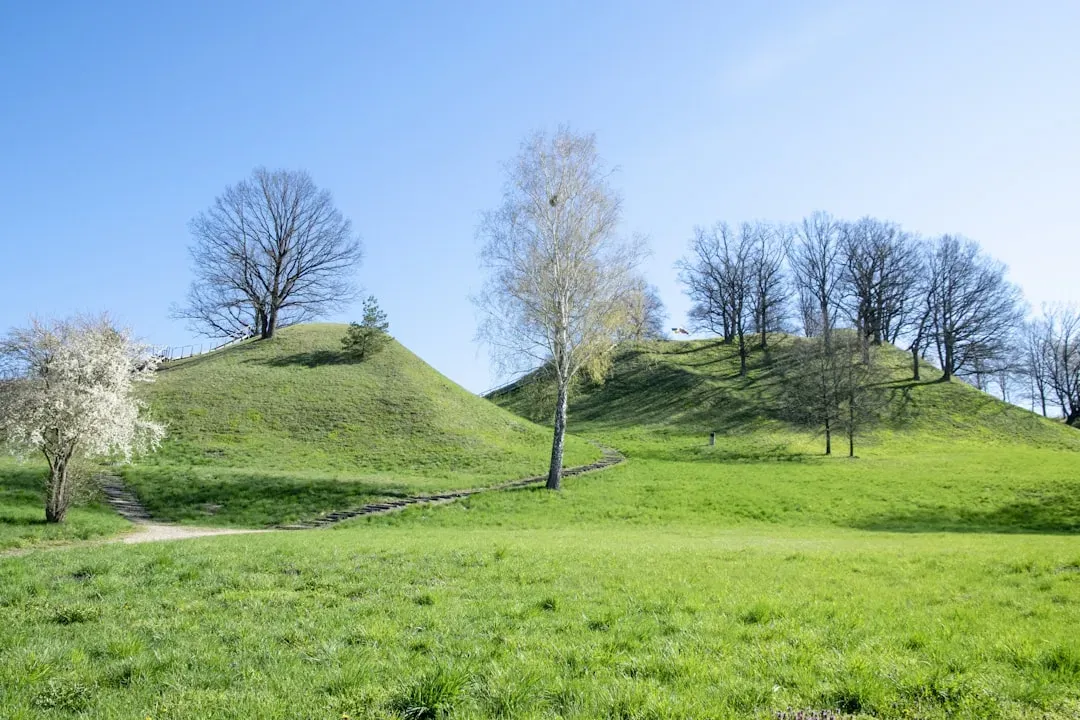
Say “mound” and most people picture a single rounded hill, but the variety is astonishing once you start paying attention. There are conical burial mounds, sometimes in long lines along ridges or river terraces, that contain human remains and grave goods. There are flat-topped platform mounds, often forming the centers of plazas where people gathered for ceremonies, trade, and political life. Some mounds are long, low ridges that might have served as boundaries, processional ways, or parts of a larger design we’re only beginning to understand.
Then there are effigy mounds, shaped like animals or spirits when seen from above, such as the famous Great Serpent Mound in Ohio. In places like Wisconsin and Iowa, smaller effigy mounds in forms like bears, birds, and water spirits still dot hilltops and river valleys. At sites like Poverty Point in Louisiana, a complex pattern of ridges, mounds, and open spaces creates something like a vast earthen amphitheater. In each case, the earth was more than construction material. It was a medium for art, cosmology, and social order, sculpted in ways that often only fully make sense on a landscape scale.
Mounds as Sacred Spaces, Cemeteries, and Cosmic Maps
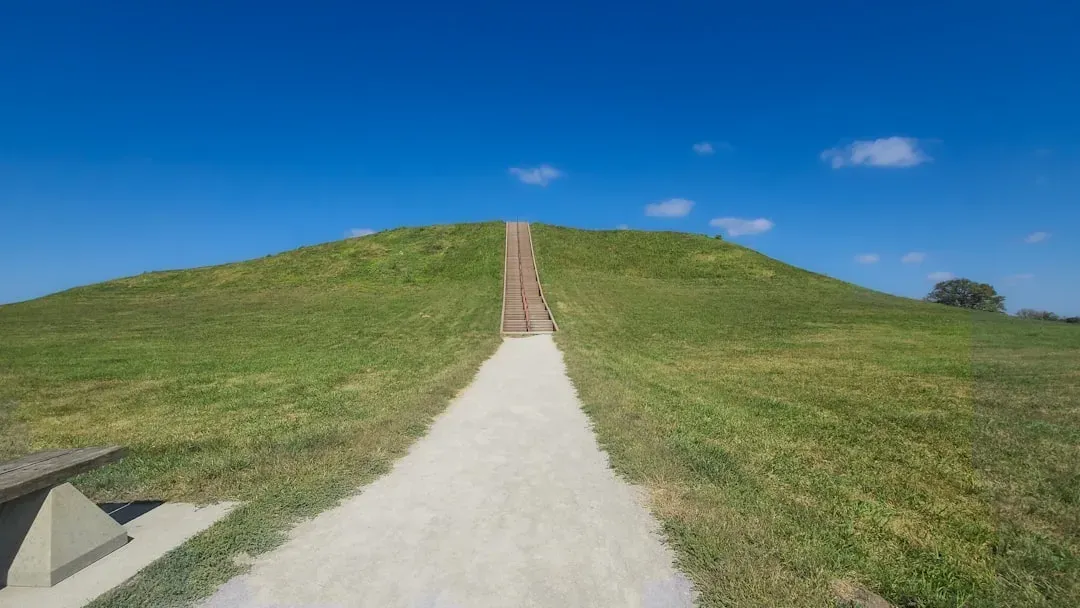
One of the hardest things for modern visitors is to avoid treating mounds like “puzzles” to be solved instead of sacred places to be respected. For many of the people who built and still honor these sites, mounds are not abstractions. They are burial grounds for ancestors, ceremonial centers, and living parts of the spiritual world. Some mounds contain elaborate burials with finely made artifacts, while others hold more modest interments or even none at all, suggesting a range of ritual meanings beyond what we can see in the soil alone.
Researchers have found that many mounds and earthworks are aligned with solstices, equinoxes, lunar standstills, or important geographic features. Imagine a massive earthen circle that frames the setting sun on the longest day of the year, or a ridge that lines up with a distant hill where a particular constellation appears. In this way, people inscribed their understanding of the cosmos into the physical landscape, turning fields and hilltops into calendars and storybooks. Even when we don’t fully grasp all the symbolism, it’s clear that these were not random piles of earth; they were carefully orchestrated spaces where sky, earth, and community came together.
Hopewell and Adena: Masters of Geometry in the Ohio Valley
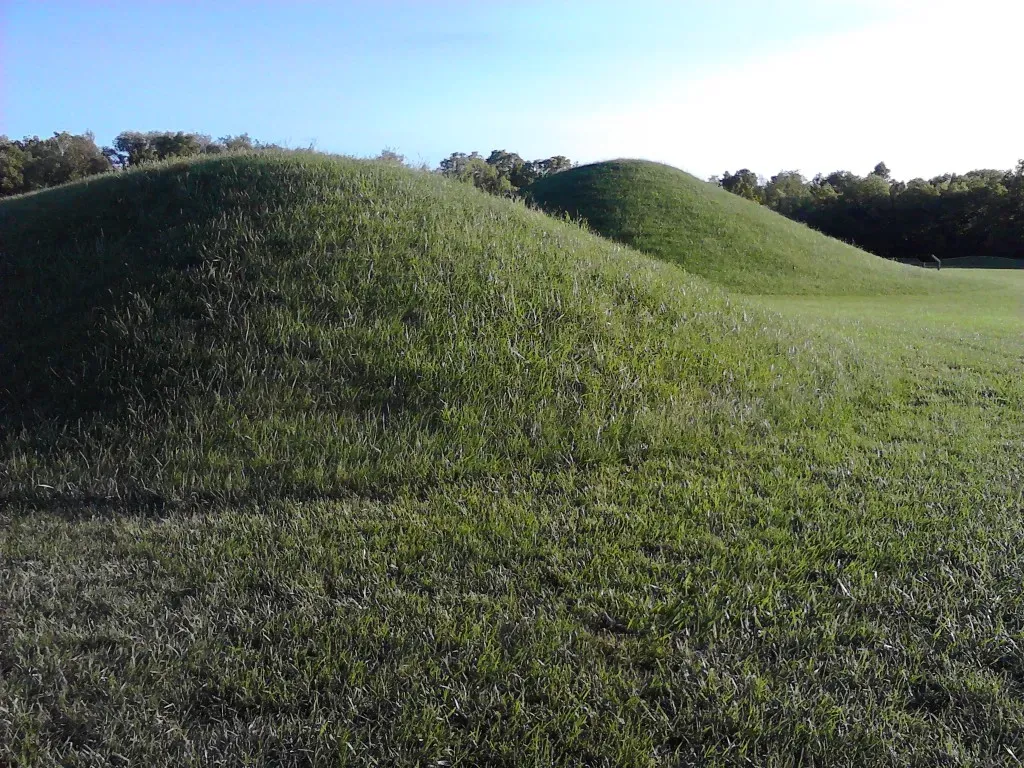
In the forests and river valleys of what’s now Ohio and its neighboring states, two cultural traditions known as Adena and Hopewell left some of the most intricate earthworks in North America. Adena builders, active roughly in the first millennium before the common era, created large conical mounds and early earthworks, often associated with elaborate burials. Later, Hopewell communities expanded this architectural language into vast geometric complexes of circles, squares, and octagons, some spreading across landscapes the size of small towns.
Modern surveys using aerial photography and lidar (a kind of laser-based mapping) have shown just how precise these Hopewell earthworks were. Distances and alignments repeat in ways that suggest standardized units of measure and careful planning over decades. Some alignments correspond to moon and sun cycles, implying detailed astronomical observation woven into their design. When you look at these maps, it feels a bit like seeing blueprints for invisible cathedrals made of earth, with walls defined not by stone but by geometry, ceremony, and memory.
Cahokia and the Mississippian Mound Metropolises
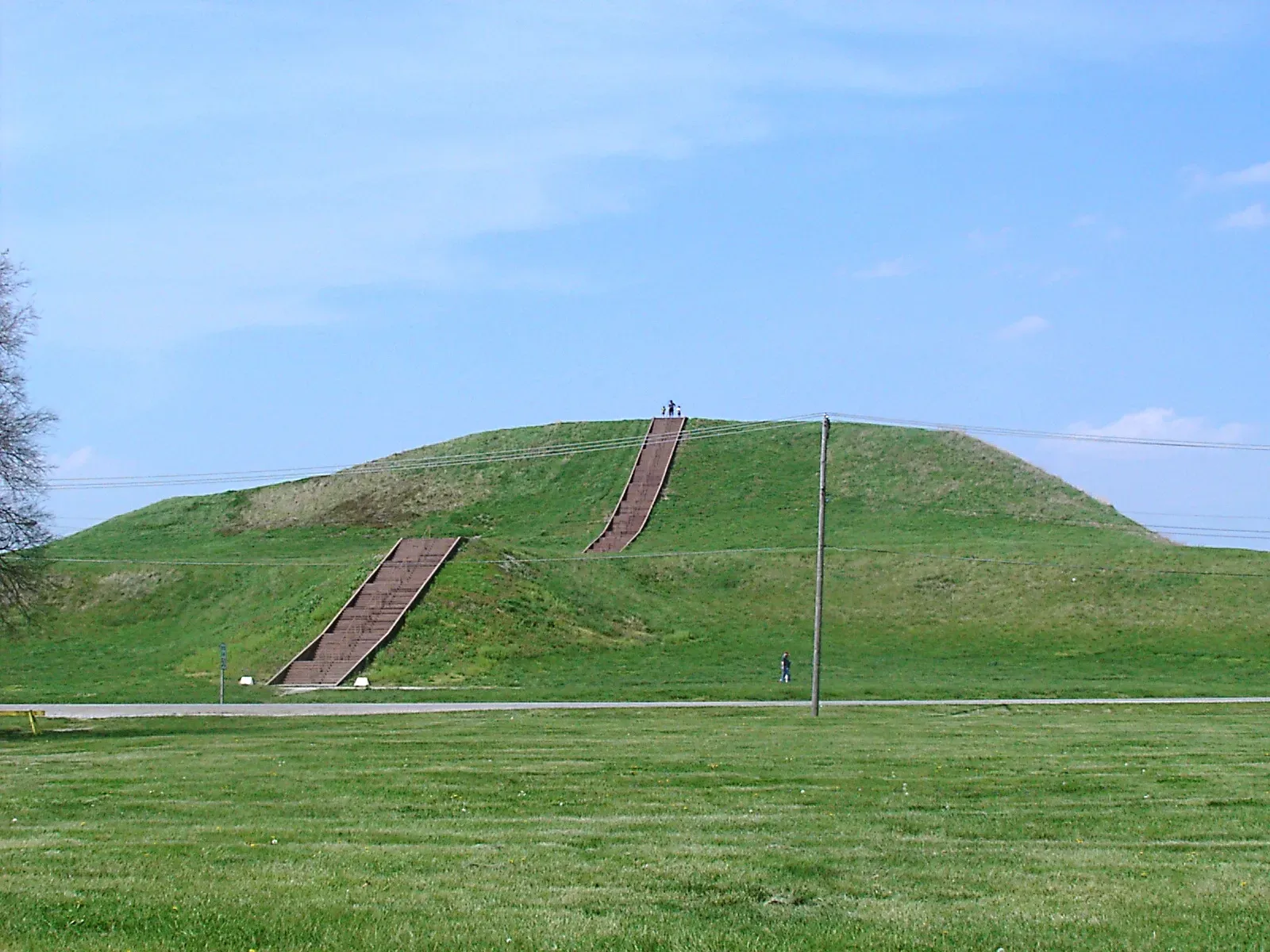
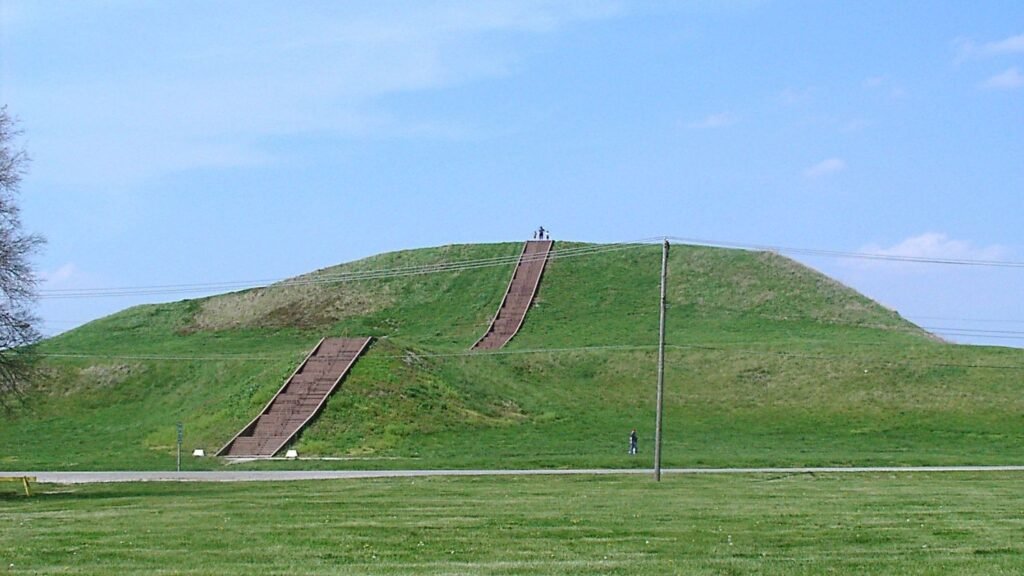
On the Mississippi floodplain near present-day St. Louis, a city now known as Cahokia flourished about a thousand years ago. At its height, it may have been home to tens of thousands of people, making it one of the largest urban centers in North America before European colonization. At its core rose Monks Mound, a colossal platform of earth that towers over the surrounding landscape, alongside dozens of other mounds arranged around plazas and neighborhoods. The scale is hard to grasp until you stand there and realize that every contour was shaped by human hands.
Cahokia wasn’t a one-off miracle. Across the Southeast and Midwest, Mississippian cultures built mound-centered towns and ceremonial sites connected by trade routes that carried shell, copper, stone, and ideas over long distances. Places like Moundville in Alabama and Etowah in Georgia testify to complex political and spiritual systems anchored by these earthen monuments. The mounds themselves, often rebuilt and enlarged over time, can be read like layered histories, each construction phase marking shifts in leadership, ritual, or community life. Walking through these sites feels a bit like moving through a city that has partially sunk into the ground but still hums with old energy.
Everyday Life Around the Mounds
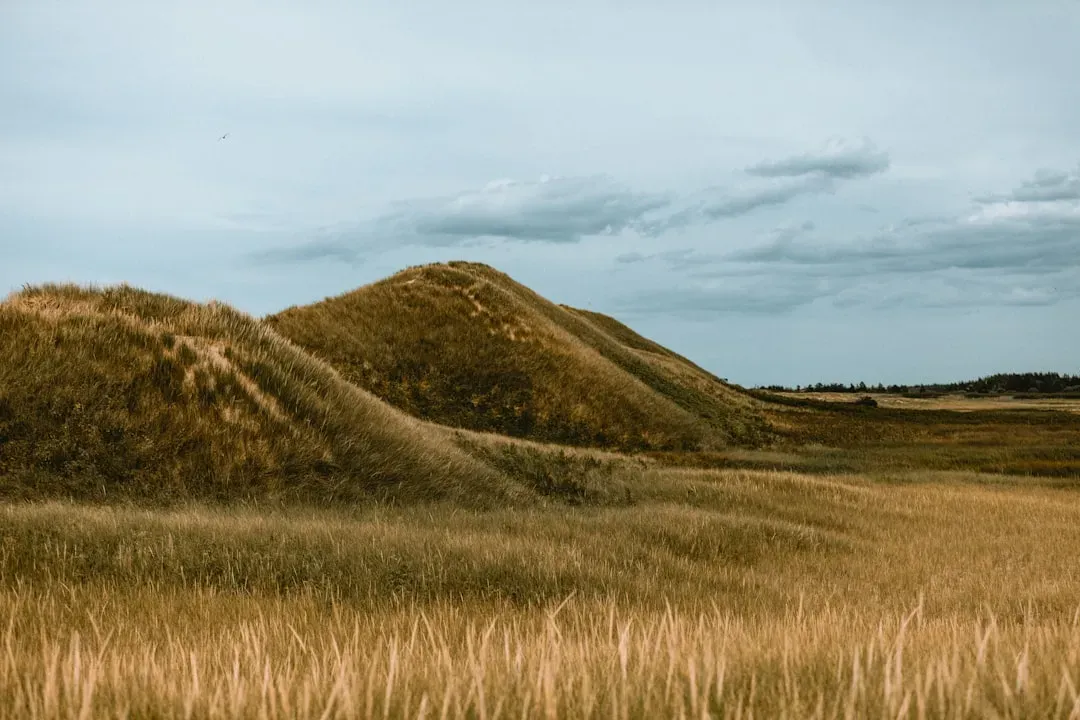
It’s easy to focus only on the monuments and forget the people who lived, cooked, farmed, argued, and fell in love in their shadows. Around many mound centers, archaeologists find traces of houses, storage pits, garden plots, and work areas. These communities farmed crops like maize, squash, and beans, managed woodlands and rivers, and crafted tools and ornaments from stone, bone, shell, and clay. The mounds rose from this everyday world; they weren’t separate from it, any more than a modern city’s churches or civic buildings are separate from its neighborhoods.
In many cases, mound building seems to have been a communal act that brought people together, especially for major building or rebuilding episodes. You can imagine the scene: large gatherings, ritual feasts, storytelling, song, and the shared labor of moving soil. The process itself may have been just as important as the finished form, turning construction into a ritual of belonging and obligation. When I first visited a mound site and really thought about the number of hands needed to move all that earth, I stopped seeing a “mysterious structure” and started seeing a snapshot of a society that knew how to organize and commit over the long term.
Misunderstandings, Myths, and the “Lost Race” Idea
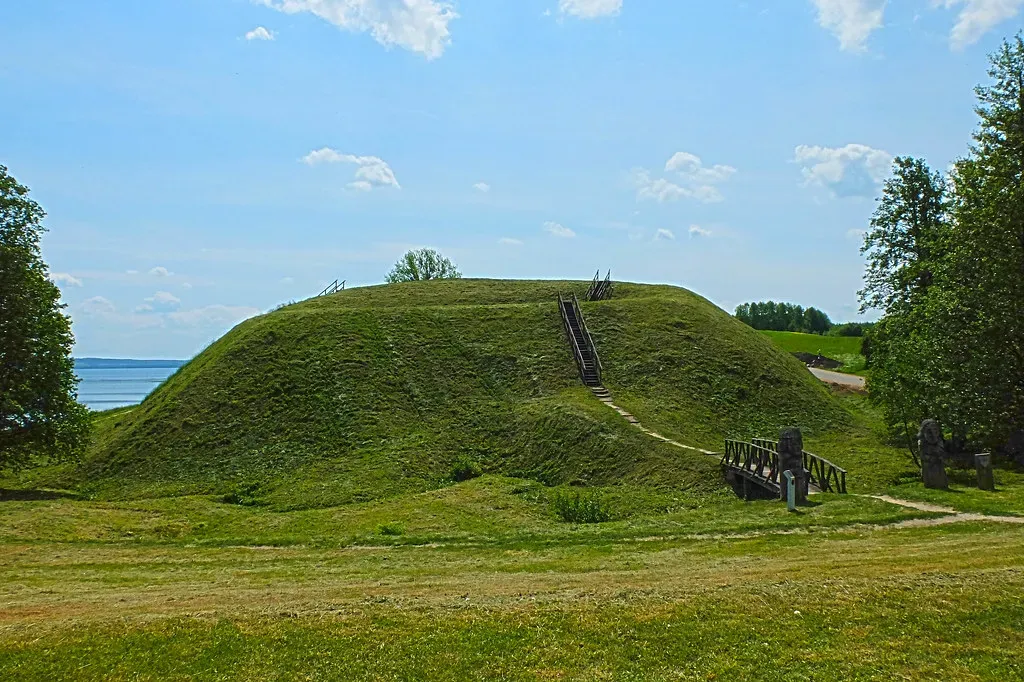
The history of how Euro-Americans interpreted the mounds is, frankly, pretty uncomfortable to read. Many early settlers and writers insisted that the earthworks must have been built by some non-Native, vanished civilization, sometimes attributing them to everything from ancient Europeans to people from distant continents. These ideas were not harmless curiosities; they were often used to argue that Native nations were newcomers who had replaced a supposedly more “advanced” people, and thus did not have deep roots or lasting claims to the land.
By the late nineteenth and early twentieth centuries, professional archaeologists had clearly demonstrated that the mounds were indeed built by the ancestors of Native American groups. Despite this, some fringe “lost race” theories lingered in popular culture, sometimes wrapped in sensationalist stories about hidden treasure or secret knowledge. Today, most researchers view those narratives as a revealing mirror of past racism and wishful thinking. The real story is more grounded and, to my mind, more powerful: Indigenous people, fully capable of complex engineering and deep thought, shaped their worlds in ways that didn’t need stone temples or marble facades to be impressive.
Modern Science Meets Indigenous Knowledge
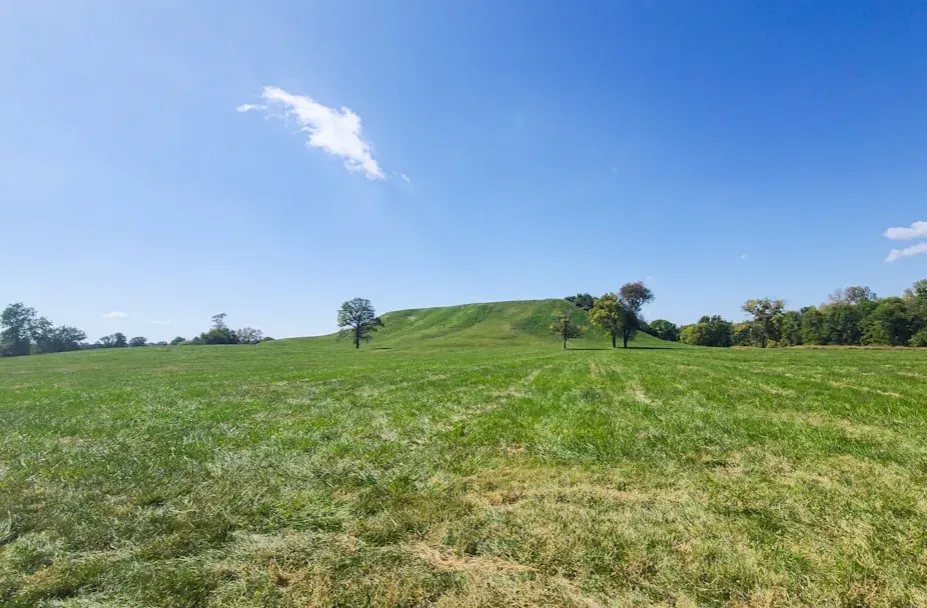
In recent decades, tools like ground-penetrating radar, lidar, and high-resolution mapping have revolutionized mound research. Lidar, in particular, can “see” through forest cover to reveal earthworks that have been hidden or flattened by farming and development. Entire complexes of geometric designs, subtle terraces, and low ridges have come into view, sometimes in areas where only one or two obvious mounds were known before. It’s a bit like discovering that what you thought was a single book is actually a whole library written into the hills.
At the same time, there’s been a growing emphasis on collaboration between archaeologists and Native nations whose ancestors built and still care for these sites. Oral histories, ceremonial knowledge, and cultural perspectives can help interpret patterns that a purely technical approach might miss or misunderstand. Many tribes have been clear that some questions should not be asked, or some places should not be disturbed, and respectful research now tries to honor those boundaries. When science and Indigenous knowledge work together, the mounds stop being just artifacts under study and become what they always were: parts of living cultural landscapes with responsibilities attached.
Visiting, Protecting, and Rethinking the American Past
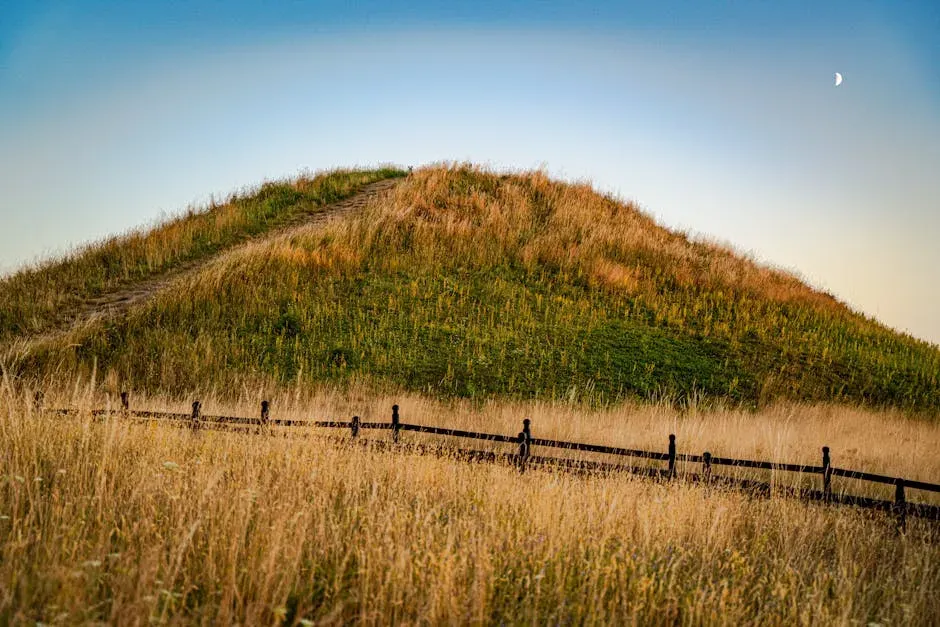
Today, you can visit many mound sites that have been preserved as parks, tribal heritage areas, and protected landscapes. Signs, museums, and reconstructed outlines can help you imagine what once stood there, but the most powerful moments are often quiet ones: standing on a mound at dusk, feeling the slope under your feet, and realizing you’re on top of a structure older than most of the nations on the modern map. It’s a humbling experience that shrinks everyday worries down to their proper size, at least for a little while.
These places also raise hard questions about preservation and respect. Many mounds have been leveled for agriculture, development, or looted for artifacts, and some surviving sites still face pressure from construction and erosion. Supporting tribal-led stewardship, stronger legal protections, and thoughtful tourism is one way to help. Just as important is the mental shift: recognizing that American history did not begin with European arrival, and that architecture here includes not just brick and glass, but sculpted earth tied to stars, stories, and ancestors. Once you see that, it’s hard to look at the landscape the same way again.
Conclusion: Listening to the Earth’s Oldest Stories
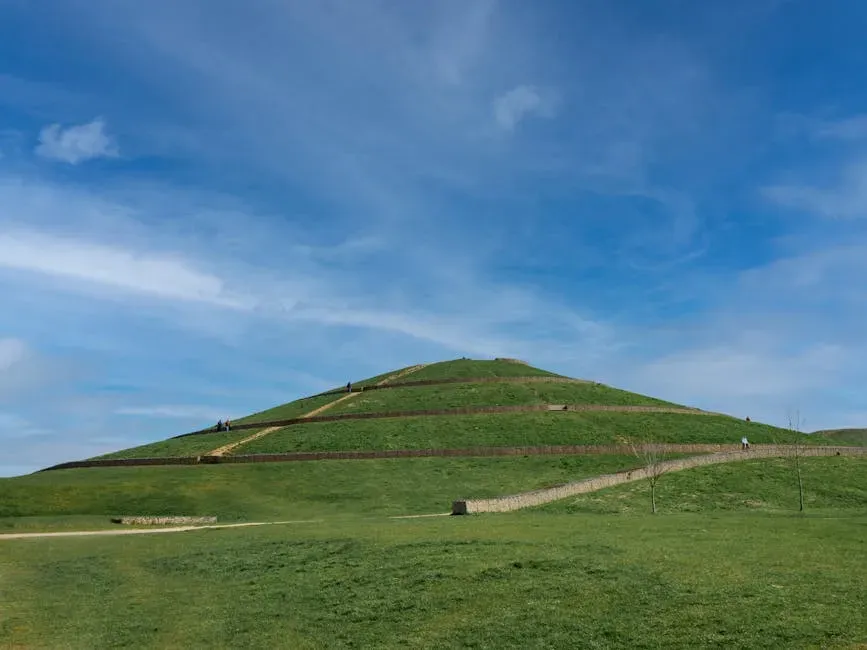
The story of the Native American mound builders rewrites what many of us thought we knew about the deep past of this continent. These earthworks are not curiosities on the roadside; they are evidence of societies that mastered large-scale planning, astronomy, engineering, and long-term social coordination. They tell us that people here were building monuments, mapping the sky, and organizing complex communities at scales that stand shoulder to shoulder with better-known ancient cultures around the world. The real shock isn’t that such architecture exists in North America, but that it took so long for most of us to learn to see it.
In a way, the mounds are quiet teachers. They ask us to slow down, to pay attention to subtle curves in the ground, to listen to Indigenous voices that have been talking about these places all along. They remind us that history is layered and that some of the most important chapters are still half-buried, waiting for us to approach with more humility and care. Next time you pass a low, grassy rise by a river or field, you might wonder: is the earth there just earth, or is it an old story we’re only now beginning to hear?