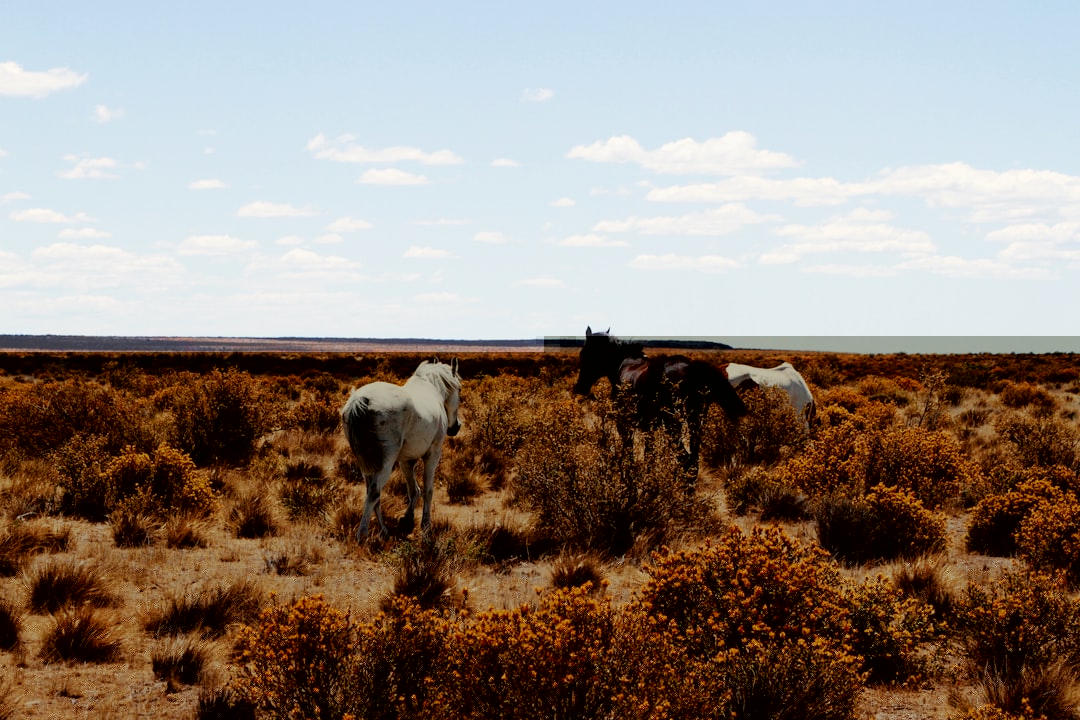
The sun rises over the windswept plains, painting the horizon gold and orange. In the distance, a thunder of hooves breaks the silence—wild mustangs, manes tossing, muscles rippling, gallop across the landscape. To many, these horses are the living spirit of the American West: wild, free, untamed. But beneath this romantic image lies a bitter debate: Are mustangs cherished icons, or are they invasive species threatening fragile ecosystems? The answer isn’t as simple as it seems. Emotions, science, history, and politics all collide in the story of the mustang, making it one of the most controversial and captivating wildlife dilemmas in America today.
The Origins of the American Mustang
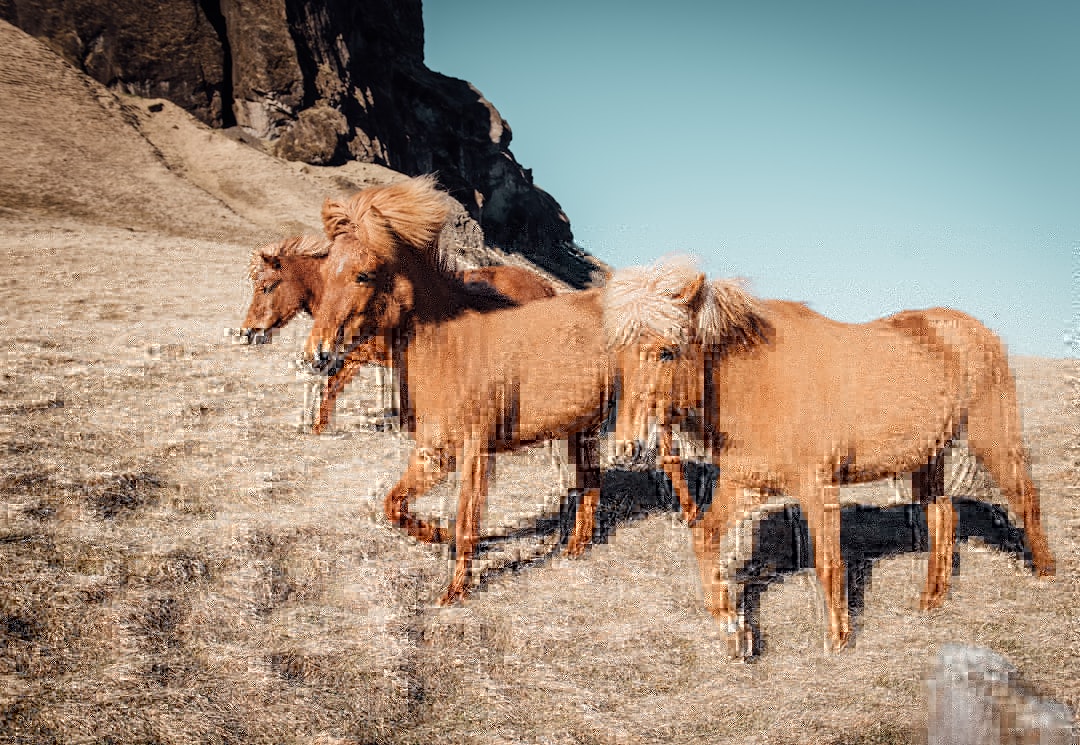
Mustangs didn’t always roam North America. Their ancestors, brought by Spanish explorers in the 16th century, escaped or were released and adapted to wild life. Over generations, they became feral, forming the herds known as mustangs. Their story is one of survival against the odds, as they thrived in harsh, often unforgiving landscapes. The mustang’s roots are tangled with the earliest European settlements and the dramatic expansion westward. Today’s mustangs carry a mix of bloodlines, from sturdy Spanish stock to ranch horses that slipped their bridles. Their very existence tells a tale of resilience, adaptation, and the enduring impact of human movement across continents.
Romance of the Wild Horse
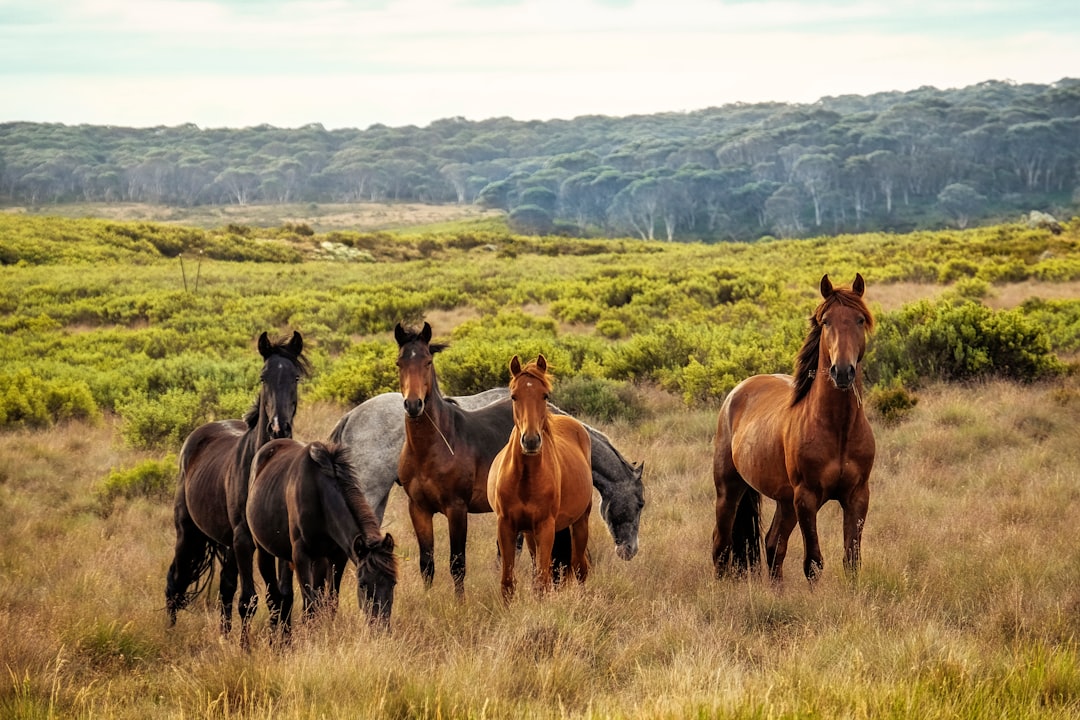
There’s something undeniably magical about seeing wild horses running free. Movies, books, and art have immortalized the mustang as a symbol of independence, courage, and the untamable American spirit. For many, these animals aren’t just horses—they’re living metaphors for freedom, echoing our deepest wishes to break boundaries. The sight of a mustang herd conjures images of pioneers, cowboys, and open land. This romantic vision shapes public opinion and fuels passionate campaigns for their protection. Yet, the power of myth can sometimes overshadow the complicated realities of ecology and land management.
The Science of Invasive Species

Invasive species are plants or animals that aren’t native to an ecosystem and whose introduction causes harm. Scientists measure this “harm” in terms of biodiversity loss, habitat destruction, and competition with native species. When it comes to mustangs, experts debate whether they fit this definition. On one hand, their ancestors evolved elsewhere and arrived less than 500 years ago—a blink in evolutionary time. On the other, some argue that prehistoric horses once roamed North America, making mustangs a sort of “returning native.” The science, it seems, is as tangled as the horses’ flowing manes.
Impact on Native Ecosystems

Mustangs are powerful grazers. In large numbers, they can strip grasslands bare, leading to soil erosion, water depletion, and loss of native plants. This, in turn, affects wildlife that depends on these habitats, from ground-nesting birds to pronghorn antelope. Researchers have documented areas where overgrazing by horses has transformed vibrant prairies into dusty wastelands. The competition for food and water can put additional stress on already vulnerable species. Balancing the needs of mustangs against the health of native ecosystems is a constant, often contentious, challenge.
Mustangs and Cattle: Competing for the Range

Ranchers have long viewed mustangs as competition for their livestock. On public lands, horses and cattle often graze side by side, sharing the same grasses and water sources. When resources are scarce, tensions rise. Some ranchers argue that horses, with no natural predators, multiply rapidly and outcompete cows. Others point out that cattle far outnumber mustangs in most rangelands, making the horses a convenient scapegoat. This conflict has shaped land management policies and fueled heated debates in rural communities.
Legal Protections and the Wild Free-Roaming Horses and Burros Act
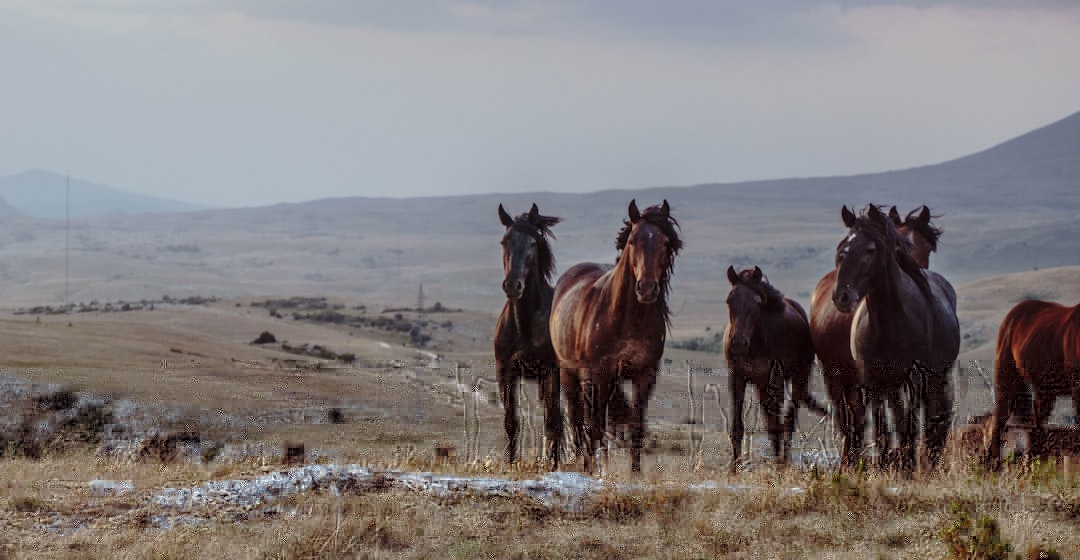
In 1971, Congress passed the Wild Free-Roaming Horses and Burros Act, declaring mustangs “living symbols of the historic and pioneer spirit of the West.” The law aimed to protect these animals from capture, branding, harassment, or death. It also charged the Bureau of Land Management (BLM) with maintaining healthy, “thriving natural ecological balances” on public lands. This legal protection was a victory for horse advocates, but it also created complex management dilemmas. How do you protect mustangs and their habitats when their numbers keep growing?
Population Explosion: Numbers Out of Control?
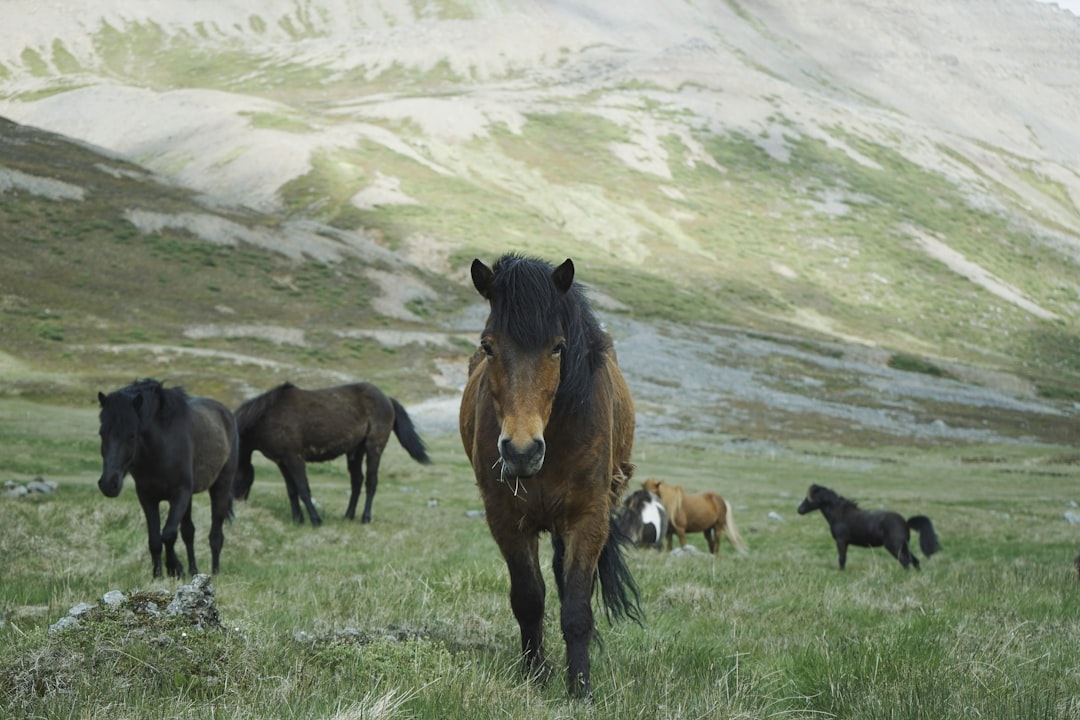
Mustang populations have soared in recent decades. With few natural predators and legal protection, herds can double in size every four to five years. Today, estimates suggest there are over 80,000 wild horses on public lands—far more than the landscapes can sustainably support. The BLM spends millions each year on roundups, adoptions, and holding facilities for excess horses. The sight of helicopters herding terrified horses into pens sparks outrage among animal lovers, but letting the herds grow unchecked could spell disaster for rangelands and wildlife.
Ecological Role: Are Mustangs Really Out of Place?

Some scientists argue that horses fill important ecological niches. Prehistoric horses once shaped North American grasslands, and their disappearance thousands of years ago left a void. Mustangs, they claim, may help disperse seeds, aerate soil, and keep plant communities healthy—roles similar to those of extinct megafauna. Others warn that modern mustangs behave differently, graze differently, and exist in far greater numbers than their ancient counterparts. The debate over their place in the ecosystem remains unresolved, with evidence and opinions running wild on both sides.
Voices from the Range: Ranchers, Ecologists, and Advocates

The mustang debate isn’t just scientific—it’s deeply personal. Ranchers, who depend on healthy grasslands for their livelihoods, often see mustangs as destructive pests. Ecologists worry about the long-term impacts on native species. Meanwhile, horse advocates view roundups and removals as cruel, arguing for fertility control and other humane solutions. Each group brings its own values, fears, and hopes to the table, making compromise elusive. The mustang has become a symbol not just of freedom, but of the deep divisions in how we see our land and its wild inhabitants.
The Cost of Management: Dollars and Dilemmas
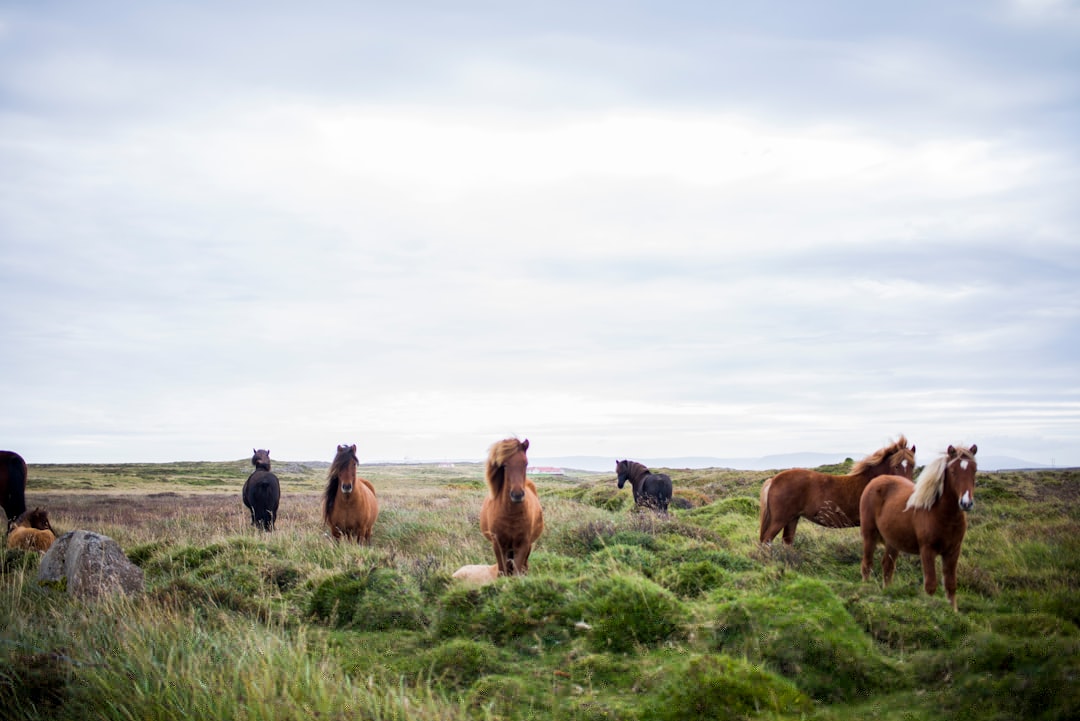
Managing wild horse populations is expensive—and controversial. The BLM’s budget for mustang management exceeds $100 million annually, with much of the money spent on roundups and maintaining horses in government-run holding facilities. Adoption programs struggle to keep up with the flood of captured horses. Critics argue that these funds could be better spent on habitat restoration or supporting endangered species. Supporters counter that mustangs deserve protection and humane treatment, no matter the cost. The financial burden adds another layer to an already complex issue.
Fertility Control: Science Meets Compassion
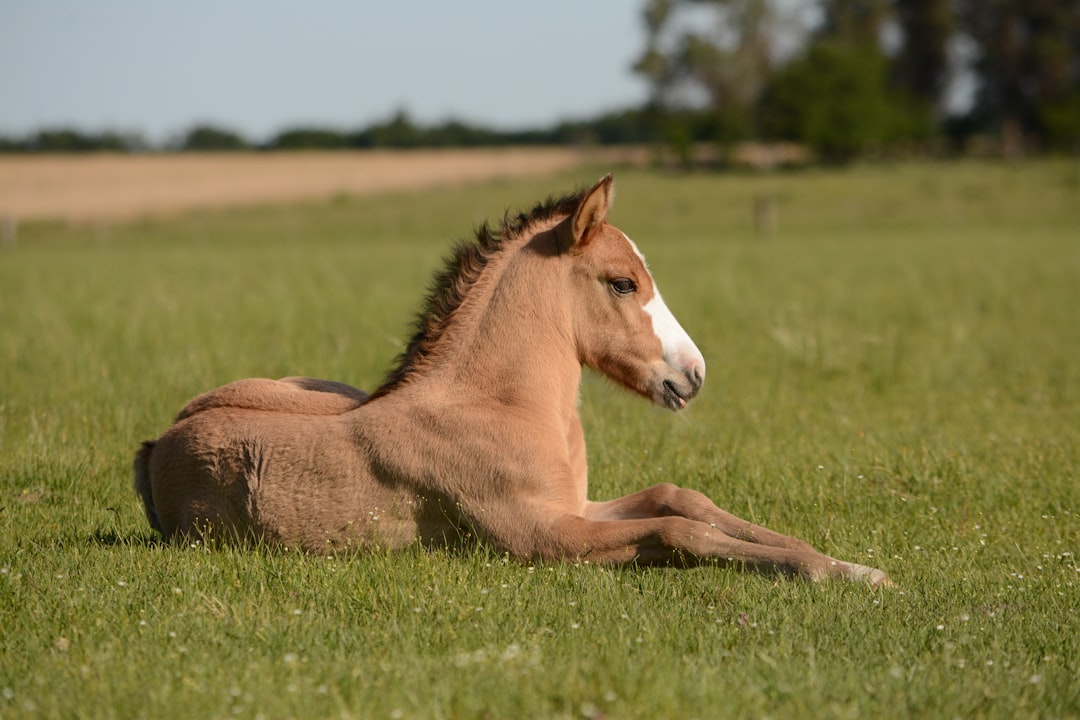
One promising solution is fertility control—using vaccines to slow population growth without roundups or removals. Scientists have tested methods like the PZP vaccine, which can temporarily prevent mares from conceiving. This approach is humane and less traumatic for the horses. However, it’s logistically challenging: wild herds roam vast, rugged terrain, making it hard to reach enough animals. Fertility control offers hope, but it’s not a silver bullet. It requires patience, funding, and cooperation from all sides.
Adoption and Sanctuaries: Finding New Homes

Thousands of mustangs have found new lives through adoption programs or in sanctuaries. Families, ranchers, and equine enthusiasts give these horses a second chance, often forging deep bonds. Adoption stories can be heartwarming, but not all horses are easily tamed or rehomed. Some mustangs spend years in holding pens, awaiting a future that may never come. Sanctuaries provide safe havens but face their own challenges, from funding shortages to overcrowding. Rehoming mustangs is a partial solution, but the scale of the problem remains daunting.
Cultural Significance: More Than Just Horses
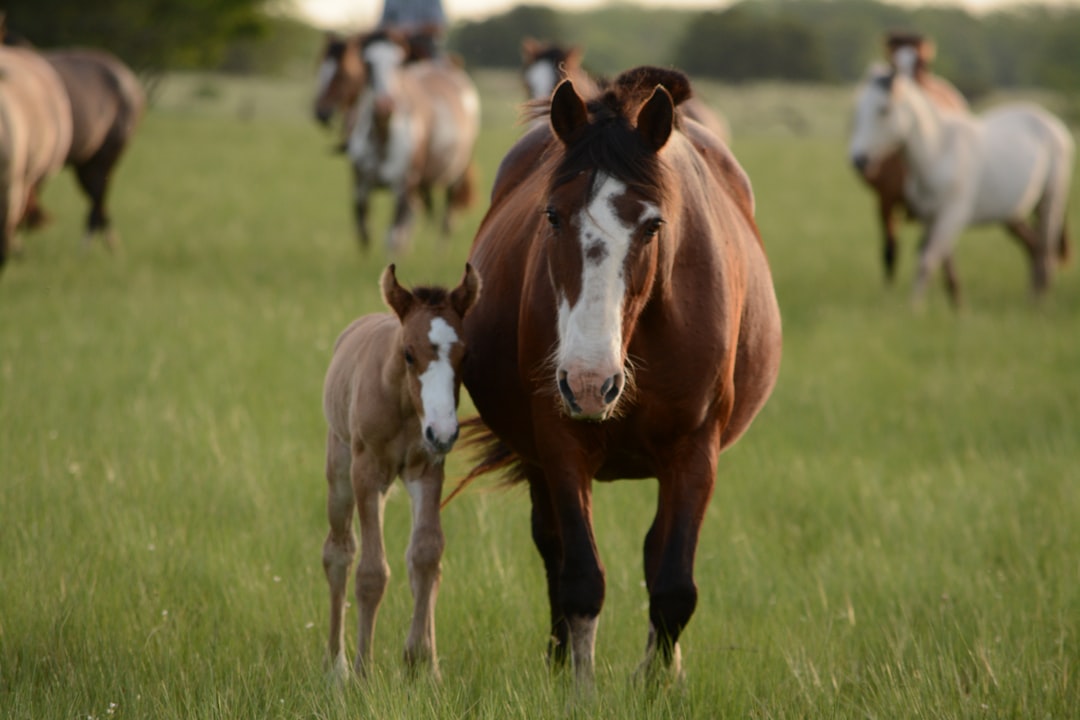
For many Indigenous communities, mustangs hold spiritual and cultural significance. They appear in stories, ceremonies, and even as partners in daily life. Cowboys, artists, and poets have all drawn inspiration from the wild horse. The mustang’s image graces state emblems, sculptures, and even sports teams. To erase them from the landscape would be to erase a part of American identity itself. This deep cultural connection makes any discussion about their future incredibly sensitive and emotionally charged.
Changing Climates and New Challenges

Climate change is reshaping the American West, bringing droughts, wildfires, and changing vegetation. These shifts put additional pressure on mustang herds and the ecosystems they inhabit. Water sources dry up, plants become scarce, and the struggle for survival intensifies. Scientists warn that traditional management strategies may no longer be enough as the environment changes faster than ever before. The mustang dilemma is now entwined with the even bigger challenge of adapting to a warming world.
Mustangs in Popular Media: Fact vs. Fantasy

Hollywood has played a huge role in shaping how we see mustangs. Films and TV shows often portray them as noble, misunderstood creatures fighting for survival against cruel odds. While these stories inspire, they can gloss over the environmental and practical challenges of managing wild herds. Real-life mustangs face a far more complicated world than the silver screen suggests. The gap between fantasy and fact fuels misunderstandings and makes honest conversations harder.
International Lessons: Wild Horses Around the World
The mustang dilemma isn’t unique to America. Australia grapples with its own wild horses, known as brumbies, which pose similar ecological challenges. In Mongolia, the takhi (Przewalski’s horse) is celebrated as a conservation success story, reintroduced to its native grasslands after near extinction. Comparing these cases shows that wild horse management is never simple. Every country must balance history, ecology, and public sentiment in its own way.
Citizen Science and Public Involvement

Ordinary people are stepping up to help. Citizen science projects invite volunteers to track herds, monitor grazing, and report on ecosystem health. Public engagement brings fresh ideas, new data, and a sense of shared responsibility. Community-based approaches encourage dialogue and foster empathy between opposing sides. When locals, scientists, and advocates work together, creative solutions can emerge. The mustang dilemma, after all, belongs to everyone.
The Future of the Mustang: Coexistence or Conflict?

As the mustang debate rages on, one thing is clear: the choices we make now will shape the West for generations. Will we find ways to let mustangs thrive without destroying the land they call home? Or will conflict and controversy continue to define their story? The answer depends on our willingness to listen, learn, and adapt. The mustang’s fate hangs in the balance, a test of our values and our vision for the wild places that remain.
Reflections and Unanswered Questions
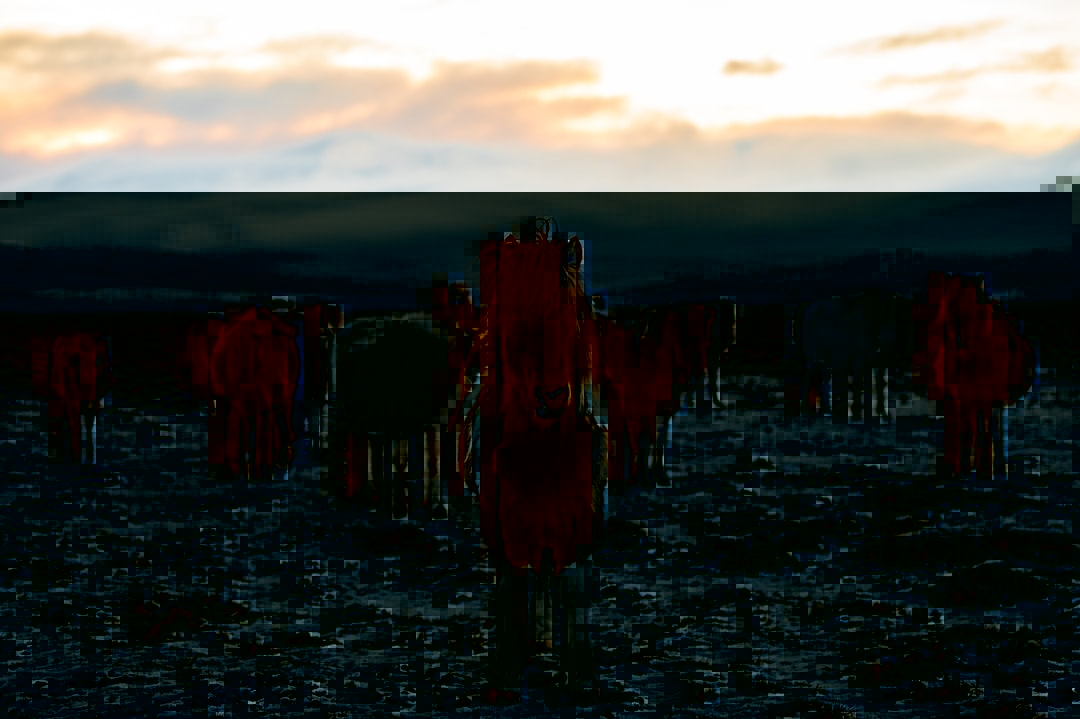
The mustang dilemma is messy, emotional, and full of paradoxes. These horses are both beloved symbols and ecological challengers, both victims and survivors. They remind us that nature—and our place in it—is never simple. Their story asks us to look deeper, to question what we value, and to find compassion even in disagreement. In the end, perhaps the mustang’s greatest gift is the way it forces us to wrestle with what it truly means to share a land, a legacy, and a future.