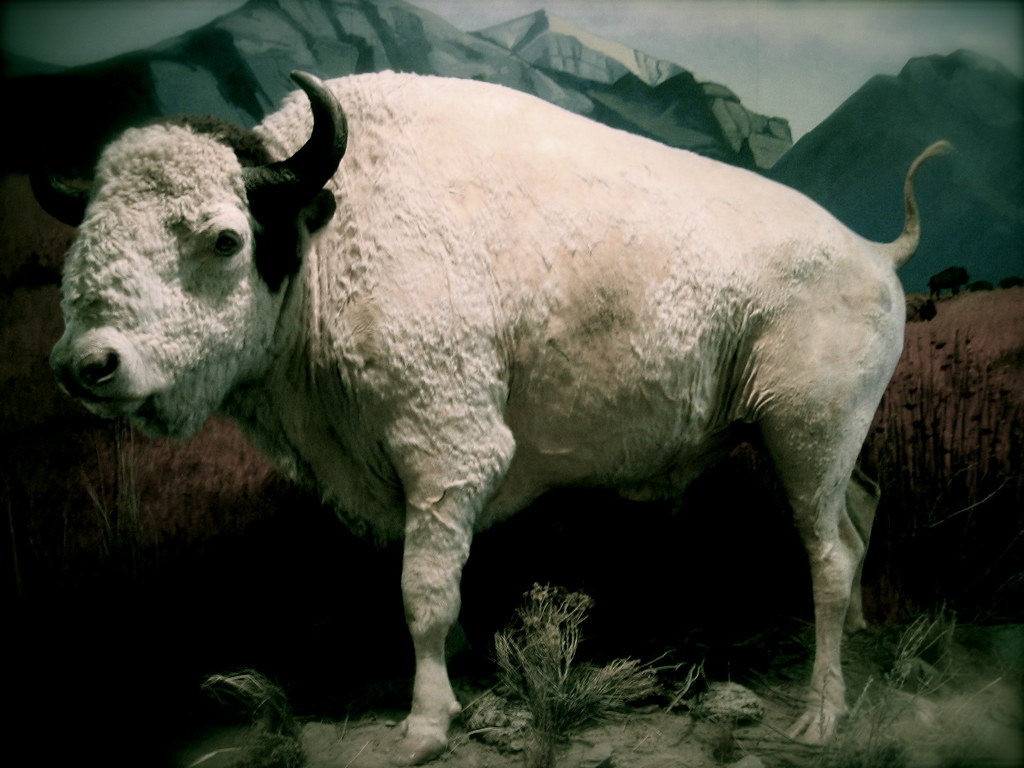

Every so often, a story surfaces that feels bigger than any one culture, like it is quietly tugging at something ancient in all of us. The legend of the white buffalo is one of those stories: part sacred prophecy, part ecological mystery, part mirror reflecting our anxiety and hope about the future of the world. People travel thousands of miles just to glimpse a single white calf, weep when they see it, and leave believing that something in the universe is shifting.
At first glance, it sounds like a myth from another time, a beautiful tale wrapped in feathers and smoke. But the white buffalo is not just a relic of old stories; it keeps reappearing in headlines, in science discussions, and in spiritual circles today. Whether you’re skeptical, curious, or quietly spiritual, this legend holds a strange power, raising a question that’s hard to shake: if a single animal can carry this much meaning, what does it really say about us and about what might be coming next?
The Sacred Roots: White Buffalo Woman and the Original Prophecy
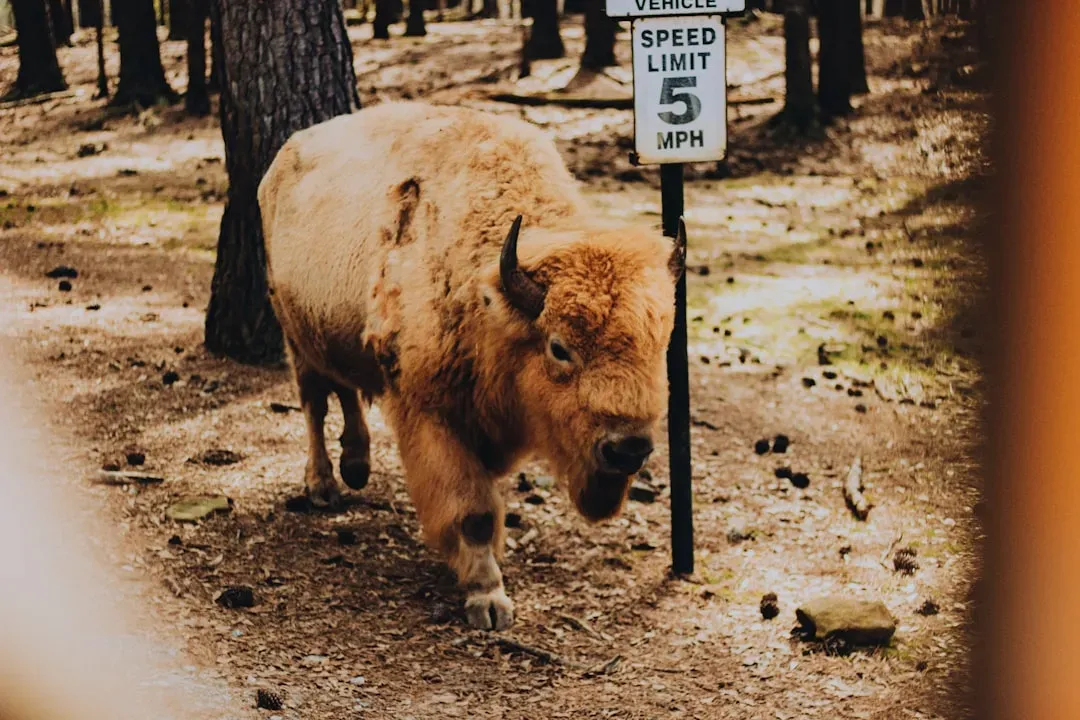
The legend of the white buffalo begins deep in the spiritual history of the Lakota people, one of the major Plains nations in North America. In their tradition, a mysterious figure known as White Buffalo Calf Woman appears during a time of hardship and hunger, bringing not just a sacred ceremonial pipe but an entire way of life. She teaches laws, prayers, respect for the land, and how humans should live in balance with all beings, not above them.
When she departs, she promises to return in a time of great need, and one of the signs of that return is the birth of a white buffalo calf. For the Lakota and related Plains tribes, this is not just a pretty story: it is a spiritual framework tying ethics, environment, and future events together. The white buffalo is woven into ceremonies, songs, and teachings about responsibility to each other and to the Earth, which is why treating it like some casual “good-luck omen” really misses the depth of what it means.
Why a White Buffalo Is So Rare in the First Place
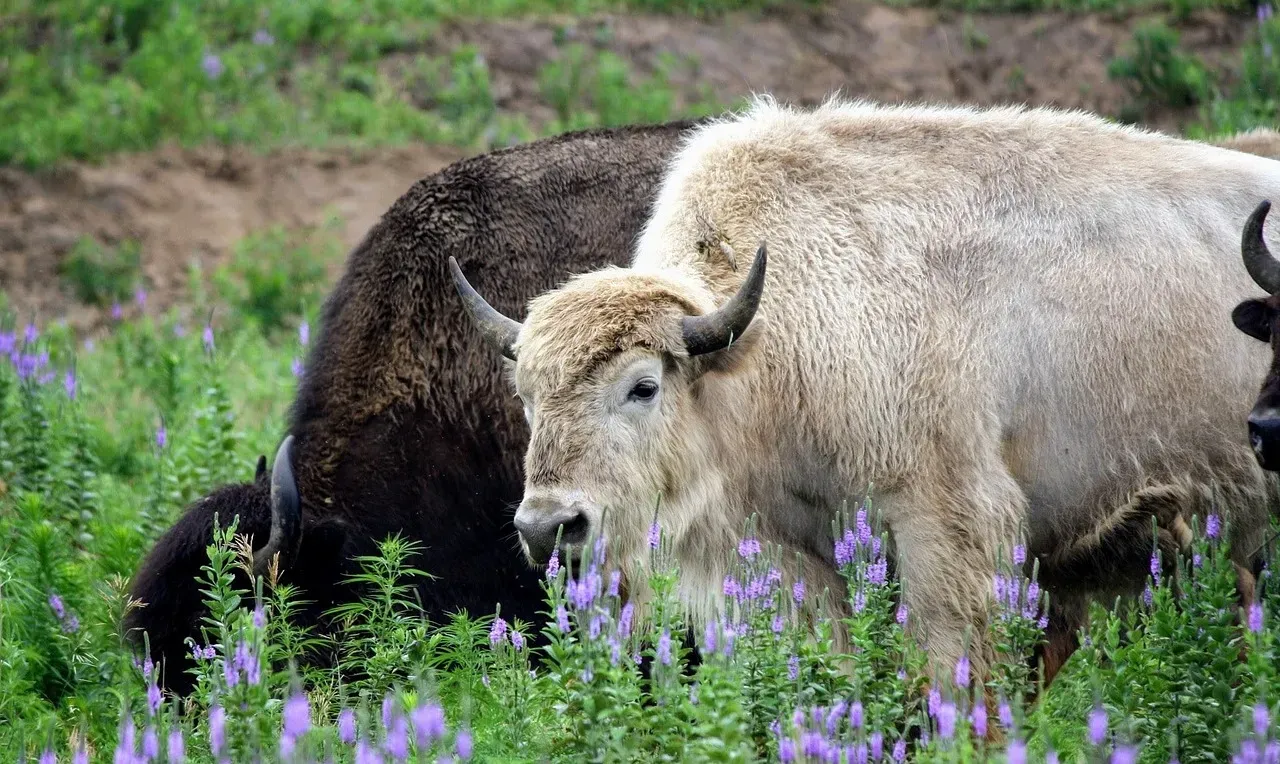
Part of what gives the legend such weight is that white buffalo are genuinely rare in nature. Most American bison have dark brown fur, and a truly white or near-white calf can be the result of unusual genetics, including conditions affecting pigmentation or selective breeding with cattle in some herds. In the wild, standing out that much can actually be a disadvantage, making an animal more visible to predators and less camouflaged on the plains.
Because of this rarity, when a white calf is born, it immediately draws attention from scientists, tribal leaders, tourists, and the media. There’s a tension here: some white bison are sacred to Indigenous communities, while others are products of commercial breeding programs trying to produce a particular look. For many Native people, the truly meaningful animals are those born in traditional herds without heavy crossbreeding, because they see the significance not just in the color but in the context and the spiritual timing.
Multiple Calves, Many Meanings: Are the Prophecies Coming True?
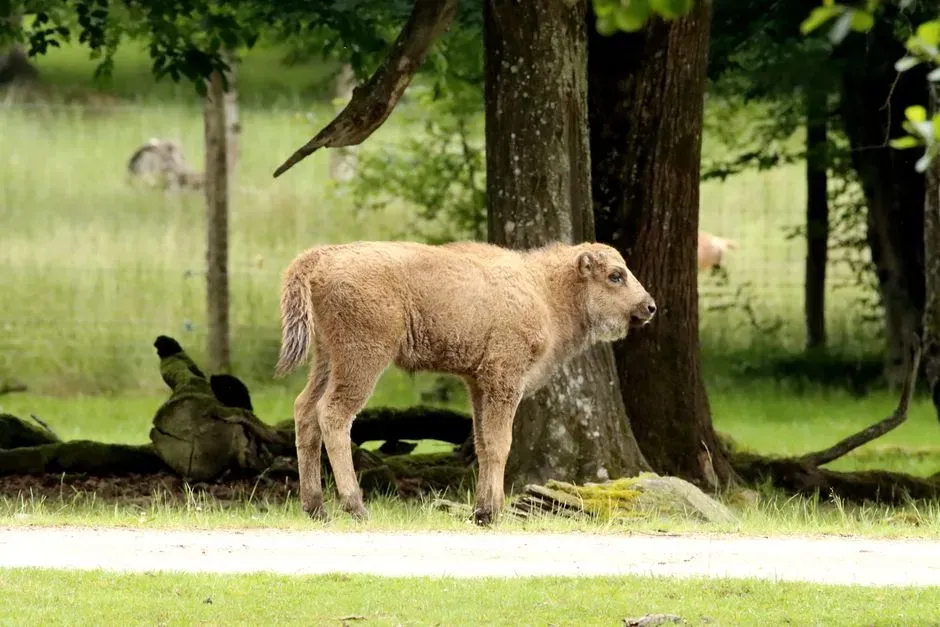
In the last few decades, several white bison calves have been born in different parts of the United States, and each birth has stirred up waves of interpretation. Some Lakota elders and spiritual leaders have spoken about these events as powerful signs, while also warning that they are not simple “good news” omens. In some tellings, the reappearance of the white buffalo signals both a time of great opportunity for healing and a time of great danger if humanity continues to ignore balance and respect.
Here’s where it gets complicated: not all tribes share exactly the same prophecy details, and even within Lakota communities there are differences in how people interpret recent white births. Some see them as confirmations that a spiritual turning point is underway, while others urge caution, pointing out that humans tend to cherry-pick hopeful signs and ignore the warnings that come with them. When several white calves appear close together in time, people naturally ask if this is destiny or coincidence; the honest answer is that the legend allows room for both awe and sober responsibility.
Science Weighs In: Genetics, Probability, and Cold Hard Numbers
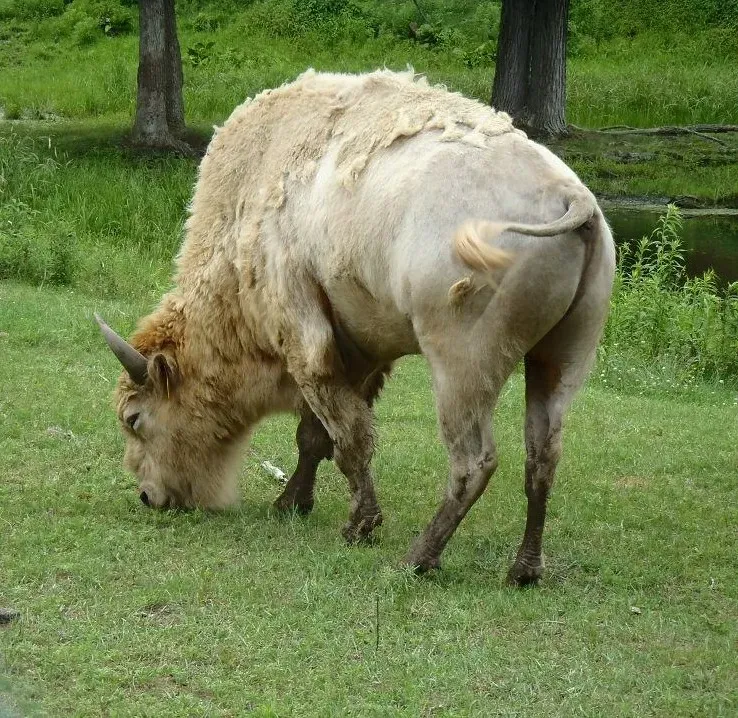
From a scientific standpoint, a white buffalo is not a supernatural creature but an outlier in a gene pool. Geneticists talk about recessive genes, pigment pathways, and possible albinism or leucism, where the body produces little or no pigment, leading to white or very light coats. In managed herds, especially where bison and cattle have mixed in the past, those genetic combinations can show up more frequently than they would in isolated, purely wild populations.
For scientists, the appearance of a white calf is interesting but not prophetic; it is a statistical event that becomes more likely as herd sizes grow and breeding programs select for unusual traits. Yet even many biologists admit that the cultural meanings built around these animals matter. Just because something can be explained by genetics does not erase the emotional and spiritual impact it has on a community, and in a strange way, the science and the legend end up talking about the same thing: how a small deviation in nature can capture human attention and change behavior.
What the Legend Predicts: Collapse, Renewal, or Both at Once?
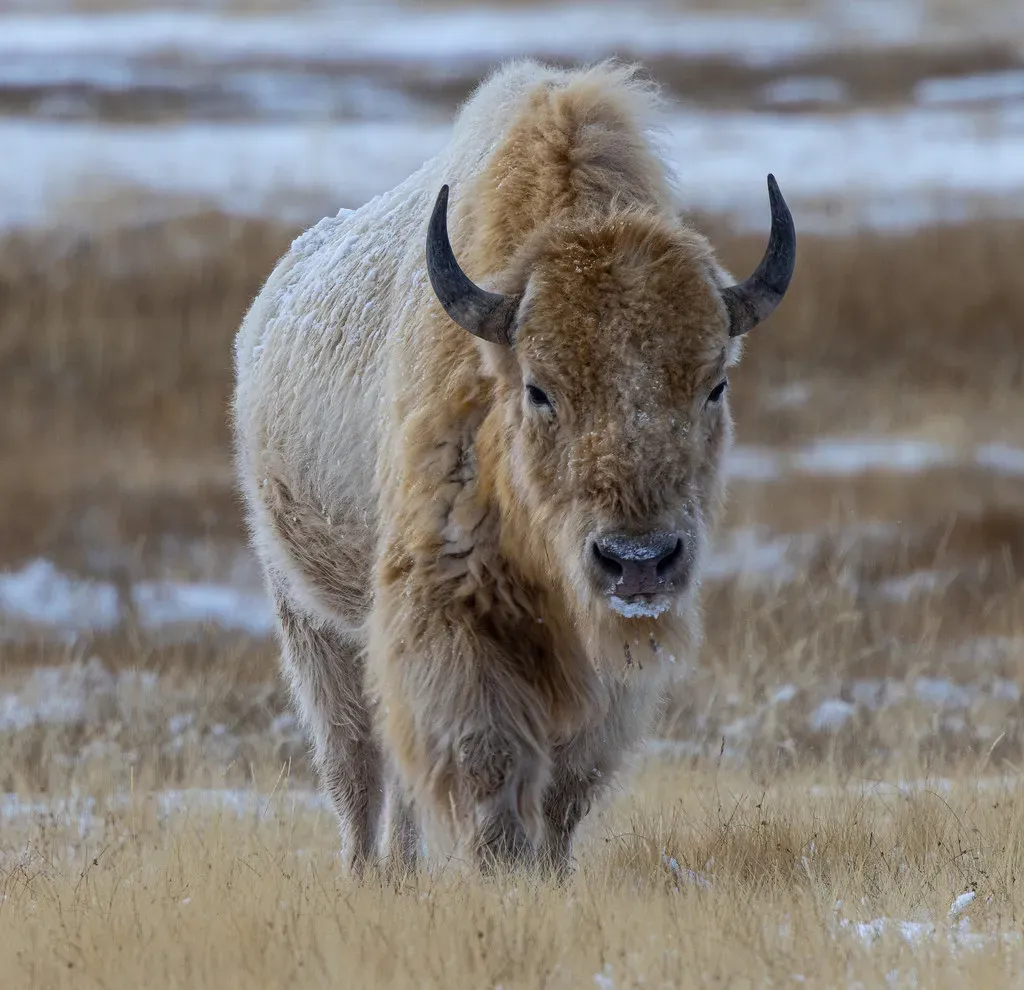
The legend of the white buffalo is often simplified into “good things are coming,” but when you listen more carefully to Indigenous voices, a very different picture appears. The prophecy is less about guaranteed salvation and more about a crossroads: a time when humanity faces harsh consequences for greed, pollution, and disrespect, while also being given one last powerful chance to change course. The white buffalo emerges as a signal that this decision point is not abstract anymore; it is here, and it is urgent.
So what does it predict? Not a movie-style apocalypse, but something more sobering and realistic: escalating environmental damage, social fragmentation, and spiritual emptiness if we keep prioritizing profit over balance. At the same time, it points toward the possibility of renewal if humans return to principles of reciprocity, restraint, and gratitude. To me, that double-edged prediction feels almost uncomfortably accurate for the twenty‑first century, with climate disruption, mass extinctions, and mental health crises already pressing in on every side.
The Modern Mirror: Climate Change, Extinction, and Our Fear of the Future
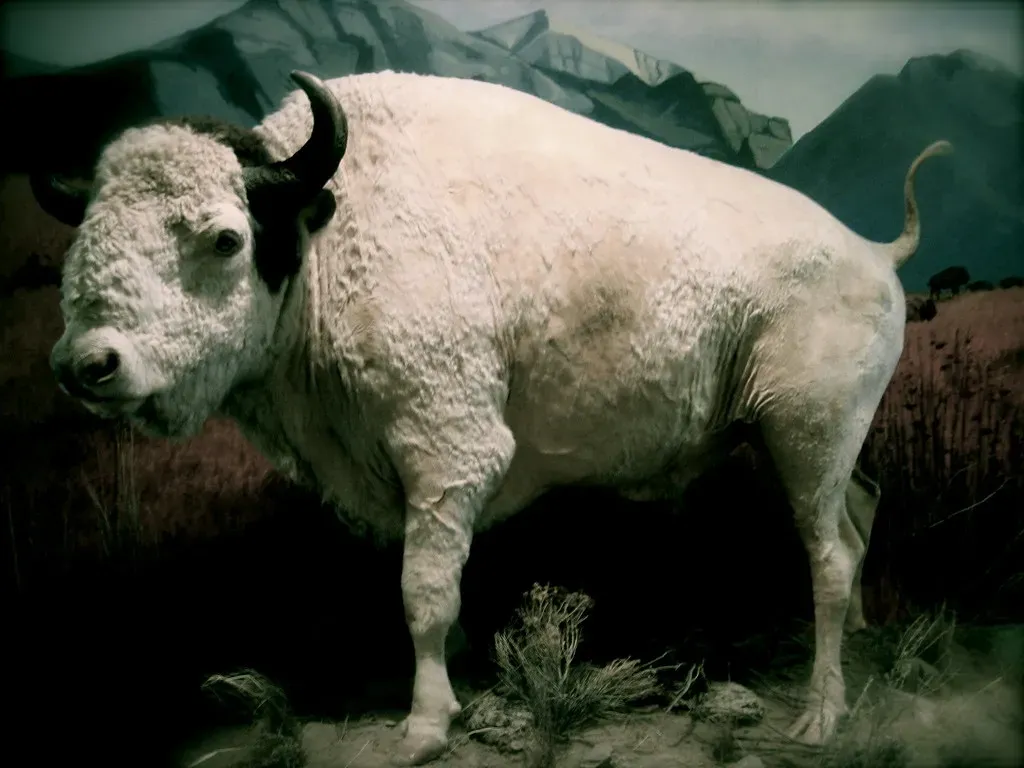
Even if you strip away every mystical layer, the timing of renewed interest in the white buffalo legend is hard to ignore. We are living in an age where weather patterns are becoming more extreme, large animal species are disappearing at frightening rates, and people are openly talking about whether parts of the planet will still be habitable for their grandchildren. In that context, a story about a rare animal that shows up when humans have pushed the world out of balance feels less like a quaint myth and more like a painfully accurate metaphor.
In a way, the white buffalo functions like a spiritual climate report. It condenses complex problems into a single, emotionally charged image: a creature that should not easily exist, standing quietly in a world we have stressed to its limits. You do not have to believe in prophecy to see how that image grabs the imagination and forces a question most of us try to avoid: if we have been warned this clearly, what excuse do we really have for carrying on as if nothing is wrong?
Conclusion: A Beautiful Warning We Cannot Afford to Ignore
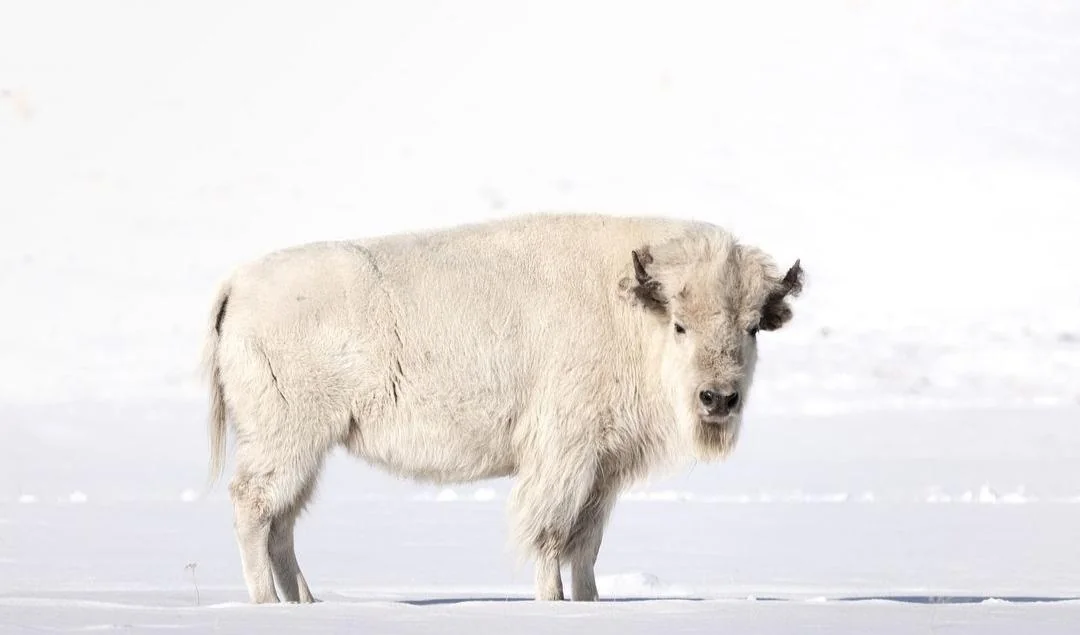
To me, the legend of the white buffalo feels like a beautiful warning wrapped in a story gentle enough that we might actually listen. It refuses to fit neatly into either pure myth or pure science, sitting instead at the tense intersection of spirituality, ecology, and human psychology. The births of white calves do not force a single interpretation on us; they expose who we already are. Some people rush in to profit, some to pray, some to study, and some to simply stare in wordless awe.
My opinion is that the most dangerous reaction is indifference. Whether you see the white buffalo as holy, genetic, symbolic, or all three at once, it is pointing straight at the same truth: we are living through a test of our relationship with the living world, and the margin for delay is shrinking. If we treat this legend as comfort, we will likely get the collapse side of the prophecy; if we treat it as a serious summons to humility and repair, we might still earn the renewal side. When you picture that rare white shape against a dark herd, which future do you honestly feel we’re walking toward – and are you willing to help turn it around?