Imagine waking up to find that the ground beneath your feet has started giving up secrets it has kept for tens of thousands of years. That is what happens when permafrost thaws: you are not just dealing with mud and ice, you are dealing with ancient ecosystems suddenly waking up in a world they have never seen before. When you hear that a layer of permafrost in Alaska thawed last month and contains bacteria your immune system has never met, it sounds like the plot of a sci‑fi thriller, but it is really a slow‑burn side effect of a warming planet.
You do not need to panic, but you also should not shrug it off. The truth sits in the uncomfortable middle: there is real uncertainty, real risk, and also real opportunity to prepare and monitor instead of just hoping for the best. You are living at a time when climate change is not just about hotter summers and stronger storms; it is now about ancient microbes, frozen in time, entering a modern world filled with cities, planes, and global trade. Once you see thawing permafrost through that lens, it stops being just a distant Arctic problem and becomes part of your own health story too.
Why Thawing Permafrost Is About Much More Than Melting Ice
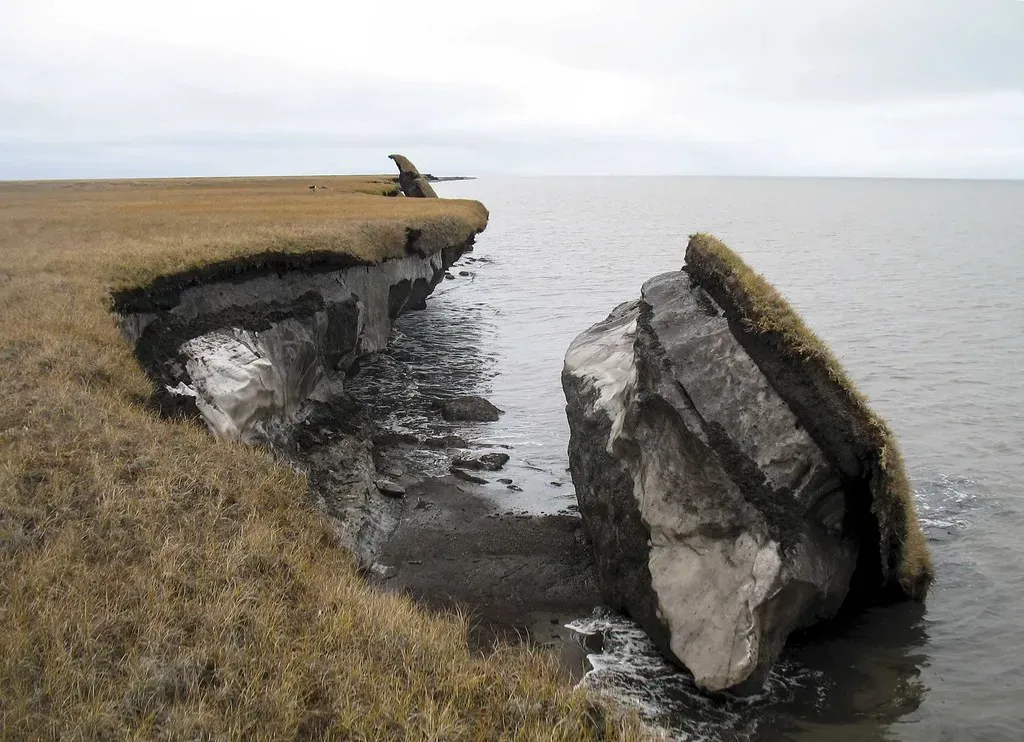
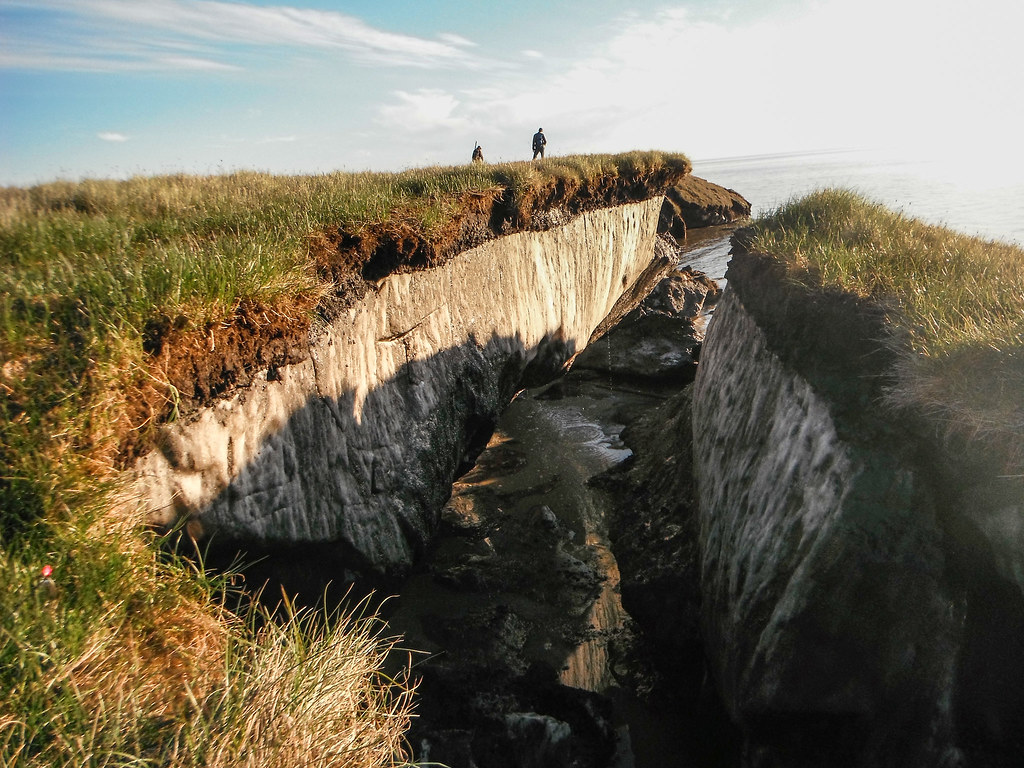
When you hear the word permafrost, you might picture nothing more than frozen dirt, but you are really looking at a gigantic time capsule. For thousands of years, plants, animals, and microbes have died, fallen into the cold ground, and been locked away like files in a frozen archive. As long as that soil stays frozen, those microbes are stuck in a deep freeze, unable to grow, spread, or interact with your world in any meaningful way.
As temperatures rise and that frozen ground starts to thaw, those old files are suddenly being pulled out of storage. You are not just talking about carbon and methane being released into the air, which already matters a lot for climate change; you are also talking about entire microbial communities coming back to life. Some of those microbes will be harmless, some might even be useful, but some could be wild cards you have no experience with. The unsettling part is that once they are active again, they can move with water, animals, and even people, in ways that were impossible when everything was locked in ice.
What It Really Means When Bacteria Have Never Met Your Immune System
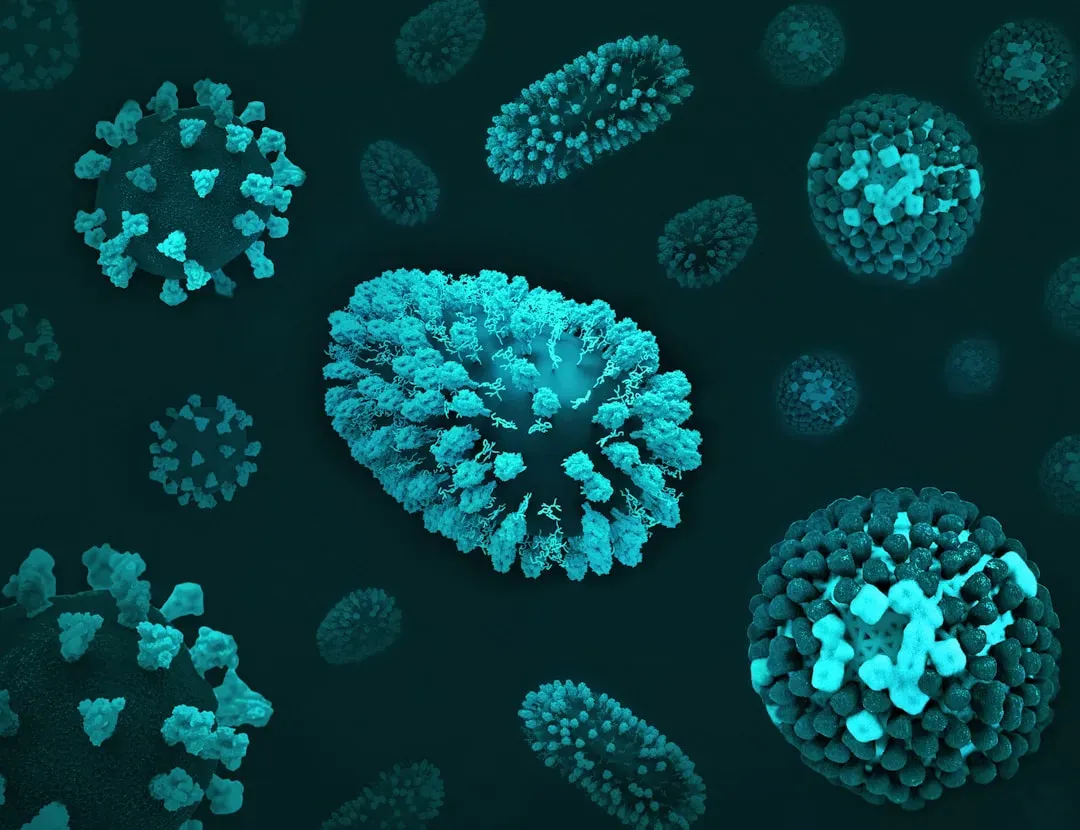
When you hear that bacteria have never encountered a human immune system, you might imagine something so alien that your body has no defenses at all, but your immune system does not start from zero every time. You carry layers of general protection that react to patterns shared by lots of microbes, from your skin and gut barriers to cells that attack anything suspicious. Even if your body has never seen a specific bacterium, it still has a basic toolkit for dealing with microbial invaders.
Where things get tricky for you is unpredictability. Some ancient bacteria may be too fragile to survive long outside the thawing soil, while others could find modern conditions surprisingly comfortable. A few might be related to known microbes but carry genes that make them behave differently, including resistance to antibiotics or unusual ways of evading immune responses. You are not facing a guaranteed catastrophe, but you are facing unknowns that science is only beginning to map, and that is exactly why careful research and monitoring matter more than either denial or doom‑scrolling.
Lessons From Past Encounters With Long‑Frozen Pathogens
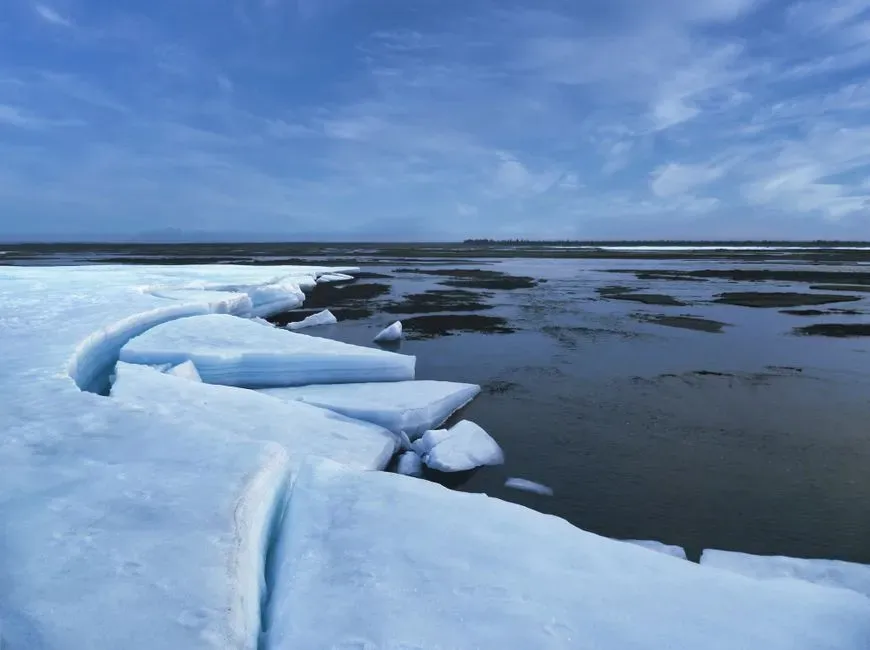
You have actually seen hints of what thawed ground can do, even if not on a massive scale. In the Arctic, there have been documented outbreaks linked to old burial sites and long‑dead animals where frozen soil thawed and released pathogens that had been inactive for decades. In one well‑known case, thawing ground was connected to a cluster of infections tied to carcasses that had been frozen in place for years before suddenly re‑entering the environment. Those events were rare and localized, but they showed you that long‑dormant microbes can, under the right conditions, become active again.
At the same time, those examples also show you something else important: targeted public health responses can work. Once the cause was identified, authorities could vaccinate, treat, and contain the spread, just like they do with more familiar outbreaks. For you, the takeaway is not that the Arctic is a ticking time bomb you are powerless to handle, but that early detection, strong basic healthcare, and good communication can massively reduce the risk when something unusual does emerge. History here is a warning, but it is also a blueprint for how you can respond.
How Scientists Study These Ancient Microbes Without Creating New Problems
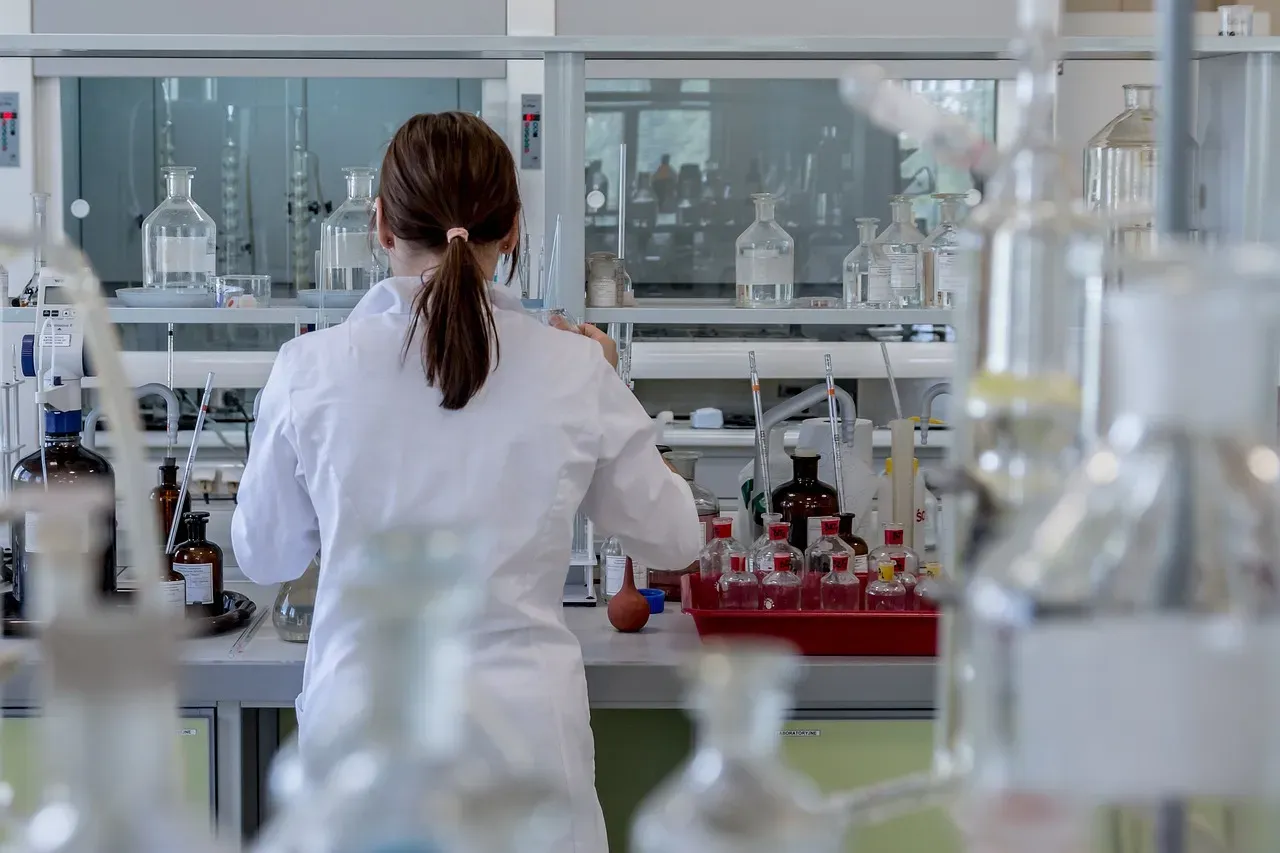
If you are wondering whether scientists are just digging into thawing permafrost and waking up whatever is down there, the reality is a lot more controlled than that. When researchers collect permafrost samples, they follow strict safety protocols, working in specialized labs designed to keep whatever they find from leaking into the outside world. They culture microbes carefully, test them step by step, and classify what they see long before anything leaves a secure environment. You might picture a reckless experiment, but in practice it is more like defusing an old device with multiple layers of protection in place.
From your perspective, the point of this research is not curiosity for its own sake; it is early warning and preparation. By cataloging what kinds of bacteria and viruses exist in thawing layers, scientists can look for familiar families, potential resistance genes, or traits that suggest a need for extra caution. That gives you a chance to understand risks before they show up unexpectedly in animals, water systems, or even people. You may never see those lab protocols firsthand, but you benefit from them every time a potential problem is recognized early instead of being discovered in the middle of a crisis.
What Risks You Should Actually Worry About – And Which Ones You Should Not
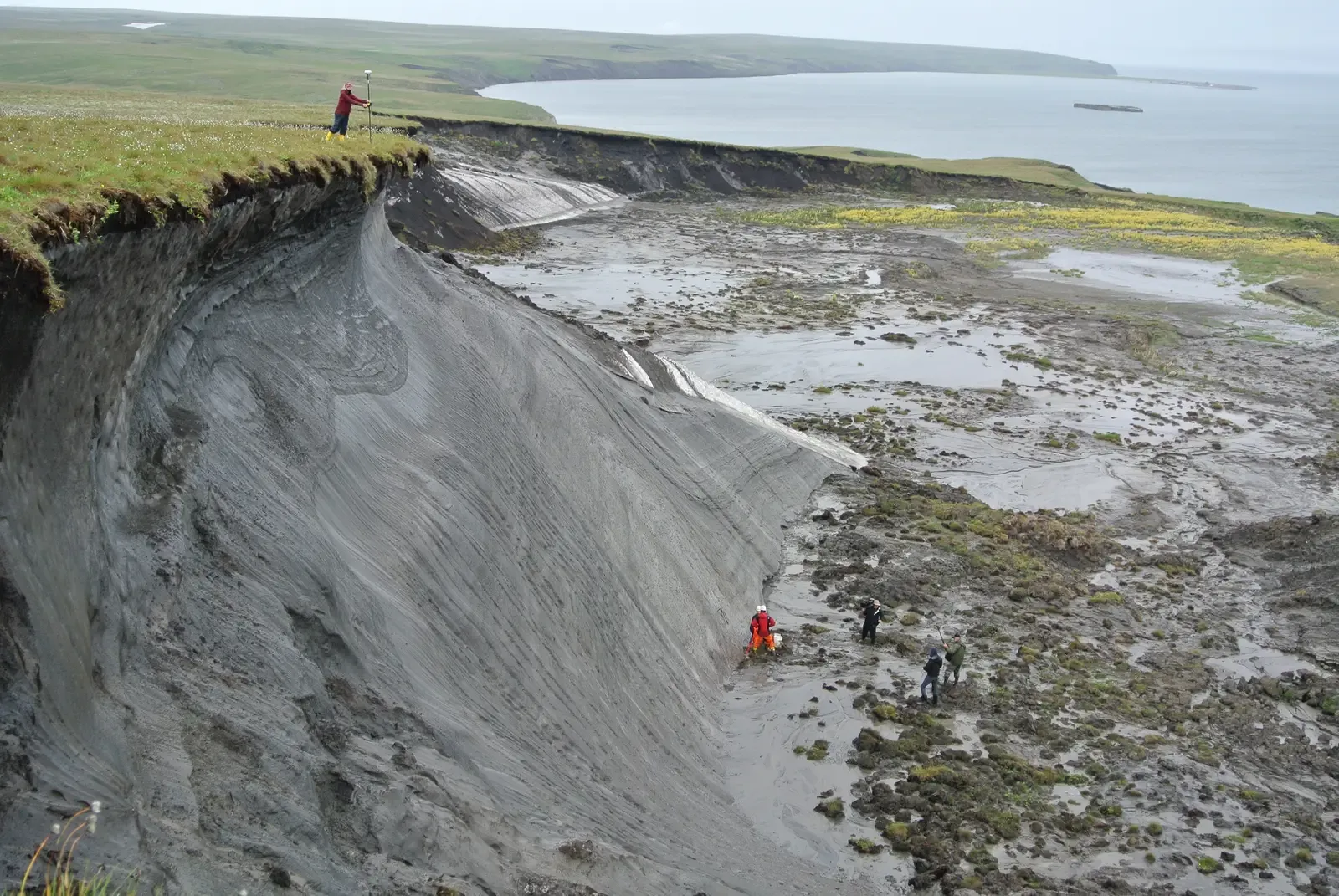
It is easy for your imagination to jump straight to a worst‑case scenario where a single thawed bacterium triggers a global disaster, but reality is usually less dramatic and more complicated. For an ancient microbe to become a serious threat to you, it has to survive in modern conditions, find its way into a host, learn to spread effectively, and dodge medical tools like antibiotics and hygiene practices. Each of those steps is a hurdle, and most microbes will never clear them all. You are not living on the edge of an inevitable ancient‑plague event just because permafrost is thawing.
That said, you also should not dismiss the risk as pure hype. The more permafrost thaws, the more often rare events can happen, whether it is unusual infections in wildlife, contamination of local water supplies, or unexpected illnesses in isolated communities. For you, the more realistic concerns are slow and uneven: extra health burdens in vulnerable regions, more strain on local healthcare systems, and occasional outbreaks that need quick, careful handling. You protect yourself not by obsessing over every headline, but by supporting strong public health, climate action, and research that keeps the odds in your favor.
How This Connects to Your Everyday Life Far From Alaska
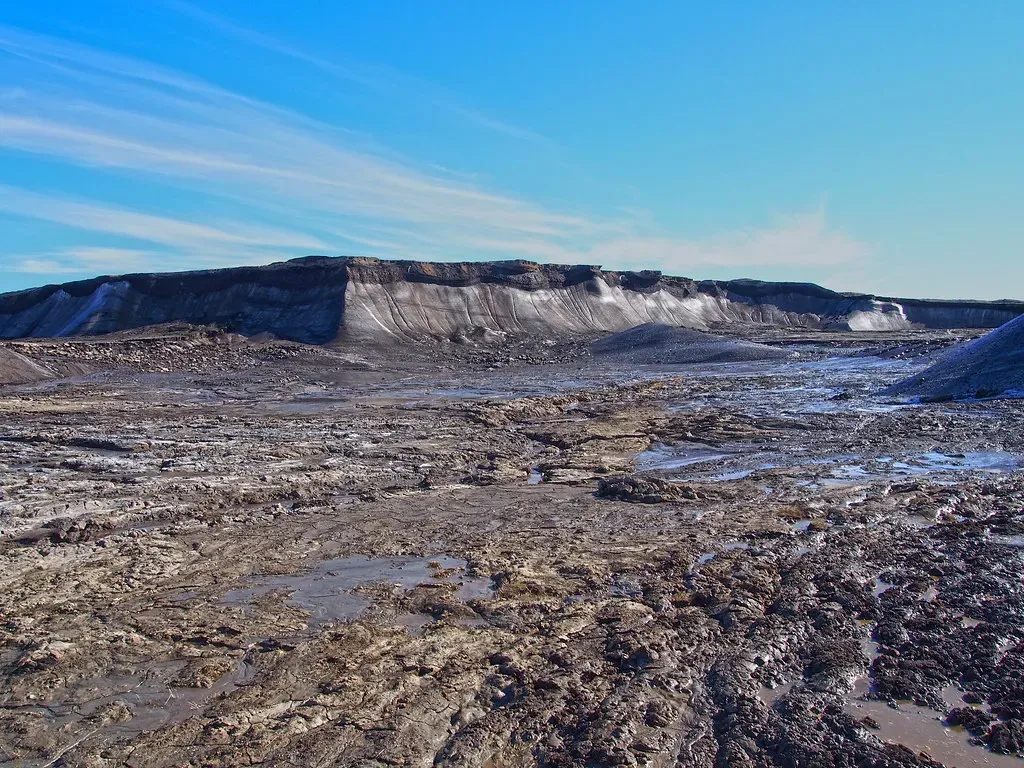
You might live thousands of miles away from Alaska and feel like this is someone else’s problem, but climate and microbes do not respect state lines or country borders. As the Arctic warms, it can influence weather patterns you feel at home, shifting storms, heat waves, and rainfall that reshape your own environment. That same warming is what drives thaw in permafrost regions, creating conditions for ancient microbes to reawaken in places you might never visit, but that are still part of the global system that feeds you, supplies you, and stabilizes your climate.
On top of that, you live in a world that moves fast: people, animals, food, and goods cross continents in hours, not months. If something new appears in a remote region and manages to spread, it can hitch a ride on trade routes, migratory paths, or travel networks that eventually intersect with your life. You do not need to live in the Arctic to care about what is thawing there; your health is linked, indirectly but increasingly, to what happens in those changing landscapes. Seeing that connection is not about fear, it is about understanding that your choices on energy, policy, and science funding ripple all the way to the permafrost and back to you.
How You Can Respond Without Giving In To Panic
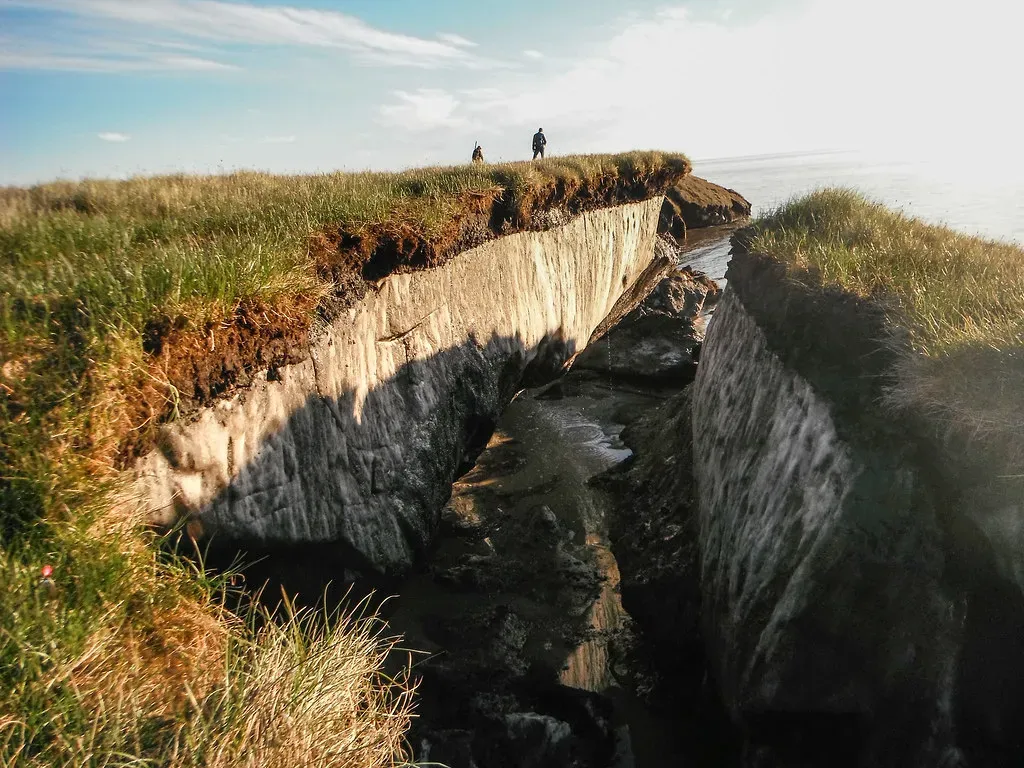
When you first hear about unknown bacteria emerging from thawed permafrost, it might make you feel powerless, but you are not stuck as a bystander. You can support policies that reduce greenhouse gas emissions, which slow the rate of permafrost thaw and give science more time to adapt and prepare. You can back investments in public health systems, surveillance networks, and research that look specifically at climate‑driven health risks, including those tied to ancient microbes. These choices may feel abstract, but they are part of how you tilt the odds toward safety instead of surprise.
On a more personal level, you can choose to stay informed without being consumed by fear. That means following credible science reporting, being skeptical of sensational rumors, and understanding that uncertainty does not mean doom, it means more work needs to be done. You have already lived through a global pandemic and seen how misinformation can spread faster than any virus; now you can use that experience to demand better communication, better planning, and more honest conversations about emerging risks. You cannot control what is hidden in every layer of permafrost, but you can absolutely influence how prepared your society is to meet whatever comes out of it.
Conclusion: Living With an Unfinished Story Beneath Your Feet
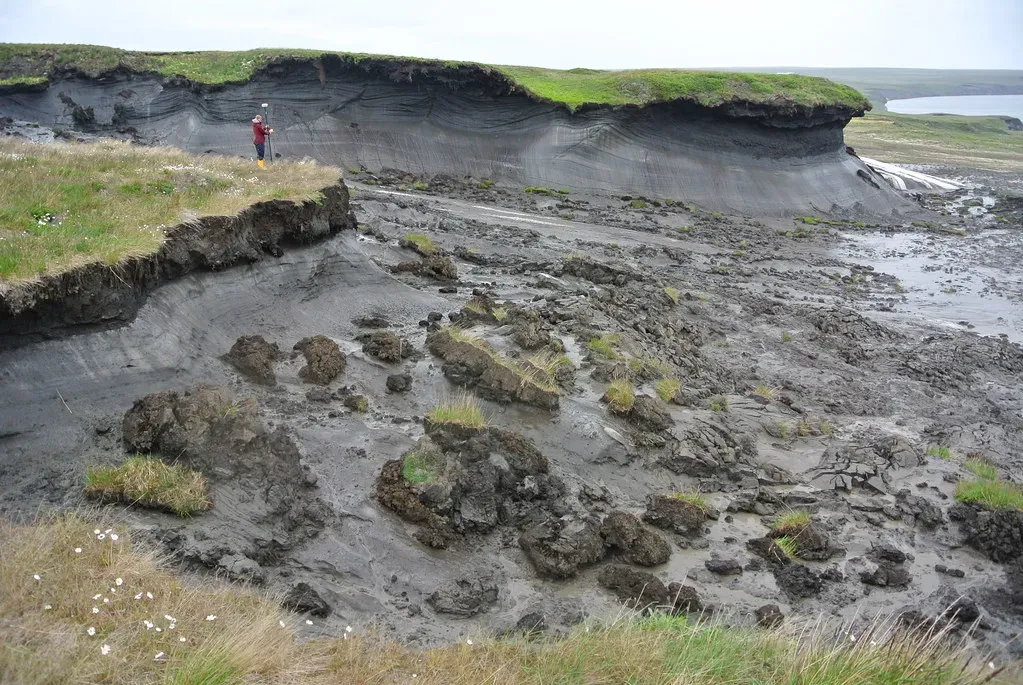
Right now, you are sharing the planet with microbial worlds that have been frozen in silence for longer than human cities have existed. As permafrost in places like Alaska thaws, those worlds are not staying silent forever, and that matters for your climate, your health, and your future. You are not doomed by that fact, but you also do not get to ignore it; you live in a time when old risks and new conditions are colliding in ways no previous generation had to face. That collision asks you to grow up a bit as a species, to treat the frozen ground not just as land to build on, but as a vast, thawing archive that demands respect.
If you let fear drive the story, you will see only monsters under the ice; if you let denial drive it, you will see nothing at all until it is too late. Somewhere in between is a better path, where you accept the uncertainty, invest in science, strengthen public health, and face the reality that climate change is rewriting more than just weather charts. The permafrost that thawed last month is part of that story, but so are your choices this year, next year, and beyond. When you think about ancient bacteria waking up in a warming world, are you more surprised by what the ice is revealing – or by how quickly your own actions are melting it?