You probably picture dinosaur science as a neat line of steady discoveries: a fossil here, a paper there, everyone nods and updating textbooks like it’s no big deal. In reality, some of the most important breakthroughs started with one or two stubborn scientists being told they were wrong, ridiculous, or wasting their careers. You see this clearly in the story of fossils that reshaped what you thought you knew about dinosaurs: what they looked like, how they behaved, and even where they came from.
When you trace those stories back, you almost always find a moment where someone brought a strange fossil to the table and the room basically rolled its eyes. Feathered dinosaurs, giant killers that acted like birds, tiny early relatives that rewired the dinosaur family tree – none of these ideas walked smoothly into the spotlight. They had to fight their way in, pushed by researchers who were, at least at first, ignored or laughed at. Once you see how that pattern works, you’ll never look at a dinosaur skeleton in a museum the same way again.
The Fossil That Looked Too Much Like a Bird
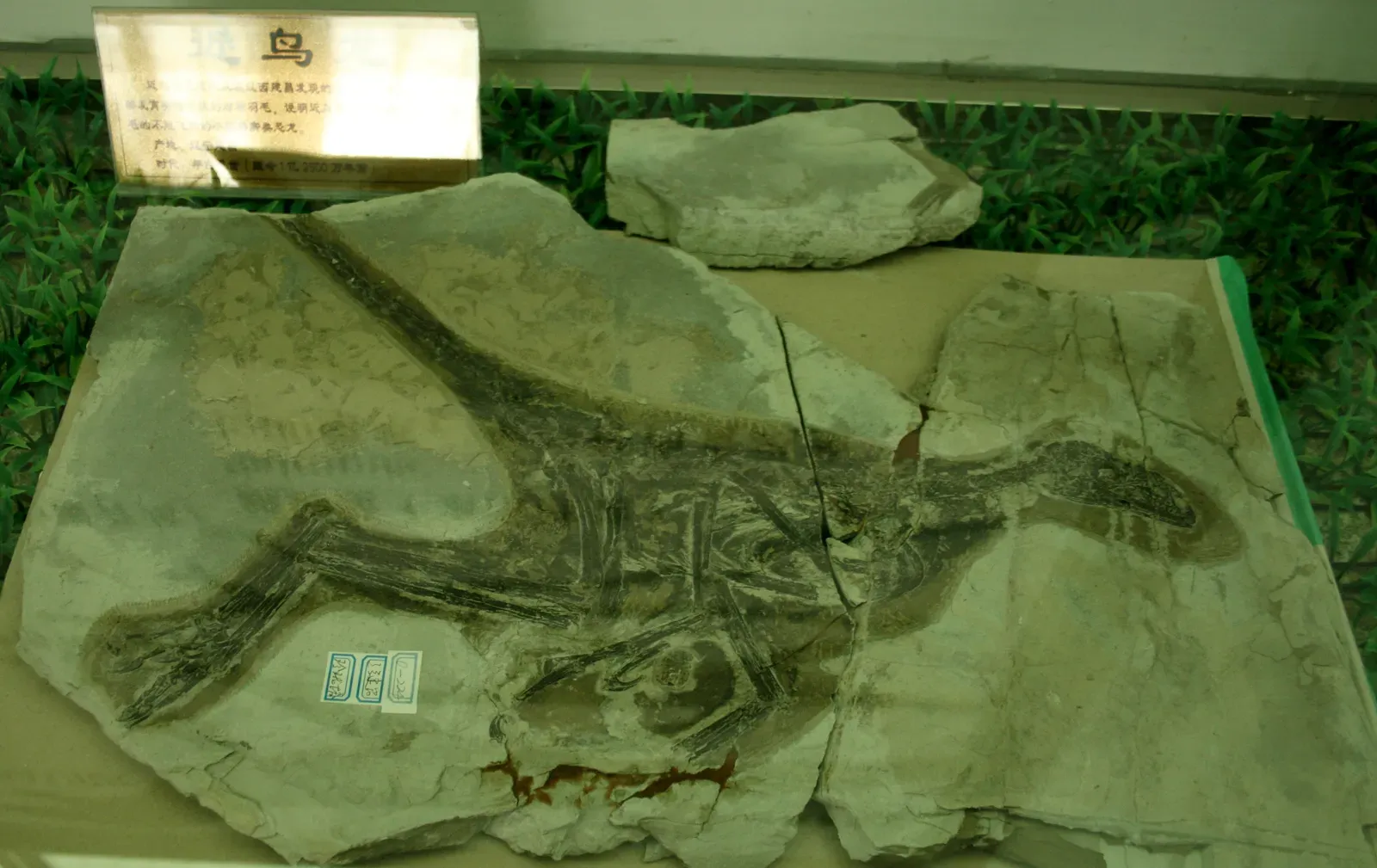
Imagine you’re in a lab in the 1990s, staring at a fossil that looks like a dinosaur, but it has clear, unmistakable feathers. Your training has told you for years that dinosaurs were scaly, lumbering reptiles, and now this slab of stone from northeastern China seems to be calling that into question. That is roughly the situation scientists found themselves in with fossils like Sinosauropteryx and later feathered dinosaurs from the famous Liaoning deposits. At first, many researchers outside that small circle refused to accept what you now see as obvious: some dinosaurs had feathers, not just fuzzy skin but real, structured plumage.
Instead of instant celebration, you’d have watched skeptics say the feathers were just decayed skin, plant fibers, or even outright fakes. A few critics went so far as to suggest that these fossils had been tampered with by local fossil hunters combining different animals. If you had been one of the early supporters, you’d have to defend microscopic analyses, careful sediment studies, and comparisons with modern bird feathers, all while knowing you were going against deeply rooted expectations. Over time, as more feathered fossils turned up – on big predators, on small runners, even on early birds – the tide turned, and what had been laughed at became the new normal.
How a Single Skeleton Shook Up the Dinosaur Family Tree
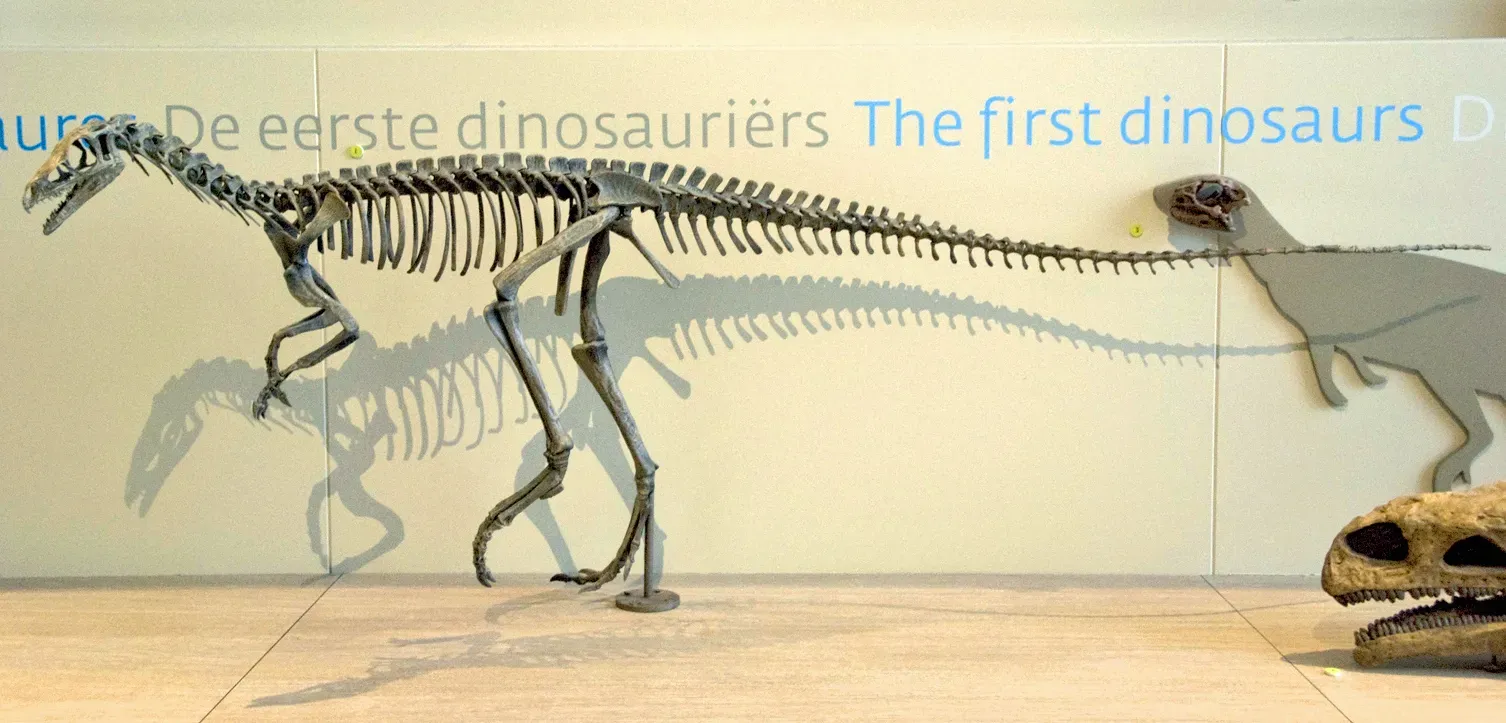
Now put yourself in the shoes of a researcher studying small, scrappy fossils from Argentina or Africa, trying to figure out where dinosaurs began. For a long time, the story was tidy: early dinosaurs were thought to arise in one main group, with a clear branching pattern into the big meat-eaters, the long-necked giants, and the beaked plant-eaters. Then fossils like Eoraptor and other very early dinosauriforms showed up, and suddenly the lines you thought were sharp started to blur. Bones you expected to place neatly in existing categories instead seemed to sit halfway between them, or in positions that did not fit the classic picture.
When you propose, based on those bones, that maybe the traditional dinosaur family tree is wrong or oversimplified, you invite a storm of pushback. Other scientists might tell you the fossils are too incomplete, that you’re overinterpreting fragmentary material, or that your computer analyses are too sensitive to small changes. You learn quickly that suggesting dinosaurs are related in a new way is like rearranging the branches of a famous family dynasty: emotions and reputations get involved. Yet with each new early fossil, each expanded dataset, and each re-run analysis, your once-controversial tree can start to look more and more plausible, forcing your colleagues to at least reconsider their assumptions.
The Day You Realize Dinosaurs Were Warm-Blooded (Or Something Close)
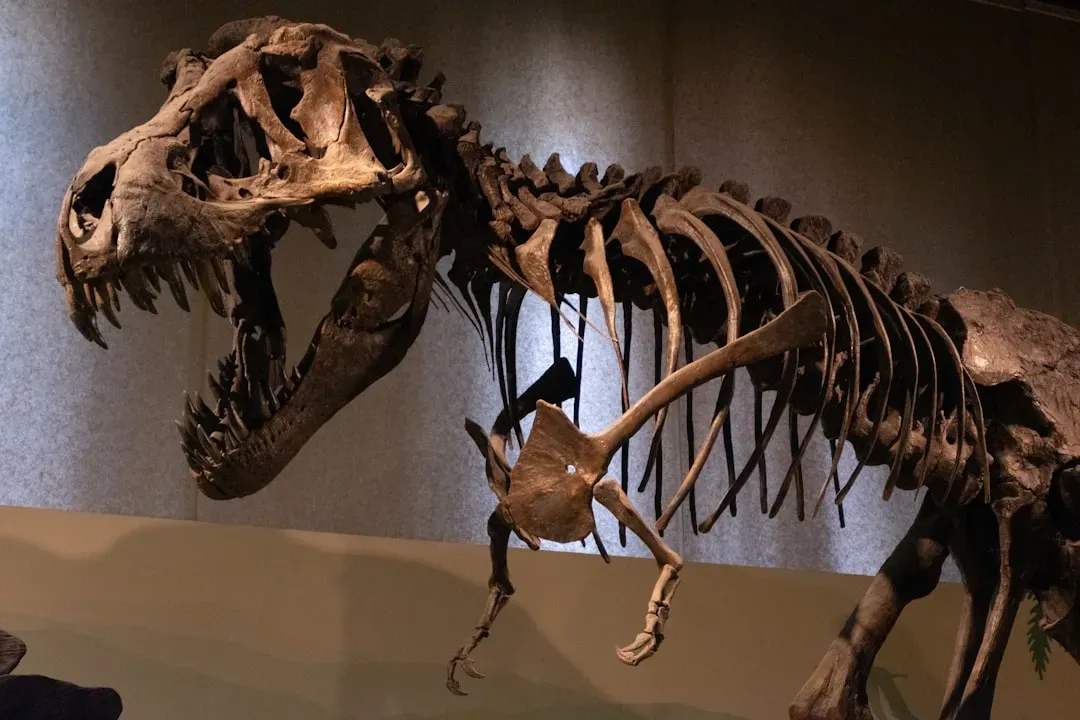
If you grew up picturing dinosaurs as cold, sluggish, swamp-dwelling beasts, you’re carrying the baggage of older ideas that clung on for decades. Then you run into fossils that hint at high activity levels: bone growth rings that look more like mammals and birds than modern reptiles, trackways showing fast movement, and anatomical features suited for powerful breathing. Researchers like those leading the so-called dinosaur renaissance in the late twentieth century pushed the idea that many dinosaurs were active, maybe even warm-blooded, and for a while their peers treated this as a kind of overexcited fantasy. You can feel how radical it sounds to say the old textbook image is not just slightly off, but completely upside down.
When you stand over a fossil femur or examine thin sections of fossil bone under a microscope, you’re not just counting growth lines; you’re challenging how your field thinks about metabolism, ecology, and the link between dinosaurs and modern birds. Critics will point out that bone growth can be influenced by environment, and that warm-bloodedness comes in degrees rather than being a simple yes-or-no trait. Still, as you keep accumulating physical evidence – vascular canals, fast growth, predator-prey ratios – it becomes harder for others to dismiss the idea that many dinosaurs lived fast, energetic lives. What began as a fringe position gradually hardens into a mainstream view, and suddenly your childhood mental image of a lumbering brontosaur starts to feel like an old cartoon rather than reality.
When a Giant Predator Turns Out to Be More Like a Bird
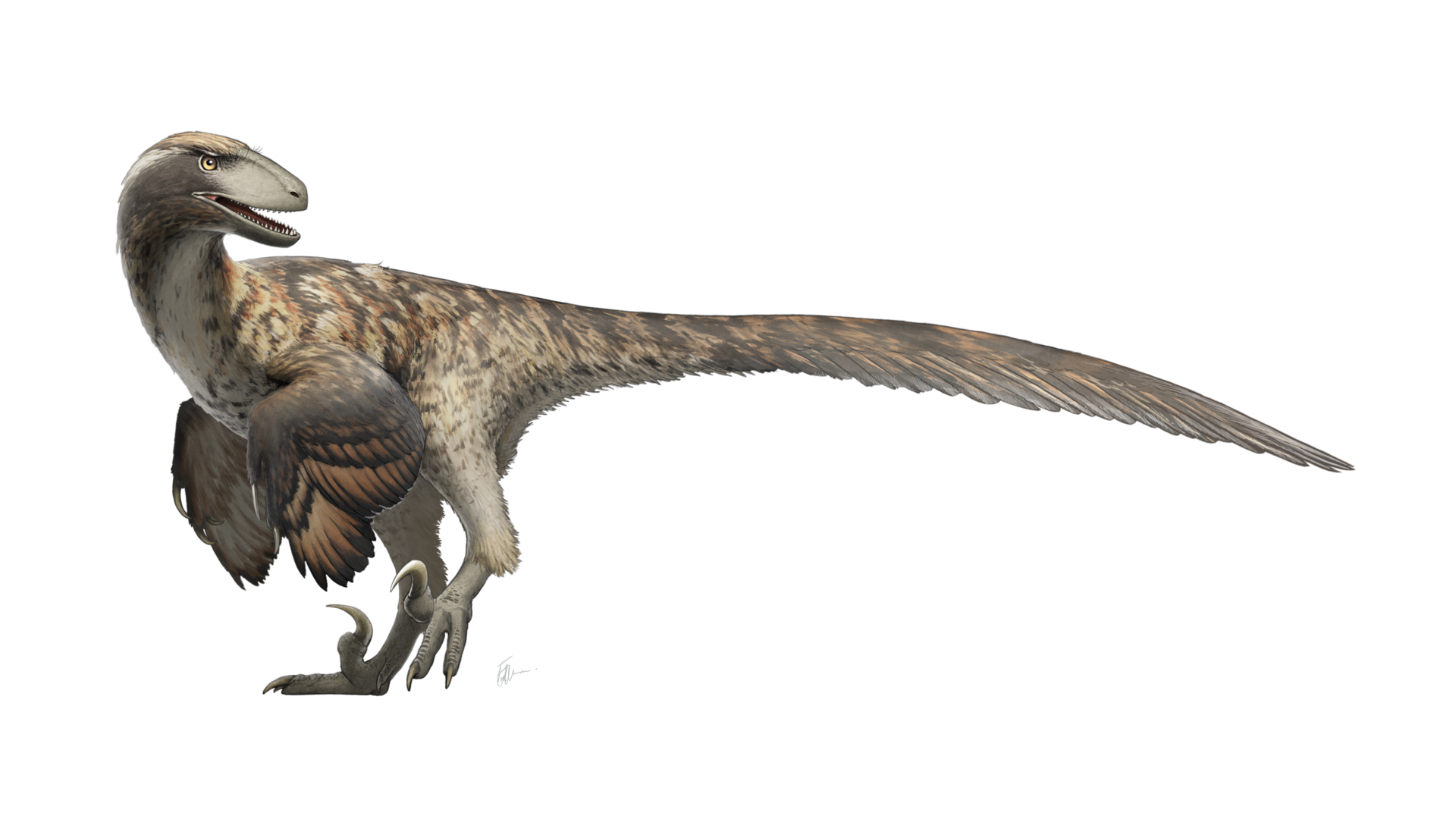
Think about the moment you learn that a massive predator like Deinonychus, and later animals like Utahraptor and other dromaeosaurids, might have moved and hunted in ways more similar to birds of prey than to crocodiles. The first time researchers suggested that these animals were quick, agile, and possibly social, many paleontologists pushed back. Calling a dinosaur bird-like seemed, at the time, almost like an insult to rigorous science, a step too close to fantasy. But the fossils themselves, from curved sickle claws to reinforced tails and specialized joints, nudged you again and again toward that very conclusion.
If you had been one of the first to argue that these predators were not sluggish but intensely active, you would have faced the kind of skepticism that borders on ridicule. People might say you were influenced by movies, by wishful thinking, or by trying too hard to make dinosaurs exciting. Yet as skeletons were found articulated, as biomechanical models improved, and as more feathered relatives turned up, your interpretation suddenly started to match the weight of evidence. Eventually, your once-dismissed vision of clawed, feathered, agile hunters became so accepted that it began shaping the dinosaurs you see in documentaries and museums today.
The Small, Strange Fossils that Pointed Straight to Birds
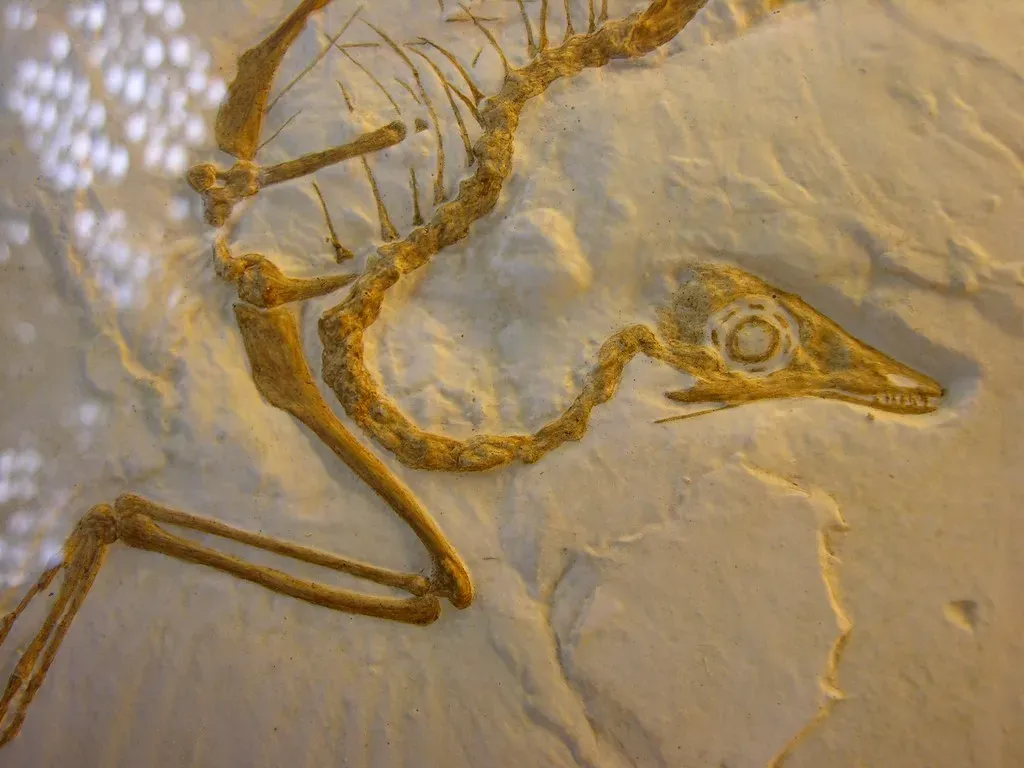
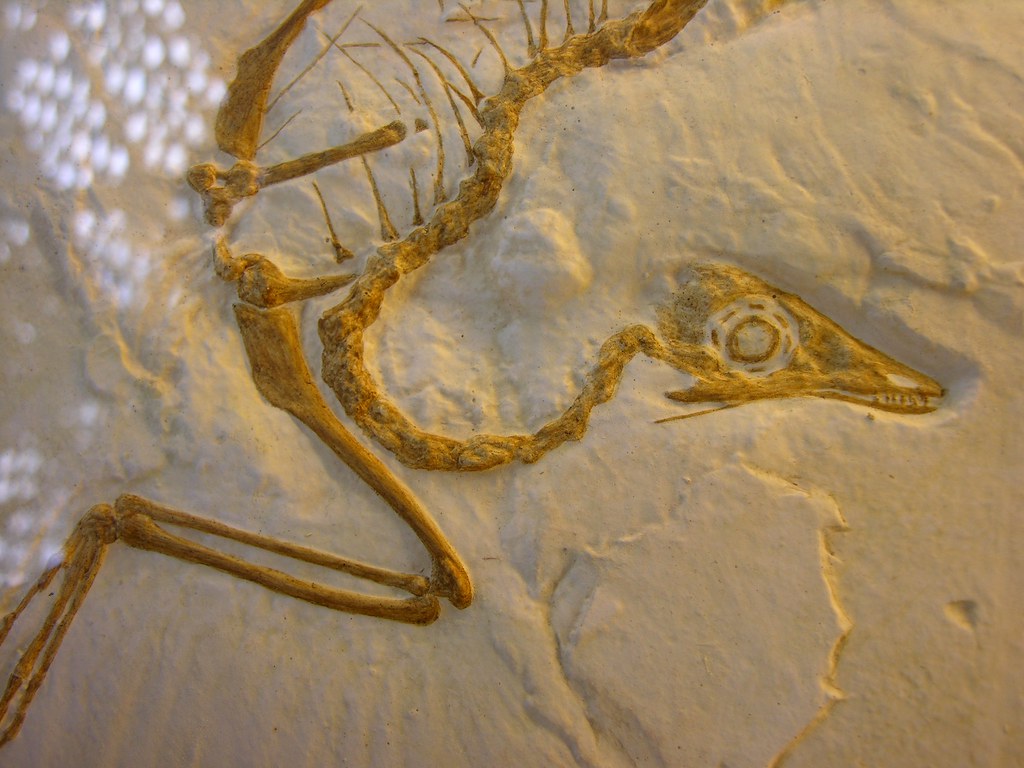
For you, one of the biggest turning points comes from fossils that honestly do not look impressive at first glance: small skeletons, partial skulls, or scattered bones that bridge the gap between classic dinosaurs and early birds. For a long time, some researchers insisted birds must have descended from some other reptile group entirely, not from the dinosaur line. So when you study creatures like Archaeopteryx and later more updated finds from China and elsewhere, you’re stepping into a long-running argument. Do these fossils truly show the transition from ground-dwelling predators to flapping, gliding, or flying animals, or are you forcing them into a story you want to tell?
Skeptics once said these specimens were oddities or evolutionary side branches, not the core ancestors of modern birds. They argued that key features, like the wishbone, feather structure, and hip anatomy, did not line up as neatly as you claimed. But as more transitional forms were uncovered, with mixes of teeth and beaks, claws and wings, you got a kind of fossil time-lapse of the path from non-avian dinosaurs to genuine birds. Piece by piece, the argument that birds are living dinosaurs moved from radical to routine, and now, when you watch a pigeon hop across a sidewalk, you’re essentially watching a tiny, specialized dinosaur going about its day.
How New Tools Help You See Old Bones Differently
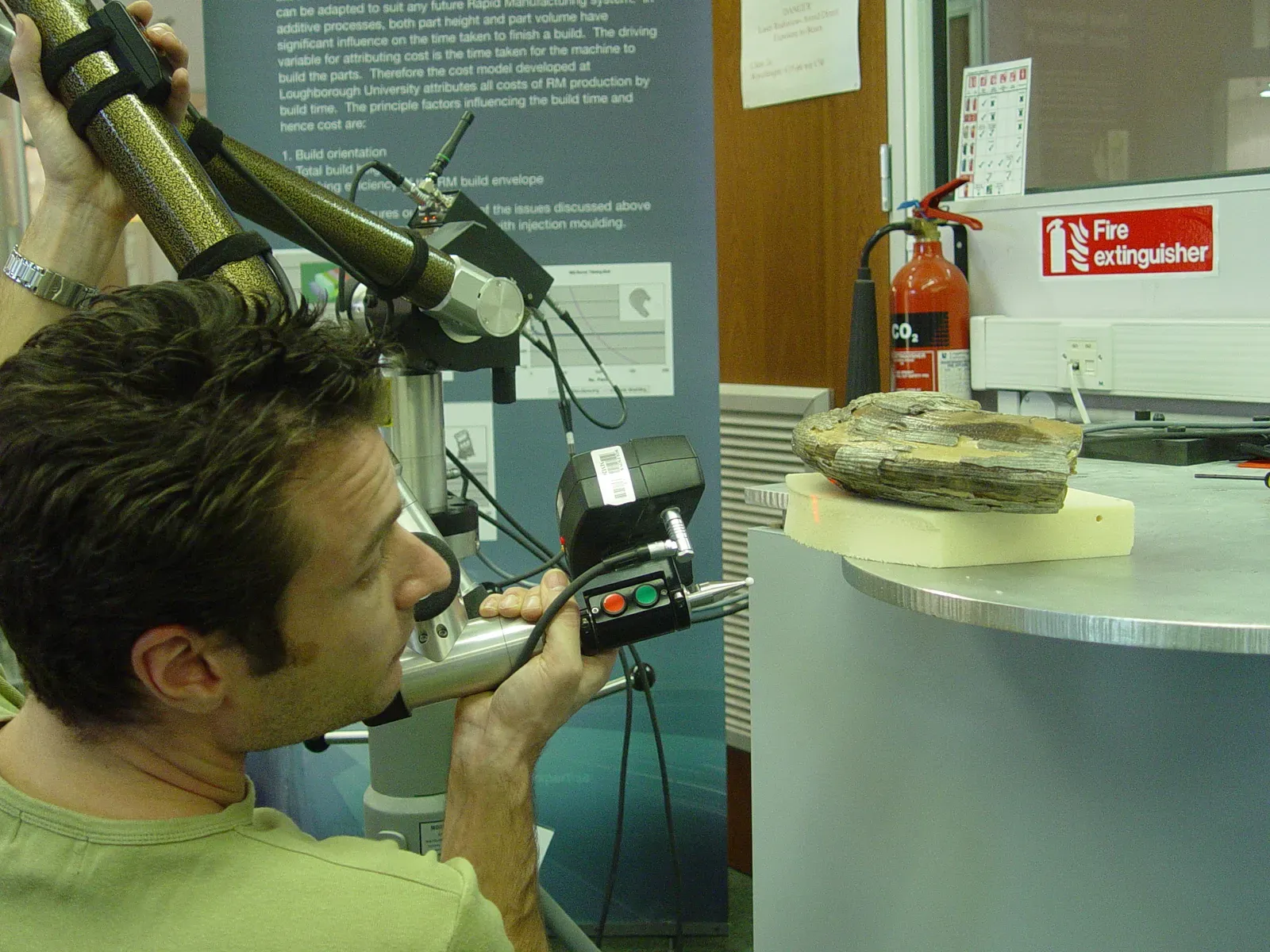
You might think that once a fossil is dug up, cleaned, and put in a museum drawer, its scientific story is pretty much finished. In reality, some of the biggest rewrites of dinosaur history come from looking at old bones with new tools. When you or other scientists run high-resolution scans, chemical analyses, or advanced 3D models on fossils that were described decades ago, you often find details nobody could see before. Maybe an apparent crack is actually a healed injury, or what looked like random texture is evidence of feathers or integument structures.
At first, your claims based on these methods can get dismissed as overinterpretations of digital noise or lab artifacts. Colleagues might tell you that nothing beats the naked eye and a good hand lens, and that you’re just chasing patterns created by software or sample preparation. But as independent teams repeat your methods and get similar results, the mood shifts. Suddenly, your re-analysis of an old specimen can flip a dinosaur from plant-eater to omnivore, or from solitary animal to likely pack hunter, forcing a quiet but real rewriting of the textbooks. You realize that sometimes the fossil that rewrites history was sitting on a shelf the entire time, just waiting for you to ask the right kind of question.
What Being Dismissed Actually Feels Like in Science
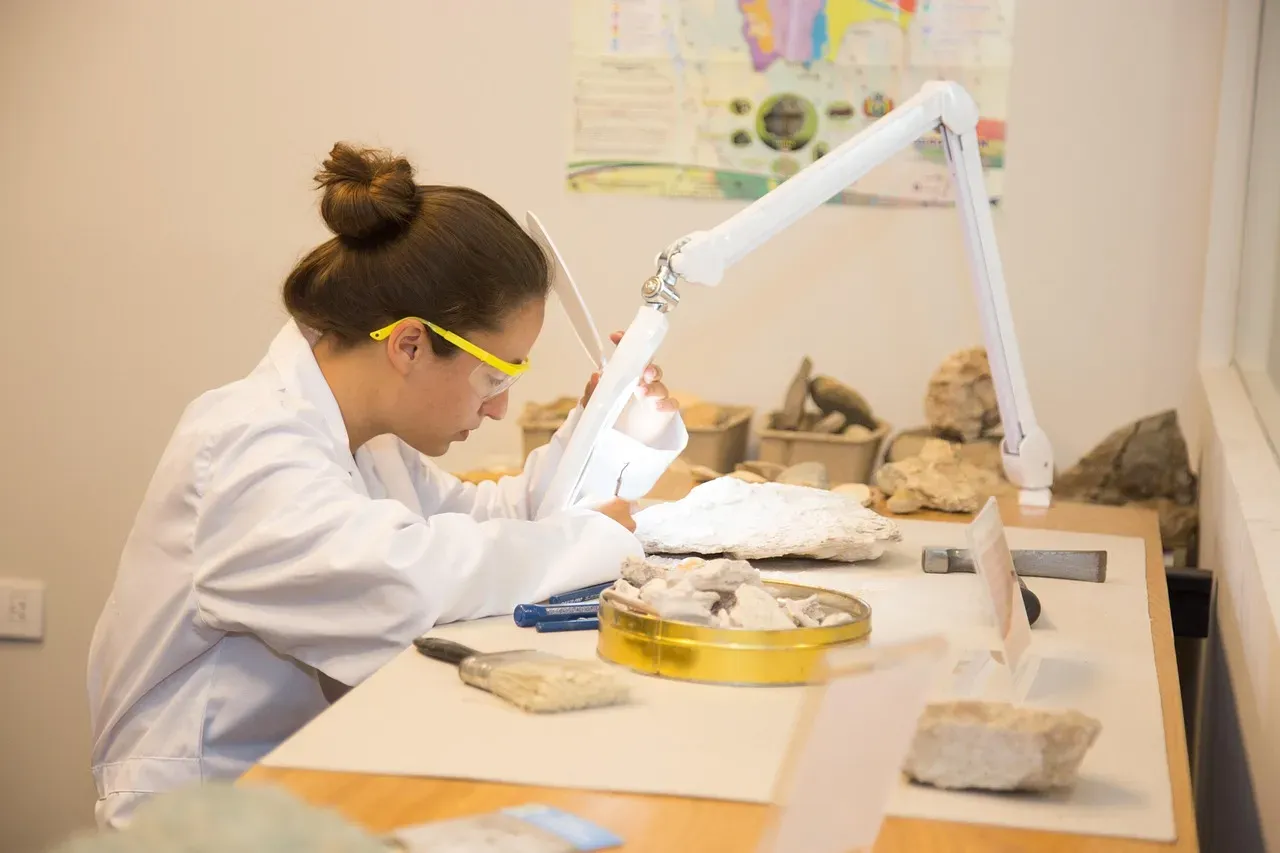
It’s tempting to treat all of this like a movie where the brave underdog scientist is obviously right and the stodgy establishment is obviously wrong. Living through it, or even just reading the real correspondence and conference reactions, feels much messier. When your new fossil claim gets dismissed, it isn’t always loud or dramatic; sometimes it’s a quiet lack of invitations, a missing citation, or a funding application that dies in review. You might feel like the room goes slightly colder when you stand up to present your results, even if nobody says anything openly harsh.
At the same time, you’re reminded that skepticism is not the enemy; it’s also the guardrail that stops wild claims from swallowing the field. So you learn to live in this uncomfortable middle ground where you are both frustrated by how slowly minds change and grateful that they do not change too easily. You lean on collaborators, mentors, and even younger students who are less attached to old ideas. Over the years, when your once-controversial fossil finally appears in textbooks or museum exhibits framed as a turning point, you get a strange, quiet satisfaction. You remember all the times you were told you were reaching too far, and you realize that pushing beyond what seems reasonable is sometimes exactly what science needs from you.
How This Changes the Way You See Dinosaurs Today
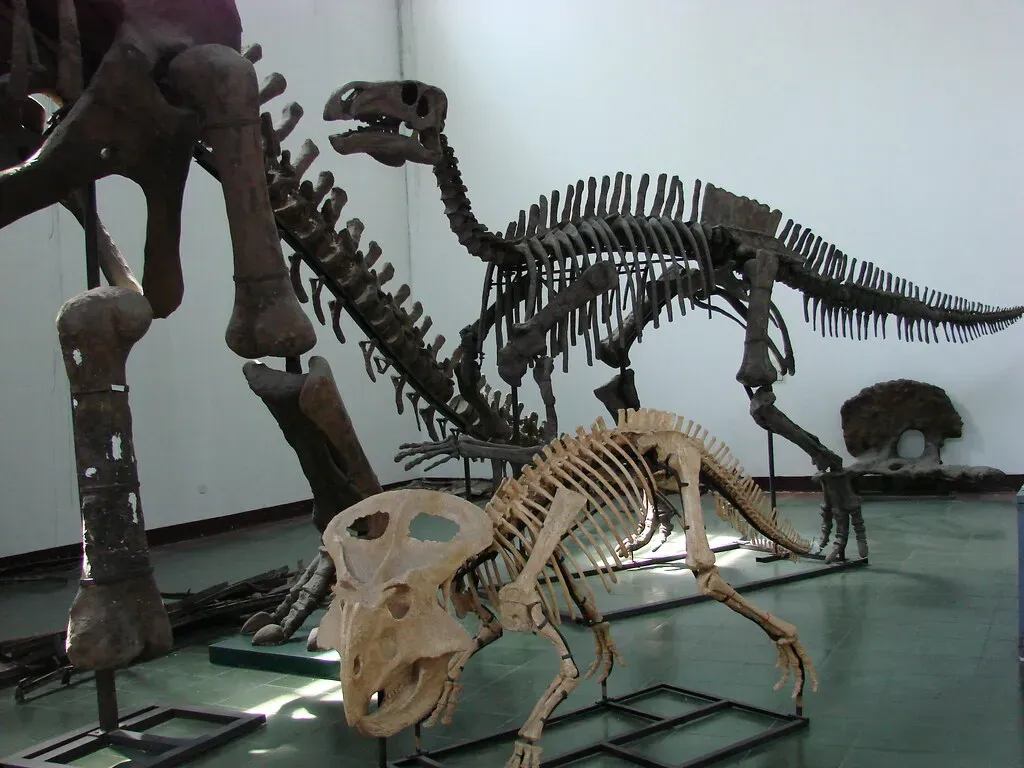
Once you understand that many landmark dinosaur fossils were first met with disbelief, you stop treating current knowledge as fixed. You look at every big, polished skeleton in a museum and you can almost hear an echo of the arguments that happened behind the scenes: Were those feathers real? Was that posture correct? Did that animal really live like that? Instead of seeing a final, polished story, you start seeing a snapshot in an ongoing debate – a debate you might even join if you keep following the research closely.
This mindset shifts how you approach new discoveries that hit the news, too. When you read that a newly found fossil might show unexpected parenting behavior, odd diets, or strange habitats, you don’t just swallow the headline. You ask yourself what kind of evidence is being presented, how strong it is, and how willing the community will be to update long-held assumptions. In a way, you begin to root for the careful troublemakers – the researchers whose work is rigorous but challenging, the ones who know they might be dismissed at first. Because you’ve seen, over and over, that the fossil that seems too strange to be true today might be exactly what rewrites dinosaur history tomorrow.
In the end, this whole saga leaves you with a simple but powerful lesson: every fossil you see is not just a relic of ancient life, but a record of human stubbornness, risk, and revision. The scientists who were initially dismissed for their claims about feathers, metabolism, family trees, and bird origins were not just digging in the dirt; they were digging into the limits of what their peers were willing to believe. The next time you stand in front of a dinosaur skeleton, you might quietly ask yourself: which part of this story will someone, years from now, realize we still got wrong?