
Walk through any major city today and you’re closer to ancient Rome than you think. From the moment you turn on a tap, drive on a highway, or sign a legal contract, you’re moving through the ghostly framework of a civilization that supposedly fell more than a millennium ago, yet never really left. Historians like to argue about when Rome ended; engineers and lawyers might counter that, in many ways, it never did. The deeper researchers dig into Roman technology, infrastructure, and institutions, the clearer the through‑lines become between concrete amphitheaters and football stadiums, between stone aqueducts and municipal water grids. What emerges is not just a history lesson, but a mirror held up to our own world – and a reminder that some of our most “modern” ideas are, in fact, very old.
Streets of Stone, Highways of Asphalt: How Roman Roads Still Shape Our Maps
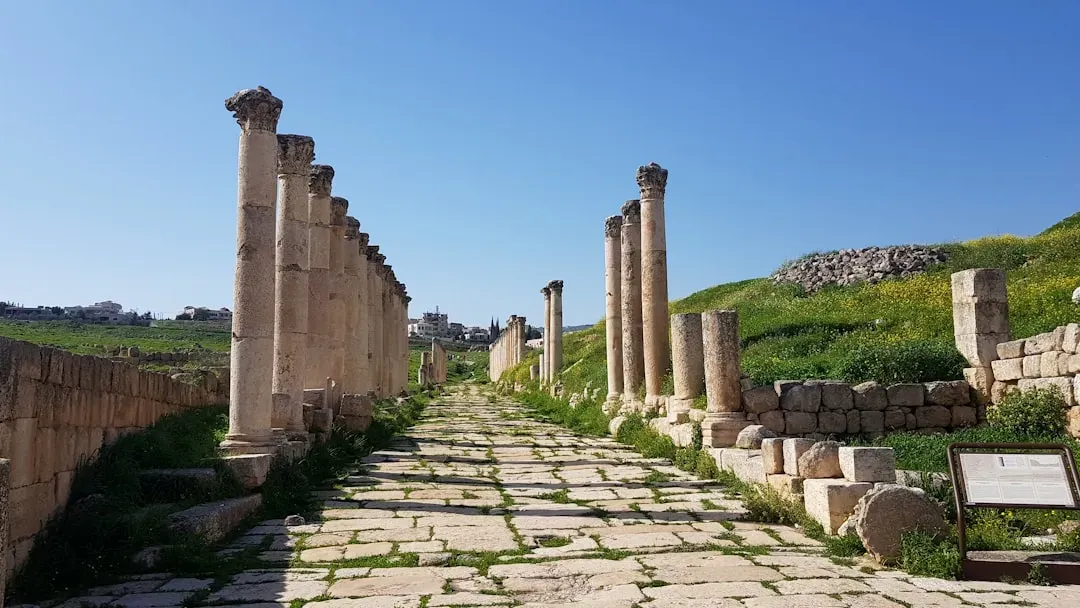
It sounds like an exaggeration, but open a road map of Europe and you can still trace the bones of the Roman Empire. Many modern highways and rail lines follow the same corridors first carved out by Roman engineers who were obsessed with straight lines and durable surfaces. They built thousands of miles of roadway by layering gravel, sand, and massive paving stones, designed for drainage and longevity in a way that would make any modern civil engineer nod in respect. The logic was simple but profound: if legions, merchants, and messages could move quickly, the empire could breathe and react. That same logic underpins today’s logistical networks, from interstate systems in the United States to high‑speed rail corridors stitching together entire regions.
When transportation planners talk about “connectivity” and “corridors,” they’re unknowingly echoing Roman priorities. Roman roads were not just military assets; they were arteries of culture, law, and trade, blending practical engineering with a political vision of integration. Modern nations do the same when they justify massive infrastructure projects as engines of unity and economic growth. In my own travels along rural highways in France and Britain, I’ve had the strange feeling of driving in the ruts of time, following paths first walked by soldiers and traders who would recognize the route, if not the cars. The surface has changed from stone to asphalt, but the idea – a fast, reliable, empire‑spanning network – remains stubbornly Roman.
Water in the City: Aqueducts, Sewers, and the Roman Blueprint for Public Health
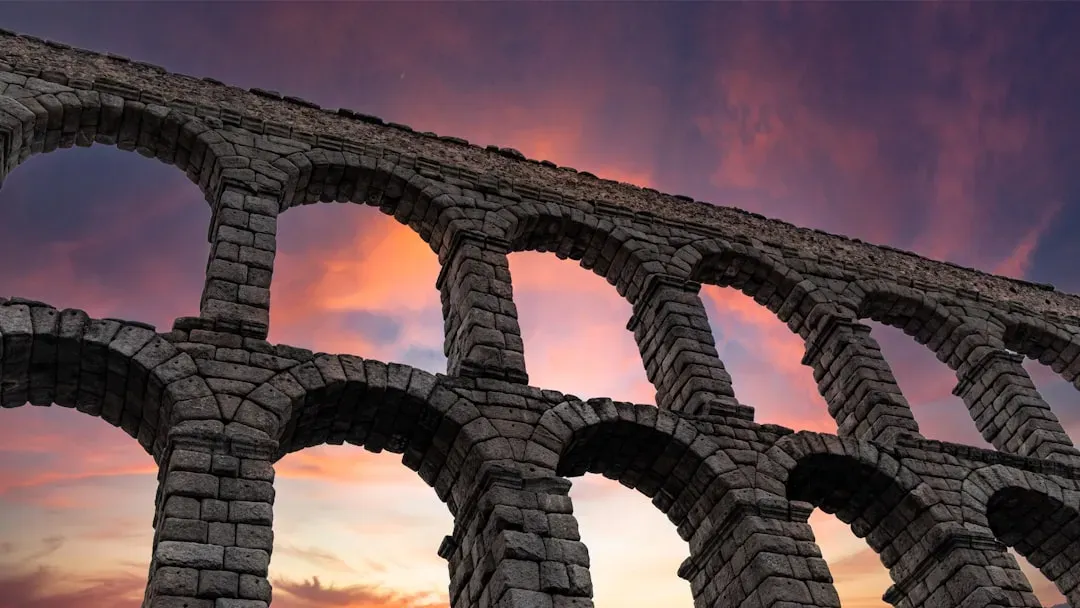
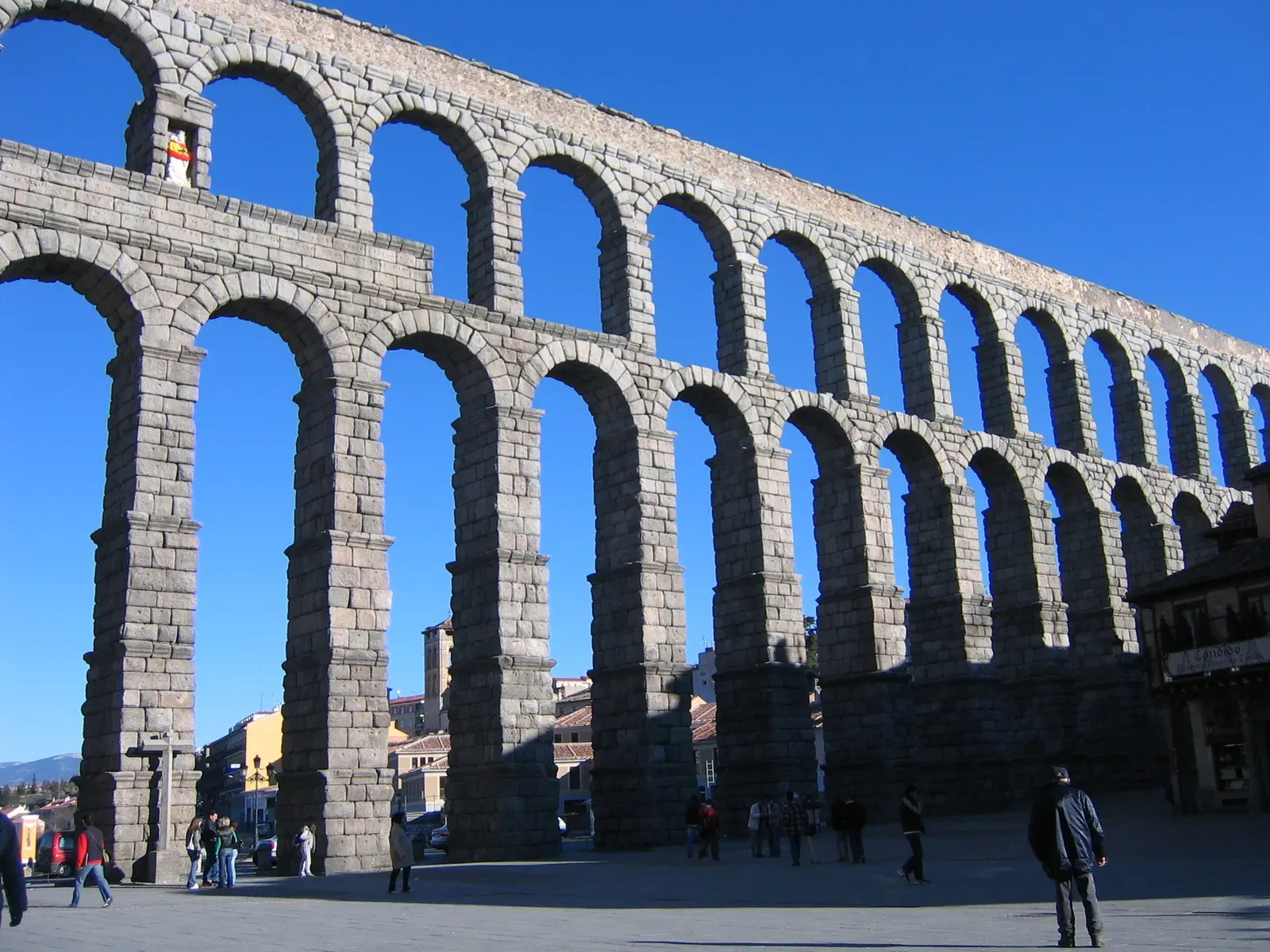
Turn a faucet and you’re reenacting one of Rome’s greatest scientific successes: moving clean water over long distances to serve dense urban populations. Roman aqueducts used carefully calculated gradients, sometimes dropping just a few inches per hundred feet, to keep water flowing smoothly without pumps. Modern hydraulic engineering has more equations and sensors, but the basic physics and the ambition are the same. The Romans also understood, at least intuitively, that clean water and waste removal were a matter of survival in crowded cities. Their sewers, like the massive Cloaca Maxima in Rome, channeled waste away from living spaces, reducing disease even if they had no germ theory to explain why it helped.
Public health experts today still view water infrastructure as one of the most effective disease‑prevention tools ever invented. When we build treatment plants, storm drains, and urban reservoirs, we’re iterating on a Roman template with better materials and microbiology. It’s easy to see modern skyscrapers and smartphone apps as the face of progress, but talk to epidemiologists and they’ll tell you that reliable water delivery and sewage systems did more for human life expectancy than almost anything else. In that sense, ancient Rome feels oddly modern: a civilization that bet its future on large‑scale, shared infrastructure – an experiment we are still running, with updated pipes.
Concrete Empires: From the Pantheon Dome to Modern Megastructures
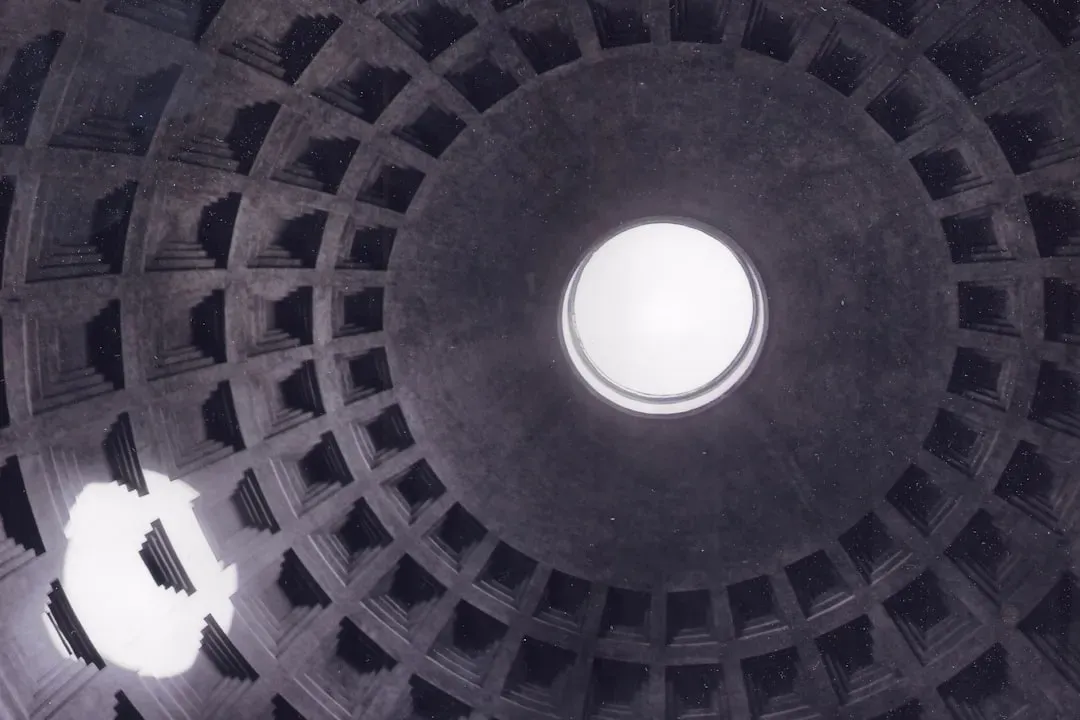
Here’s a surprising twist: some Roman concrete has outlasted modern concrete by many centuries, especially in marine structures. Researchers studying ancient harbor installations have found that Roman builders mixed volcanic ash with lime and seawater, triggering chemical reactions that actually made the material stronger over time. In contrast, many twentieth‑century concrete structures are already crumbling and demanding costly repairs. The iconic dome of the Pantheon in Rome, still standing without internal steel reinforcement, is a masterclass in both materials science and architectural design. It’s hard not to feel a little humbled when you consider that a pre‑industrial society cracked a durability problem we’re still trying to solve.
Modern engineers are now reverse‑engineering Roman recipes to design more sustainable, longer‑lasting concretes. There’s intense interest in reducing the carbon footprint of cement production, which contributes a significant slice of global emissions, and ancient mixtures may offer clues. Some experimental concretes inspired by Roman formulas show promise in harsh, salty environments where regular concrete weakens. The very fact that we’re going back to Roman harbor walls and domes for ideas says a lot about how thin the line is between “ancient” and “advanced.” In a quiet way, Roman builders are still consulting on our bridges, tunnels, and coastal defenses.
Laws, Rights, and Paperwork: Roman Legal Ideas in Modern Courtrooms

Walk into a courtroom in much of Europe or the Americas, and you’re stepping into a distant cousin of a Roman basilica, not just architecturally but conceptually. Roman law codified ideas about contracts, property, citizenship, and personal responsibility that still underpin many legal systems today. Concepts such as written statutes, legal precedent, and standardized procedures emerged as tools to manage an empire full of different peoples and traditions. Roman jurists wrestled with questions that still ring familiar: How do you balance public order with individual rights? Who is allowed to own what, and under what conditions can the state intervene? The vocabulary and costumes have changed, but the underlying debates would not seem alien to a Roman legal scholar.
Modern civil law traditions, especially in continental Europe and Latin America, draw directly from Roman legal codifications that were preserved, adapted, and taught for centuries. Even in common law systems like that of the United States, Roman concepts seep in through contract law, torts, and the very idea that law can be systematically studied as a rational discipline. I remember sitting through a friend’s law school lecture and being startled by how many Latin terms still structure key doctrines. The persistence of those phrases is not nostalgia; it reflects the enduring usefulness of an old intellectual toolkit for negotiating complex societies. If our roads are Roman in spirit, our paperwork often is too.
Numbers, Calendars, and Time Itself: How Rome Organizes Our Days
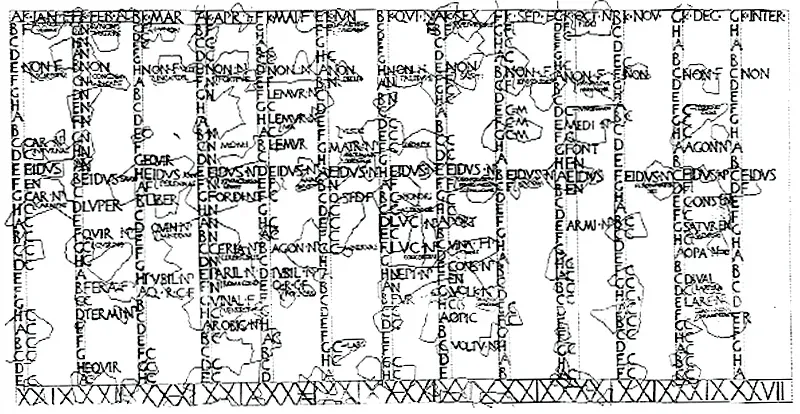
Every time you check a calendar to plan a meeting, you owe a quiet debt to Julius Caesar and later Roman reforms. Our twelve‑month calendar, with its familiar months like March, June, and October, is a direct descendant of Roman attempts to rationalize a messy earlier system. The introduction of the Julian calendar, and later fine‑tuning into the Gregorian one, was essentially a long scientific experiment in aligning civic life with astronomical reality. Rome’s cultural weight helped lock those names and the basic structure into place, and they spread outward with empire, religion, and trade. When scientists today schedule satellite launches or climate observations, they still tag their data with months that would have sounded normal to a Roman official.
Rome’s influence lingers in our numerals too, even if we mostly relegate them to clocks and movie credits. Roman numerals are clunky for computation, but they carry a visual and symbolic authority that keeps them in ceremonial use. They remind us how much work it took, historically, to build shared systems of counting, timing, and recording that different regions could agree on. Standardized time and record‑keeping are essential for science, finance, and global coordination, and Rome was one of the first large societies to attack that challenge on an imperial scale. In a way, when we argue about daylight saving time or leap seconds, we’re continuing Rome’s long, slightly obsessive conversation with the sky.
Cities, Spectacle, and Social Infrastructure: From Amphitheaters to Stadium Culture
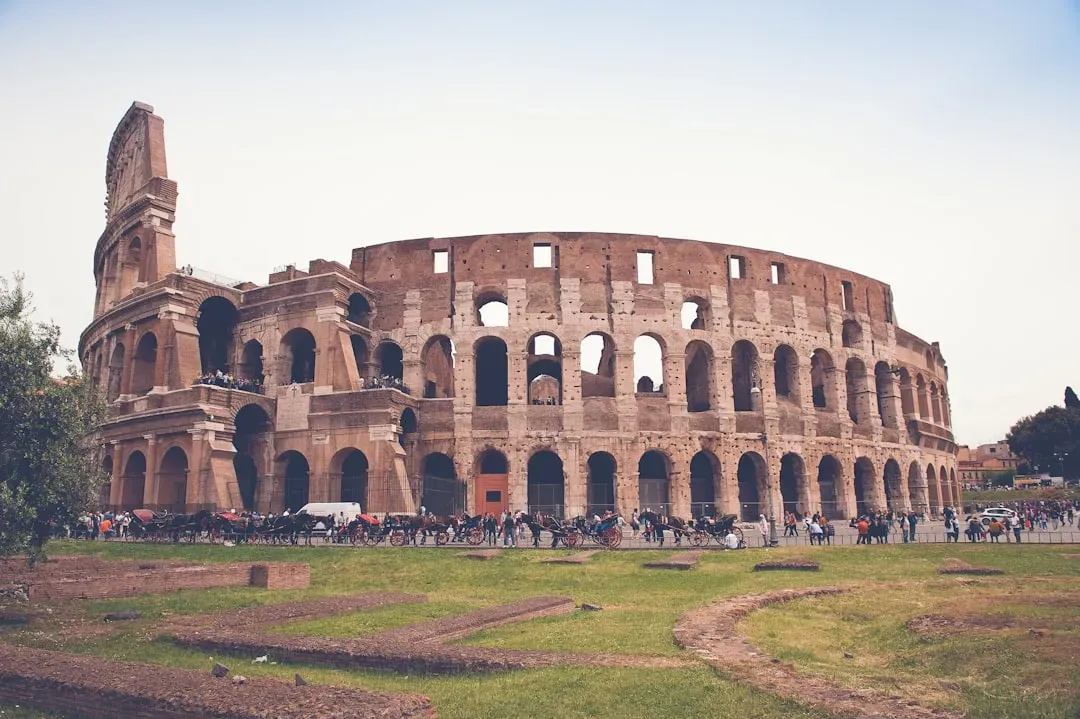
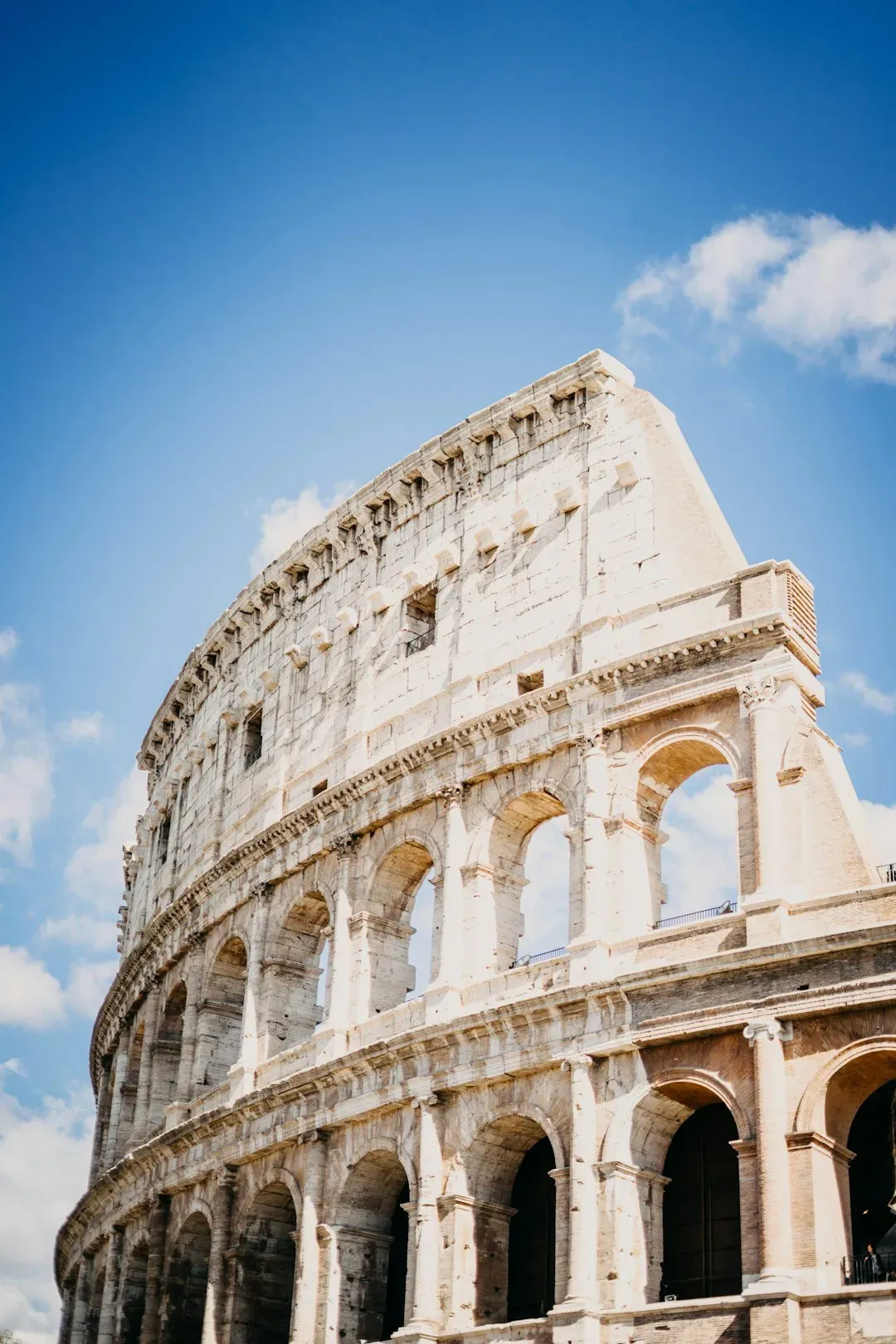
If you’ve ever felt the roar of a crowd in a modern sports stadium, you’ve experienced a very Roman kind of energy. The Colosseum in Rome was an engineering feat designed to move tens of thousands of people safely in and out through numbered entrances, tiered seating, and clever circulation routes. That same design logic shows up in soccer arenas, concert venues, and even some large lecture halls. Roman amphitheaters were not just about brutality and spectacle; they were experiments in crowd management, acoustics, and social hierarchy. The cheap seats and premium boxes of today have a clear lineage in the tiered social spaces of Roman venues.
Urban planners also see Roman fingerprints in the way cities balance public spaces, markets, administrative buildings, and entertainment zones. Roman forums combined politics, commerce, and social life in ways that feel familiar if you’ve ever wandered through a downtown plaza lined with shops and government offices. The idea that a city should offer citizens not only work and shelter but also shared cultural experiences is one we still wrestle with in budget debates and zoning meetings. In that context, Rome looks less like a distant curiosity and more like an early test case for our own struggles with urban life. The arenas we build today are digital as well as physical, but the urge to gather, watch, and feel part of something bigger is quite old.
Why It Matters: Rome as a Scientific Case Study in Long-Term Innovation
Studying Roman innovations is not about nostalgic admiration; it’s about understanding what makes certain ideas survive for centuries while others vanish. Rome offers a giant natural experiment in scaling up technologies, legal frameworks, and infrastructure across millions of people and vast distances. Scientists and historians can ask hard questions: Which materials endured under real‑world stress? Which governance systems coped best with diversity and crisis? By comparing Roman solutions with those of other ancient civilizations, researchers can tease out patterns about resilience, failure, and unintended consequences. That kind of comparative thinking is crucial when we design modern systems that we hope will last beyond a single election cycle.
There’s also a humbling lesson in how much we have forgotten and had to rediscover. Roman concrete recipes, road‑building techniques, and even some water‑management tricks were lost or neglected for centuries, only to be reconstructed with the help of modern lab tools. This shows that technological progress is not a straight line; it’s a patchwork of gains, losses, and rediscoveries. For policymakers and engineers today, Rome is a warning against overconfidence: complex societies can collapse, and with them, vital knowledge can evaporate. At the same time, Rome is a source of cautious optimism, because some of its best ideas did leap across the centuries to help build our world.
The Future Landscape: Reinventing Roman Ideas for a Hotter, More Crowded Planet
As climate change and urbanization reshape the twenty‑first century, Roman solutions are being pulled back into the lab and city hall meeting rooms with fresh urgency. Researchers exploring low‑carbon construction are actively studying ancient concretes that used less energy‑intensive ingredients and unexpectedly durable chemistries. Urban designers are mining Roman street grids and public bath complexes for lessons in passive cooling, shade, and social cohesion in dense environments. Water‑scarce regions are eyeing aqueduct‑style gravity systems that reduce energy demands while moving supplies over challenging terrain. It’s not that we want to rebuild Rome brick by brick, but that its accumulated trial‑and‑error offers a precious dataset for our own experiments.
Future infrastructure could end up looking strangely familiar: long‑span bridges and seawalls informed by Roman harbor studies, smart cities laid out with a nod to the logic of Roman forums, legal frameworks borrowing old concepts to regulate new technologies like AI and gene editing. At the same time, there’s a risk in romanticizing a civilization that was also deeply unequal, expansionist, and environmentally demanding. The challenge is to extract the robust engineering and institutional insights without copying the social injustices that came with them. In the best case, the next century might see a kind of dialogue across time, where the ruins we study help us avoid becoming ruins ourselves. That possibility turns Roman history from a museum piece into a living, sometimes uncomfortable partner in planning our future.
How You Can Engage: Seeing the Roman World in Your Everyday Life
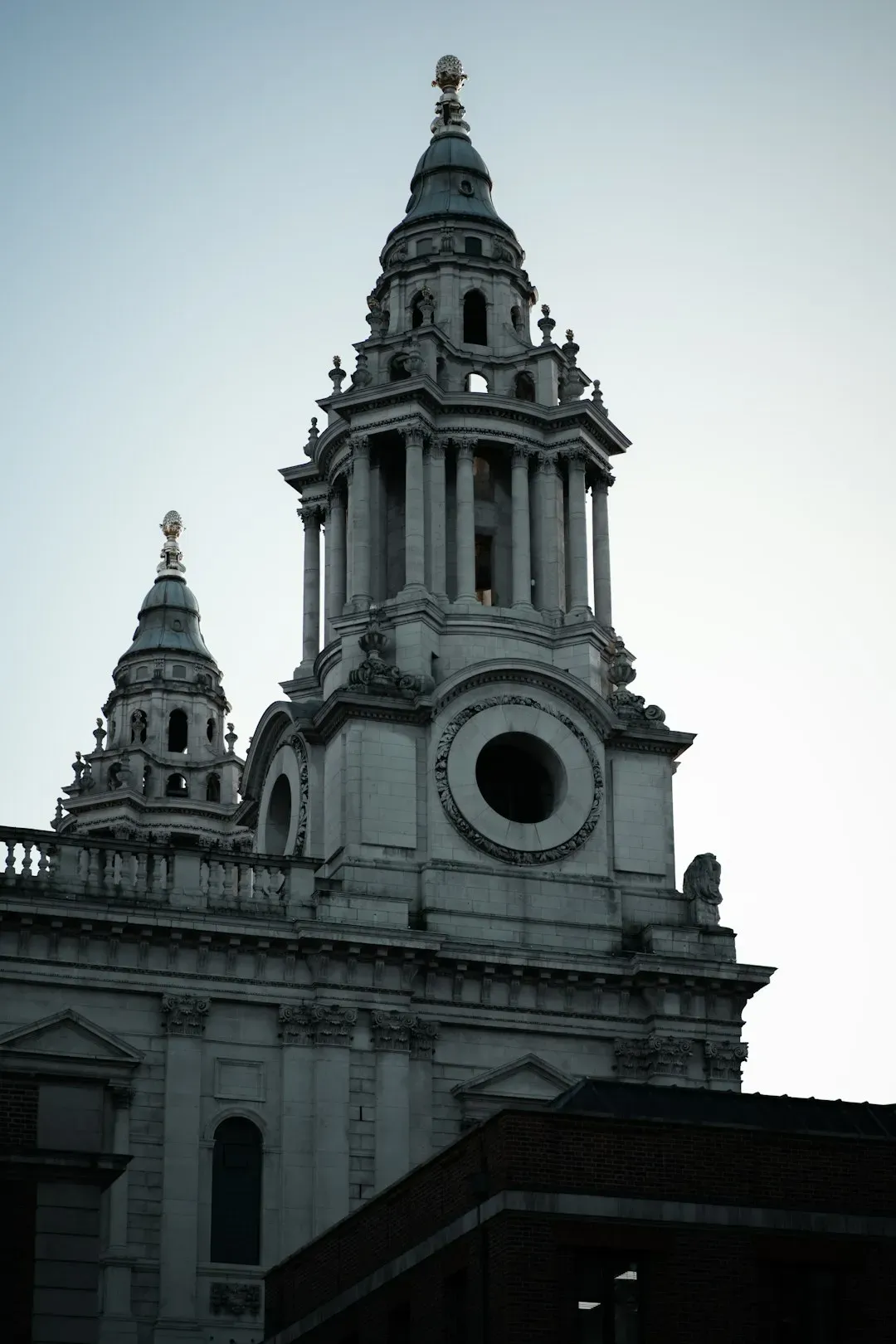
Engaging with Rome’s legacy does not require a plane ticket to Italy; it starts with noticing the Roman echoes woven into your daily routine. The next time you walk under a highway overpass, check a calendar date, or watch a game in a massive stadium, take a moment to spot the ancient logic beneath the modern surface. Supporting museums, archaeological sites, and public history projects helps fund the research that uncovers these connections in more detail. You can also follow science and history reporting that digs into how old technologies are being revived or reimagined for current challenges. This kind of awareness turns passive consumption of infrastructure into a more curious, questioning relationship with the systems around you.
If you’re inclined to go a step further, citizen science and local heritage initiatives often welcome volunteers, from helping document historic sites to participating in community discussions about urban development. Asking city officials how long new structures are designed to last, or what materials they use, gently brings the Roman question of durability into modern politics. Even simple conversations with friends about why we build things the way we do can shift perspectives. In a world obsessed with the newest gadget, remembering that some of our best ideas are two thousand years old is quietly radical. Once you start seeing Rome in the everyday, it becomes hard to unsee – and that awareness is its own kind of innovation.
Suhail Ahmed is a passionate digital professional and nature enthusiast with over 8 years of experience in content strategy, SEO, web development, and digital operations. Alongside his freelance journey, Suhail actively contributes to nature and wildlife platforms like Discover Wildlife, where he channels his curiosity for the planet into engaging, educational storytelling.
With a strong background in managing digital ecosystems — from ecommerce stores and WordPress websites to social media and automation — Suhail merges technical precision with creative insight. His content reflects a rare balance: SEO-friendly yet deeply human, data-informed yet emotionally resonant.
Driven by a love for discovery and storytelling, Suhail believes in using digital platforms to amplify causes that matter — especially those protecting Earth’s biodiversity and inspiring sustainable living. Whether he’s managing online projects or crafting wildlife content, his goal remains the same: to inform, inspire, and leave a positive digital footprint.