


If you’ve ever gazed out over the vast, endless ocean and felt a shiver of awe—maybe even a touch of fear—you’re not alone. Our seas have always inspired both wonder and terror, hiding secrets beneath their rolling waves. Among these mysteries, one legend claws its way into our imaginations with tentacled fury: the Kraken. For centuries, sailors whispered of a monstrous beast, massive enough to drag entire ships into the deep. But where did this legend begin? Why has the Kraken haunted our stories, and what truths might be lurking beneath those wild tales? Join us as we plunge into the stormy waters of history, science, and myth to uncover the real origins of the Kraken—and perhaps discover why this sea monster still grips us with such chilling fascination.
Ancient Myths and the Kraken’s Earliest Echoes
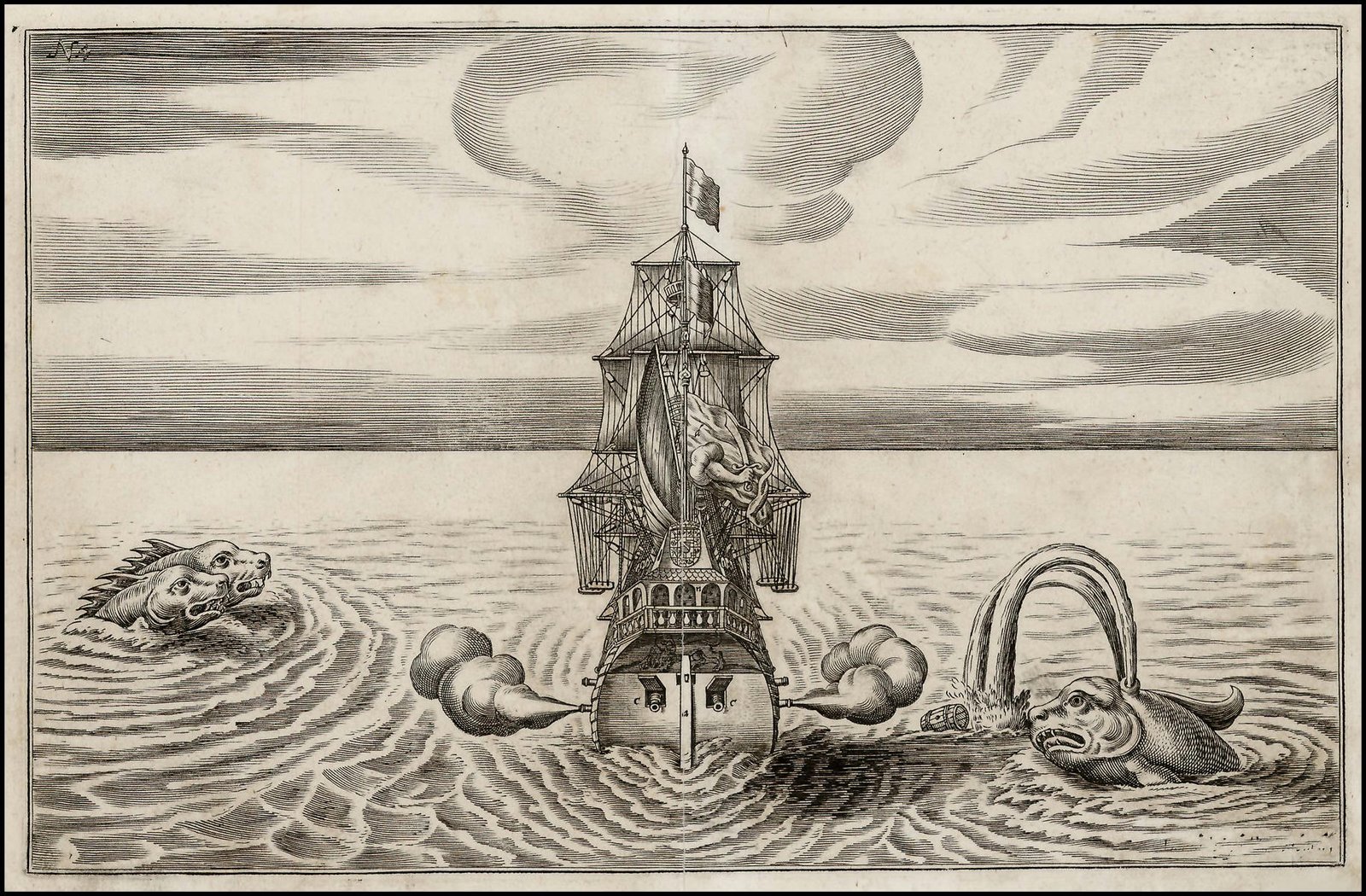
The seeds of the Kraken legend were sown long before the word itself was ever spoken. Ancient civilizations—like the Greeks and Romans—spun their own tales of terrifying sea beings. The Greek poet Homer described monstrous creatures such as Scylla and Charybdis, which threatened Odysseus and his crew with gaping mouths and swirling whirlpools. These early stories reveal a pattern: the sea has always been a place of unpredictable power and mystery. While the Kraken wasn’t yet named, the idea of a colossal, lurking beast was already capturing imaginations. To ancient mariners, the ocean’s unexplored depths seemed the perfect hiding place for something enormous and hungry. These myths laid the groundwork for what would become one of the most enduring monsters in human folklore.
Scandinavian Folklore: The Birthplace of the Kraken
It was in the frigid waters of Scandinavia that the Kraken truly took shape. Norse sailors and fishermen in the 13th century began telling tales of a giant sea creature, so large its back could be mistaken for an island. These stories were passed down through generations, growing more vivid and terrifying with each retelling. The creature was said to rise up from the deep, pulling ships and their crews down into the dark. The harsh northern seas, with their unpredictable storms and mysterious whirlpools, only fueled these fears. In a world where survival depended on reading the waves and winds, the Kraken became a symbol of the dangers that always lurked just out of sight.
The First Written Accounts: Olaus Magnus and Erik Pontoppidan

The Kraken slipped from oral legend into written history thanks to a few bold chroniclers. In 1555, Olaus Magnus, a Swedish historian, described monstrous sea creatures in his book “Historia de Gentibus Septentrionalibus,” painting a picture of terrifying beings that dwarfed the largest ships. Later, in the 18th century, Norwegian bishop Erik Pontoppidan dedicated entire chapters to the Kraken in his “Natural History of Norway.” Pontoppidan’s detailed accounts fanned the flames of belief, claiming the creature was “incontestably the largest sea monster in the world.” These writers weren’t just spinning yarns—they genuinely believed (or at least wanted others to believe) that such monsters roamed the seas. Their words cemented the Kraken’s place in both scientific inquiry and popular imagination.
Descriptions and Characteristics: What Made the Kraken So Terrifying?
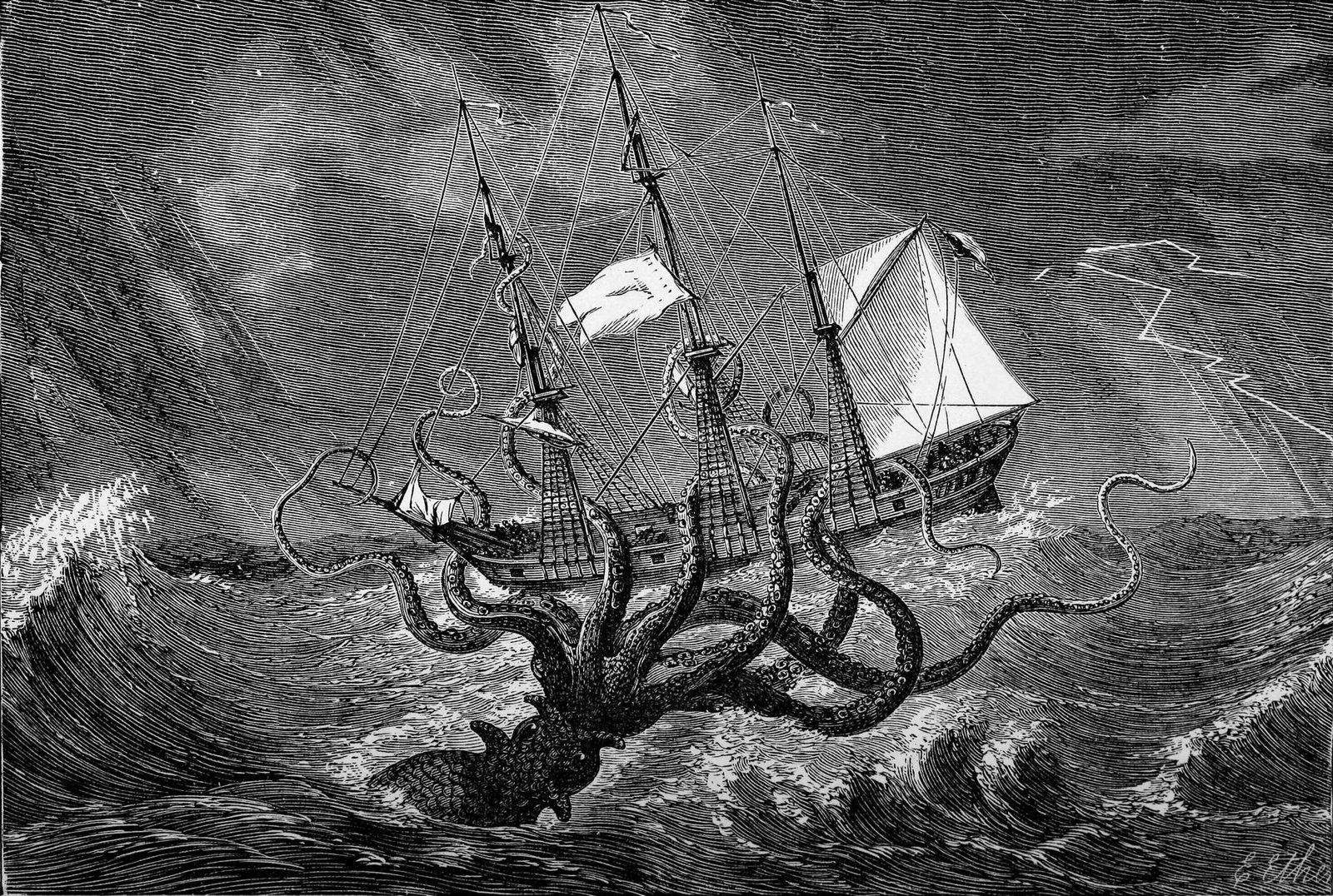
The Kraken wasn’t just big—it was unfathomably enormous. Sailors described a monster with tentacles long enough to wrap around a ship, eyes the size of dinner plates, and a mouth so vast it could swallow a man whole. Some accounts claimed that the beast’s movements caused whirlpools, sucking vessels down as if the sea itself were alive. The Kraken’s skin was said to be rough and mottled, almost blending into the underwater rocks and reefs. This monstrous camouflage, combined with its rumored cunning, made the Kraken seem almost supernatural. It was not just a threat—it was the embodiment of the ocean’s hidden dangers, making every voyage a gamble against the unknown.
The Kraken in Art and Literature: Immortalizing the Monster
The Kraken’s grip extended far beyond the spoken tale. Artists, poets, and writers eagerly seized upon the image of the beast. In the 19th century, Alfred Lord Tennyson penned his famous poem “The Kraken,” describing it as a slumbering terror that lurked in the ocean’s darkest depths. Painters illustrated epic scenes of the Kraken attacking ships, its writhing tentacles reaching skyward amid crashing waves. These works didn’t just entertain—they crystallized the Kraken in our collective imagination, giving it a form both beautiful and horrifying. The more artists depicted the Kraken, the more real it seemed, blurring the line between myth and reality.
Sailors’ Tales and Maritime Superstitions

To the sailors of old, the Kraken was more than a bedtime story—it was a real and present danger. Superstitions sprang up around how to avoid attracting the monster’s attention. Some crews would refuse to cast their nets in certain waters, fearing they might disturb the beast below. Others told of entire ships disappearing without a trace, attributing their fate to the Kraken’s insatiable appetite. These tales served a practical purpose, too: they warned of the very real perils of rogue waves, unpredictable storms, and the mysterious disappearances that plagued seafaring life. In many ways, the Kraken was a way to make sense of tragedy at sea.
The Science Behind the Myth: Real Creatures That Inspired the Kraken
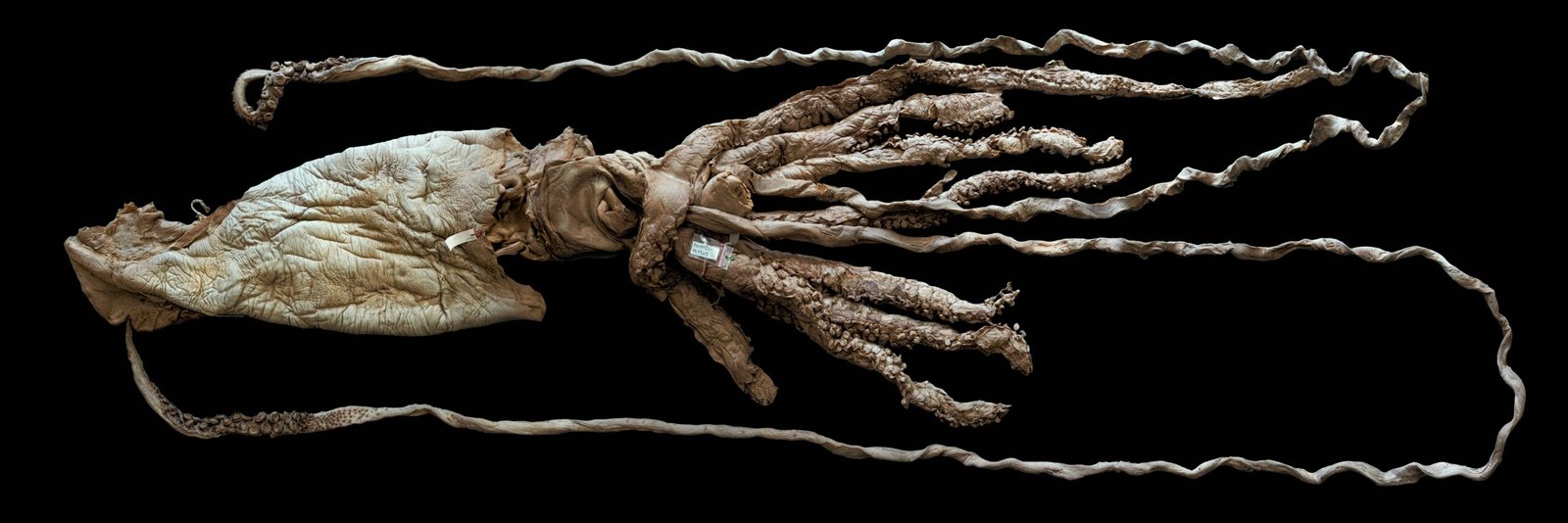
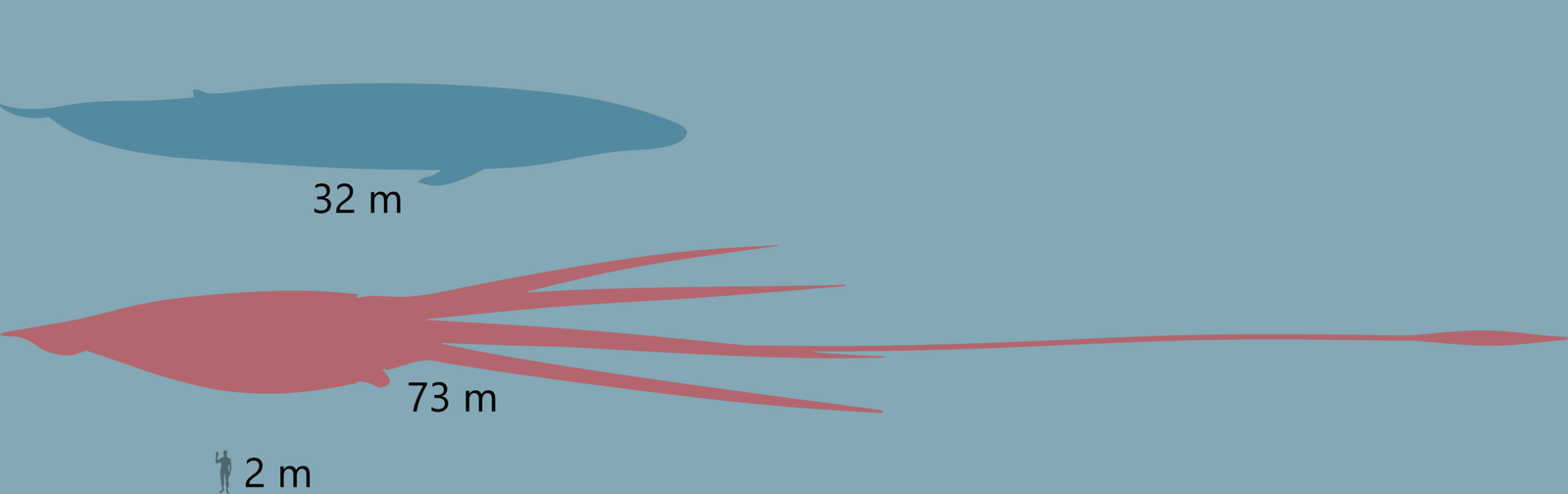
As marine science advanced, researchers began to wonder: was there a kernel of truth in the Kraken legend? The answer, surprisingly, seems to be yes. Giant squids, once thought of as mere fantasy, were finally discovered in the deep oceans. With eyes as large as grapefruits and tentacles stretching over 30 feet, these incredible animals were awe-inspiring—and perfectly matched the descriptions of the Kraken. Other marine giants, like the colossal squid, only added fuel to the legend. The realization that such creatures actually existed helped to explain how the myth of the Kraken could have originated from real-life encounters with extraordinary sea life.
Deep-Sea Discoveries: Unveiling Ocean Mysteries
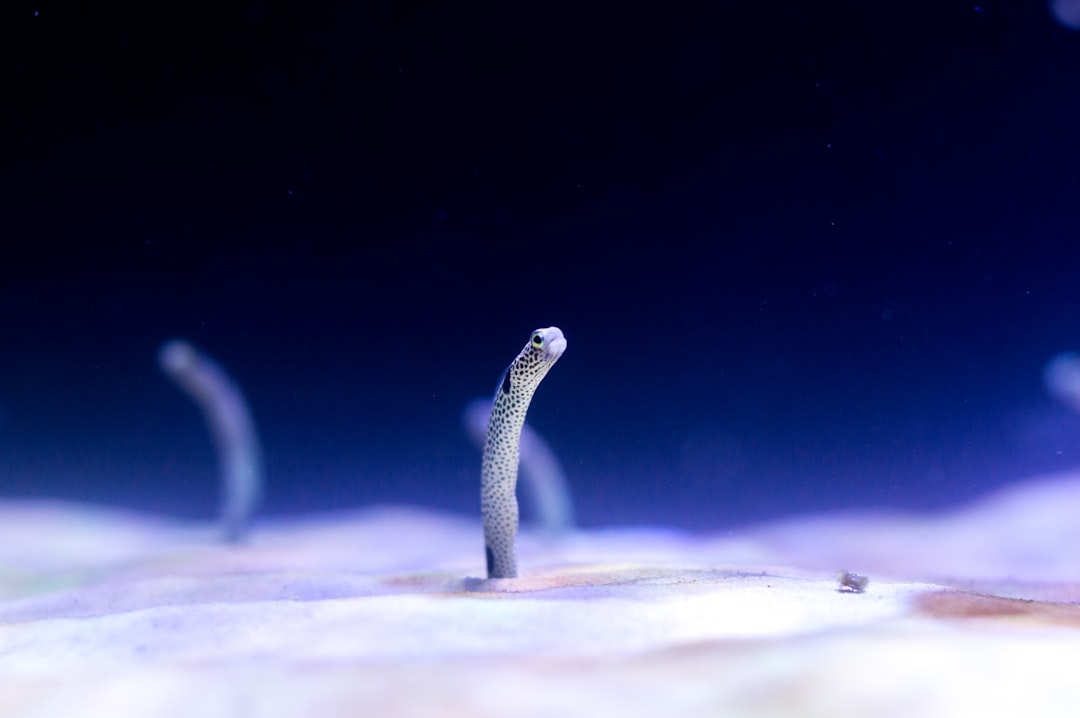
Modern ocean exploration has revealed an astonishing variety of life forms, many of which would have seemed monstrous to ancient sailors. From bioluminescent jellyfish to enormous octopuses lurking in the abyss, the ocean is still a realm of surprises. Submarines and remote cameras have captured footage of giant squids in their natural habitat—proof that the line between legend and reality is sometimes thinner than we think. These discoveries remind us that the ocean’s depths are far from fully explored, and that new “monsters” may still await discovery. The Kraken’s spirit lives on in every strange and awesome creature pulled from the deep.
Psychology of Fear: Why the Kraken Haunts Us
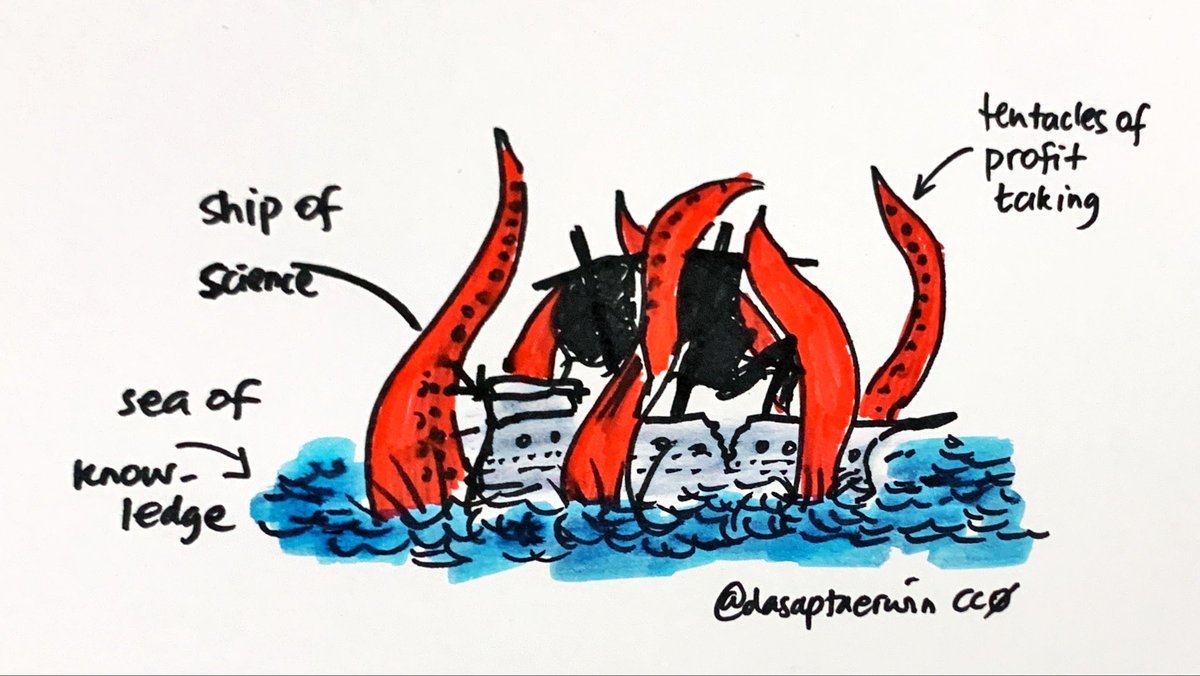
The Kraken taps into a primal fear shared by all humans: the fear of the unknown. The ocean, vast and impenetrable, is the perfect stage for our anxieties to play out. The idea of an invisible, unstoppable force lurking just beneath the surface is both terrifying and irresistible. Psychologists say that such myths help us process our fears, giving them a shape and a story. By imagining monsters, we confront the dangers of the world in a way that feels manageable—even when those dangers are all too real. The Kraken, in this sense, is as much a creature of the mind as of the sea.
The Kraken in Popular Culture: From Legends to Blockbusters
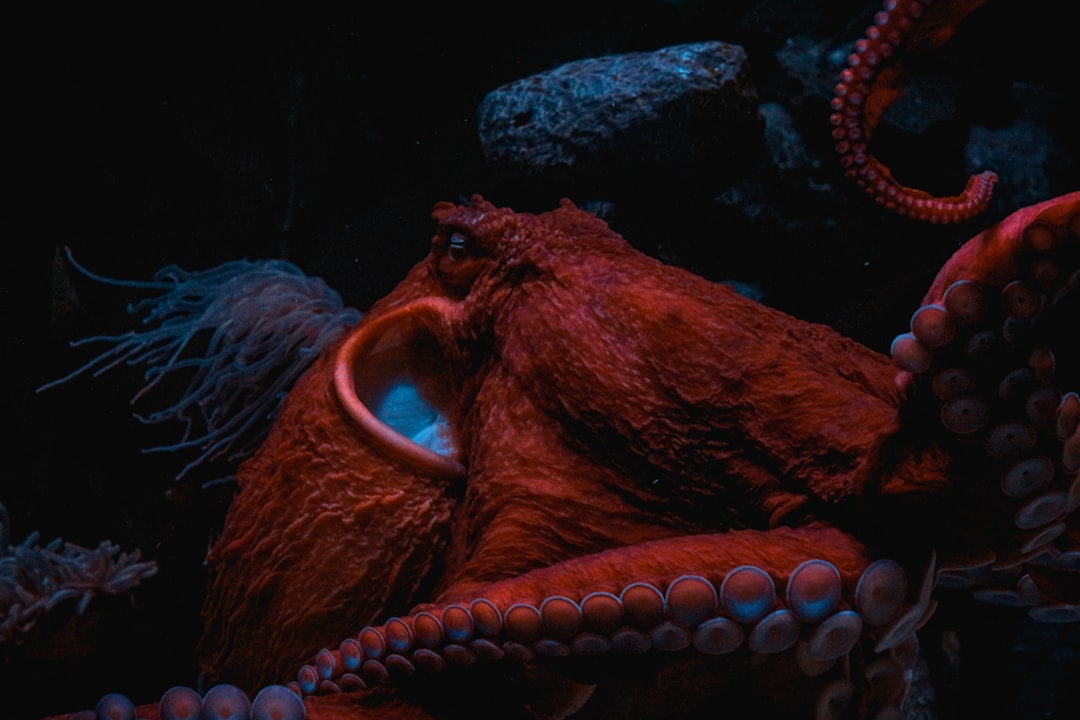
Today, the Kraken is everywhere—from movies and video games to theme park rides and comic books. Modern retellings, like the blockbuster film “Pirates of the Caribbean: Dead Man’s Chest,” have reimagined the beast as a CGI nightmare, dragging ships to their doom in front of millions of moviegoers. Video games pit players against Kraken-like monsters in epic battles for survival. Even sports teams have adopted the Kraken as a symbol of strength and mystery. This pop culture presence keeps the legend alive, ensuring that each new generation encounters the monster in a way that feels fresh and thrilling.
Symbols and Meanings: The Kraken as Metaphor
Beyond its role as a literal monster, the Kraken has come to symbolize all sorts of things. Some see it as a metaphor for the untamable forces of nature—powerful, unpredictable, and indifferent to human ambition. Others interpret the Kraken as a warning against hubris, a reminder that even the bravest explorer can be humbled by the sea. In literature and art, the Kraken often stands for hidden dangers or the subconscious mind, lurking just out of sight. However you interpret it, the Kraken’s image is one of awe and respect for the mysteries that still surround us.
Scientific Investigations: Separating Fact from Fiction

Modern scientists are fascinated by the origins of legendary creatures like the Kraken. Marine biologists have studied the giant squid and other deep-sea animals, matching their physical traits to old stories. DNA analysis, underwater cameras, and sonar mapping have helped to demystify the ocean’s monsters, showing that truth can be just as strange as fiction. Yet, even as the science advances, the mystery never fully disappears. Every new discovery raises more questions, fueling the sense that the sea still holds secrets we have yet to unravel.
Global Variations: Sea Monsters Around the World
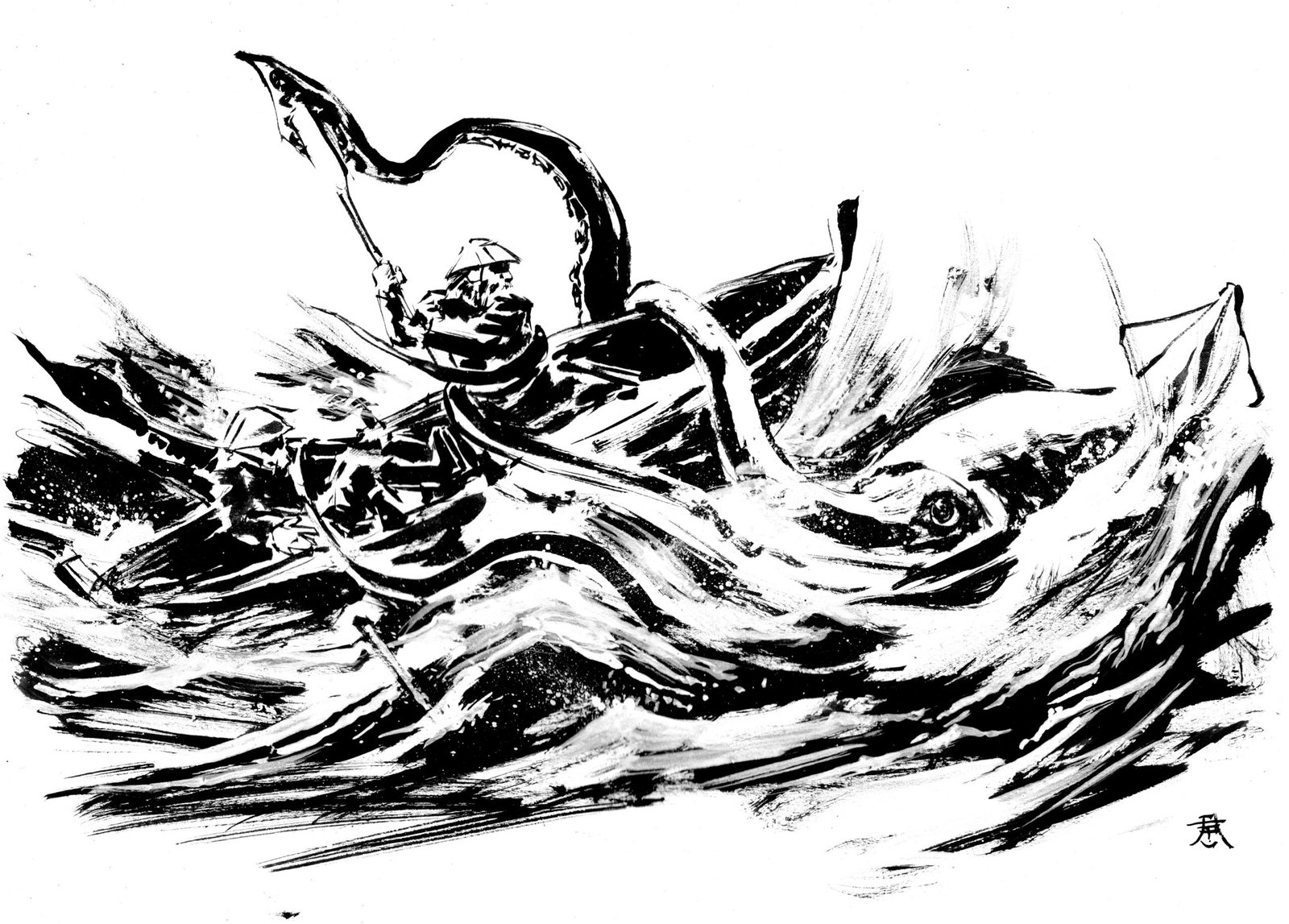
The Kraken isn’t alone in the world of legendary sea monsters. Across the globe, different cultures have created their own versions of giant oceanic beasts. In Japan, the Akkorokamui is a massive octopus said to terrorize fishermen. Maori legends tell of the Taniwha, a sea-dwelling creature that guards sacred waters. Even in modern times, reports of mysterious “lake monsters” and unidentified marine animals continue to surface. These stories reflect a universal human fascination with the unknown—and a shared respect for the power of the natural world.
The Kraken’s Influence on Science and Exploration
The legend of the Kraken has pushed explorers and scientists to venture deeper into the ocean. Driven by curiosity and a desire to separate myth from reality, researchers have developed new technologies to explore the deep sea. Submersibles, sonar, and remotely operated vehicles have all been used to search for the creatures once thought to be mere stories. In the process, we’ve uncovered an astonishing array of life, from the tiniest plankton to the mightiest whales. The Kraken, in inspiring us to look closer, has helped unlock some of the ocean’s greatest mysteries.
What the Kraken Teaches Us About the Ocean—and Ourselves
The story of the Kraken is ultimately a story about the enduring power of the unknown. Even as science chips away at the darkness, the ocean remains a place of wonder and danger. The Kraken reminds us that there are still frontiers left to explore, both in the world and within ourselves. Its legend challenges us to keep asking questions, to respect the wildness of nature, and to embrace the thrill of discovery. Whether we see the Kraken as a monster, a metaphor, or a marvel of the natural world, it captures something essential about the human spirit—a longing for adventure and a reverence for the mysteries that lie just below the surface.


