
Country diary: Nesting mallard, owl and woodcock in our garden – this is the ‘human shield’ effect | Susie White – Image for illustrative purposes only (Image credits: Unsplash)
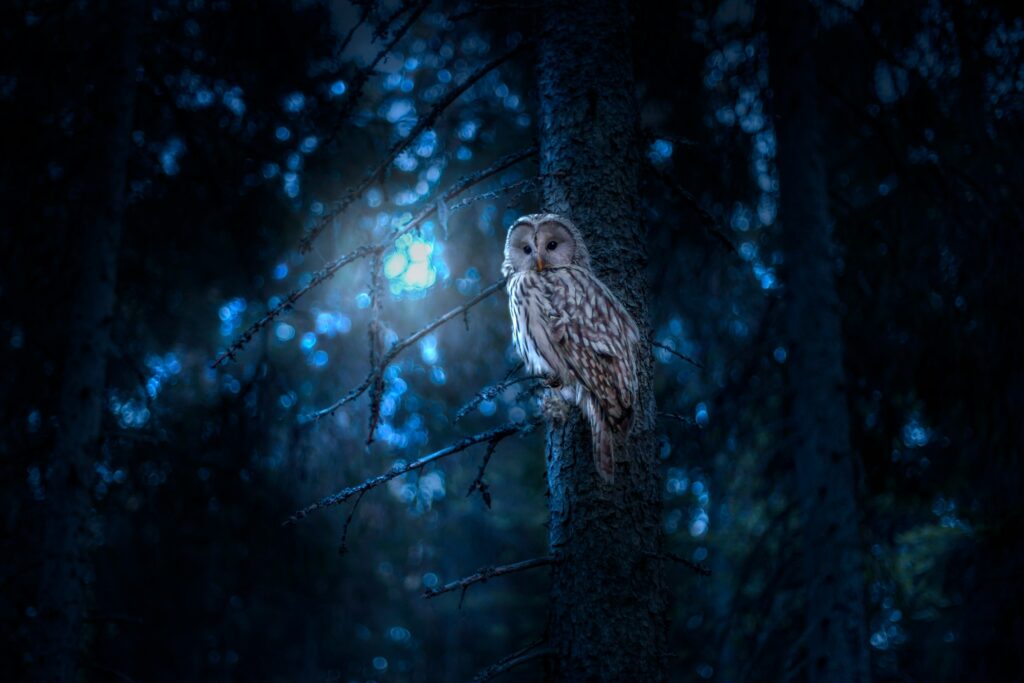
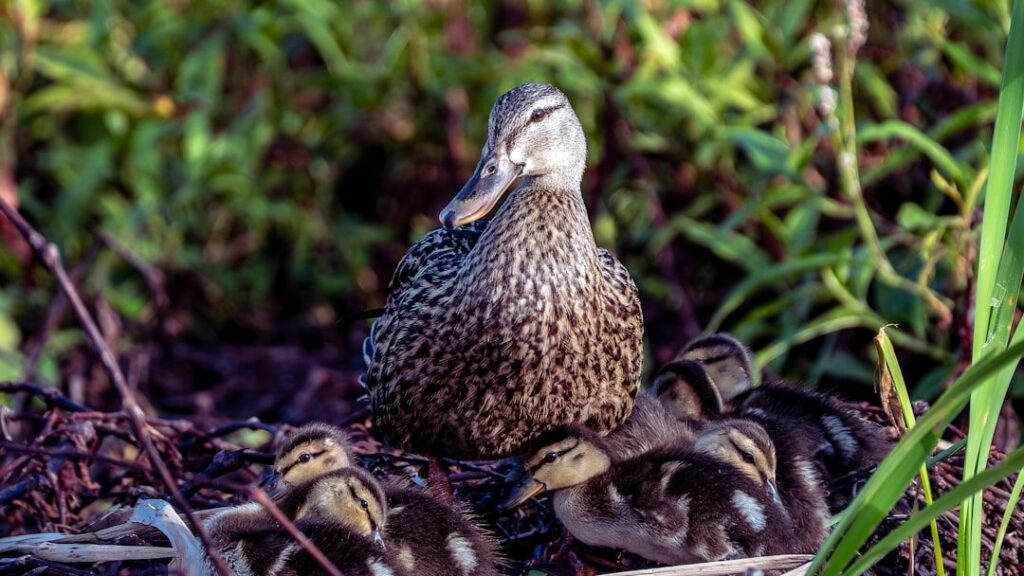
Allendale, Northumberland – Evening routines in one rural garden have taken on a new layer of meaning as wildlife returns to nest in close proximity to the house. A female tawny owl slips from its daytime roost in a sycamore tree, while a woodcock moves quietly along the paths below. Their presence reflects a broader pattern in which animals appear to sense safety near human activity.
Evening Rituals Reveal Hidden Activity
From an upstairs window, the observer watches the moon rise above the Scots pine as the owl begins its nightly departure. The bird leaves the nest box later each evening, gliding silently toward the woodland edge and skimming low over the plants on a consistent path. Its grey form blends into the fading light, a routine that has become familiar over recent weeks.
At the same time, another movement draws attention on the ground. A woodcock travels along the path, staying close to the box hedge for cover. Without the focus on the owl, this bird would likely go unnoticed. Its secretive habits make the choice of a garden location stand out as unusual for the species.
Woodcocks Return Despite Past Setbacks
Records from previous seasons show the woodcock has attempted to nest here before. In 2023, a nest in a flower border just metres from the house produced four chicks from four eggs. The following year, trail camera footage captured a cat disturbing another attempt. The current nesting effort may involve the same individual returning once more.
Woodcocks typically avoid areas with heavy human traffic, yet this bird has selected thick garden foliage for its site. The repeated visits suggest the location offers advantages that outweigh the risks encountered in prior years.
Why Animals Choose Proximity to People
Wildlife appears drawn to the garden because it provides a measure of protection from predators. The constant presence of humans may deter foxes, cats, and other threats that would otherwise target eggs or young. This dynamic creates a buffer zone where nesting succeeds more readily than in more isolated spots.
Observations indicate the birds time their movements to avoid detection while still benefiting from the surrounding activity. The owl’s silent flights and the woodcock’s camouflaged progress both point to an instinctive calculation that balances caution with opportunity.
Patterns of Coexistence in Rural Settings
Similar nesting choices have been noted in other gardens where daily human routines continue uninterrupted. The combination of cover from trees and hedges with the deterrent effect of people nearby forms a practical refuge. Over time, these sites can support multiple species in a single season.
Continued monitoring through windows and trail cameras helps track whether the current nests reach successful outcomes. Each season adds detail to how wildlife adapts to shared spaces without requiring changes to household habits.
The steady return of these birds underscores a quiet form of mutual tolerance that allows both people and wildlife to occupy the same ground.
Esther is from India; the heartbeat of South Asia, holding a Master’s degree in Zoology and a postgraduate diploma in Animal Welfare. Her enthusiasm for animal welfare drives her passion and dedication to working for animals, ensuring their well-being, and advocating for their rights. With a solid academic background and hands-on experience, she is committed to making a positive impact in the field of animal welfare. In her free time, she enjoys embroidery and sewing. As a Chennaite from Tamil Nadu, Esther loves Bharathanatyam, an Indian classical dance form.