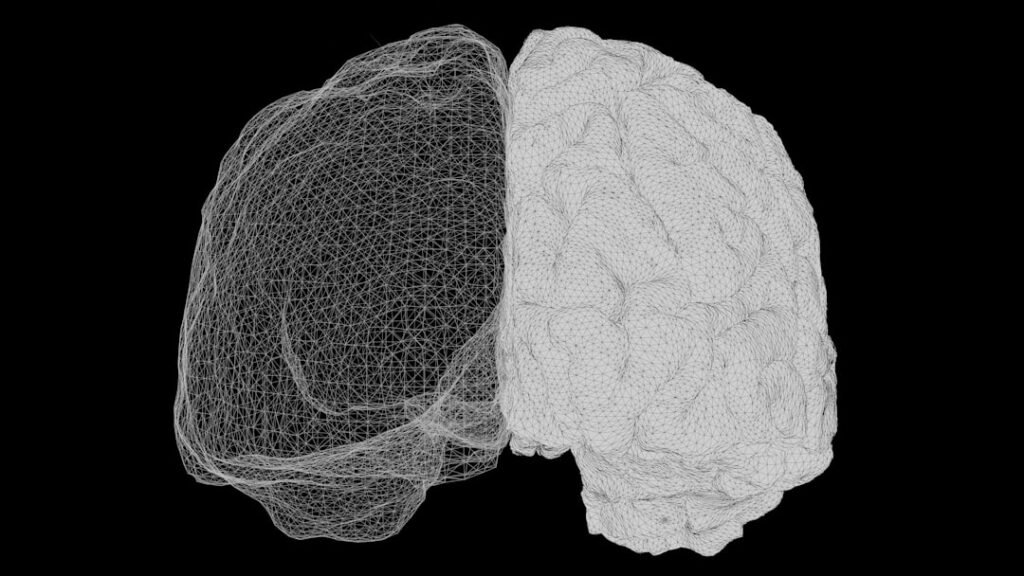

Your brain is far more flexible than you might think. For decades, scientists believed the adult brain was essentially fixed, locked into place after childhood development. That turned out to be spectacularly wrong. Your brain possesses an extraordinary ability to reshape itself, forge new connections, and adapt to whatever life throws at you, from learning a musical instrument to recovering from a devastating stroke.
This remarkable quality is called neuroplasticity, and it’s happening inside your skull right now. Every time you learn something new, practice a skill, or even just think a different thought, you’re subtly rewiring the intricate network of roughly 100 billion neurons that make up your brain. It’s like having a personal renovation crew constantly updating your mental architecture based on your experiences, challenges, and choices.
What Neuroplasticity Actually Means for Your Brain
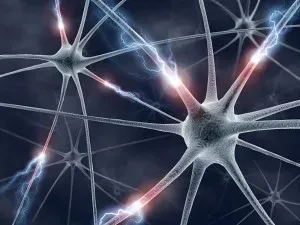
Neuroplasticity is the brain’s capacity to reorganize itself by forming new neural connections, and honestly, it sounds almost like science fiction. Think of your brain as a bustling city with billions of roads connecting different neighborhoods. Once believed to occur only during early development, research now shows that plasticity continues throughout the lifespan, supporting learning, memory, and recovery from injury or disease.
At the cellular level, plasticity involves changes in synaptic structure, the release of chemical messengers called neurotransmitters, and the sensitivity of receptors that receive those signals, changing how neurons communicate with each other. Your brain isn’t just passively receiving information. It’s actively sculpting itself based on what you do, what you think, and how you live. The connections that get used frequently become stronger and more efficient, while those you don’t use gradually fade away.
The Childhood Brain: Building the Foundation

In childhood, the brain is extraordinarily plastic, with young minds soaking up languages, motor skills, and social cues with astonishing speed, as a toddler learning to walk is not simply gaining strength in muscles but rewiring neural pathways for coordination, balance, and planning. It’s hard to say for sure, but this explosive growth period is probably why children seem to absorb new information like sponges.
The most active period of synaptic pruning in the development of the nervous system occurs between early childhood and the onset of puberty in many mammals, including humans, with pruning starting near the time of birth and continuing into the late twenties. This pruning process isn’t about loss. It’s about refinement. Your brain overproduces connections early in life, then carefully selects which ones to keep based on your experiences. The ones you use become highways; the ones you don’t gradually disappear.
How Your Brain Refines Itself Through Synaptic Pruning
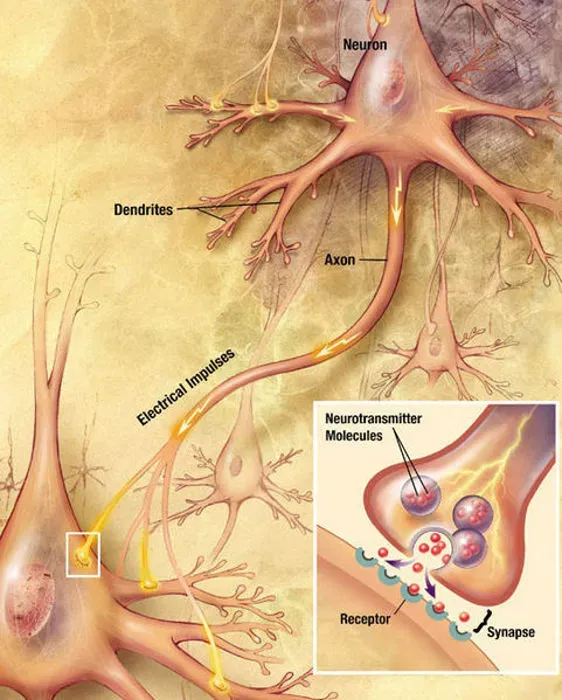
Here’s where things get really interesting. Synaptic pruning is a crucial process in synaptic refinement, eliminating unstable synaptic connections in neural circuits, triggered and regulated primarily by spontaneous neural activity and experience-dependent mechanisms. Think of it like editing a manuscript. You start with way too many words, then cut away everything that doesn’t serve the story.
The amount and timing of neural activity are central to determining which synapses get reinforced and retained, and which get weaker, flagging them for destruction. Your brain essentially follows a “use it or lose it” principle. The neural pathways you travel frequently remain strong, while neglected routes get eliminated to make your brain more efficient. Under physiological conditions, the interaction between glial cells and neurons results in the clearance of unnecessary synapses, maintaining normal neural circuit functionality via synaptic pruning.
Adult Brains Can Still Learn New Tricks
Let’s be real: you’re never too old for your brain to change. For decades, scientists believed that by adulthood, neuroplasticity tapered off sharply, but while it is true that plasticity becomes more selective, modern research shows that even in old age, the brain retains an astonishing ability to adapt, with older adults able to learn new skills, recover from injuries, and even create new neurons in a process known as neurogenesis, particularly in the hippocampus.
The Seattle Longitudinal Study, which tracked the cognitive abilities of thousands of adults over the past 50 years, showed people actually performed better on tests of verbal abilities, spatial reasoning, math, and abstract reasoning in middle age than they did when they were young adults. Some of your mental abilities don’t just hold steady as you age. They actually improve. Neuroscientists are learning our brains remain relatively plastic as we age, meaning they’re able to reroute neural connections to adapt to new challenges and tasks.
The Brain’s Battle With Aging
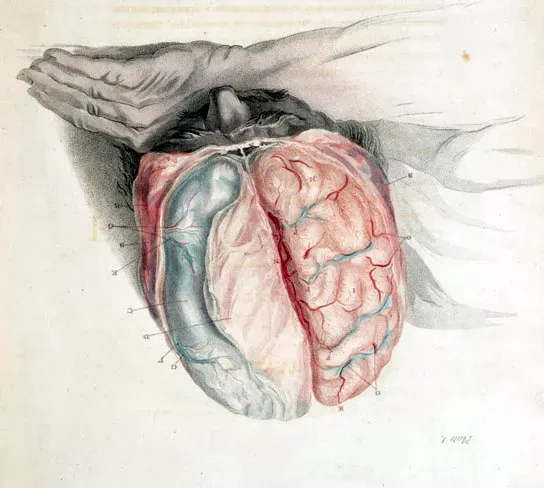
Starting around age 55, the hippocampus, the part of the brain responsible for learning and memory, shrinks about one percent each year. That’s the honest truth, and it’s not particularly comforting. Certain parts of the brain shrink, including those important to learning and other complex mental activities, and in certain brain regions, communication between neurons may be less effective.
Yet here’s the hopeful twist. There is growing evidence that the brain maintains the ability to change and adapt so that people can manage new challenges and tasks as they age, with some people in their eighties, nineties, and beyond defying the common assumption that cognitive decline goes hand in hand with aging, called cognitive super agers, who have memory performance comparable to people twenty to thirty years younger. Your chronological age doesn’t have to dictate your brain’s biological age. The choices you make matter profoundly.
Exercise, Learning, and Brain Health

Physical activity supports neuroplasticity and stroke recovery by promoting cerebral angiogenesis, vasomotor reactivity, neurotrophic factor release, reducing apoptosis processes, excitotoxicity, and inflammation, with pre-stroke physical fitness decreasing the severity of motor deficits. Moving your body literally changes your brain. It’s not just about cardiovascular health or muscle tone.
Research shows musicians develop more brain plasticity than non-musicians, with brain regions linked to attention, focus, control, memory, and creativity developing as they get better at their craft. Every time you challenge yourself with something genuinely new, whether that’s learning Spanish or picking up the violin, you’re giving your brain the raw material it needs to build fresh neural pathways. The brain changes most reliably in response to repeated, focused and meaningful engagement that requires attention, effort and feedback.
Recovery After Brain Injury: A Testament to Plasticity
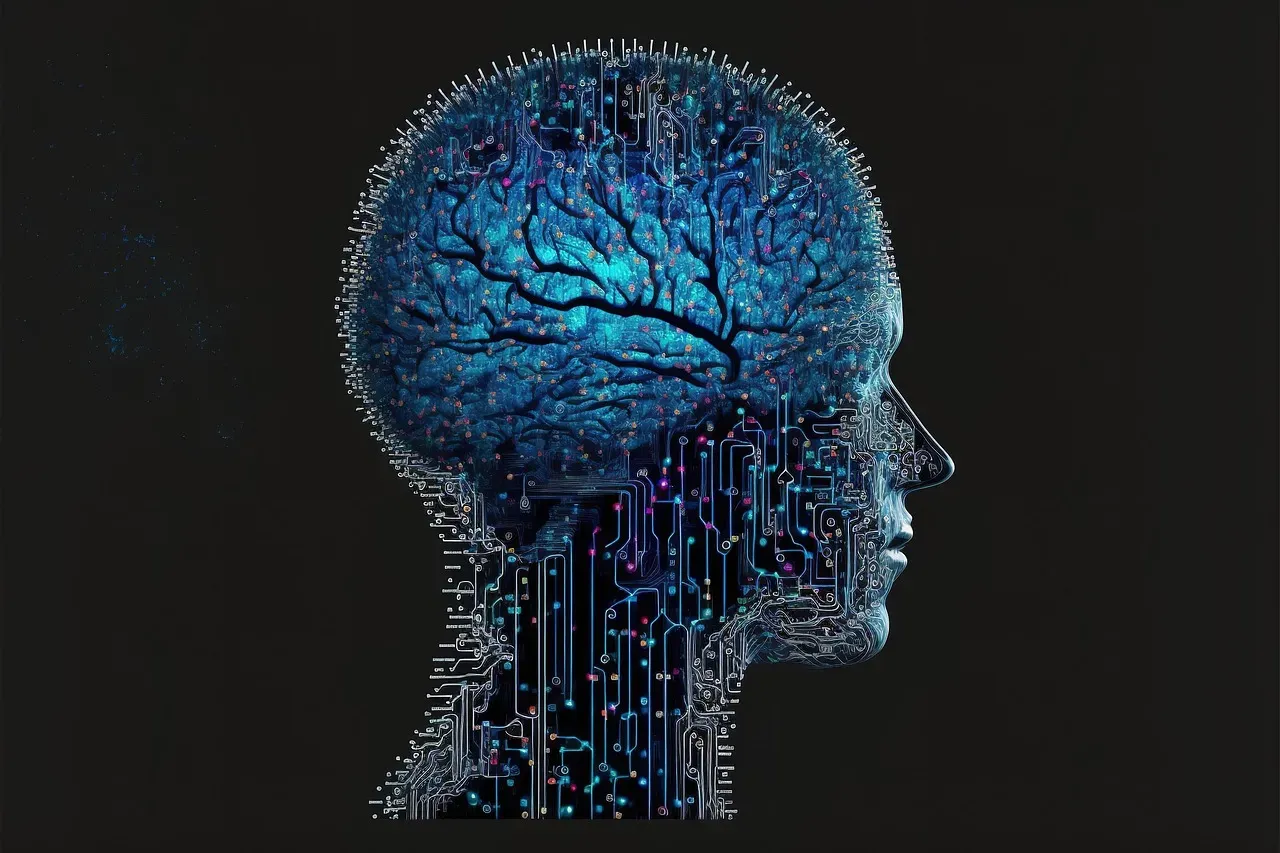
Following a stroke, the brain demonstrates remarkable restorative abilities through neuroplasticity, enabling the generation of new neurons, the establishment of fresh neural pathways and the modification of cellular structures in response to environmental changes. This is genuinely one of the most extraordinary aspects of brain science. Tissue that was once thought irreparably damaged can sometimes regain function through the brain’s adaptive rewiring.
Treatments like virtual reality, transcranial magnetic stimulation, and constraint-induced movement therapy aid stroke rehabilitation, while cognitive training and neuromodulation enhance recovery in traumatic brain injury. For lasting changes to take place via neuroplasticity after stroke, it is necessary to perform high repetition of the skills or movements you want to improve, with therapists referring to this as massed practice, and this consistent high repetition is the key to stroke recovery. Recovery isn’t magic. It’s work, and it harnesses your brain’s inherent capacity to reorganize itself.
The Dark Side: When Plasticity Goes Wrong
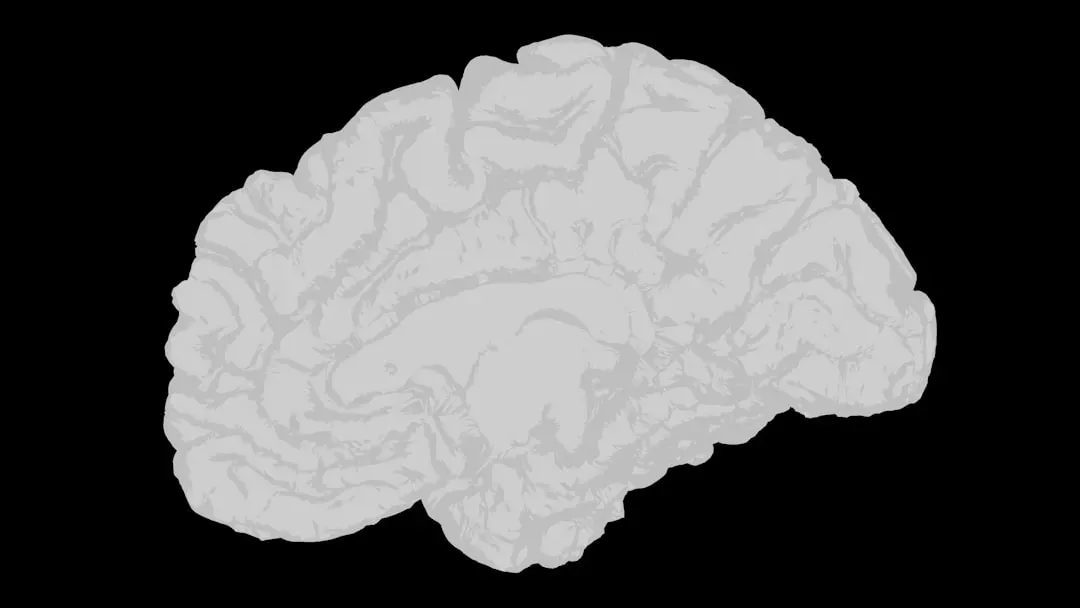
One of the most important and often misunderstood aspects of neuroplasticity is that it is value-neutral, with the brain adapting to repeated experiences whether those experiences are helpful or harmful, which helps explain why conditions such as chronic pain, anxiety disorders and addiction can become self-reinforcing through repeated patterns of thought, feeling or behaviour, with the brain learning responses that are unhelpful but deeply ingrained, a process known as maladaptive plasticity.
Your brain doesn’t distinguish between good habits and bad ones. It simply strengthens whatever patterns you repeat most often. Chronic stress can seriously impair plasticity, with long-term exposure to stress hormones associated with reduced complexity of neural connections in memory-related brain regions and heightened sensitivity in threat-processing systems. The environments you inhabit, the thoughts you ruminate on, and the behaviors you practice all sculpt your neural architecture, for better or worse. The hopeful side of this insight is that plasticity can also be deliberately directed toward recovery.
Your Brain, Your Choices, Your Future
Today, the concept of neuroplasticity, the brain’s ability to change its structure and function in response to experience, is a central principle of brain science, with the brain able to change throughout life, but not without limits, not instantly and not effortlessly, reframing the brain as neither rigid nor infinitely malleable, but as a living system shaped by experience, effort and time. You hold more influence over your brain’s trajectory than previous generations ever imagined possible.
Every thought repeated, every habit reinforced, every environment we immerse ourselves in is sculpting the architecture of our minds. The small decisions you make daily, whether to learn something new, exercise, manage stress, or engage socially, accumulate over time into profound changes in your brain’s structure and function. Your brain at sixty isn’t predetermined by your genetics alone. It’s also shaped by decades of choices, experiences, and efforts.
The story of neuroplasticity is ultimately a story about potential and responsibility. Your brain remains capable of remarkable adaptation throughout your entire life, but that capacity requires cultivation. Challenge yourself. Stay curious. Move your body. Connect with others. These aren’t just nice suggestions for a fulfilling life. They’re prescriptions for a healthier, more resilient brain that can continue adapting, learning, and thriving no matter what your age might be. What aspect of your brain’s plasticity surprises you most?