
For most of the twentieth century, doctors told a sobering story about the brain: you are born with a fixed number of neurons, you steadily lose them, and that’s that. The message landed especially hard on older adults, who were led to believe that forgetfulness and mental slowdown were simply an unavoidable slide. Over the past few decades, however, a very different picture has begun to emerge from labs around the world. Researchers are finding evidence that, under the right conditions, the adult brain can continue to generate new neurons and rewire its own circuits. The result is a quiet revolution in how we think about aging, memory, and the possibility of staying mentally vibrant far longer than anyone once thought.
The Hidden Clues: How Scientists First Saw New Neurons in Adult Brains
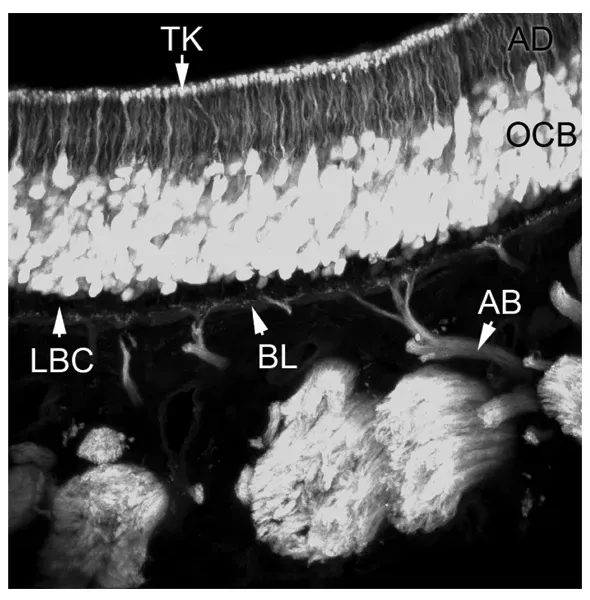
It might sound shocking, but the first hints that adult brains could grow new neurons were largely ignored. In the 1960s, a handful of scientists studying rodents saw dividing cells in regions of the brain thought to be “finished,” but their findings clashed with the dominant dogma that neuron numbers were fixed. For years, the idea of adult neurogenesis sat on the fringes, overshadowed by textbooks declaring that lost neurons were lost forever. Only later, with better microscopes, cell-labeling techniques, and more rigorous experiments, did the evidence become too strong to dismiss.
Key clues came from unexpected places: songbirds that learn new songs each season, and lab animals whose brains changed in response to enriched environments and exercise. When researchers tracked newborn cells in these animals, they could follow the journey from dividing precursor cell to fully integrated neuron. Suddenly, the brain no longer looked like static wiring but more like a living garden, constantly pruning and sprouting new growth. That conceptual shift opened the door to asking the same daring question about humans: if other adult animals can grow new neurons, why not us?
From Dogma to Data: Where New Neurons Actually Appear
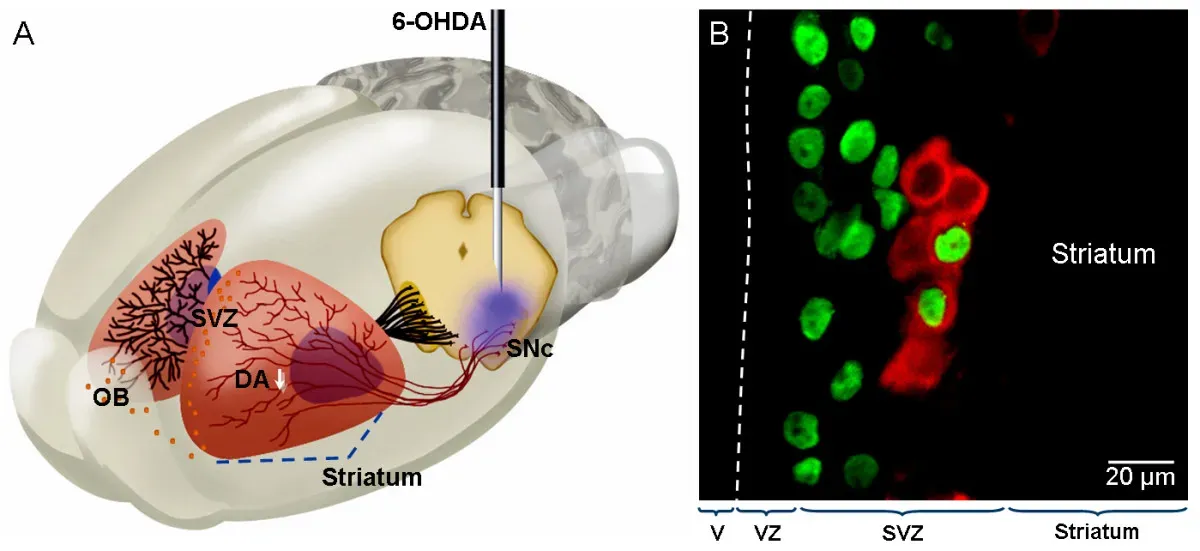
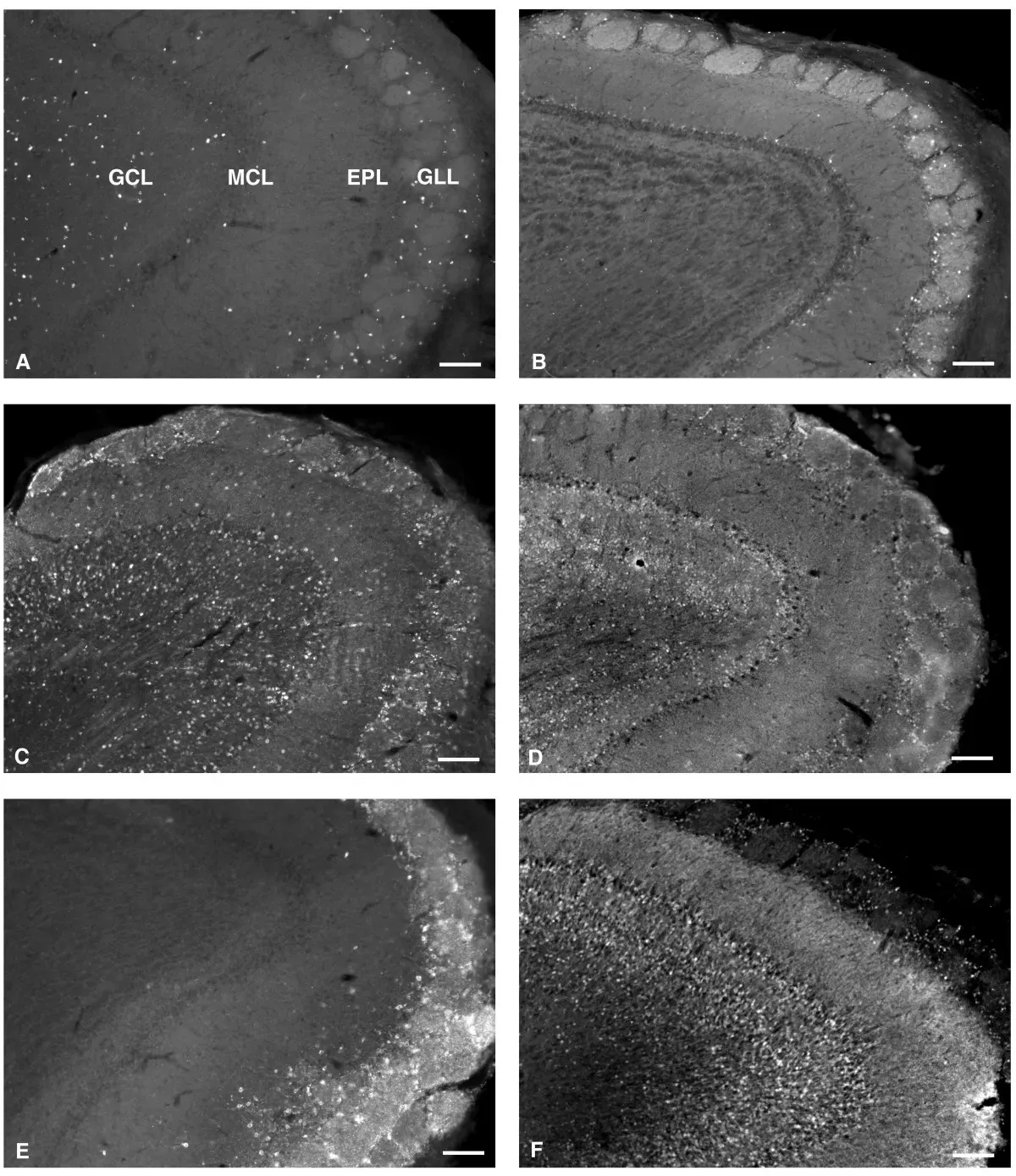
Once researchers started looking seriously, they focused on a few hotspots rather than the entire brain. One of the most important regions is the hippocampus, a seahorse-shaped structure deep in the brain that helps form new memories and supports spatial navigation. In this region, stem-like cells in a layer called the dentate gyrus can divide and mature into functioning neurons, eventually wiring into existing circuits. Studies in animals have linked this process not only to memory performance but also to mood, suggesting that new neurons may support emotional resilience as well as recall.
Evidence in humans has been more difficult to gather, because brain tissue is rarely available and ethical boundaries are strict. Even so, multiple independent groups have reported signs of newborn neurons in adult and even elderly human hippocampi. Some estimates suggest that in a healthy adult, thousands of new neurons can be added to this region each day, especially under conditions that support brain health. While scientists still debate the exact numbers and how long neurogenesis remains robust across the lifespan, the old claim that adults cannot grow new neurons is no longer standing on solid ground. The story has become one of “where, when, and how much,” not “if.”
Late-Life Plasticity: Why New Neurons in Old Age Are Such a Big Deal
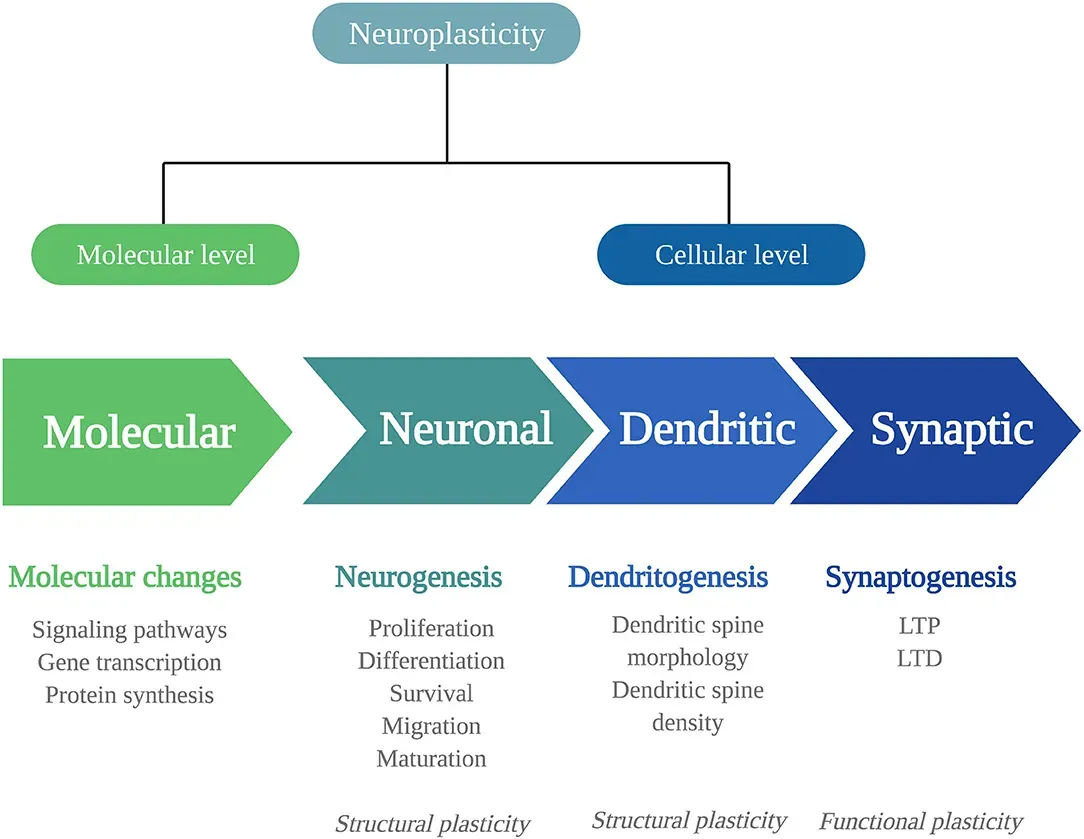
For older adults, the idea that the brain can still generate new neurons is more than a biological curiosity; it challenges deep-rooted assumptions about aging. We tend to treat memory lapses or slower thinking as an irreversible slide, which can quietly shape how people live, work, and even socialize. If the brain remains plastic well into later life, that opens up possibilities for training, lifestyle changes, and therapies that actively strengthen neural circuits rather than just trying to slow their decline. It also reframes aging from a story of inexorable loss into one of shifting potential.
Neurogenesis is only one part of that story, but it is a powerful symbol. New neurons in the hippocampus might help the brain adapt to new environments, learn unfamiliar skills, or form fresh memories even in one’s seventies or eighties. Research has linked greater hippocampal neurogenesis in animals to better pattern separation, the ability to distinguish similar experiences instead of confusing them. In practical terms, that could mean being less likely to mix up faces, appointments, or where you left your keys. Knowing that such plasticity is possible nudges us to take mental activity and lifestyle choices seriously at any age, instead of writing off changes as inevitable decline.
What Sparks New Neurons: Exercise, Learning, and Everyday Choices
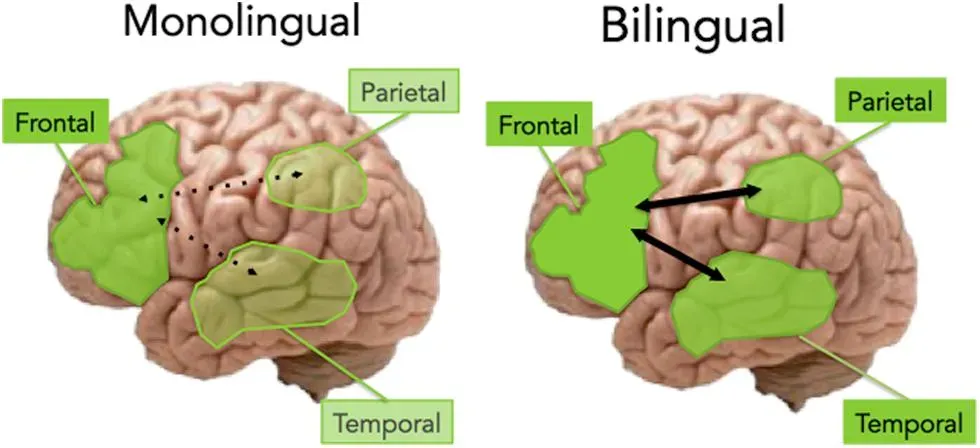
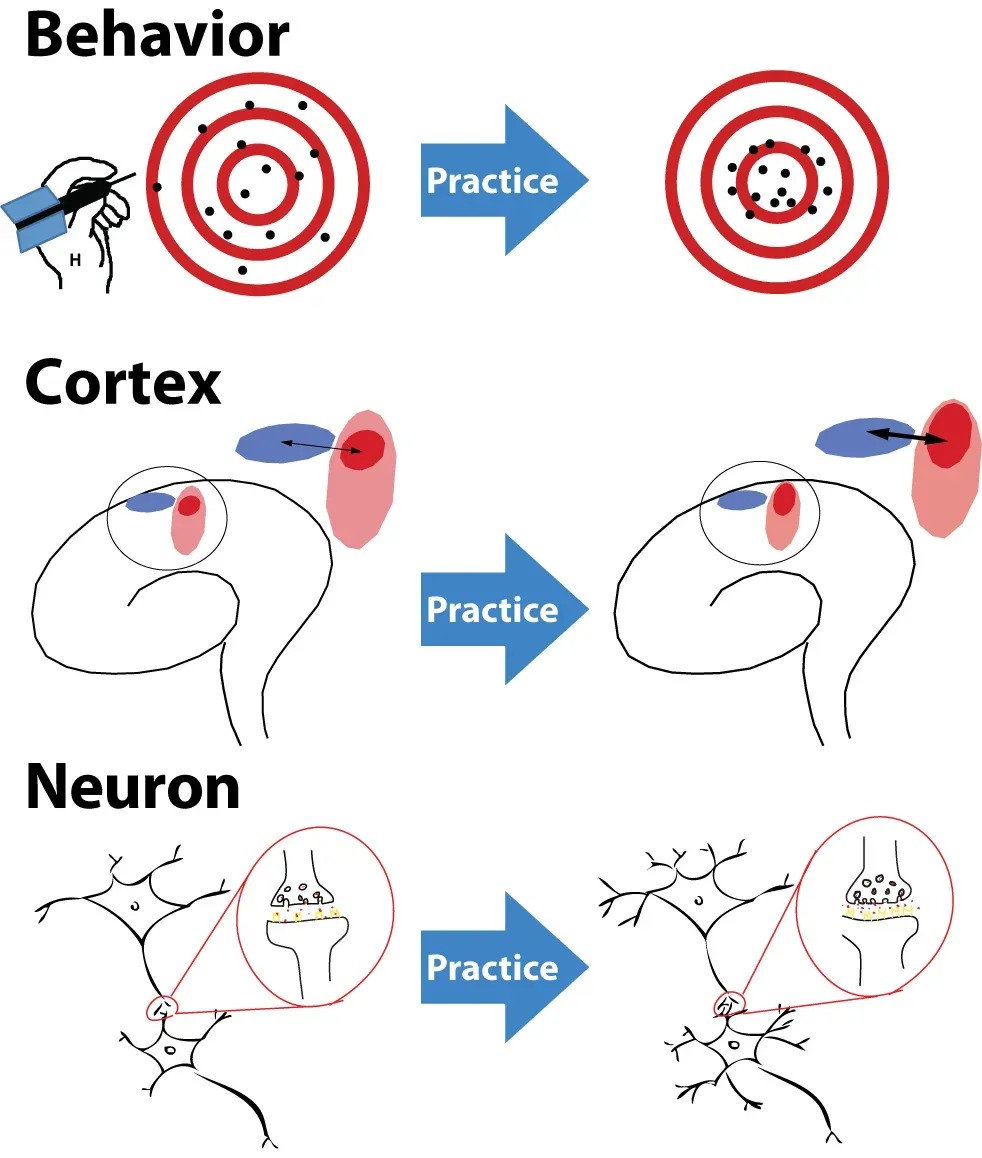
One of the most encouraging parts of the neurogenesis story is that it doesn’t belong exclusively to labs and high-tech clinics. A growing body of research suggests that everyday behaviors can influence how many new neurons are born and how many survive to become part of the brain’s working network. Aerobic exercise, such as brisk walking, cycling, or swimming, consistently appears as a powerful trigger in animal studies, boosting both the birth and survival of new neurons in the hippocampus. Learning new skills, from foreign languages to musical instruments to complex crafts, can also stimulate brain activity in ways that support plasticity.
On the flip side, chronic stress, poor sleep, sedentary habits, and social isolation are repeatedly associated with reduced neurogenesis and impaired cognitive function in experimental models. While direct cause-and-effect relationships in humans are complex, the overall pattern points in a clear direction. Small, sustainable habits – moving more, sleeping well, staying curious, and maintaining strong social connections – create a richer environment for the brain’s “neural garden” to grow. The implications are practical: staying mentally and physically engaged isn’t just about passing the time in retirement; it’s about nudging your biology toward resilience.
Debunking the Myths: What Brain Aging Is Not
Despite the newer science, several stubborn myths about the aging brain still circulate in everyday conversation. One common belief is that serious cognitive decline is an inevitable part of getting older, when in reality many people maintain strong memory and reasoning well into advanced age. Another myth is that once you notice changes – forgetting names, misplacing items – there is nothing meaningful you can do. In truth, those early signals can be a prompt to check medical factors, adjust lifestyle habits, and seek strategies that support brain health, rather than a final verdict.
There is also confusion between normal age-related changes and neurodegenerative diseases like Alzheimer’s. While risk of such conditions rises with age, they are not the same thing as ordinary aging, and the presence of neurogenesis suggests that the brain retains some regenerative capacity even as other vulnerabilities increase. Importantly, the existence of new neurons does not mean aging disappears or that any decline can be magically reversed. Instead, it means the brain’s story is more nuanced, leaving room for adaptation, compensation, and growth. Dismantling the old myths makes it easier to see the opportunities sitting in plain sight.
Why It Matters: Rethinking Memory, Mood, and Independence
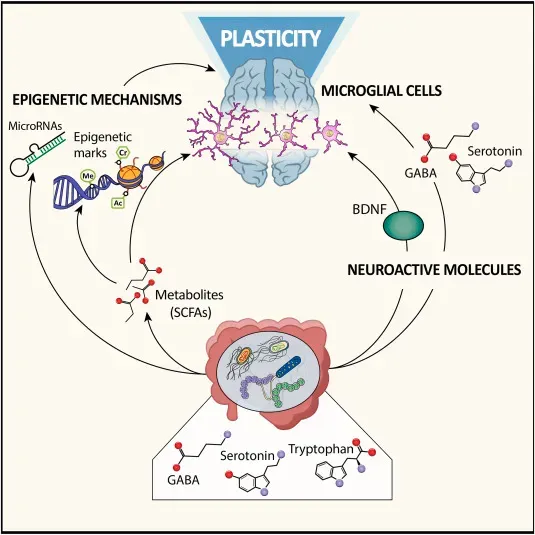
The question of whether adults can grow new neurons might sound academic, but it cuts straight to how we plan our lives and healthcare systems. If the brain remains capable of regeneration and reorganization, then interventions aimed at midlife and late life become far more promising. Therapies that combine physical exercise, cognitive training, and social engagement are already being tested as ways to preserve memory and delay functional decline. These are not fringe experiments; they are part of a broader move away from seeing the aging brain as fixed hardware and toward viewing it as a dynamic, responsive organ.
There are broader emotional and social stakes as well. Knowing that your brain can still change may shift how you approach retirement, caregiving, and community life. It suggests that picking up a new hobby at sixty-five is not an act of denial but a biologically wise strategy. It also supports public investments in parks, walking paths, adult education, and community centers that encourage movement and learning across the lifespan. In that sense, the science of neurogenesis becomes a lens on what it means to age with agency and dignity, rather than passively waiting for decline.
At the Frontiers: What Researchers Still Do Not Agree On
For all the excitement, the field of adult neurogenesis is not without controversy. Some studies examining human brain tissue have reported strong evidence of new neurons in older adults, while others have found very few, especially in samples from people in their seventies and beyond. Differences in how the tissue is preserved, which markers are used, and how cells are counted can lead to dramatically different conclusions. This scientific debate is not a sign that the idea is collapsing, but rather that researchers are wrestling with the limits of current methods.
Another open question is how much adult-born neurons actually contribute to day-to-day cognition in humans. In animals, scientists can label, silence, or stimulate specific cell populations and watch what happens to behavior, but that level of control is not possible in people. As a result, much of the human story relies on inference: associations between lifestyle or disease states and brain structure, combined with what we know from animal models. Over the next few years, improved imaging tools and molecular techniques may help clarify these puzzles. For now, the responsible stance is both hopeful and cautious, recognizing the promise without overselling it.
The Future Landscape: From Lifestyle Interventions to Regenerative Therapies
Looking ahead, the most immediate impact of neurogenesis research is likely to be in prevention and lifestyle-focused programs rather than futuristic brain implants. Healthcare systems are already grappling with rising rates of dementia as populations age, and even modest gains in delaying onset could have huge social and economic benefits. Programs that prescribe physical activity, cognitive training, and social engagement as core components of brain care are gaining serious attention. Some researchers are exploring whether certain medications or nutritional compounds can safely enhance neurogenesis, though this work is still early and requires careful testing.
Further out on the horizon are more ambitious regenerative strategies. These include manipulating neural stem cells, encouraging damaged brain regions to rebuild themselves, or even transplanting lab-grown cells to restore lost function. Such approaches face immense technical and ethical challenges, from ensuring safety to avoiding unintended changes in personality or cognition. Nevertheless, the basic discovery that the adult brain is not frozen in time makes these once-unthinkable ideas scientifically plausible. The future of brain aging may be less about accepting gradual shutdown and more about learning how to partner with the brain’s own capacity for renewal.
What You Can Do Now: Simple Steps to Support a Younger-Feeling Brain
While scientists continue to refine the details in journals and conference halls, there are practical steps that individuals can take today. Regular movement is near the top of almost every expert’s list, with brisk walking or similar aerobic activity several times per week emerging as a realistic target for many people. Mentally challenging activities – learning a language, joining a book club, taking up a musical instrument, or tackling strategy games – can keep neural circuits engaged. Social connection, whether through family, volunteering, or community groups, also appears to cushion the brain against stress and isolation.
Other pillars include prioritizing sleep, managing cardiovascular risk factors like high blood pressure and diabetes, and seeking help for persistent low mood or anxiety rather than brushing them aside. None of these habits is a magic switch for growing new neurons, and life circumstances can make them easier said than done. But taken together, they create conditions in which the brain’s own plasticity has a better chance to flourish, even in later decades. Supporting that process is less about chasing youth and more about protecting the ability to learn, adapt, and stay engaged with the world.
Suhail Ahmed is a passionate digital professional and nature enthusiast with over 8 years of experience in content strategy, SEO, web development, and digital operations. Alongside his freelance journey, Suhail actively contributes to nature and wildlife platforms like Discover Wildlife, where he channels his curiosity for the planet into engaging, educational storytelling.
With a strong background in managing digital ecosystems — from ecommerce stores and WordPress websites to social media and automation — Suhail merges technical precision with creative insight. His content reflects a rare balance: SEO-friendly yet deeply human, data-informed yet emotionally resonant.
Driven by a love for discovery and storytelling, Suhail believes in using digital platforms to amplify causes that matter — especially those protecting Earth’s biodiversity and inspiring sustainable living. Whether he’s managing online projects or crafting wildlife content, his goal remains the same: to inform, inspire, and leave a positive digital footprint.