
For most of the twentieth century, medical textbooks treated the aging brain like a one-way street: born with a fixed number of neurons, slowly losing them as the years tick by. That story was simple, a little fatalistic, and, as it turns out, deeply incomplete. Over the past few decades, scientists have been quietly gathering evidence that the human brain can in fact give birth to new neurons well into later life. The picture is more nuanced than popular “miracle cure” headlines suggest, but it is also far more hopeful than the old doom-and-gloom narrative about inevitable decline. For anyone worried about keeping their memory, mood, and mental sharpness as they age, this emerging science offers a genuine shift in how we think about what the brain can still do.
The Hidden Clues: Neurons Being Born Where We Least Expected
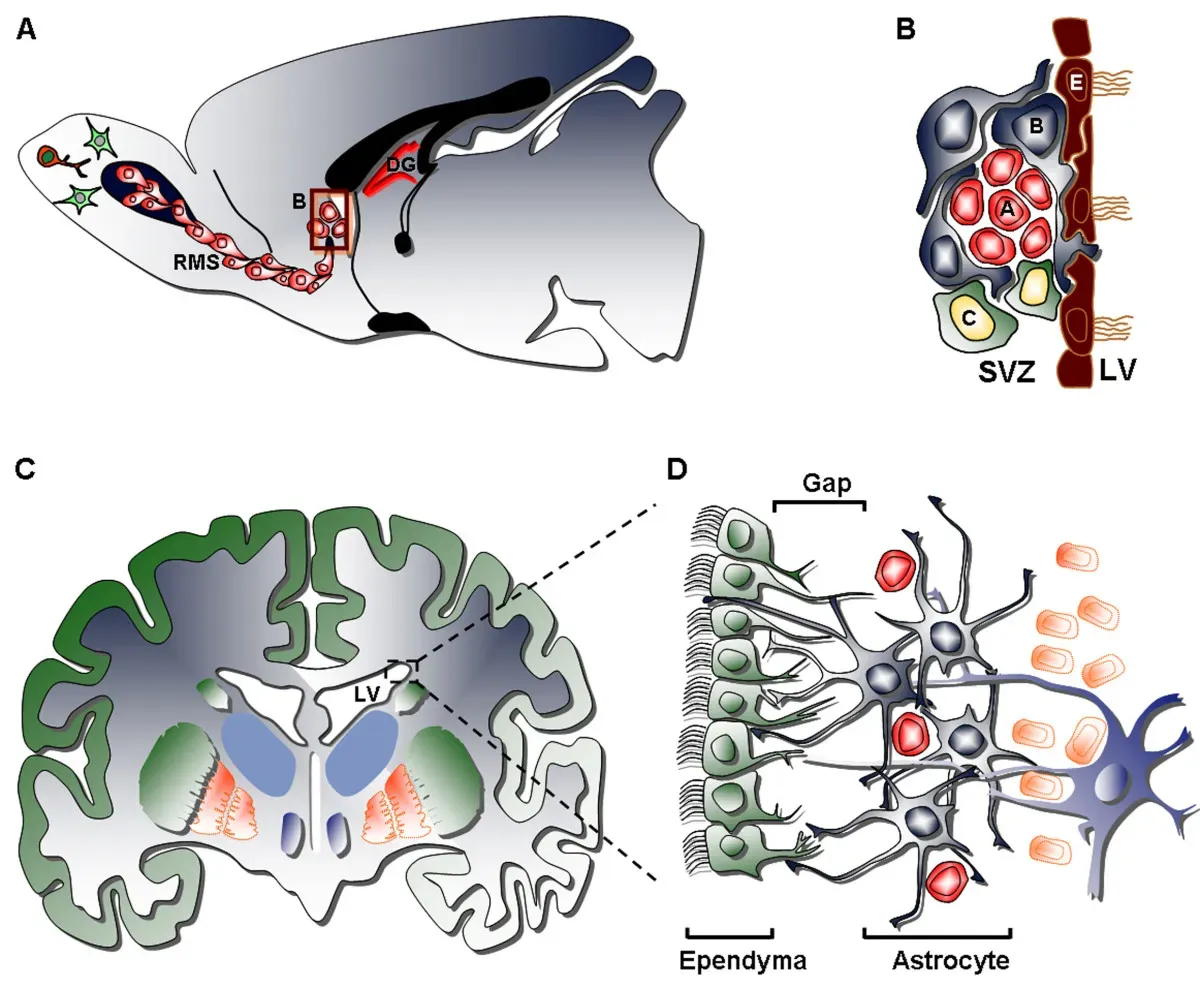
It still surprises many people to hear that the adult brain is not a finished product, but a living construction site. The first hints came from studies of animals, where researchers found fresh, immature neurons in the hippocampus, a region crucial for learning and memory. That discovery alone overturned long-standing dogma, but the real shock came when similar patterns were reported in human brains, including those of older adults. Instead of a barren landscape, the hippocampus looked more like a garden where new seedlings occasionally appear among the older trees. The number of new neurons may not be massive, but their very existence in later life changes the story of what aging means.
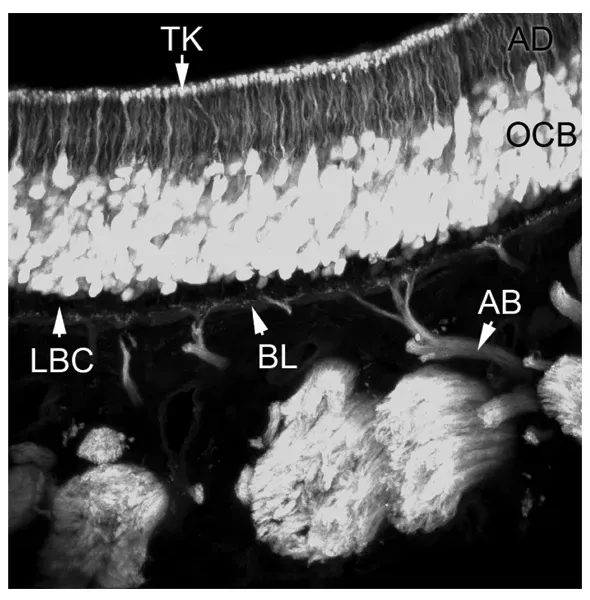
More recently, careful post-mortem studies of human brain tissue from people in their seventies and eighties have found cells that appear to be young neurons, still going through their maturation process. Researchers use molecular markers – specific proteins and shapes – to distinguish these newcomers from the long-established cells around them. In several studies, brains from older adults who were cognitively healthy still showed signs of ongoing neurogenesis in the hippocampus. Even in people who had early-stage Alzheimer’s disease, the machinery for making new neurons was not entirely shut down, though it appeared less active. These hidden clues collectively suggest that neurogenesis in later life is not a myth; it is just quieter, more vulnerable, and easily overshadowed by disease or lifestyle factors.
From Impossible Idea to Accepted Science
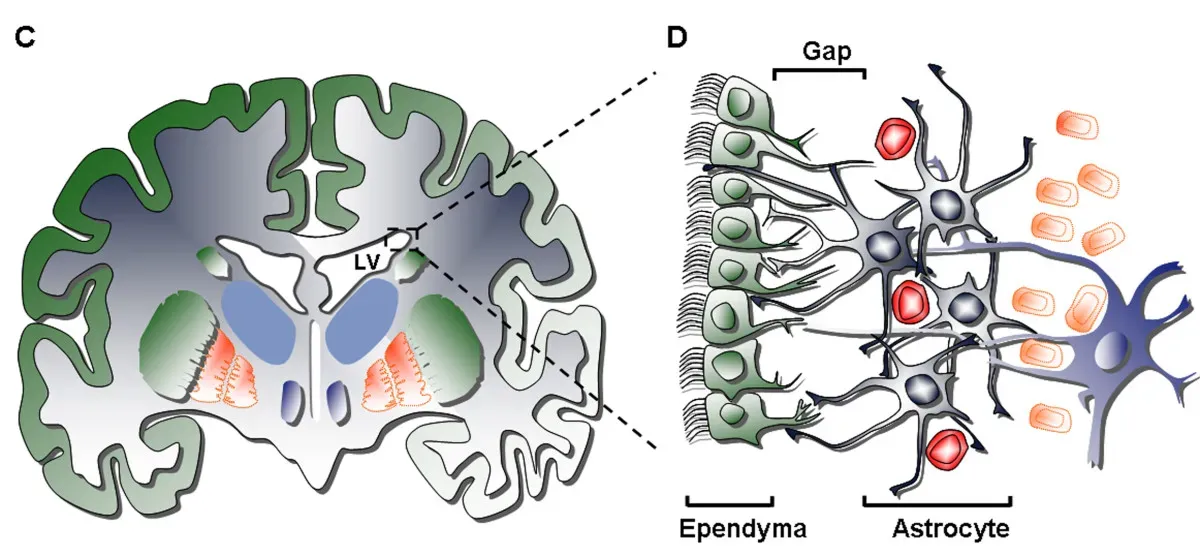
For most of modern neuroscience, the notion that adults could grow new neurons was treated almost like scientific heresy. Early claims in the late twentieth century, especially from studies in rodents and songbirds, were debated fiercely, with critics arguing that what looked like “new neurons” might be misidentified cells or artifacts of flawed techniques. Over time, however, independent teams around the world replicated key findings, refining methods to label dividing cells and track their fate in the brain. As imaging technologies and molecular tools improved, the weight of evidence tipped in favor of neurogenesis being a genuine phenomenon, not an experimental mirage. The impossible idea gradually became a cautious new consensus: under certain conditions, the adult brain can indeed add new neurons.
Human research was slower and more complicated, because scientists cannot label cells in living brains the way they can in lab animals. Instead, they developed creative strategies, such as analyzing brain tissue from people who had been exposed to atmospheric nuclear testing decades ago, which left a distinct carbon signature in newly formed cells. These kinds of studies suggested that some brain regions, especially the hippocampus, continue to incorporate new neurons throughout adulthood. The rate of this process appears to decline with age, and different labs still debate exactly how robust it is in very old age, but few serious researchers now claim it does not happen at all. In science, that kind of shift – from flat denial to nuanced argument over magnitude – is usually a sign that a field has genuinely moved forward.
What “Brain Plasticity” Really Means in Everyday Life
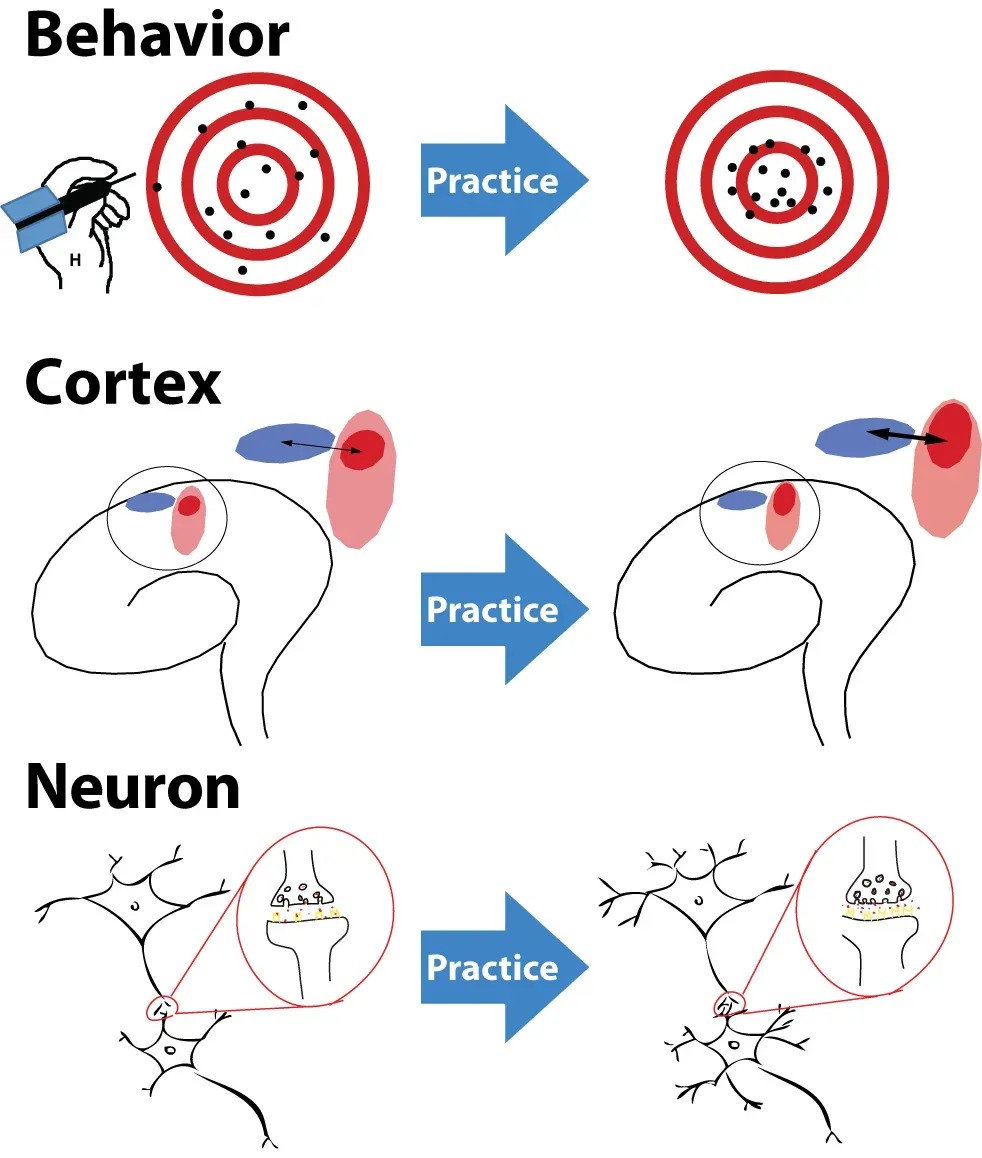
Neurogenesis is just one part of a bigger story about brain plasticity, a term that sometimes gets thrown around so casually it starts to sound like magic. Plasticity simply means the brain can change its structure and function in response to experience, injury, and internal signals. New neurons are the most dramatic example, but far more common are changes in the strength of existing connections, the growth of new synapses, and shifts in how networks fire together. In everyday terms, this is what allows someone in their seventies to learn a new language, pick up a musical instrument, or adapt after a small stroke. The brain is not a static machine; it is more like a constantly updated city, with roads being rerouted, bridges strengthened, and new side streets built.
For older adults, the idea of plasticity can feel both inspiring and challenging. On the one hand, it suggests that habits, environments, and learning choices still matter enormously, even after retirement. On the other hand, it pushes back against the tempting excuse that “it’s just my age” when things feel mentally harder. Studies show that engaging in complex, mentally demanding activities – reading, social engagement, new skills, even certain types of video games – can help support healthy brain function. Plasticity does not guarantee that everything will stay perfect, and it does not erase genetic risks or serious illnesses. But it means that the trajectory is not fixed, and that effort, stimulation, and health behaviors can shift the curve of how the brain ages.
The Human Stories Behind the Science

Behind the graphs and brain scans are real people who experience these changes in ways that are anything but abstract. Consider the older adult who takes up watercolor painting for the first time and finds their mood lifting and attention sharpening after months of practice. Or the retired engineer who starts learning a new programming language, wrestling with unfamiliar concepts but gradually feeling that satisfying “click” of patterns falling into place. These anecdotes do not prove neurogenesis on their own, but they fit what researchers see when they track how enriched environments affect animal brains. Stimulating, varied experiences tend to support the birth and survival of new neurons in areas linked to learning and memory.
As a science journalist, I’ve often noticed that people light up most when they realize their own actions might be feeding their brain’s capacity to change. One reader once described starting a community choir in her sixties, not because of brain research but simply to try something new with friends, and later recognized that rehearsing lyrics, harmonies, and timing felt like “a workout for the mind.” Stories like that line up with a broad trend in studies showing that social interaction, new learning, and purposeful activity are linked to better cognitive outcomes in later life. The science is always careful to say “linked” rather than “guaranteed cause,” but the pattern is hard to ignore. Human lives, with all their quirks and experiments, are quietly testing theories of plasticity every day.
Why It Matters: Rethinking Aging, Disease, and Responsibility
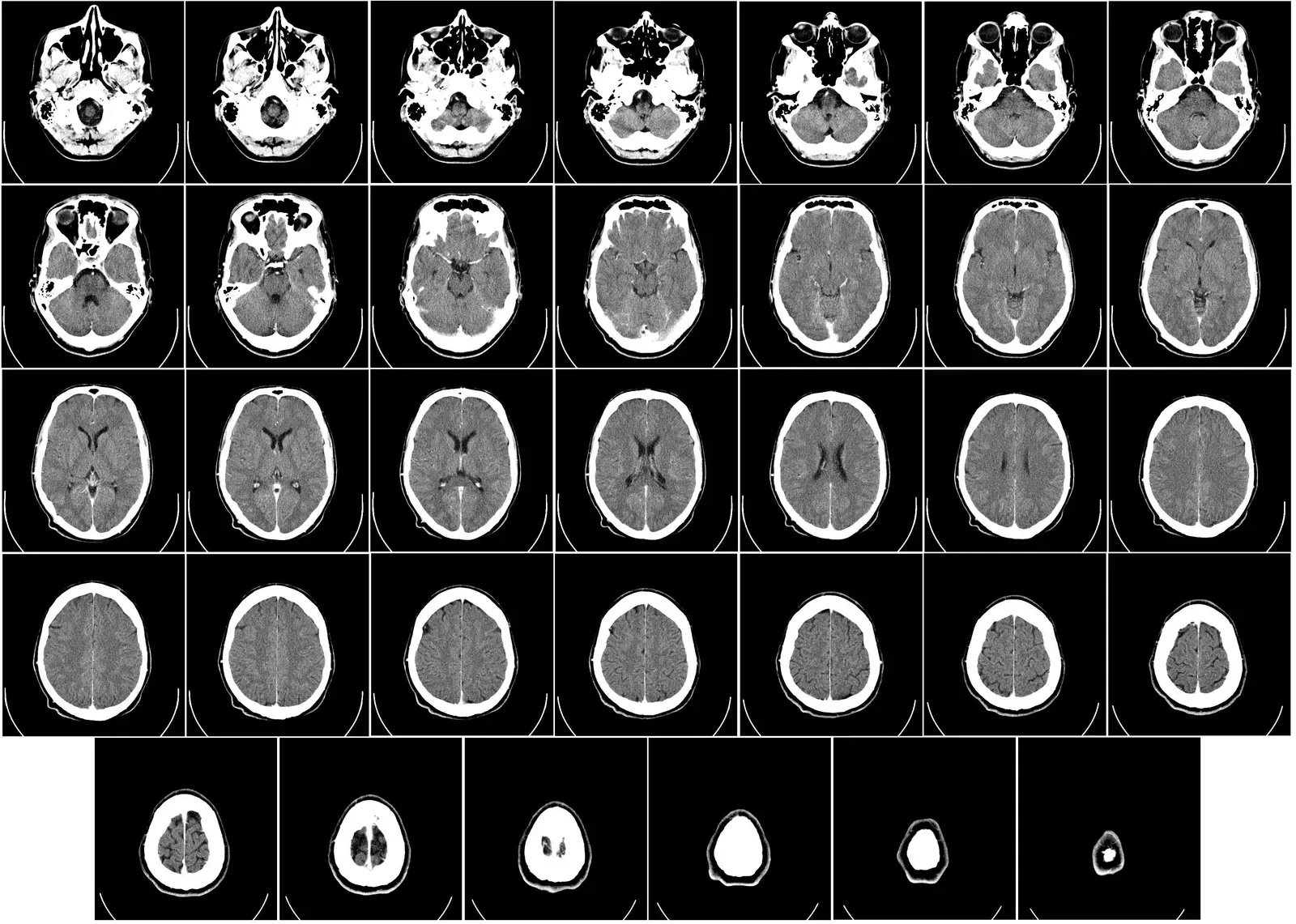
The discovery that the brain can generate new neurons in later life matters because it forces us to rethink what aging means. If the brain is still capable of renewal, even on a modest scale, then mental decline is not simply a passive slide down an inevitable slope. Instead, it becomes a dance between biological vulnerability, life experience, and environment. This does not mean we can “will away” conditions like Alzheimer’s disease or Parkinson’s disease, and it would be deeply unfair to suggest otherwise. But it does mean that lifestyle, education, and public health measures play a bigger role than many people once believed.
Compared with the old view of a fixed, slowly crumbling brain, the new picture is more demanding but also more empowering. It suggests that maintaining brain health is closer to maintaining heart health: influenced by genetics, yes, but also by diet, activity, stress, sleep, and social connection. Traditional models of neurology focused heavily on damage and loss, often overlooking the quieter processes of repair and adaptation. The modern approach tries to hold both ideas at once – acknowledging that neurodegenerative diseases are devastating, while also asking how we can support the brain’s remaining resilience. That shift has implications from individual choices all the way up to how societies invest in education, mental health, and dementia prevention.
What Actually Helps: Beyond Magic Pills and Hype
Whenever a hopeful new brain finding hits the headlines, the market quickly follows with supplements and gadgets promising to boost neurogenesis overnight. The reality is slower and less glamorous, but more grounded in evidence. Research in animals and humans points to a cluster of factors that consistently support healthy brain function and may help new neurons survive and integrate. These include regular physical activity, particularly aerobic exercise; sufficient and high-quality sleep; a diet rich in whole foods, including vegetables and healthy fats; and ongoing mental and social engagement. None of these steps are guaranteed shields against disease, but together they create a more supportive environment for an aging brain.
Some studies have suggested that activities combining coordination, memory, and social interaction – such as dancing, team sports adapted for older adults, or group classes – might be especially powerful. Others highlight how chronic stress, loneliness, and poorly managed cardiovascular risk factors can undermine brain health over time. Rather than focusing on a single “magic bullet,” many scientists now talk about cumulative brain reserve: the idea that years of learning, activity, and healthy habits build up a kind of buffer. This does not stop every problem, but it can delay the onset of symptoms or reduce their severity. It is a quieter form of hope than a miracle pill, but one that rests on choices people can begin at almost any age.
The Future Landscape: Regeneration Therapies and Ethical Questions
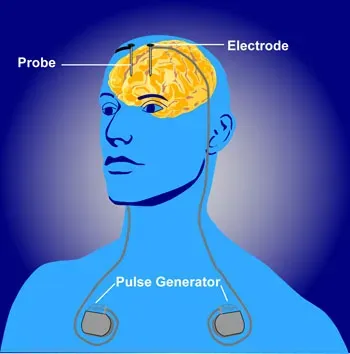
Looking ahead, the possibility of harnessing neurogenesis has sparked intense interest in therapies that go beyond lifestyle changes. Researchers are exploring ways to stimulate the brain’s own stem cells more directly, using drugs, gene therapies, or precisely targeted growth factors. Others are working with lab-grown brain organoids and transplanted cells to see whether damaged circuits can be rebuilt in conditions like stroke or traumatic brain injury. Early trials in humans tend to be small and cautious, focusing chiefly on safety, but they hint at a future where boosting or guiding neurogenesis could become part of mainstream treatment. The path from experimental promise to everyday clinic, though, is long and strewn with failed candidates.
This emerging landscape raises difficult ethical and social questions. If powerful regeneration therapies become available, will they be affordable and accessible only to a privileged few, or integrated into public health systems? How do we weigh the risks of tinkering with the brain’s delicate balance against the urgent needs of patients facing severe cognitive decline? These debates echo earlier conversations about gene editing and stem cell research but are sharpened by the brain’s central role in personality and identity. As the science advances, societies will need to decide not just what is technically possible, but what kinds of interventions align with deeper values about aging, dignity, and equality. Neurogenesis is no longer only a laboratory curiosity; it is becoming a test case for how we handle regenerative medicine as a whole.
Taking It Personally: Small Steps for a Growing Brain
For individual readers, the idea that new neurons can arise in later life is only useful if it translates into something concrete and manageable. The good news is that many of the habits that support brain health are familiar, even if not always easy to maintain. Simple, realistic steps might include building a weekly routine of moderate exercise, such as brisk walking or swimming; making time for mentally challenging hobbies; and protecting sleep as seriously as a prescription. Adding more colorful vegetables, nuts, and fish to meals can support overall vascular health, which in turn helps the brain. Staying socially connected – through clubs, volunteering, or just regular phone calls – appears to matter more than many people realize.
Engaging with science itself can also be a meaningful contribution. Readers can follow reputable brain research updates, participate in community lectures, or even enroll in well-designed clinical studies if they are eligible and interested. Supporting organizations that fund neurological research or dementia care adds another layer of impact, helping to push the field forward. On a more personal level, simply refusing to accept the old story that “it’s all downhill from here” can change how someone approaches each day. The aging brain may not be immortal or invincible, but it is far more dynamic than previous generations were told. Knowing that new neurons can still appear late in life invites a quiet but powerful question: what might you choose to grow next?
Suhail Ahmed is a passionate digital professional and nature enthusiast with over 8 years of experience in content strategy, SEO, web development, and digital operations. Alongside his freelance journey, Suhail actively contributes to nature and wildlife platforms like Discover Wildlife, where he channels his curiosity for the planet into engaging, educational storytelling.
With a strong background in managing digital ecosystems — from ecommerce stores and WordPress websites to social media and automation — Suhail merges technical precision with creative insight. His content reflects a rare balance: SEO-friendly yet deeply human, data-informed yet emotionally resonant.
Driven by a love for discovery and storytelling, Suhail believes in using digital platforms to amplify causes that matter — especially those protecting Earth’s biodiversity and inspiring sustainable living. Whether he’s managing online projects or crafting wildlife content, his goal remains the same: to inform, inspire, and leave a positive digital footprint.