Imagine taking a pill, feeling your pain ease… and then finding out the pill had no active drug at all. That tiny moment of disbelief captures why placebos fascinate doctors, scientists, and honestly, anyone who’s ever hoped medicine would “just work.” Placebos sit in that weird space between brain and body, where expectation, trust, and emotion seem to change real physical symptoms.
Far from being a medical trick or a footnote in clinical trials, the placebo effect is forcing researchers to rethink how powerful the mind really is in shaping health. In the last two decades, brain scans, careful experiments, and new ethical approaches have turned the placebo story from a quirky side topic into a serious field of study. And the more we learn, the more it feels like we’ve only scratched the surface.
The Strange Reality: When “Nothing” Works Like Something
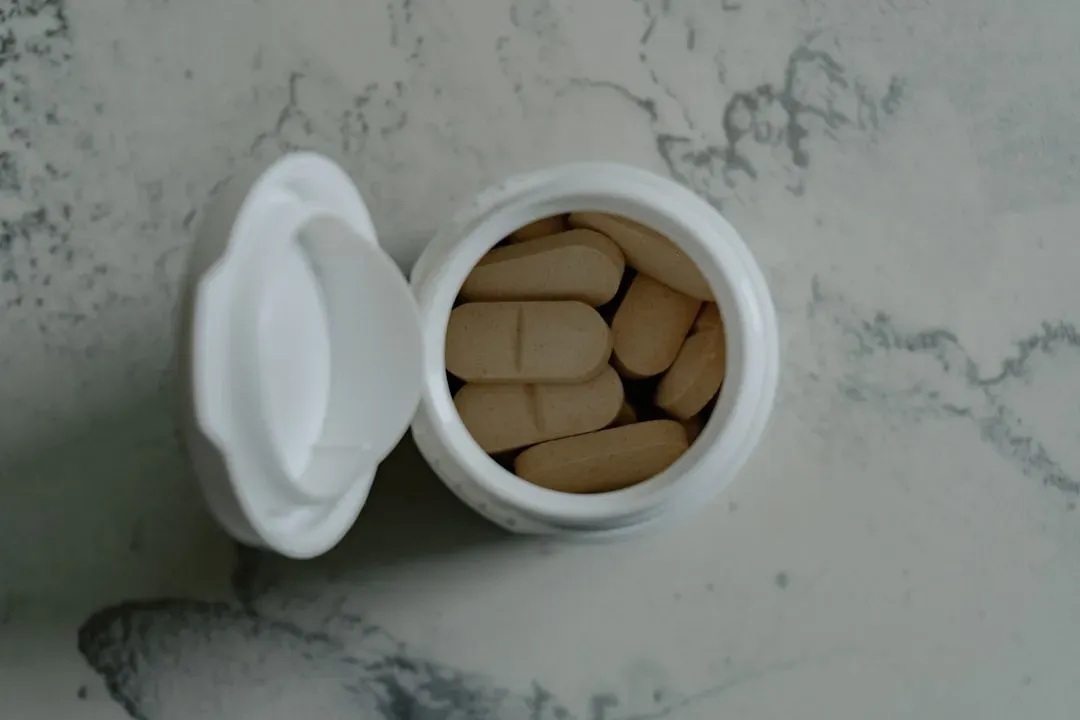
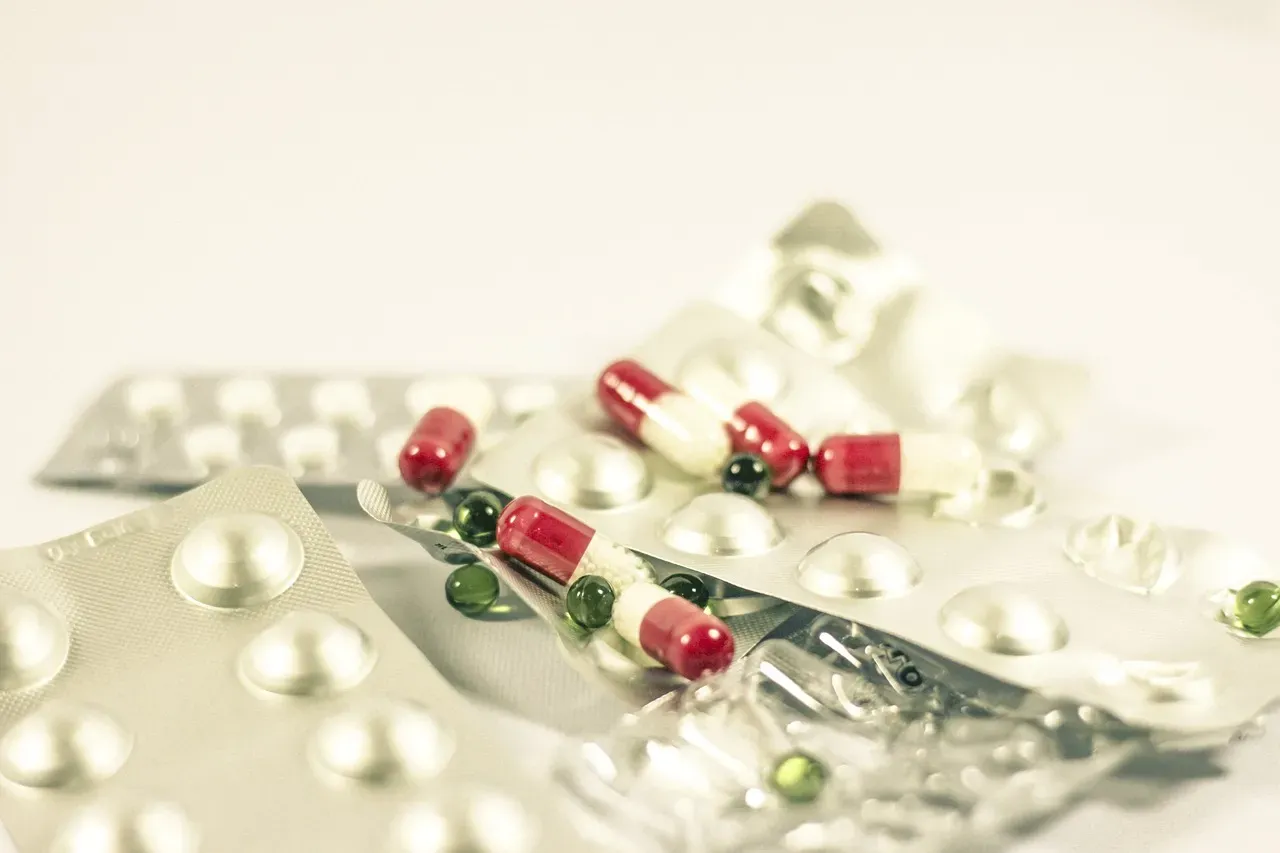
Here’s the shocking part: in many pain studies, a simple sugar pill can ease symptoms for a large portion of people, sometimes almost as much as real medication. They’re not imagining their relief; brain imaging has shown that placebo pain relief can trigger the brain’s own opioid and dopamine systems, similar to how some painkillers and antidepressants work. The body is literally manufacturing its own pharmacy in response to expectation and context.
This doesn’t mean placebos cure infections or shrink tumors, but they can powerfully influence how we feel pain, fatigue, nausea, or anxiety. Think of it like turning the volume knob down on the brain’s alarm system rather than removing the alarm’s cause. The disease may still be there, but the brain’s interpretation of it changes, and that interpretation can be the difference between unbearable suffering and something you can live with.
How Expectation Rewires the Brain and Body
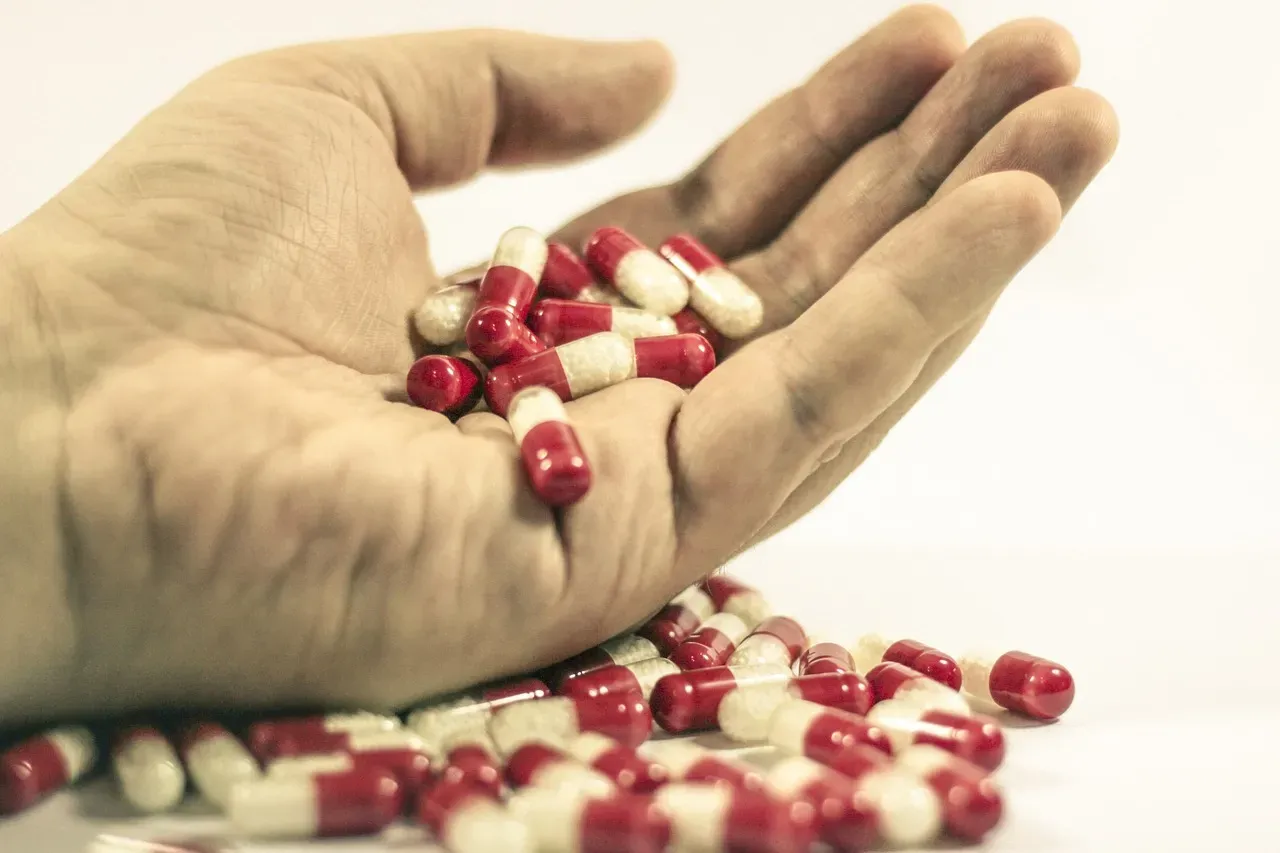
Placebos hit hardest where expectation is strongest. When a doctor calmly says a treatment is likely to help, or when a medication looks “serious” and is taken in a hospital setting, people’s brains often respond more intensely. Experiments have shown that when someone expects pain relief, certain brain regions involved in attention, emotion, and pain processing shift activity even before the “treatment” kicks in. It’s like the brain leans forward, ready to believe.
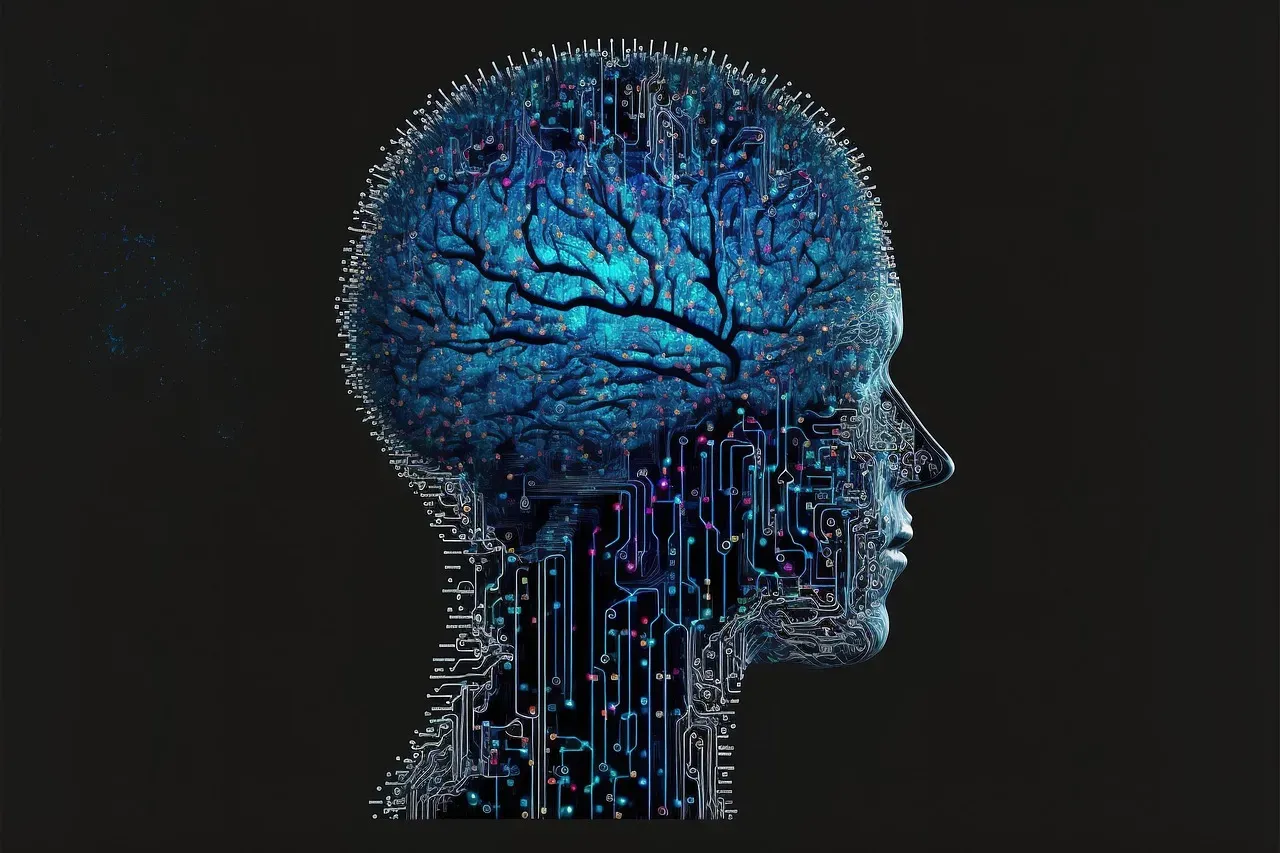
On a chemical level, that belief seems to trigger cascades of neurotransmitters that blunt pain, reduce stress, or lift mood. Some placebo responses in Parkinson’s disease, for example, have been linked to increased dopamine release in the brain areas that normally respond to medication. It’s not magic; it’s the brain running its own experimental version of the drug it’s expecting to receive.
The Dark Twin: Nocebo and The Harm of Negative Beliefs
If positive expectations can heal, negative ones can hurt. The nocebo effect is what happens when people feel worse because they expect side effects or failure, even if they’re taking an inert pill. In some trials, participants warned about possible side effects report headaches, nausea, or dizziness at surprisingly high rates, even when they never received the active drug at all. The mind, primed for trouble, delivers it.
This has serious implications for how we talk about risk. Overly alarming language, dramatic news headlines, or rushed consent forms can unintentionally plant powerful seeds of fear. When a patient walks into a treatment already half-convinced it won’t work or will definitely cause harm, that belief can tilt their nervous system toward anxiety, heightened pain sensitivity, poor sleep, and ultimately worse outcomes.
From Deception to Transparency: The Rise of Open-Label Placebos
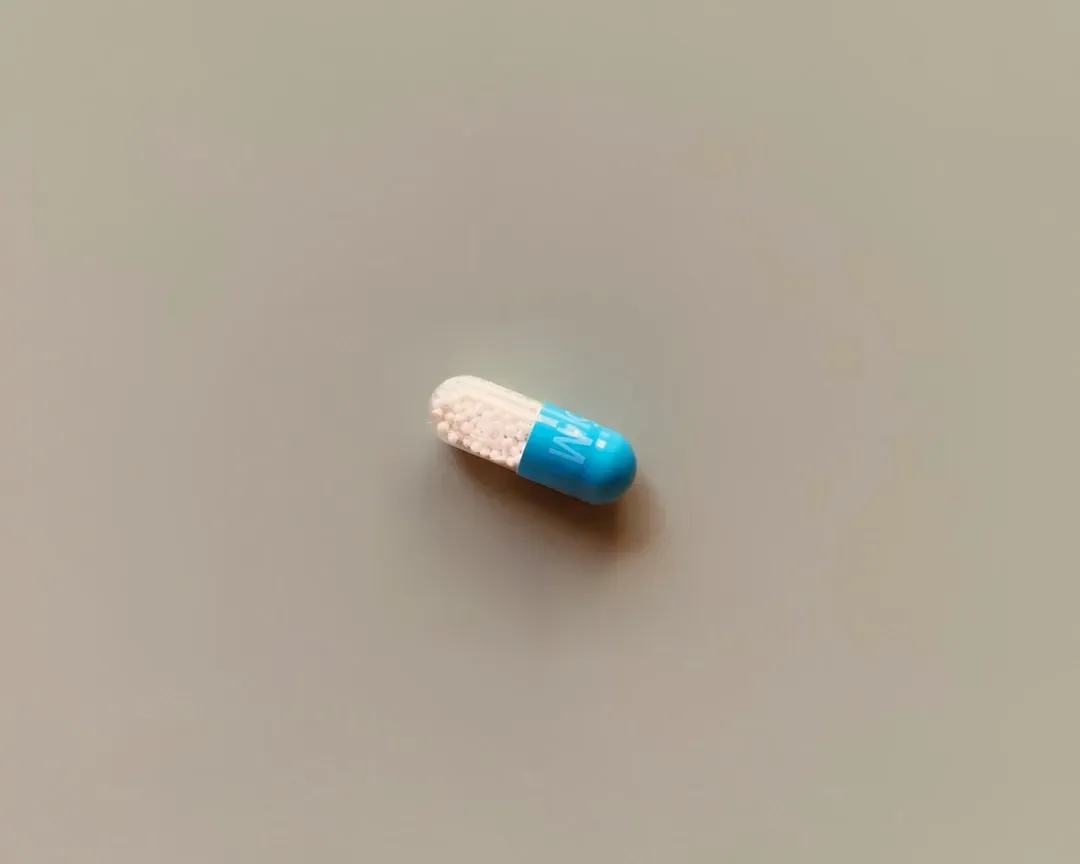
For decades, placebos were tangled up with deception, usually used secretly in clinical trials or, more problematically, slipped into practice without patients knowing. In the last fifteen or so years, researchers have begun testing something that sounds almost absurd: openly giving people placebos while clearly telling them these pills contain no active drug. Surprisingly, in several conditions like irritable bowel syndrome and chronic low back pain, people still reported meaningful symptom relief.
This open-label approach leans on the ritual of care, the context of being taken seriously, and a frank explanation that the brain can respond to placebos even when you know they’re placebos. It doesn’t work for everyone, and it’s not a replacement for proven treatments where those are needed, but it hints at an ethical way to harness the placebo effect without lying. In a way, it treats the mind as a valid therapeutic target instead of something to trick.
Why Empathy, Ritual, and Trust Aren’t “Extras” in Medicine

One of the most humbling findings from placebo research is how much the simple human elements of care matter. A warm, attentive clinician who makes eye contact, listens fully, and explains things clearly can measurably boost treatment outcomes. It’s not just “bedside manner” as a nice add-on; it can help activate the brain’s expectation networks, tipping the balance toward healing rather than fear.
The small rituals of medicine – white coats, blood pressure cuffs, carefully timed doses – may look routine, but they act like signals to the brain that “help is on the way.” When those rituals are combined with genuine empathy and a sense of partnership instead of cold authority, they become a powerful amplifier of whatever treatment is being offered. The pill and the conversation around the pill are working together, not separately.
Where Placebos Help Most: Symptoms vs. Disease
It’s important not to romanticize placebos into miracle cures. They’re most effective at modulating symptoms that are tightly linked to the brain’s interpretation: pain, fatigue, nausea, itch, anxiety, and other subjective experiences. You can’t placebo away a bacterial infection in the bloodstream or reverse heart failure by belief alone. But you might reduce the discomfort, fear, or sleeplessness that come along for the ride.
In chronic conditions where complete cures are rare but quality of life matters enormously, this distinction is huge. If someone with long-term pain sleeps better, moves more, and feels less desperate because their expectation system is working in their favor, that’s not a minor side note. It’s a real improvement in daily life, and sometimes it even helps people stick with necessary but imperfect medical regimens.
Mind-Body Tools: Translating Placebo Science Into Everyday Life

You don’t need a lab or a white coat to tap into some of the same mind-body pathways that placebos highlight. Practices like mindfulness, cognitive-behavioral therapy, relaxation training, and guided imagery all use attention and expectation to reshape how the brain processes discomfort. They don’t replace antibiotics or chemotherapy, but they can make tough treatments more tolerable and give people a sense of control instead of helplessness.
Simple habits can matter too: having consistent routines around sleep, taking medications at the same time each day, or turning treatments into intentional rituals rather than rushed afterthoughts. When you consciously frame a pill or a therapy as something meaningful you’re doing for yourself, you’re giving your brain a story to work with. That story can quietly shape neurotransmitters, stress hormones, and even how your nervous system tunes signals of pain or calm.
Rethinking “Real” Medicine: What Placebos Reveal About Us

The story of placebos forces a tough question: if a sugar pill in the right context can ease suffering, what does “real” treatment actually mean? It doesn’t undermine modern medicine so much as expose a blind spot we’ve carried for a long time – the idea that mind and body are separate, and that only what’s in the pill matters. The research keeps pushing back, showing that the story around the pill and the relationship behind it are part of the treatment too.
When I first read about open-label placebos helping people even when they knew the pills were inert, I honestly felt conflicted and weirdly hopeful at the same time. It made me rethink how often we dismiss “it’s just in your head” as if the head weren’t part of the body. Maybe the enduring power of placebos is really the enduring power of being human: suggestible, hopeful, scared, resilient, and deeply shaped by what we believe. What might change in healthcare if we treated that as a core part of medicine instead of an afterthought?