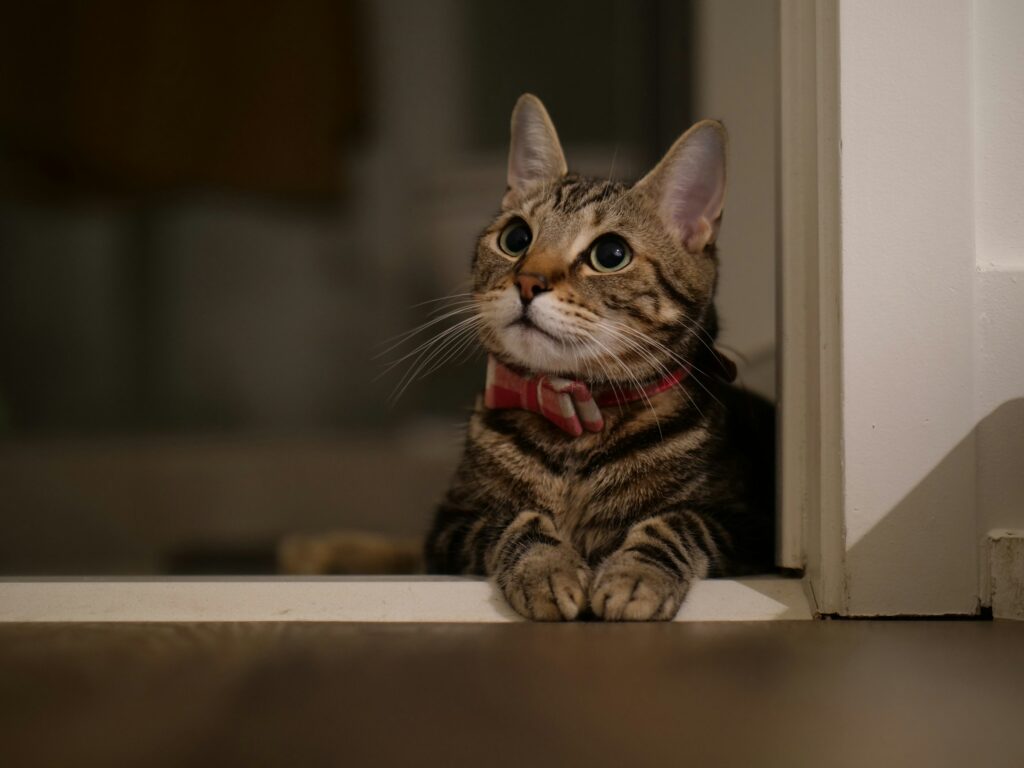
You probably tell yourself your cat will be fine for a couple of days. After all, cats are independent, low-maintenance, and they sleep a lot, right? That quiet confidence is exactly how so many loving owners accidentally set their cats up for a stressful, even dangerous, weekend alone. The real problem is not that you leave your cat; it’s how you leave your cat. When you assume a bowl of kibble and a topped‑up water dish are enough, you overlook the way cats experience stress, boredom, and subtle health issues. Once you start seeing the world from your cat’s eye level, that “quick weekend trip” looks very different.
The real cruel mistake: treating your cat like a houseplant
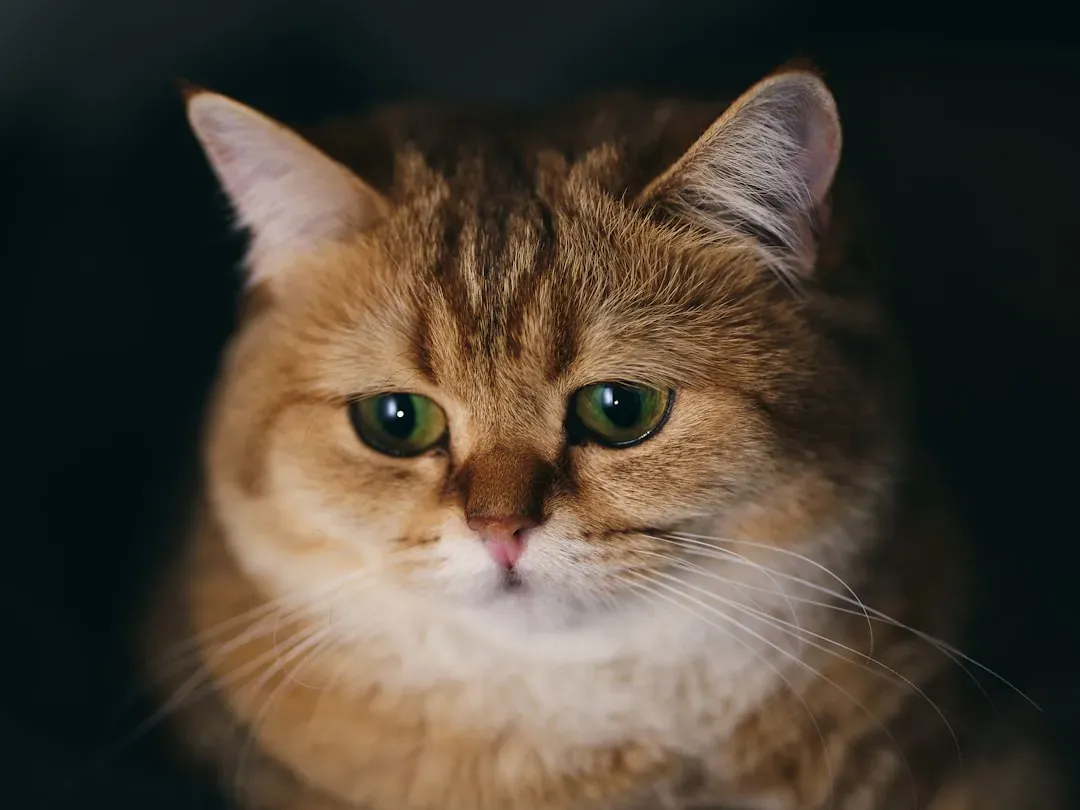
Here’s the harsh truth: the cruel mistake most people make is treating their cat like a self‑sustaining decoration that just needs food and water. You might think, as long as there’s a big bowl of kibble and a full water dish, you’ve done your job. But your cat is not a peace lily you can park in a sunny corner and forget about until Sunday night. Your cat is a social, territorial, highly sensitive animal that notices every little change in your home. When you vanish for two days with no explanation and no extra support, your cat can end up anxious, bored, dehydrated, or even ill. The weekend might feel short to you, but to a cat with nothing to do and no one to check on them, it can feel like a long, confusing silence.
The emotional toll: your “independent” cat misses you more than you think
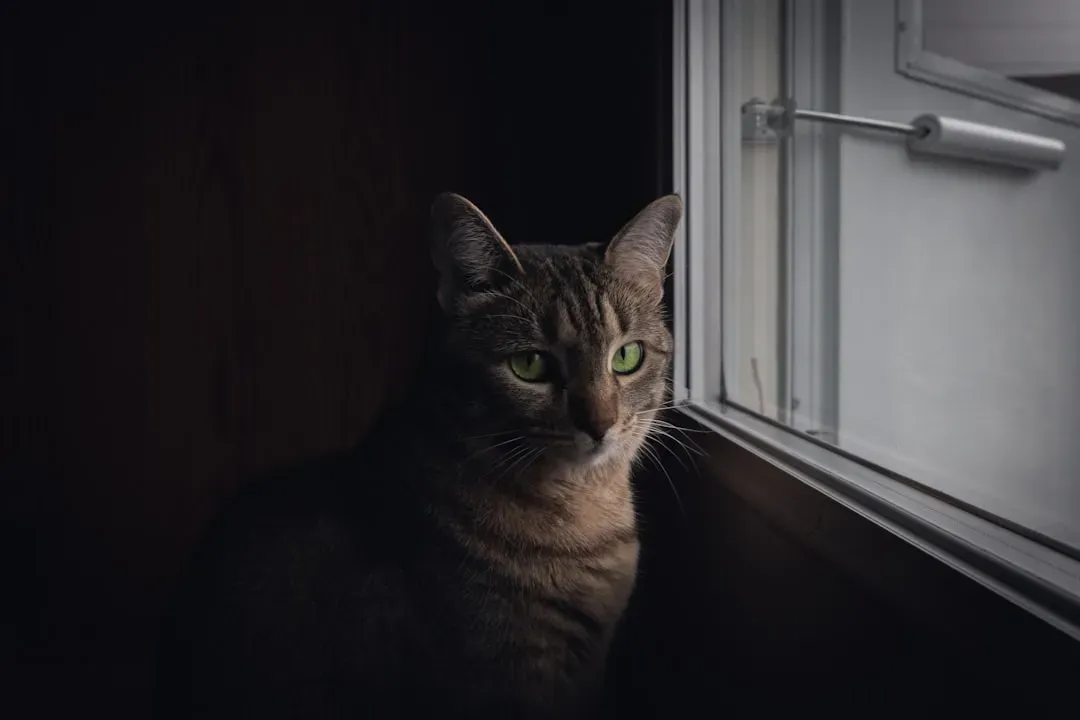
You have probably heard people say cats are aloof and do not really care if you are around. That myth makes it far too easy to underestimate how attached your cat actually is to your daily routine, your voice, and even the sound of your keys in the door. Many cats form quiet but deep bonds and show stress in subtle ways when that bond is suddenly disrupted. When you leave for the weekend, your cat loses not just your presence, but the entire rhythm of the day: the times you feed, talk, play, and move around the house. Some cats respond by sleeping even more; others over‑groom, vocalize, or hide. You might dismiss those changes when you get home as “they’re just being weird,” but they can be your cat’s way of saying the separation hit harder than you realized.
Food mistakes: overfilling bowls and underestimating risk
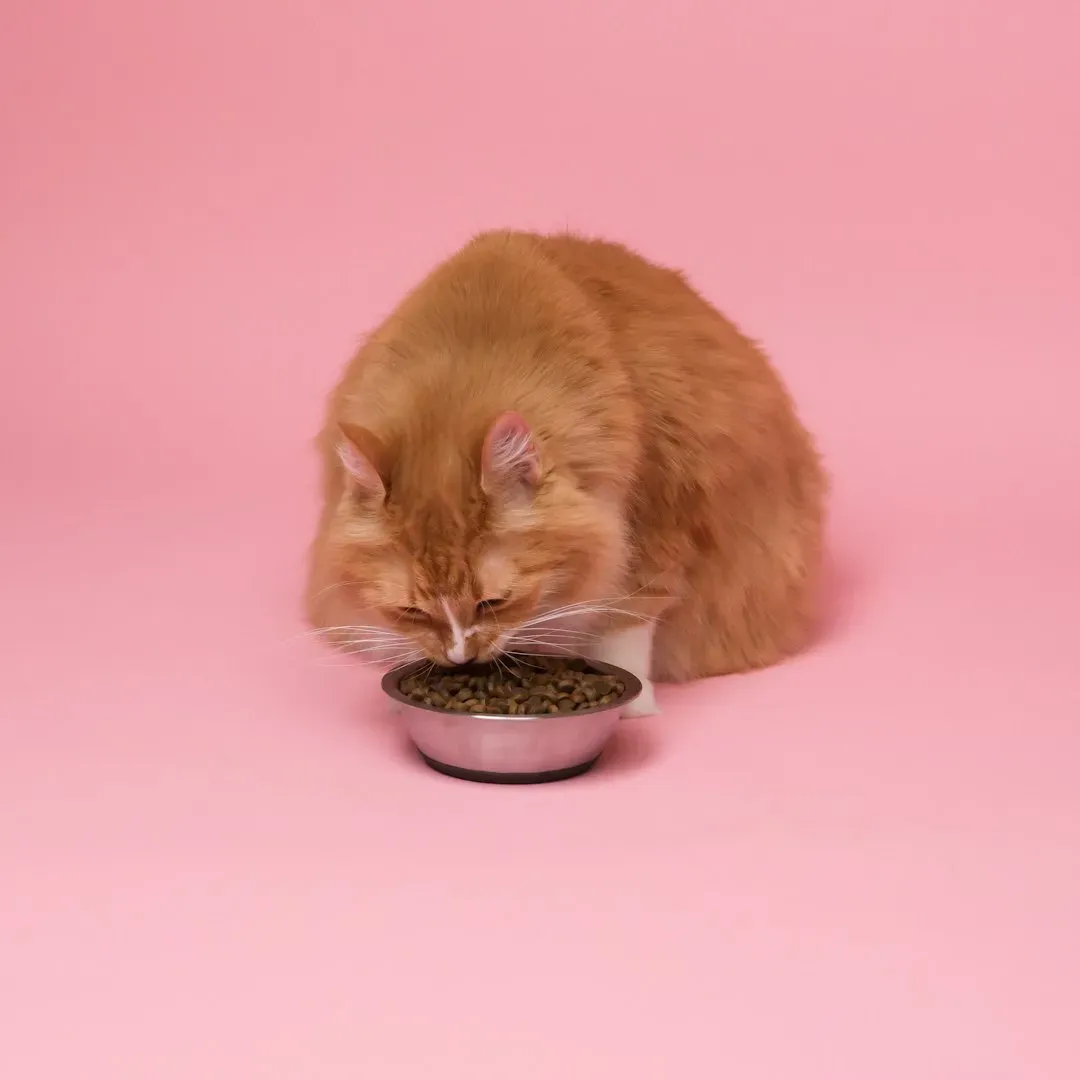
A lot of owners solve the “food problem” by simply dumping extra kibble into a large bowl and calling it a day. It feels generous, but it creates two big issues: overeating and spoiled food. Many cats will eat out of boredom or anxiety, not hunger, and coming home to an empty giant bowl can mean your cat binged in the first twelve hours and spent the rest of the weekend hungry and uncomfortable. On top of that, if you feed any wet or semi‑moist food and leave it out, it can dry out, attract insects, or grow bacteria while you are gone. Even kibble can get stale or contaminated if your cat bats it out of the bowl and it sits on the floor for days. A timed feeder that dispenses controlled portions or a trusted human to feed on schedule is not a luxury; it is basic safety.
Water worries: why “a full bowl” is not enough
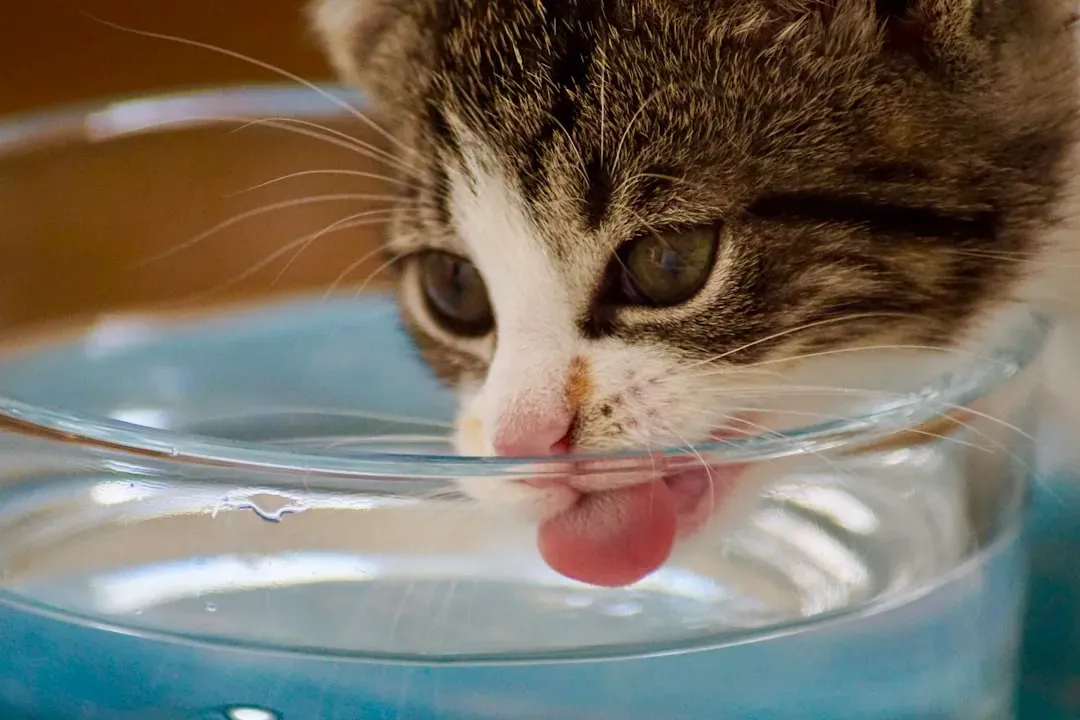
You probably feel good leaving a big, heavy bowl of water out, thinking it will last the whole weekend. The problem is that cats are notorious for being picky drinkers and naturally do not drink much even when everything is perfect. If that bowl gets spilled, soiled, or just unappealing, your cat may go many hours without proper hydration, and cats’ kidneys are not forgiving about that. A single overturned bowl can leave your cat without water for an entire day, and it only takes a sudden zoomie, a chase with a toy, or a clumsy jump to make that happen. Using multiple water sources, a sturdy fountain, or even placing extra bowls in different rooms significantly lowers the risk. It is the kind of simple redundancy that feels excessive until the one time it saves your cat from going thirsty while you are miles away.
Litter box neglect: invisible problems that build up fast
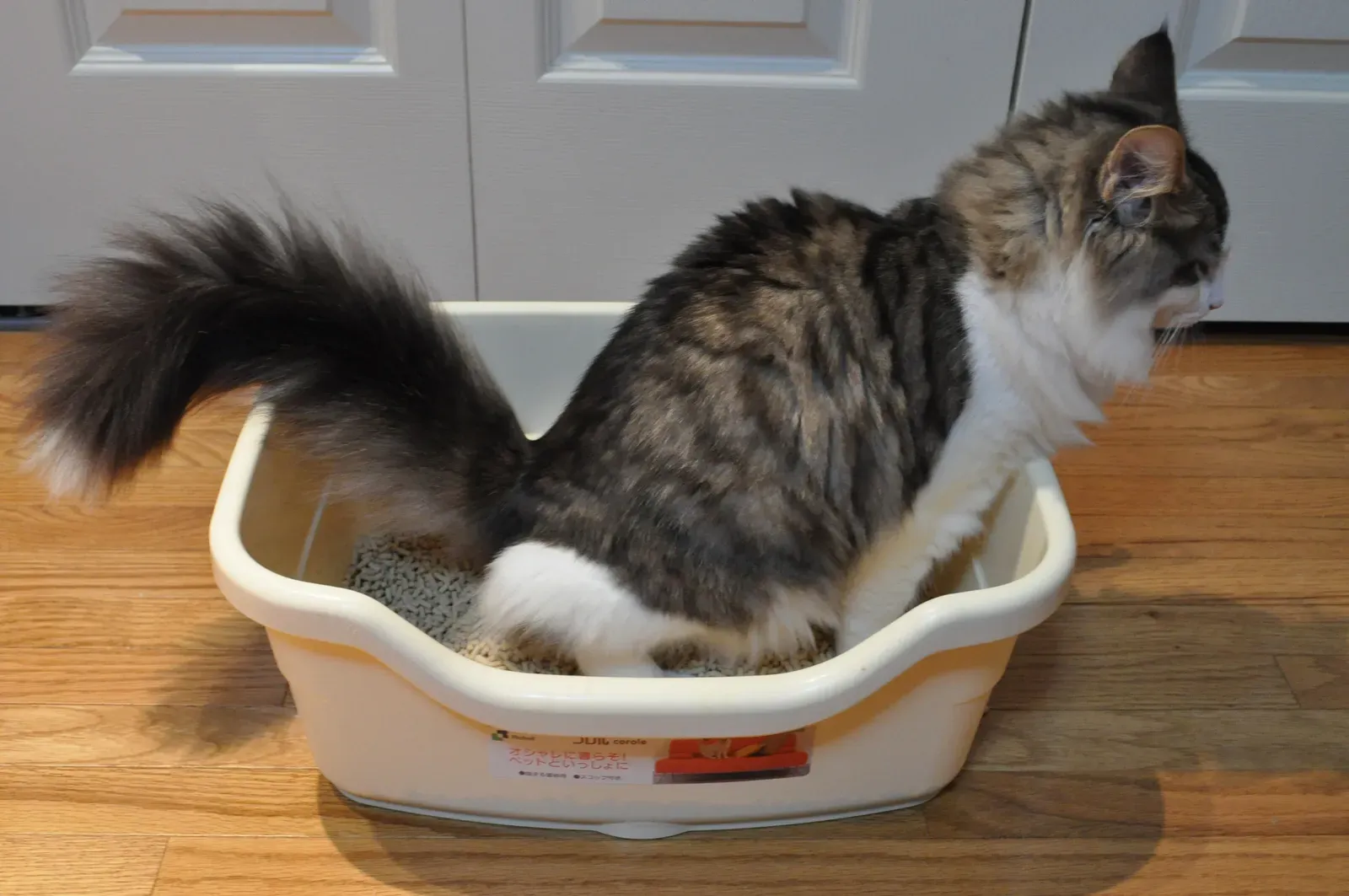
Litter boxes are out of sight, out of mind when you are in travel mode, but they can become a serious issue over a weekend. If you leave without scooping, the box is already partway to gross before you even lock the door. Add two or three days of waste on top of that, and the smell and ammonia can drive a sensitive cat to avoid the box altogether. When a cat starts holding urine or choosing random corners of the house because the box is too dirty, you risk more than a mess. Holding urine for too long can contribute to urinary tract problems, especially in male cats, and stress around the litter box is a common factor. Scooping right before you leave, providing at least one extra box, or having someone visit to clean it can prevent both health issues and nasty surprises on your carpets.
Boredom and anxiety: the silent weekend suffering
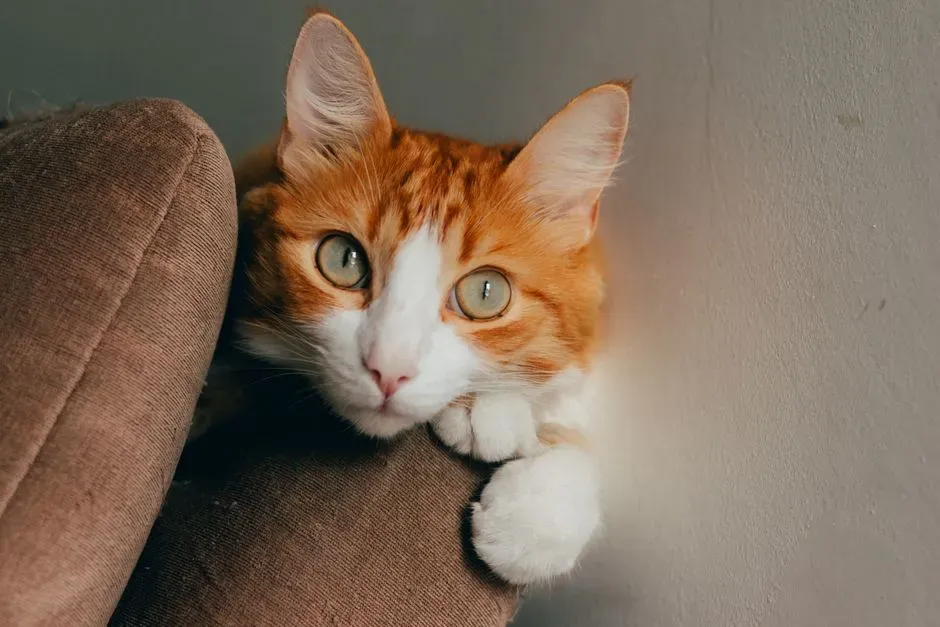
Imagine being stuck in your house all weekend with no phone, no internet, no TV, no books, and no one to talk to. That is what many cats face when you leave without planning for their mental needs. With no new stimuli, no play, and no interaction, boredom can morph into stress, and stress can slowly chip away at your cat’s well‑being. Cats do not always show that misery dramatically. Instead, you might notice more scratching on furniture, new hiding spots, or over‑groomed patches of fur over time. Simple enrichment like interactive toys, puzzle feeders, window perches, and even leaving safe boxes or paper bags to explore can turn a dead‑silent weekend into something your cat can handle much more easily.
Environmental hazards: what can go wrong when no one is watching
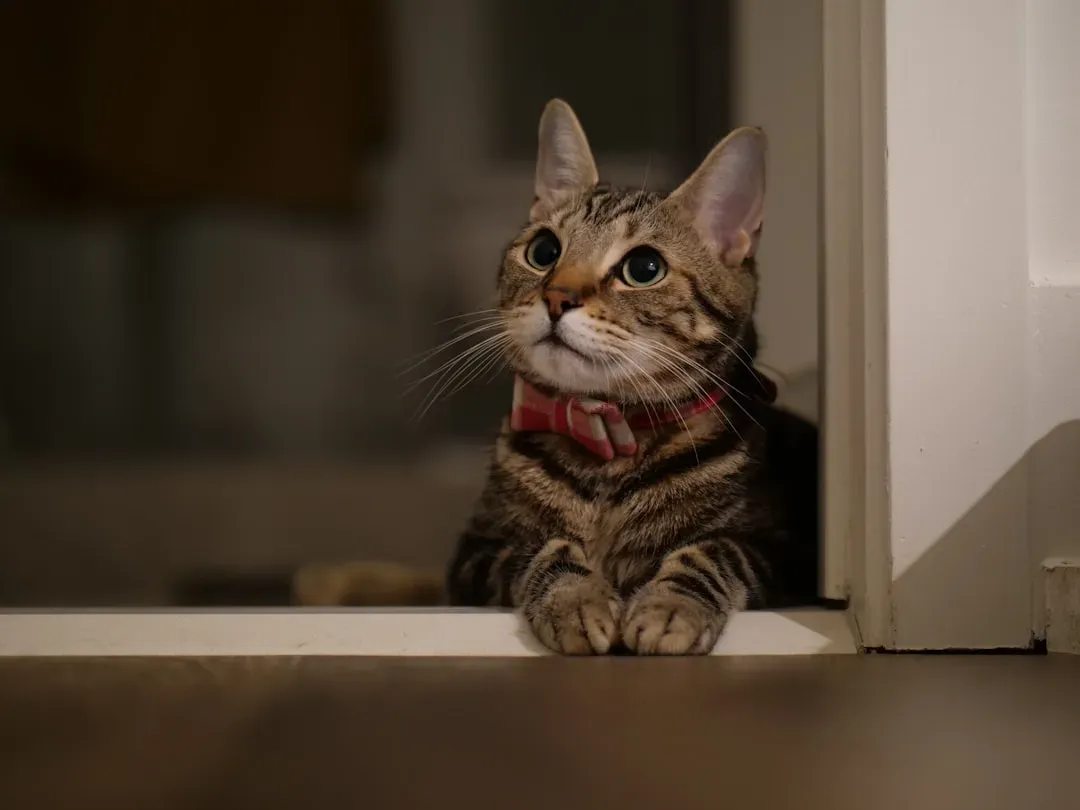
When you are home, you catch little accidents before they get serious: a broken glass, a tipped plant, a curtain your cat gets tangled in. When you are gone, those same minor mishaps can escalate. A stuck collar, a paw caught in a toy string, or a swallowed piece of plastic can go unnoticed for critical hours if nobody is checking in. You might feel your home is “cat‑proofed,” but cats are creative and their curiosity does not take weekends off. Before you leave, you want to scan your place as if you are looking at it through your cat’s most mischievous mood: cords, plastic bags, hair ties, ribbons, plants, and small objects all become potential trouble. Pair that with at least one real check‑in from a human, and you drastically cut the risk of a minor issue becoming an emergency.
Why a human check‑in beats any gadget
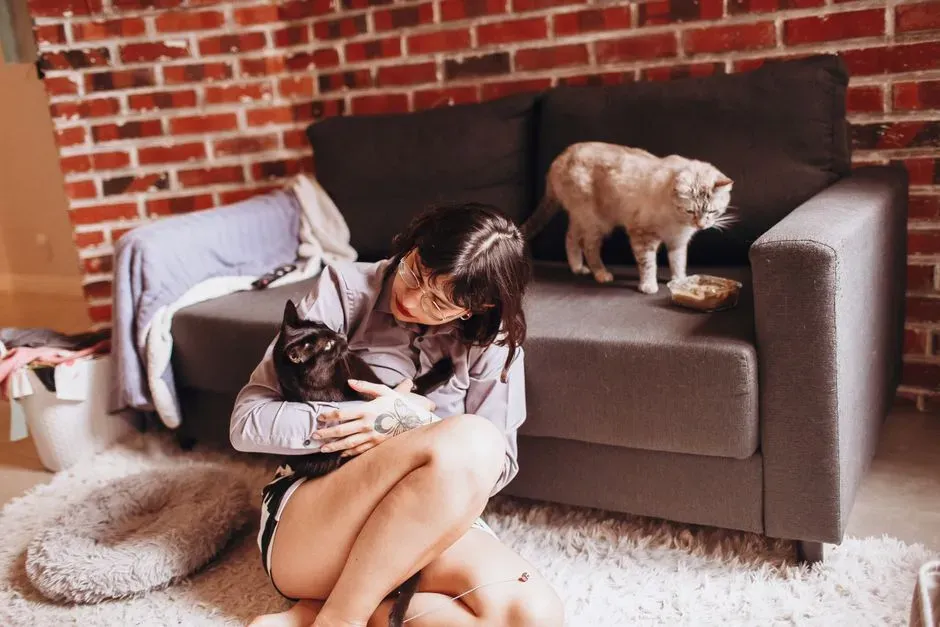
Technology can help, but it is not a complete solution. Timed feeders, cameras, and fountains are useful tools, yet all of them can fail: power cuts out, Wi‑Fi drops, a feeder jams, a fountain gets unplugged. If you rely fully on gadgets, you are still assuming everything will go perfectly for forty‑eight hours, and life rarely gives that guarantee. A trusted neighbor, friend, or pet sitter popping in at least once a day offers something you cannot automate: judgment. A human can notice if your cat seems off, if the litter box looks worrying, if food is untouched, or if there is vomit on the floor. That visit can be the difference between catching a brewing health issue early and coming home to a crisis you wish you had seen sooner.
How to leave your cat alone the kind way
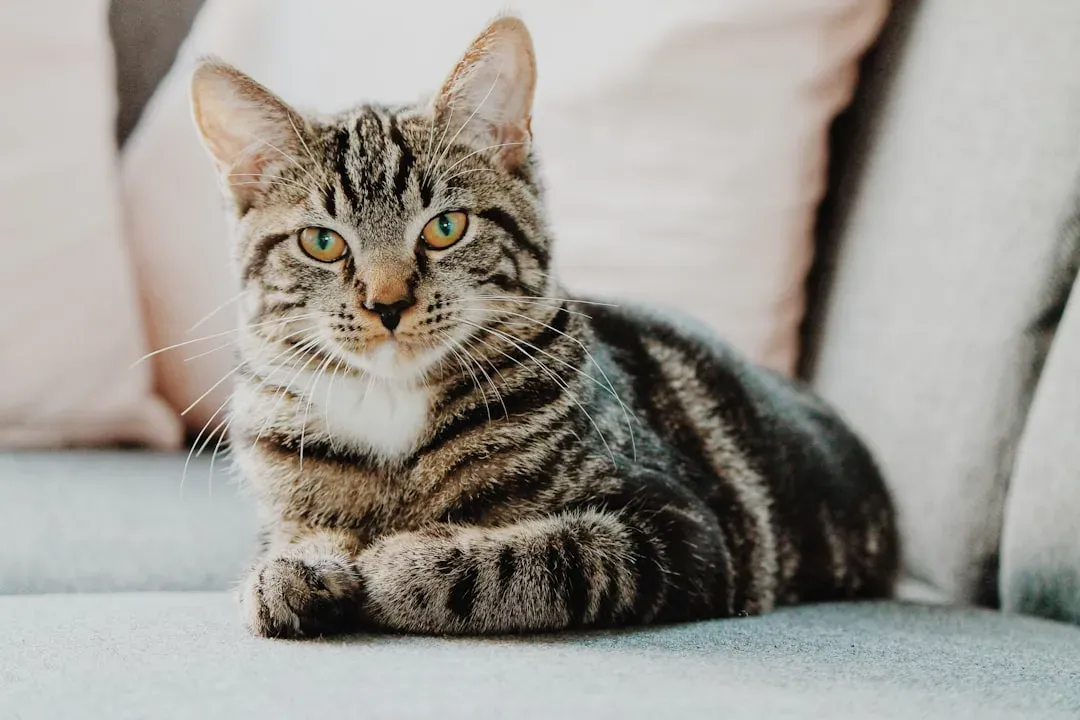
If you are feeling a bit guilty right now, that is actually a good sign; it means you care enough to do better next time. The kind way to leave your cat alone for a weekend involves planning, not just hoping. You put thought into food (measured portions, maybe a feeder), water (multiple stable sources), litter (fresh and maybe extra boxes), enrichment (toys, perches, safe hiding spots), and, ideally, at least one daily visit from someone you trust. You are not being dramatic or overprotective by making those arrangements; you are acknowledging that your cat is a living, feeling creature who experiences time and absence differently than you do. When you take those simple steps, you stop treating your cat like a hardy houseplant and start treating them like the vulnerable, sensitive friend they actually are. The next time you grab your weekend bag, you will walk out the door knowing you have truly set your cat up to be safe and as happy as possible while you are gone.
Conclusion: turning guilt into better weekends for your cat
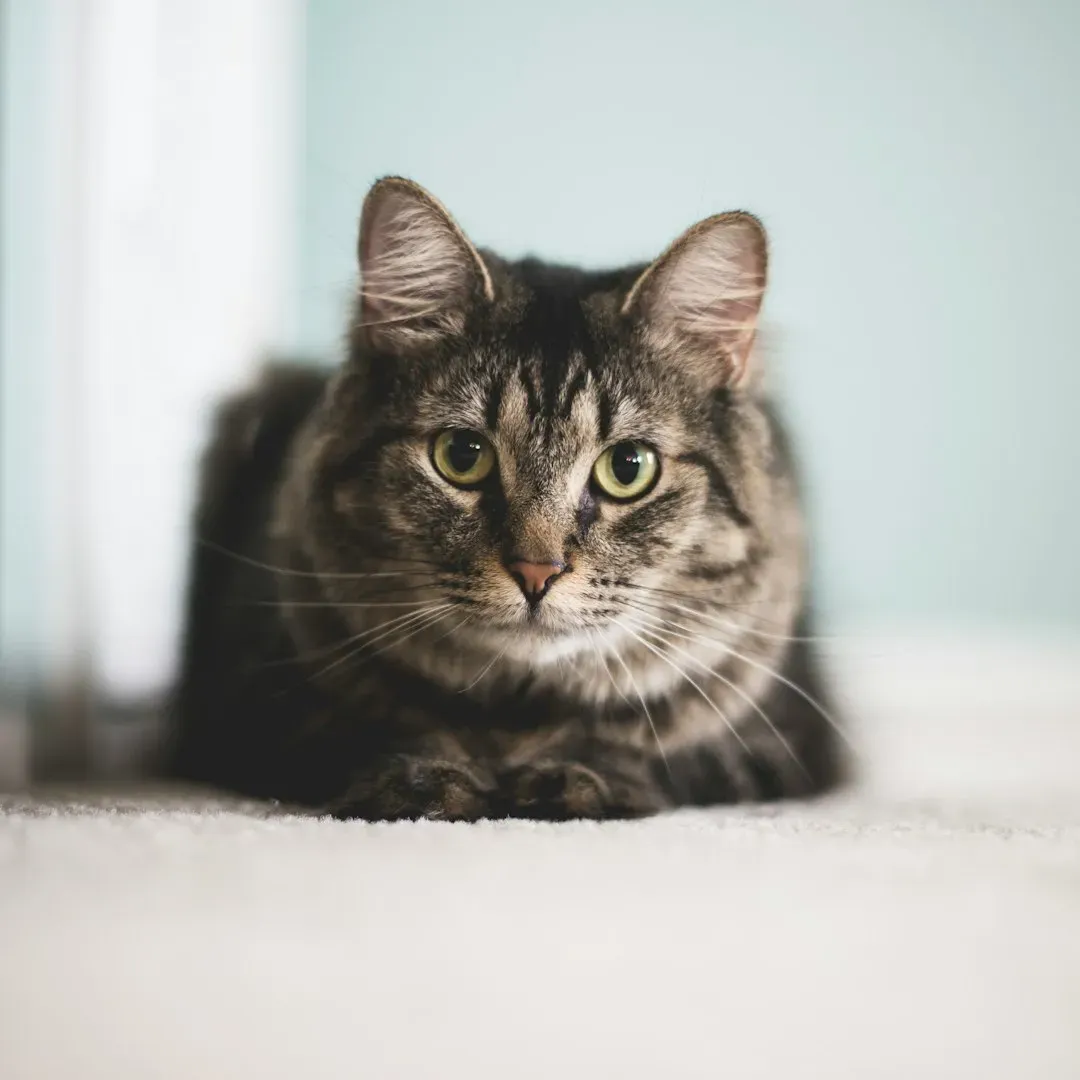
The cruel mistake is not that you leave your cat; it is that you underestimate what that absence really means from their point of view. Once you understand that a lonely weekend can affect their emotions, health, and safety, you cannot unsee it, and that discomfort can become a powerful motivator to change how you plan your trips. By building in backups for food and water, keeping litter clean, enriching their environment, and arranging a human check‑in, you turn a risky, stressful stretch of time into something your cat can genuinely cope with. You will still get your getaway, but your cat will not have to pay the quiet price for your convenience. Now that you know what most owners get wrong, how will you set things up differently before your next weekend away?