
Have you ever wondered what your brain is truly capable of achieving? Your mind holds capabilities far beyond what you experience in everyday life. Scientists continue uncovering remarkable findings about how your brain adapts, learns, and transforms itself throughout your entire lifetime. The possibilities are genuinely extraordinary.
Most people go through life never tapping into the incredible potential residing between their ears. Your brain isn’t some fixed, unchangeable organ that stops developing after childhood. It’s a dynamic, constantly evolving powerhouse that responds to every experience, every challenge, every new skill you attempt to master. Think of it as a garden that flourishes with the right care and attention, rather than a machine with predetermined limits.
Let’s be real here. The journey to unlocking your brain’s full potential isn’t about discovering some hidden switch that suddenly makes you superhuman. It’s about understanding how your brain actually works and using that knowledge to enhance your cognitive abilities, sharpen your memory, and expand your mental horizons in ways that feel both achievable and transformative. So let’s dive in.
The Remarkable Truth About Brain Capacity
You’ve probably heard the persistent myth that humans only use about one tenth of their brain capacity. The idea that we use 10 percent of our brain is 100 percent a myth. We use virtually every part of the brain, and most of the brain is active almost all the time, according to neurological research.
Using brain imaging techniques, researchers show that most of our brain is in use most of the time, even when a person is performing a very simple action. Even during rest or sleep, your brain remains remarkably active, processing memories, consolidating learning, and performing essential maintenance functions. This constant activity demonstrates that your brain isn’t some vast wilderness of untapped potential waiting to be activated.
The real question isn’t about accessing unused parts of your brain. Instead, it’s about optimizing how efficiently your brain functions and how well different regions communicate with each other. The human brain operates near full capacity for its size and energy use. Understanding this helps people appreciate that intelligence isn’t about unlocking new parts of the brain but about how effectively we use and develop the ones we already have.
Neuroplasticity: Your Brain’s Superpower
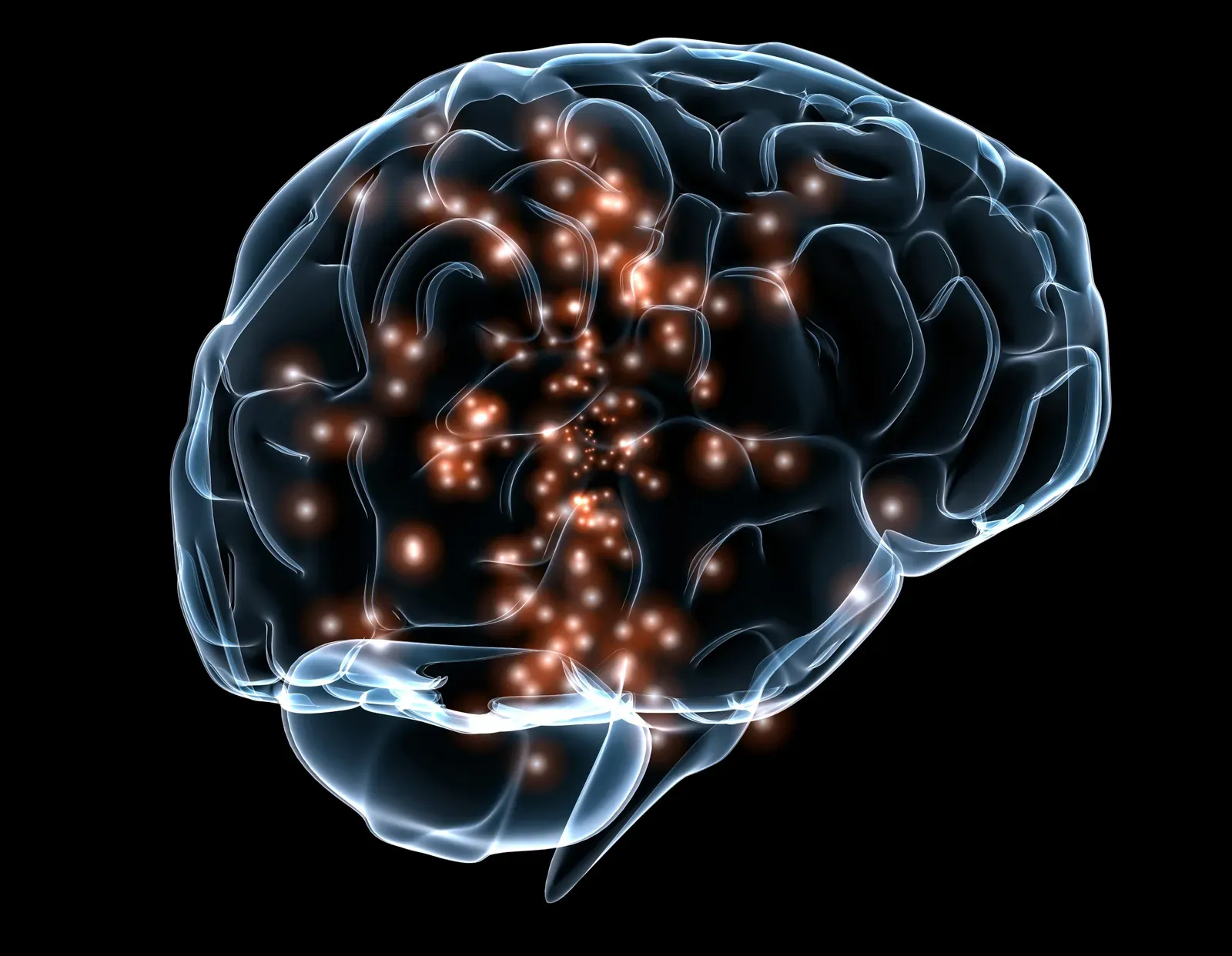
Neuroplasticity, the brain’s ability to adapt and reorganize, is key to recovering from stroke, traumatic brain injury, and neurodegenerative disease. Here’s where things get fascinating. Once believed to occur only during early development, research now shows that plasticity continues throughout the lifespan, supporting learning, memory, and recovery from injury or disease.
Your brain can literally rewire itself based on your experiences and actions. The more we repeat a certain thought, feeling, or behaviour, the stronger that neural pathway becomes. Think of it like creating trails through a forest. The more you walk a particular path, the clearer and easier it becomes to traverse. Similarly, when you practice a skill repeatedly, those neural pathways strengthen and become more efficient.
Neuroplasticity supports functional recovery by rerouting neural pathways and forming new connections. This means your brain can compensate for damaged areas by recruiting other regions to take over lost functions. The implications are staggering when you consider what this means for learning, recovery, and personal growth at any age.
Breaking Old Patterns and Building New Ones

By repeating certain actions, thoughts, or behaviors, we create neural pathways that make those habits automatic over time. This means we can harness this power to change behaviors, boost productivity, and even reframe our mindset. By choosing our habits wisely, we effectively shape the lives we lead.
Your brain loves efficiency. Once it learns a pattern, it tries to automate it to conserve energy. This works beautifully for useful habits but becomes problematic when you’re stuck in negative patterns. The good news? The brain changes most reliably in response to small, consistent shifts that it can actually sustain. Ten minutes of true focus practiced daily can be more powerful than a once-a-month marathon effort.
Starting small matters more than most people realize. Instead of attempting massive overnight transformations, focus on incremental changes that your brain can actually integrate. Whether you’re trying to develop a meditation practice, learn a new language, or change how you respond to stress, consistency beats intensity every single time.
The Power of Physical Exercise on Brain Function

Aerobic exercise plays a critical role in promoting neuroplasticity, as it triggers the release of brain growth factors. Physical movement isn’t just about keeping your body healthy. Physical exercise has been associated with increased neuroplasticity, neurotrophic factors, and improvements in brain function.
Aerobic exercise appears to have the most significant impact on brain function, promoting neurogenesis, angiogenesis, and the release of neurotrophic factors such as brain-derived neurotrophic factor, thus enhancing cognitive function and potentially mitigating cognitive decline associated with ageing or neurodegenerative diseases. Even moderate exercise like walking can produce measurable benefits for your cognitive abilities.
Research indicates that you don’t need to become an ultra-marathon runner to experience these benefits. Most significant gains began to occur after about cumulative 50 hours of exercise over about four to six months. That is an average of two to three hours every week for four to six months. The key is consistency rather than intensity, making exercise one of the most accessible tools for enhancing your brain’s capabilities.
Learning New Skills Transforms Your Brain

Learning new things stimulates the brain and encourages it to rewire itself and change throughout life. By learning new activities, our brain can develop new neural connections and thus alter its physical structure. When you challenge yourself to acquire new skills, you’re literally reshaping your brain’s architecture.
Learning a new language may help improve cognitive function. Learning a new language may help increase gray matter volume in the brain. Musical training produces similar effects. Playing music has recently gained attention as a possible way to promote brain plasticity. Results suggest that learning music can improve different aspects of memory.
The beautiful thing about learning new skills is that the difficulty itself is what drives brain growth. Your brain doesn’t improve by doing what’s already easy. It strengthens when you push beyond your comfort zone and tackle challenges that require genuine mental effort. Whether you’re learning to play chess, picking up a musical instrument, or studying a foreign language, the struggle is precisely what builds your cognitive capacity.
Memory Enhancement Through Proven Techniques

Your memory isn’t as fixed as you might think. Those that are highly adept at memorisation tasks encode information very effectively. The most common way of encoding large amounts of information effectively is with visualisation. This basically involves using mental imagery to represent the information you’re trying to remember.
Our working memory can hold approximately three to four units of information at one time. Chunking involves breaking down larger pieces of information into smaller, more manageable parts. This technique explains why phone numbers are formatted in groups rather than as one long string of digits. Your brain naturally seeks patterns and organization, so providing that structure makes recall significantly easier.
Testing yourself forces you to activate your recall memory processes. Flashcards are a great way to self-test. Studies show that retrieval practice can enhance recollection rather than simply restudying materials. Active recall beats passive review every time because it strengthens the neural pathways associated with that specific memory.
The Critical Role of Sleep and Stress Management

Sleep deprivation negatively affects a variety of cognitive abilities, including memory. Getting the recommended amount of quality sleep aids in procedural memory formation, which impacts learning new skills and helps with recalling stored information. As you sleep, your brain reorganizes memories, forming stronger connections between them.
Sleep isn’t just rest. It’s when your brain performs essential maintenance, consolidates memories, and processes information from the day. Consolidation is particularly strong during sleep. Students who went to sleep within three hours of learning material remembered nearly 16% more content than a group that waited 10 hours and then slept. This finding alone should revolutionize how you approach learning and memory retention.
Chronic stress can take a toll on brain function by increasing levels of cortisol, a hormone that can damage neurons and inhibit neuroplasticity. Managing stress through techniques like meditation, deep breathing, or spending time in nature isn’t just about feeling better in the moment. Mindfulness meditation is particularly effective. Regular meditation promotes structural and functional changes in brain regions responsible for attention, emotional regulation, and memory. Meditation is believed to support neuroplasticity by fostering the growth of new brain cells and connections.
Practical Daily Strategies for Brain Enhancement

Non-dominant hand exercises are excellent for forming new neural pathways, as well as strengthening the connectivity between existing neurons. Try brushing your teeth with your left hand and then try it while balancing on one leg for a double neuroplasticity bonus. These simple activities force your brain to work in unfamiliar ways, creating new connections and strengthening existing ones.
Foods that enhance and maintain memory function include walnuts, green tea, blueberries, pumpkin seeds, fish, oysters, whole grains and olive oil. Even dark chocolate with low sugar content is known to increase brain function. These foods contribute to enhanced prefrontal activity, leading to better memory and cognition, and lower the risk of dementia by nearly half.
Creating environmental variety also stimulates your brain. Travel to new places, take different routes to work, rearrange your furniture, or simply change where you sit when working. Travel may help enhance cognitive flexibility, inspire you, and enhance creativity. Experiencing new scenery and surroundings could also help you learn about different cultures and become a better communicator, both of which may have additional cognitive benefits. Your brain thrives on novelty and variation, so introducing regular changes keeps it engaged and growing.
Conclusion: Your Brain’s Journey Never Ends
Your brain’s potential isn’t something to unlock once and forget about. It’s an ongoing journey of growth, adaptation, and enhancement that continues throughout your entire life. Plasticity is retained throughout the lifespan from infancy to very old age, which means you’re never too old to improve your cognitive abilities or learn new skills.
The strategies outlined here aren’t theoretical concepts reserved for neuroscientists or memory champions. They’re practical, accessible tools that anyone can implement starting today. Small consistent efforts compound over time, reshaping your brain’s structure and function in ways that enhance memory, boost creativity, and sharpen cognitive abilities.
Your brain is remarkably resilient and adaptable, capable of far more than you might imagine. The question isn’t whether you can enhance your mental capabilities. The real question is: what will you do with this knowledge? Your brain is waiting, ready to grow and transform based on the challenges you give it and the care you provide. What’s your first step going to be?