

Imagine stumbling upon a creature that shatters everything you thought you knew about the animal kingdom—a living being so bizarre, so outrageously leggy, that it outpaces even the infamous millipede in the limb department. For centuries, we’ve marveled at millipedes, assuming they reigned supreme in the world of many-legged animals. But recent discoveries have upended this belief, revealing a mind-boggling new champion. Prepare to be amazed as we delve into the astonishing world of the true record-holder with the most legs ever discovered.
The Millipede Myth: A Century-Old Misconception
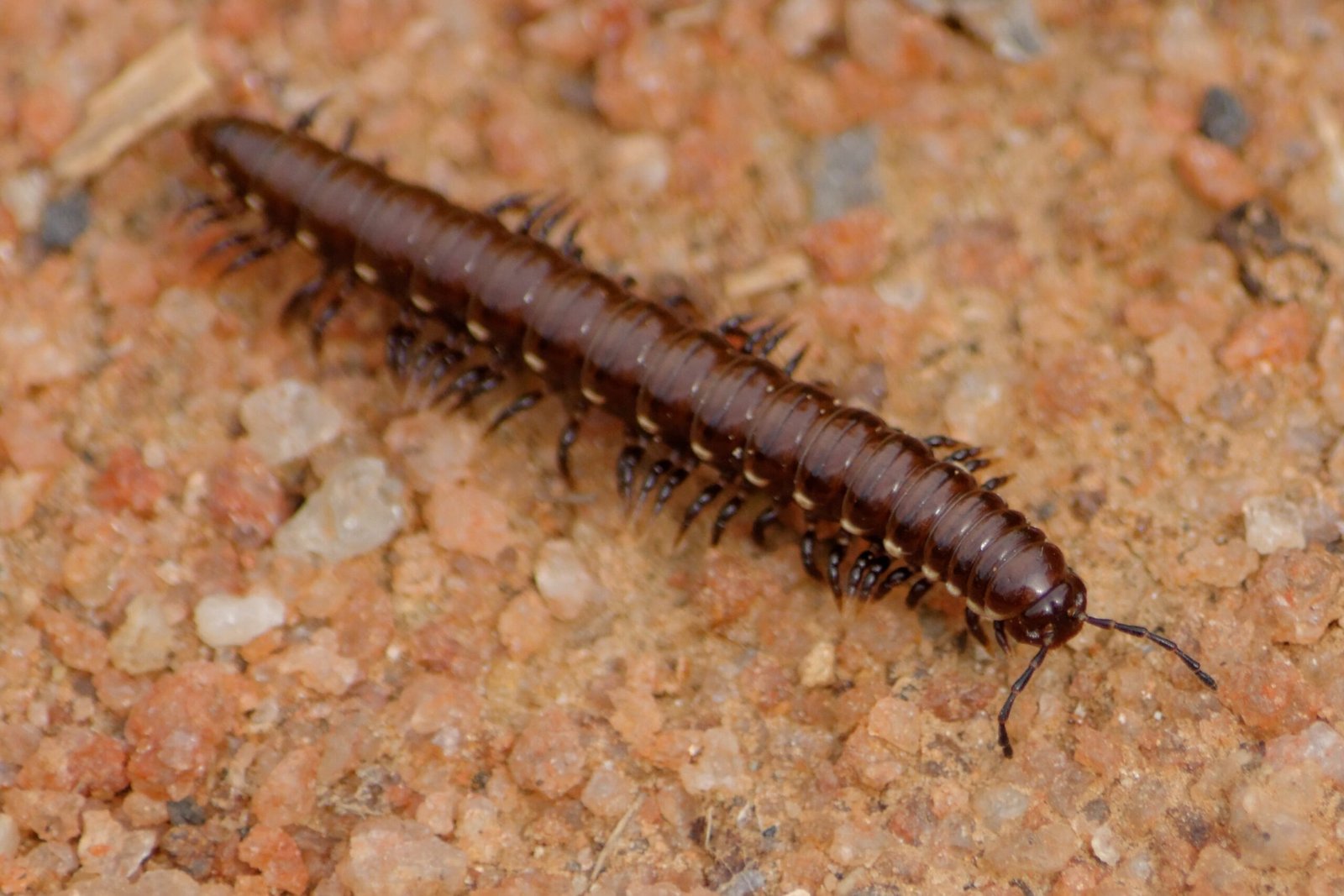
For generations, the millipede has stood as the poster child for leg abundance. Its very name—derived from the Latin for “thousand feet”—evokes images of endless, rippling legs. Yet, in reality, no millipede species ever truly boasts a thousand legs. Most common millipedes have only a few hundred, and even the “record holders” cap out at a little over 750. This discrepancy between myth and reality has persisted, perhaps because the sight of a millipede’s undulating legs is so mesmerizing and seemingly infinite. But science, with its relentless curiosity, has finally exposed the real leg champion.
Astonishing Discovery in the Depths: Eumillipes Persephone
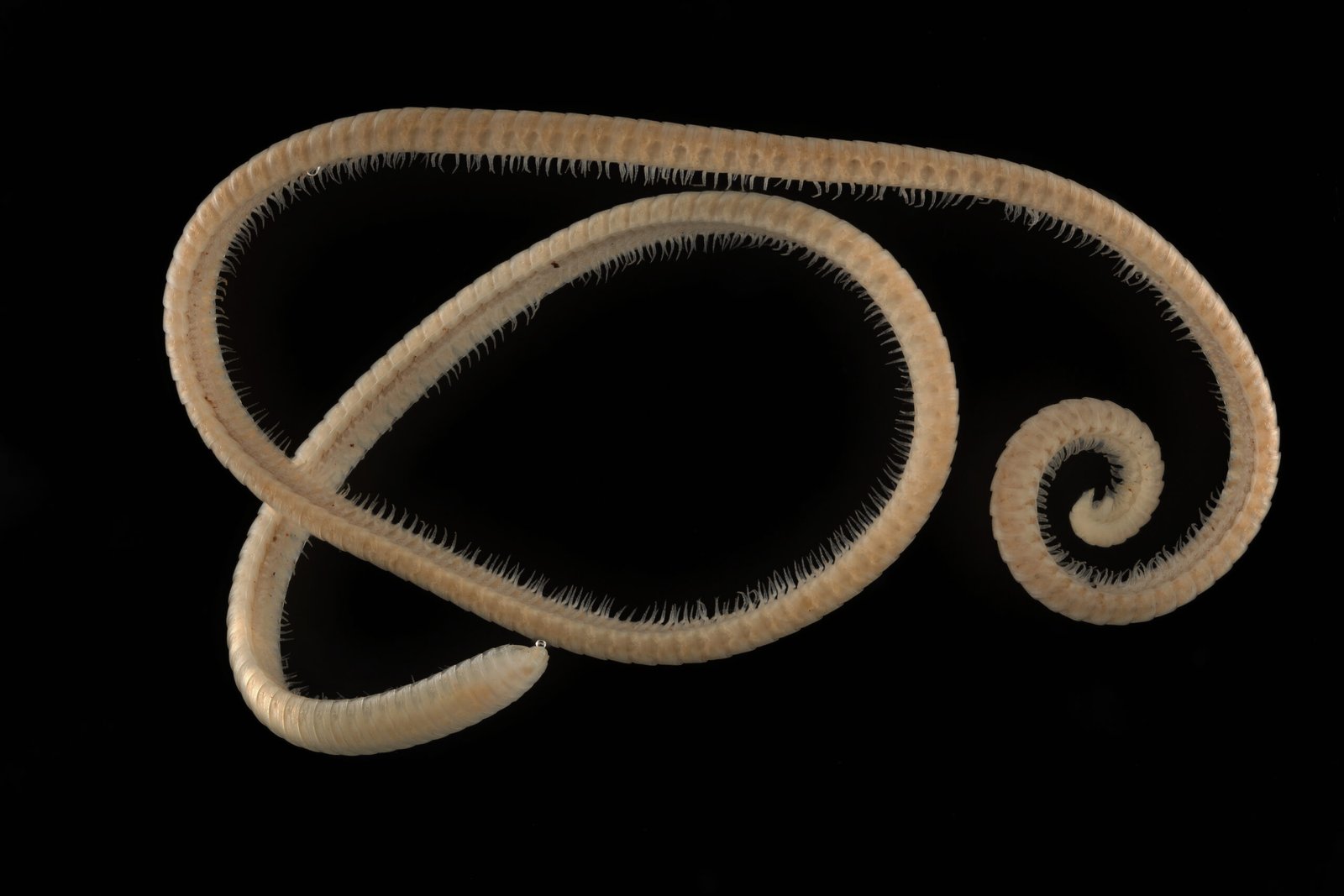
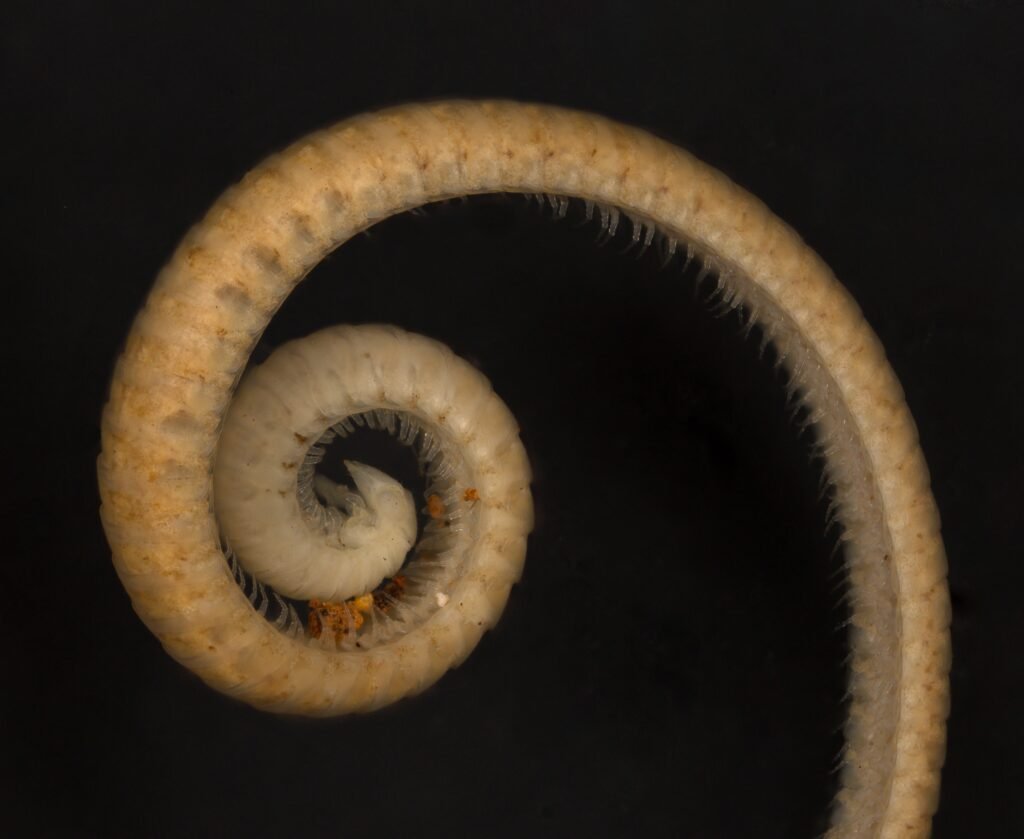
In 2021, biologists exploring deep beneath Western Australia’s soil uncovered a creature that would rewrite the record books: Eumillipes persephone. This unassuming, pale, thread-thin animal stunned the scientific world by sporting an unprecedented 1,306 legs. Unlike its above-ground relatives, Eumillipes persephone thrives in the dark, damp world of subterranean tunnels, away from sunlight and prying eyes. Its name, a nod to Persephone from Greek mythology—queen of the underworld—hints at its mysterious, hidden existence.
What Makes Eumillipes Persephone So Unique?
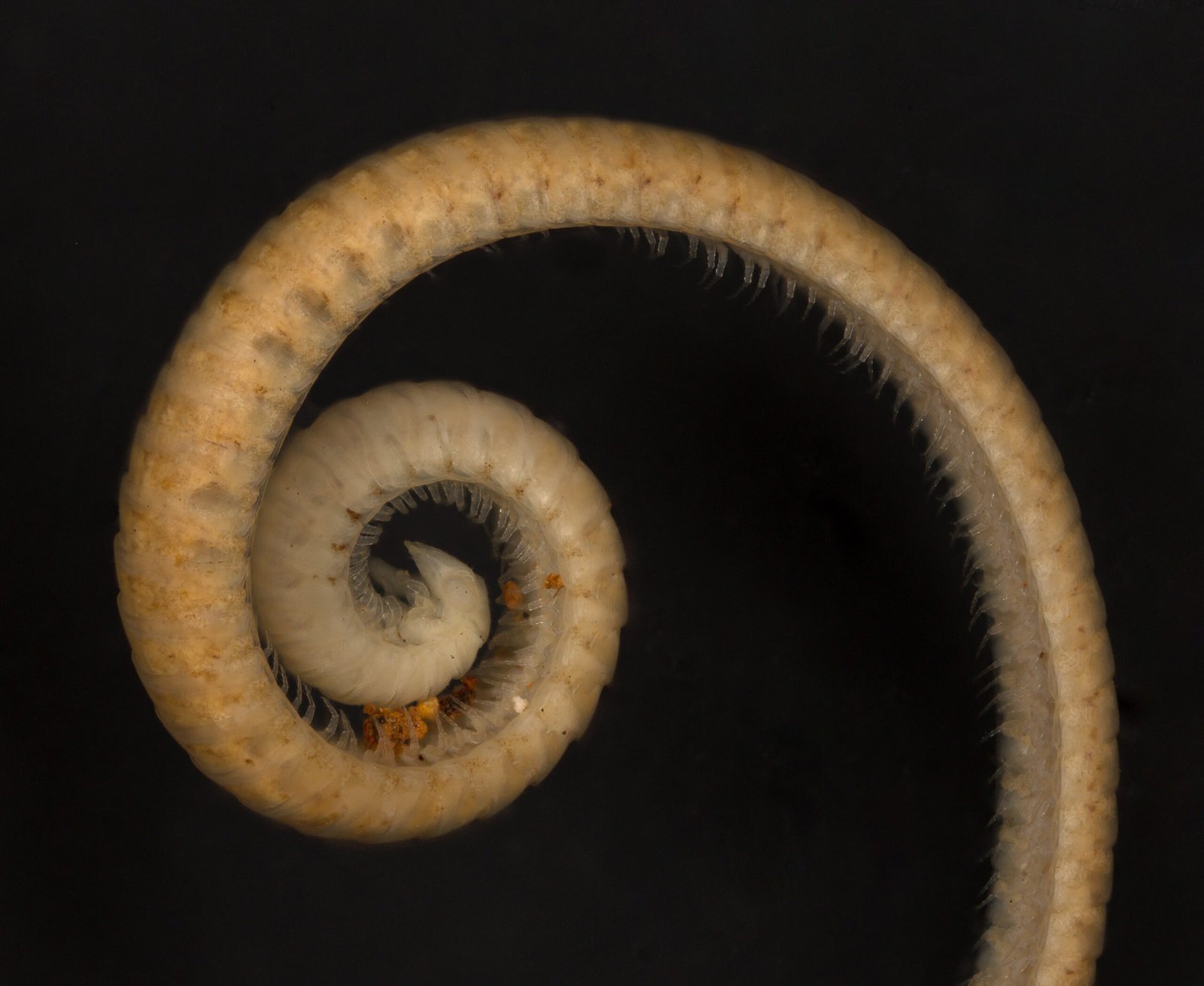
Eumillipes persephone doesn’t just win by numbers; its entire biology is tailor-made for extreme conditions. Adapted for life far below the surface, it has no eyes and a body that resembles a long, flexible thread. Its legs are not just for walking—they help it squeeze through tight spaces, burrow deeper into the earth, and sense its surroundings without relying on sight. This animal moves with fluid, snake-like motions, pushing the boundaries of what we thought possible in the arthropod world. Its discovery is a testament to nature’s ingenuity, revealing that the most extraordinary creatures may lurk in the most unlikely places.
Breaking the Millipede Mold: A New Standard
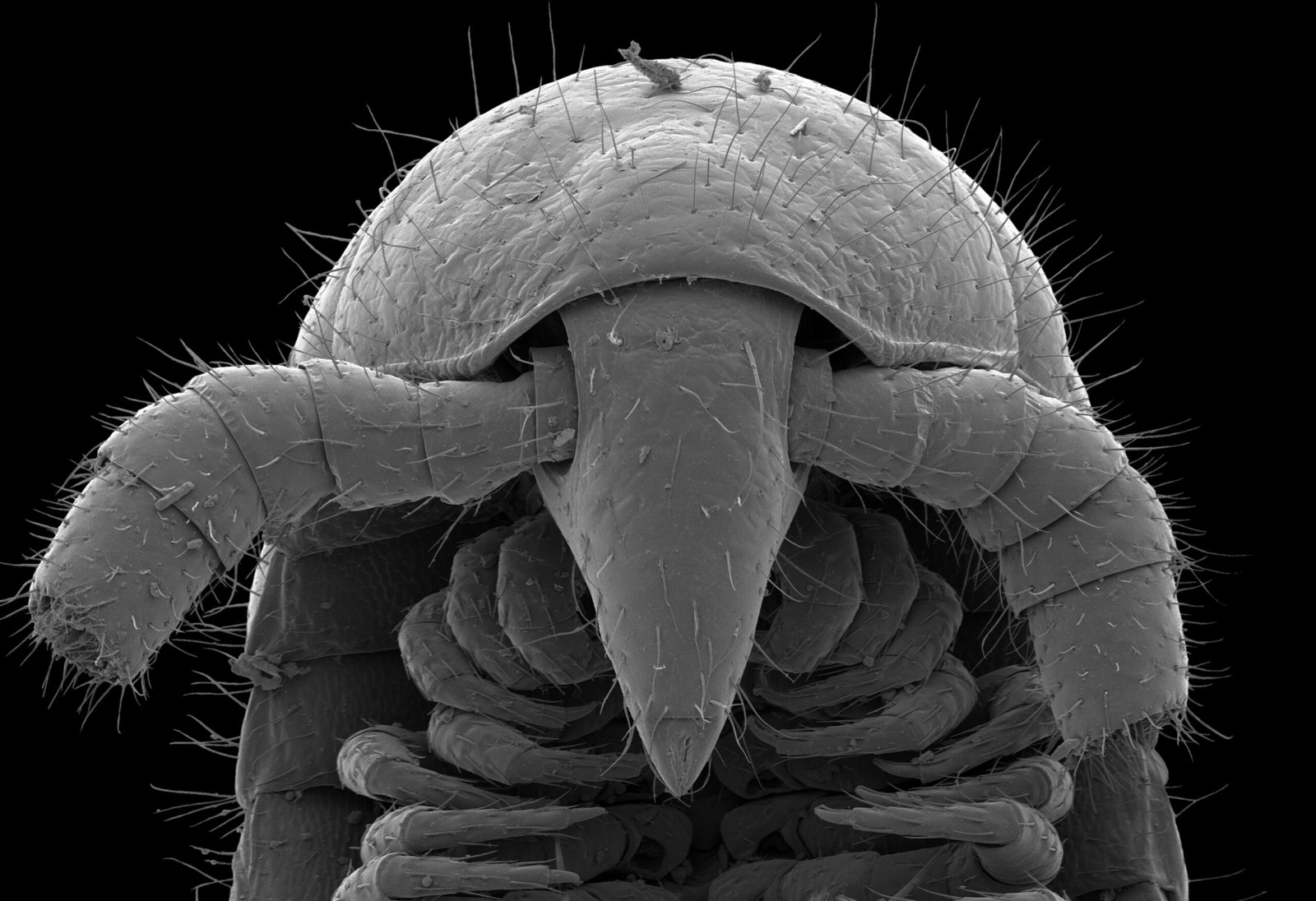
The discovery of Eumillipes persephone forced scientists to rethink the definition of a “millipede.” While it belongs to the same broad group, it is so different in form and lifestyle that it almost seems alien. Unlike the thicker, armored millipedes we find in gardens, Eumillipes is soft, delicate, and almost ghostly. Its record-breaking legs are arranged in pairs, running the length of its long body, each pair moving in perfect harmony. This new standard challenges our assumptions and shows that even familiar categories can hold wild surprises.
Why So Many Legs? The Evolutionary Advantage
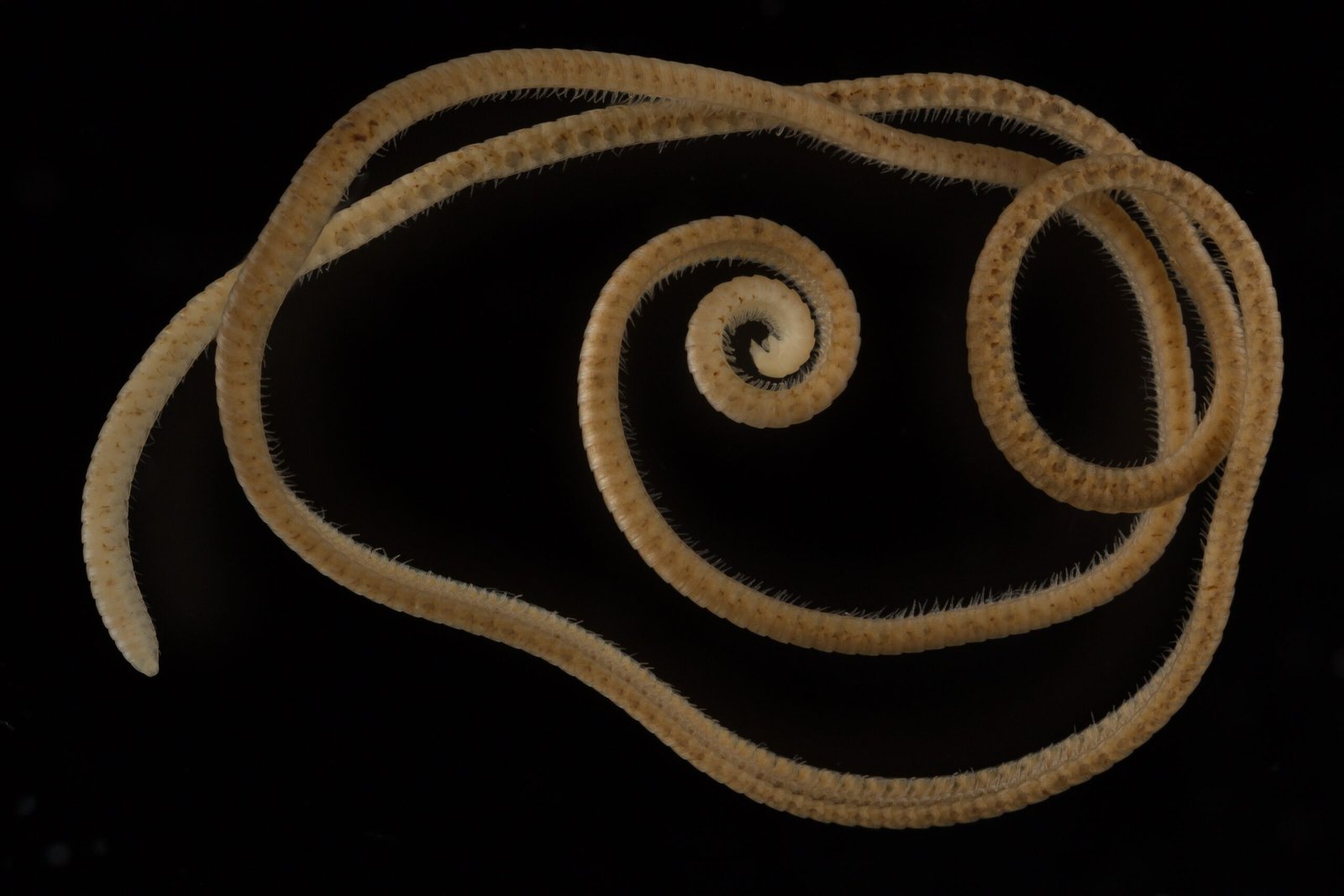
One of the most puzzling questions about Eumillipes persephone is: why does it need so many legs? Scientists believe the answer lies in its underground lifestyle. With hundreds of legs, it can push through soil, navigate labyrinthine tunnels, and maintain traction in loose or slippery environments. More legs also mean better stability and flexibility, allowing it to twist and turn with ease. For an animal that spends its entire life in darkness, every extra limb is an asset, helping it sense vibrations and changes in its environment that might signal food or danger.
The Search for Super-Legged Life: How Was It Found?
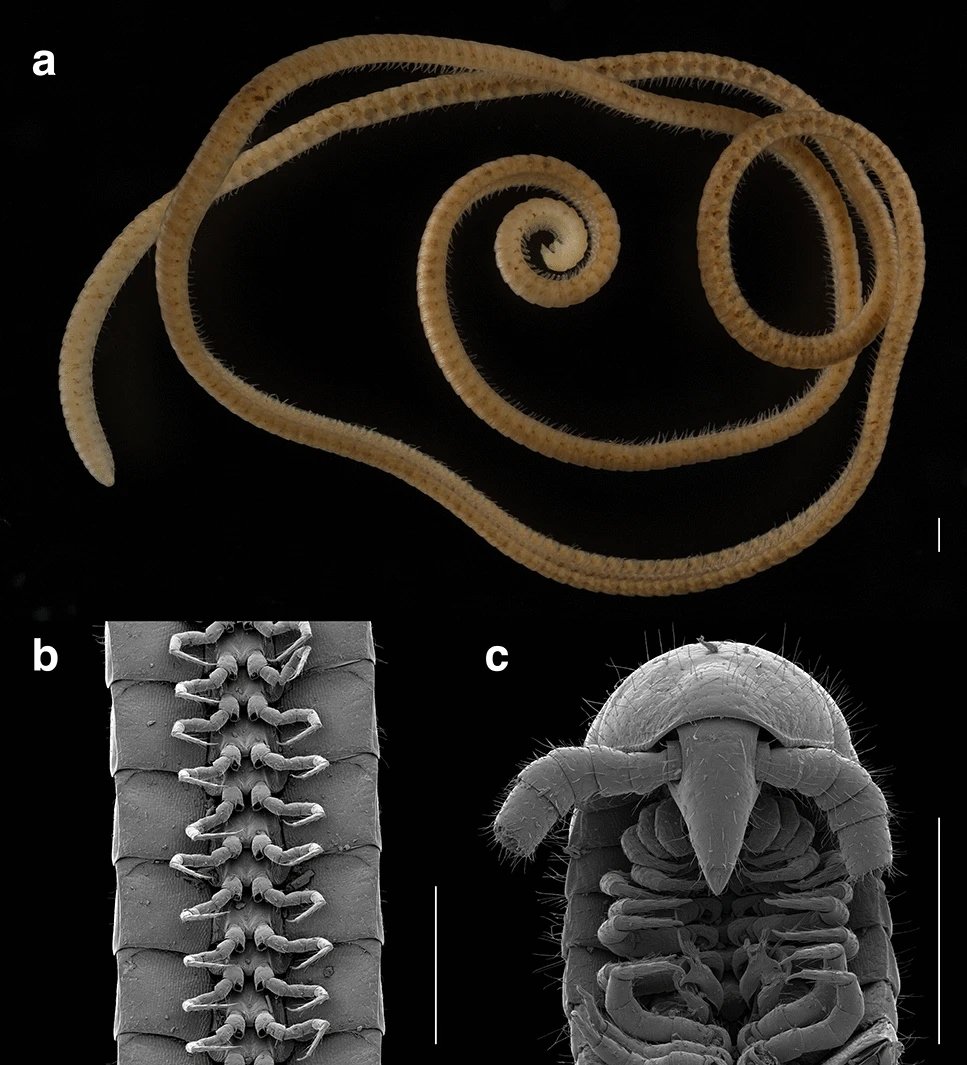
Discovering Eumillipes persephone was no simple feat. Researchers had to dig deep—sometimes over 60 meters below the surface—using specialized equipment to retrieve soil samples from unexplored caves and boreholes. It took patience, precision, and a little bit of luck to finally capture the elusive, leggy creature. When scientists first examined it under the microscope, they were stunned. Counting each pair of legs was a painstaking process, but the results were clear: this was a new world record, hidden in plain sight beneath our feet.
Legs, Limbs, and Legends: Other Record-Holding Creatures
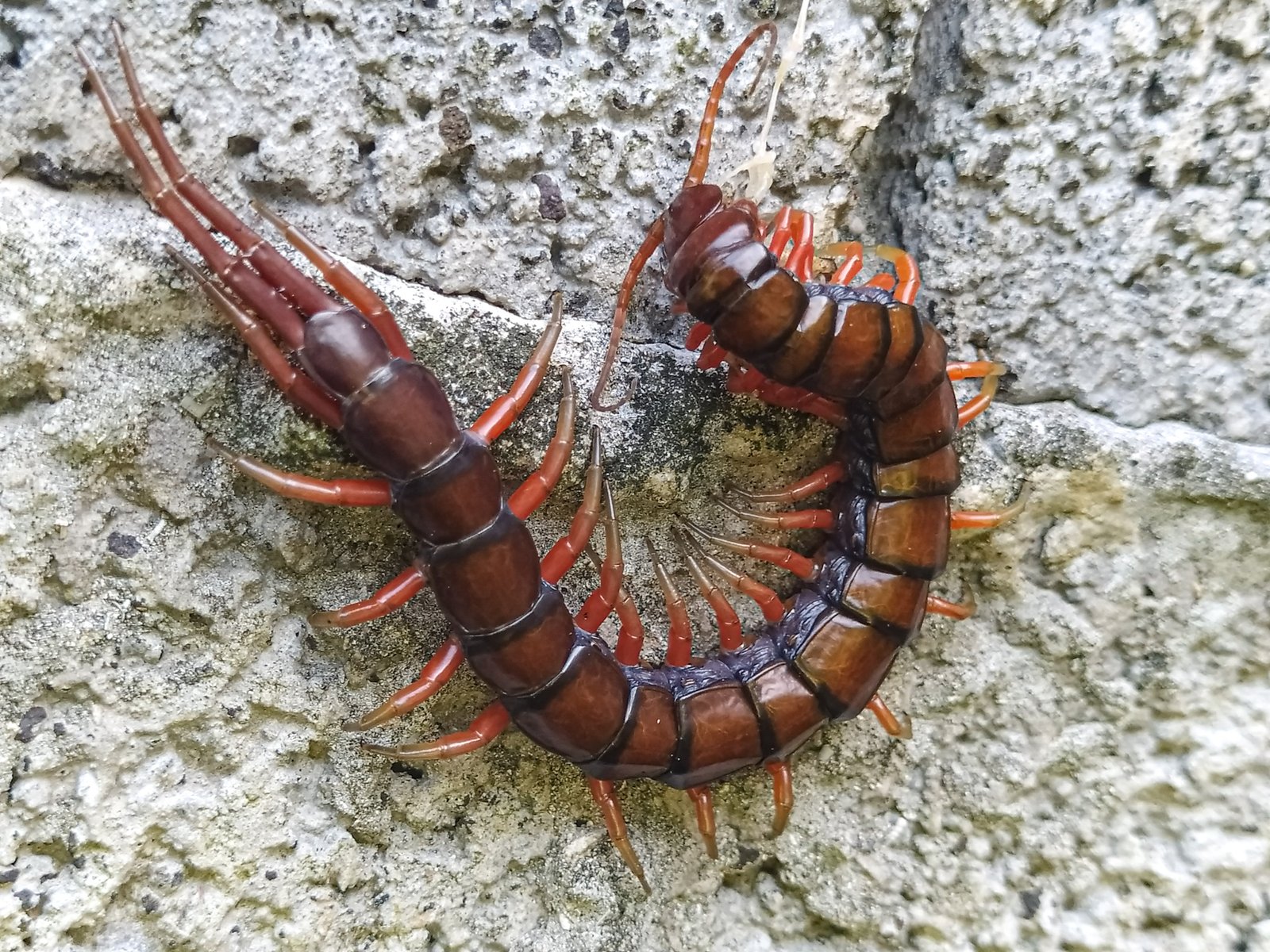
While Eumillipes persephone now wears the leg crown, the animal kingdom is full of other “multi-legged” marvels. Centipedes, for example, have far fewer legs—never more than about 354—but make up for it with speed and venom. Crustaceans like crabs and lobsters also sport many legs, but their numbers pale in comparison. Spiders, with their iconic eight legs, seem almost minimalist by comparison. Eumillipes stands alone, not only in leg count but in the sheer audacity of its evolutionary design.
How Scientists Count All Those Legs
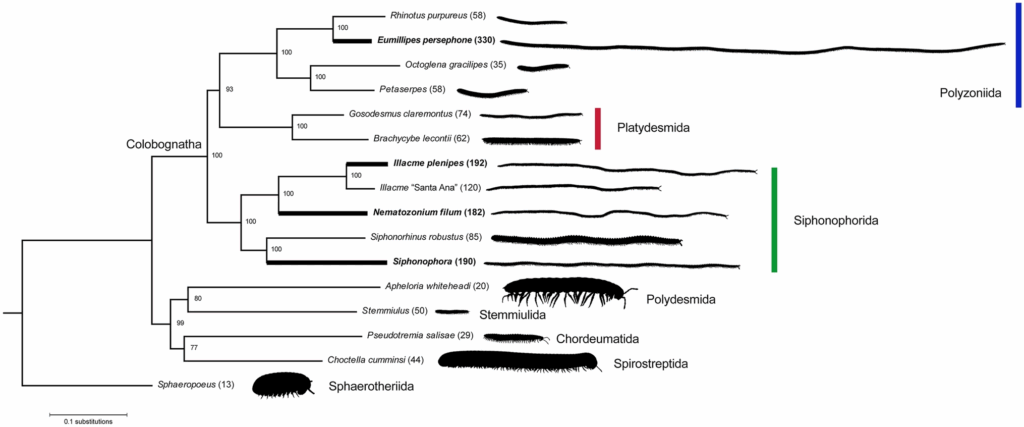
Counting the legs on Eumillipes persephone is no small task. Each tiny leg pair must be carefully separated and tallied under a microscope. Scientists use special dyes and imaging tools to make the legs stand out, ensuring no pair is missed. It’s a laborious process, requiring patience and a steady hand. For researchers, this painstaking counting is more than a technical challenge—it’s a moment of discovery, each pair of legs adding to the awe of what nature can achieve.
The Role of Extreme Environments in Evolution
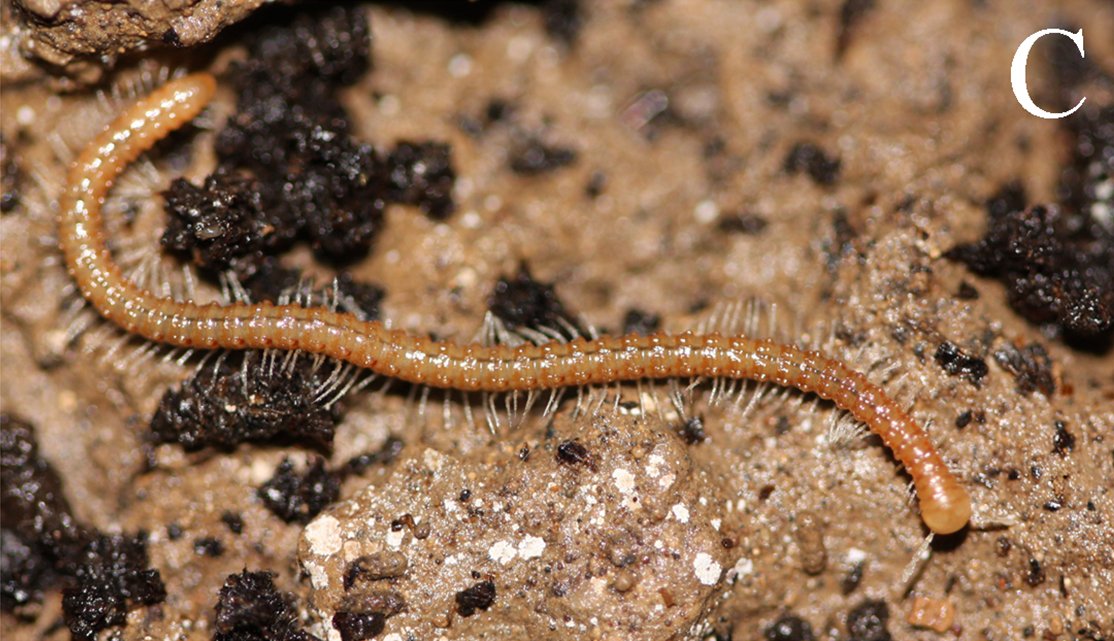
Eumillipes persephone’s discovery highlights how extreme environments can drive extraordinary adaptations. Deep underground, where light never penetrates and food is scarce, only the most specialized creatures survive. Over millions of years, Eumillipes developed more and more legs, as this unique feature gave it an edge in navigating its subterranean maze. Such adaptations remind us that life’s possibilities are nearly endless, shaped by the relentless pressures of survival and change.
Implications for Biodiversity and Conservation

Finding Eumillipes persephone is more than just a quirky footnote in biology—it’s a wake-up call about the rich, hidden diversity of life on Earth. Many underground ecosystems remain unexplored, their inhabitants unknown and vulnerable. With increasing threats from mining and climate change, these fragile worlds could disappear before we even know what’s there. The story of Eumillipes urges us to protect not just the charismatic animals above ground, but the strange and wonderful creatures that dwell in the darkness below.
Could There Be Even Leggier Animals Out There?
The discovery of Eumillipes persephone raises an exciting question: is it truly the leggiest animal, or could even more extreme creatures be waiting to be found? Scientists believe there’s much more to explore, especially in the world’s deepest and least accessible habitats. Every new discovery pushes the boundaries of our imagination, showing us that nature’s creativity knows no limits. The next record-breaker might be lurking just a few meters deeper, waiting for curious eyes and brave explorers to reveal its secrets.
Eumillipes persephone’s staggering number of legs challenges everything we thought we knew about the animal kingdom. Its existence is a reminder that the natural world is still full of surprises, with mysteries hidden in the most unlikely corners of our planet. Who knows what other wonders lie beneath our feet, just waiting to be uncovered?


