
Most people assume every big animal mystery got solved decades ago, filed away in some textbook with a tidy explanation. But for over a century, some of nature’s strangest abilities were dismissed outright by the very scientists studying them – mocked in journals, blocked from publication, or quietly buried because they seemed too far-fetched to be true.
Bats that “saw” with sound. Bees that spoke in a symbolic dance. Elephants that talked in a register no human ear could catch. Each one was laughed off before it was proven real. Here’s what the research record actually shows – and who got humiliated along the way.
#1 – Bees That “Talk” With Their Body Language
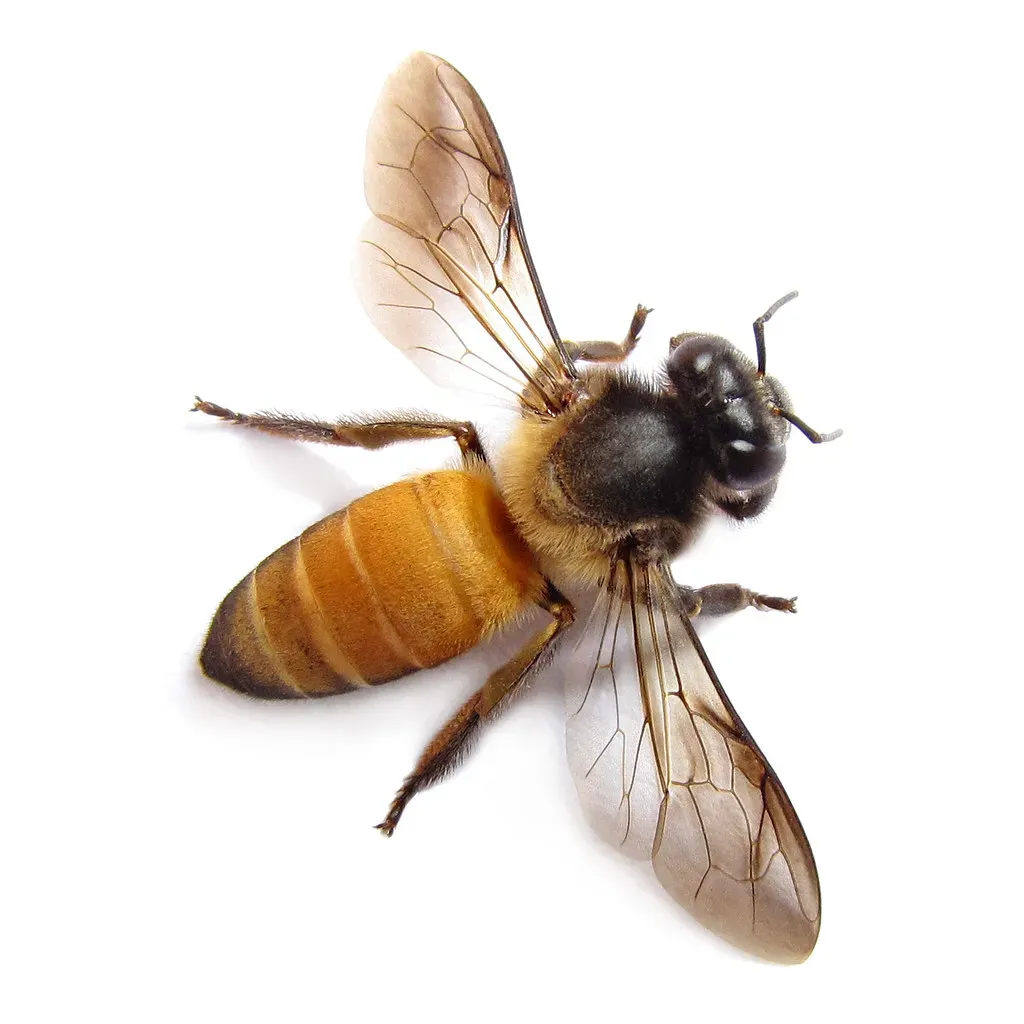
A bee returning to the hive doesn’t just wiggle randomly – it delivers a coded message, and one scientist spent decades trying to prove his own colleague wrong about what that message meant.
In 1945, Karl von Frisch proposed that honeybees communicate the exact direction and distance of food sources through a symbolic “waggle dance.” It sounded absurd to plenty of his peers – insects using something resembling language. Then in 1967, biologist Adrian Wenner launched an extensive challenge to von Frisch’s theory, arguing that bees locate food solely by odors. The fight dragged on for years, and it had largely run its course by 1973: von Frisch was awarded a Nobel Prize, while Wenner withdrew from active bee research.
Even that wasn’t the final word. Researchers later proved bees genuinely decode distance and direction from the dance itself, not just scent. A 2023 study found the skill isn’t even instinctive – bees raised without ever watching an experienced dancer permanently miscoded distance for life, a deficit that never corrected itself even with practice. That wasn’t even the boldest sensory claim scientists tried to bury – wait until you see what they did to the man who correctly guessed how bats fly blind.
#2 – Bats That “See” With Sound
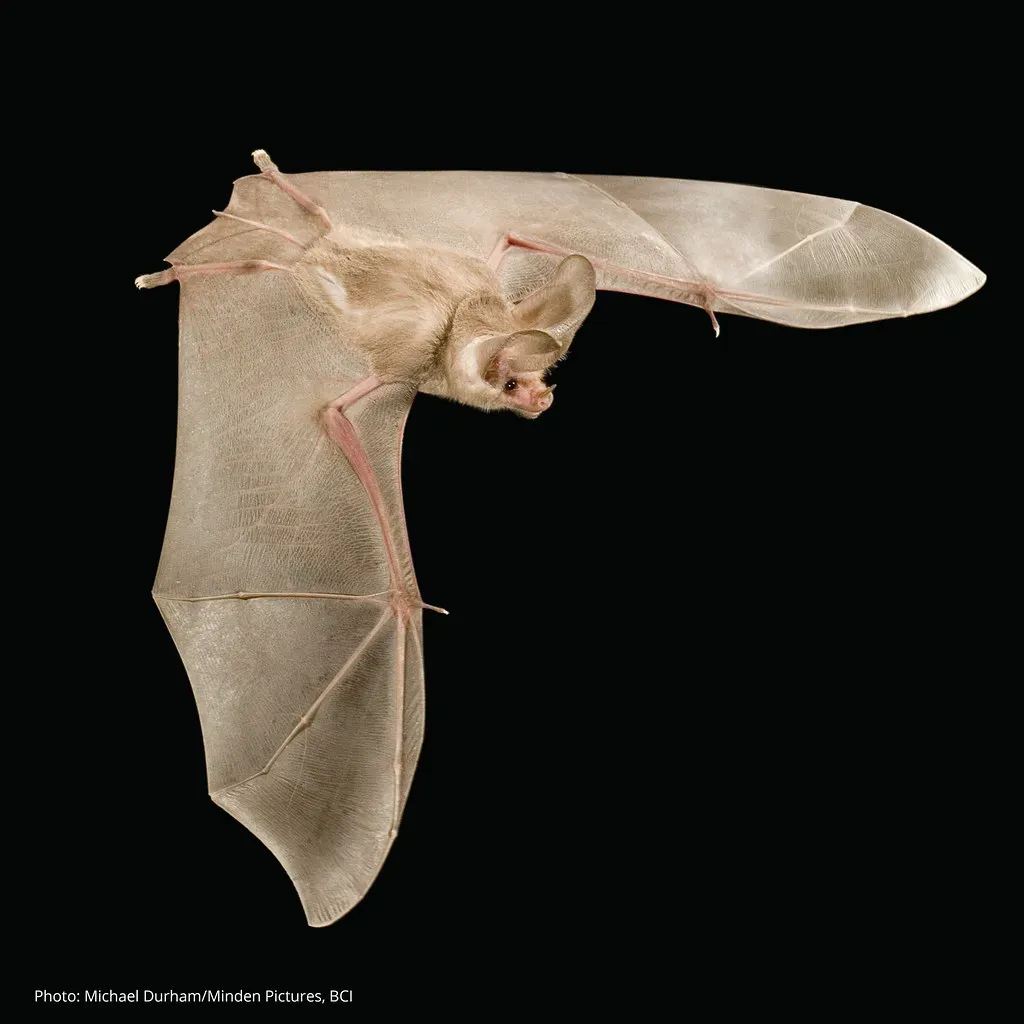
For nearly 150 years, one of Europe’s top scientists insisted this ability was physically impossible – and he was spectacularly wrong.
In 1793, physiologist Lazzaro Spallanzani discovered something bizarre: blinded bats were still able to negotiate obstacle courses with ease. His colleague Charles Jurine went further, showing that bats collided with wires the moment their ear canals were closed with wax. It should have settled the debate. Instead, the era’s most influential naturalist, Georges Cuvier, dismissed both experiments as flawed and declared that bats simply used “the organs of touch” – a verdict that stalled serious research on bat orientation for over a century.
Fast Facts
- Bat echolocation calls typically range from about 20 kHz to 200 kHz, far above the roughly 20 kHz ceiling of human hearing.
- Some species emit calls as loud as 120 decibels – louder than a smoke detector blaring a few inches from your ear.
- Certain bats can dodge obstacles as fine as a human hair using nothing but echo timing.
- It took until 1938 for two Harvard researchers to finally record the ultrasonic clicks and confirm what Cuvier had denied for over a century.
The truth stayed buried until 1938, when two Harvard students finally recorded the ultrasonic clicks bats emit, sounds pitched far above human hearing. Cuvier’s wrong guess delayed one of biology’s biggest discoveries by nearly 150 years. Bats really do “see” with sound – just not in any way 18th-century science could detect. And the next case is even stranger: an entire species that had been talking for millions of years, in a language too low for any human to catch.
#3 – Elephants That “Talk” in a Frequency Humans Can’t Hear
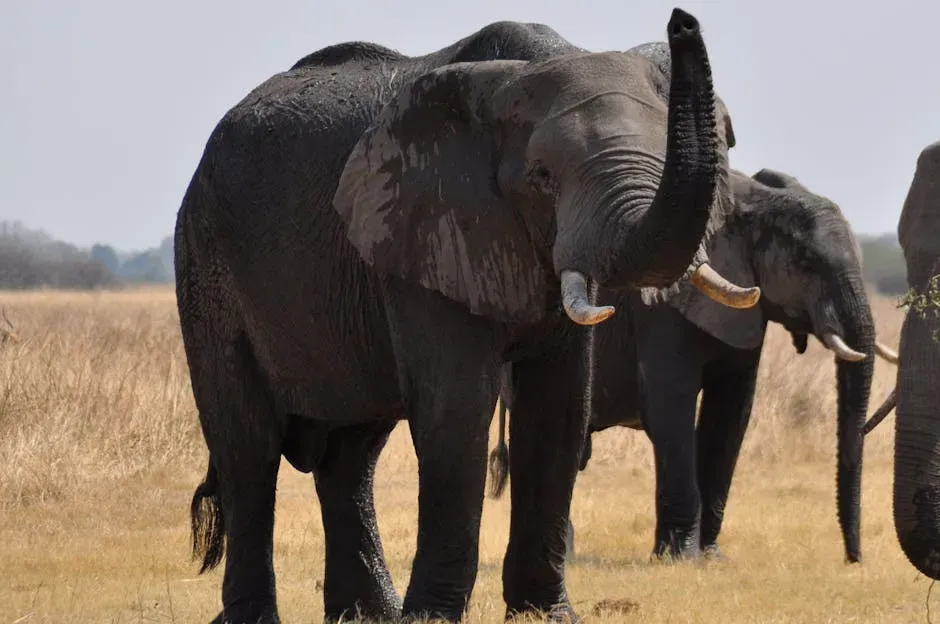
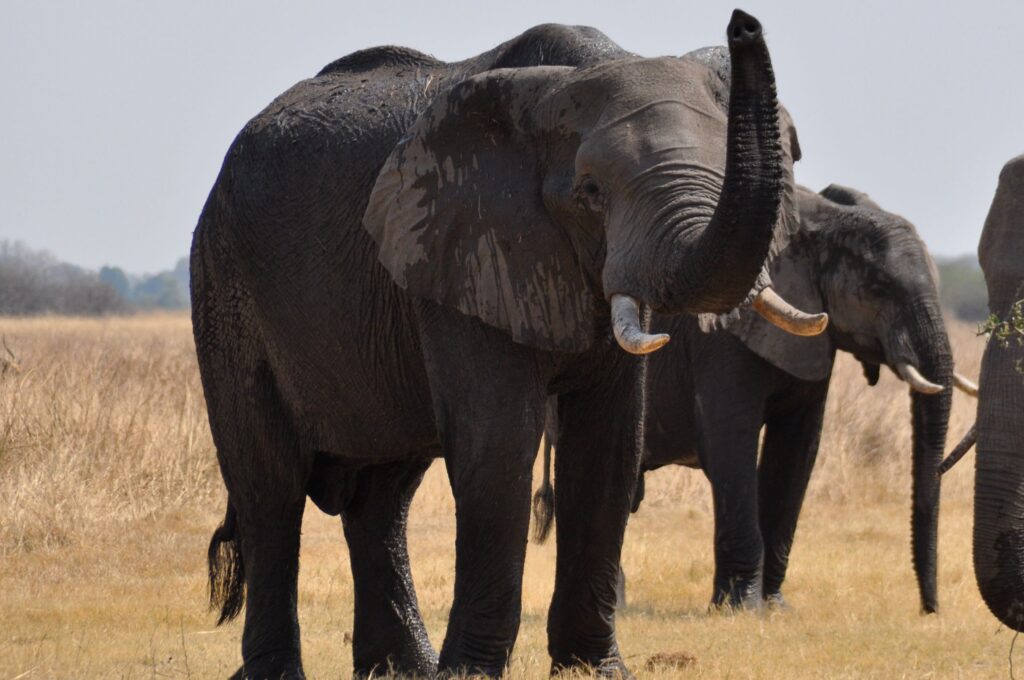
An entire species had been secretly holding conversations for millions of years, and nobody noticed because the sound was too low to hear.
Bioacoustics researcher Katy Payne stumbled onto it by accident. Standing near elephants at a zoo, she felt a strange “throb and flutter” in the air – a sensation she eventually realized resembled the lowest notes of a pipe organ. Skeptics assumed she was imagining things. Special recording equipment later confirmed elephants were producing infrasonic calls, sound below the threshold of human hearing, used to coordinate their social behavior over long distances.
The scale of it stunned researchers. Depending on atmospheric conditions, these silent conversations can reportedly travel up to 300 kilometers across open savanna – nearly 186 miles, far beyond what anyone assumed a land mammal could achieve. Elephant handlers had long suspected something eerie was happening between separated herds, some even whispering about extrasensory perception. It wasn’t ESP. It was physics nobody had the tools to hear yet – and the bird world had its own version of this blind spot.
#4 – Birds With a Built-In Compass Hidden in Their Eyes

Migratory birds can supposedly sense Earth’s magnetic field – a claim so strange that two of the biggest names in animal behavior actively tried to disprove it and, by their own admission, never looked hard enough.
Researchers Wolfgang Wiltschko and Fritz Merkel published evidence in the mid-1960s that European robins navigate using a magnetic compass. The reaction wasn’t curiosity – it was flat rejection.
It was met with highest skepticism.
Wolfgang Wiltschko
Part of the problem was who had already looked and given up. Prominent scientists like Erwin Stresemann in Germany and Donald Griffin in the USA had considered the geomagnetic field as a potential orienting cue, but after failing to find evidence, decided magnetic sensitivity in birds could largely be ruled out. It took decades to figure out the mechanism was hiding in plain sight: birds appear to sense magnetic direction using a light-sensitive molecule called cryptochrome, located inside the eye itself – meaning some species may literally see the Earth’s magnetic field as part of their vision. Griffin, the same researcher who cracked bat echolocation, had dismissed this one entirely. Even the experts get it wrong sometimes – and sometimes the next breakthrough starts with something as ridiculous as tickling a lab rat.
#5 – Rats That Laugh When You Tickle Them
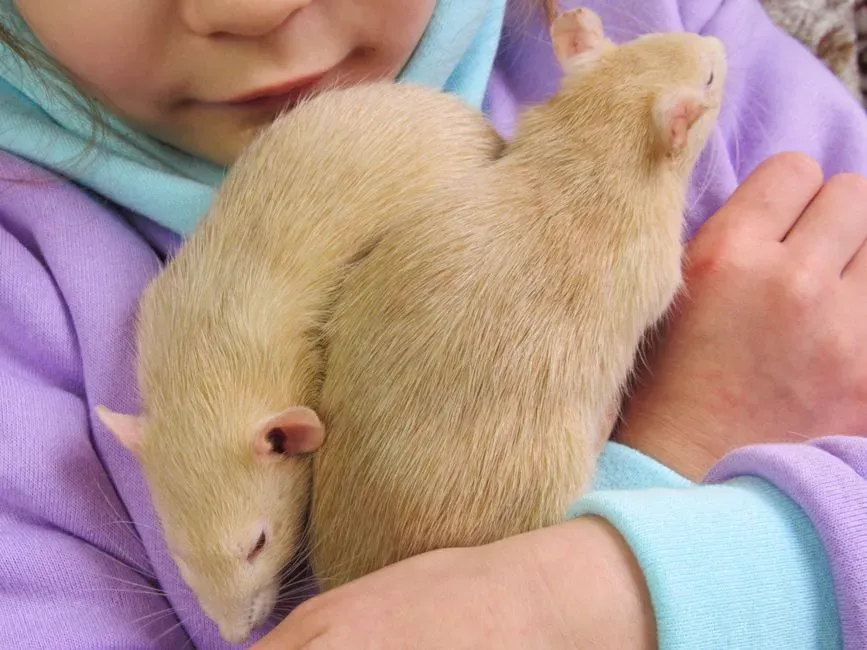
A neuroscientist walked into his lab, told his assistant “let’s go tickle some rats,” and accidentally discovered something the field spent years refusing to take seriously.
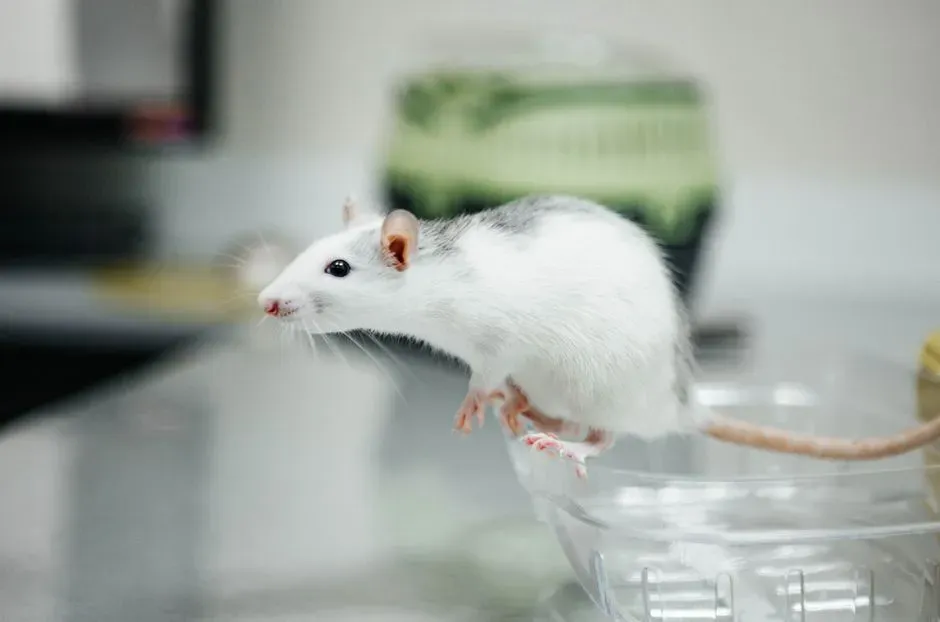
Jaak Panksepp and Jeff Burgdorf began systematically tickling laboratory rats and recording the results with ultrasonic microphones. What they found was startling: the rats’ 50-kHz vocalizations more than doubled when they were tickled versus when they were left to their own self-initiated play. Rats even had specific ticklish zones, just like people – namely at the nape of their necks.
Many scientists initially waved this off as anthropomorphizing rodent noise. But the behavioral evidence piled up. Tickled rats actively sought out the specific human hands that had tickled them before, chasing the experience again like it genuinely felt good. Panksepp and Burgdorf eventually concluded they’d found a true laughter-type response, and stayed open to the idea of some ancestral link between it and primitive human laughter. Dogs, it turns out, have their own dismissed superpower – and it might already be saving lives.
#6 – Dogs That Can Smell Disease Before Any Scanner Detects It
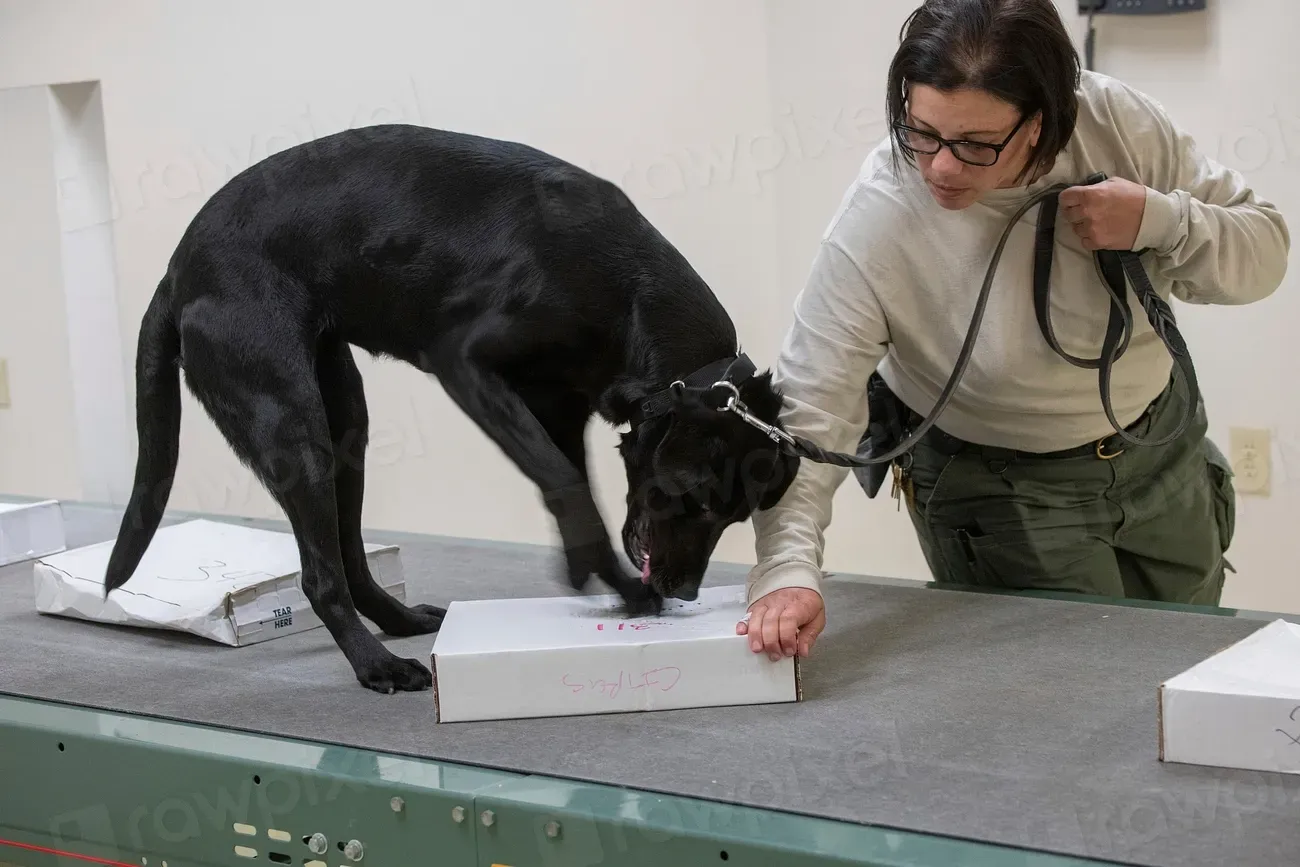
For years, claims that dogs could smell cancer were treated as pet-owner folklore, the kind of anecdote doctors rolled their eyes at in waiting rooms.
The skepticism made sense on paper. Cancer isn’t a smell – it’s cell mutation, invisible and odorless to any human nose. But dogs process scent through an olfactory system with hundreds of millions more receptors than ours, and case reports kept surfacing of pet dogs persistently sniffing, nudging, or pawing at a mole or lump that later turned out malignant. Researchers eventually ran controlled trials, training dogs to distinguish breath or urine samples from cancer patients versus healthy controls.
At a Glance
- Dogs’ noses are estimated to have smell receptors roughly 10,000 times more sensitive than a human’s.
- A 2019 study found trained beagles identified lung cancer blood samples with 96.7% accuracy, and correctly cleared healthy samples 97.5% of the time.
- A separate trial using saliva samples reported average sensitivity around 90% and specificity around 98% across six trained dogs.
- Some dogs trained on one cancer type have gone on to flag breast cancer and melanoma using the same underlying skill.
The results were hard to dismiss. Trained detection dogs have repeatedly identified certain cancers with accuracy rates rivaling or exceeding some standard screening tests, likely by detecting volatile organic compounds released by tumor cells. It’s controversial precisely because it works too well for something that seemed impossible – some researchers still argue dogs will never be a reliable diagnostic tool at scale, while others insist the science is being ignored out of institutional stubbornness. Meanwhile, a bird with no primate brain was quietly proving everyone wrong about tool use.
#7 – Crows That Build Tools Nobody Taught Them to Build
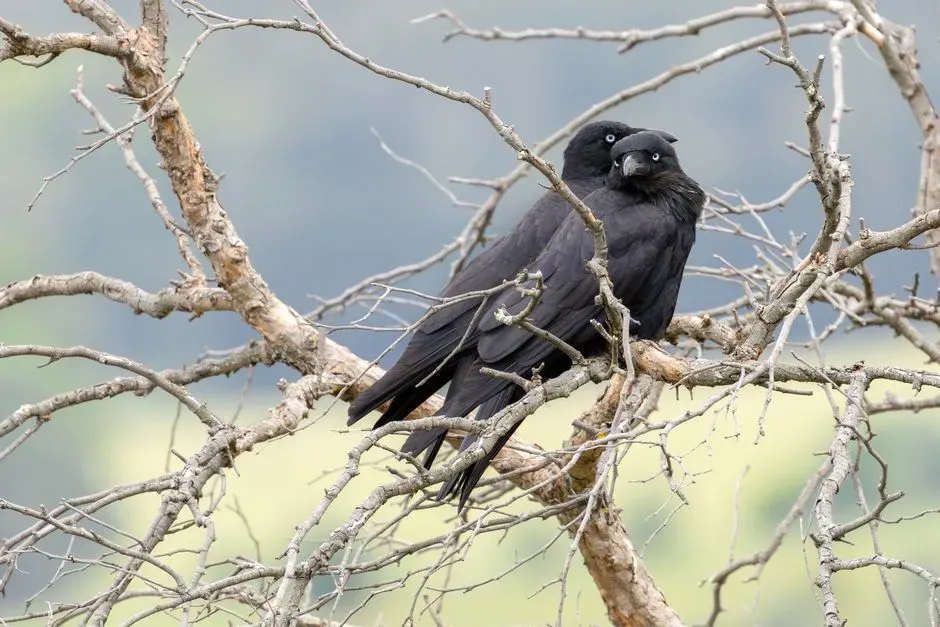
Tool manufacturing was supposed to be a defining trait of primates and humans – until a crow bent a piece of wire into a hook and casually used it to fish food out of a tube.
The bird, a New Caledonian crow named Betty studied in a UK laboratory, hadn’t been trained to do this. When researchers gave her a straight wire instead of her usual hooked tool, she spontaneously bent it into a hook shape to retrieve food from a container. It wasn’t a fluke; she repeated the behavior reliably. Wild New Caledonian crows have since been documented crafting hooked twigs and stepped tools in the wild, refining designs across individuals almost like a rudimentary technological tradition.
Why It Stands Out
- Betty bent wire into a working hook with zero prior training on that exact task.
- Wild members of her species have been observed crafting hooked twigs and stepped-cut tools in the field.
- Corvid brains have no neocortex at all, the structure long assumed necessary for this kind of forward planning in mammals.
- Despite lacking that structure, crows pass self-control and delayed-gratification tests that trip up many primates.
This unsettled a lot of assumptions. Scientists had long argued that manufacturing tools – not just using found objects – required a level of forward-planning previously credited only to great apes and humans. Crows have brains structured completely differently from primates, with no neocortex at all, yet they pass planning and self-control tests that stump many mammals. Their intelligence evolved on a totally separate branch of the tree of life. The next entry breaks an even more basic rule: an animal that’s technically colorblind, somehow color-matching anyway.
#8 – Octopuses That “See” Color With Their Skin
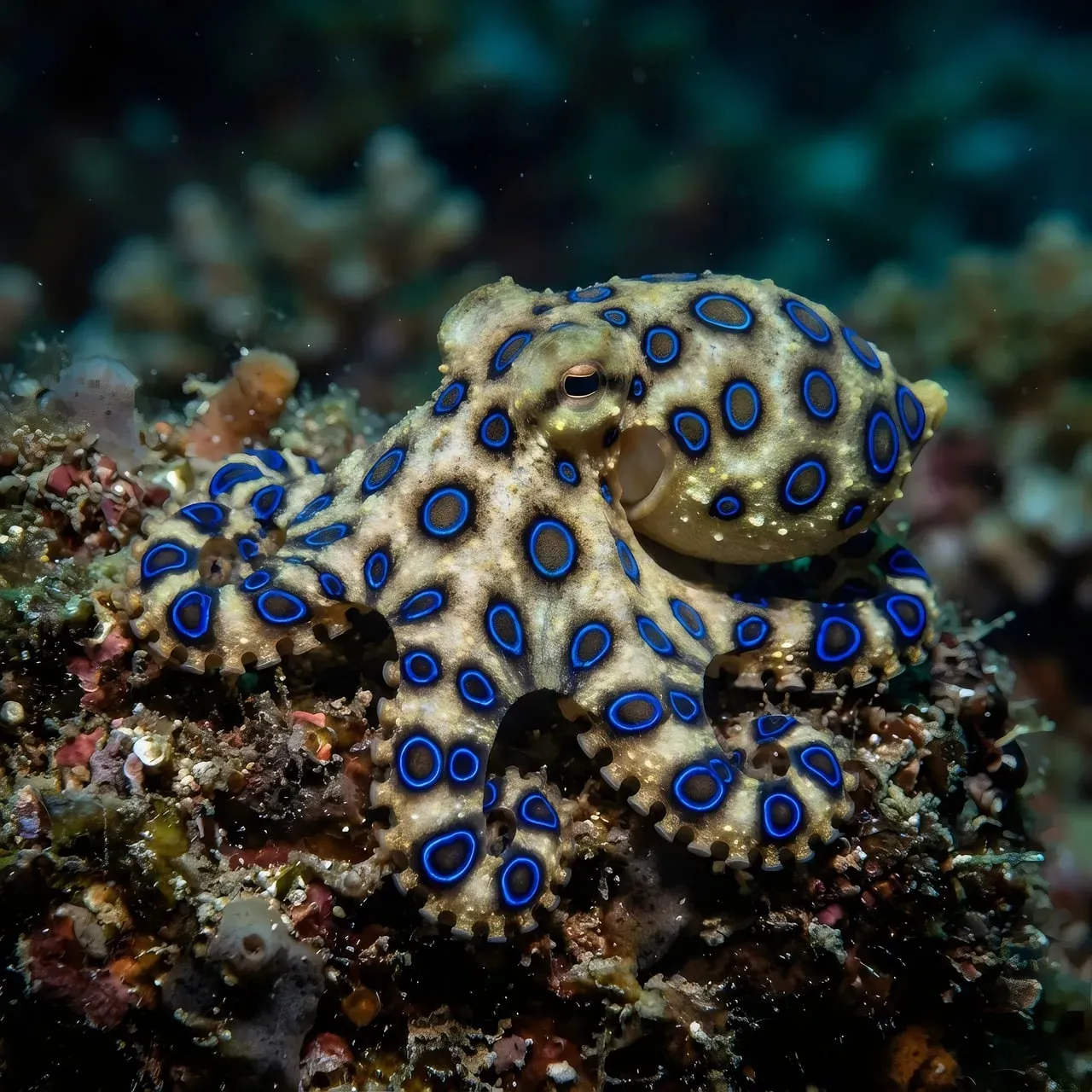
Octopuses are famously colorblind – their eyes only register light and dark, no hues at all. So how do they pull off some of the most precise color-matching camouflage in the ocean?
For years, this was treated as one of biology’s stranger contradictions, filed away as an unsolved puzzle rather than investigated seriously. The prevailing assumption was that octopuses simply matched brightness and texture patterns well enough to fool predators without ever perceiving actual color. Then researchers discovered that octopus skin contains light-sensitive proteins called opsins – the same family of molecules used in eyes – embedded directly in their skin cells.
That finding flipped the puzzle on its head. Octopus skin may be capable of detecting wavelengths of light directly, effectively letting the animal “see” color across its entire body without ever processing it through the brain or eyes in the traditional sense. It’s a completely decentralized visual system, unlike anything in vertebrate biology. Some researchers remain cautious about how much this skin-based sensing actually contributes to camouflage decisions – the debate isn’t fully settled. Compared to what sea turtles pull off, though, this camouflage trick starts to look almost simple.
#9 – Sea Turtles That Navigate Home Using an Internal Magnetic Map

A sea turtle can hatch on a single stretch of beach, swim across an entire ocean basin for years, and then return to lay eggs within a few miles of where it was born. For a long time, that claim sounded like folklore dressed up as science.
The distances involved make the feat almost absurd to imagine solving. Loggerhead turtles can circle entire ocean gyres, drifting thousands of miles from their natal beach before eventually returning decades later. Researchers suspected some form of magnetic sensing early on, but proving a turtle could detect not just direction but actual geographic position took painstaking tank experiments simulating different magnetic signatures found at different points along the coastline.
Worth Knowing
- Loggerhead turtles hatched in Japan can cross the entire Pacific to feeding grounds off Mexico and California – a one-way trip of more than 7,500 miles.
- One tracked leatherback covered over 12,000 miles in a single year, crossing from Indonesia to the Oregon coast.
- Despite years or decades at sea, many turtles return within a few kilometers – sometimes a few hundred meters – of the exact beach where they hatched.
- Researchers believe the magnetic “imprinting” that makes this possible happens within the first 24 to 48 hours of a hatchling’s life.
The results reshaped how scientists think about animal navigation entirely. Turtles appear to imprint on the unique magnetic signature of their birth beach as hatchlings, then use that internal magnetic “address” like a GPS coordinate to find their way home years later, even after migrating across entire ocean basins. It’s an ability with no clear human analog, and researchers still don’t fully understand how the sensory hardware works at a cellular level. The final entry on this list broke an even bigger rule: it involves an animal science insisted was too simple to know itself.
#10 – Fish That Recognize Themselves in a Mirror
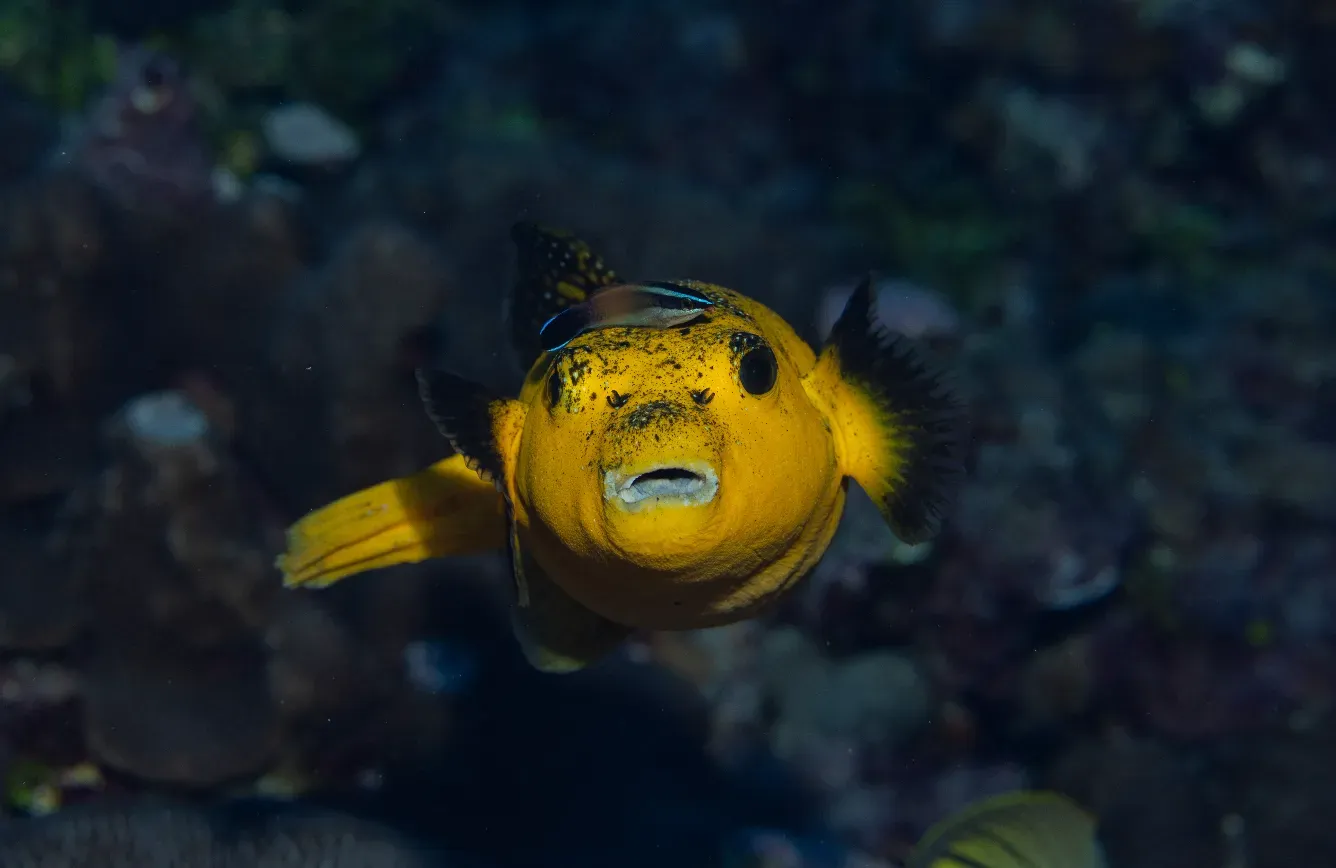
Self-recognition was supposed to be reserved for a short list of “smart” species – great apes, dolphins, elephants, maybe magpies. Fish were never supposed to make that list, and when a study suggested otherwise, plenty of scientists simply refused to accept it.
The test itself is a classic in animal cognition research: mark an animal somewhere it can’t see without a mirror, then check if it uses the mirror to investigate the mark on its own body. When researchers tried this with cleaner wrasse – a small reef fish – the fish repeatedly scraped at a mark placed on their throat after seeing it reflected, behavior consistent with recognizing the reflection as themselves rather than another fish.
The reaction from parts of the scientific community was blunt disbelief. Many researchers argued a fish brain simply lacks the architecture needed for self-awareness, insisting the behavior had to be some kind of misinterpreted reflex rather than genuine recognition. The debate is still active, and not everyone accepts the conclusion – some argue passing a mirror test doesn’t prove the same kind of self-awareness humans experience. But it’s forced a real reckoning about how much cognitive complexity researchers are willing to assume is possible for a fish.
The Bottom Line
Every single ability on this list was doubted, dismissed, or outright mocked by credentialed scientists before the evidence became impossible to ignore. Cuvier delayed bat research by over a century. Wenner spent his career fighting a discovery that turned out to be true. Griffin himself dismissed bird magnetoreception after cracking bat echolocation.
The pattern is too consistent to be a coincidence: the more alien an ability seems to human senses, the longer it takes science to admit it’s real. That’s not a knock on science itself – it’s a warning about certainty. Every “impossible” on this list was eventually proven wrong by patience, better instruments, and someone willing to look stupid for a few decades.
Honestly, that should make us humble about what we’re still getting wrong today. Which animal ability do you think researchers are still refusing to take seriously? Drop your guess in the comments.