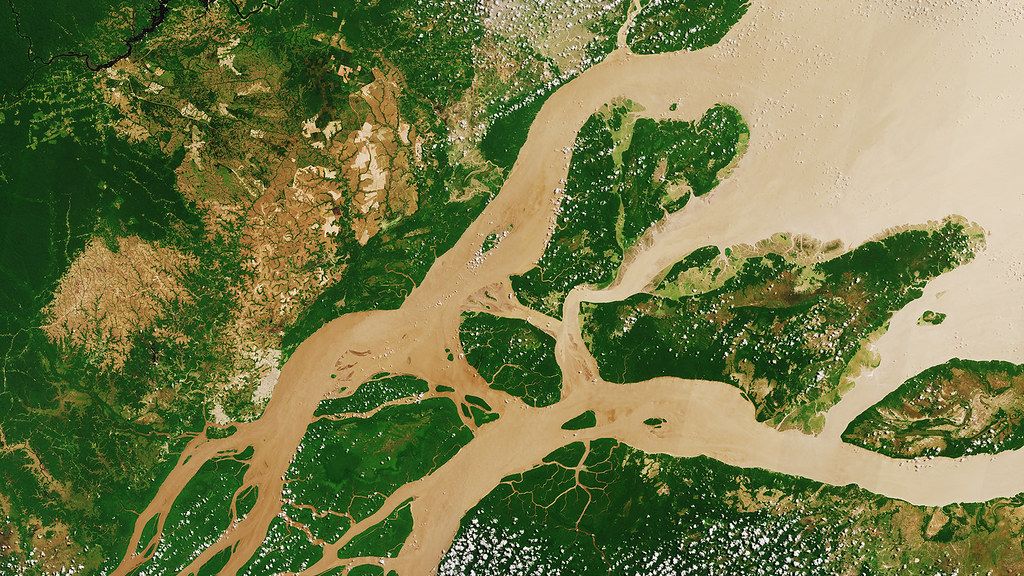
Imagine opening your email on an ordinary Monday morning and seeing the words “anomaly detected” flagged in red from a NASA-linked dashboard. That is the kind of message that jolts scientists out of routine and into adrenaline mode, especially when the alert is about a remote Amazon tributary that has quietly been watched from space for years. No breaking news banners, no dramatic satellite photos splashed on social media, just a sudden spike in urgency inside a handful of specialized labs.
The story here is not a Hollywood-style disaster plot, but something more unsettling: a river system changing fast enough, and strangely enough, that four separate research institutions all agreed it warranted an emergency response. We do not have all the answers yet, and we may not for a while. But we know enough about how NASA monitors the Amazon, how rivers behave under climate stress, and how scientists react when data breaks its own patterns to take this very seriously. Let’s unpack what could be happening, why it matters far beyond one tributary, and what this moment says about the future of a planet under pressure.
The Silent Watch: How NASA Actually Monitors an Amazon Tributary
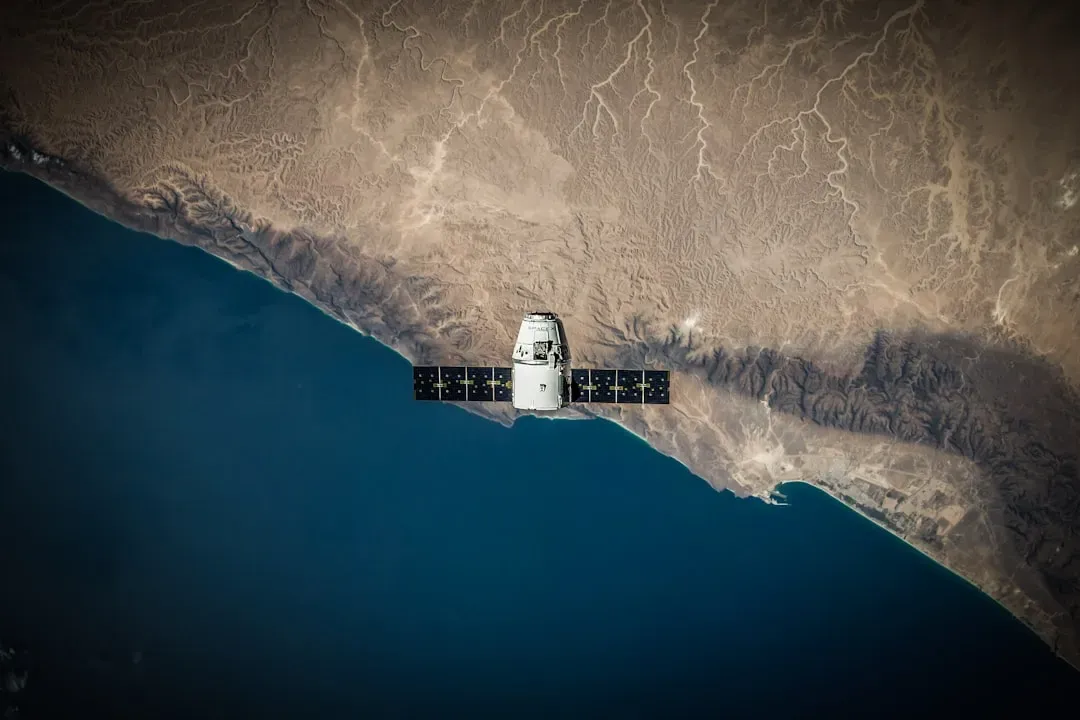
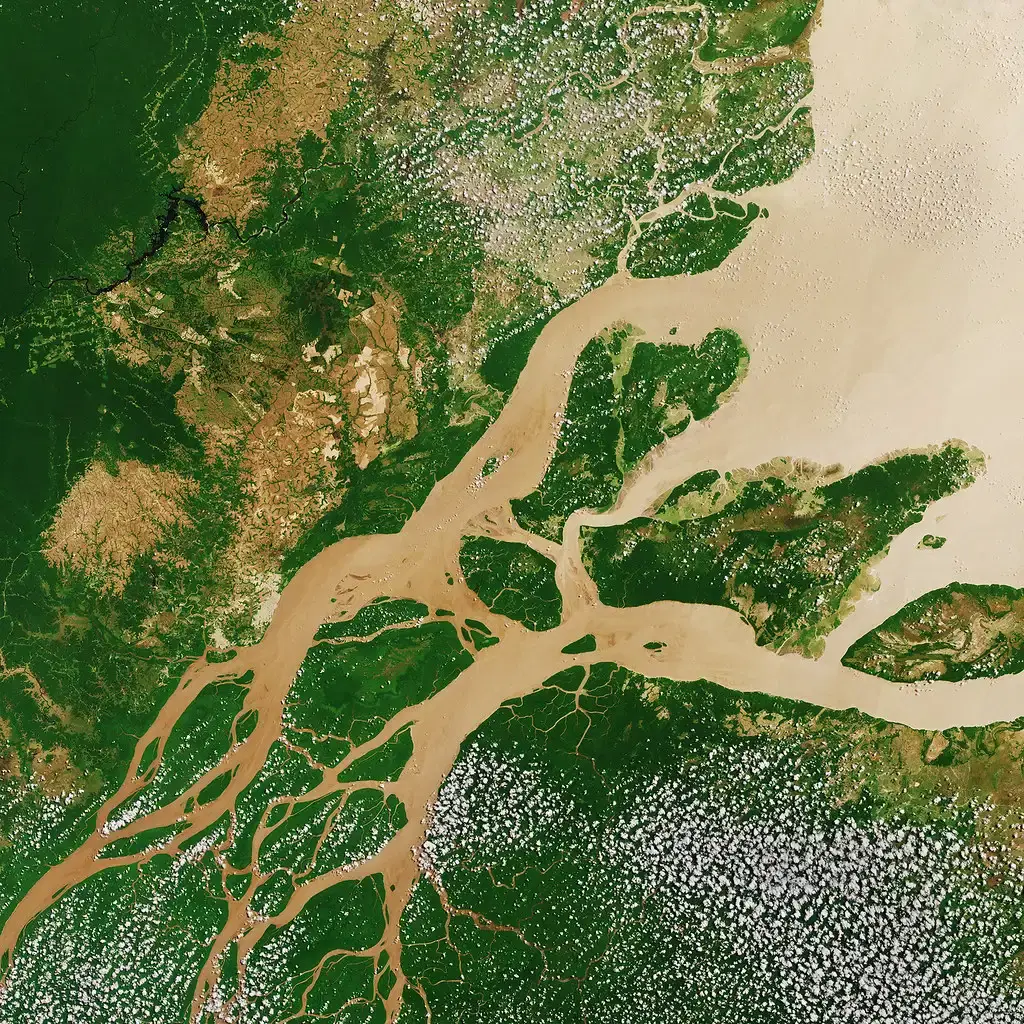
There is something almost eerie about the idea of a river being watched continuously from hundreds of kilometers above Earth. For roughly three years, NASA and partner agencies have been using satellites to track water levels, surface temperatures, sediment color, vegetation health, and even tiny changes in land elevation around Amazon tributaries. Instruments like radar altimeters and optical imagers do not care about politics or headlines; they just collect numbers, day after day, pass after pass. Over time, those numbers form a kind of biography of the river: when it swells, when it shrinks, how muddy it gets, when the nearby forests flush bright green or fade to brown.
To make sense of this, scientists set up baseline patterns based on historical norms and recent trends. Think of it like learning the “heartbeat” of that tributary: seasonal floods, dry season lows, expected shifts during El Niño or La Niña years. When the system works well, the monitoring is almost boringly predictable, like checking a home weather station that rarely surprises you. But monitoring programs exist for exactly the opposite reason: those rare, sharp deviations from normal that say something in the system has changed in a way that cannot be ignored. That is when the algorithms stop being quiet, and the human phones start ringing.
What Triggers an “Emergency Alert” in River Science Anyway?
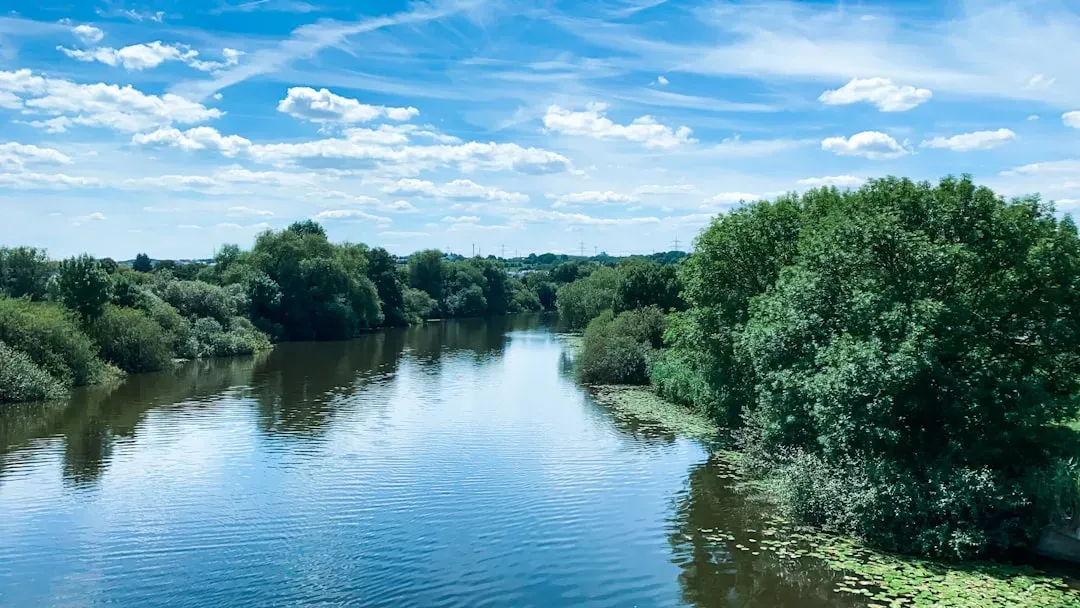
“Emergency alert” in a research context does not mean a siren blaring across cities. It usually means that one or more thresholds in a monitoring system have been exceeded in ways that suggest either rapid environmental change or a serious risk of cascading impacts. For a tributary, that might be water levels rising or dropping far beyond what is typical for that month, extremely rapid warming of surface waters, or abrupt changes in water color that hint at sediment surges, algal blooms, or pollution. Sometimes it is not a single number but a weird combination: for example, lower water with hotter temperatures and unexpected vegetation dieback all at once.
These systems are deliberately conservative. Researchers do not slap an “emergency” label on every blip, because false alarms waste limited time, funding, and political capital. Usually, the models are trained on decades of observations, cross-checked with climate records, river gauge data on the ground, and even reports from local communities when they exist. So when independent institutions, all reading the same or related streams of data, converge on the decision that this is not routine noise, that is a sign that whatever is happening is both unusual and significant. It is less like your phone misreading your steps, and more like several doctors independently telling you the same scan looks troubling.
Climate Stress, Deforestation, and a River on the Edge
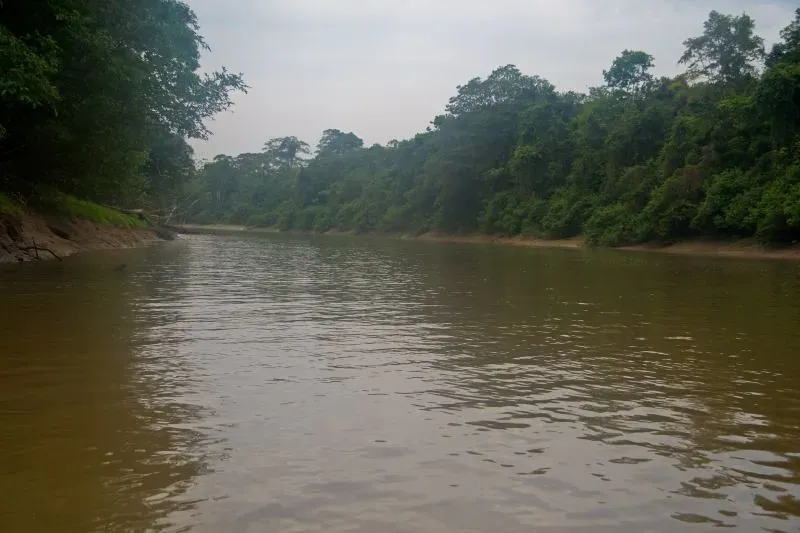
The Amazon basin has been under relentless pressure for decades: deforestation, fires, hydropower dams, mining, road expansion, and a warming climate that is making droughts more intense and floods more extreme. Tributaries are where those pressures show up in especially raw form. Clear-cut forest upstream can send sudden waves of sediment and nutrients rushing into the water. Prolonged heat and drought can shrink river channels, concentrate pollutants, and push aquatic life past its tolerance. On the flip side, extreme rain events can trigger violent floods that reshape entire banks in days. A tributary is like a sensitive nerve in a much larger nervous system; small changes in the basin can make it flare up.
Over roughly the last decade, scientists have watched the Amazon swing between severe droughts and intense floods more often than historical records would suggest is normal. That pattern alone makes every new anomaly more worrisome, because it suggests the system as a whole is being forced into unfamiliar territory. The tributary that just set off those alerts may be a localized hotspot in a much wider trend: a river that can no longer absorb stress the way it used to. Whether the driver is land-use change, climate conditions, or both, the warning lights flashing across those four institutions are a symptom of a deeper, long-building problem, not an isolated glitch.
Four Institutions, One Alarm: Why Coordination Suddenly Matters More
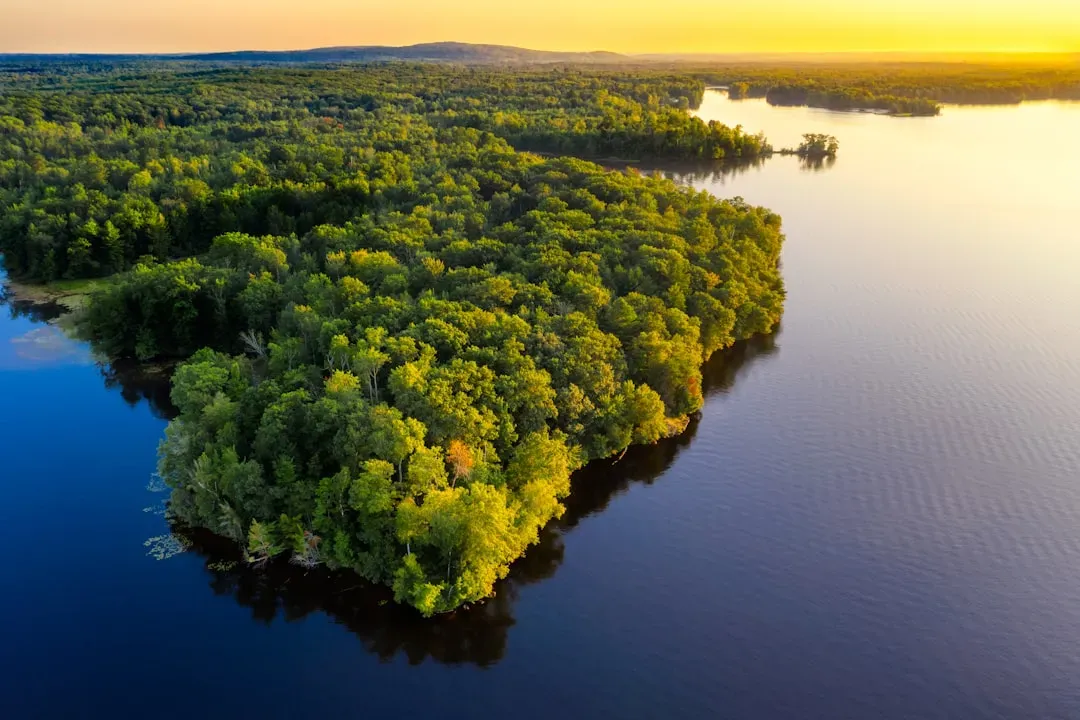
One underrated part of this story is that four separate research institutions responded to the signal strongly enough to go into emergency mode. That kind of synchronized concern usually means the anomaly appeared across multiple data sources or models: perhaps one group focuses on hydrology, another on forest cover, another on greenhouse gas emissions, and another on biodiversity. In a normal situation, they might interpret a change differently and act at different speeds. When all of them lean in at once, it suggests the tributary is lighting up on multiple dashboards, from water physics to ecosystem health.
This is where scientific ego has to give way to scientific teamwork. River crises do not care which lab “saw it first” or whose model is the most elegant. If anything, the fact that several institutions are involved is a rare gift: they bring different tools, local partnerships, and ways of framing the same event. Ideally, that means faster ground truthing, better communication with local authorities and communities, and a more realistic assessment of what is actually at stake. In my view, if an Amazon tributary can wake up four research centers at once, it should also be a catalyst to make cross-border, cross-discipline cooperation the norm instead of the exception.
What Could Be Happening on the Ground Right Now?
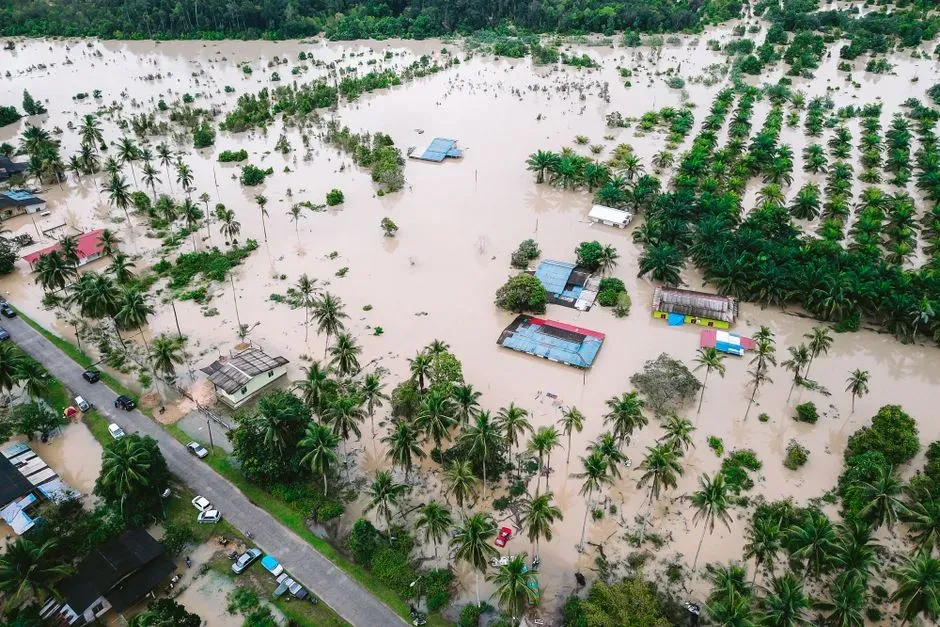
The truth is, whenever an alert comes first from satellites, there is usually a nerve-wracking lag before anyone can say with confidence what is actually happening on the ground. In a remote stretch of the Amazon, that lag can be days or weeks. Researchers may scramble to get updated high-resolution imagery, contact field teams or local partners, or arrange rapid surveys by boat or air. That time gap is uncomfortable because models may be whispering about floods that threaten villages, fish kills from oxygen-starved water, or sudden bank collapses that could destroy habitat or infrastructure. But those are educated concerns, not confirmed facts, until someone actually looks and measures.
Possible scenarios range widely. The tributary might be experiencing an extreme drought-driven low, exposing riverbeds and stressing fish populations, or it might be in the midst of a violent flood, cutting new channels through soft, deforested soils. There could be a spike in water temperature pushing aquatic species toward mass mortality, or a surge in sediments and nutrients from upstream land clearing feeding harmful blooms. None of these possibilities are theoretical; versions of them have been documented in other Amazon rivers in recent years. The unsettling part is knowing that something is clearly off-pattern and yet having to wait in that limbo between data alarm and on-the-ground confirmation.
Local Communities, Indigenous Knowledge, and the Human Cost of “Anomalies”
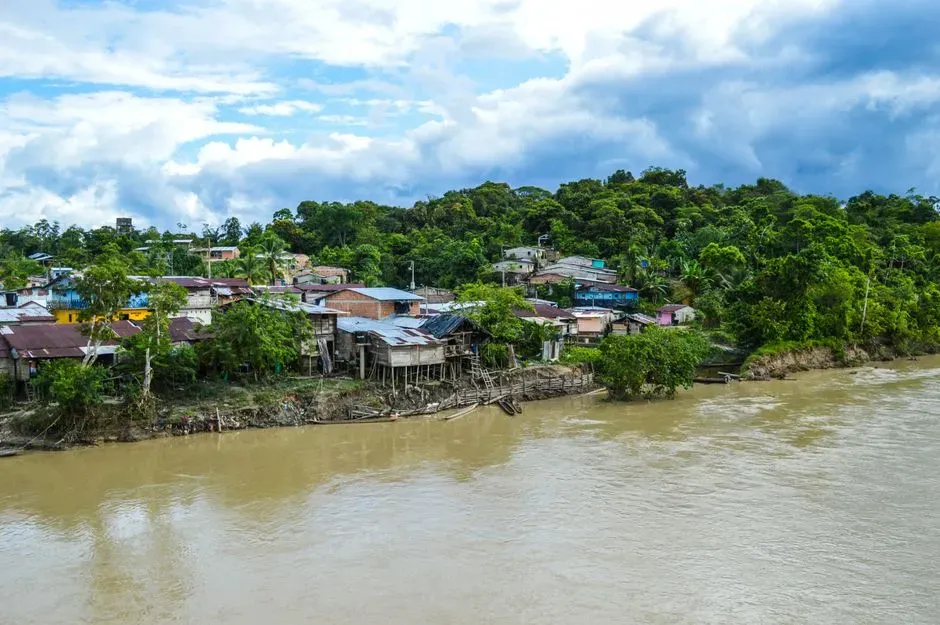
It is easy, from a distance, to talk about anomalies like they are just lines on a graph. But tributaries in the Amazon are home, pantry, highway, and spiritual anchor for countless riverine and Indigenous communities. An extreme low flow might mean boats cannot travel, cutting access to markets, schools, or health care. A terrible flood can wipe out riverbank gardens, contaminate drinking water, and amplify disease risks. Fish die-offs hit food security directly and can devastate local economies that rely on fishing. So when a satellite flags an emergency, it is essentially saying: somewhere down there, human lives and livelihoods may be getting squeezed harder than usual by a system suddenly out of balance.
What frustrates me is how often the people already living with these changes are treated as an afterthought in the research pipeline. Indigenous and local knowledge systems often notice shifts in rainfall, currents, fish behavior, and forest health well before a sensor in orbit does. Ideally, an emergency alert from space should be matched by structured, respectful ways of listening to people on the ground who can say, in concrete terms, what feels different this season, this flood, this drought. If four institutions are now urgently staring at a tributary from afar, the most responsible next step is to make sure the communities who know that river intimately are partners in both the diagnosis and the response, not passive subjects of scientific curiosity.
Why This Tributary Is a Warning for the Whole Planet
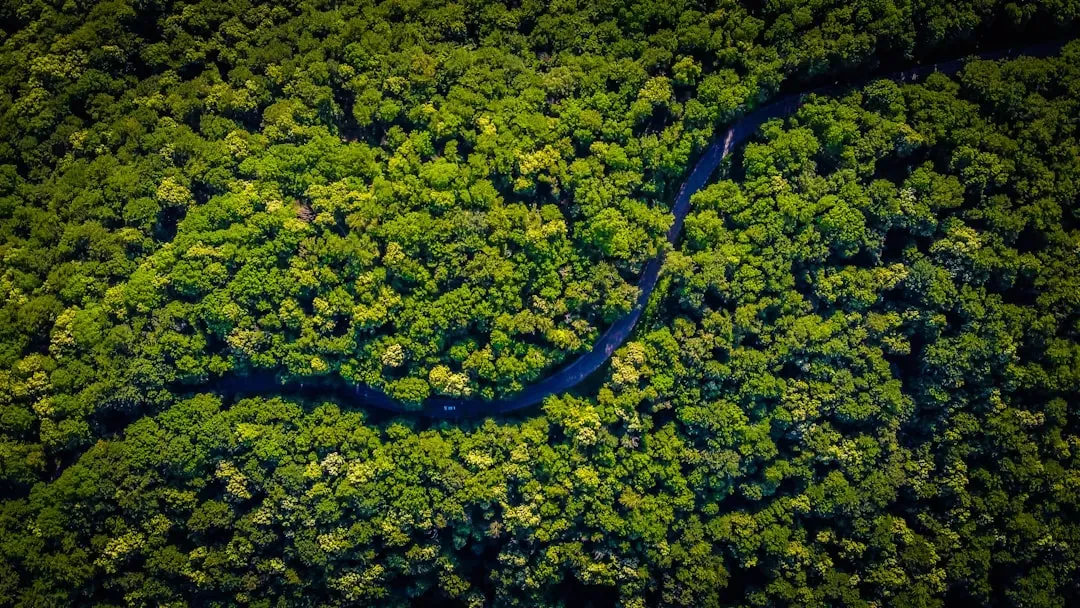
It might be tempting to file this away as a niche concern: one remote tributary, a handful of labs, some nervous scientists. I think that would be a serious mistake. The Amazon is one of Earth’s largest climate regulators, water factories, and biodiversity reservoirs, and its health depends on thousands of such tributaries doing their quiet work. When even one of them starts behaving in ways that force emergency alerts, it is like seeing a hairline crack in a dam wall. On its own, that crack does not mean collapse is inevitable, but it tells you the structure is under stress and you would be reckless to ignore it.
From a planetary perspective, events like this are early signals of a world adjusting to more heat, more extremes, and more human interference. Rivers are integrators: they gather the consequences of what we do to land, forests, and climate and deliver them in concentrated form downstream. If we are serious about preventing worst-case scenarios, we cannot afford to treat these signals as background noise heard only in specialist circles. The fact that NASA and multiple institutions are on high alert over one Amazon tributary should be a wake-up call that our safety net of monitoring is doing its job, but also that the underlying system is being pushed harder than it should be.
Conclusion: We Should Treat This Alert as a Dress Rehearsal, Not a One-Off Scare
My honest opinion is that this emergency alert is less about one mysterious tributary and more about whether we are ready to act on early warnings instead of waiting for full-blown disasters. If it turns out that the anomaly is driven by a mix of climate extremes, deforestation, and land-use change, that will not be a shocking revelation; it will be confirmation of what many scientists and local leaders have been saying for years. The real test is whether governments, funders, and the public treat this as a moment to strengthen monitoring, enforce protections, and invest in communities, or just as another technical hiccup in a distant rainforest. In that sense, this incident is a mirror: it reflects how seriously we take slow, data-driven alarm bells compared with the dramatic, late-stage crises that dominate the news.
We may not yet know the precise combination of forces that pushed this tributary past its thresholds, but we do know enough to say that ignoring it would be a choice, not an oversight. Systems like the Amazon rarely fail without sending advance signals; the tragedy is that we often choose not to listen until it is too late. If a river in the heart of the largest rainforest on Earth can trigger coordinated alerts across four institutions and still struggle to command real-world action, what does that say about our ability to protect anything less visible? Maybe the better question is this: when the next quiet river starts shouting through our satellites, will we be any more ready to answer?