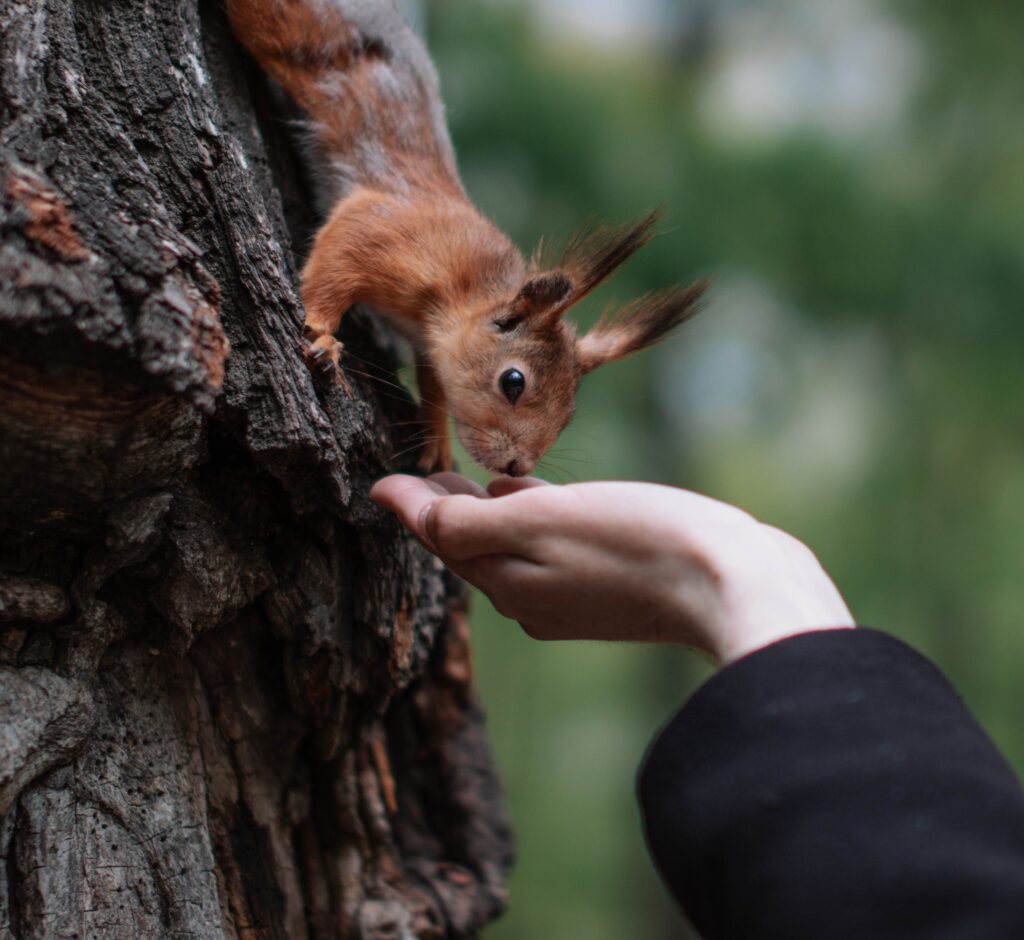

You know that quiet, almost electric moment when a half-feral cat sits just a little closer, or a skittish bird keeps landing near you instead of flying off? You feel oddly honored, even if nothing dramatic happens. What you are seeing in those seconds is not magic or fantasy; it is a real, physical shift inside a brain that was wired to fear you, now choosing, however cautiously, to stay. Under the surface, circuits built for survival are arguing with newer signals of curiosity, safety, and reward. For a wild or minimally socialized animal, staying near you is not neutral; it is a decision that runs against millions of years of default “better safe than sorry” programming. When it stays anyway, its nervous system has changed its vote, at least for that moment – and that has fascinating implications for how trust, bonding, and even healing might work across species.
Your Brain And Theirs Run On The Same Basic Survival Code
When you look at an animal that flinches or bolts as soon as you approach, you are seeing the same ancient survival code that runs in your own brain, just tuned differently. Deep structures like the amygdala scan for threats in both you and that animal, ready to flood the body with stress hormones, raise the heart rate, and trigger a fight, flight, or freeze response. For a rabbit, a crow, or a stray dog, a large upright primate walking straight toward them is exactly the sort of thing that code is designed to avoid. You also share the basic architecture that allows an update to that code. The prefrontal cortex in your brain helps you weigh context, remember past outcomes, and override knee‑jerk reactions. Animals, especially mammals and birds, have their own versions of this “executive” control. When an animal pauses, looks you over, and then settles instead of fleeing, some higher-level assessment is damping down that raw alarm signal. In a very real sense, your brains are playing the same game: protect first, but adjust if the evidence says you might be safe.
Default Threat Response: How Fear Gets Wired In Early

If you imagine an animal’s nervous system as a security system, its default threat response is like having everything set to maximum sensitivity from the start. Many prey species, and even some predators, are born with a bias toward fear: sudden movement, unfamiliar shapes, and looming figures are presumed dangerous until proven otherwise. Early experiences – loud noises, painful encounters, chasing – cement those assumptions by strengthening the connections between sensory cues and fear circuits. You go through a version of this yourself. If you were bitten by a dog as a child, you might notice your pulse jump when you hear barking years later, even if no dog is in sight. That is your own default threat response, carved into your brain by experience. For an animal with little or no positive human contact, the “baseline” is that you are at best irrelevant and at worst lethal. When that kind of animal chooses to remain near you, it is not just being friendly – it is pushing against a system built to leave.
What Has To Happen In The Brain For Fear To Quiet Down
For an animal to override its built‑in distrust of you, a few key things have to shift in its nervous system. First, the brain has to recalibrate how dangerous you seem. Repeated exposure to your presence without harm slowly weakens the link between “human” and “threat” in structures like the amygdala. You can think of it like turning the volume knob down on an alarm: the signal is still there, but it is not deafening anymore. Second, other brain systems have to step up and offer a competing story. The hippocampus brings in memory – this person brought food before, or passed by without chasing – and the prefrontal cortex (or its animal equivalent) uses that information to regulate the fear response. When an animal notices that your presence predicts good things, or at least not-bad things, the brain starts releasing more calming and reward chemicals instead of only stress hormones. Over time, that chemical tug-of-war can tip the balance from “run” to “stay, but stay ready.”
Oxytocin, Dopamine, And The Chemistry Of Cross‑Species Trust
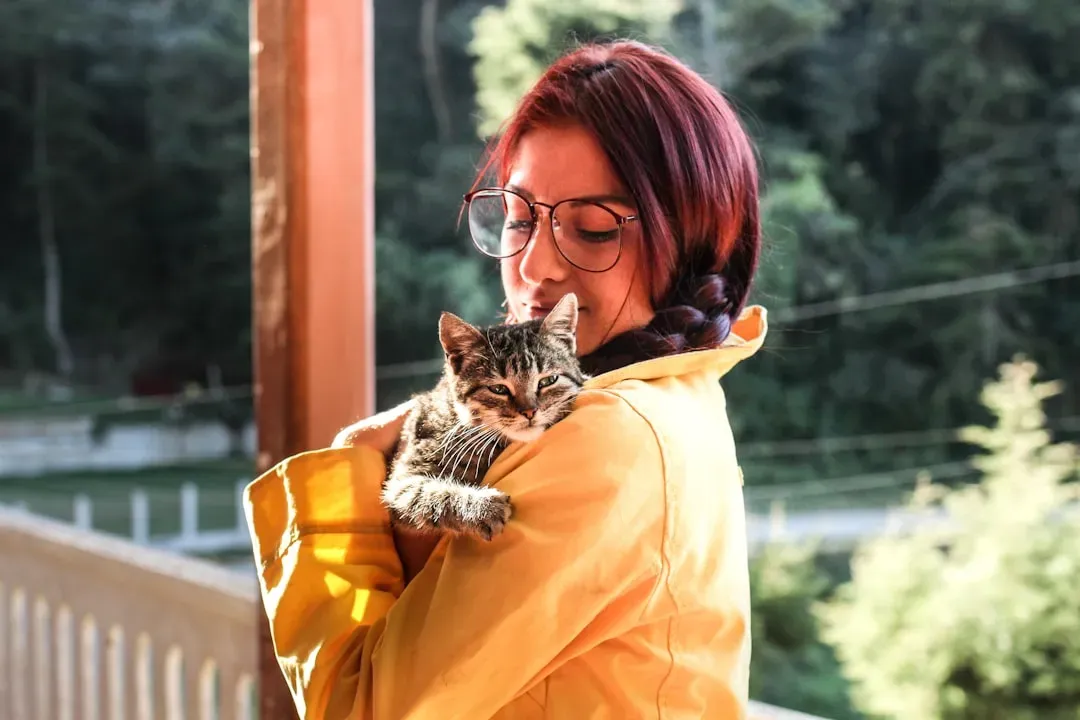
When an animal that has every reason to avoid you instead chooses to lie down nearby, you are likely watching brain chemistry re‑write behavior in real time. Oxytocin, often called the “bonding hormone,” plays a powerful role here. In many mammals, oxytocin increases social approach, reduces fear, and strengthens memory for positive social interactions. When an animal experiences safe, gentle contact or even just consistent, nonthreatening presence, oxytocin can help make you feel less like a predator and more like a potential social partner. Dopamine, the brain’s “this is worth doing again” signal, is also in the mix. If your presence reliably predicts food, warmth, relief from pain, or even just interesting stimulation, dopamine reinforces the neural pathways that led to that outcome. From the animal’s perspective, staying near you becomes a calculated risk with a growing upside. Over time, the cocktail of less cortisol (stress), more oxytocin (bonding), and more dopamine (reward) can completely flip the emotional meaning of you – from danger to opportunity.
Habituation And Learning: Why Repetition Matters More Than Drama
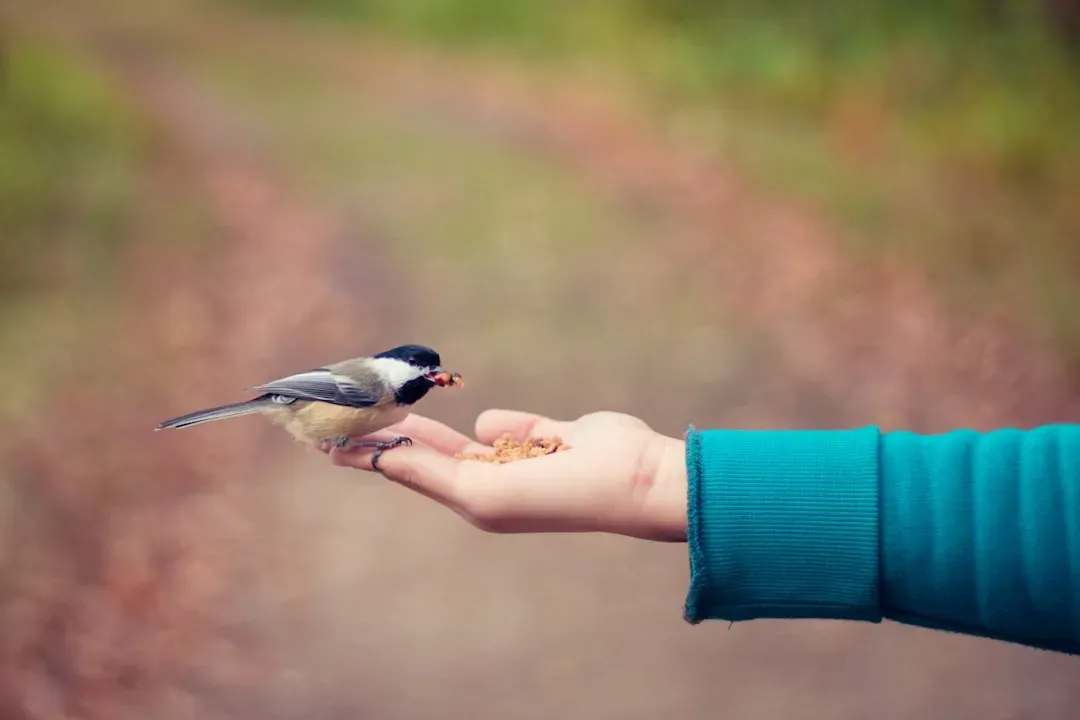
You might expect some cinematic moment – one dramatic rescue, one life‑changing encounter – to flip an animal’s distrust, but the brain usually does its real work quietly. Habituation, the process where repeated, harmless exposure to a stimulus makes it less alarming, is one of your nervous system’s simplest learning tools. When you walk by the same skittish bird feeder every morning without incident, those tiny brains are doing the same thing yours does when you stop jumping at a car alarm in your neighborhood. On top of habituation, you get associative learning: the brain linking your presence to specific outcomes. If you regularly leave food, move slowly, avoid staring directly, and never corner the animal, it starts to file you into a different mental folder. Instead of “unknown threat,” you become “predictable factor that brings good things.” Each small, boring, safe interaction adds another thread to that new network. Eventually, those threads become strong enough that the default threat response can be overruled, at least in your specific case.
Why Your Body Language And Behavior Change The Animal’s Nervous System

The way you move, where you look, and how close you stand are not just etiquette – they are inputs into another creature’s threat-detection system. Rapid, jerky motions, looming from above, and direct, unblinking eye contact all scream danger in the language of most prey animals. Slower movements, sideways approaches, a lower posture, and softer gaze send very different signals to their nervous systems. You are essentially choosing what data their brain has to work with. When you consistently behave in a way that feels less predatory, you help shift the animal’s internal cost‑benefit calculation. Its sensory systems keep feeding information into fear circuits, but those circuits have less “evidence” to justify full activation. Meanwhile, any positive outcomes – food, warmth, relief, interesting smells – add weight to the side of approach. Over time, your body language and predictability reshape firing patterns in fear and reward networks. You are teaching the animal’s brain, patiently, that it can afford to stay.
Why That Small Act Of Trust Hits You So Hard Emotionally
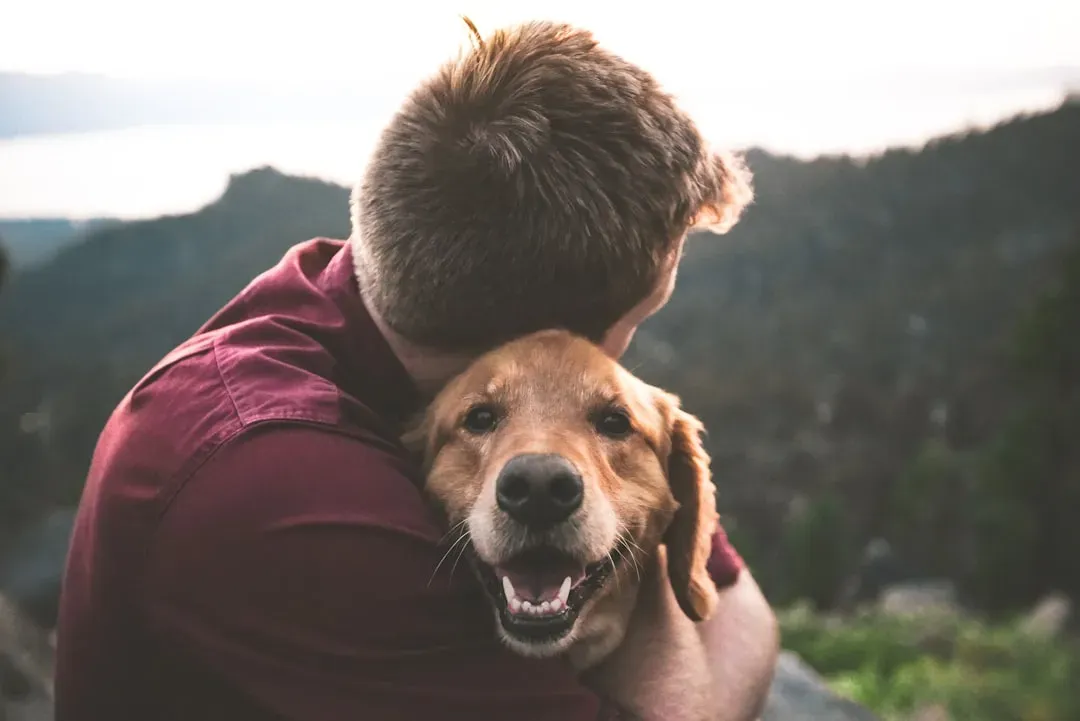
When a nervous animal chooses to curl up near you, your own nervous system lights up in response. Your brain is wired to respond strongly to signs of trust and vulnerability, whether they come from another human or from a different species. Seeing a creature override its fear of you taps into your own empathy circuits and often triggers your own release of oxytocin and dopamine. You feel moved, protective, and oddly seen, even though no words are exchanged. You might also sense how fragile that trust really is. Because you understand how much had to shift in that animal’s brain for it to stay, you feel a responsibility not to break what has just begun. That shared moment – its nervous system lowering the drawbridge, yours reaching back – becomes a quiet but powerful cross‑species agreement. In a world where fear often wins, watching an animal override its default threat response to choose you can feel like witnessing a tiny miracle of biology and courage.
Conclusion: Trust As A Biological Rebellion Against Fear
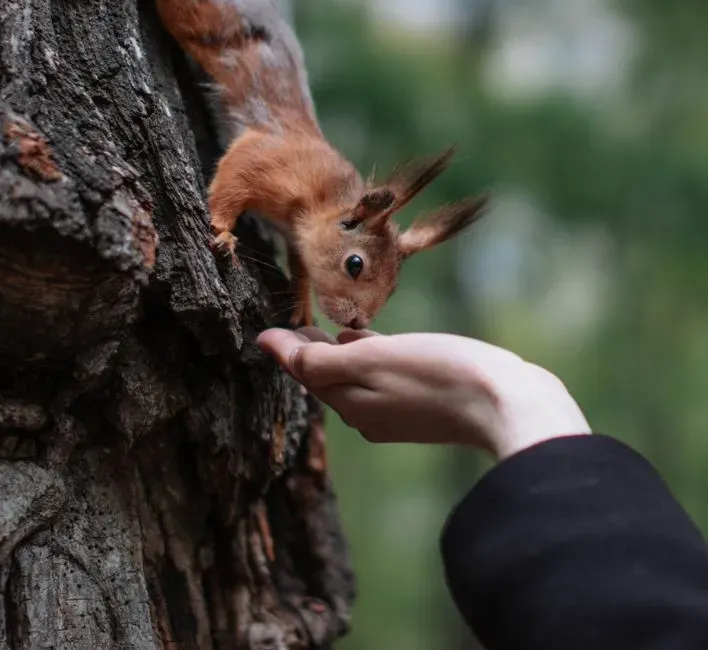
When you see an animal that has no logical reason to trust you stay by your side anyway, you are not just enjoying a cute scene – you are watching a biological rebellion. Circuits honed over countless generations to scream “run” are being softened, talked down, and sometimes completely overruled by new patterns of experience, chemistry, and learning. Your patience, your predictability, and your presence become part of that animal’s neural story. In that light, every small kindness you show to a wary creature is more than a gesture; it is a signal that can literally reshape a brain. You may never see the individual neurons change, but you do see the end result when a once‑fearful animal chooses to stay. And that should make you wonder: how many other nervous systems – animal and human – could slowly rewrite their fear responses if the world around them felt just a little safer, and a little more worth approaching?