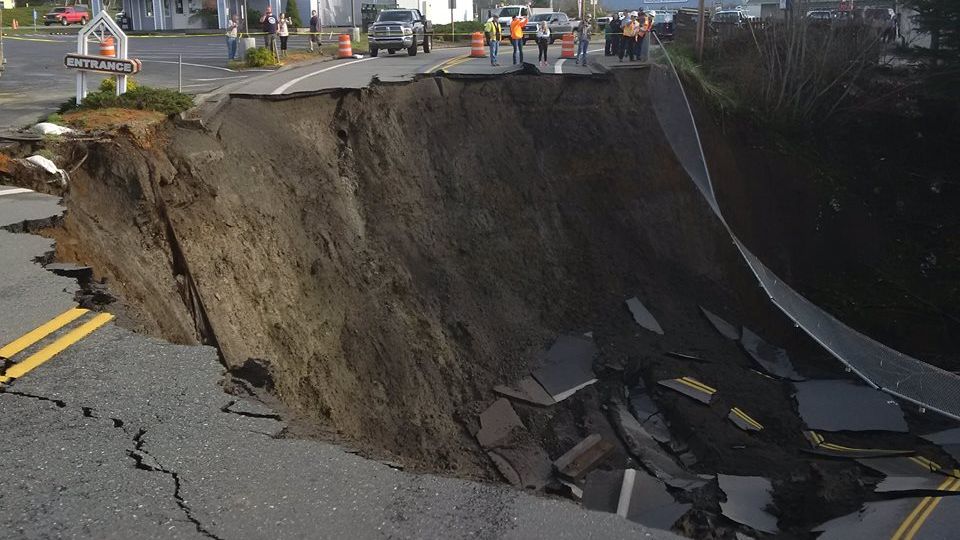
You probably expect disasters to come with warnings: dark clouds before a storm, shaking before an earthquake, flames before a wildfire. Sinkholes are different. One moment, the ground feels solid under your feet; the next, a house, a car, or an entire section of street can simply vanish. If that sounds dramatic, it is – but in several parts of the United States, it’s also becoming disturbingly familiar.
When you hear about a sinkhole swallowing a home or opening under a busy road, it’s easy to think it’s just a freak event. But in a handful of states, the risk is baked into the very bedrock beneath you. If you live in or near these seven states, you’re sitting on top of geology that is literally designed to fail in the right (or wrong) conditions. Once you understand how and where it happens, you can stop treating sinkholes like random bad luck – and start treating them like a risk you can actually prepare for.
1. Florida: The Sinkhole Capital Under Your Feet
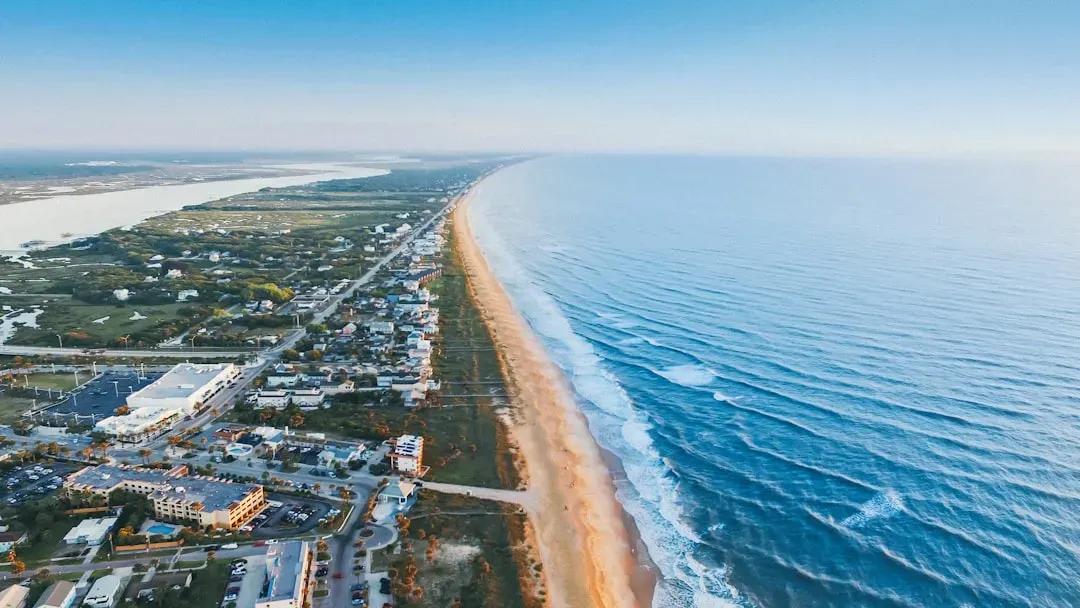
If you live in Florida, you’re sitting in the unofficial sinkhole capital of the country. Much of the state rests on thick layers of limestone and other soluble rocks, which slowly dissolve as rainwater and groundwater seep through. Over time, this creates underground voids and caves that can collapse suddenly when the weight above becomes too much – especially under heavy buildings or paved roads.
You see the headlines most often from Florida because the combination of soft geology, rapid development, and intense rainfall is almost a perfect recipe. Neighborhoods that look totally stable can hide invisible air pockets beneath manicured lawns. When those pockets give way, you can see anything from a shallow depression in your yard to a chasm that swallows a home, a swimming pool, or a chunk of highway. If you own property here, you really cannot afford to ignore the word “sinkhole” in your insurance policy or your home inspection.
2. Texas: Hidden Caverns Beneath Booming Growth
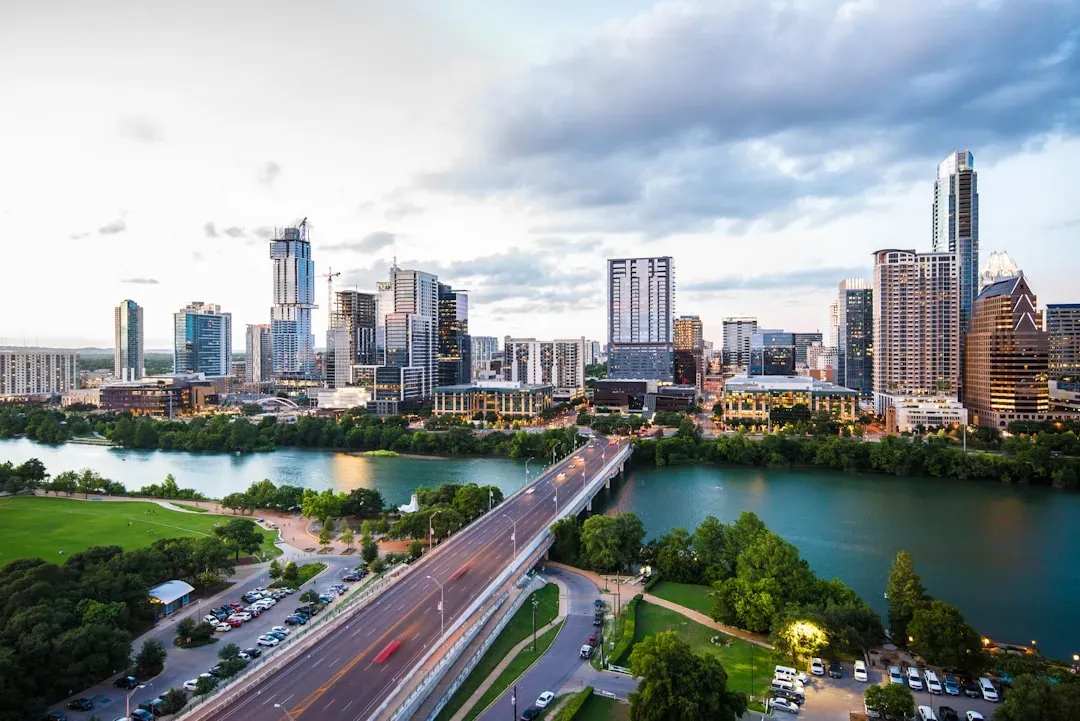
In Texas, the danger often lurks where you least expect it: under rapidly growing suburbs and oil-and-gas country. Large parts of central and western Texas sit on bedrock that can dissolve or collapse, sometimes forming natural caves. Add in heavy groundwater pumping, aging infrastructure, and industrial activity, and you’ve got conditions that can quietly weaken the ground for years before anything breaks the surface.
If you live near old wells, pipeline corridors, or areas with a history of mining or energy production, you’re at higher risk than you might realize. Even in cities, leaking water or sewer lines can erode soil away, turning a small leak into a road-swallowing crater. You might think of Texas as solid, wide-open land, but under the wrong neighborhood, it can be closer to Swiss cheese. That’s why paying attention to local histories of subsidence, old drilling fields, and sudden street collapses around you matters more than you think.
3. Kentucky: Karst Country in Your Backyard
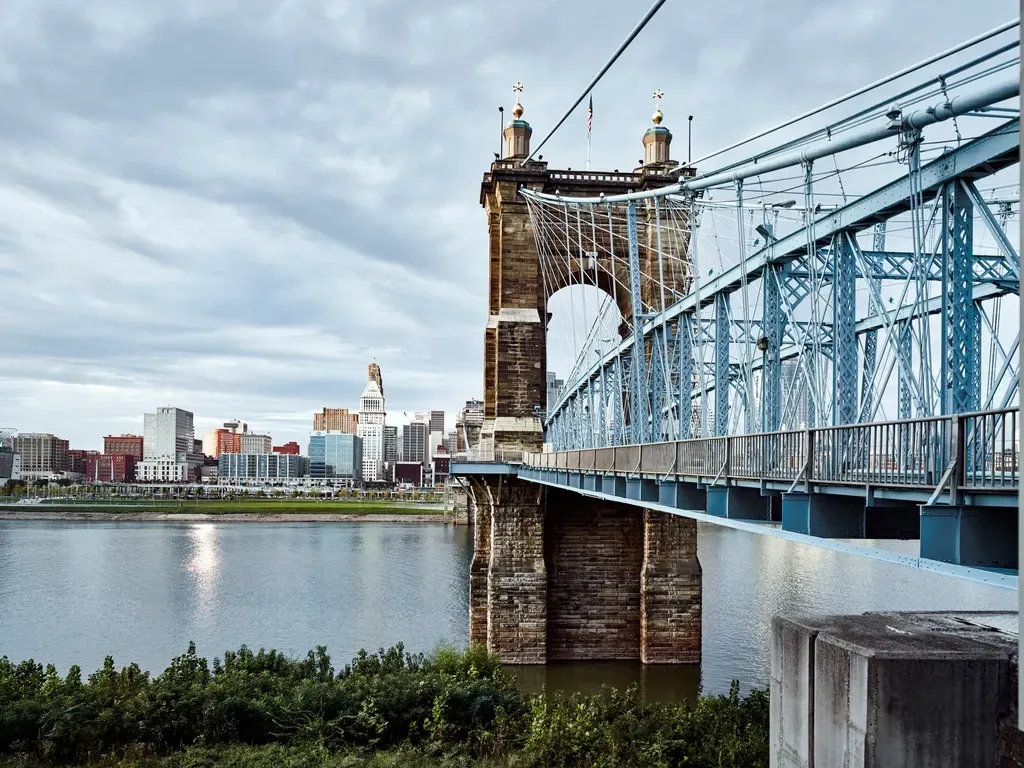
If you live in Kentucky, you’re probably closer to underground caves and channels than you realize. The state is famous among geologists for its “karst” terrain – landscapes shaped by soluble rocks like limestone that dissolve over time, forming sinkholes, underground rivers, and vast cavern systems. That makes parts of Kentucky not just pretty from the surface, but structurally fragile underneath.
For you as a homeowner or renter, that means a beautiful rolling field, a wooded lot, or even a quiet subdivision can hide unstable pockets of earth below. In some areas, sinkholes have opened under roads, parking lots, and residential properties, sometimes triggered by heavy rain, new construction, or changes in drainage. If you’re in Kentucky, paying attention to how water moves across and under your land – where it ponds, where it drains, and whether you see new depressions – is one of the most practical ways to spot early warnings.
4. Tennessee: Where Caves, Rain, and Development Collide
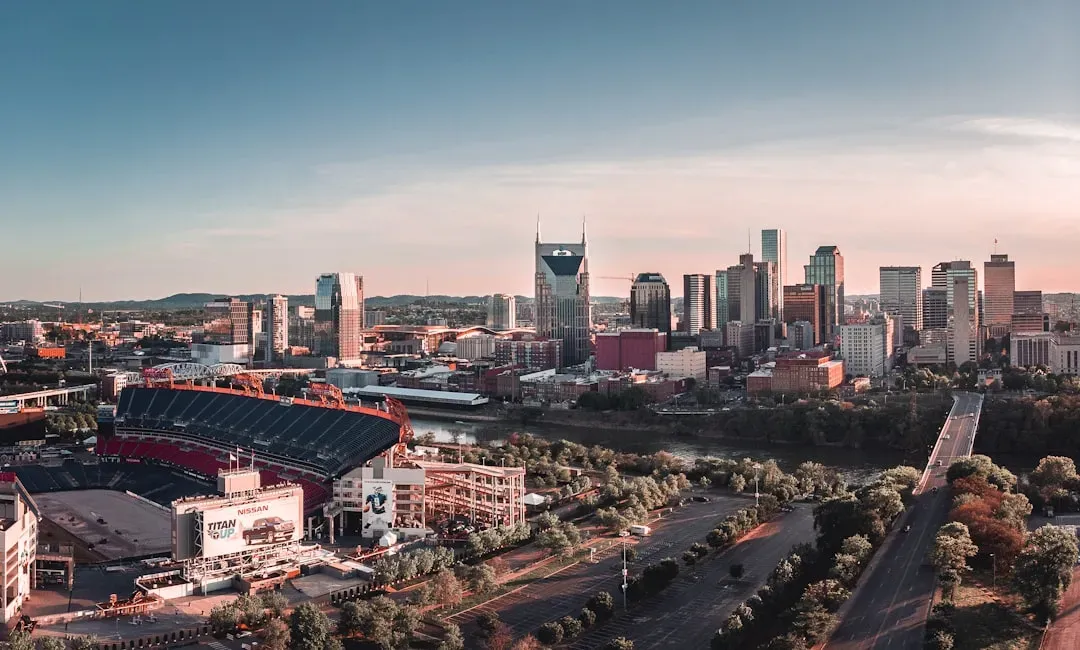
In Tennessee, you live in a state riddled with caves, springs, and underground channels, especially across the central and eastern regions. The same karst geology that gives you scenic landscapes and popular caverns also makes certain neighborhoods vulnerable to sudden ground collapse. When rainwater constantly seeps into fractured limestone, it gradually carves out voids that may hold for decades – until one day, they don’t.
Now layer on urban sprawl, new subdivisions, and expanding road networks. Every time you see heavy construction, blasting, or large-scale grading, the balance underground can shift. A sinkhole might not appear directly on the construction site; it can open nearby where the underground stresses get redistributed. So if you live in Tennessee and you notice cracks forming in your driveway, doors sticking suddenly, or small depressions that weren’t there before – especially after heavy storms – that’s your cue not to shrug it off as just “old house problems.”
5. Missouri: Everyday Life Above a Fragile Underground
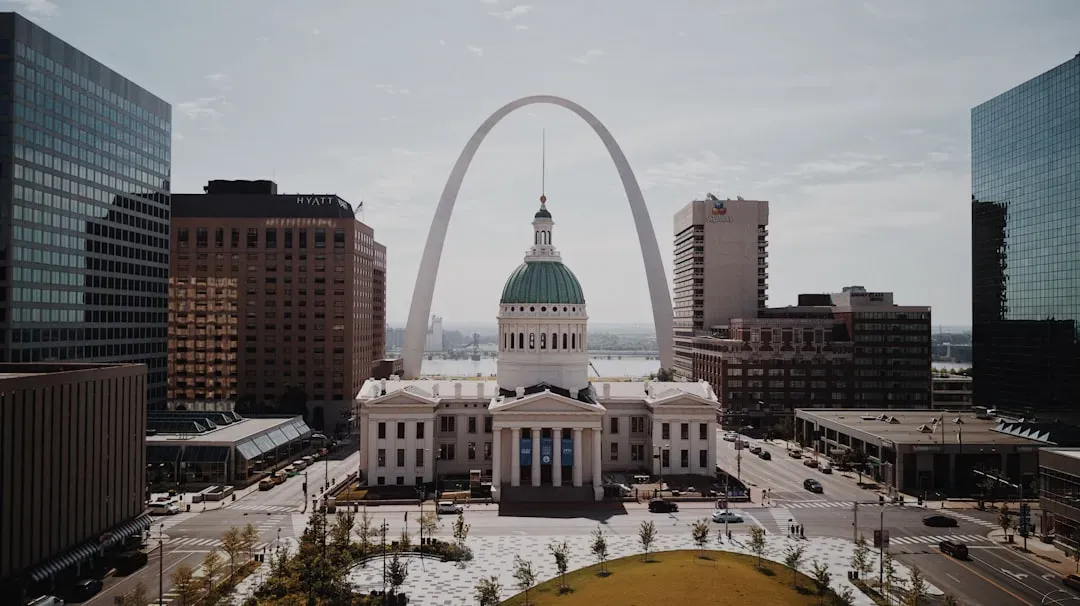
Missouri might not be the first state you think of when it comes to sinkholes, but it absolutely belongs on your radar. Large swaths of the state sit on karst terrain, dotted with caves, springs, and underground streams. Cities and small towns alike have seen sinkholes open in backyards, under roads, and in parking areas, often after periods of intense rain or flooding that push the underground systems past their limits.
If you live here, you’re probably used to driving past sinkhole-prone zones without realizing it. The risk can be amplified in places where stormwater is poorly managed, where water lines are aging, or where land has been filled and built on without a deep look at what lies beneath. That means that as a property owner or a renter, you benefit from asking the unglamorous questions: Has this area had sinkholes before? Are there known caves or springs nearby? You’re not being paranoid; you’re being realistic about how Missouri’s geology actually behaves.
6. Pennsylvania: Old Mines, Soft Rock, and Sudden Surprises

Pennsylvania has a double challenge: natural sinkhole-prone geology in some regions and a long history of mining in others. In areas with limestone and other soluble rocks, the usual karst processes can quietly carve out voids beneath neighborhoods and roads. On top of that, old coal mines and abandoned tunnels can collapse over time, or be triggered by changes in groundwater, construction, or nearby development.
If you live in Pennsylvania, especially in older towns or near historic mining regions, your biggest risk might not be obvious from the street. What looks like a harmless low spot in your yard, or a sagging section of road, can sometimes be the surface expression of a deeper collapse starting to form. That’s why understanding the history of the land under your home – previous land use, mining records, documented subsidence – isn’t just academic. It can directly affect your safety, your property value, and whether your insurance will actually help if the ground decides to drop out from under you.
7. Alabama: Quiet Risk in a Rapidly Changing Landscape
Alabama often flies under the radar when people talk about sinkholes, but if you live there, you know the land can be trickier than it looks. Parts of the state have classic karst geology, with limestone and other soluble rocks that slowly dissolve away. Add in heavy seasonal rains, flash flooding, and growing development, and you get conditions that can quietly hollow out the underground until something finally gives.
You might see the warning signs as subtle changes: new cracks in walls, fences leaning, small circular depressions that seem to collect water after a storm. Neighborhoods built quickly on marginal or poorly studied ground are especially vulnerable, because any unknown voids are just waiting for the right trigger. If you own or are thinking of buying property in Alabama, asking for geotechnical evaluations, checking local histories of sinkholes, and watching drainage patterns around your home are practical, low-drama ways to protect yourself from a very high-drama problem.
How to Tell If Your Property Might Be Next
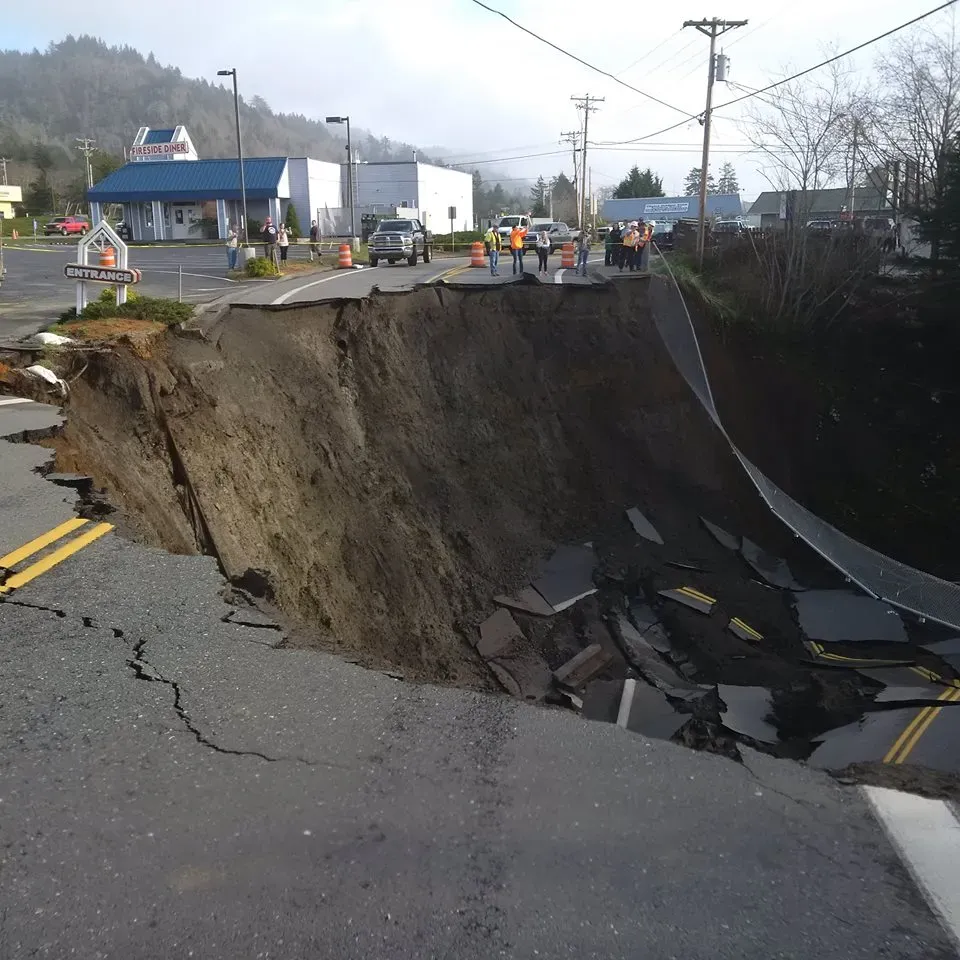
Even if your state isn’t on this list, that doesn’t mean you’re completely safe – sinkholes have appeared in many parts of the country, just less frequently. For you, the most important thing is learning to spot early red flags. New or widening cracks in foundations, driveways, or walls; doors and windows that suddenly stop closing properly; patches of ground that suddenly sink or form round depressions; or areas where water ponds in a new, circular spot after rain can all be warning signs.
You can also take a more proactive approach. Ask your local planning office, county extension, or state geological survey whether your neighborhood sits in a karst or sinkhole-prone area. When buying a home, request information about past subsidence issues, previous sinkholes, or underground mines. Consider talking with a structural engineer or geotechnical professional if you see worrying changes. It feels tedious in the moment, but it’s far easier than dealing with a sudden collapse under your living room.
What You Can Do Now to Lower Your Risk
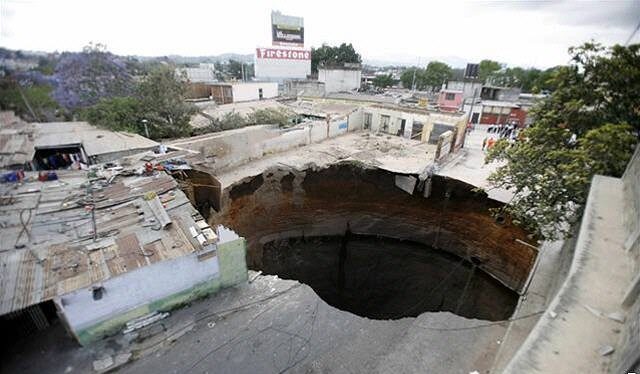
You can’t change the rock under your feet, but you can absolutely change how you live on top of it. One of the simplest protective steps is managing water wisely. Repair leaking plumbing quickly, keep gutters and downspouts directing water away from your foundation, avoid concentrating runoff in one spot, and be cautious with features like in-ground pools or large fill areas that add extra weight and water to the soil.
You can also look closely at your insurance and local building practices. In a few states, you can buy specific sinkhole coverage or at least coverage for catastrophic ground collapse; in others, you may need to push for more clarity from your insurer about what is and isn’t covered. If you’re building or remodeling, asking for soil tests or geotechnical evaluations can feel like overkill until you remember you’re literally betting your house on the ground behaving itself. Taking these steps will not eliminate your risk, but they can turn a mysterious, terrifying threat into a manageable, informed one.
Conclusion: Solid Ground Is Not Always What It Seems
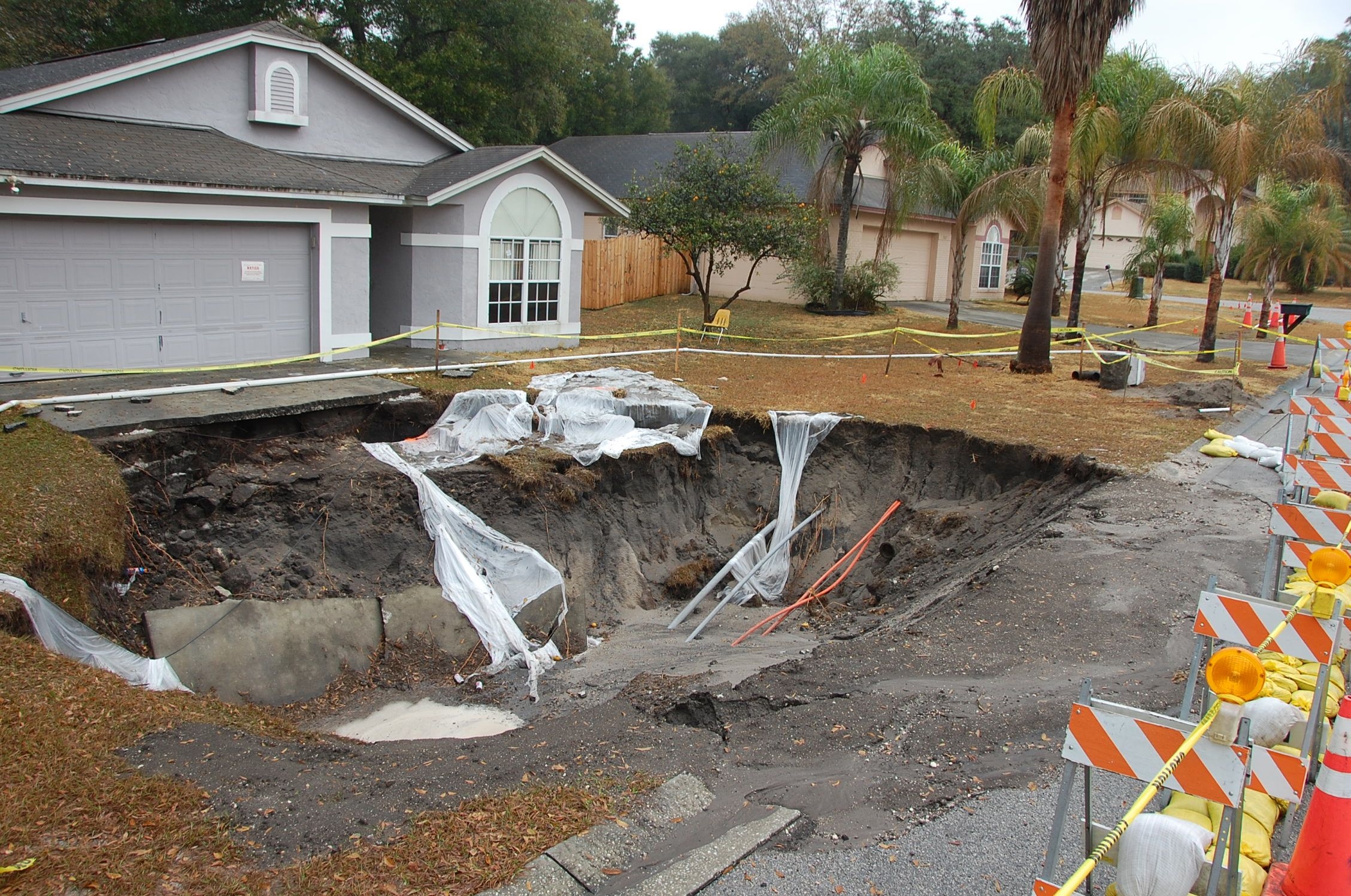
If you live in Florida, Texas, Kentucky, Tennessee, Missouri, Pennsylvania, or Alabama, your relationship with the ground beneath you is more complicated than it looks. You are walking, driving, and building over a landscape that can change shape without warning, simply because water and rock are quietly negotiating with each other in the dark. That sounds unsettling, but once you understand the forces at work, you’re no longer just a bystander – you’re someone who can notice patterns, ask better questions, and push for smarter planning.
You may never see a sinkhole in your lifetime, even if you live in one of these high-risk states. But if you do, you’ll want it to be something you anticipated, not something that blindsides you at two in the morning. Knowing your state’s geology, watching for warning signs on your property, and taking water management and insurance seriously are not panic moves; they’re responsible ones. When you step outside tomorrow and feel the ground under your feet, are you going to treat it as a guarantee – or as something worth understanding a little better?