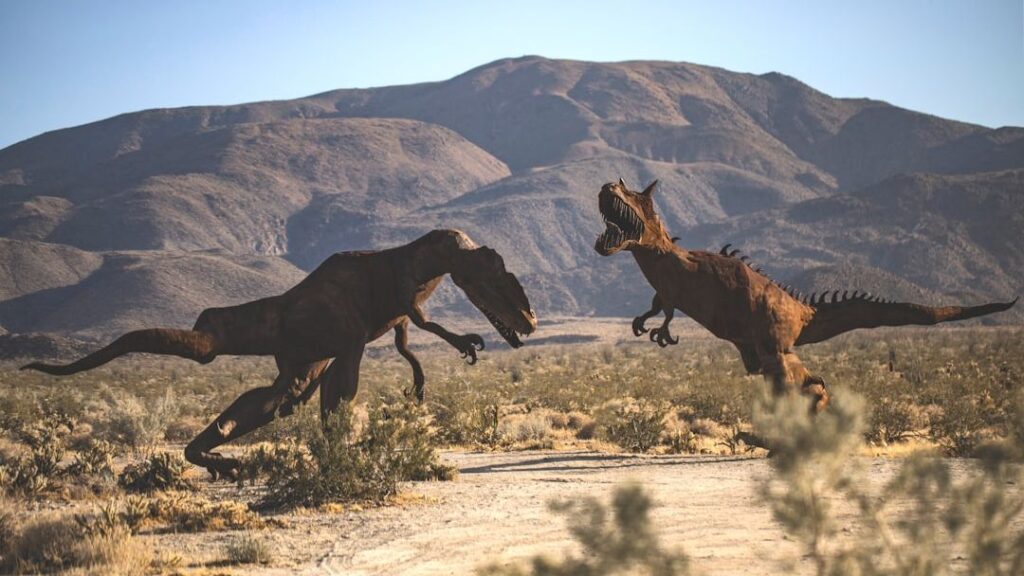
If you grew up loving dinosaurs, you’ve probably imagined some wild, over-the-top dino showdowns in your head. Huge teeth, clawed feet, whipping tails, and earth-shaking roars – it almost feels wrong not to picture them constantly locked in epic battle. But when you look closer at what paleontologists actually know, most of those “movie scene” clashes you picture never really happened, or at least were extremely unlikely. The reality of dinosaur life was usually more about survival, territory, food, and sometimes avoiding fights, rather than starring in a prehistoric action film.
In this article, you’re going to walk through ten of the most dramatic dinosaur fight matchups people love to imagine – and see why they probably never took place the way your brain (or Hollywood) likes to stage them. You’ll still get teeth, claws, and tension, but grounded in what scientists actually know from fossils, habitats, and behavior of modern animals. Think of it as peeking behind the curtain of your favorite dino battles: you keep the fun, but you trade fantasy for something a bit closer to reality.
T. rex vs. Spinosaurus: The Ultimate Clash That Time Never Set Up
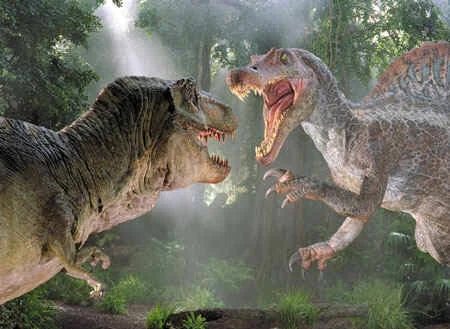
You’ve probably seen this matchup in games, artwork, or that unforgettable movie where a Spinosaurus takes on a Tyrannosaurus rex like they’re bitter rivals. It feels like the heavyweight title fight of the dinosaur world: one the king of the land predators in North America, the other a bizarre, sail-backed giant from North Africa. The problem is, these two animals were separated not only by huge distances, but also by different environments and probably by different time slices. T. rex ruled late Cretaceous North America, while Spinosaurus belonged to a very different ecosystem across an ocean, living a life that was likely much more tied to water.
When you look at their anatomy, you can see that they were built for very different lifestyles, not for meeting in some shared arena. T. rex had bone-crushing jaws geared for tackling large land prey and maybe even stealing kills, while Spinosaurus had long, narrow, fish-snatching jaws and a body adapted to a semi-aquatic existence. If you dropped them into the same place as a thought experiment, you might get an awkward standoff rather than a glorious duel, because they wouldn’t naturally compete in the same niche. So while it’s fun to picture them charging at each other, nature simply never arranged that crossover episode.
Velociraptor vs. Human-Sized Humans: The Movie Battle That Shrinks in Reality
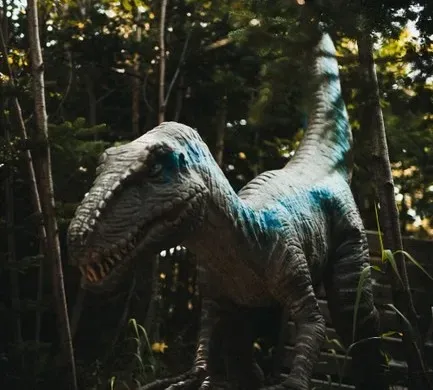
If you’ve absorbed the popular image of Velociraptor, you probably see a tall, scaly, door-opening monster about the size of a person, ready to stalk you through a kitchen. In reality, if you met an actual Velociraptor, you’d be dealing with something closer in size to a large turkey, covered in feathers, and living in what is now Central Asia, not on some lush tropical island. That doesn’t make it harmless – the sickle claw and sharp teeth were still very real – but it does completely change the tone of the imaginary “man vs. raptor” showdown.
Instead of some evenly matched cage fight, a real confrontation would be more like you facing a dangerous, fast, medium-sized predator that would probably rather avoid you. Modern predators of similar size tend to back off from something much larger, especially if it looks unfamiliar and potentially risky. A Velociraptor might slash if cornered or desperate, but it wouldn’t be the carefully coordinated, horror-movie hunter you’ve been taught to fear. Your mental image of you “battling” one is mostly a product of cinematic exaggeration, not the biology of this agile, but relatively small, animal.
Triceratops vs. Stegosaurus: Horns and Plates That Never Met
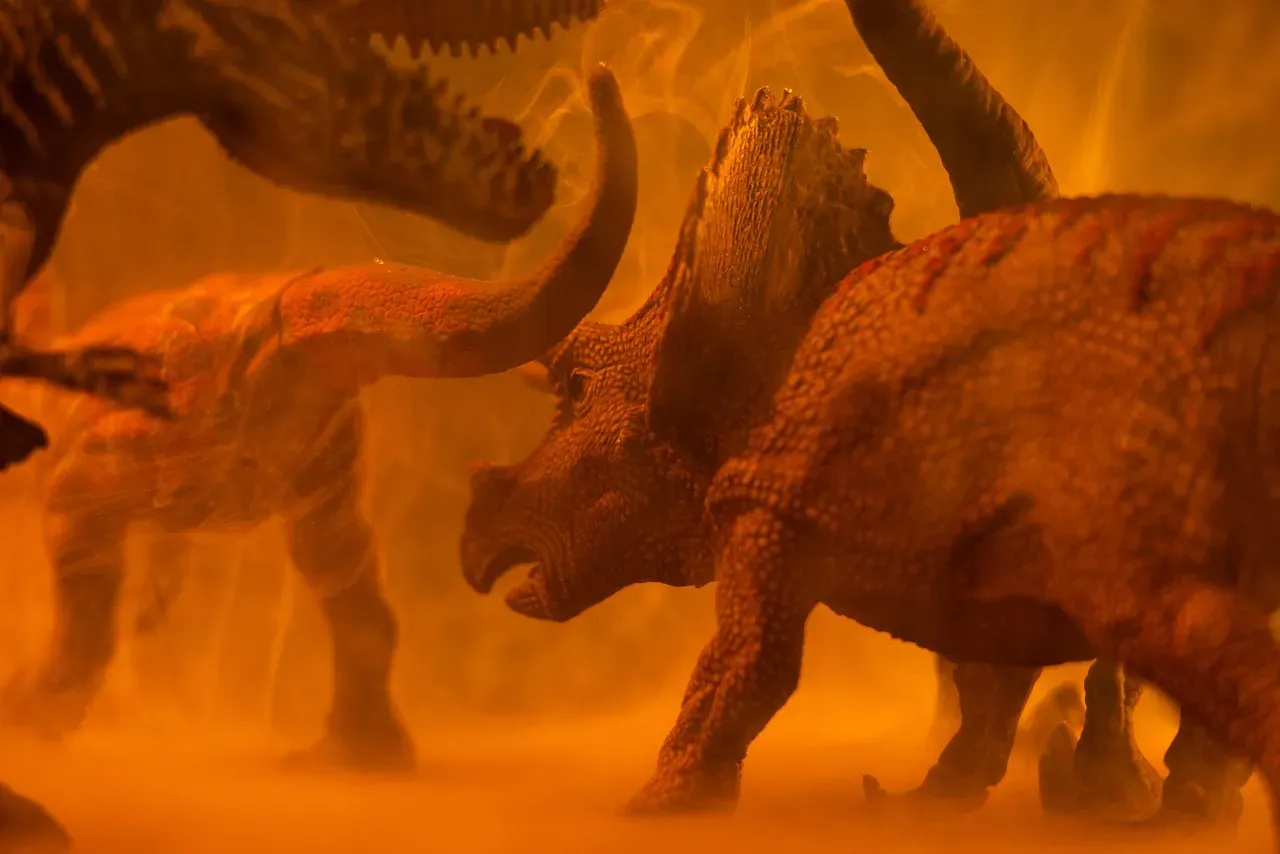
You might enjoy picturing a tank-like Triceratops charging a spike-tailed Stegosaurus, horns down, tail swinging, dust flying as two armored herbivores collide. The catch is, they are separated by a yawning gulf of time you can’t ignore. Stegosaurus lived in the Late Jurassic, while Triceratops walked the Earth in the Late Cretaceous, tens of millions of years apart. You’re basically imagining bison fighting woolly mammoths and ignoring the timeline, except with even more distance between them.
On top of that, their worlds were different in climate, plant life, and predator threats. Stegosaurus had to worry more about predators like Allosaurus, while Triceratops likely dealt with Tyrannosaurus and other late Cretaceous hunters. Their defenses evolved in response to very different enemies, not each other. If you transplant them into the same place in your imagination, you’re mixing ecosystems that never coexisted. It makes for a thrilling mental picture, but the battle between horns and tail spikes is purely a fantasy mash-up.
Allosaurus vs. T. rex: Same Job, Different Eras
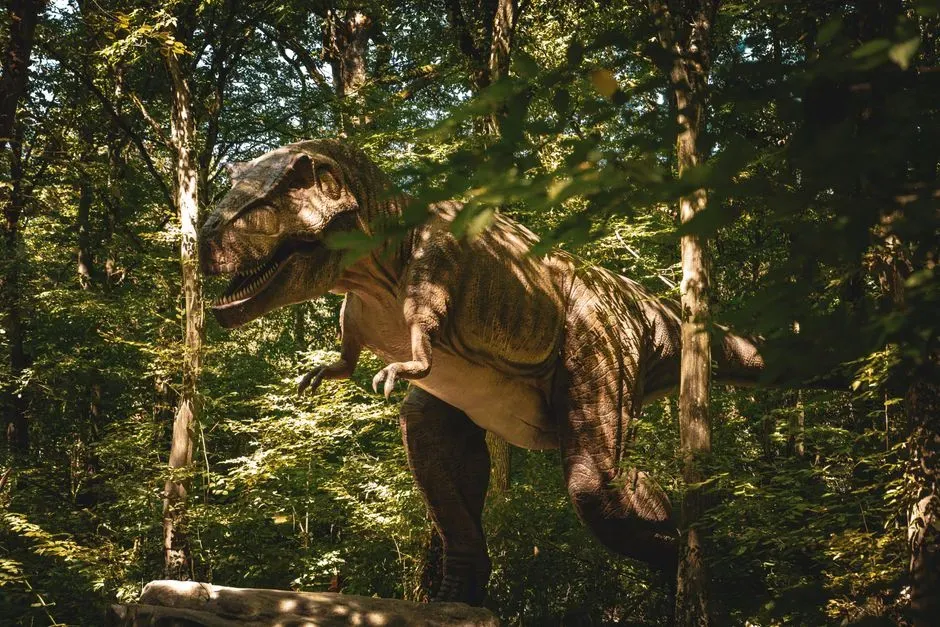
This is another popular “who would win?” matchup: you picture Allosaurus, the big Jurassic predator, squaring off against T. rex, the late Cretaceous giant. On paper, it sounds like the perfect way to compare two top carnivores. But once again, you’re crossing a very long gap in time. Allosaurus lived long before T. rex ever evolved, and by the time T. rex dominated North America, Allosaurus and its close relatives were already ancient history. They never shared the same food webs or competed for the same prey in real life.
Even if you imagine them together, they weren’t simply two versions of the same animal. Allosaurus had lighter, more blade-like teeth and a more flexible skull, better suited for slashing and repeated bites, while T. rex had incredibly robust jaws capable of crushing bone. You could think of Allosaurus as closer to a big, slashing lion and T. rex as a super-hyena built to break whatever it bit. Since they were kings of different ages, nature never staged this duel, and any fight between them lives only in your comparisons and thought experiments.
T. rex vs. Ankylosaurus: The Struggle You Imagine vs. The Risk Reality
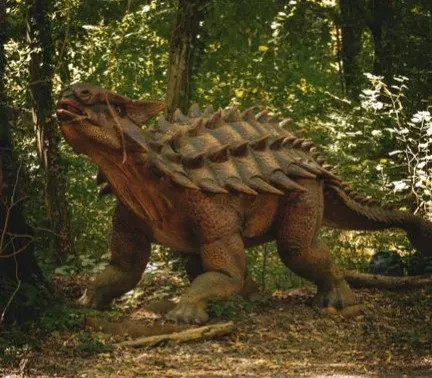
It’s tempting to imagine T. rex trying to flip an Ankylosaurus like a giant armored turtle, dodging a wrecking-ball tail while searching for a weak spot. You’ve got a predator with bone-crushing jaws and a walking tank with heavy armor and a deadly club at the end of its tail. The truth is, while they did live in the same general time and place, the dramatic one-on-one “boss fight” is probably exaggerated. Predators in nature tend to choose easier targets when they can, like the young, old, or injured, rather than committing to a life-or-death duel with a full-strength fortress.
When you look at Ankylosaurus, you’re seeing an animal designed to make attacking it a terrible idea. Heavy armor, low center of gravity, and that enormous tail club all scream risk. A T. rex that got its leg shattered by one well-placed blow might not survive long afterward. So while a T. rex might have scavenged dead ankylosaurs or occasionally tested one if conditions were desperate, your vision of frequent, cinematic clashes between the two is probably way more dramatic than what usually happened on those ancient floodplains.
Spinosaurus vs. Carcharodontosaurus: River Hunter vs. Land Hunter That Rarely Met Head-On
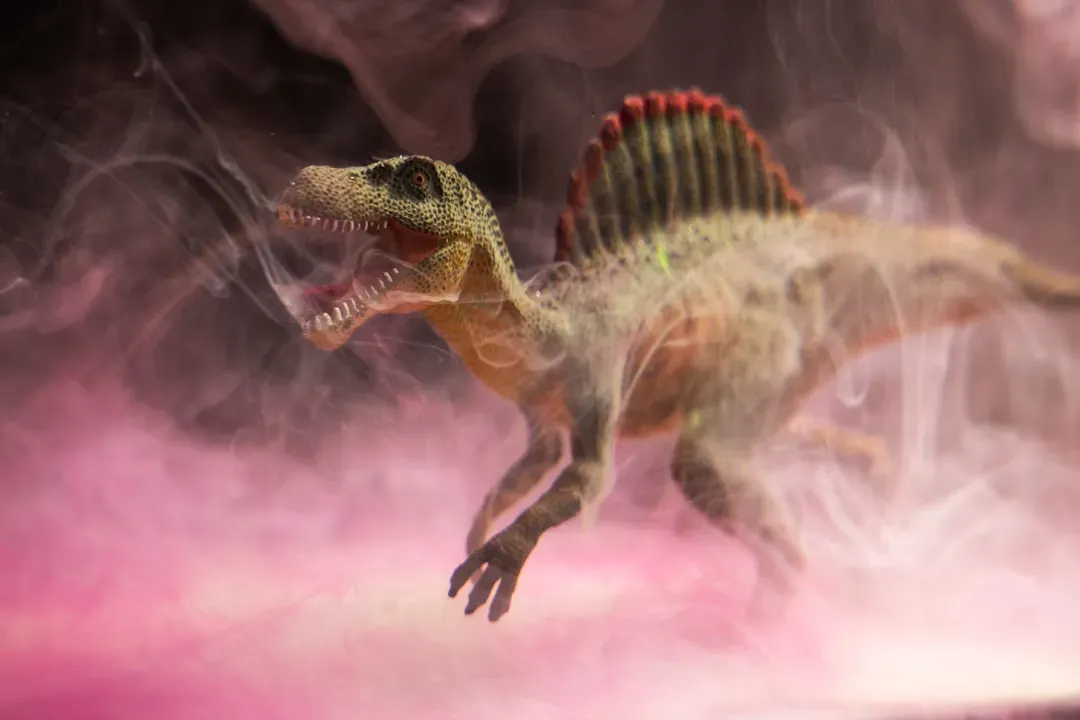
If you enjoy imagining North Africa in the Cretaceous, you might picture Spinosaurus and Carcharodontosaurus as bitter rivals fighting over territory in epic, drawn-out battles. Both were huge predators, and they did live in the same general region, which makes the imagined rivalry attractive. But when you pay attention to their anatomy and likely lifestyles, you start seeing them as specialists that probably reduced direct conflict by focusing on different prey. Spinosaurus appears to have been strongly tied to water, hunting fish and aquatic animals, while Carcharodontosaurus was more of a classic large land predator.
In modern ecosystems, big predators that share space often avoid constantly fighting by dividing up hunting zones or preferred prey, and you can reasonably apply that logic here. Spinosaurus, with its long, narrow jaws and possible swimming adaptations, fits a role more like a crocodile crossed with a heron on steroids, while Carcharodontosaurus looks more like a land-based big-game hunter. Could they have clashed at riverbanks or carcasses sometimes? Sure, you can imagine confrontations. But the nonstop, cinematic rivalry people like to picture is probably not how those ecosystems stayed stable over long stretches of time.
Gigantoraptor vs. Any Giant Predator: The Mystery Bird That You Keep Miscasting
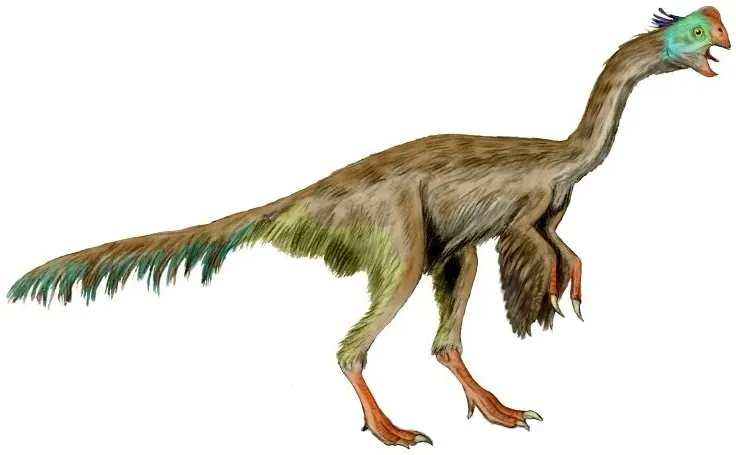
Gigantoraptor sounds like a name made for a brutal cage match, and its size really was impressive compared to most other so-called “raptor” dinosaurs. You might instinctively drop it into mental battles against big carnivores, imagining it slashing and grappling like some oversized Velociraptor. But when you look at its body, you’re actually dealing with a giant, birdlike oviraptorosaur, possibly feathered and probably more focused on plants, small animals, or omnivorous foraging than on dramatic face-offs with apex predators. You’re much closer to thinking about a flightless, oversized bird than a scaly movie monster.
Because of the limited fossils and ongoing debate, scientists are still piecing together how it behaved, but nothing about it screams “arena champion.” In real life, if you dropped a large specialized predator into its world, Gigantoraptor would likely rely on speed, awareness, and maybe flock behavior rather than trying to go toe-to-toe. Modern large birds, like ostriches and cassowaries, can be dangerous, but they generally avoid unnecessary fights with major predators when escape is an option. The big, dramatic one-on-one duel between Gigantoraptor and some giant carnivore is more of a fantasy role you’re assigning than a scene backed by solid evidence.
Mosasaurus vs. T. rex: Ocean Monster vs. Land King That Never Shared a Stage
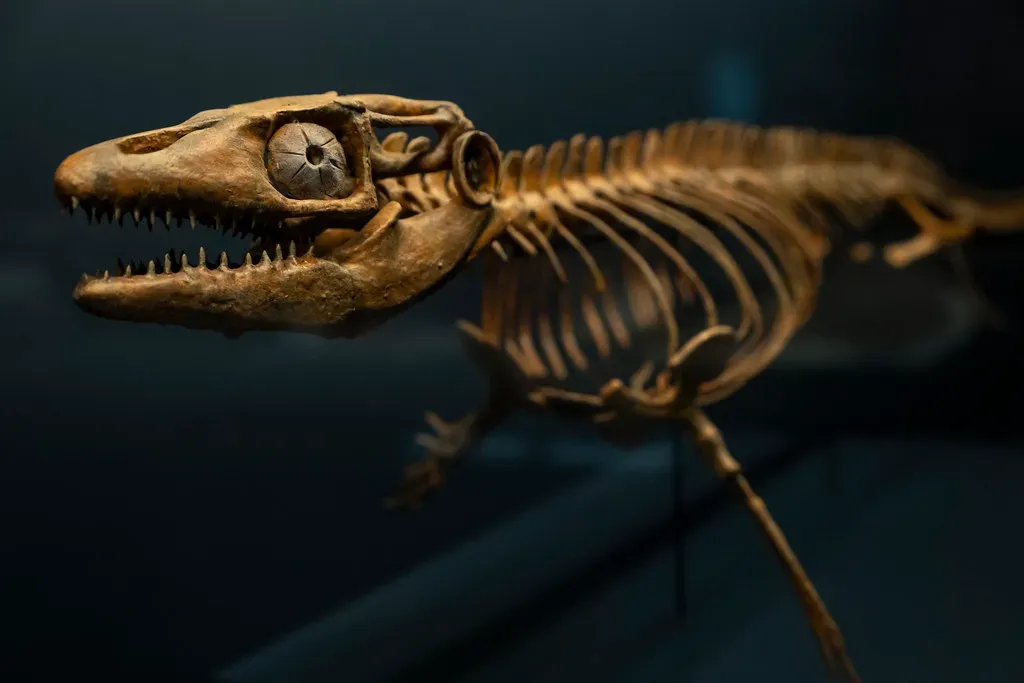
This is the kind of matchup you see in games or toy sets where logic politely exits the room: Mosasaurus, a massive marine reptile, lunging out of the water to chomp down on a T. rex at the shoreline. It looks amazing in your mind, but you’re blending two very different environments and forget that Mosasaurus wasn’t even a dinosaur. It lived in the oceans as a powerful marine predator, while T. rex walked solid ground far inland most of the time. You’re asking an ocean apex predator to come fight a land apex predator like a shark battling a lion on the beach.
Could a large terrestrial dinosaur have ended up near water and become a carcass for marine scavengers? Absolutely, that’s totally possible, and it probably happened with many animals near ancient shorelines. But your idea of a Mosasaurus leaping up to drag an active, healthy T. rex into the sea is basically prehistoric fan fiction. Their worlds overlapped only in the sense that land met ocean; beyond that, each ruled their own realm where the other would be out of its element almost immediately.
Brachiosaurus vs. Any Big Predator: The Tower That Probably Won by Existing
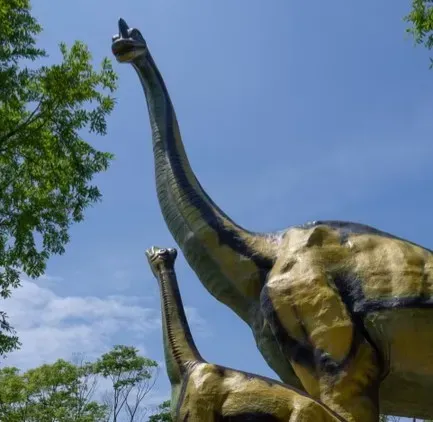
Part of you might love the thought of a Brachiosaurus rearing up or swinging its massive body to swat at attackers, surrounded by snarling predators that somehow dare to challenge it. The reality is, a healthy adult Brachiosaurus was so enormous and towering that most predators would have seen it as more trouble than it was worth. You can look at modern ecosystems and notice that top predators rarely bother going after the largest, healthiest elephants or giraffes unless circumstances are extreme. The energy cost and risk just do not match the potential reward.
Most actual “fights” probably involved predators targeting young or sick individuals, not full-grown titans. A baby or juvenile sauropod would have been far more vulnerable and realistic as a target than a massive adult that could simply walk away or lash out if something got too close. Your imagined showdown where a pack of large carnivores takes on a massively healthy Brachiosaurus is likely a rare event, if it happened at all, because evolution tends to favor strategies that avoid suicidal hunting attempts.
Pack of “Raptors” vs. T. rex: The Overhyped Swarm Attack
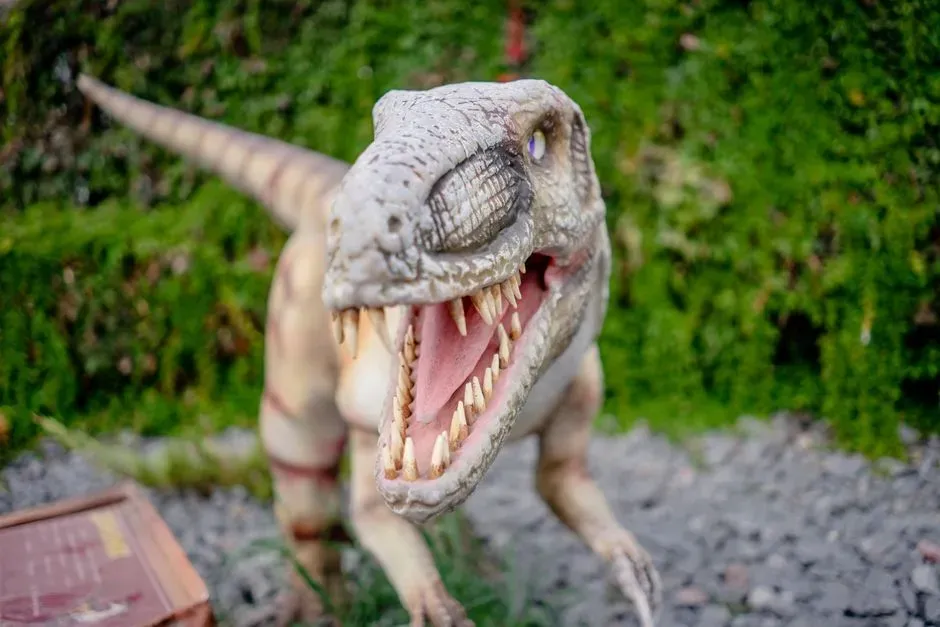
One of the most enduring images in dinosaur fiction is the idea of a pack of smaller “raptors” swarming a huge Tyrannosaurus, leaping onto its back, and bringing it down like wolves attacking a bison. It’s a gripping scene, and it taps into your understanding of coordinated hunting. The problem is, there’s limited solid evidence that most of these smaller dromaeosaurs, the group often called “raptors,” actually hunted in complex, mammal-like packs the way people imagine. Some trackways and bonebeds hint at group behavior, but coordinated strategy is a very different leap.
On top of that, the size difference between most known raptor-like dinosaurs and a full-grown T. rex is enormous. Attacking something that massive would be wildly risky, and predators in real life usually know when to back off. It’s far more reasonable to picture them going after smaller herbivores, juveniles, or scavenging leftovers from kills. Your mental image of a swirling, perfectly synchronized death squad jumping a T. rex is one of those dramatic scenes that feels right but floats far from what the available evidence actually supports.
Conclusion: Why Your Favorite Dinosaur Fights Still Matter, Even If They Never Happened
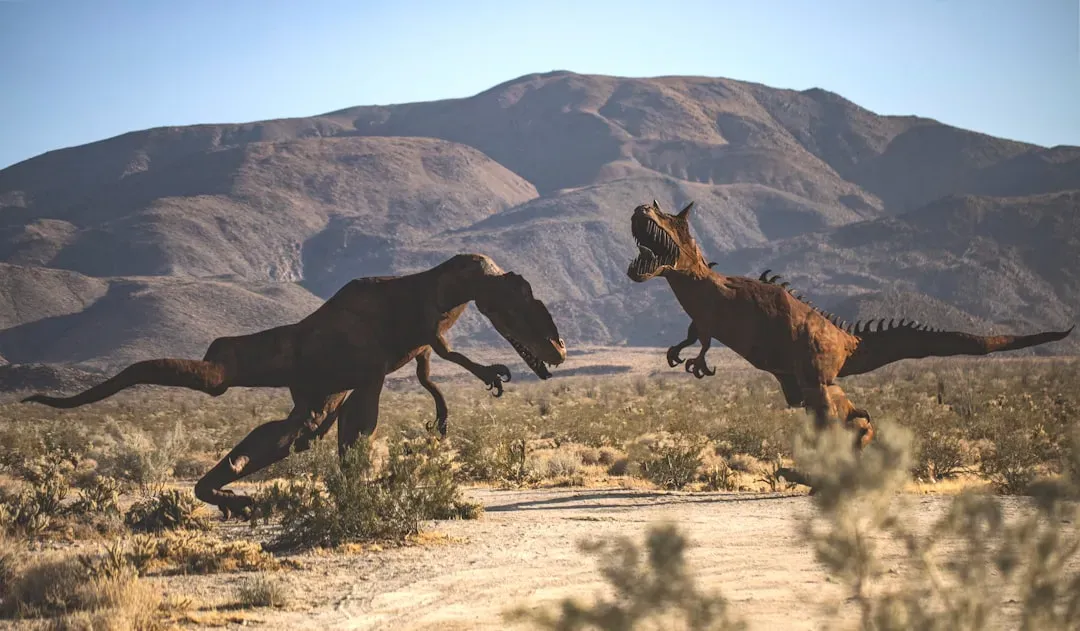
When you step back from all these imagined battles, you start to see a pattern: your brain loves clear rivals, “final boss” showdowns, and neat comparisons, but nature is usually messier, quieter, and more practical. Dinosaurs lived in specific times, places, and ecosystems, and many of the most thrilling matchups you see in media are mash-ups that ignore those details. That does not mean dinosaurs were boring; it just means their lives were driven more by finding food, avoiding injury, and raising the next generation than by staging constant gladiator-style fights.
If anything, understanding why these dramatic clashes probably never happened can actually deepen your appreciation of the real animals. You start to notice how specialized they were, how their bodies fit their worlds, and how different predators and prey could coexist without constantly tearing each other apart. You can still enjoy the “what if” questions and mental battles, as long as you keep one foot in what the fossils, rocks, and modern animal behavior are quietly telling you. And maybe the next time you imagine two giant dinosaurs squaring off, you’ll also ask yourself a more interesting question: not just who would win, but whether they’d really choose to fight at all.