Space – the final frontier, a realm of endless possibilities and mysteries. As we celebrate Human Space Flight Day, it’s fascinating to ponder the future of life beyond our home planet. Imagine a world where lush green farms float amidst the stars and biolabs hum with innovation, all within the confines of a spaceship orbiting Earth. This isn’t just science fiction; it’s the reality scientists and engineers are working tirelessly to bring to life. But why is this vision so compelling and crucial for our future? Let’s delve into the world of space farms and biolabs, where the seeds of tomorrow’s life are being sown today.
The Need for Space Farms
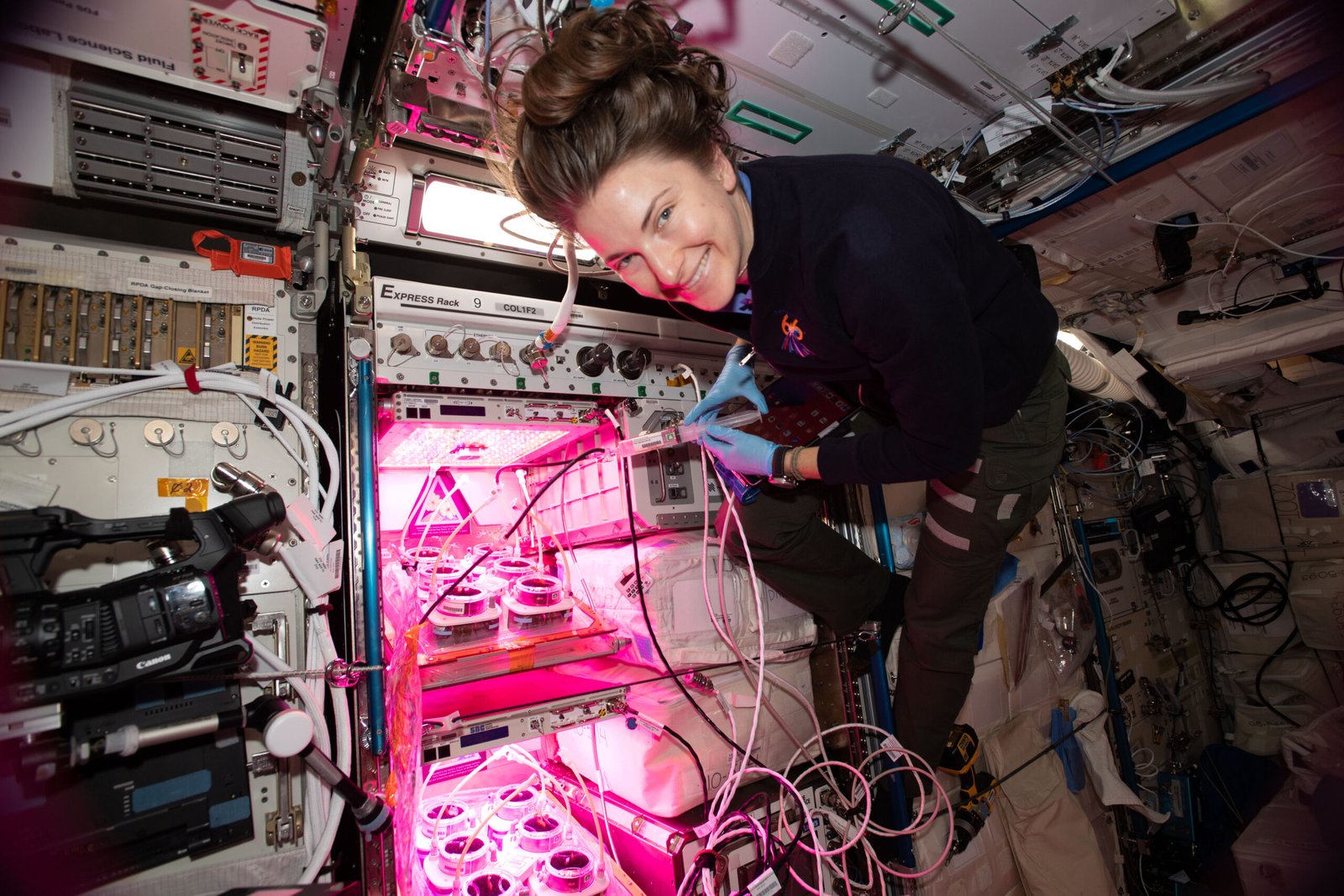
The idea of growing food in space might seem like a scene straight out of a sci-fi movie, but it’s becoming an essential part of sustaining long-term human presence in space. As we plan for extended missions to the Moon and Mars, the question of how to provide astronauts with fresh food becomes critical. Transporting food from Earth is not only costly but also impractical for long-duration missions. Space farms offer a solution by allowing us to grow fresh produce onboard spacecraft, reducing dependency on Earth supplies. This approach mimics ancient practices where communities thrived by cultivating their own food, ensuring sustainability and self-sufficiency.
Biolabs: The Heart of Space Innovation
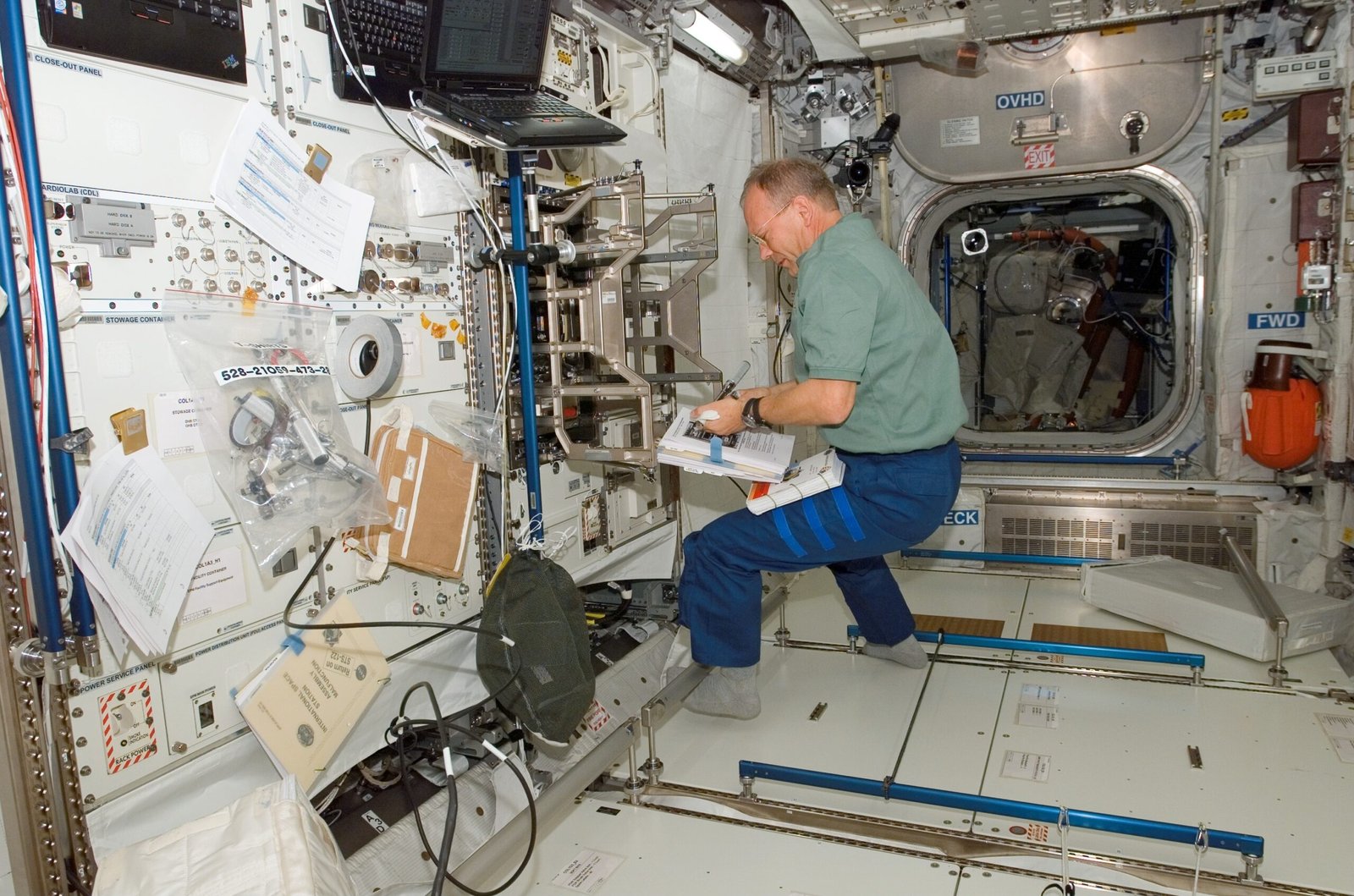
Biolabs in space are the powerhouses of scientific discovery, enabling researchers to conduct experiments that are impossible on Earth. In microgravity, biological processes behave differently, offering unique insights into cellular behavior and genetic expression. These laboratories are crucial for understanding how life adapts to space, paving the way for medical breakthroughs and advanced biotechnology. Just as laboratories on Earth have been the cornerstone of scientific progress, space biolabs are set to revolutionize our understanding of life and health in the cosmos.
Growing Food in Microgravity
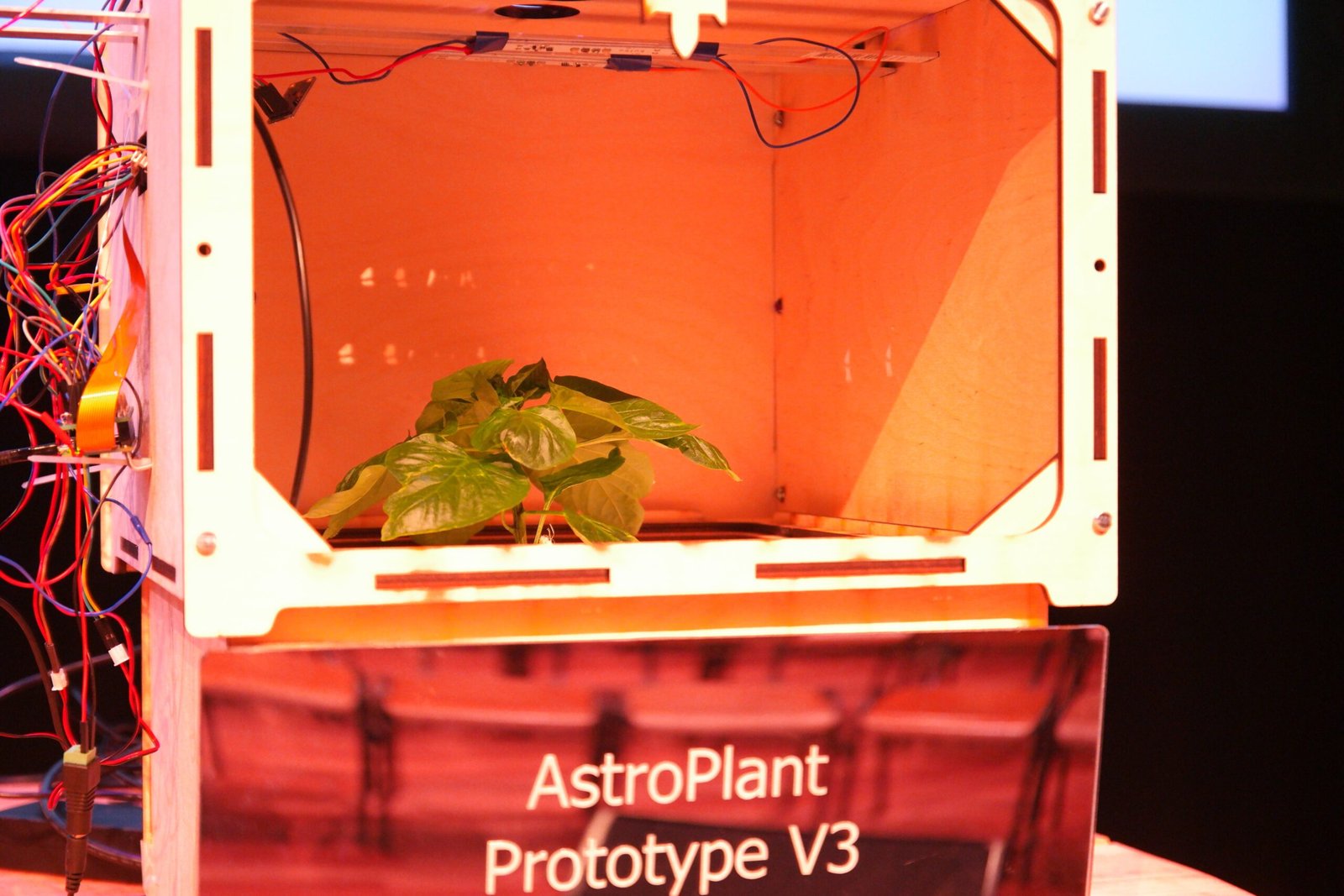
Growing plants in the weightless environment of space presents unique challenges. Without gravity, water and nutrients don’t flow as they do on Earth, requiring innovative techniques to ensure plant survival. Scientists are experimenting with hydroponics and aeroponics to provide plants with the necessary support and nourishment. These methods allow for precise control over the growth environment, optimizing conditions for plant health and yield. It’s akin to nurturing a delicate bonsai tree, where each element must be meticulously managed to achieve the desired outcome.
The Role of Artificial Intelligence
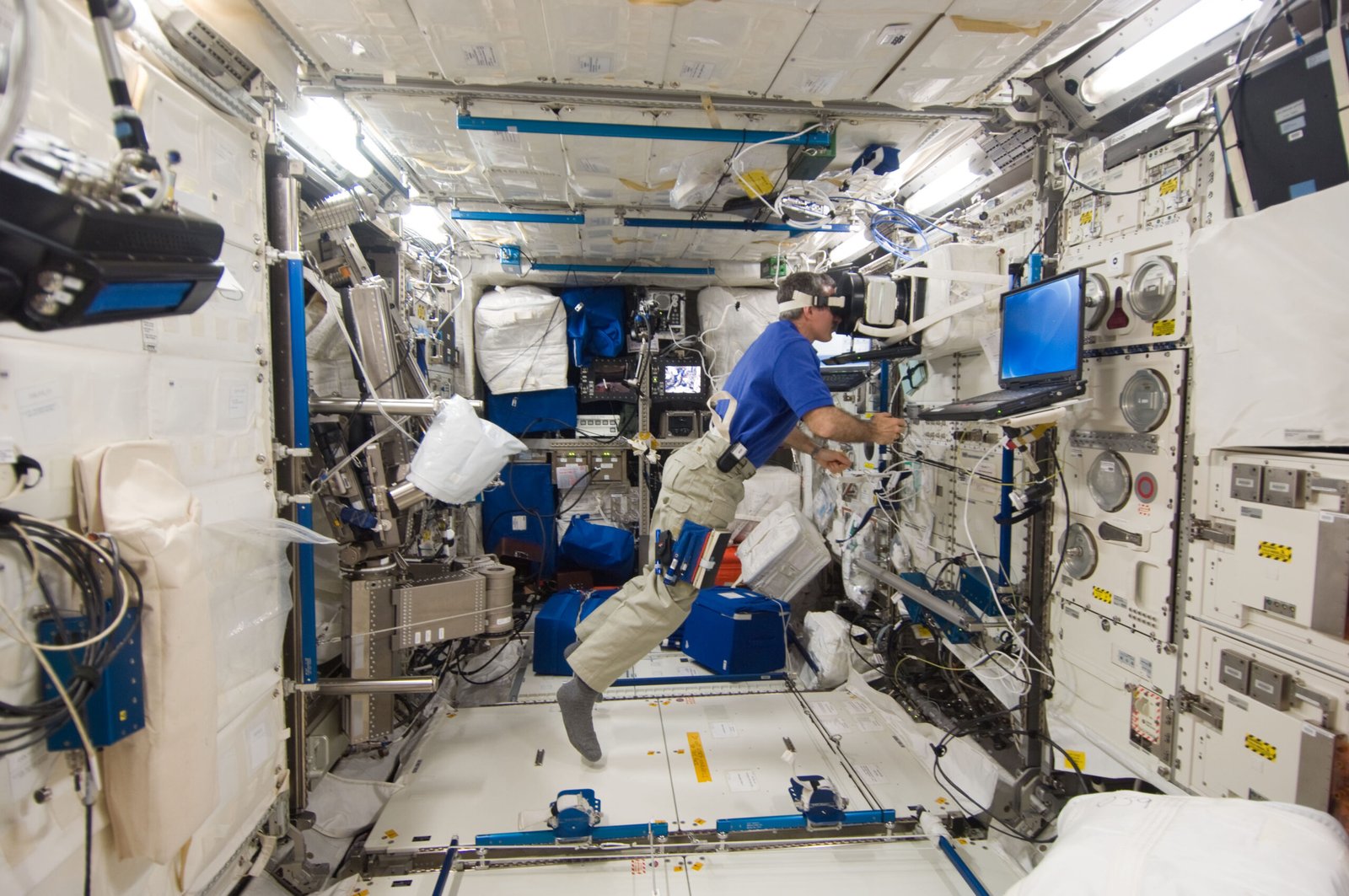
Artificial Intelligence (AI) plays a pivotal role in managing space farms and biolabs. With limited human intervention, AI systems can monitor plant growth, adjust environmental conditions, and analyze experimental data in real-time. This technology acts as the vigilant guardian of these space ecosystems, ensuring that every variable is optimized for success. Just as a conductor leads an orchestra, AI orchestrates the harmonious functioning of these complex systems, enabling humans to focus on broader mission goals.
Space Farms: A Step Towards Mars Colonization
As humanity sets its sights on Mars, space farms become a crucial stepping stone in the journey. The Red Planet’s harsh environment necessitates self-sufficiency in food production. By perfecting farming techniques in space, we lay the groundwork for sustainable living on Mars. It’s the same principle as preparing for a long expedition; the better prepared we are, the more successful the journey. Space farms thus act as a rehearsal for the ultimate goal of colonizing another planet.
Biolabs and Health Research

Biolabs in space are not just about growing food; they are also frontiers for health research. In the absence of gravity, scientists can study muscle atrophy, bone density loss, and other health issues that astronauts face. These findings have profound implications for improving healthcare on Earth, offering new treatments for conditions like osteoporosis and muscle degeneration. It’s a reminder that the benefits of space exploration extend far beyond the stars, impacting lives right here on our planet.
Environmental Benefits of Space Farming
Space farming offers unexpected benefits for Earth’s environment. By developing closed-loop systems that recycle water and nutrients, these farms provide models for sustainable agriculture on Earth. The techniques honed in space can be adapted to address food security and resource scarcity, making agriculture more resilient to climate change. Just as a lighthouse guides ships safely to shore, space farms illuminate the path to a more sustainable future for our planet.
Challenges and Solutions
Despite the exciting prospects, space farming and biolabs face significant challenges. Radiation, limited space, and energy constraints are just a few hurdles that scientists must overcome. Innovative solutions, such as radiation-resistant plant varieties and energy-efficient growth systems, are being developed to address these issues. It’s a testament to human ingenuity and determination, much like scaling a towering mountain; each challenge conquered brings us closer to the summit of success.
The Future of Space Exploration
The development of space farms and biolabs is a testament to humanity’s relentless pursuit of exploration and innovation. As we look to the stars, these advancements bring us closer to realizing the dream of living and thriving in space. They embody the spirit of Human Space Flight Day, celebrating our achievements and inspiring future generations to reach for the cosmos. It’s a reminder that the universe is vast and full of potential, waiting for us to explore and unravel its mysteries.
Reflection: A New Era of Possibilities
As we stand on the brink of a new era in space exploration, the possibilities are as vast as the universe itself. Space farms and biolabs represent not just technological advancements but a new way of thinking about our place in the cosmos. They challenge us to redefine what it means to thrive beyond Earth and inspire us to dream bigger. The question remains: How will we shape this future, and what wonders will we discover along the way?