Conditions That Defied Life Itself (Image Credits: Upload.wikimedia.org)
Hiroshima and Nagasaki – Eighty years after the atomic bombings scarred these Japanese cities, scientists continue to marvel at the rapid return of vegetation amid the ruins. Experts once predicted barren lands for decades, yet new growth appeared within months, led by resilient trees known as hibakujumoku, or A-bombed trees.[1][2] A recent review explores how these plants harnessed innate survival mechanisms to reclaim the devastated terrain.
Conditions That Defied Life Itself
On August 6, 1945, at 8:15 a.m., a 15-kiloton nuclear device detonated over Hiroshima, generating temperatures up to 4,000 degrees Celsius three kilometers from the hypocenter and exposing the area to 240 grays of radiation – far exceeding the five grays lethal to humans.[1] Three days later, Nagasaki endured a similar cataclysm with the 21-kiloton Fat Man bomb. The blasts incinerated structures, vaporized flesh, and stripped the landscape nearly bare, leaving initial observers to forecast up to 75 years before any plant recovery.
Surprisingly, sprouts pushed through the ash by early autumn. This swift resurgence challenged assumptions about radiation’s long-term grip on ecosystems. Researchers now view these events as a natural laboratory for extreme stress tolerance.
Icons of Endurance: The Hibakujumoku Legacy
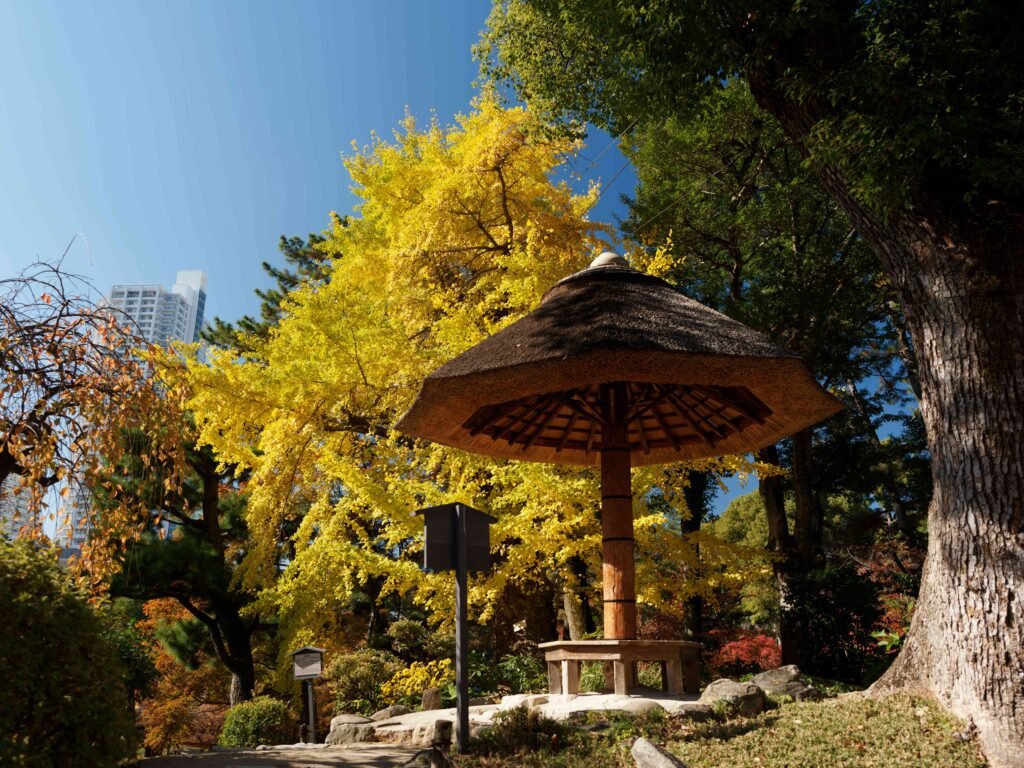
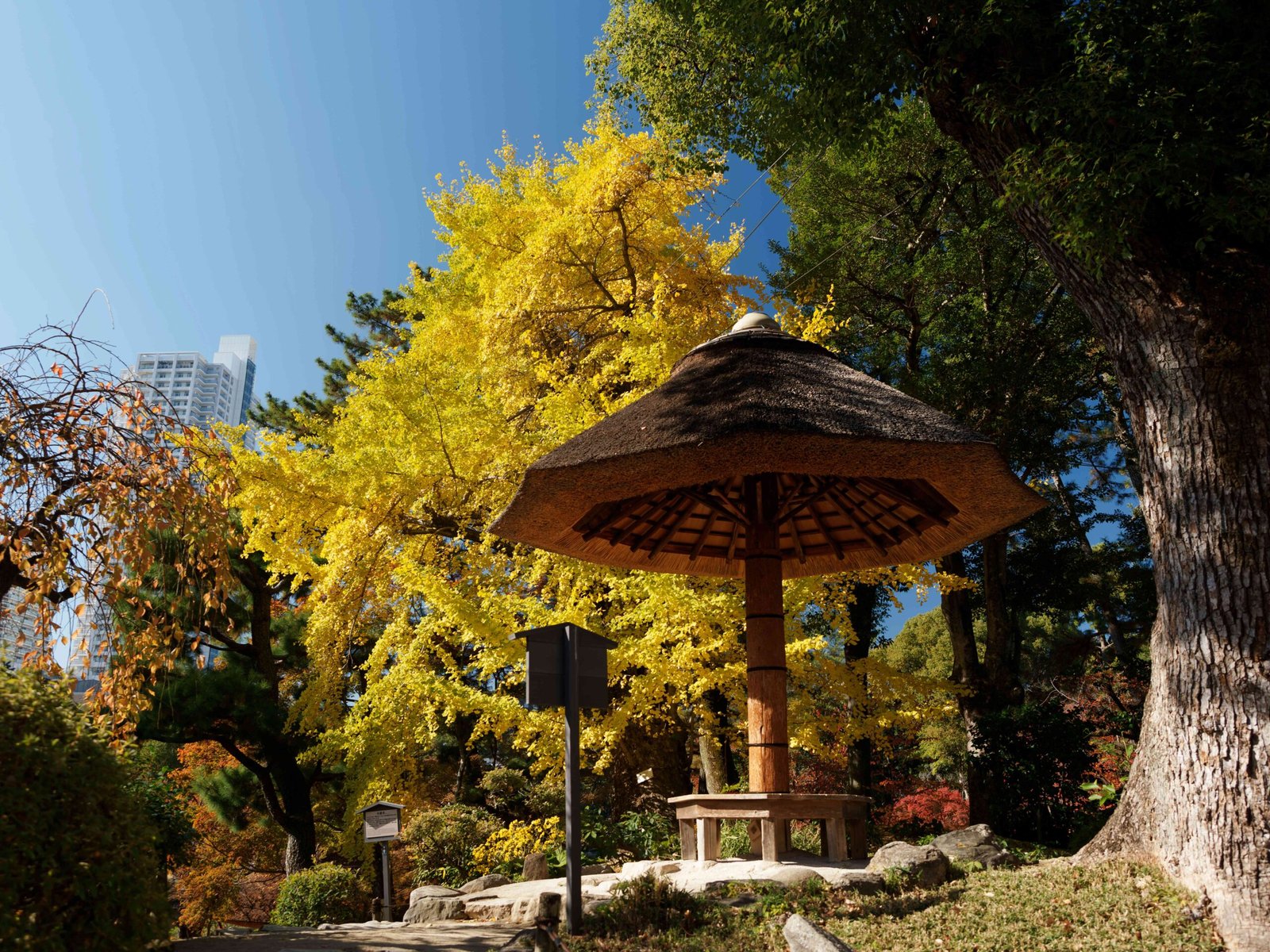
Hibakujumoku stand as living monuments in Hiroshima’s city center and beyond, their scarred trunks bearing witness to the bombings. Derived from terms meaning “A-bombed trees,” over 170 such specimens persist in Hiroshima alone, some as close as 370 meters from ground zero.[3] These trees, rooted in schoolyards, temples, and public squares, symbolize renewal amid horror.
Prominent examples include ginkgo biloba, the ancient species renowned for longevity, alongside weeping willows and Japanese hackberry. Even grasses like Japanese silver grass contributed through underground rhizomes shielded from the inferno. Today, their seeds travel globally, fostering peace gardens worldwide.
Constitutive Resilience: A Pre-Programmed Defense
A new analysis in Progress in Biophysics and Molecular Biology attributes the rebound to “constitutive resilience” – inherent, pre-existing traits rather than post-event adaptations.[1][2] Plants drew on robust DNA repair systems, high antioxidant levels, and structural protections like thick bark or buried roots to endure the acute onslaught.
Unlike gradual evolutionary shifts, these mechanisms activated immediately. Protected seeds germinated, stumps resprouted, and soil banks preserved viable propagules. The paper describes survivor trees as “biological archives” encoding radio-tolerance secrets.[1]
Acute Shock Versus Chronic Exposure
The Hiroshima and Nagasaki bombings delivered a singular, high-intensity pulse, unlike the persistent low-dose contamination at Chernobyl or Fukushima. Radiation levels plummeted rapidly post-detonation, allowing hardy flora to seize the moment.[1]
Studies abound on those exclusion zones, yet few delved into the atomic cities until now. This distinction underscores why hibakujumoku thrived: their built-in defenses suited a one-off apocalypse, not ongoing decay.
- Ginkgo biloba: Resprouted from cambium layer under bark.
- Weeping willow: Regrew from roots after toppling.
- Japanese hackberry: Seeds survived in soil.
- Silver grass: Rhizomes evaded surface heat.
- Camphor tree: Thick bark insulated vital tissues.
Unlocking Molecular Mysteries Ahead
Authors urge advanced “omics” investigations – genomics, epigenomics – to decode these trees’ genomes. Such work could illuminate tolerances applicable to climate threats or future disasters. Read the full review here and the originating report in Popular Mechanics.[1]
By bridging history and biology, this research elevates hibakujumoku from relics to guides for resilient futures.
Key Takeaways
- Hibakujumoku survived acute radiation via innate traits like DNA repair and protective structures.
- Recovery outpaced predictions, with growth in months not decades.
- Future genomic studies promise broader lessons for environmental stress.
These trees remind us that life persists against odds. What lessons do hibakujumoku hold for our warming world? Share your thoughts in the comments.