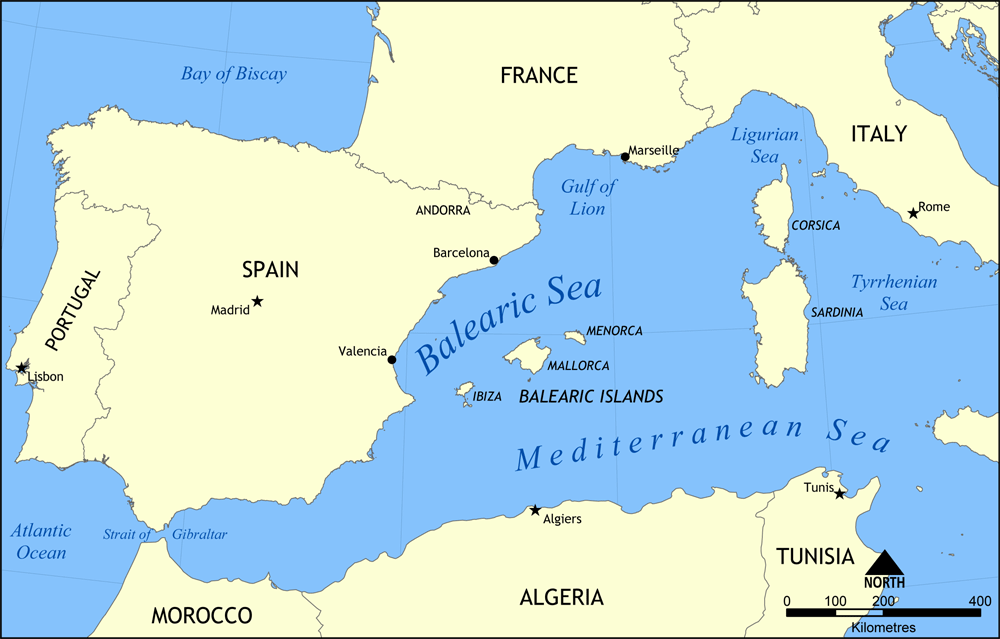

Imagine standing where today waves crash against the coast of Italy or Greece, but instead of water stretching to the horizon, you’re staring across a gigantic, sun‑blasted salt desert. That sounds like science fiction, but geologists are convinced that something close to this really happened to the Mediterranean Sea millions of years ago. The idea that this iconic sea once almost vanished turns our everyday world into something suddenly alien and a little unsettling.
This is not just a quirky footnote in Earth’s history. The near‑drying of the Mediterranean reshaped coastlines, climate, life, and even the way we drill for oil and gas today. It is a story of continents squeezing together, oceans suddenly cut off, and water levels plunging by more than a kilometer. And strangely enough, traces of this lost chapter still sit beneath modern beaches and cities, quietly telling us that the world we know is far more fragile and changeable than it looks.
An Ancient Crisis With a Modern Name: The Messinian Salinity Crisis
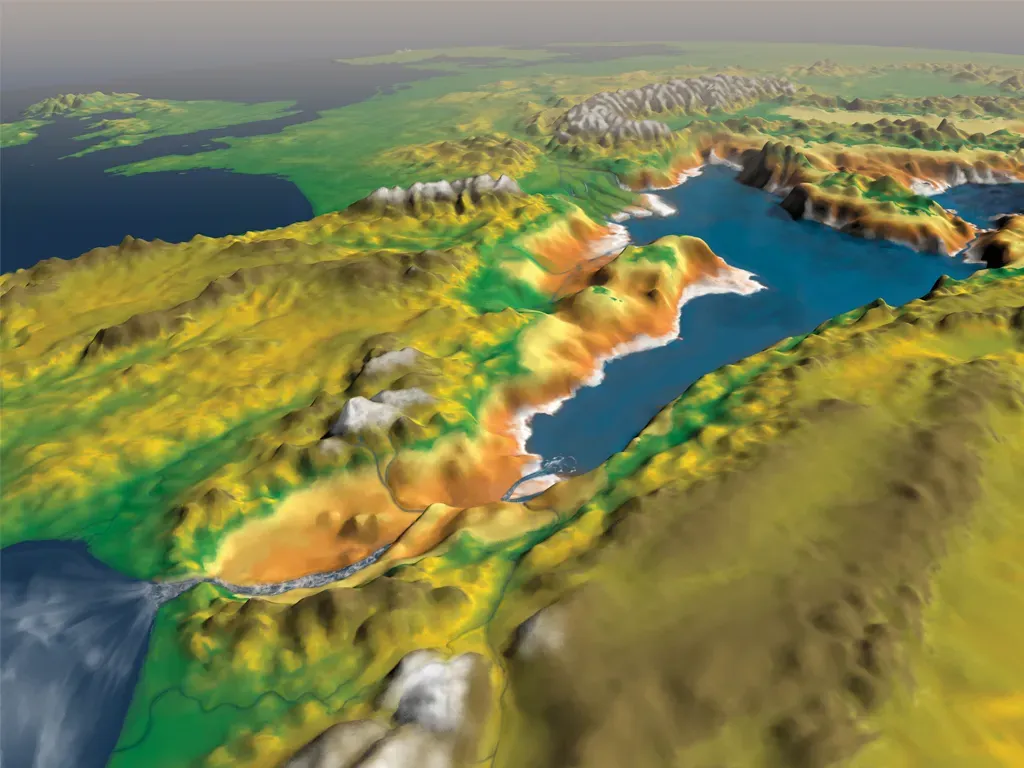
Geologists call this bizarre episode the Messinian Salinity Crisis, and it unfolded roughly between five and seven million years ago during the late Miocene epoch. Back then, the Mediterranean Basin was already in place, surrounded by Africa, Europe, and the Middle East, but its connection to the Atlantic Ocean was far more precarious than it is today. Instead of a broad, deep gateway like the modern Strait of Gibraltar, there were narrow, shallow seaways that could be blocked if tectonic plates shifted just a bit.
Those subtle shifts were enough to transform a thriving sea into a mostly isolated, slowly dying water body. As the seaways shallowed and eventually closed, the balance between water flowing in from the Atlantic and water leaving via evaporation broke down. In a region already famous today for its hot, dry summers, evaporation suddenly became the dominant force, and the Mediterranean started to lose more water than it gained. That is the heart of the “crisis”: an ocean‑scale bathtub with the drain open and the tap barely dripping.
When a Sea Becomes a Giant Salt Factory
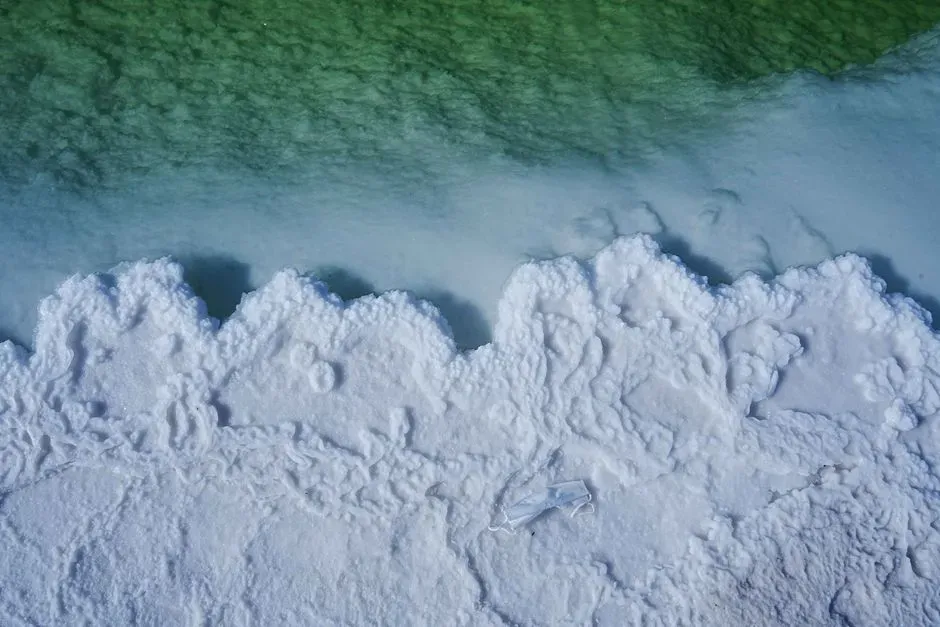
Once the Mediterranean was cut off or severely restricted from the Atlantic, it became a gigantic evaporation pan under the Miocene sun. Water vapor escaped into the atmosphere, but all the dissolved salts were left behind. As this happened over and over, layer after layer of evaporite minerals accumulated at the bottom of the shrinking sea. These deposits include massive amounts of rock salt and gypsum, forming stacks that in places are thicker than many mountain ranges are tall.
Some estimates suggest that in the deepest parts of the basin, these salt layers reach several kilometers in thickness. To picture that, imagine a city‑high tower of table salt, compressed into solid rock and buried beneath younger sediments and water. Oil and gas companies drilling in the region routinely encounter these strange subsurface salt “blankets,” which warp, bend, and even pierce through overlying rocks. These evaporites are some of the clearest signatures that an almost unfathomable amount of seawater once disappeared from the Mediterranean.
A Sea Floor That Turned Into a Deep, Hot, Desert Valley
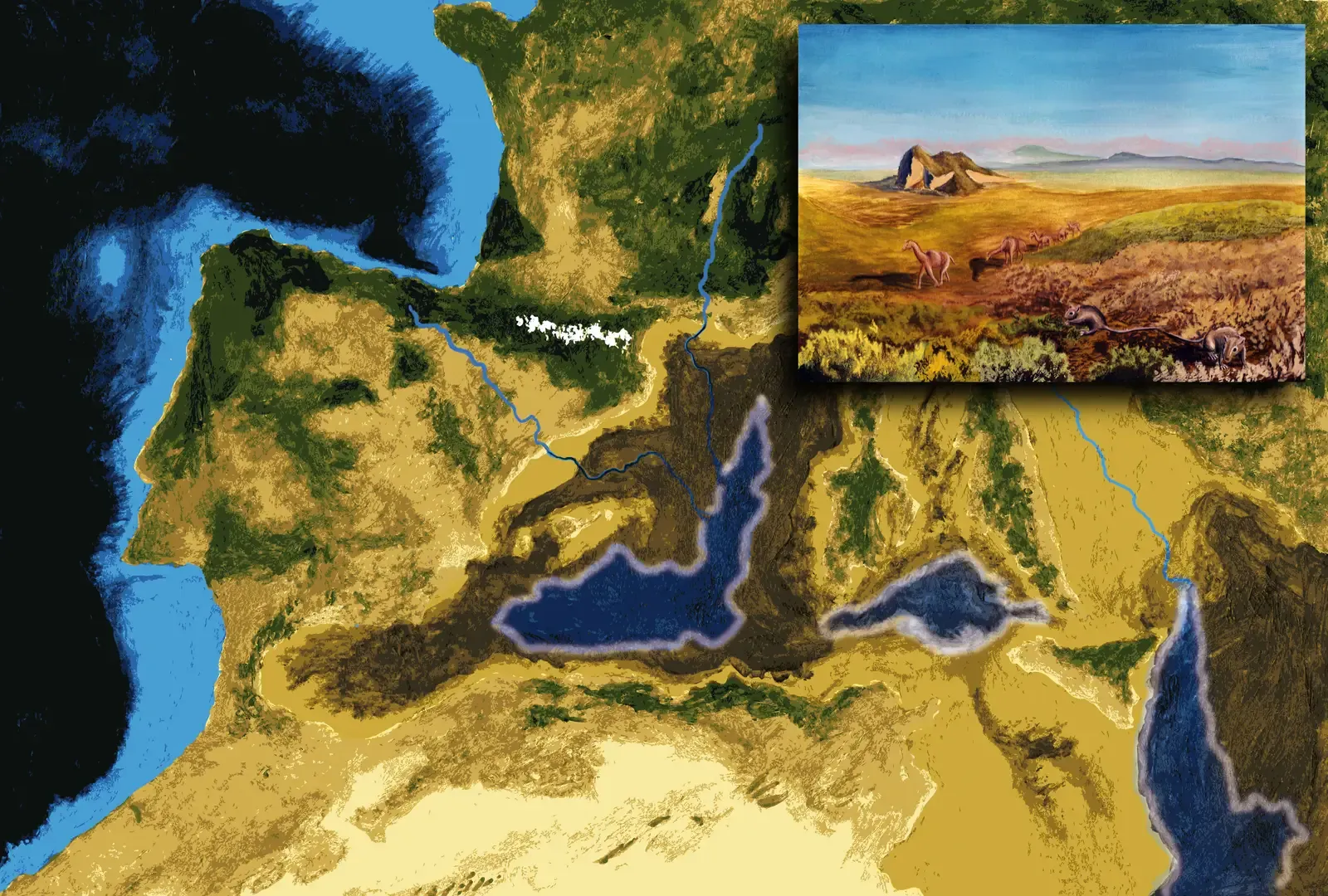
As water levels dropped, the Mediterranean Basin would have been transformed into a vast system of deep valleys, stepped plateaus, and isolated lakes. In its deepest parts, the basin floor is more than four kilometers below modern sea level. During the Messinian Salinity Crisis, much of that might have been exposed air, not water, creating an enormous depression ringed by high cliffs and coastal escarpments. The temperature down there would likely have been extreme, with hot, stagnant air similar to what you feel in the lowest parts of Death Valley, amplified on a continental scale.
Rivers such as the proto‑Nile, Rhone, and Po would have carved spectacular canyons as they cut down through newly exposed rock to reach the ever‑lower Mediterranean base level. Some of those ancient river valleys are still visible today, buried under sediments and detected by seismic imaging and drilling. Standing at the edge of such a drop, had humans been around to see it, would have been like staring into a geological underworld: a dry, shimmering chasm where a sea used to be.
Life Under Stress: How Organisms Faced a Vanishing Sea
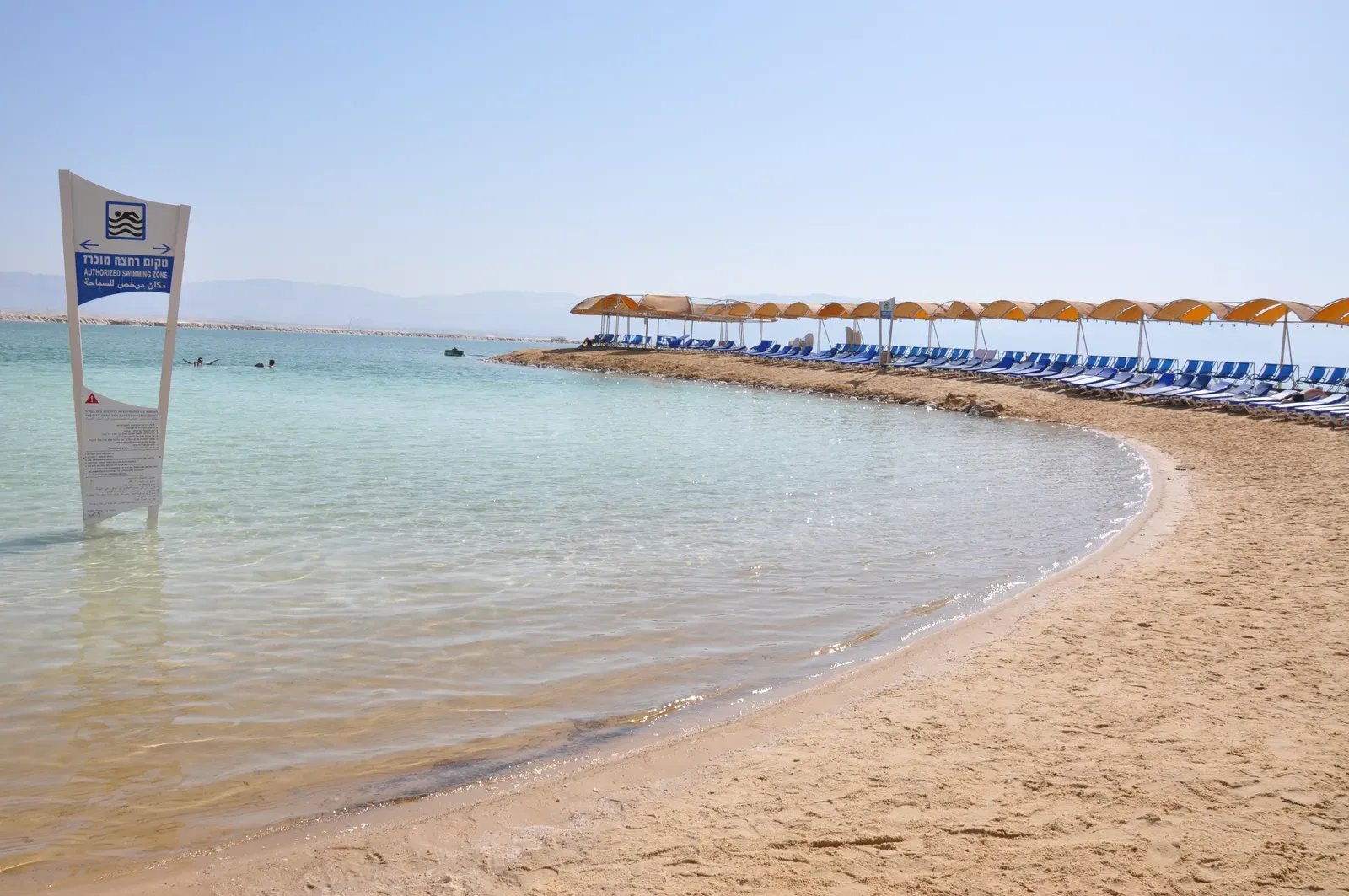
A shrinking, salt‑choked Mediterranean was not just a dramatic landscape event, it was a biological crisis. Marine organisms that once thrived in normal seawater suddenly had to cope with increasingly salty, shallow, and fragmented environments. In some areas, salinity may have risen to levels comparable to or exceeding modern hypersaline lakes, making life difficult even for hardy species. Many deep‑water habitats likely disappeared altogether, replaced by evaporating pools or land.
At the same time, new ecological niches opened up around the margins and in residual basins, where conditions fluctuated wildly between brackish, marine, and hypersaline. Fossil evidence suggests shifts in species distributions and the appearance of organisms adapted to stressful, temporary environments. The crisis did not wipe the slate clean, but it scrambled the ecological deck. When the Mediterranean later refilled, it offered fresh opportunities for colonization and evolution, shaping some of the unique marine communities we see in the region today.
Detective Work Beneath the Waves: How Scientists Pieced This Together
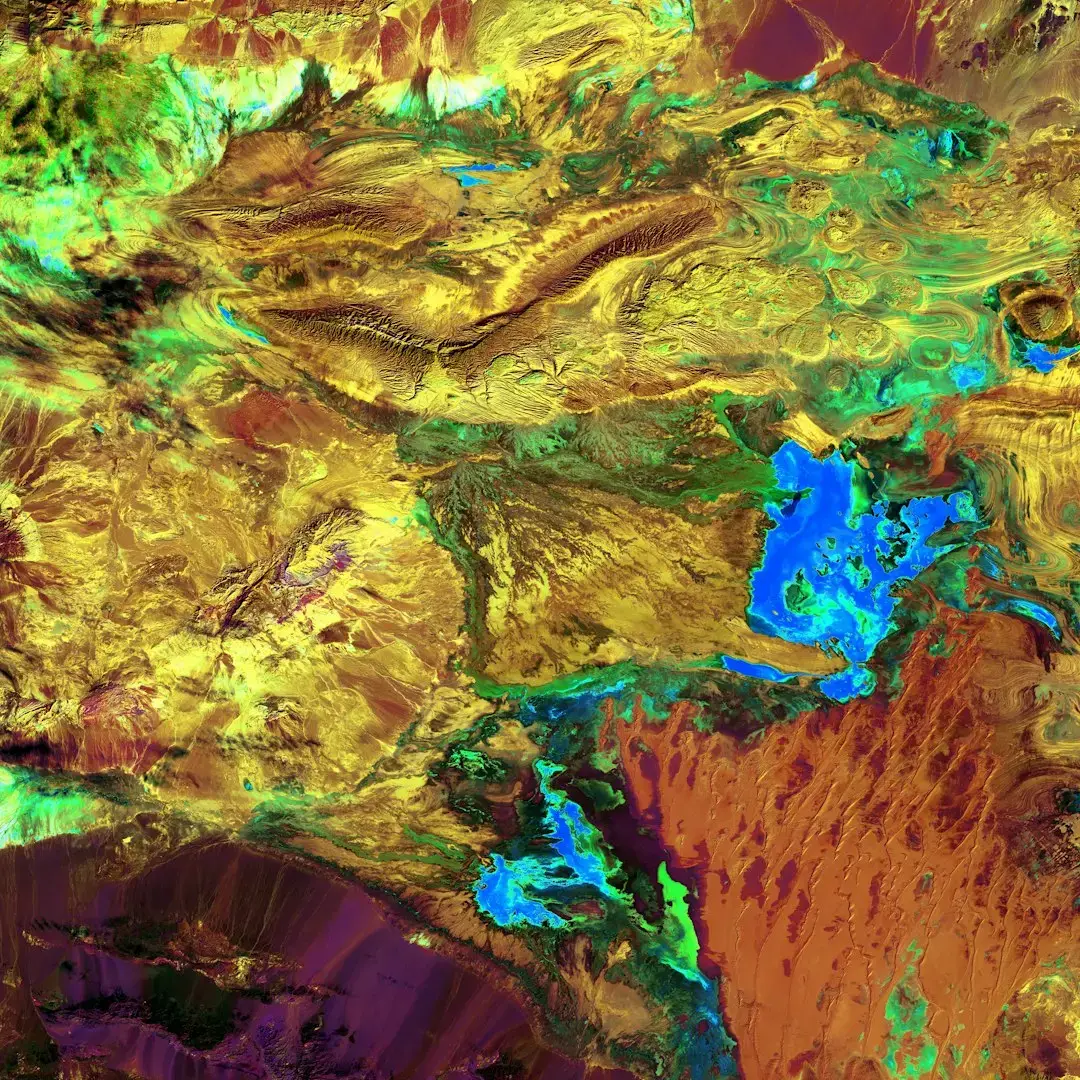
The idea that the Mediterranean almost dried out sounds so extreme that it initially faced skepticism, and honestly, that reaction makes sense. The turning point came from a combination of offshore drilling, seismic imaging, and detailed field studies on land. When deep drill cores pulled up thick layers of evaporites from far below the modern sea floor, it was like finding a stack of salted fingerprints pointing to extreme evaporation. These rocks simply do not form in open‑ocean conditions.
Seismic surveys, which let researchers “see” the layering of rocks beneath the seabed, revealed huge, laterally extensive packages of these evaporites draped across the basin. On land, geologists found evidence of ancient river incisions and unusual sedimentary layers that matched a lowered sea level and oscillating shorelines. Piece by piece, a picture emerged of a Mediterranean that alternated between partially refilled stages and nearly desiccated phases. I find it oddly satisfying that something so incredible is supported not by one flashy clue, but by dozens of quiet, converging lines of evidence.
The Great Refill: A Catastrophic Return of the Atlantic
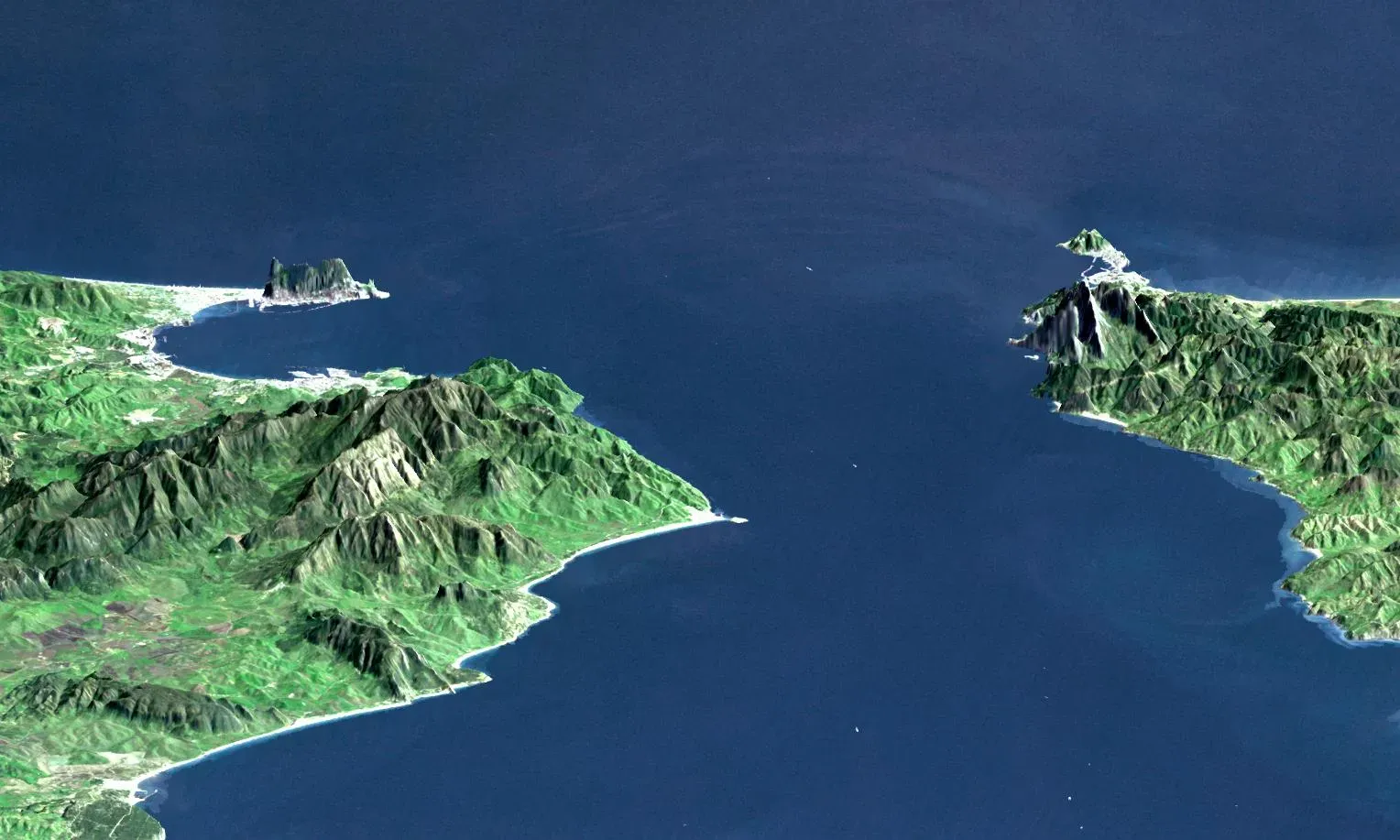
The end of the Messinian Salinity Crisis was likely as dramatic as its beginning, maybe even more so. At some point around five and a bit million years ago, the Atlantic Ocean re‑established a strong connection with the Mediterranean through what is now the Strait of Gibraltar. Many researchers think this triggered a catastrophic flood, with Atlantic waters pouring into the deep, dry basin in a geologically sudden event. In some models, the refill might have taken only a few thousand years or even less, an eyeblink in geological time.
To picture what that means, imagine an immense waterfall at the scale of an entire ocean strait, carving and deepening the gorge that would become the modern Strait of Gibraltar. The volume of water cascading in could have rivaled the combined discharge of all the world’s rivers, just focused through a narrow gateway. Whether it was a single mega‑flood or a series of rapid pulses, the outcome was the same: the Mediterranean returned to being a deep, open sea, burying the salt deserts and canyons under a new blue surface.
Why This Ancient Near‑Disappearance Still Matters Today
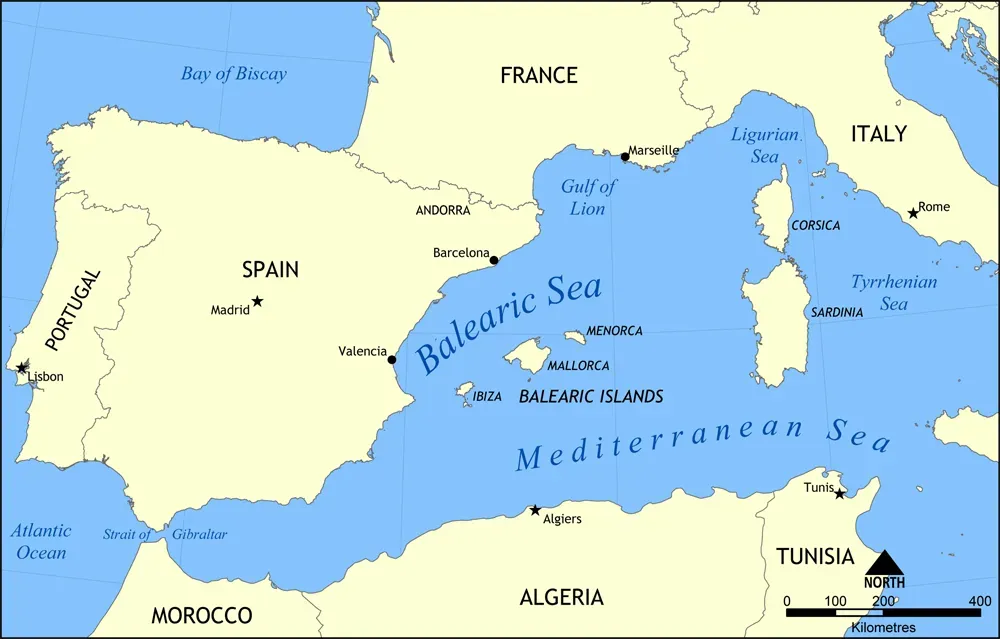
It might be tempting to treat all of this as a quirky prehistoric drama with no relevance to the present, but that would miss the point. The Messinian Salinity Crisis is a stark reminder that ocean basins and coastlines are not fixed backdrops; they can change in ways that are huge, abrupt, and hard to imagine from a human perspective. While today’s climate and tectonic settings are different, the underlying message is that Earth’s systems have tipping points and thresholds. Block a seaway or alter a water balance enough, and entire regions can flip into radically new states.
This episode also matters in a more practical sense. The thick evaporite layers laid down during the crisis affect everything from offshore engineering to energy exploration, because salt flows and deforms over time, distorting the rocks above it. More broadly, the Messinian story has become a touchstone for how scientists think about extreme events on other planets, such as dried‑up basins on Mars that may once have held water. When I look at a calm Mediterranean beach today, it is hard not to see it as a thin, fragile skin stretched over one of the strangest geological experiments our planet has ever run.
Conclusion: A Sea That Reminds Us How Wild Earth Really Is
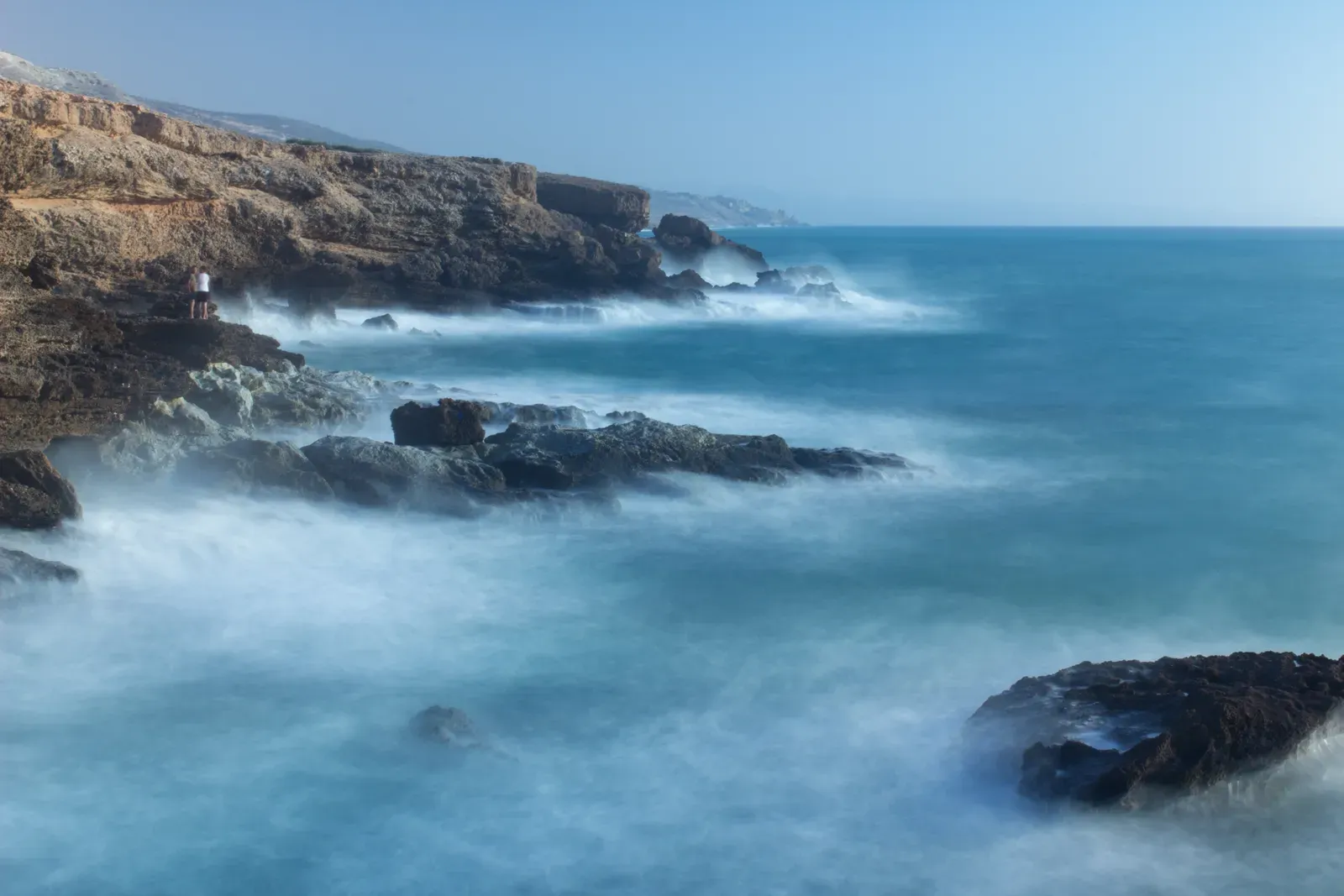
I think the wildest part of the Mediterranean’s near‑disappearance is not the salt thickness or the mega‑flood, but the fact that it happened in a place we now treat as familiar and almost ordinary. We holiday on its coasts, cruise across its surface, and frame it as a timeless postcard, while beneath that postcard lies evidence that this “eternal” sea once nearly winked out. In my view, that should permanently break the illusion that Earth’s present layout is the default setting. Stability is the exception, not the rule.
If anything, the Messinian Salinity Crisis should make us more humble and a bit more urgent in how we think about rapid change today. We cannot blame plate tectonics for modern climate shifts, but the Mediterranean’s story shows how quickly an entire region can become almost unrecognizable when key thresholds are crossed. A sea turning into a salt desert and then back into a sea again is a powerful, almost unsettling reminder that nothing in our world is guaranteed to stay as it is. When you stand at the shore and watch the waves roll in, can you picture the deep desert that once lay where that water now calmly rests?