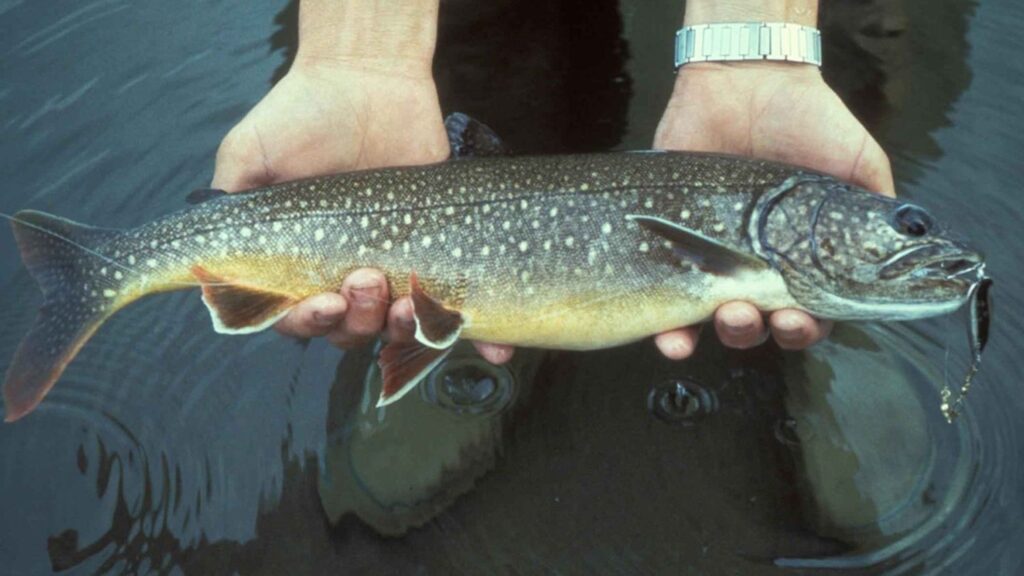

You expect horror stories from the ocean’s midnight zone, not from a lake that tourists cruise across on summer weekends. Yet a quarter mile beneath the surface of Lake Superior, cameras are now capturing something that looks like it swam out of a sci‑fi script: gaunt, hollow‑eyed “zombie” trout drifting through the dark. These are real fish, not myth or photoshop, and the first fresh video from the lake’s deepest point in decades is forcing scientists to ask a deeply uncomfortable question – what happens when the top predator in an ancient food web starts to starve?
The phrase zombie fish sounds like clickbait until you see the side‑by‑side photos: a normal trout next to one so thin its head seems too big for its body. That is the image that pushed the Michigan Department of Natural Resources (DNR) and Michigan State University (MSU) researchers to head back to Superior’s abyss with modern cameras and remotely operated vehicles. They are not chasing monsters; they are trying to understand why a fish built to be fat is suddenly wasting away in one of the coldest, cleanest lakes on Earth. And the eerie new footage from the deepest point, known as Superior Maximus, is raising as many questions as it answers.
What Exactly Are These “Zombie” Fish?
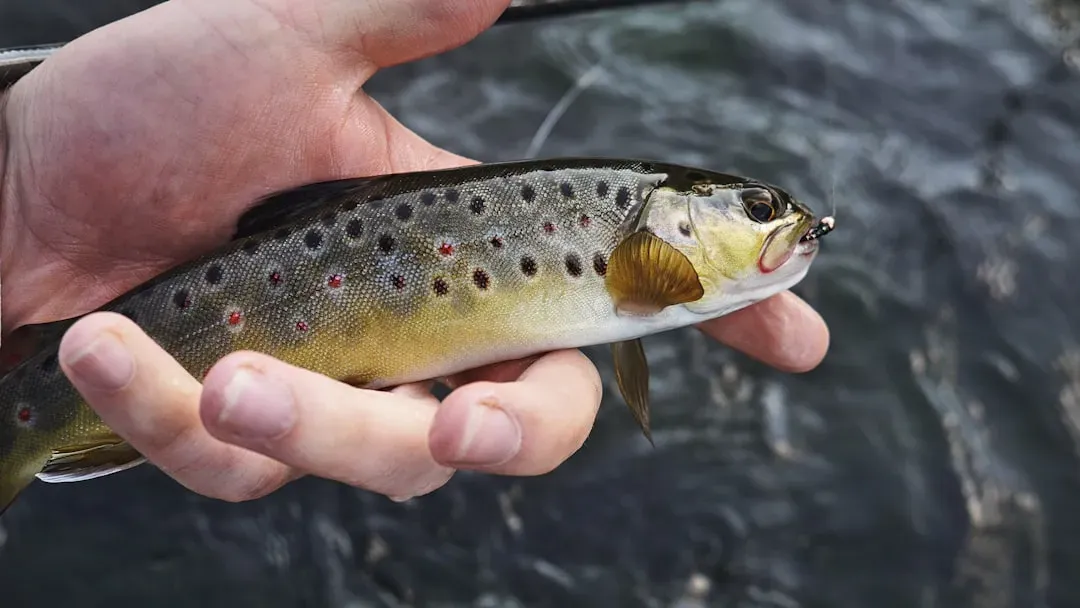
When biologists say zombie fish, they are not talking about a new species. The term is a grim nickname that Michigan DNR and MSU researchers began using in their field notes and conversations to describe a specific, disturbing look in some siscowet lake trout coming out of Lake Superior’s deepest waters. Siscowets are a deep‑water morphotype of lake trout, naturally packed with fat – so much so that their Ojibwe name roughly refers to a fish that can almost cook itself from its own oils. Seeing one that looks like skin stretched over bone is so abnormal that the zombie label stuck because nothing else quite captured it.
These emaciated siscowets are not just a little leaner than usual; many weigh roughly about half what a healthy trout of the same length should. In photos from surveys, their heads look oversized, their bellies caved in, their flanks slightly sunken where there should be thick, energy‑rich tissue. The Michigan DNR’s long‑running deep‑water monitoring has documented these fish for nearly a decade, but in recent years the numbers and severity have increased enough to trigger serious concern and a formal research focus. Zombie fish, in this context, is shorthand for a very real syndrome: highly emaciated, deep‑water siscowet lake trout that appear to be running out of fuel in a place where survival already pushes biology to the limit.
Lake Superior’s Abyss: Life At Superior Maximus
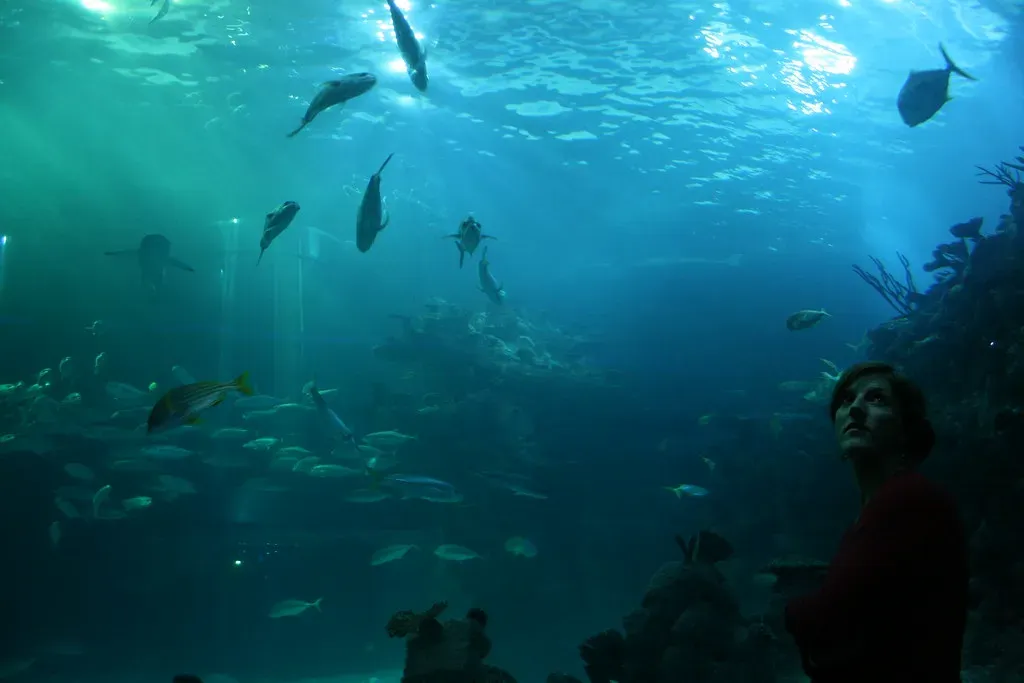
To understand why the new footage is such a big deal, you have to picture where these fish live. Superior Maximus, the deepest point in Lake Superior and in all the Great Lakes, plunges to around 1,320 feet – more than three times deeper than most city skyscrapers are tall. Down there, sunlight never really arrives, the water hovers just above freezing, and pressure stacks up to more than thirty times what you feel at the surface. It is closer to a deep‑sea environment than to the kind of lake most of us imagine when we hear the word Superior.
Despite that harshness, the abyss is not a dead zone. It hosts a delicate food web built on tiny crustaceans and deep‑water forage fish such as kiyi, cisco, and sculpins, with siscowet trout sitting on top as the resident apex predators. For decades, that deep community was almost entirely hidden, with only occasional net surveys and scattered submersible footage to hint at what lived there. Michigan DNR’s research vessel Lake Char helped change that by enabling systematic deep‑water work, including documenting fish at Superior Maximus and even aging lake trout there to more than six decades old. Now, modern cameras and remotely operated vehicles are giving scientists a rare chance to actually watch this ecosystem in motion – and to see, in real time, how many of its top predators are wasting away.
How Scientists First Noticed Something Was Terribly Wrong
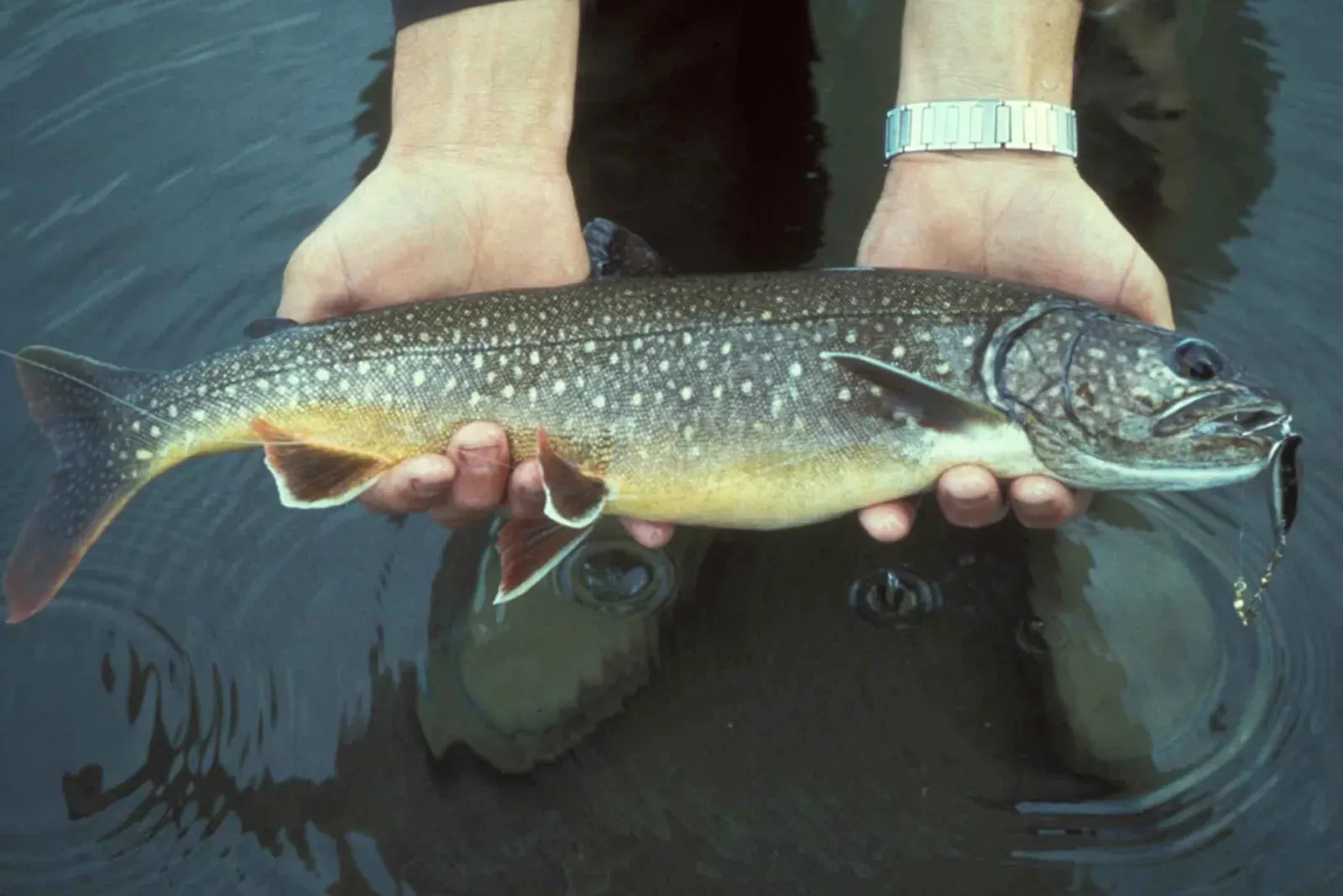
The story of zombie fish did not begin with dramatic footage; it started with a quiet sense that something was off in the data and in the nets. When Michigan DNR biologists hauling deep‑water gillnets began seeing siscowet trout with sunken flanks and razor‑sharp spines nearly ten years ago, they initially treated them as oddities. In any long‑running survey, there are always a few strange individuals. But as year after year of sampling piled up, those outliers turned into a pattern that biologists could not ignore.
Working with partners at MSU, researchers started quantifying the problem: recording lengths, weights, fat content, and condition scores for each trout. What emerged was startling. Many of the suspect fish had only about one third of the fat reserves expected for their size; some weighed less than half of a normal counterpart of the same age and length. Careful analysis showed that the issue was concentrated in the siscowet morphotype and in the deepest offshore habitats, not spread evenly throughout the lake. At that point, the undead metaphor slipped from casual boat talk into presentations and interviews. Zombie fish became both a vivid description and a scientific signal that something in Lake Superior’s deep‑water system had fundamentally shifted.
Filming Zombie Fish at the Deepest Point for the First Time in Decades
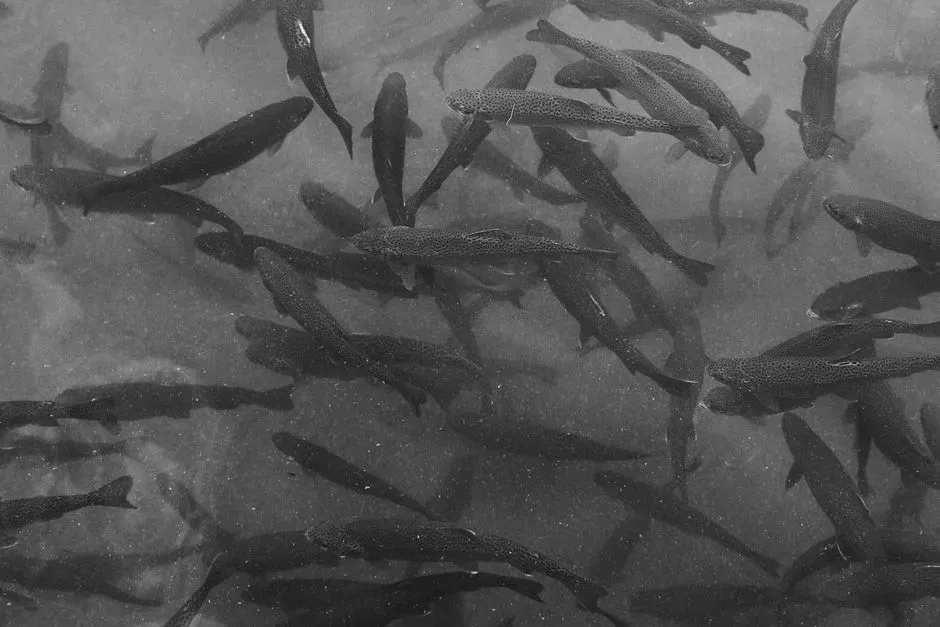
What is new in 2026 is not just recognition of the zombie fish problem – it is the ability to see these emaciated trout in their natural, extreme habitat. For the first time in decades, scientists working with documentary filmmakers have lowered high‑definition cameras and remotely operated vehicles directly into Superior Maximus. With the Michigan DNR as scientific partner and MSU researchers helping shape the mission, the Hidden Below: The Great Lakes team is capturing footage of deep‑water life that, until now, existed only as numbers in spreadsheets and still images taken on deck.
The early clips are quietly chilling. In the beams of ROV lights, some siscowet glide past looking thick‑bodied and powerful, reinforcing the old reputation of these fish as living torpedoes of fat. Others, though, slip into frame with that unmistakable zombie profile: narrow shoulders, concave bellies, and a stiffness to their movement that suggests energy budgets stretched to the breaking point. Seeing such fish drifting through the lake’s deepest trench rather than just laid out on a metal measuring board changes the emotional impact for both scientists and the public. It turns an abstract condition into a living, moving mystery – and raises sharper questions about how widespread the problem truly is in the parts of the lake that nets rarely reach.
What Makes Siscowet Lake Trout So Special – and So Vulnerable?
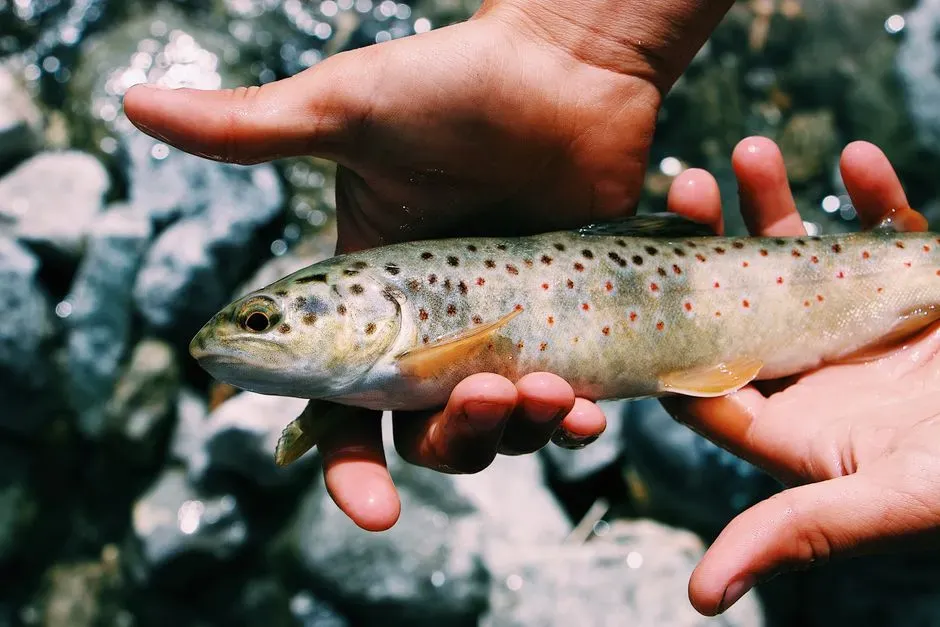
Siscowet lake trout might be the least familiar famous fish in North America. Most anglers know the lean, shallower‑water form of lake trout that show up in photos and record books. Siscowets, by contrast, evolved as deep‑water specialists in Lake Superior. They are shorter and rounder, with dramatically higher fat content that helps them stay buoyant and energized in cold, dark, high‑pressure environments. Historically, that fat was so abundant that it once drew commercial interest for fish oil and contributed to their Ojibwe name. In a healthy state, they almost look overbuilt for survival in the abyss.
Ironically, the very trait that defines siscowets – their extreme fat reserves – also makes their current condition so alarming. When a fish designed by evolution to be a swimming energy battery shows up half empty, something serious has changed. It suggests that either they are not finding enough food, they are burning more calories than before, or some underlying process is interfering with how they store and use energy. Compared with lean lake trout that occupy a broader range of depths and prey, siscowets are tightly tied to the deep‑water food web. That specialization is a strength when conditions are stable and a vulnerability when the base of the pyramid starts to wobble.
Are the Zombie Fish Starving in a Hidden Food Crisis?
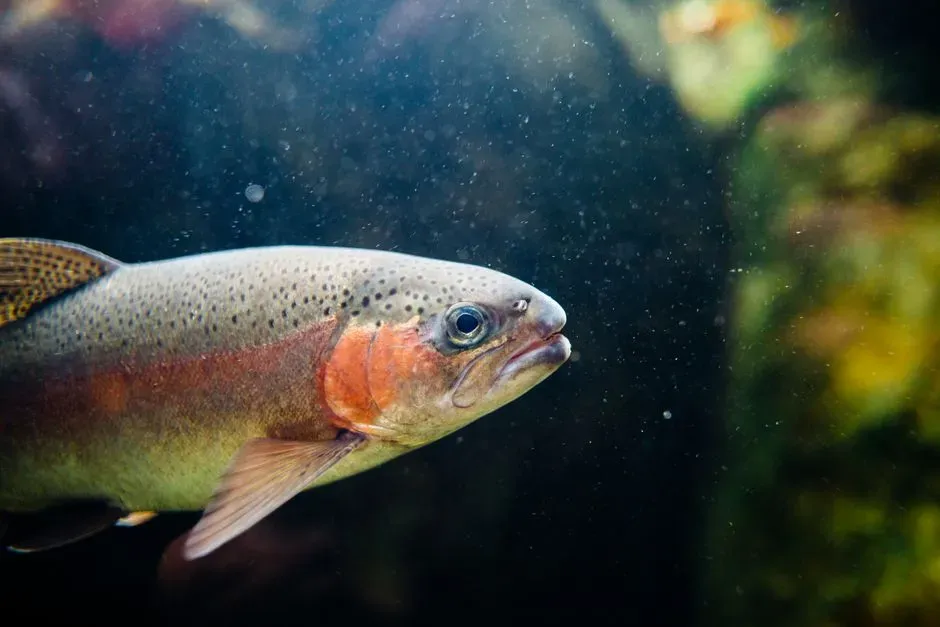
The leading hypothesis, and the one most biologists cautiously lean toward, is that the zombie condition reflects a deep‑water food limitation. In simple terms, there may no longer be enough calories to support all the large predators living in the abyss. Lake Superior’s offshore food web balances small crustaceans, zooplankton, and microscopic algae with mid‑level forage fish like kiyi and cisco, which in turn feed siscowet trout. If anything shifts that balance – climate‑driven changes in productivity, altered mixing patterns, subtle declines in prey populations – it can translate into predators that cannot maintain their once‑luxurious fat stores.
The troubling part is that you cannot easily see a food crisis a thousand feet down. Surface conditions can look pristine while the deep layers quietly change in ways that only long‑term monitoring can detect. Some researchers point to evidence that certain deep‑water prey fish have declined or shifted distribution in parts of the lake, potentially forcing siscowets to work harder for the same meal or to rely on less energy‑dense prey. Others suggest that warmer surface seasons and altered stratification could be changing how nutrients move through the water column, diluting the fuel supply that eventually reaches the abyss. No one has proven a single smoking gun, but the pattern of severely underweight fish at the very top of the deep‑water chain is a strong sign that the pantry below them is not as full as it used to be.
Other Suspects: Disease, Parasites, Contaminants, and Climate Change
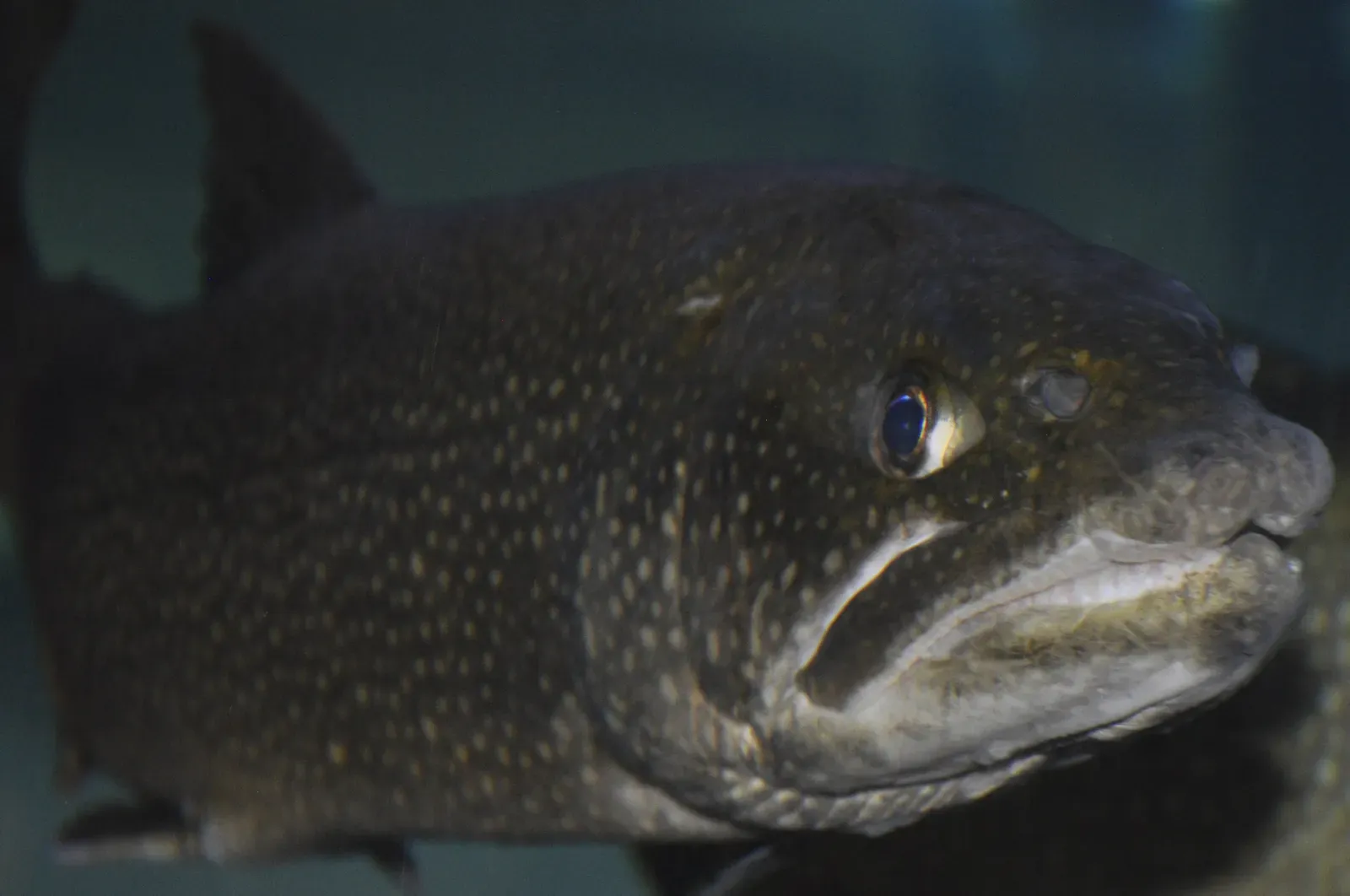
Food scarcity is not the only explanation on the table, and the responsible scientists involved are careful not to blame any one factor prematurely. Teams from the Michigan DNR, MSU, and partner agencies are examining zombie siscowets for signs of disease, parasites, or organ damage that could impair feeding or metabolism. Sea lampreys, the notorious parasitic invaders that devastated trout in other Great Lakes, remain under tight control in Superior, but their impacts are still being evaluated in the deep‑water context. So far, there is no clear evidence that parasites alone can explain why only some siscowets end up in such extreme condition while others of the same age and size remain robust.
Contaminants are another unsettling thread. Early analyses have found slightly higher mercury levels in some zombie fish compared with healthier trout, though it is not yet clear whether that is a cause, a consequence of altered diet, or just a parallel symptom of living higher in a disrupted food web. Add climate change to the mix, and the mystery deepens. Even a lake as cold and vast as Superior is feeling the effects of warmer air temperatures, changing ice cover, and longer stratified seasons, all of which can subtly reshape oxygen levels, nutrient flows, and plankton communities. From my perspective, the most realistic scenario is not a single villain but a tangle of stressors – with shifting food webs, contaminants, and climate‑driven changes tugging at an ecosystem that once looked too big to fail.
Why This Matters for Lake Superior, Fisheries, and Us
It might be tempting to see zombie siscowets as a niche scientific curiosity – odd, but distant from everyday life. That would be a mistake. Siscowet lake trout are not just another fish; they are a cornerstone predator in one of the planet’s most intact large freshwater systems. When the top of a food web starts to show visible stress, it is like a warning light snapping on in the dashboard. It tells you that hidden processes, often sluggish and slow to reveal themselves, have shifted enough to leave a biological heavyweight literally wasting away.
For fisheries managers, this has very practical implications. Siscowets help stabilize prey populations, influence how energy moves through the lake, and even connect deep offshore habitats with shallower zones where other species and fisheries operate. If a significant share of these fish are now underweight and weakened, their role as apex predators could erode over time, with unpredictable ripple effects on prey fish communities and on other trout morphotypes. For the public, the story challenges the comforting idea that if water looks clear and cold, it must be healthy. Zombie fish are a reminder that some of the most important changes happen far out of sight, in layers of the lake that only a handful of people will ever see in person.
What Comes Next – and Why I Think We Should Be Worried
Over the next few years, crews from the Michigan DNR, MSU, and partner institutions plan to return to Superior Maximus and other deep‑water hotspots with ROVs, advanced sonar, and old‑fashioned nets to track how the zombie phenomenon evolves. They will be analyzing tissue samples for contaminants, parasites, and metabolic clues; comparing body condition across depths and regions; and tying new field data to long‑term records stretching back decades. The goal is not just to describe an eerie syndrome but to understand whether it signals a temporary wobble or a lasting re‑wiring of Lake Superior’s deep‑water ecosystem.
Here is my opinion, and I will admit it is a cautious but real worry: when a long‑lived, slow‑growing predator that survived invasive species, historic overfishing, and industrial pollution starts to show widespread emaciation, we are probably not dealing with a harmless blip. The lake is sending a complicated message, and zombie fish are the part of that message we can finally see. Whether you are an angler, a scientist, or simply someone who loves the idea that there are wild, mysterious places left in the world, what happens at Superior Maximus should matter to you. The real horror story would not be a viral video of skeletal trout, but a future in which we ignored them until the deep parts of the greatest Great Lake quietly became a little emptier. When you picture those ghost‑thin fish drifting through the dark, do you see a curiosity – or an early warning we would be foolish to shrug off?