

Every time you grab your keys and head for the door, your dog reacts. Sometimes it’s calm acceptance, sometimes it’s full-body panic, and sometimes it’s that heartbreaking silent stare. For years, you’ve probably wondered what is actually going on inside that furry head in those moments. Are you really breaking their heart, or are they just being dramatic?
In the last few years, research into dog cognition, emotion, and attachment has exploded. Scientists are finally starting to map what your dog feels and thinks when you walk out the door, and the picture is both more complex and more comforting than most people expect. You’re not just a food dispenser or a walk machine; in your dog’s mind, you’re much closer to a secure base, a social partner, even a kind of family. Let’s unpack what that actually means for those everyday goodbyes.
Your Dog Is Not Just Watching You Leave, It’s Reading Your Intentions
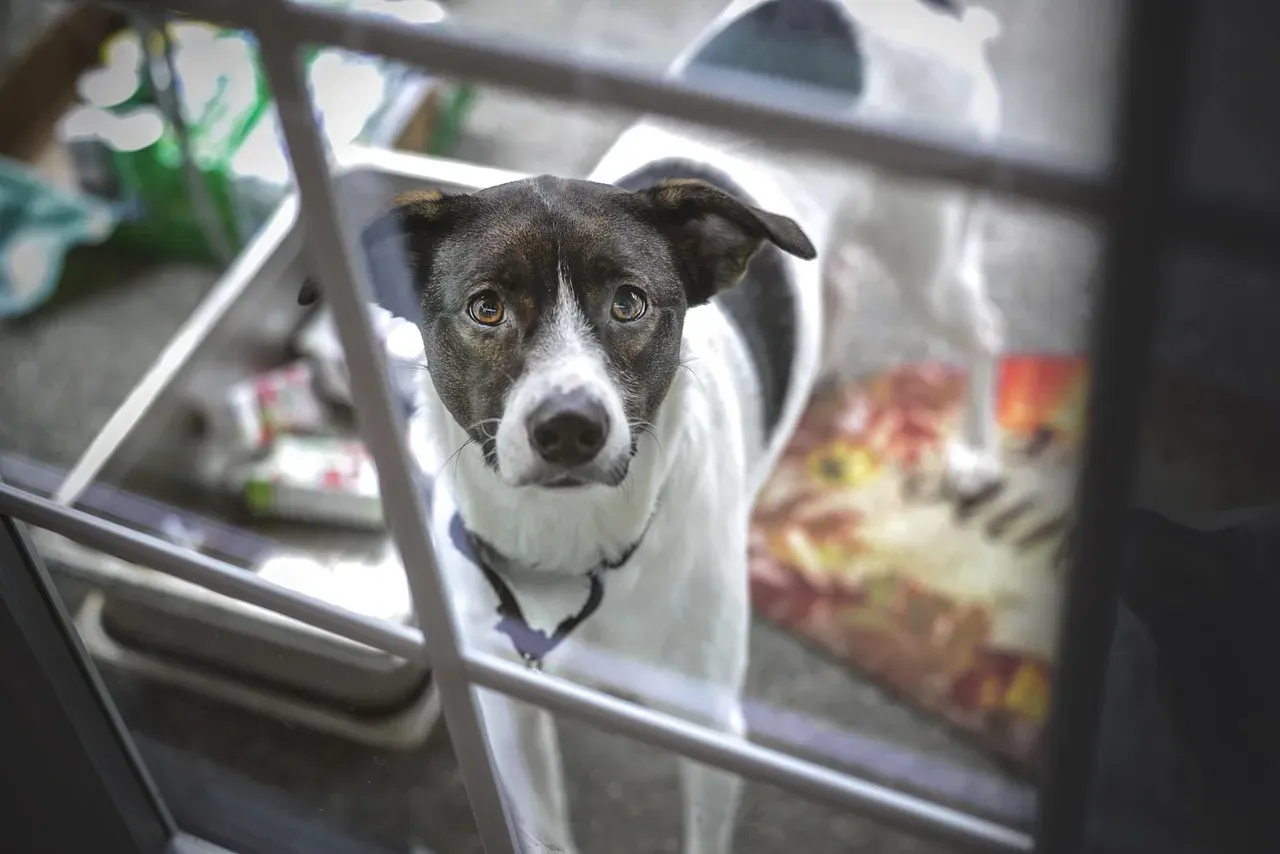
When you walk toward the door, your dog is not simply noticing movement; it’s reading a pattern it has learned from hundreds or thousands of repetitions. The shoes you put on, the bag you grab, the tone of your voice, the time of day – your dog quietly strings all of these clues together to predict whether you’re going for a quick trip to the mailbox, heading to work for hours, or picking up the leash. You may feel like you’re being sneaky when you try to slip out, but your dog’s brain is wired to pick up on tiny routines and turn them into expectations.
Over time, your dog builds a mental model of your comings and goings. In simple terms, it learns that certain signals usually mean you’ll be gone a long time, and that can trigger anxious or clingy behavior even before you touch the doorknob. You might notice the pacing, the whining, or that intense stare starting earlier and earlier as your morning routine unfolds. That’s not defiance or manipulation; that’s your dog bracing emotionally for what it has learned is about to happen.
Your Dog Experiences a Real, Measurable “Missing You” Response
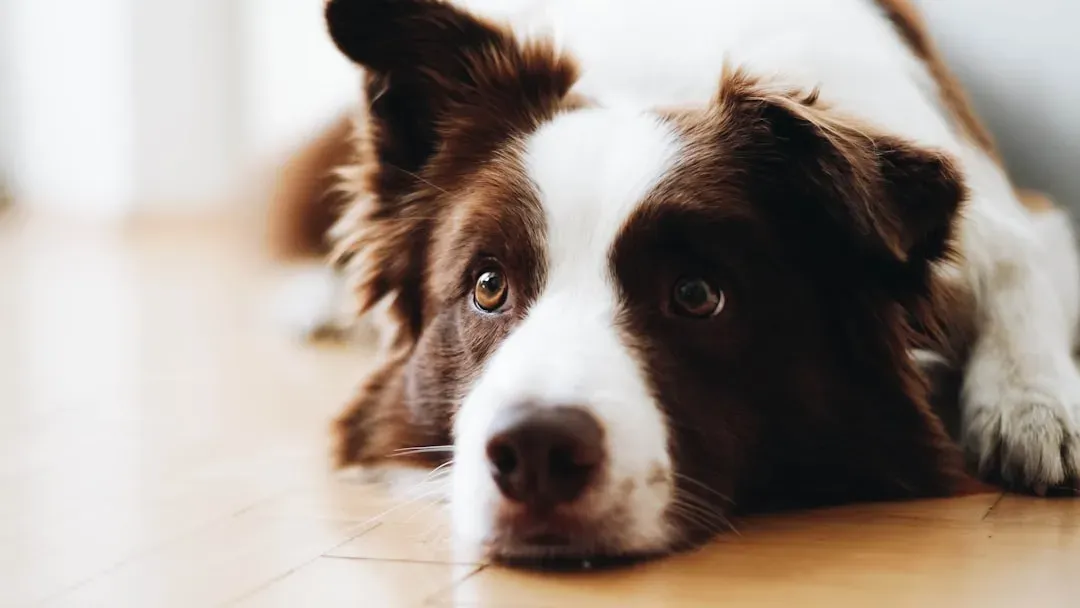
You might assume only humans can truly miss someone, but your dog’s body tells another story. When you leave, many dogs show spikes in stress markers like cortisol, changes in heart rate, and shifts in activity that line up with what you’d expect when a social partner suddenly disappears. You see the behavior on the outside – barking, pacing, sitting by the door – but there’s a full emotional storm humming along under the fur.
That doesn’t mean every dog is drowning in sadness every time you grab the car keys. Just like people, some dogs cope better than others, and some are simply more laid-back by nature or by experience. Still, if you’ve ever felt like your dog’s eyes follow you with an almost human kind of longing, you’re not imagining the emotional weight behind that look. Your dog has bonded with you as a central figure in its world, and when you step out, the emotional needle really does move.
Your Dog Is Wondering One Big Thing: “Are You Coming Back?”
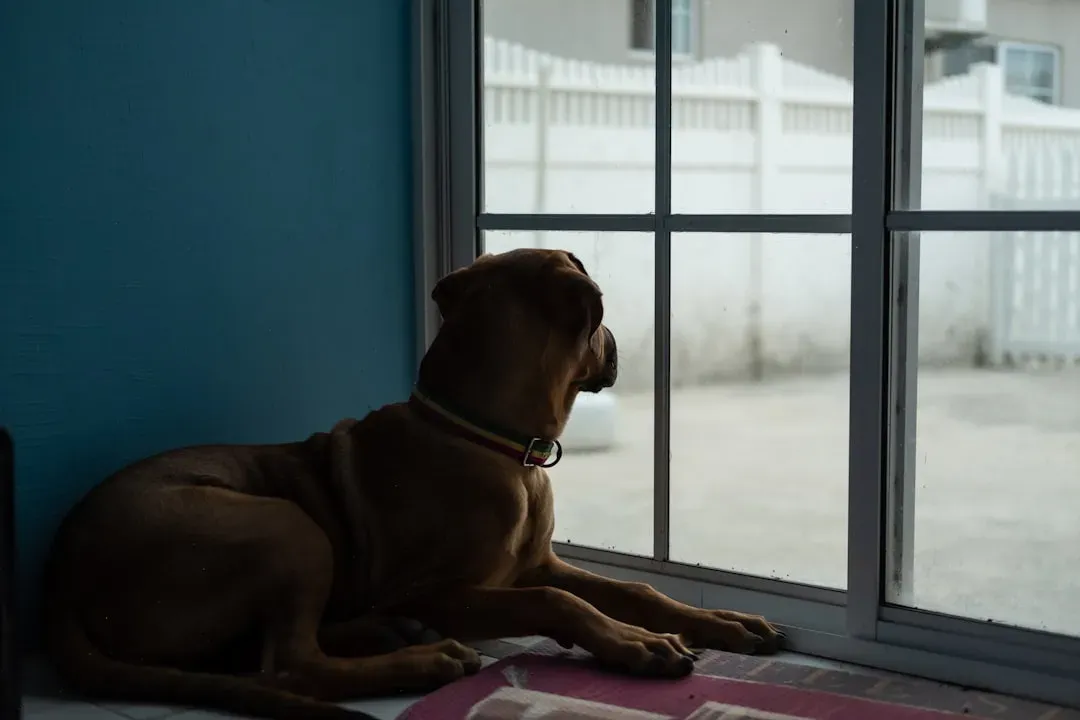
From your dog’s perspective, the real question when you walk out the door is not why you’re leaving, but whether you’re returning. Dogs don’t tell themselves detailed stories the way you do, but they do rely heavily on predictability. If your departures and returns have been fairly consistent, your dog gradually learns that the door closing is not a permanent loss, just a temporary absence in a familiar pattern.
However, if your schedule is chaotic or your dog has experienced abrupt separations in the past, that sense of certainty can be weaker. Then, when you leave, your dog may react as if each departure carries a small risk that this could be the time you do not return. That uncertainty can look like frantic barking, destructive chewing, or attempts to escape. Underneath the behavior, the core thought is simple and raw: you are gone, and your dog isn’t totally sure you will be back to restore its world to normal.
Your Dog Also Thinks About What It Can Do To Cope Until You Return

Once you’re out the door, your dog is not just sitting in a blank void waiting for you to materialize. It actively experiments with ways to manage the gap. Some dogs quickly learn that curling up in a favorite spot, napping, or watching the window is soothing. Others try more desperate strategies, like scratching the door, howling, or grabbing something that smells like you because it feels comforting in the moment.
Over repeated absences, your dog is constantly updating an internal rulebook: what helps me feel better while I’m alone, and what makes things worse? If being near the door seems to speed up your return in your dog’s mind, it may plant itself there like a furry security guard. If chewing a toy makes the time feel shorter, that toy suddenly takes on enormous emotional value. From the outside, it looks like simple behavior, but underneath, your dog is running a quiet series of emotional survival experiments every time you leave.
Your Dog May Feel Confused About “Being in Trouble” When You Come Back
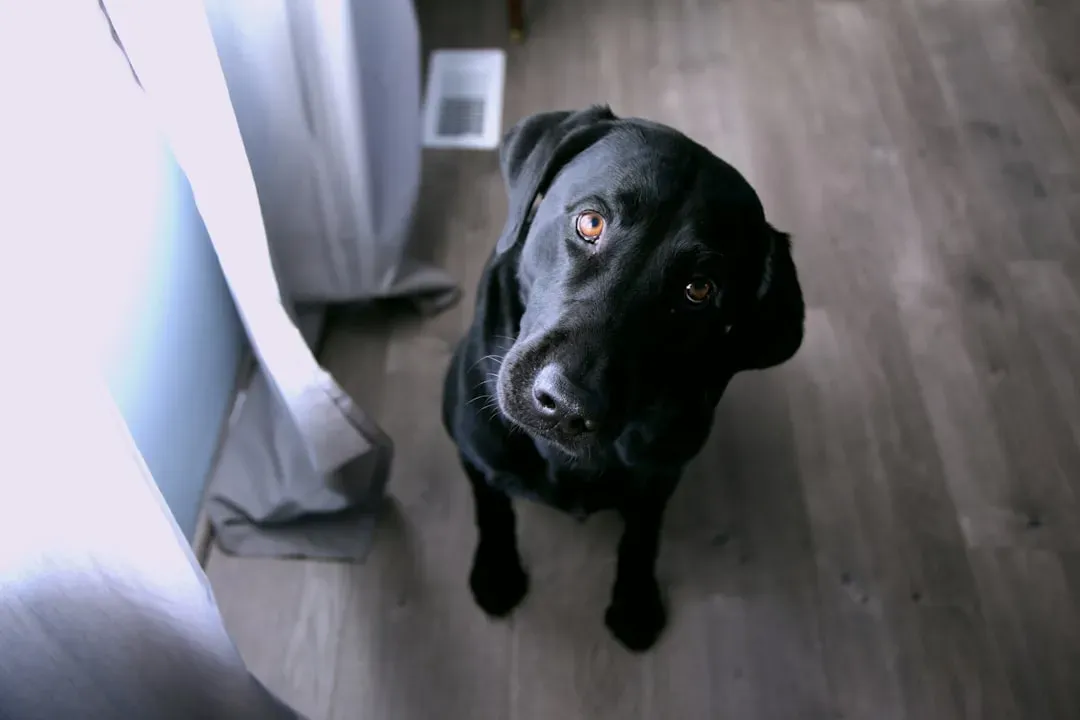
If you walk in and find shredded pillows or scratched doors, it’s easy to scold your dog on the spot. From your perspective, you’re reacting to what just happened; from your dog’s perspective, you’re exploding out of nowhere at the exact moment it finally gets you back. Your dog is not rewinding the tape and connecting the punishment to the earlier behavior the way you are. It’s mostly reading your current body language and tone, which suddenly say danger just when it expected relief.
Over time, that mismatch can twist what your dog thinks about your return. Instead of your arrival always signaling safety, it can start to feel unpredictable: sometimes joyful, sometimes scary, depending on the state of the house. This does not teach your dog to “regret” what it did while you were gone; it mostly teaches it to be anxious or submissive when you walk in. In your dog’s mind, you leaving is stressful, but you coming back can be stressful too if the emotional tone at the door is often tense or angry.
Your Dog Uses Your Smell, Sounds, and Light to Track Your Absence

Your dog does not stare at a clock, but it does sense time in a more organic way. Your scent slowly fades from the air and from surfaces, neighborhood sounds shift, and the light in the room changes angle and intensity. As these cues move through their usual rhythm, your dog builds a rough internal timeline of how long you’re typically gone. It starts to expect your footsteps or the sound of your car when familiar patterns line up.
That’s why you sometimes find your dog already waiting by the door or at the window at almost the exact moment you come home, even if you did not follow your routine perfectly. In your dog’s mind, time away from you is not just empty waiting; it is a series of sensory changes it learns to read, like a slowly unfolding weather report. When enough of those changes hit the right combination, your dog’s expectation flips from “you are gone” to “you are almost here,” and the emotional tone in its body shifts from dull longing to electric anticipation.
Your Dog Thinks of You as a Safe Base, Not Just a Food Source
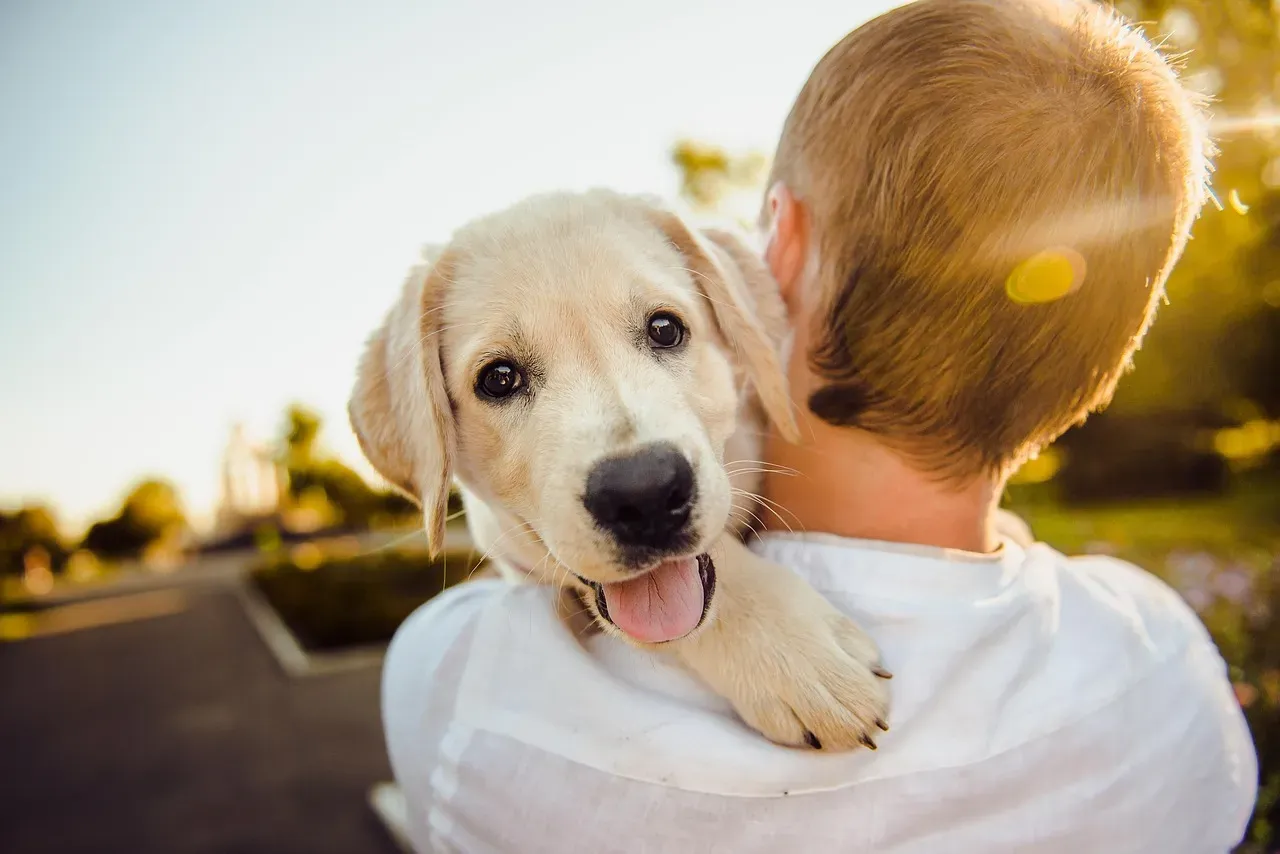
When you leave the house, your dog is not just losing access to meals and walks; it is losing access to its main emotional anchor. Studies comparing how dogs and young children respond to separation and reunion show a striking similarity: both use their primary caregiver as a secure base from which they feel safe exploring the world. When that base vanishes, the world suddenly feels less predictable and more threatening, even if nothing objectively dangerous is happening.
That is why some dogs seem to melt with relief when you return. They are not simply excited about food or play; they are reassured that their emotional center is back in place. When you understand that your dog links your presence with safety itself, separation stops feeling like a minor inconvenience and starts looking more like a temporary loss of psychological gravity. Your dog’s whole inner world tilts slightly when you step out the door and rights itself when you walk back in.
You Can Shape What Your Dog Thinks and Feels About You Leaving
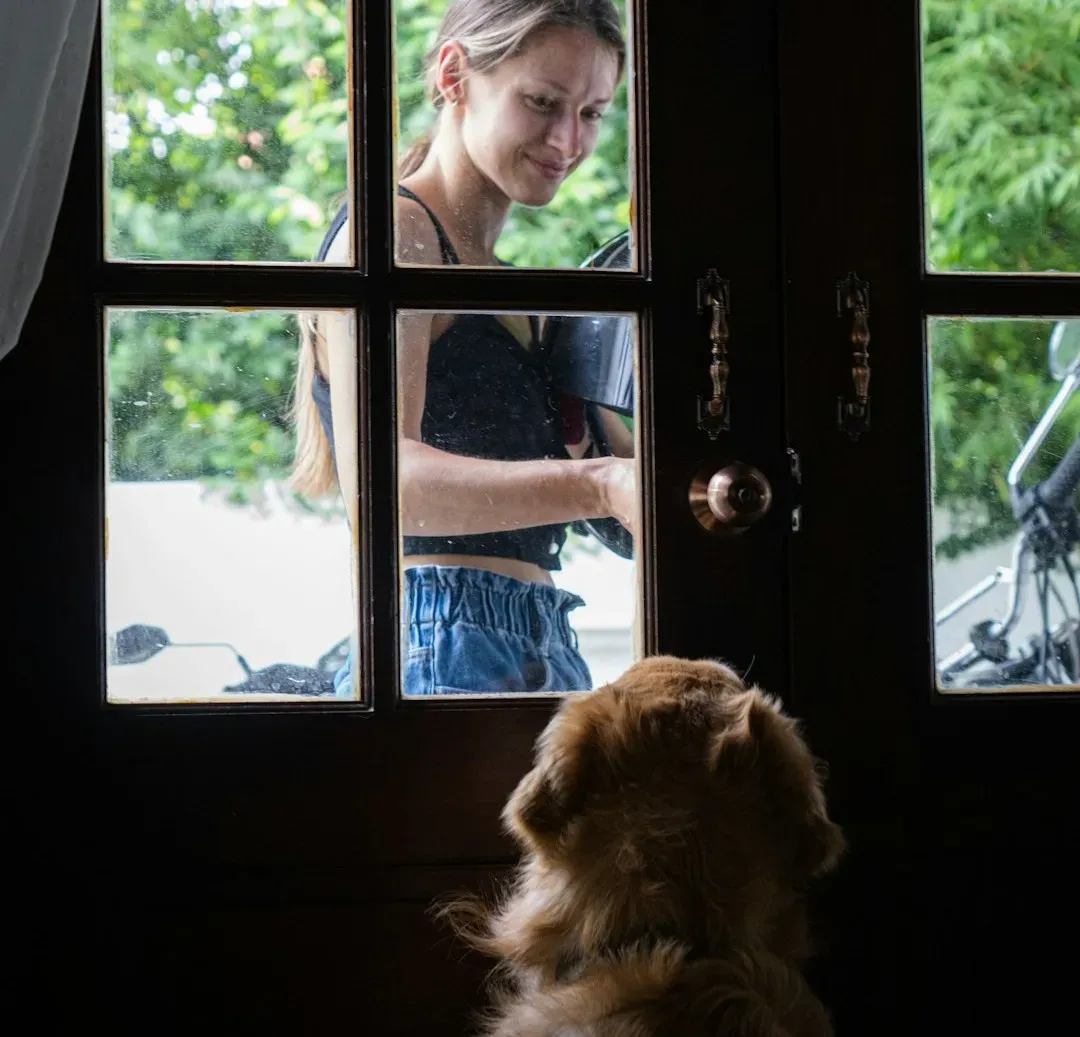
The most important thing to realize is that your dog’s thoughts and feelings about your departures are not fixed. Every time you leave and come back, you are teaching your dog what that cycle means. If you make your exits calm and predictable, leave behind engaging activities, and keep your returns warm but low-key, you are sending a clear message: separations are safe, temporary, and nothing to panic about. Over time, your dog’s internal story about you leaving shifts from disaster to routine.
On the other hand, if departures are chaotic, rushed, or emotional, and returns are tense or inconsistent, your dog’s mental picture of separation can harden into something much more stressful. You cannot explain your work schedule in words, but you can show your dog through patterns that you are reliable, that you always come back, and that life between your visits can still feel secure. In a very real way, you are co-writing the script your dog’s brain runs every morning when it watches you reach for the door.
In the end, when you leave the house, your dog is not thinking in sentences, but it is absolutely feeling and interpreting your absence. It is predicting your return, trying to cope, and watching closely for every sign that its world is returning to normal. Knowing that, you can treat those everyday goodbyes with a little more empathy and a lot more intention. If you were in your dog’s place, what kind of story would you want your own brain to tell every time the door closed behind the person you love most?